Jaflong: Nature's Daughter in Bangladesh
Discover Jaflong, Bangladesh: A scenic paradise where crystal-clear rivers meet lush tea gardens and vibrant tribal culture along the Indo-Bangladesh border, offering a unique natural escape.
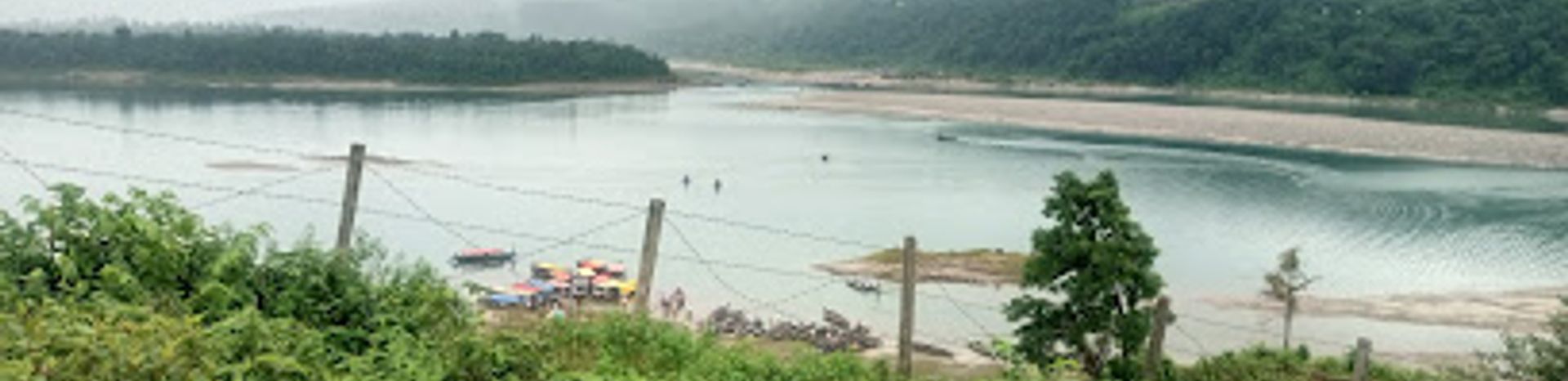
Jaflong, a mesmerizing hill station in Sylhet, Bangladesh, is a haven of natural beauty nestled along the Indo-Bangladesh border. Renowned for its stunning landscapes, the area boasts lush tea gardens, subtropical mountains, and the serene Piyain River, offering a tranquil escape for nature enthusiasts and photographers. The crystal-clear waters of the Dawki River (Piyain), originating in the Meghalaya hills, reveal vibrant underwater stones, inviting visitors to bathe and relax. Explore the unique Khasi tribal culture, sample local produce, and witness the bustling stone collection activities that define this picturesque region. With its breathtaking views and rich cultural tapestry, Jaflong promises an unforgettable experience.
A brief summary to জাফলং Jaflong
- 52M5+4XR, Jaflong, BD
- Visit website
Local tips
- Visit during the monsoon season (July-September) to witness the waterfalls in their full glory, or during winter (October-May) for pleasant weather and stone collecting activities.
- Hire a local guide to learn about the Khasi tribal culture and the history of the region for a more enriching experience.
- Bargain respectfully when shopping at local markets to get the best prices on handicrafts, local produce, and souvenirs.
- Be mindful of the proximity to the Indian border and avoid venturing too close to restricted areas.
- Carry insect repellent, wear comfortable shoes for walking, and stay hydrated, especially during warmer months.

Getting There
-
Public Transport
From Sylhet city, the most common way to reach Jaflong is by bus. Buses depart frequently from Kadamtoli Bus Stand and Subhanighat. Local bus fare is approximately 70-80 BDT per person, while 'Gate-Lock' non-stop bus services cost around 100-110 BDT. The journey takes 1.5 to 2.5 hours depending on traffic and the number of stops. Once in Jaflong, local CNG auto-rickshaws or Laguna services can take you to specific attractions like Zero Point. Expect to pay around 50-100 BDT for a short CNG ride within Jaflong.
-
Taxi/Ride-Share
Taxis and ride-sharing services (CNG auto-rickshaws) are readily available in Sylhet city. A direct taxi or CNG ride to Jaflong costs approximately 1200-1500 BDT for a CNG and 3000-5000 BDT for a microbus for the whole day, including the return trip. It's advisable to negotiate the fare beforehand. This option offers flexibility and is suitable for groups or families. From Jaflong main area, you may need to hire a local CNG or walk to reach specific spots like Zero Point.
-
Boat
To reach Zero Point or other attractions across the Piyain River, boat rides are necessary. Boat rentals at Jaflong Zero Point range from 300 to 3500 BDT depending on the type and duration. Negotiate the price before boarding. Engine boats are typically required to cross the river to visit villages like Sangrampunji and Nakshiapunji.
-
Entry Fee
There is an entry fee of 10 BDT per person to enter Jaflong.
Discover more about জাফলং Jaflong
Iconic landmarks you can’t miss

Jaflong Tourist Spot
0.4 km
Discover Jaflong, Bangladesh: A scenic paradise where rolling hills meet crystal-clear rivers, offering a unique blend of natural beauty and vibrant Khasi culture along the India-Bangladesh border.
Mamar Bazar Jaflong
1.0 km
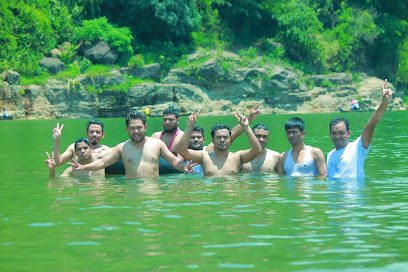
Experience the vibrant heart of Jaflong at Mamar Bazar, a bustling marketplace offering local crafts, flavors, and a glimpse into the region's rich culture and daily life.
Dawki river view point
1.1 km
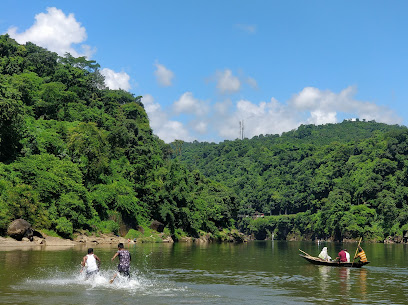
Discover the breathtaking beauty of Dawki River View Point, where crystal-clear waters meet lush landscapes, offering a unique glimpse into the serene Indo-Bangladesh border and Meghalaya's natural wonders.
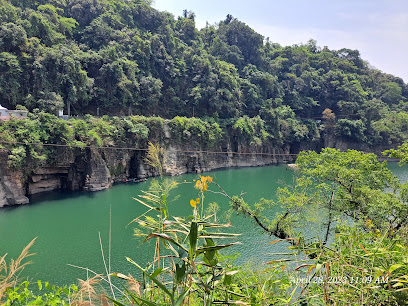
Sylhet jaflong
1.8 km
Explore Jaflong: Sylhet's natural beauty with rolling hills, clear rivers, Khasi culture, and stunning views of Meghalaya.
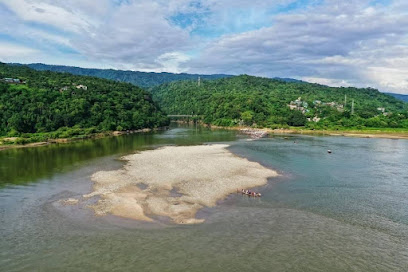
Songrampunji Waterfall
1.9 km
Experience the breathtaking beauty of Songrampunji Waterfall, a hidden gem in India offering tranquility, adventure, and stunning natural scenery.
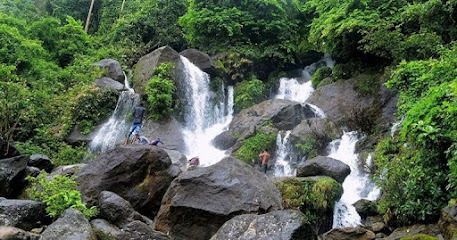
Jaintia Rajbari
12.0 km
Discover the ruins of Jaintia Rajbari in Jaintapur, a testament to the rich history and cultural heritage of the Jaintia Kingdom.
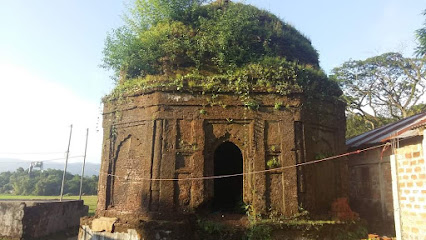
Turung Chora
17.4 km
Discover Turung Chora, a serene escape in Bangladesh with lush landscapes and tranquil trails, perfect for nature lovers seeking unspoiled beauty and peaceful reflection.
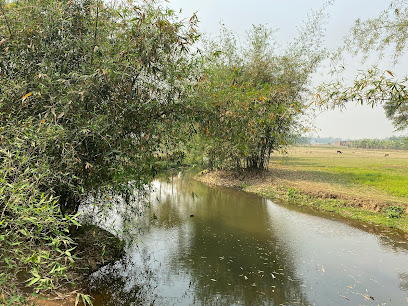
Watch Tower
20.8 km
Ascend the Watch Tower in Ratargul Swamp Forest for panoramic views of Bangladesh's only freshwater swamp, a haven for birds and nature enthusiasts seeking tranquil beauty.
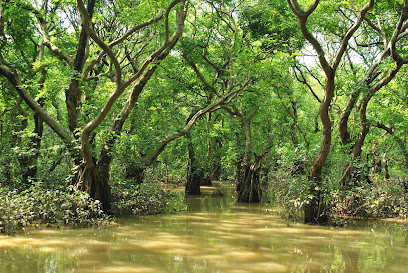
Ratargul swamp forest Majher ghat
21.2 km
Discover Bangladesh's Amazon: Explore the enchanting Ratargul Swamp Forest, a unique freshwater ecosystem teeming with wildlife and breathtaking natural beauty near Sylhet.
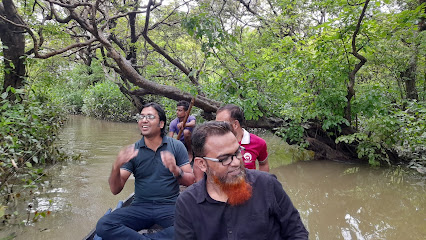
Ratargul Holiday Home
21.2 km
Escape to Ratargul Holiday Home: Your tranquil base for exploring Sylhet's enchanting swamp forest and natural wonders.
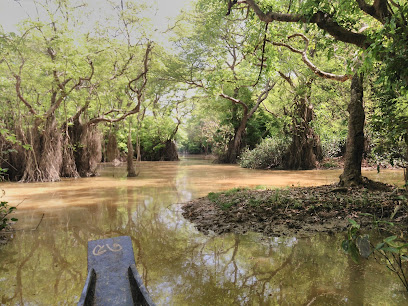
Boat Agency(রাতারগুল সোয়াম ফরেস্ট, মটর ঘাট,সিলেট)
21.7 km
Discover the enchanting Ratargul Swamp Forest near Sylhet, Bangladesh: a unique freshwater wetland teeming with biodiversity and serene natural beauty, perfect for eco-tourism and adventure.
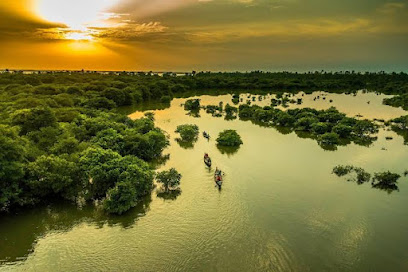
Shadapathor Tourist Spot
26.3 km
Discover the serene beauty of Shadapathor in Comilla, a unique landscape of white stones and tranquil waters.
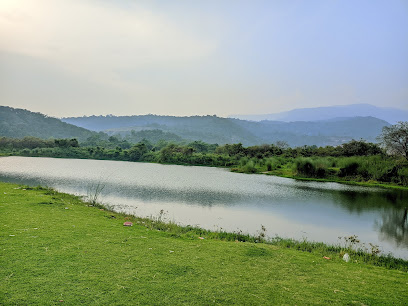
SHADA PATHOR HOTEL & RESORT
27.3 km
Discover Shada Pathor: A mesmerizing landscape of white stones and crystal-clear waters in Sylhet, Bangladesh, offering a tranquil escape.
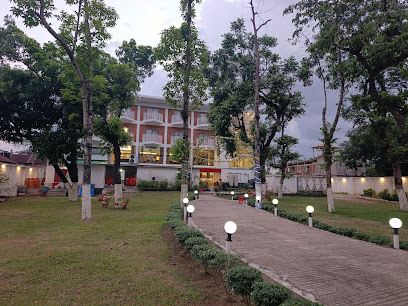
Osmani International Airport, Sylhet
28.7 km
Fly into Sylhet: Your gateway to Bangladesh's northeast, connecting you to rich culture, stunning landscapes, and a vibrant global community.
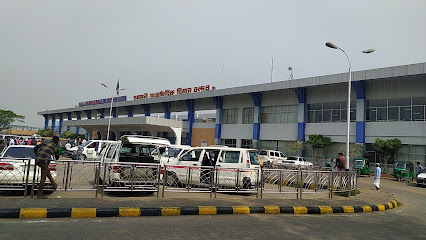
Garden Of Caves
29.7 km
Explore the enchanting Garden of Caves in Meghalaya, where stunning natural formations meet lush landscapes for an unforgettable adventure.
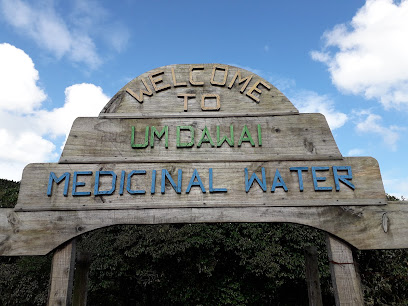
Unmissable attractions to see

জালং
0.1 km
Discover Jalong near Dawki: A serene escape where India meets Bangladesh, offering stunning nature and Khasi culture by the crystal-clear Umngot River.

জেএস উদ্যান জাফলং সিলেট
0.1 km
Discover tranquility at JS Garden in Jaflong, Sylhet. Immerse yourself in nature's beauty, explore local culture, and enjoy a serene escape.

Jaflong Zero Point
0.3 km
Experience the breathtaking beauty of Jaflong Zero Point, where crystal-clear waters meet rolling hills on the Bangladesh-India border.
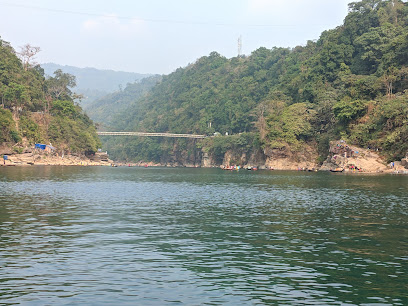
Teen Nodir Muhona Jaflong
0.7 km
Witness the breathtaking confluence of three rivers in Jaflong, Bangladesh, with stunning views of hills, clear waters, and vibrant local culture.
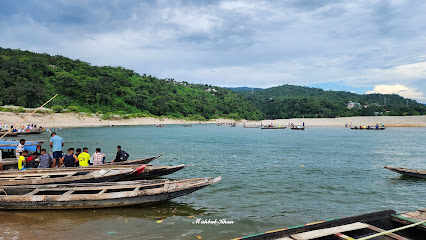
Big Stone: Jaflong, Gowainghat, Sylhet, Bangladesh
0.7 km
Discover Big Stone in Jaflong: Where the Himalayas meet Bangladesh, offering stunning landscapes, Khasi culture, and unique stone collecting traditions.

Jaflong viewpoint
0.8 km
Experience breathtaking views at Jaflong Viewpoint, where the natural beauty of Bangladesh and India converge in a stunning panorama.

Dawki
1.0 km
Explore the serene beauty of Dawki, Meghalaya's hidden gem with crystal-clear waters, vibrant culture, and breathtaking landscapes.
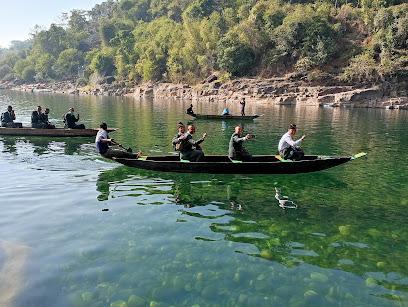
Umngot River
1.1 km
Experience the magic of Umngot River in Dawki, Meghalaya: crystal-clear waters, stunning scenery, and unforgettable boat rides on India's cleanest river.
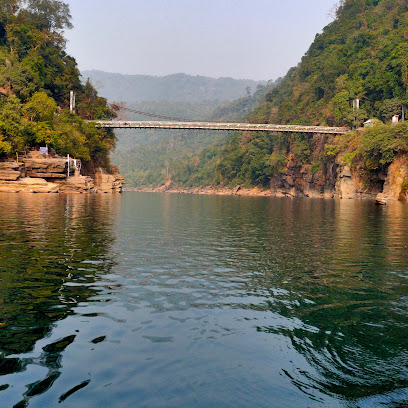
Dawki Bridge
1.2 km
Experience the historic Dawki Bridge, a marvel of British engineering with stunning views of the crystal-clear Umngot River and the Indo-Bangladesh border.
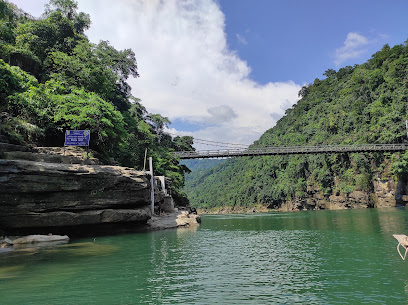
Mayabi Waterfall
1.3 km
Discover the enchanting beauty of Mayabi Waterfall in Jaflong, Sylhet, where cascading waters meet lush greenery and vibrant local culture.
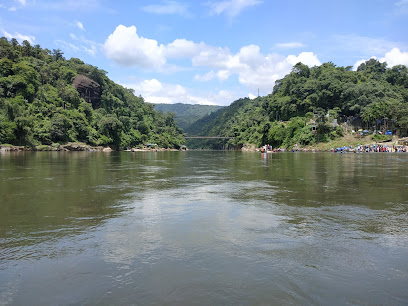
M U uttom
1.8 km
Escape to the serene beauty of M U Uttom Garden in Jaflong, a tranquil tea garden offering picturesque landscapes and a peaceful retreat.

Sylhet
1.8 km
Discover Jaflong: A Sylhet gem where rolling hills meet clear rivers on the Indo-Bangladesh border, offering natural beauty and cultural richness.

Naim Masud
1.8 km
Discover a serene oasis in Jaflong: Naim Masud Garden offers natural beauty, cultural richness, and a peaceful escape for all travelers.

Khasia Polli Tea Gardens
2.5 km
Discover the beauty of Khasia Polli Tea Gardens in Jaflong, Bangladesh, where tea plantations meet the rich culture of the Khasi people.
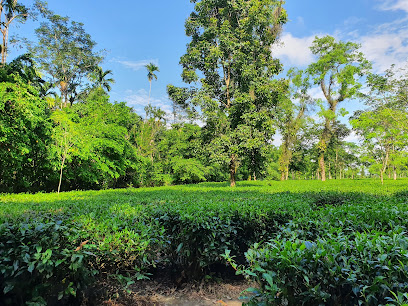
Jaflong Goyain River
2.7 km
Discover Jaflong: A stunning Bangladeshi paradise where hills meet rivers at the Indian border, offering nature and culture.
Essential places to dine

Jaflong View Restaurant
0.4 km
Savor authentic Bangladeshi cuisine amidst stunning landscapes at Jaflong View Restaurant.
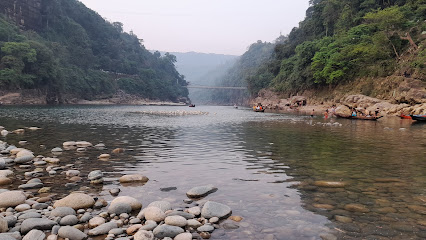
Hotel The View
0.5 km
Experience authentic Bangladeshi cuisine and breathtaking views at Hotel The View in Jaflong - your perfect getaway.
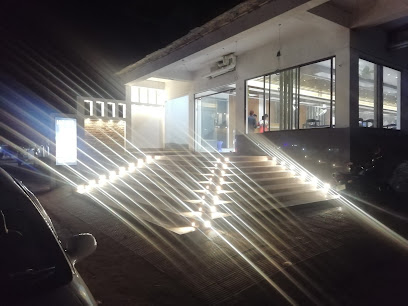
Jaflong Porjatok Restaurant & Party Centre
0.6 km
Experience the vibrant flavors of Bangladesh at Jaflong Porjatok Restaurant & Party Centre – where every meal is a celebration.
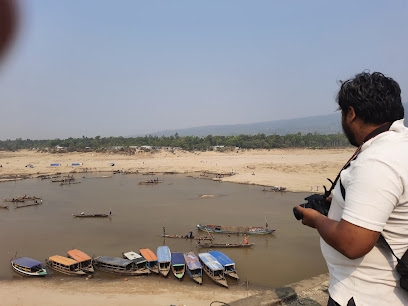
Khudha Restaurants
0.7 km
Experience authentic Bangladeshi cuisine at Khudha Restaurants in Jaflong - where every dish tells a story.
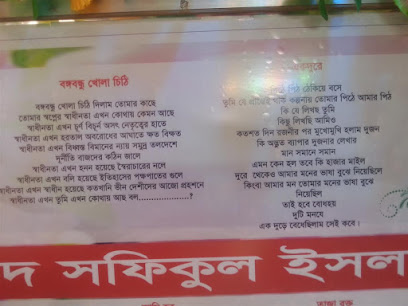
Mama's Kitchen & Restaurant
0.9 km
Experience authentic Northeast Indian cuisine amidst stunning landscapes at Mama's Kitchen & Restaurant in Dawki.
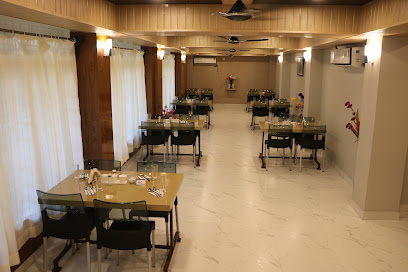
JAFFLONG INN
1.0 km
Discover the perfect blend of comfort and local cuisine at Jaflong Inn, your gateway to exploring the natural beauty of Jaflong.
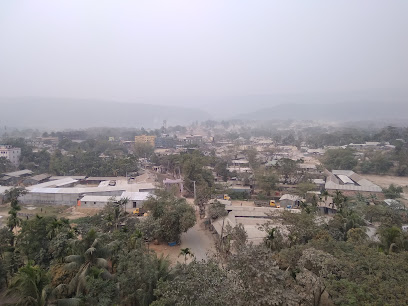
দিরাই মণি রেস্টুরেন্ট
1.0 km
Experience authentic Indian cuisine at Diraimoni Restaurant in Jaflong - where flavor meets scenic beauty.
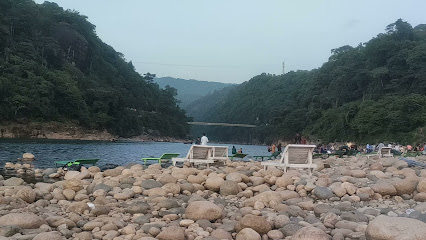
Rebha Hotel
1.1 km
Discover comfort and nature at Rebha Hotel in Dawki - your gateway to adventure amidst stunning landscapes.
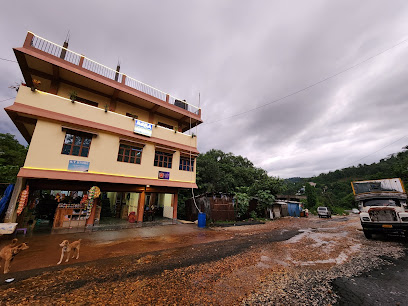
Sree Maa Hotel indo-Bangla International Road
1.2 km
Experience authentic regional cuisine at Sree Maa Hotel in Dawki, where local flavors meet warm hospitality amidst stunning landscapes.
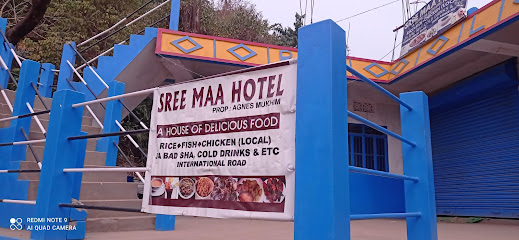
Porjotok View Restaurant
2.2 km
Experience authentic Bangladeshi cuisine with breathtaking views at Porjotok View Restaurant in Jaflong.
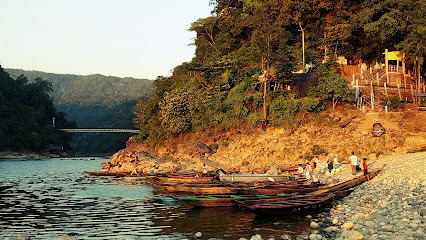
Meghalaya flooting Restaurant
13.2 km
Experience authentic Meghalaya country cuisine in a stunning floating restaurant surrounded by breathtaking natural beauty.
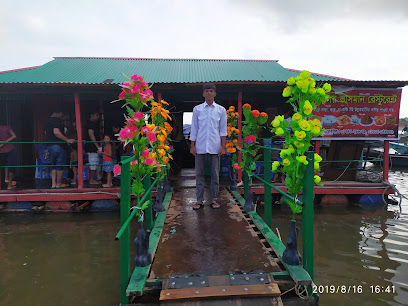
Chowrongi Resturent
20.4 km
Discover Chowrongi Restaurant: where delightful tea meets authentic Bangladeshi cuisine near Ratargul Forest.
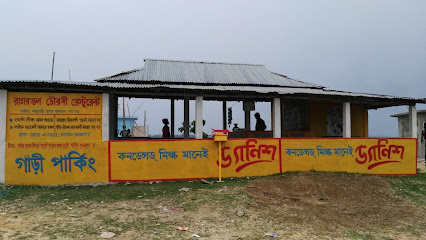
Sonar Bangla Restaurant
21.0 km
Discover authentic Bengali cuisine at Sonar Bangla Restaurant in Haripur, where tradition meets flavor in every dish.
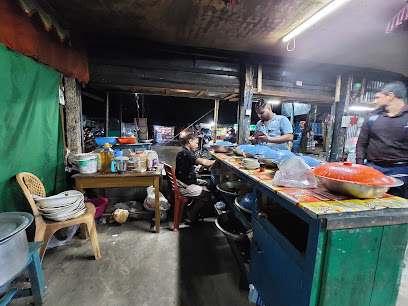
Ratargul Holiday Home Restaurant
21.2 km
Experience delightful family dining amidst nature's beauty at Ratargul Holiday Home Restaurant in Horipur.
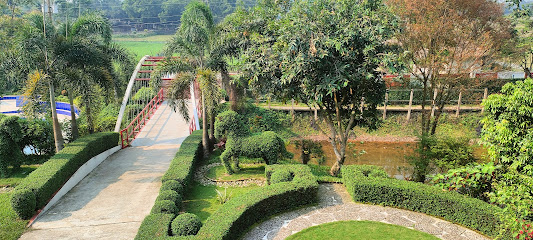
Ratargul Swamp Forest Boat Stand
21.3 km
Discover serenity at Ratargul Swamp Forest Boat Stand – an enchanting gateway to Bangladesh's lush freshwater swamp ecosystem.
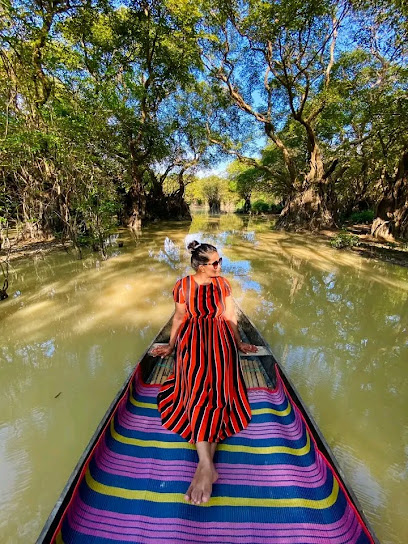
Markets, malls and hidden boutiques

Rupomoy Jaflong
0.5 km
Explore Rupomoy Jaflong: A Natural Paradise Rich in Culture and Scenic Beauty, Perfect for an Unforgettable Getaway.
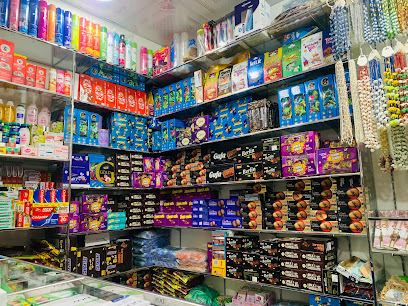
Jaflong BD Shop
0.5 km
Explore Jaflong BD Shop for an incredible selection of cosmetics and beauty essentials in the heart of Jaflong.
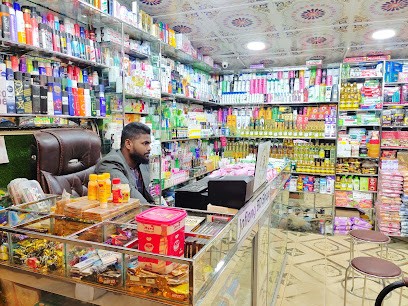
তাছমি ডির্পাটমেন্টাল ষ্টোর
0.7 km
Explore Tashmi Departmental Store in Jaflong for a unique shopping experience with local treasures and international goods under one roof.
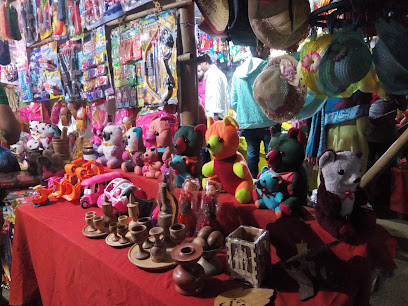
লিমন ষ্টোর
0.9 km
Discover the cozy charm of Limon Store in Jaflong, where every cup of coffee tells a story and relaxation awaits.
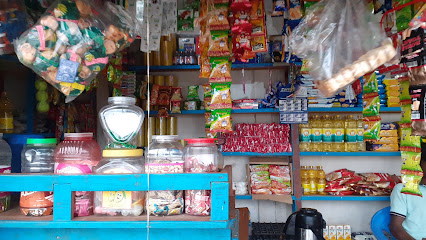
গুচ্ছ গ্ৰাম মার্কেট
0.9 km
Discover the vibrant Guchh Gram Market in Jaflong, where local crafts, fresh produce, and cultural experiences await every traveler.
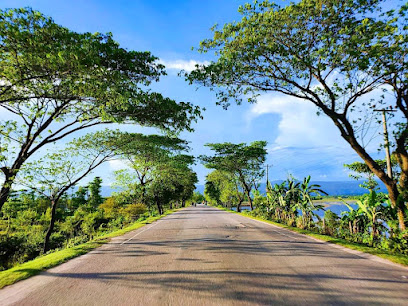
all-raiyan family shops
1.0 km
Discover unique handcrafted home goods at All-Raiyan Family Shops in Jaflong, a must-visit destination for tourists seeking local treasures.
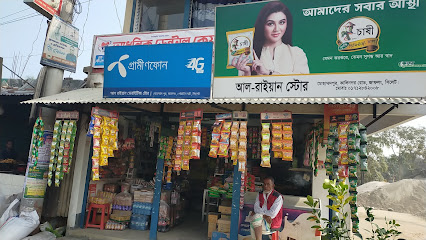
সালাম স্টোর
1.0 km
Discover the essence of Jaflong at Salam Store, where local crafts and authentic flavors converge in a vibrant shopping experience.
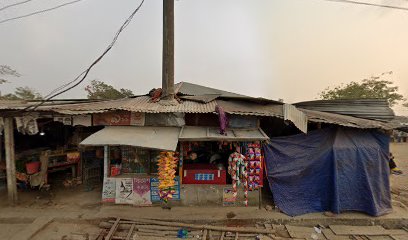
পারভেজ কাঁচা স্টোর
1.0 km
Explore Parvez Kacha Store in Jaflong – a vibrant hub of local culture and unique Bangladeshi crafts perfect for souvenirs.
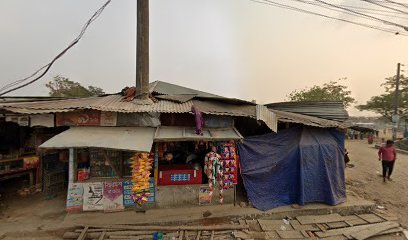
ইমন স্টোর
1.8 km
Discover the vibrant beauty of Jaflong at Imon Store, where local cosmetics reflect the artistry and culture of Bangladesh.
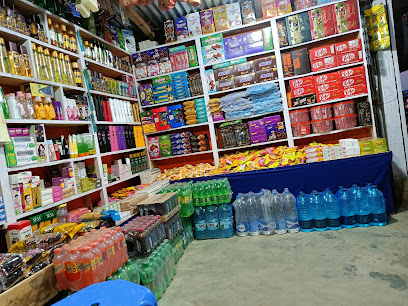
কাজ
1.8 km
Explore Jaflong's local store for unique crafts, delicious local produce, and an authentic taste of Bangladeshi culture.
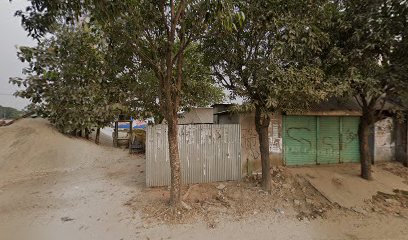
Sufiyan Store
1.8 km
Explore local culture and unique handicrafts at Sufiyan Store in Jaflong, a shopping haven for tourists seeking authentic treasures.
আসিক বীজ ঘর,জাফলং
1.8 km
Explore the unique cultural treasures at Asik Bij Ghar, a vibrant store in Jaflong, showcasing authentic Bangladeshi craftsmanship and local artistry.
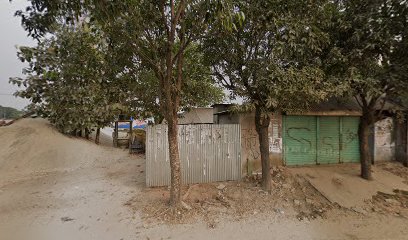
SIGNAL JAFLONG
2.3 km
Explore Signal Jaflong, a vibrant clothing store in Jaflong, offering authentic local fashion that captures the essence of Bangladeshi culture.
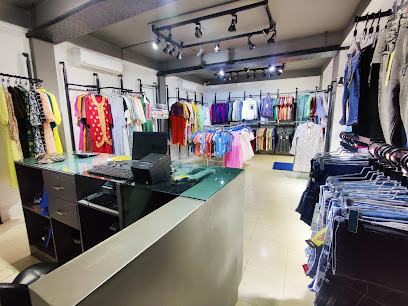
সাওন স্টোর
2.3 km
Explore the heart of Jaflong at সাওন স্টোর, where local craftsmanship meets a vibrant shopping experience.
আব্দুল হান্নান স্টোর
2.3 km
Discover authentic Bangladeshi crafts and local products at Abdul Hannan Store, a true reflection of Jaflong’s vibrant culture.
Essential bars & hidden hideouts

Tanjid Restaurant
0.1 km
Discover the authentic flavors of Bangladesh at Tanjid Restaurant in Jaflong, where hospitality and culinary excellence meet.
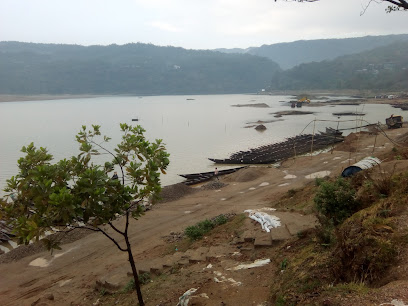
MASUK RESTAURANT
0.3 km
Discover MASUK Restaurant in Jaflong – a family-friendly dining experience that blends local flavors with a warm, inviting atmosphere for all ages.
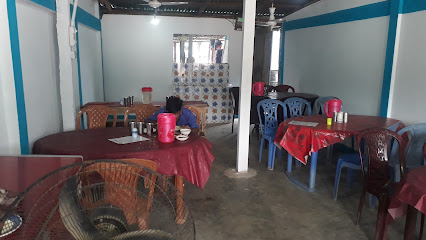
নীলাচল বিজিবি ক্যান্টিন
0.4 km
Experience the authentic taste of Bangladesh at Nilachal BGB Canteen in Jaflong, where local flavors meet stunning natural beauty.
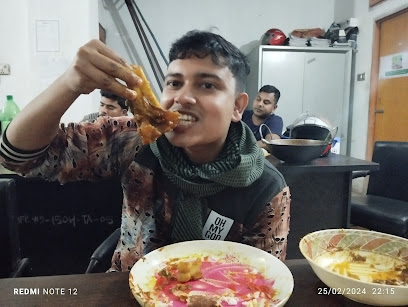
Shimanto View Resturent(সীমান্ত ভিউ রেস্টুরেন্ট)
0.4 km
Experience the exquisite flavors and breathtaking views at Shimanto View Restaurant in Jaflong, a must-visit culinary destination for travelers.
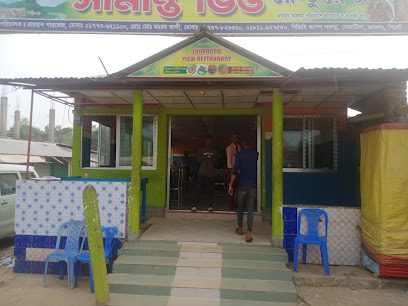
গ্রীন আবাসিক হোটেল এন্ড রেস্টুরেন্ট
0.4 km
Savor the authentic flavors of Bangladesh at গ্রীন আবাসিক হোটেল এন্ড রেস্টুরেন্ট in Jaflong, where local cuisine meets warm hospitality.
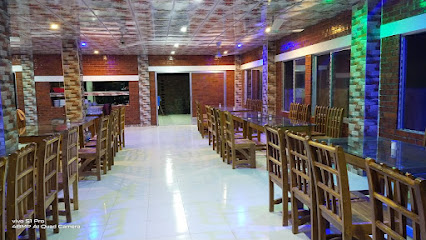
মরিয়ম রেস্টুরেন্ট
0.7 km
Experience authentic Bangladeshi cuisine at মরিয়ম রেস্টুরেন্ট in Jaflong, where every meal is a taste of local culture and hospitality.
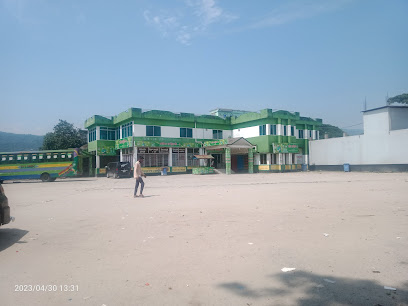
Picnic Center restaurant
0.7 km
Experience the flavors of Jaflong at Picnic Center Restaurant, where local ingredients meet culinary creativity in a cozy atmosphere.
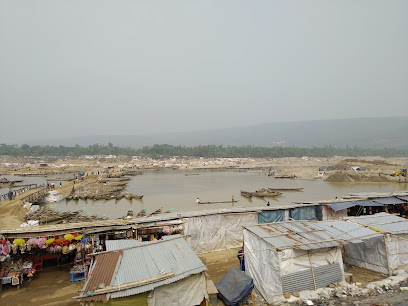
আয়েশা রেষ্টুরেন্ট
0.7 km
Discover the essence of Bangladeshi cuisine at Ayesha Restaurant in Jaflong, a family-friendly dining destination with stunning views.
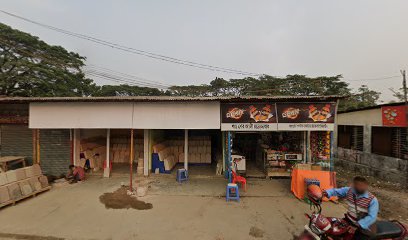
Cha'er Adda - The Drinks' Zone [Pizza, Pasta & Mini Chinese]
0.7 km
Experience the vibrant flavors of pizza, pasta, and mini Chinese delicacies at Cha'er Adda in Jaflong's lively market.
![Cha'er Adda - The Drinks' Zone [Pizza, Pasta & Mini Chinese]](https://evendo-location-media.s3.amazonaws.com/BarImages/e77be5e1-165f-467f-b55a-5d0a87accfb4)
নাজিয়া রেস্টুরেন্ট
1.0 km
Discover authentic Bangladeshi flavors at Nazia Restaurant in Jaflong, where local cuisine meets a warm and inviting atmosphere.
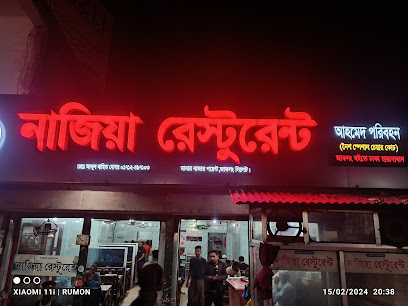
বনলতা রেস্টুরেন্ট
1.0 km
Experience the authentic taste of Bangladesh at বনলতা রেস্টুরেন্ট in Jaflong, where every dish is a celebration of local flavors.
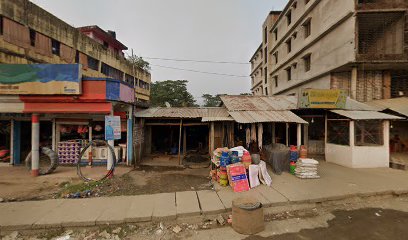
মোতালিব রেস্টুরেন্ট
1.6 km
Experience authentic Bangladeshi cuisine at Motalib Restaurant in Jaflong, where local flavors and warm hospitality come together.
Md Younus Ahmed’
1.6 km
Discover the flavors of Jaflong at Md Younus Ahmed, where every dish tells a story of tradition and taste.
সাব্বির রেষ্টুরেন্ট
2.5 km
Discover authentic Bangladeshi flavors at Sabbir Restaurant in Jaflong, where culinary delights meet warm hospitality amidst stunning landscapes.
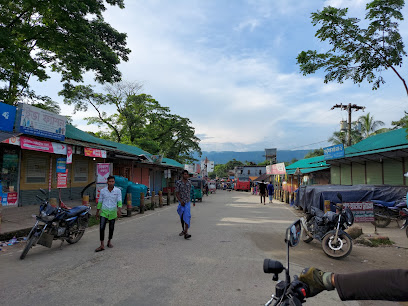
৯নং,পাড়া চা-বাগান বিজু বাড়ি
3.7 km
Discover the vibrant flavors of American cuisine in the stunning tea gardens of Jaflong at ৯নং পাড়া চা-বাগান বিজু বাড়ি.
Nightclubs & after hour spots

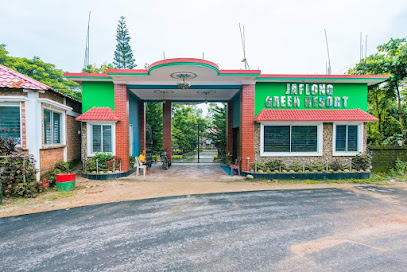
Jaflong Green Resort
0.5 km
Discover peace and beauty at Jaflong Green Resort, your luxurious escape between Bangladesh and India, perfect for nature lovers and adventurers alike.
JVBS Boishakhi point
5.3 km
Discover the lively nightlife of Jaflong at JVBS Boishakhi Point, where music, dance, and vibrant energy combine for an unforgettable evening.
Mumin Store
10.0 km
Discover the vibrant nightlife at Mumin Store, a premier night club in Gowainghat, where music and energy come alive under the stars.
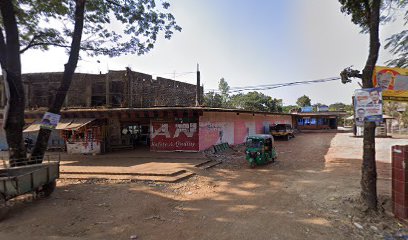
মাওলানা রিয়াজ উদ্দিন
24.2 km
Discover the lively Maulana Riaz Uddin Bar in Bangladesh, where traditional charm meets modern nightlife for an unforgettable evening.
Kamran Bin kalam
24.2 km
Discover the vibrant nightlife at Kamran Bin Kalam, a must-visit bar in Gushainpur offering a unique blend of local culture and refreshing drinks.
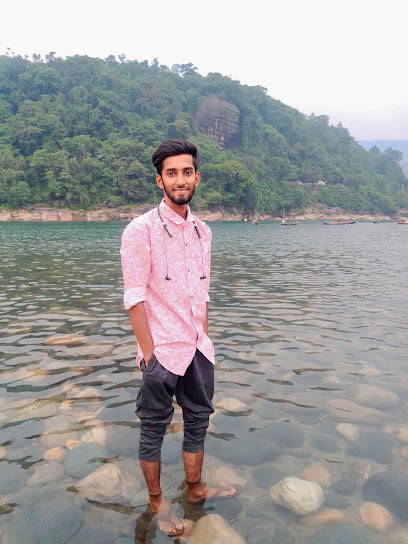
Jalalabad Golf Club
25.4 km
Discover the exquisite Jalalabad Golf Club: a golfer's paradise amidst breathtaking landscapes and family-friendly playgrounds.
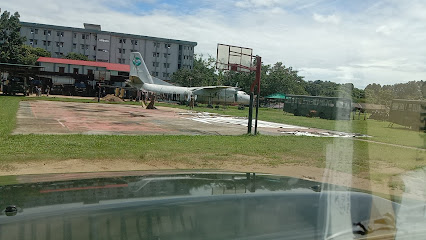
Dhupagul Cricket field
27.9 km
Discover the heart of cricket culture at Dhupagul Cricket Field, a vibrant community hub where passion for the game comes alive.
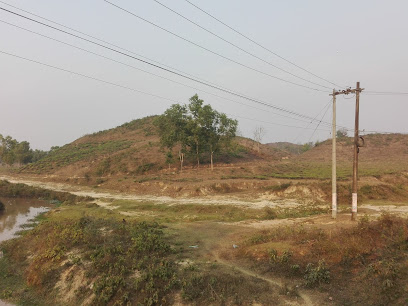
VVIP Lounge, Osmani International Airport, Sylhet
28.7 km
Experience unparalleled comfort and luxury at VVIP Lounge, Osmani International Airport, where relaxation meets elegance before your flight.

Sylhet Club Limited
29.4 km
Discover the vibrant nightlife and cultural richness at Sylhet Club Limited, a premier entertainment destination in Sylhet.
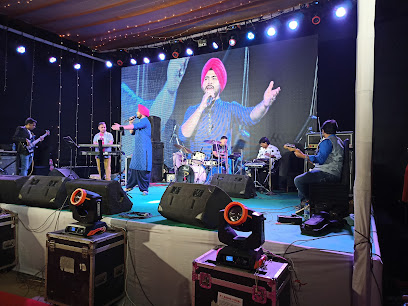
Lounge Shampan
29.4 km
Discover the vibrant nightlife at Lounge Shampan in Dhopagul, a bar offering an extensive drink menu and lively ambiance for an unforgettable experience.
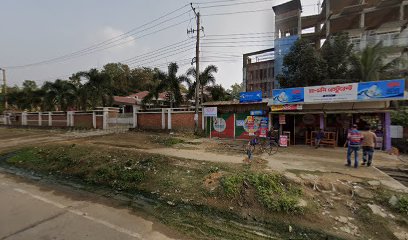
Khadimnagar T.g., Bangladesh
29.9 km
Discover the energetic nightlife of Khadimnagar T.g., Bangladesh, where vibrant nightclubs and pulsating music create an unforgettable experience.
Sylhet Station Club
33.7 km
Experience comfort and hospitality at Sylhet Station Club, your gateway to the enchanting landscapes and rich culture of Sylhet.
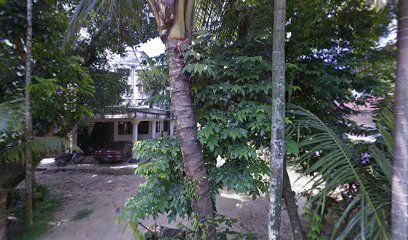
Tajim House
33.7 km
Discover the electric nightlife of Tajim House in Sylhet, where vibrant music and dance create unforgettable memories.
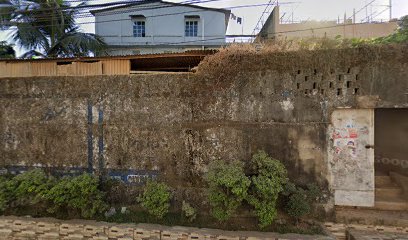
Parsonal
33.8 km
Dive into the energetic nightlife of Sylhet at Parsonal, where music, dance, and entertainment await every visitor.
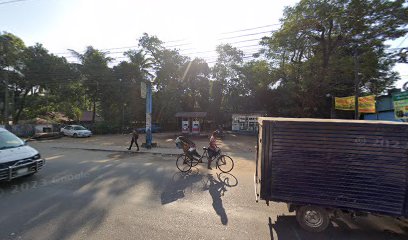
Sadi's Place
34.1 km
Explore the energetic nightlife of Sylhet at Sadi's Place, a vibrant night club with eclectic music and a lively atmosphere for unforgettable nights.