Ratargul Swamp Forest: The Amazon of Bangladesh
Discover Bangladesh's Amazon: Explore the enchanting Ratargul Swamp Forest, a unique freshwater ecosystem teeming with wildlife and breathtaking natural beauty near Sylhet.
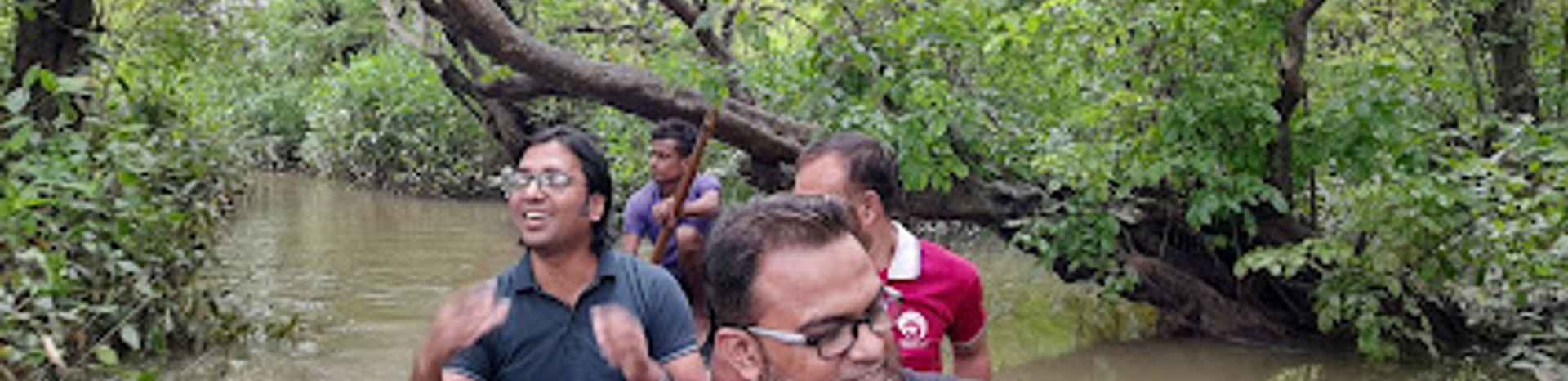
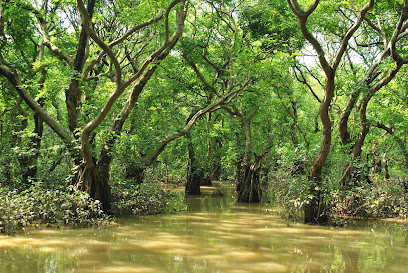
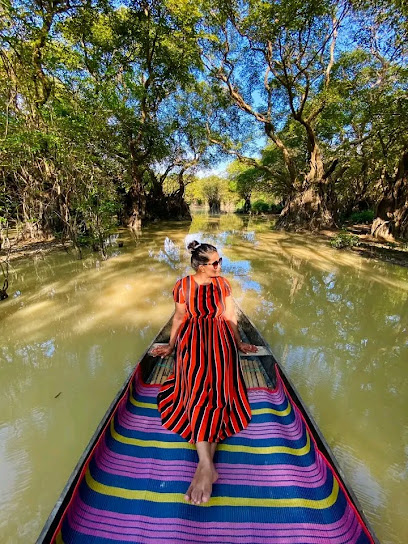
Ratargul Swamp Forest, often dubbed the 'Amazon of Bangladesh,' is a mesmerizing freshwater swamp forest located near Sylhet. This unique ecosystem is one of the few freshwater swamp forests in the world, offering visitors a chance to glide through emerald waters beneath a canopy of lush greenery. The forest is submerged for much of the year, creating a surreal landscape where trees appear to float on the water. It's a haven for diverse flora and fauna, including various bird species, monkeys, snakes, and aquatic life. Exploring Ratargul by boat is an unforgettable experience, especially during the monsoon season when the forest is at its most vibrant. The serene beauty and rich biodiversity make it a must-visit destination for nature enthusiasts and adventure seekers alike. Be sure to respect the delicate ecosystem by avoiding littering and following your guide's instructions to ensure a safe and sustainable visit to this natural wonder. Remember to bring insect repellent and wear appropriate clothing for a comfortable experience.
A brief summary to Ratargul swamp forest Majher ghat
- Vill, Ratargul post office, Thana, BD
- +8801307-507236
Local tips
- Visit during the monsoon season (June-October) for the most immersive experience when the forest is fully submerged.
- Hire a local guide for safe navigation and insightful information about the forest's ecosystem and wildlife.
- Wear comfortable, water-resistant clothing and footwear, and bring insect repellent to protect against mosquitoes.
- Respect the environment by avoiding littering and following sustainable tourism practices.
- Consider visiting the Ratargul Watch Tower for a panoramic view of the swamp forest.

Getting There
-
Taxi/Ride-Share
From Sylhet city center (e.g., Amberkhana point), take a CNG auto-rickshaw (tuk-tuk) to Shringi Bridge or Motor Ghat. The fare to Shringi Bridge is approximately 80-100 BDT per person for a shared ride or 800-1200 BDT for a private return trip. The journey takes about 1-1.5 hours. From Motor Ghat, the fare will be 100-150 BDT per person. From Shringi Bridge or Motor Ghat, hire a small boat (dinghy) to enter the Ratargul Swamp Forest. Boat fares typically range from 400-800 BDT for 4-6 people for 2 hours. Hiring a guide is recommended and costs an additional 150 BDT. Note: During holidays, CNG and boat fares may be slightly higher.
-
Public Transport
From Sylhet city's Kadamtali bus stand, take a local bus to Gowainghat. The journey takes approximately 2.5-3 hours and costs around 50-70 BDT. From Gowainghat, reserve a CNG auto-rickshaw to the forest entrance (Shringi Bridge or Motor Ghat), costing around 100-150 BDT. From Shringi Bridge or Motor Ghat, hire a small boat (dinghy) to enter the Ratargul Swamp Forest. Boat fares typically range from 400-800 BDT for 4-6 people for 2 hours. Hiring a guide is recommended and costs an additional 150 BDT.
Discover more about Ratargul swamp forest Majher ghat
Iconic landmarks you can’t miss

Ratargul swamp forest Majher ghat
0.0 km
Discover Bangladesh's Amazon: Explore the enchanting Ratargul Swamp Forest, a unique freshwater ecosystem teeming with wildlife and breathtaking natural beauty near Sylhet.
Watch Tower
0.7 km
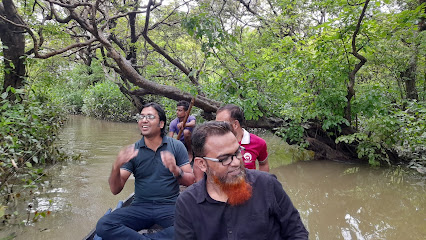
Ascend the Watch Tower in Ratargul Swamp Forest for panoramic views of Bangladesh's only freshwater swamp, a haven for birds and nature enthusiasts seeking tranquil beauty.
Ratargul Holiday Home
1.1 km
Escape to Ratargul Holiday Home: Your tranquil base for exploring Sylhet's enchanting swamp forest and natural wonders.
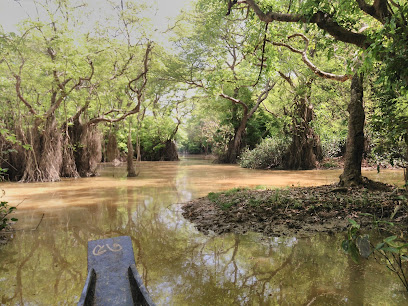
Boat Agency(রাতারগুল সোয়াম ফরেস্ট, মটর ঘাট,সিলেট)
1.1 km
Discover the enchanting Ratargul Swamp Forest near Sylhet, Bangladesh: a unique freshwater wetland teeming with biodiversity and serene natural beauty, perfect for eco-tourism and adventure.
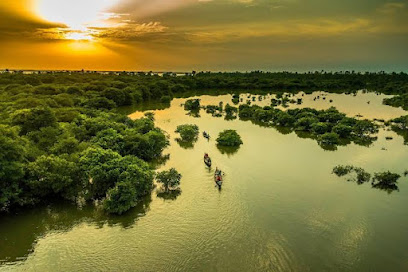
Osmani International Airport, Sylhet
7.9 km
Fly into Sylhet: Your gateway to Bangladesh's northeast, connecting you to rich culture, stunning landscapes, and a vibrant global community.
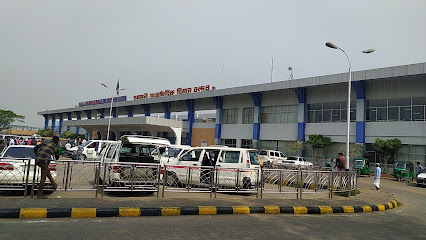
দলদলি,লাক্কাতুরা গ্যাস ফিল্ড
9.6 km
Discover the serene beauty of Doladulir in Sylhet, a hidden gem that offers tranquility, stunning landscapes, and cultural experiences.
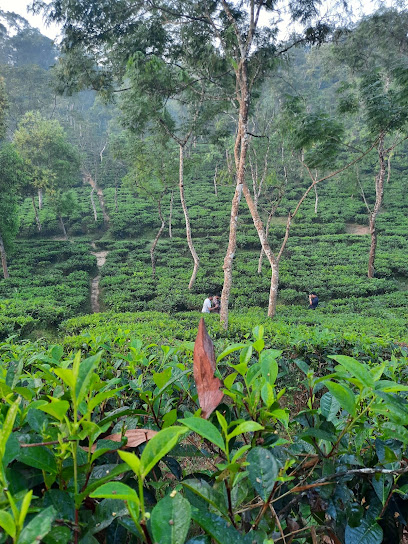
Tilagor Reserve Forest
10.7 km
Discover the serene beauty of Tilagor Reserve Forest in Sylhet, a natural haven offering lush greenery, diverse wildlife, and a peaceful escape from the city's hustle.
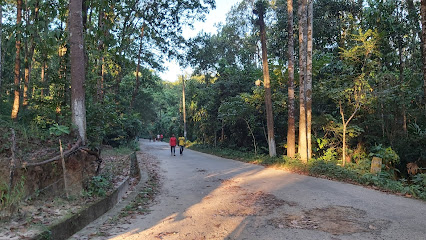
গোয়াবাড়ি ওয়াকওয়ে
12.3 km
Experience the revitalized Goabari Walkway in Sylhet, a scenic pedestrian zone near Tarapur Tea Garden, offering a blend of nature, history, and tranquil riverside strolls.
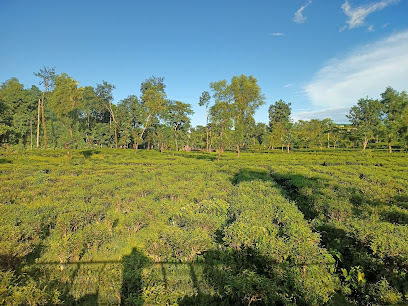
টিলাগড় পয়েন্ট Tilagor Point
12.6 km
Discover the serene beauty and rich history of Tilagor Point in Sylhet, a captivating landmark perfect for nature lovers and history enthusiasts seeking an escape into Bangladesh's heritage.
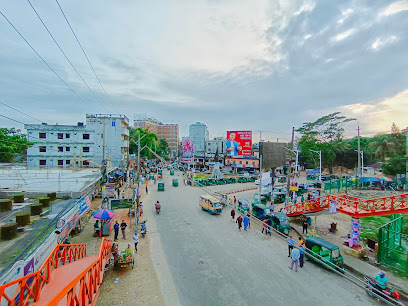
শাহ সুফি সৈয়দ জাহান (রাঃ) এর মাজার
12.7 km
Experience the spiritual essence of Bangladesh at the Shah Sufi's Shrine, a historical landmark in Sylhet that captivates with its beauty and cultural significance.
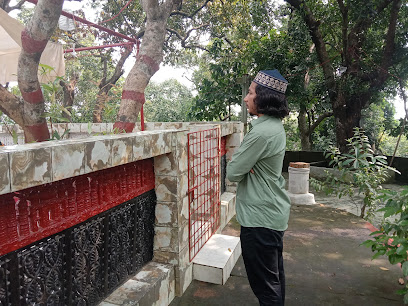
Bottom Hill Palace Hotel
13.1 km
Experience the fusion of comfort and elegance at Bottom Hill Palace Hotel, your ideal getaway in the scenic city of Sylhet.

The Central Muslim Sahitya Sangsad
13.1 km
Explore Sylhet's literary heart at the Central Muslim Sahitya Sangsad, a historic institution preserving Bengali culture and fostering a love for literature since 1936, a must-see for cultural enthusiasts.
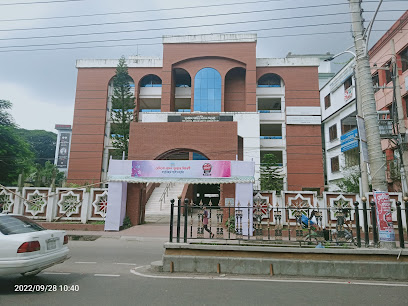
Sagordighir Par Jame Masjid
13.1 km
Explore the architectural beauty and spiritual tranquility of Sagordighir Par Jame Masjid in Sylhet, a cultural gem in Bangladesh.
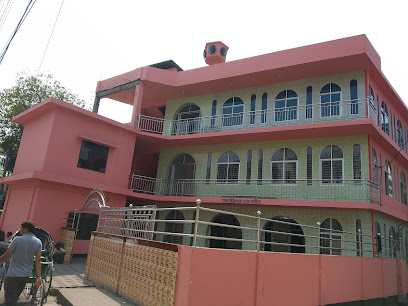
Sylhet, Bangladesh
13.3 km
Explore Sylhet: Bangladesh's tea gardens, spiritual heart, and natural wonderland await your discovery in this captivating region.
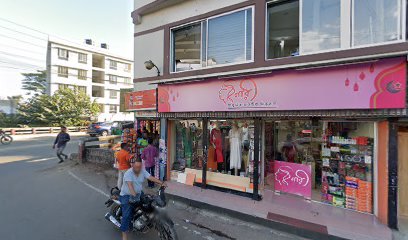
Modina Market Point
13.4 km
Experience the vibrant heart of Sylhet at Modina Market Point, a bustling hub of commerce, culture, and authentic local life on the Sylhet-Sunamganj Highway.
Unmissable attractions to see

Ratargul Swamp Forest Boat Station
0.7 km
Discover Bangladesh's only freshwater swamp forest: a boat ride through a submerged world of natural beauty and tranquility near Sylhet.
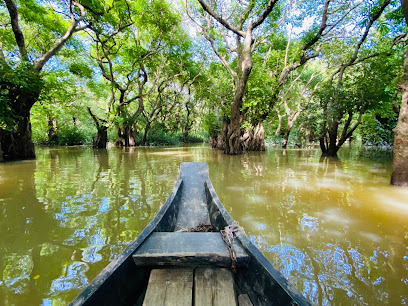
Ratargul
0.7 km
Discover the enchanting Ratargul Swamp Forest in Sylhet, Bangladesh: a unique freshwater ecosystem teeming with wildlife and natural beauty.
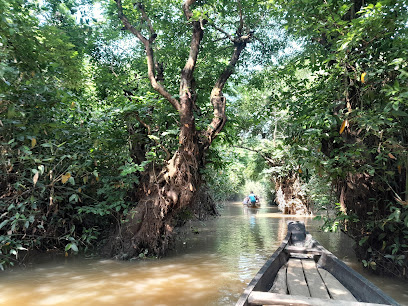
Ratargul Water Plantation
0.8 km
Discover Ratargul Water Plantation: Bangladesh's enchanting freshwater swamp forest, a haven for nature and adventure, especially during monsoon season.
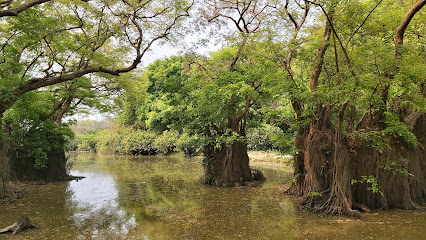
চৌরঙ্গী ঘাট, রাতারগুল।
1.0 km
Explore the serene beauty of Ratargul Swamp Forest from Chourangi Ghat, a gateway to Bangladesh's natural wonders.
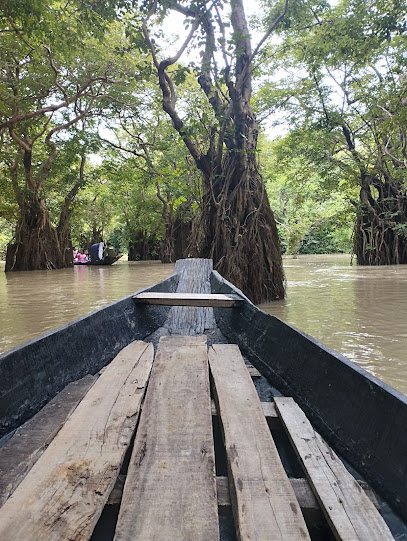
Rathargul Swamp Forest (নৌকা ঘাট)
1.1 km
Discover the enchanting beauty of Rathargul Swamp Forest, Bangladesh's only freshwater swamp forest, and a haven for nature lovers.
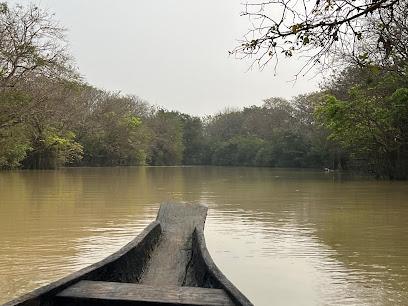
Ratargul Swamp Forest
1.1 km
Discover Bangladesh's only freshwater swamp forest: a boat ride through a submerged wonderland of unique flora and fauna.
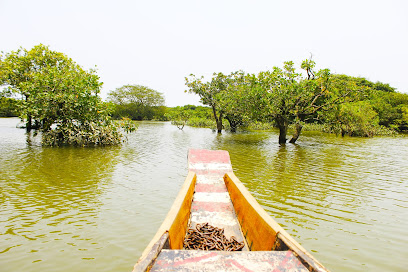
Ratargul Swam Forest Shaheber Bazar turn
2.5 km
Discover Bangladesh's hidden gem: Ratargul Swamp Forest, a unique freshwater ecosystem teeming with wildlife and serene beauty, offering an unforgettable natural escape.
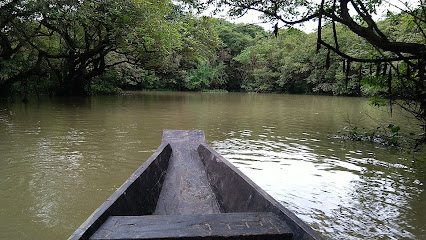
Khadimnagar National Park
5.8 km
Discover Sylhet's natural heritage at Khadimnagar National Park: lush rainforest, diverse wildlife, and tranquil escape surrounded by tea gardens.
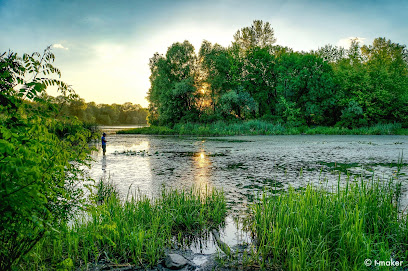
ফুলতৈছল গ্রাম/মায়াবীনী হাওর
8.2 km
Discover the serene beauty of Mayabini Haor near Fultail, Sylhet – a perfect escape for nature lovers seeking tranquility and scenic views.
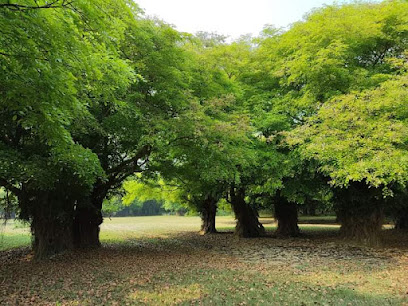
Adventure World Fun & Family Tourism park
8.2 km
Experience thrilling rides, beautiful landscapes, and family fun at Adventure World in Sylhet, a perfect blend of excitement and relaxation for all ages.
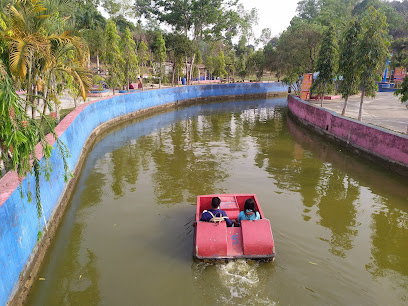
চা বাগান (পাম বাগান)
9.4 km
Discover the breathtaking natural beauty and rich culture of পাহাবান (Pama Bahan) in Kulaura, a serene tourist attraction awaiting your exploration.
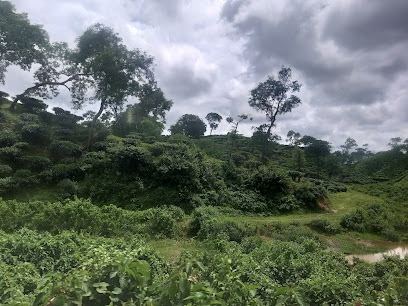
Zoo
10.2 km
Discover diverse wildlife in a natural setting at Sylhet Zoo, a perfect destination for family outings and educational adventures.
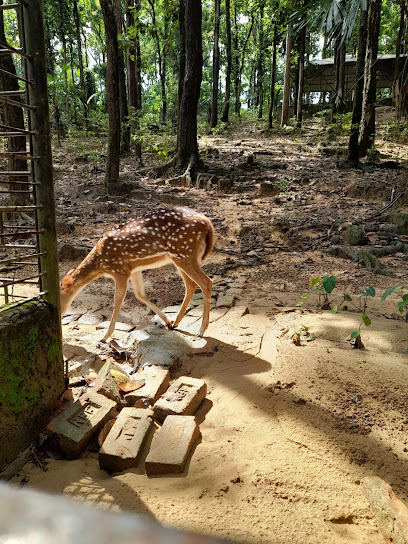
TILAGOR ECO PARK
10.2 km
Discover Sylhet's natural beauty at Tilagor Eco Park: Lush greenery, diverse wildlife, and tranquil trails await!
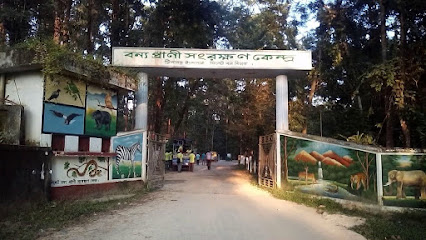
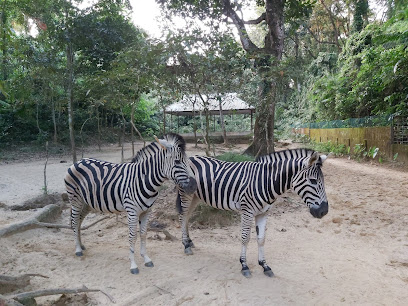
Wildlife Conservation Centre
10.5 km
Discover Sylhet's Wildlife Conservation Centre: A serene sanctuary for local fauna, offering an immersive nature experience within Tilagarh Eco Park.
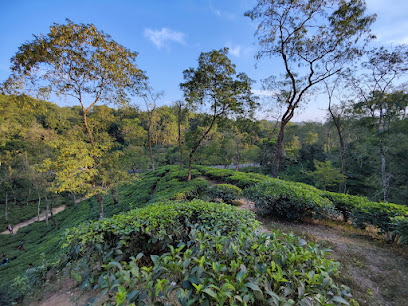
Malnicherra Tea Estate
10.6 km
Discover Bangladesh's oldest tea garden near Sylhet, a serene escape into lush greenery and rich tea-producing history.
Essential places to dine

Ratargul Swamp Forest Boat Stand
0.2 km
Discover serenity at Ratargul Swamp Forest Boat Stand – an enchanting gateway to Bangladesh's lush freshwater swamp ecosystem.
Chowrongi Resturent
0.9 km
Discover Chowrongi Restaurant: where delightful tea meets authentic Bangladeshi cuisine near Ratargul Forest.
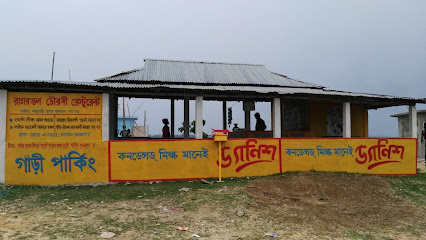
Ratargul Holiday Home Restaurant
1.1 km
Experience delightful family dining amidst nature's beauty at Ratargul Holiday Home Restaurant in Horipur.
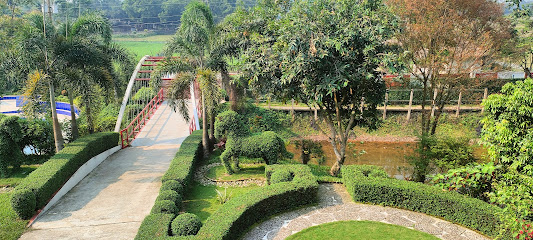
Ratargul Eco Resort And Restaurant
3.6 km
Discover tranquility at Ratargul Eco Resort - where nature meets comfort amidst Sylhet's breathtaking landscapes.
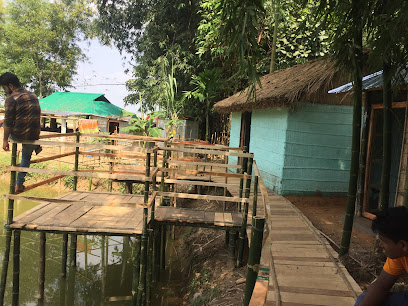
London Restaurant
8.2 km
Experience authentic Bangladeshi cuisine at London Restaurant in Sylhet Airport—where flavors meet convenience amidst travel excitement.
Dilu Smriti Restaurant
8.8 km
Experience authentic Bangladeshi cuisine at Dilu Smriti Restaurant in Sylhet - where tradition meets flavor.
The Smokey Grill | Grand Sylhet
8.9 km
Discover exquisite dining at The Smokey Grill in Grand Sylhet—where local flavors meet international cuisine in an elegant setting.
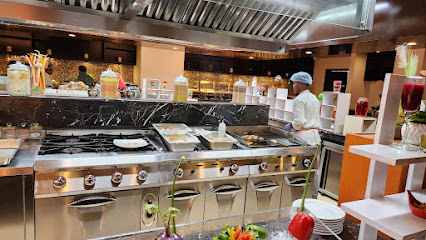
Boikali Restaurant
9.7 km
Experience authentic Bangladeshi cuisine at Boikali Restaurant – where flavor meets affordability in a welcoming atmosphere.
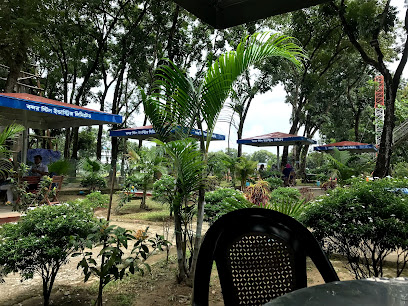
Homely Food Restaurant
9.7 km
Discover authentic Bangladeshi flavors at Homely Food Restaurant - where tradition meets taste in every dish.
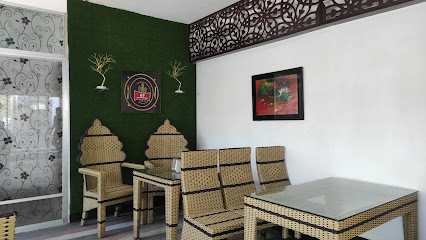
MUHITH convention Hall.
10.1 km
Explore authentic Bangladeshi cuisine at MUHITH Convention Hall in Ghaterchoti – where tradition meets taste.
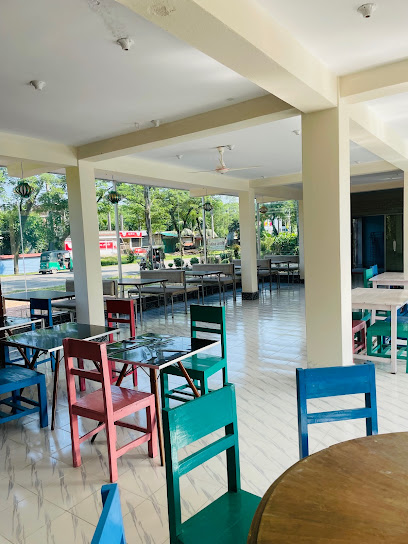
Inayah's Cafe & Restaurant
11.1 km
Discover the flavors of Bangladesh at Inayah's Cafe & Restaurant in Sylhet – where culinary excellence meets warm hospitality.
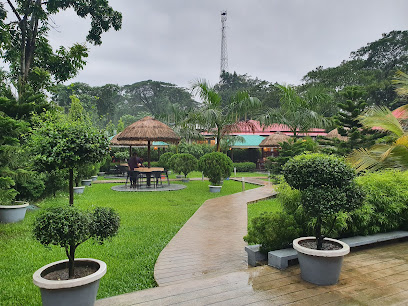
Soumik Restaurant
12.0 km
Experience authentic Bangladeshi cuisine at Soumik Restaurant in Sylhet – a culinary journey filled with rich flavors and warm hospitality.
Sonar Bangla Restaurant
12.1 km
Discover authentic Bengali cuisine at Sonar Bangla Restaurant in Haripur, where tradition meets flavor in every dish.
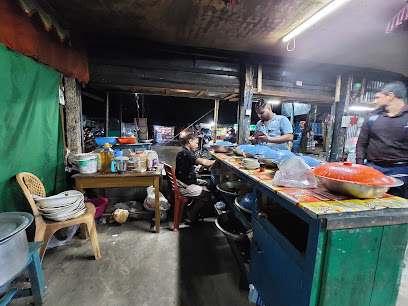
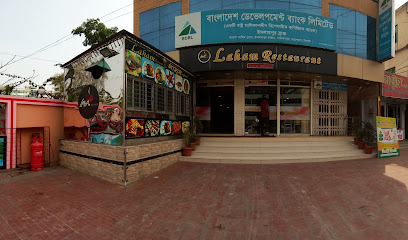
Laham Restaurant
12.1 km
Discover authentic Bangladeshi flavors at Laham Restaurant, where every dish tells a story of tradition and taste.
Tha
12.2 km
Discover the heart of Bangladeshi cuisine at Tha in Sylhet – a culinary haven for food lovers seeking authentic flavors.

Markets, malls and hidden boutiques

Shuktara Nature Retreat
10.0 km
Experience the tranquility of nature at Shuktara Nature Retreat, where handcrafted luxury meets the beauty of Uddin Hills.
Gift in Sylhet
11.3 km
Discover unique souvenirs and local handicrafts at Gift in Sylhet, your destination for cherished keepsakes and authentic gifts.
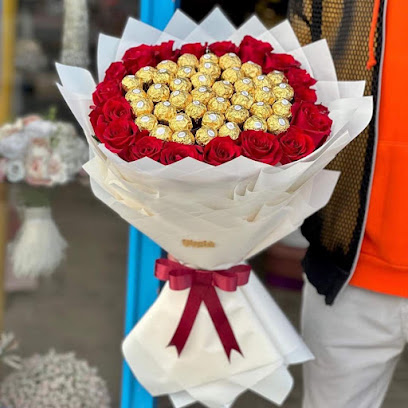
Sylhet Online Shopping
11.6 km
Explore the best of Sylhet's fashion scene at Sylhet Online Shopping, where local styles meet modern trends in a vibrant shopping atmosphere.
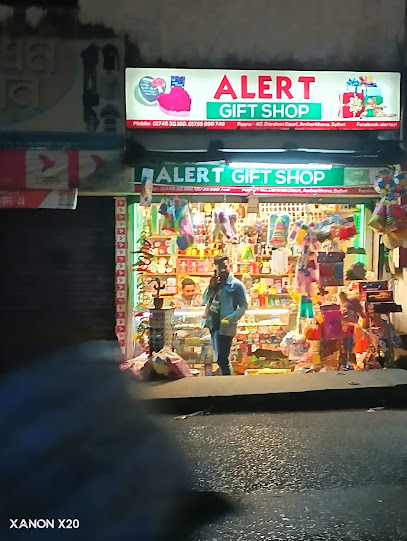
Alert Gift shop
12.9 km
Explore the charm of Sylhet through unique gifts and handicrafts at Alert Gift Shop, your go-to destination for authentic souvenirs.
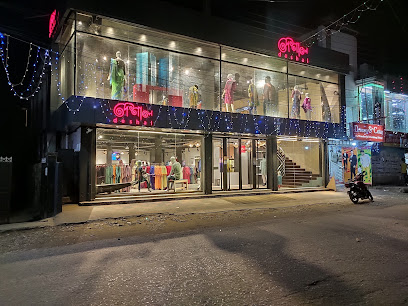
Deshal Sylhet Flagship Store
13.0 km
Explore fashion at the Deshal Sylhet Flagship Store, where local heritage meets contemporary style for a unique shopping experience.
Asha boutique house
13.0 km
Discover the essence of Sylhet at Asha Boutique House, where local craftsmanship meets modern style in a vibrant shopping experience.
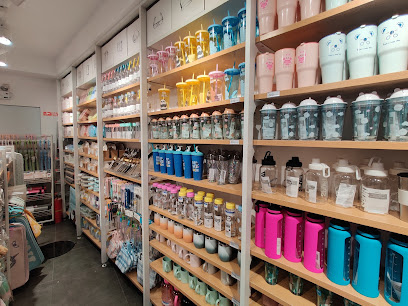
কিলাগবে
13.1 km
Explore কিলাগবে in Sylhet for a unique shopping experience, featuring local crafts, textiles, and authentic souvenirs that reflect the region's rich culture.

Miniso Sylhet
13.1 km
Discover stylish and affordable products at Miniso Sylhet, the go-to variety store for unique souvenirs and gifts in Bangladesh.
Emily's Boutique
13.2 km
Discover unique clothing and vibrant fabrics at Emily's Boutique in Sylhet, where tradition meets modern fashion in a charming shopping atmosphere.
Fancy Fair
13.2 km
Discover the rich cultural essence of Sylhet at Fancy Fair, a vibrant store offering unique local products and souvenirs.
unique selling point
13.2 km
Explore a stylish selection of men’s fashion in Sylhet, where contemporary designs meet traditional craftsmanship, creating a unique shopping experience.
Hamza's Wear
13.2 km
Discover unique fashion at Hamza's Wear in Sylhet, where traditional meets modern in a vibrant clothing store experience.
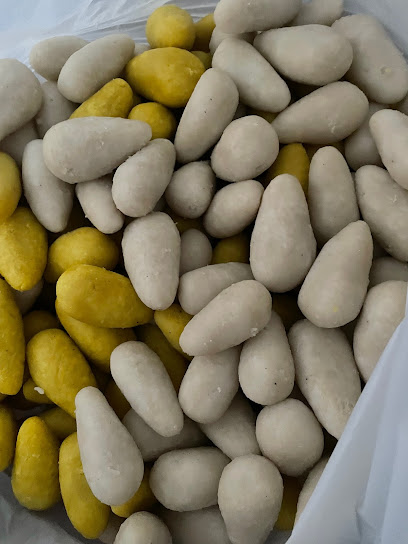
Deshi Dosh
13.3 km
Explore Sylhet's rich fashion culture at Deshi Dosh, a clothing store offering traditional and contemporary styles for every traveler.
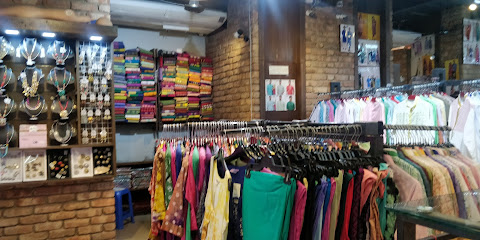
ব্ল্যাক বার্ড ক্লথিং
13.3 km
Discover the vibrant fashion scene at Black Bird Clothing in Sylhet, offering unique apparel and accessories that blend tradition with modern style.

Pritipurna: A Combination Of Spectacular & Elite Products
13.3 km
Discover unique women's fashion at Pritipurna in Sylhet, where style meets elegance in a vibrant shopping experience.

Essential bars & hidden hideouts

ratargul boat service
0.7 km
Discover the enchanting Ratargul Swamp Forest through serene boat rides in Bangladesh's unique freshwater paradise.
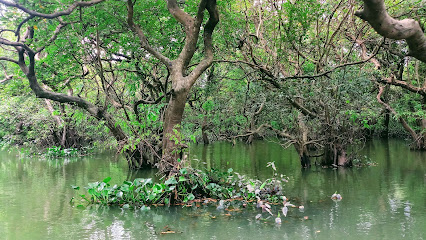
TreeTop Adventure Farm
5.7 km
Discover adventure and relaxation at TreeTop Adventure Farm, where thrilling zip-lining meets exquisite dining in the heart of Sylhet's lush nature.
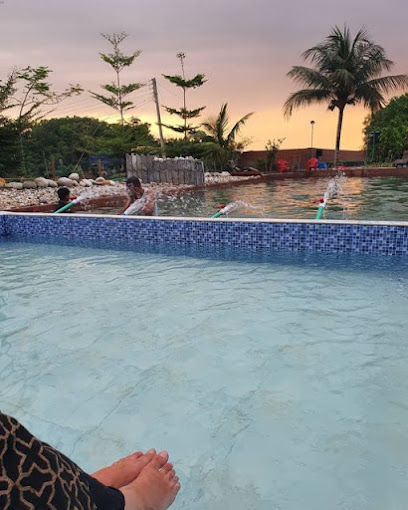
kazi tula
12.6 km
Experience the ultimate sports bar atmosphere at Kazi Tula in Sylhet, where great food, drinks, and lively entertainment come together.
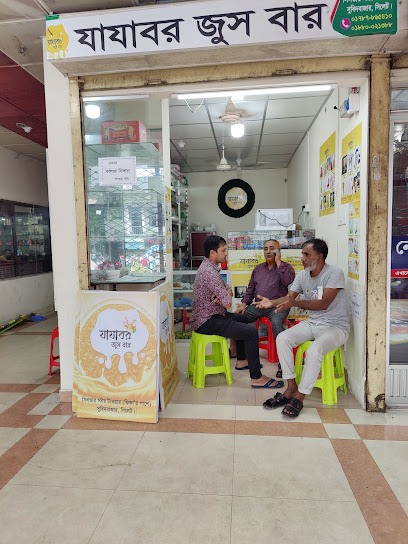
যাযাবর জুস বার
13.0 km
Savor the fresh and vibrant flavors of local juices at যাযাবর জুস বার, a refreshing retreat on the Sylhet-Sunamganj highway.
The Coffee Club
13.3 km
Discover the flavors of Sylhet at The Coffee Club, where delicious cuisine meets a cozy atmosphere, perfect for every dining occasion.
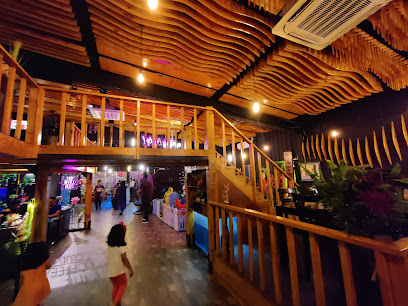
আম্বাখানা
13.3 km
Discover the vibrant nightlife at AmbaKhana, a lively bar in Sylhet offering a range of drinks and a warm atmosphere for all visitors.
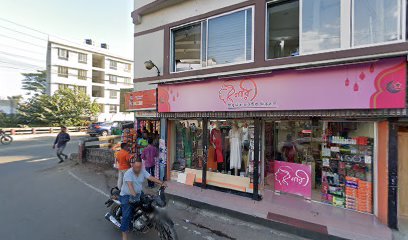
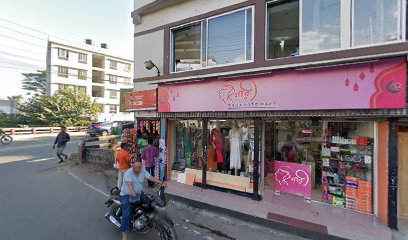
Rajon
13.3 km
Discover the vibrant nightlife at Rajon, a lively bar in Sylhet offering a unique blend of local and international beverages.
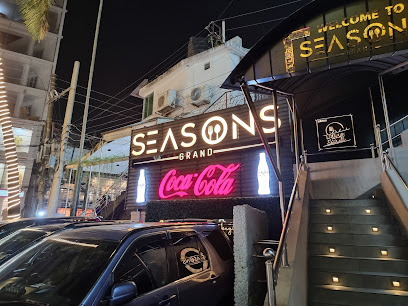
SEASONS Grand
13.4 km
Experience a culinary journey at SEASONS Grand in Sylhet, where diverse flavors meet a vibrant atmosphere.
Tanvir House
13.5 km
Discover the vibrant nightlife and local flavors at Tanvir House, a must-visit pub in Sylhet, Bangladesh.
Nobabi Snacks Bar
13.7 km
Discover the authentic flavors of Sylhet at Nobabi Snacks Bar, where traditional snacks meet a cozy bar atmosphere.
The Steak Blast
13.8 km
Discover The Steak Blast in Sylhet - where every bite is a taste of perfection, from sizzling steaks to delightful rice bowls.

Fatama Bar
13.8 km
Experience the lively nightlife at Fatama Bar in Sylhet, where friendly vibes and delightful drinks come together for an unforgettable evening.
Selu
13.8 km
Experience the vibrant nightlife at Selu, a top bar in Sylhet, where refreshing drinks and live entertainment create unforgettable memories.

Nuha aktar
13.8 km
Discover the lively Nuha Aktar in Sylhet, a perfect bar to unwind with friends while enjoying local and international drinks in a vibrant atmosphere.
Akter house
13.8 km
Discover the vibrant atmosphere of Akter House in Sylhet, Bangladesh, where local culture meets a lively pub experience.
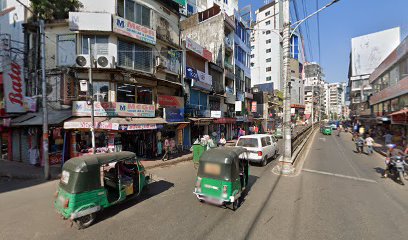
Nightclubs & after hour spots

Kamran Bin kalam
3.1 km
Discover the vibrant nightlife at Kamran Bin Kalam, a must-visit bar in Gushainpur offering a unique blend of local culture and refreshing drinks.
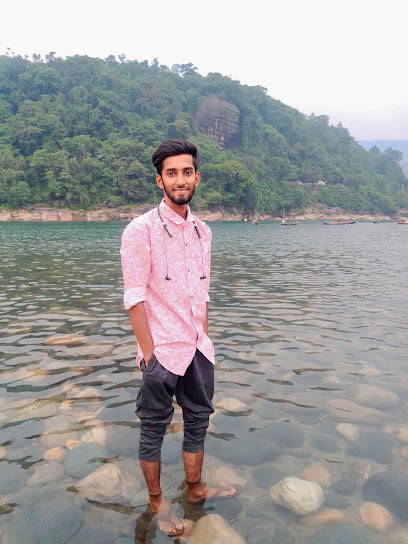
মাওলানা রিয়াজ উদ্দিন
3.2 km
Discover the lively Maulana Riaz Uddin Bar in Bangladesh, where traditional charm meets modern nightlife for an unforgettable evening.
Dhupagul Cricket field
7.0 km
Discover the heart of cricket culture at Dhupagul Cricket Field, a vibrant community hub where passion for the game comes alive.
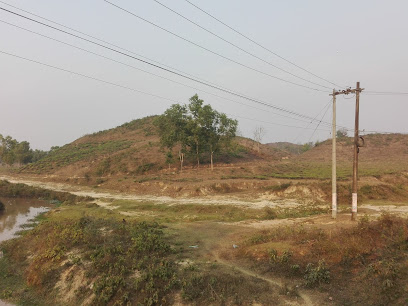
VVIP Lounge, Osmani International Airport, Sylhet
7.9 km
Experience unparalleled comfort and luxury at VVIP Lounge, Osmani International Airport, where relaxation meets elegance before your flight.

Sylhet Club Limited
8.5 km
Discover the vibrant nightlife and cultural richness at Sylhet Club Limited, a premier entertainment destination in Sylhet.
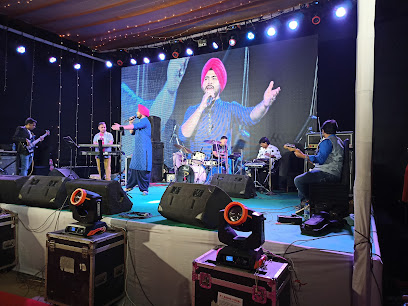
Lounge Shampan
8.5 km
Discover the vibrant nightlife at Lounge Shampan in Dhopagul, a bar offering an extensive drink menu and lively ambiance for an unforgettable experience.
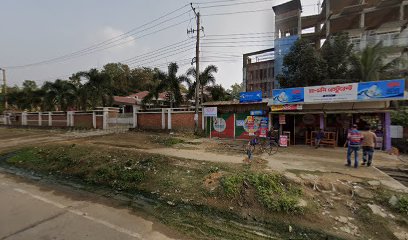
Jalalabad Golf Club
8.7 km
Discover the exquisite Jalalabad Golf Club: a golfer's paradise amidst breathtaking landscapes and family-friendly playgrounds.
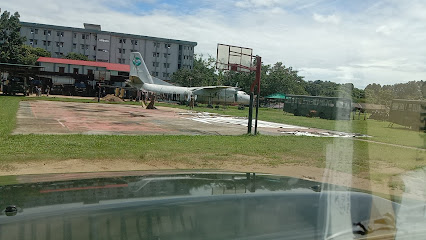
Khadimnagar T.g., Bangladesh
9.6 km
Discover the energetic nightlife of Khadimnagar T.g., Bangladesh, where vibrant nightclubs and pulsating music create an unforgettable experience.
Mumin Store
11.2 km
Discover the vibrant nightlife at Mumin Store, a premier night club in Gowainghat, where music and energy come alive under the stars.
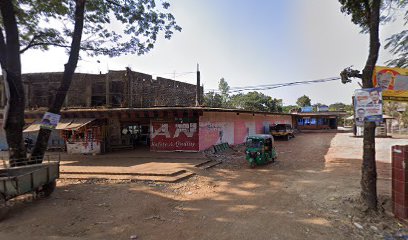
Sylhet Station Club
12.5 km
Experience comfort and hospitality at Sylhet Station Club, your gateway to the enchanting landscapes and rich culture of Sylhet.
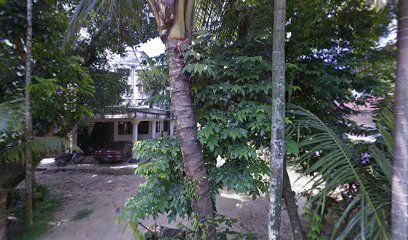
Tajim House
12.6 km
Discover the electric nightlife of Tajim House in Sylhet, where vibrant music and dance create unforgettable memories.
Parsonal
12.8 km
Dive into the energetic nightlife of Sylhet at Parsonal, where music, dance, and entertainment await every visitor.
Sadi's Place
13.0 km
Explore the energetic nightlife of Sylhet at Sadi's Place, a vibrant night club with eclectic music and a lively atmosphere for unforgettable nights.
Parliament House
13.1 km
Discover the electrifying nightlife of Sylhet at Parliament House, a premier night club offering vibrant music and a lively atmosphere.
Faruk store
13.2 km
Dive into the dynamic nightlife of Sylhet at Faruk Store, where music and dance create unforgettable memories.