
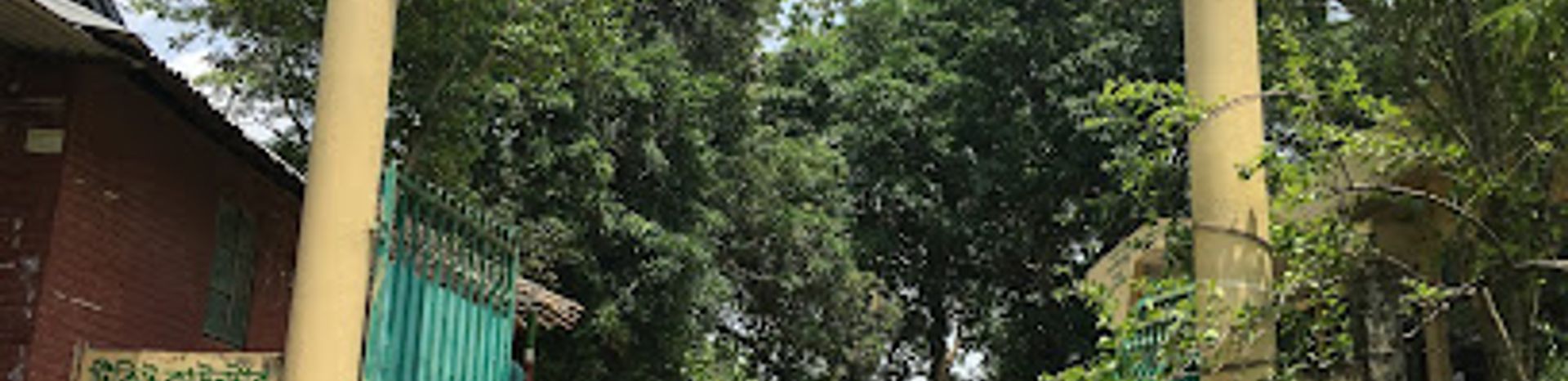
Rema Kalenga: A Biodiversity Hotspot
Discover the untamed beauty of Rema Kalenga Reserved Forest, a biodiversity hotspot in Bangladesh, offering thrilling treks, rare wildlife sightings, and cultural immersion.
Rema Kalenga Reserved Forest, a haven of biodiversity in northeastern Bangladesh, offers a captivating escape for nature enthusiasts and adventure seekers. Established as a wildlife sanctuary in 1982 and expanded in 1996, this 1795.54-hectare forest is a treasure trove of flora and fauna, boasting over 600 plant species, diverse mammals, reptiles, amphibians, and a vibrant birdlife. Trek through its scenic trails, spot rare wildlife, and immerse yourself in the tranquility of this natural paradise. The forest also holds cultural significance, with tribal communities residing nearby, offering a glimpse into their unique way of life. Rema Kalenga is a must-visit destination for those seeking an authentic and enriching experience in the heart of nature.
A brief summary to Rema Kalenga Reserved Forest
- 4J8J+XW9, BD
Local tips
- Visit between October and April for the best weather and accessibility.
- Wear comfortable, water-resistant clothing and footwear for trekking.
- Bring your own snacks and beverages, as there are no shops inside the forest.
- Respect the environment by avoiding pollution and harm to plants and animals.
- Engage a local guide for a more enriching and informative experience.

Getting There
-
Public Transport
From Habiganj town, take a CNG auto-rickshaw or bus towards the Habiganj-Shayestaganj highway. Get off at Chunarughat Upazila. From Chunarughat Madhya Bazar, hire another CNG to Kalenga Bazar (approx. Tk 70). From Kalenga Bazar, it's a 10-15 minute walk to the main gate of Rema-Kalenga Wildlife Sanctuary.
-
Taxi/Ride-Share
From Shaistaganj, a direct Laguna (local taxi) to Kalenga Bazar can be reserved for approximately Tk 1000-1200 (negotiate the price). From Kalenga Bazar, walk 10-15 minutes to the sanctuary entrance.
Discover more about Rema Kalenga Reserved Forest
Iconic landmarks you can’t miss

Shapla Bil, Deundi
20.0 km
Discover the enchanting beauty of Shapla Bil in Deundi, Bangladesh, where a seasonal lake transforms into a breathtaking carpet of vibrant water lilies, offering a tranquil escape into nature.
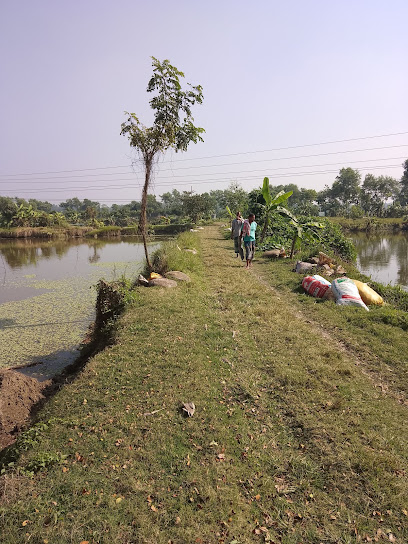
আলিয়াছড়া (গুলবাহার) খাসিয়া পুঞ্জি
20.9 km
Discover the natural beauty and cultural richness of Alifachara (Gunabahar) Kasifa Pundj, a must-visit tourist attraction in Bangladesh.
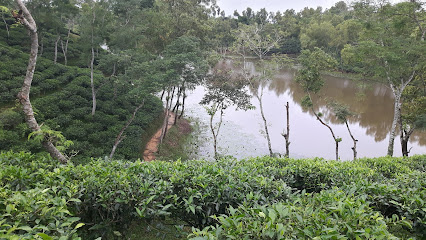
Tea Heaven Resort
21.7 km
Escape to the serene tea gardens of Sreemangal at Tea Heaven Resort, offering comfortable accommodations, family-friendly amenities, and easy access to the region's natural beauty and cultural attractions.

Grand Selim Resort & Tour
22.2 km
Discover tranquility and adventure at Grand Selim Resort & Tour, a serene retreat surrounded by nature's beauty in Ramnagar.
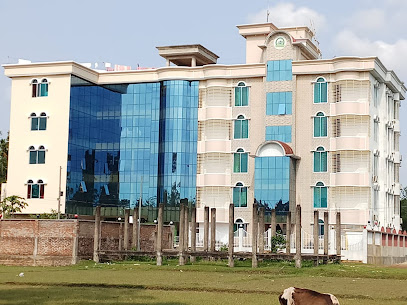
Novem Eco Resort
22.6 km
Escape to Novem Eco Resort in Sreemangal, Bangladesh: Immerse yourself in lush tea gardens, eco-friendly accommodations, and tranquil nature, creating unforgettable memories.
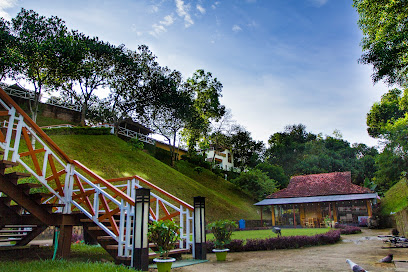
Nirjon Nature's Hideout
23.2 km
Discover tranquility at Nirjon Nature's Hideout in Sreemangal: Experience lush tea gardens, eco-friendly accommodations, and the serene beauty of rural Bangladesh for an unforgettable escape.
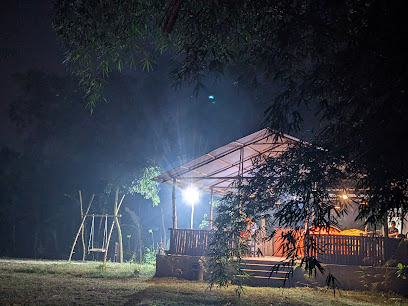
Lemon Garden Resort & Spa
23.2 km
Escape to Lemon Garden Resort & Spa in Sreemangal: A serene retreat amidst lush tea gardens, offering relaxation and rejuvenation.
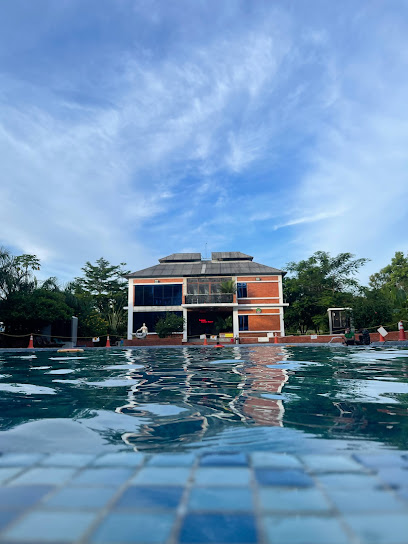
Shanti Bari Eco Resort
23.4 km
Escape to Shanti Bari Eco Resort in Sreemangal: Immerse yourself in nature, enjoy sustainable comfort, and explore the tea capital of Bangladesh.
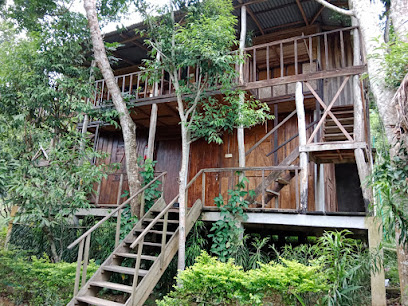
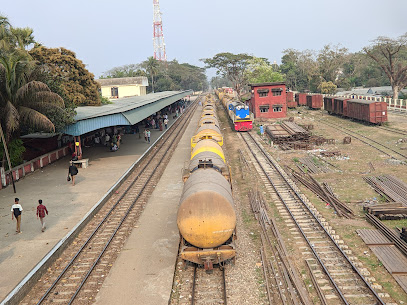
Sreemongal rail station
23.4 km
Discover the gateway to Bangladesh's tea country: Sreemongal Rail Station, your starting point for exploring lush tea gardens and natural wonders.
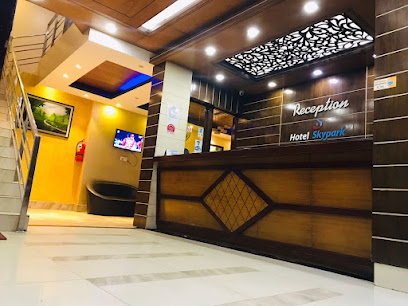
Hotel Skypark
23.6 km
Discover the beauty of Sreemangal, the Tea Capital of Bangladesh, with a comfortable stay at Hotel Skypark, offering easy access to tea gardens, national parks, and cultural experiences.
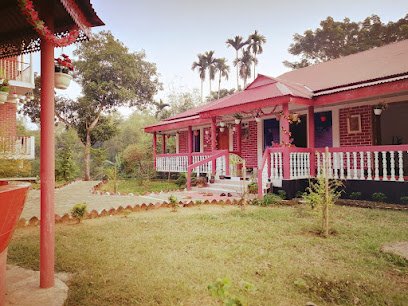
Madhabilota Eco Cottage
24.1 km
Escape to a serene, eco-friendly haven nestled amidst Sreemangal's lush tea gardens, offering tranquility, sustainable comfort, and immersive nature experiences for an unforgettable retreat.
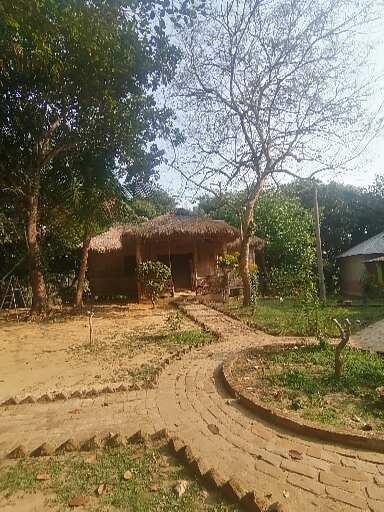
Litchibari Eco Resort
24.2 km
Escape to tranquility at Litchibari Eco Resort in Sreemangal: Experience nature, comfort, and warm hospitality in Bangladesh's tea capital.
Grand Sultan Tea Resort & Golf
24.5 km
Explore the serene beauty of the Grand Sultan Tea Resort & Golf, a luxurious escape in Bangladesh featuring a stunning golf course and exquisite dining.
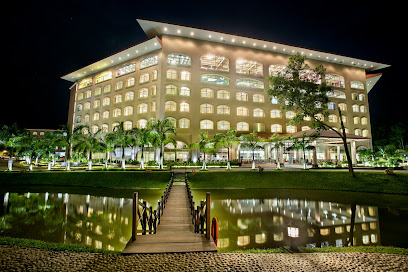
Lemon Garden Resort
25.4 km
Experience the serene beauty of Lemon Garden Resort, where modern comfort meets the lush landscapes of Bangladesh, perfect for a tranquil getaway.
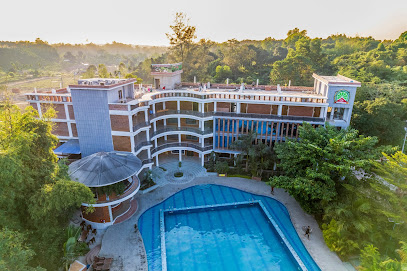
Paradise Lodge প্যারাডাইজ লজ গেস্ট হাউজ
25.5 km
Discover the tranquility of Sreemangal at Paradise Lodge, your gateway to lush tea gardens, national parks, and cultural experiences in the heart of Bangladesh's tea country.
Unmissable attractions to see

Lasuban Gorge \ লাসুবন,গিরিখাত
13.6 km
Discover the hidden beauty of Lasuban Gorge in Sreemangal: Trek through stunning canyons and immerse yourself in local Khasi culture.
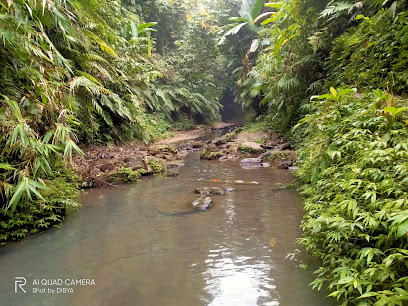
Dumala Water falls
15.9 km
Discover the breathtaking beauty of Dumala Waterfalls in Tripura – a hidden gem for nature lovers and adventure seekers alike.
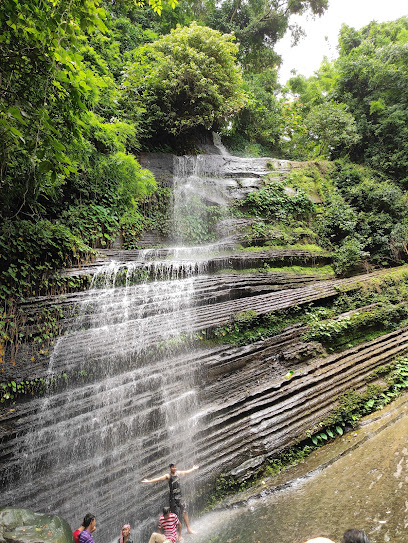
বিলাসছড়া লেক
18.9 km
Discover Bilash Chora Lake: A serene escape in Sreemangal's tea gardens, offering tranquility and natural beauty away from the crowds.
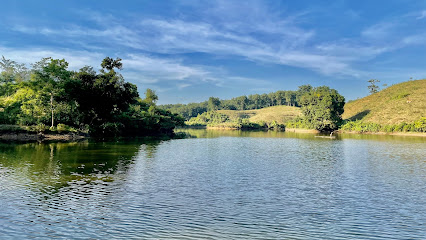
Satchari National Park
19.1 km
Explore Satchari National Park: A tropical rainforest in Bangladesh with diverse wildlife, hiking trails, and cultural experiences.
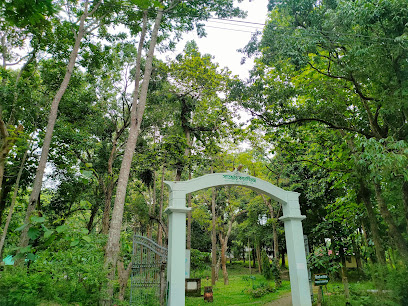
কালীঘাট বেইলী ব্রীজ
19.1 km
প্রকৃতির মাঝে শান্তি ও সৌন্দর্যের অন্বেষণ: কালীঘাট বেইলি ব্রিজ, শ্রীমঙ্গল।
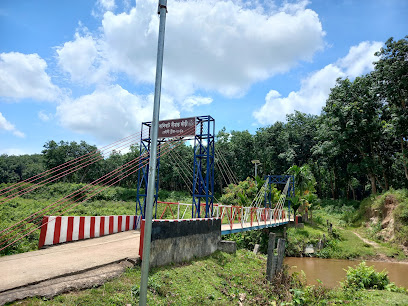
JI Park ( Fishing and Picnic Spot).
19.1 km
Experience serenity at JI Park in Sreemangal: a perfect spot for fishing and picnics amidst lush greenery and calm waters.
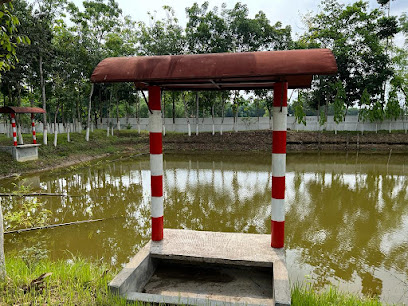
দার্জিলিং টিলা (Darjeeling Tila)
20.7 km
Discover Darjeeling Tila in Sreemangal: panoramic views, tea gardens, and a tranquil escape into Bangladesh's natural beauty.
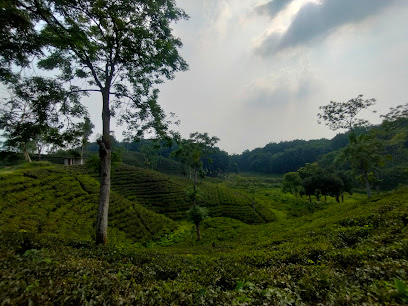
আলিয়াছড়া (গুলবাহার) খাসিয়া পুঞ্জি
20.9 km
Discover the unique culture of the Khasi people at Aliachhora Punji near Sreemangal, Bangladesh, and experience their traditions amidst the region's stunning natural beauty.
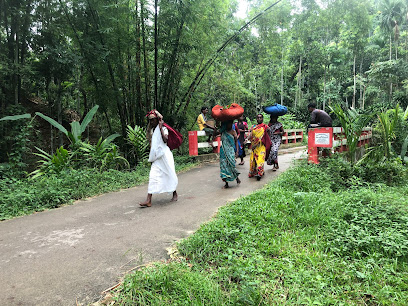
বটের তল
21.4 km
Escape to বটের তল: A tranquil garden offering a serene retreat and a touch of local culture in মৌলভীবাজার জেলা.
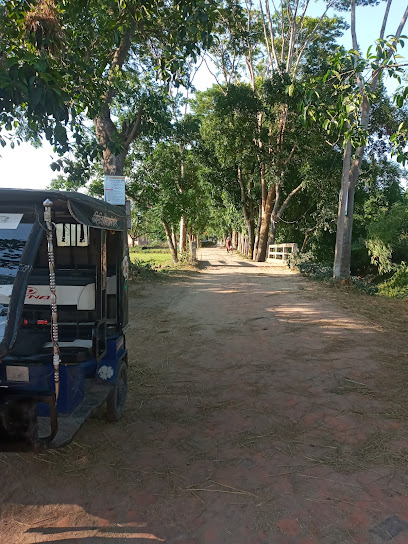
Shatavisa Village Park
21.4 km
Escape to Shatavisa Village Park in Sreemangal, a tranquil oasis offering lush greenery and a peaceful atmosphere for relaxation and recreation, open daily from 6 AM to 10 PM.
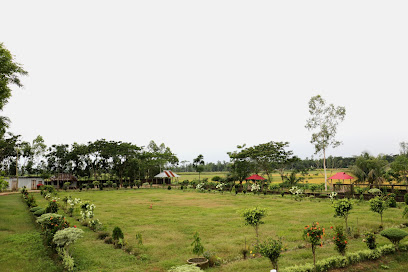
Laltila/ Lalpahar লাল পাহাড়
21.6 km
Discover the beauty of Laltila/Lalpahar, where red soil meets green tea gardens, offering panoramic views and cultural immersion in Sreemangal, Bangladesh.
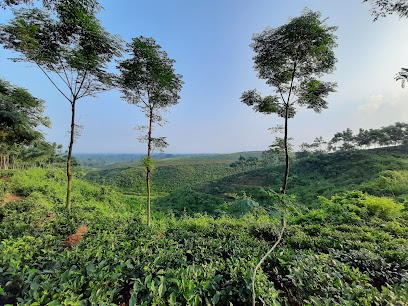
ঘাটের পাড়
21.9 km
Discover the hidden beauty of Ashidron UP, where cultural heritage meets natural splendor in the heart of Bangladesh.
TEA Club
22.1 km
Experience the tranquility of Sreemangal's tea culture at TEA Club. Discover local flavors and immerse yourself in lush tea gardens.
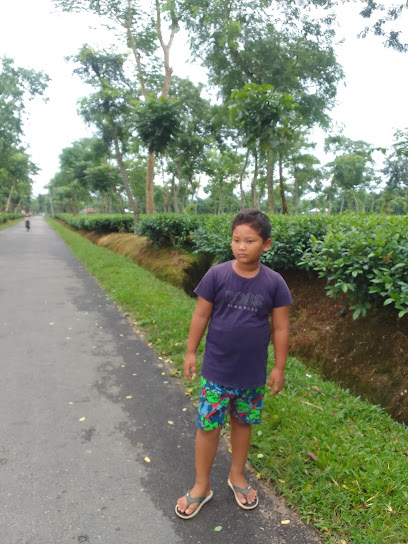
মক্তব ও পাঞ্জেখানা মসজিদ কাকিয়া ছড়া চা বাগান শ্রীমঙ্গল
22.5 km
Discover serenity at মক্তব ও পাঞ্জেখানা মসজিদ in Sreemangal's Kakia Chora Tea Garden, a unique blend of spiritual peace and natural beauty.
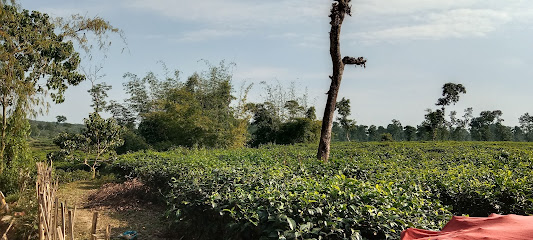
Palli Bidyut Flower Garden
22.6 km
Discover a serene floral paradise in Sreemangal's Palli Bidyut Flower Garden, a vibrant escape into nature's beauty and tranquility.
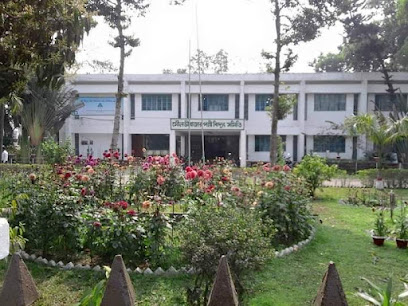
Essential places to dine

BaganBari Restaurant - বাগানবাড়ী রেস্টুরেন্ট
22.1 km
Discover the authentic taste of Bangladesh at BaganBari Restaurant in Sreemangal - where culinary tradition meets modern hospitality.
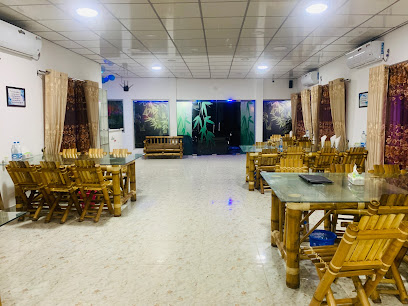
Hobigang road srimangal
23.2 km
Experience authentic Bangladeshi cuisine at Hobigang Road in Srimangal—where every meal tells a story and nature surrounds you.
দামোদর ভোজনালয়, চৌমুহনা শ্রীমঙ্গল। হোটেল স্কাই পার্ক এর নিচ তলায়।
23.2 km
Experience authentic Bangladeshi vegetarian cuisine at Damodar Bhojanaloy in Sreemangal – a culinary delight beneath Hotel Sky Park.
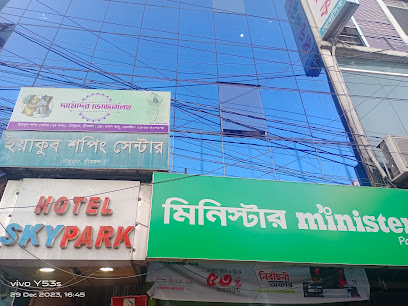
পেটুক বাড়ি রেস্টুরেন্ট শ্রীমঙ্গল
23.2 km
Experience authentic Bangladeshi flavors at Petuk Bari Restaurant in Sreemangal - where every dish tells a story.

Pach Vai Restaurant পাঁচ ভাই রেস্টুরেন্ট
23.4 km
Experience authentic Bangladeshi flavors at Pach Vai Restaurant in Sreemangal – a delightful culinary journey awaits!
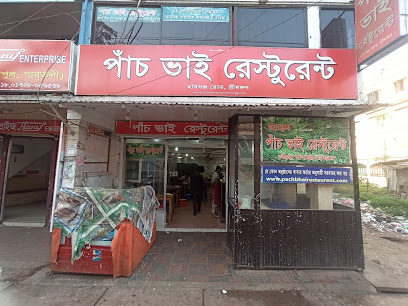
Noor Foods and Restaurant
23.4 km
Discover authentic Bangladeshi flavors at Noor Foods and Restaurant in Sreemangal – where delicious meets affordable!
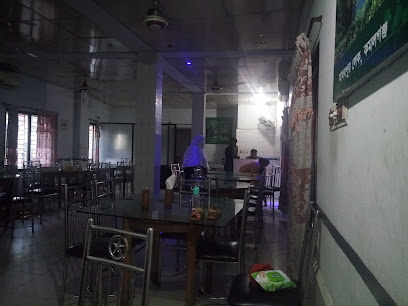
ভাই ভাই হোটেল এন্ড রেস্টুরেন্ট Bhai Bhai Hotel & Restaurant
23.5 km
Experience authentic Bangladeshi cuisine at Bhai Bhai Hotel & Restaurant in Sreemangal, where every meal tells a story.
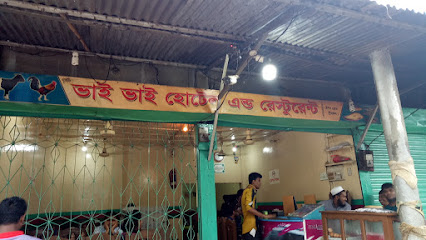
শাহজালাল (রঃ) হোটেল এন্ড রেস্টুরেন্ট
23.5 km
Experience authentic Bangladeshi flavors at Shahjalal Hotel and Restaurant in Sreemangal – a must-visit culinary destination for every traveler.
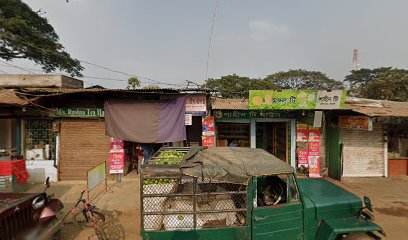
Shimanto Fresh Corner
23.5 km
Experience the perfect blend of fast food favorites and local cuisine at Shimanto Fresh Corner in Sreemangal.
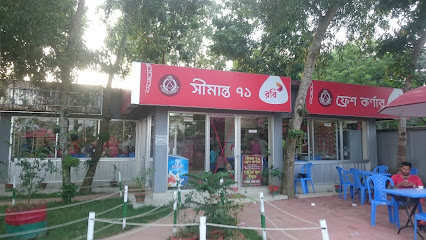
cafe Jingbang
23.5 km
Discover exquisite flavors at Café Jingbang in Sreemangal – where local cuisine meets warm hospitality in a cozy setting.
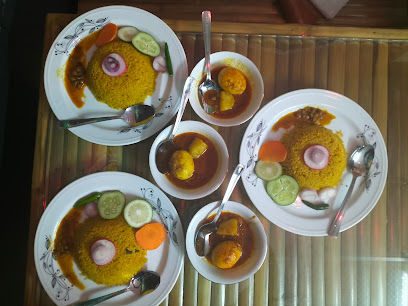
Kutum Bari Restaurant
23.6 km
Experience authentic Bangladeshi cuisine at Kutum Bari Restaurant in Sreemangal - a must-visit for food lovers exploring this scenic region.
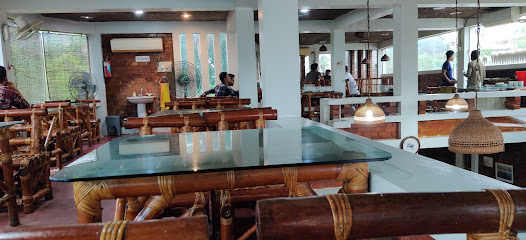
London Restaurant
23.6 km
Discover authentic flavors at Sreemangal's London Restaurant – where local meets global cuisine in a cozy setting.
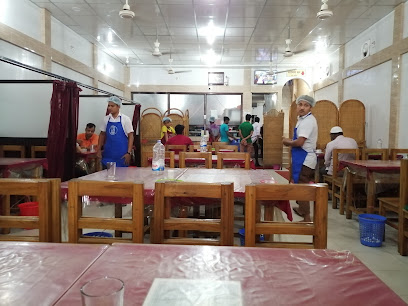
Cafe Srimangal & Chinese - ক্যাফে শ্রীমঙ্গল এন্ড চাইনিজ
23.6 km
Experience authentic Bangladeshi and Chinese cuisine at Café Srimangal, where every dish tells a story amidst a cozy ambiance.
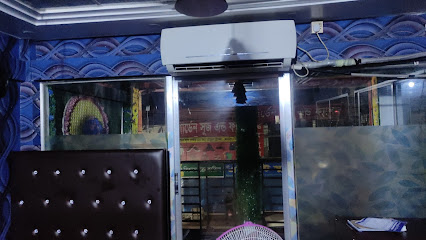
সাতকরা রেস্টুরেন্ট
23.6 km
Discover authentic Bangladeshi cuisine at Shatkora Restaurant in Sreemangal - a delightful culinary experience awaits!
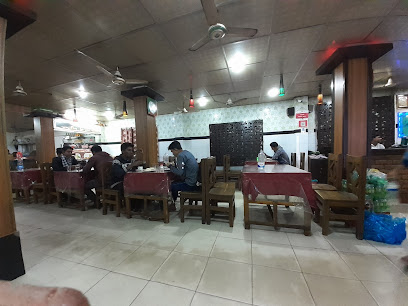
Shah Hotel & Restaurant
23.6 km
Experience authentic Bangladeshi cuisine at Shah Hotel & Restaurant in Sreemangal – a culinary delight amidst breathtaking landscapes.
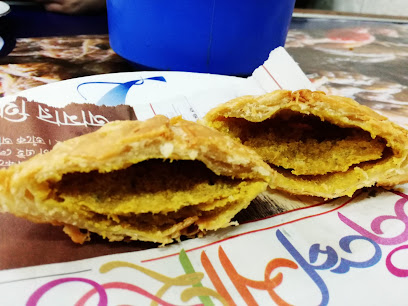
Markets, malls and hidden boutiques

মেসার্স মিম এন্টারপ্রাইজ
23.4 km
Explore Mesars Mim Enterprise in Sreemangal for authentic local products and a taste of Bangladesh's vibrant culture.

Mohammodi Bastra Bitan
23.4 km
Explore the vibrant world of Bangladeshi fashion at Mohammodi Bastra Bitan, Sreemangal's premier clothing store showcasing local textiles.
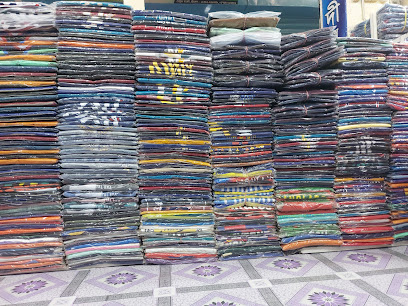
শাহ ষ্টোর Sha Stor
23.5 km
Explore Sha Stor in Sreemangal for authentic Bangladeshi handicrafts and memorable souvenirs that capture the cultural essence of your travels.
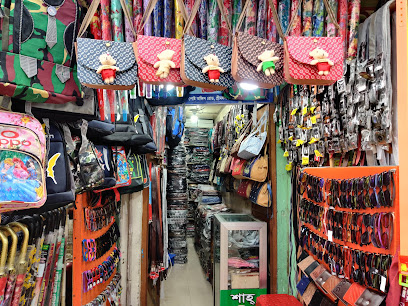
Pabna Cloth Store
23.5 km
Discover the vibrant textiles of Bangladesh at Pabna Cloth Store in Sreemangal, offering a unique selection of traditional clothing for every occasion.
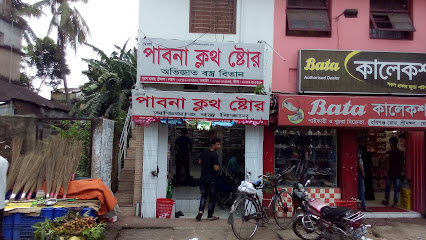
Station Road ,Sreemangal
23.5 km
Explore the vibrant clothing scene on Station Road, Sreemangal, where tradition meets contemporary fashion in a bustling shopping district.
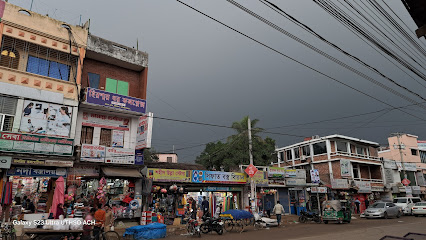
তারা ফ্যাশন
23.5 km
Discover Tara Fashion in Sreemangal, a women's clothing store offering exquisite styles that blend tradition with modern elegance.

লোকনাথ বস্ত্রালয়
23.5 km
Discover the rich textile heritage of Bangladesh at Loknath Bostraloy, your go-to clothing store in Sreemangal for authentic local garments.
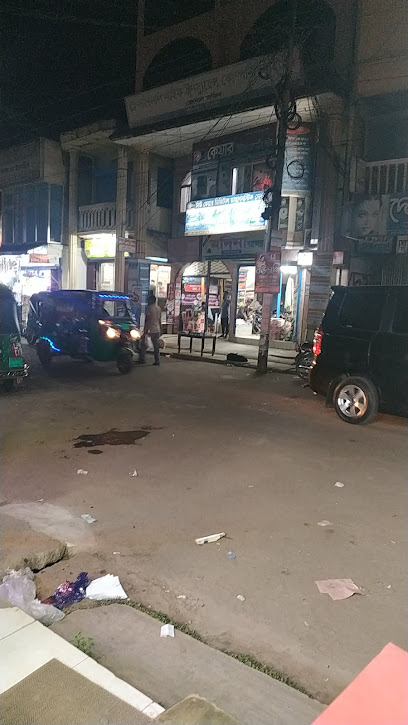
ষ্টাইল কিং
23.6 km
Explore the unique local crafts and souvenirs at ষ্টাইল কিং in Sreemangal, the heart of Bangladesh's tea country.
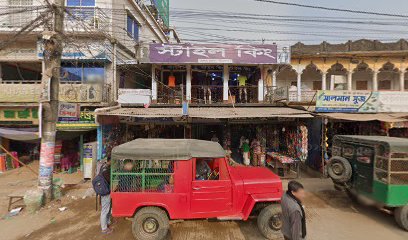
DM Tailor’s & Cloth Store
23.6 km
Discover unique clothing at DM Tailor’s & Cloth Store in Sreemangal, a vibrant hub of local craftsmanship and style.
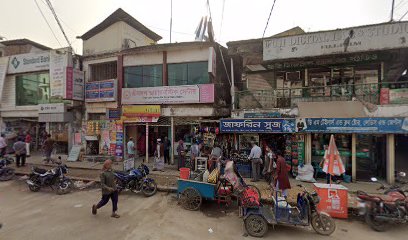
Basundhara Shopping Center
23.6 km
Discover the vibrant Basundhara Shopping Center in Sreemangal for an unforgettable shopping experience, blending local culture with modern fashion trends.
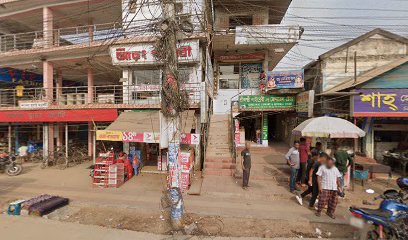
আয়শা এন্ড আঁখি ভেরাইটিজ ষ্টোর
23.6 km
Discover local treasures at Ayesha & Ankhi Variety Store in Sreemangal, your go-to shop for unique souvenirs and everyday essentials.
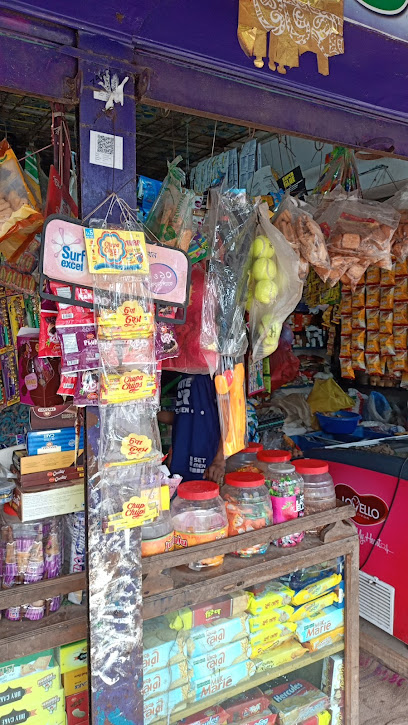
নীলাঞ্জনা ভেরাইটিজ স্টোর
23.6 km
Explore the vibrant Nilanjana Variety Store in Sreemangal for a taste of authentic local products and a glimpse into Bangladeshi culinary traditions.
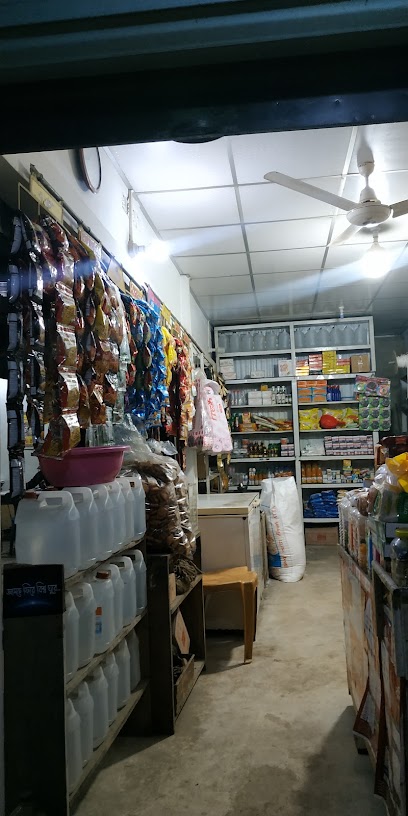
7 Star Clothing
23.6 km
Explore Sreemangal's fashion scene at 7 Star Clothing, where you can find stylish attire blending local culture and modern trends.

Deshi Express BD
23.6 km
Discover local fashion at Deshi Express BD in Sreemangal, where vibrant styles meet friendly service for an unforgettable shopping experience.
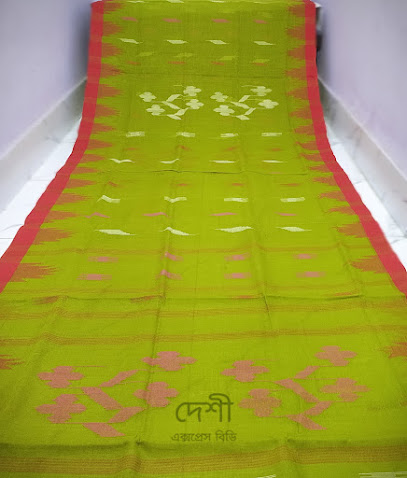
পোশাক বাড়ি
23.6 km
Discover the charm of traditional Bangladeshi clothing at পোশাক বাড়ি in Sreemangal, where heritage meets style.
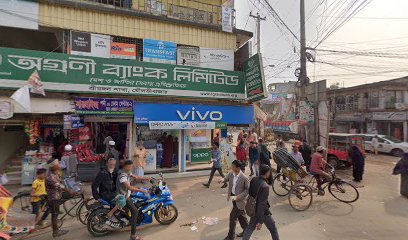
Essential bars & hidden hideouts

কাঠাল পয়েন্ট
10.0 km
Discover the vibrant atmosphere and refreshing drinks at Katahal Point, a must-visit bar for an unforgettable night out.
রিংকু ষ্টোর
17.5 km
Unwind at রিংকু ষ্টোর, a vibrant bar in Sindurkhan UP offering a lively atmosphere, delicious drinks, and a taste of local culture.
Shawon
18.9 km
Experience the vibrant nightlife at Shawon, a bar in Tikria offering a blend of local and international drinks in a unique ambiance.
দেশী মদের দোকান
22.9 km
Discover the vibrant atmosphere of Deshi Modder Dokan, a bar that celebrates Bangladeshi culture with unique drinks and local entertainment.
Sohidul Islam
23.3 km
Experience the vibrant nightlife at Sohidul Islam, a cozy bar in Sreemangal offering local drinks and a warm, inviting atmosphere for all visitors.
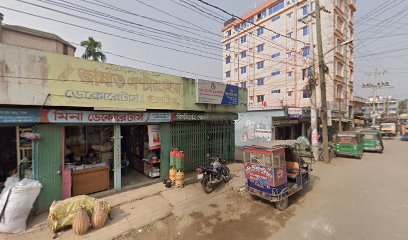
ভাই ভাই হোটেল
23.4 km
Experience the authentic flavors of Bangladesh at Bhai Bhai Hotel, a culinary gem in Sreemangal's lush landscape.
Stylus Restaurant & Guest House
23.5 km
Discover the authentic flavors of Asian cuisine at Stylus Restaurant & Guest House, a cozy dining and lodging experience in Sreemangal.
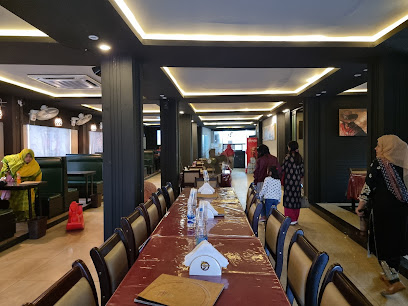
Treat দে
23.6 km
Discover the authentic taste of Bangladeshi cuisine at Treat দে, a must-visit restaurant in Sreemangal for every food lover.
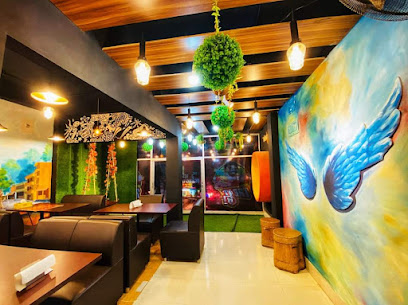
ভোলানাথ মিষ্টান্ন ভান্ডার
23.6 km
Explore the sweet side of Moulvibazar at ভোলানাথ মিষ্টান্ন ভান্ডার, where traditional Bangladeshi sweets create unforgettable experiences.
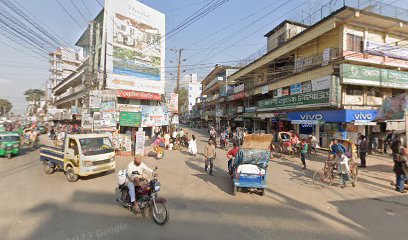
Lily hotel Sreemangal
23.7 km
Experience authentic Bangladeshi cuisine at Lily Hotel Sreemangal, where local flavors meet warm hospitality in a picturesque setting.
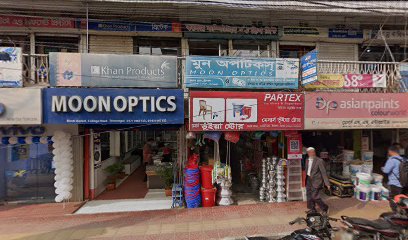
E-Cafe &Juice Bar-2
23.8 km
Discover the vibrant flavors of E-Cafe & Juice Bar in Sreemangal, where refreshing drinks meet a cozy atmosphere amidst scenic tea gardens.
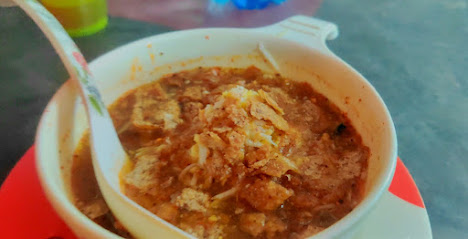
Kureghor resturent and fuska house
23.8 km
Discover the delights of traditional Bangladeshi cuisine at Kureghor Restaurant and Fuska House, a must-visit for food lovers in Balishira Pahar.
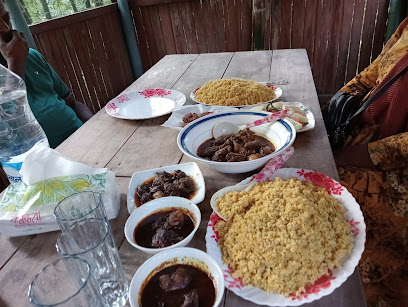
বৃষ্টি বিলাস খাবার ঘর
24.0 km
Discover the vibrant flavors of Bangladesh at Borshti Bilash Khabar Ghor, a must-visit restaurant in Sreemangal offering authentic local cuisine.
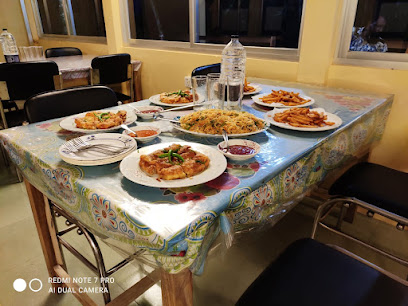
Raju Restaurant রাজু রেস্টুরেন্ট
24.4 km
Experience authentic Bangladeshi cuisine at Raju Restaurant, a charming eatery near Grand Sultan Resort, perfect for food lovers.
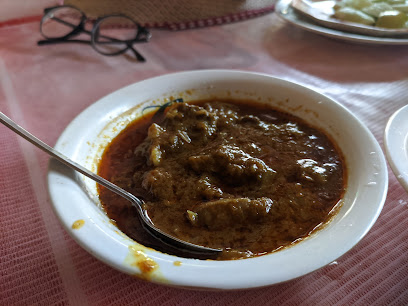
লিটনের পাট্টা(মদের দোকান)
24.6 km
Discover the lively ambiance and exquisite drinks at Liton’s Patta, a premier bar in Bangladesh perfect for unwinding and enjoying local nightlife.


