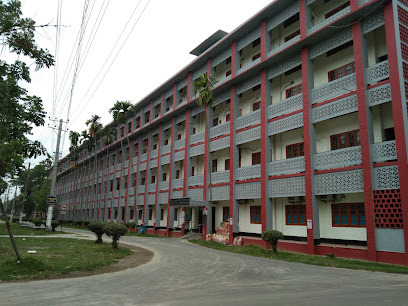
Ghari Ghar: Echoes of the Nawabs
Discover the historical charm of Ghari Ghar in Murshidabad, a majestic clock tower reflecting the region's royal heritage and architectural grandeur within the Nizamat Fort Campus.
Ghari Ghar, also known as the Clock Tower of Murshidabad, stands as a silent sentinel within the Nizamat Fort Campus, a testament to the city's rich Nawabi heritage. Designed by Sagore Mistri, assistant to Colonel Duncan MacLeod, the tower is strategically positioned between the Nizamat Imambara and Hazarduari Palace, its dial facing the Bhagirathi River. Once a vital timekeeping mechanism for river travelers and a warning bell against impending dangers, today, though not fully functional, it remains a captivating landmark, embodying Murshidabad's historical significance and architectural finesse. Visitors can admire its structure, reflect on its past, and explore the surrounding historical complex, including the Hazarduari Palace and Imambara, for a comprehensive glimpse into the region's regal past. Despite its fragile condition, Ghari Ghar continues to draw history enthusiasts and casual tourists alike, offering a serene and reflective experience amidst lush greenery.
A brief summary to Ghari Ghar
Local tips
- Visit early in the day to avoid crowds and enjoy a peaceful experience, especially during peak tourist season.
- Engage with local guides for an enriched understanding of the site's history and significance, as they often share captivating stories and insights.
- Combine your visit with a tour of the Hazarduari Palace and Nizamat Imambara for a comprehensive exploration of the Nizamat Fort Campus.

Getting There
-
Walking
From Hazarduari Palace, Ghari Ghar is a short walk within the Nizamat Fort Campus. Exit the palace grounds and head towards the garden area between the palace and the Nizamat Imambara. The clock tower is easily visible from either landmark. No entry fee is required to access the grounds around Ghari Ghar, as it's part of the open campus area.
-
Rickshaw
If arriving in Murshidabad town, a rickshaw is a convenient way to reach Ghari Ghar. Most rickshaw drivers will be familiar with Hazarduari Palace; Ghari Ghar is located within the same complex. A short ride from the main road to the palace entrance should cost approximately ₹30-₹50. Negotiate the fare beforehand.
Discover more about Ghari Ghar
Iconic landmarks you can’t miss

Shree Kiriteswari Shaktipeeth Temple
5.3 km
Experience the spiritual and architectural marvel of Shree Kiriteswari Shaktipeeth Temple, one of India's revered Shakti Peeths in West Bengal's serene landscape.
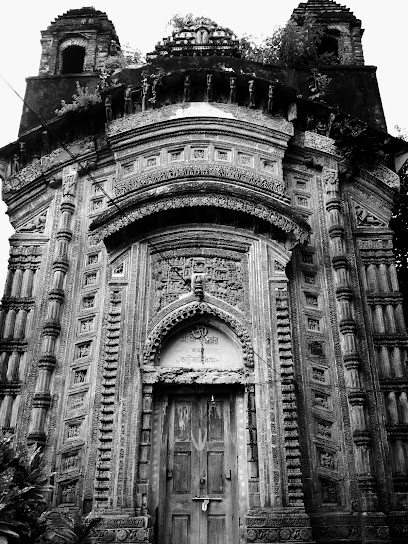
Padma Riverbank Bottola-পদ্মার পাড় বটতলা
36.0 km
Experience the majestic Padma River in Rajshahi: a vibrant hub of culture, history, and natural beauty, offering stunning sunsets and a taste of authentic Bangladeshi life.
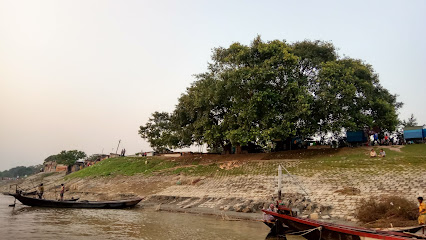
Liberation War Memorial
36.2 km
Reflect on Bangladesh's fight for independence at the Liberation War Memorial in Rajshahi, a serene landmark honoring the nation's heroes along the scenic Padma River.
Parjatan Motel, Rajshahi
36.8 km
Your comfortable gateway to exploring Rajshahi's culture, history, and attractions with a relaxing stay and helpful travel assistance.
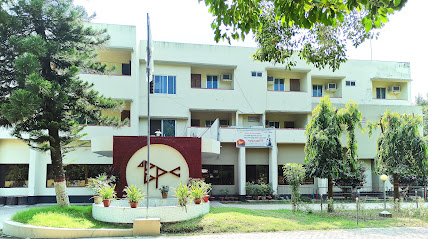
Sufianer More
36.9 km
Discover the historical charm of Sufianer More in Rajshahi, a landmark that reflects Bangladesh's rich cultural heritage and architectural beauty, offering a serene glimpse into the past.
Rajshahi Simla Park
37.1 km
Escape to Rajshahi Simla Park, a tranquil green space in the city's heart, offering a peaceful retreat and a glimpse into local history and natural beauty.
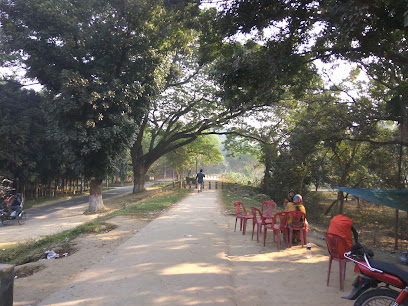
Bangabandhu Mural, Rajshahi
37.4 km
Experience the towering Bangabandhu Mural in Rajshahi, a vibrant tribute to Bangladesh's founding father, showcasing history, culture, and national pride at the heart of the city.
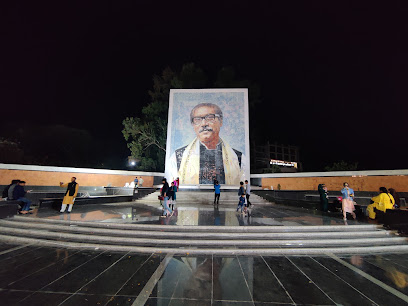
C & B Mor
37.5 km
Experience the vibrant heart of Rajshahi at C & B Mor, a bustling town square where history, culture, and community converge, offering a unique glimpse into the soul of the Silk City.
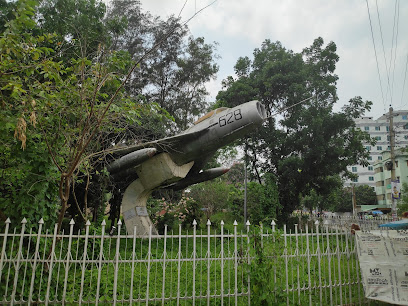
Simante Obokash
37.6 km
Experience tranquility and authentic flavors at Simante Obokash, Rajshahi's riverside retreat managed by BGB, offering delicious cuisine and scenic views in a secure, family-friendly environment.
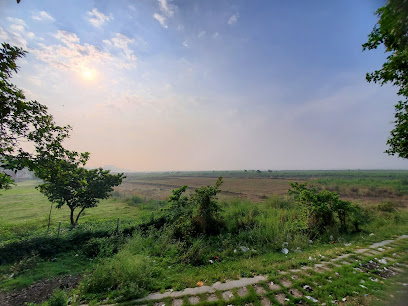
Batayon
37.8 km
Experience the serene beauty of the Padma River from Batayon in Rajshahi, a cultural and natural gem offering breathtaking views and a tranquil escape into the heart of Bangladesh.
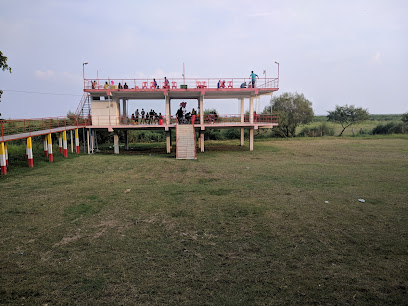
Laxmipur Mor, Mintu Chattar
37.8 km
Experience the rich history and vibrant culture at Laxmipur Mor, a must-visit historical landmark in Rajshahi, Bangladesh.
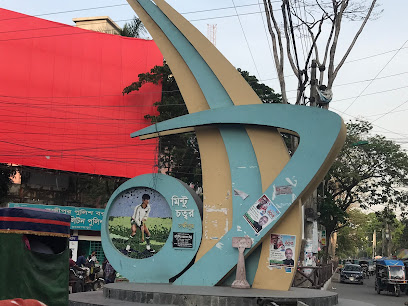
Pathanpara Jama Masjid
38.2 km
Discover the spiritual serenity and architectural beauty of Pathanpara Jama Masjid in Rajshahi, Bangladesh, a cultural gem showcasing the region's rich Islamic heritage and tranquil ambiance.
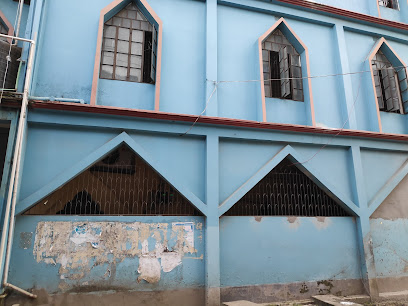
Bongobondhu Sriti Folok
38.2 km
Discover the rich history of Bangladesh at Bongobondhu Sriti Folok, a serene memorial dedicated to the nation's founding leader in Rajshahi.
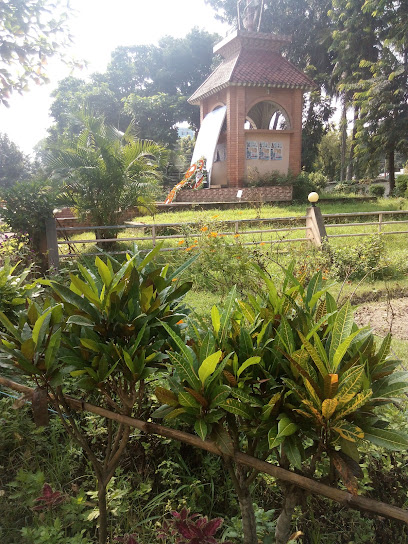
Jadughor Mor
38.3 km
Discover Jadughor Mor in Rajshahi: A vibrant crossroads where history, culture, and daily life converge in Bangladesh's 'Silk City'.
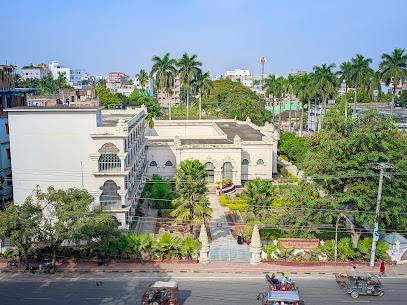
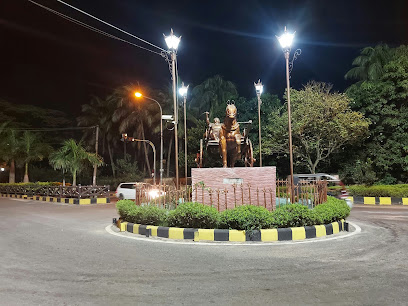
Tradition Square
38.4 km
Explore Tradition Square in Rajshahi: A historical landmark offering cultural insights and captivating nighttime views in the heart of the city.
Unmissable attractions to see

Tripolia Gate
0.2 km
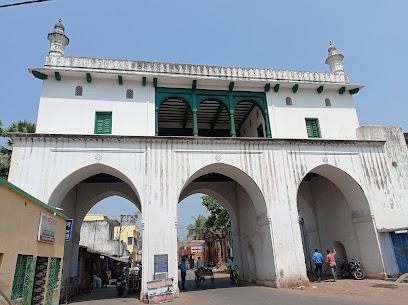
Step through time at Tripolia Gate, a majestic gateway to Murshidabad's rich Nawabi past and architectural grandeur.
Nobogonga I-Badh, Rajshahi
33.5 km
Discover Nobogonga I-Badh in Rajshahi: a tranquil escape with lush nature and authentic culture along the Padma River.
Podma SM Badh
33.5 km
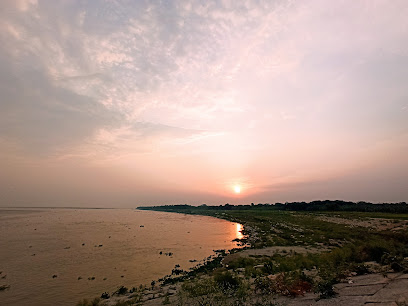
Discover the serene beauty of Podma SM Badh in Bangladesh, a perfect blend of nature and culture for an unforgettable travel experience.
GS Square (গীতাশ্রী চত্বর)
35.3 km
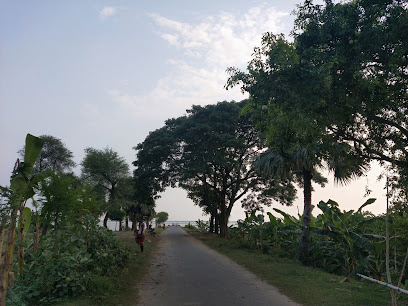
Discover GS Square in Rajshahi: A serene escape with lush greenery, cultural events, and local flavors for an unforgettable experience.
I Badh
35.4 km
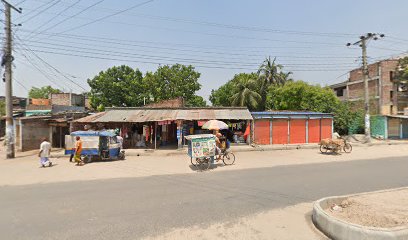
Experience the serene beauty of I Badh in Rajshahi: a riverside haven with scenic views, cultural insights, and a tranquil escape on the Padma River.
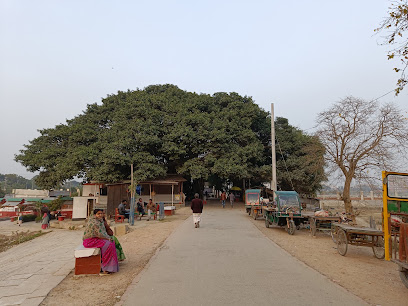
Padma River, Rajshahi
36.1 km
Explore the Padma River in Rajshahi: Witness stunning sunsets, experience local culture, and discover Bangladesh's natural beauty.
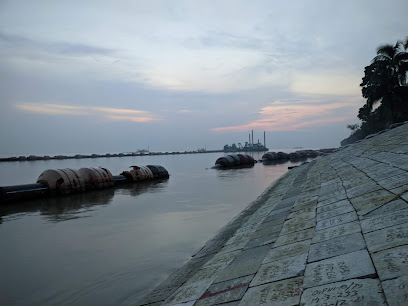
T - Badh
36.1 km
Escape to the serene banks of the Padma River at T-Badh in Rajshahi, Bangladesh, where picturesque views and local flavors create lasting memories.
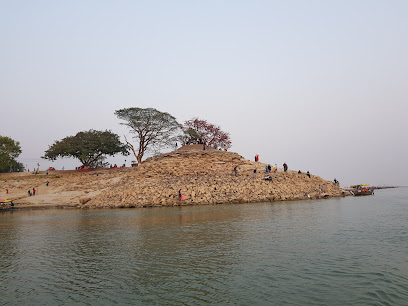
Shaheed A.H.M. Kamaruzzaman Central Park & Zoo
36.6 km
Discover Rajshahi's premier recreational spot: a historic park and zoo offering a green escape with diverse flora, fauna, and family-friendly attractions.
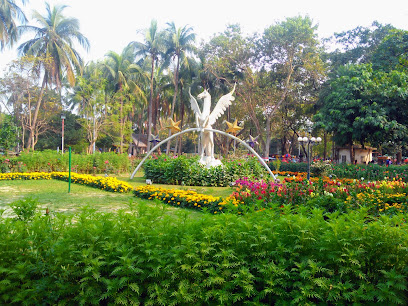
Mini Cox's Bazar, Padma
37.6 km
Experience the serenity of a beach-like atmosphere on the banks of the Padma River in Rajshahi, Bangladesh. Enjoy sunsets and local cuisine.
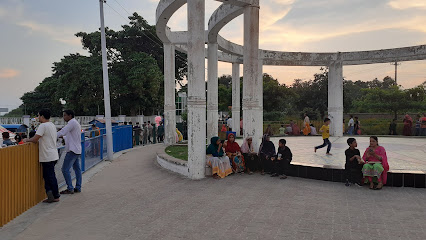
BGB Binodon Park
37.7 km
Escape to BGB Binodon Park in Rajshahi for a serene riverside retreat, offering lush greenery and tranquil views of the Padma River.
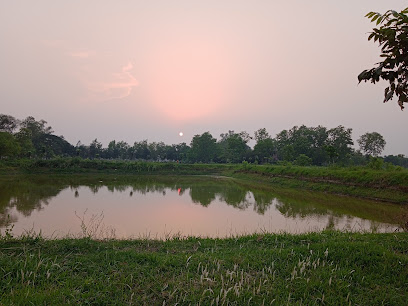
Lalon Shah Mukto Moncho
37.9 km
Discover Rajshahi's Lalon Shah Mukto Moncho: Where nature meets culture, offering a tranquil escape and a vibrant celebration of Bengali heritage.
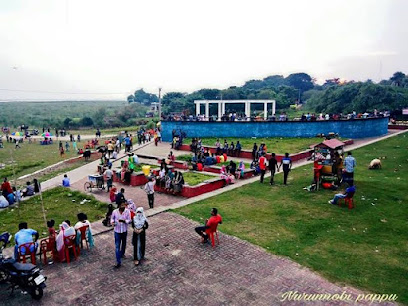
Dashpukur More
38.0 km
Experience the serene beauty and cultural richness of Dashpukur More, an enchanting oasis in Rajshahi, Bangladesh. A perfect stop on your travel itinerary.
প্রজাপতি সড়ক রাজশাহী
38.4 km
Experience the enchanting beauty of Rajshahi's Butterfly Road, a dazzling display of light and design that captivates visitors day and night.
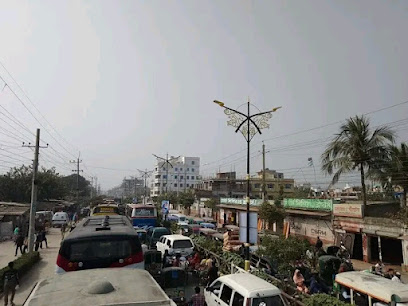
Varendra Research Museum
38.4 km
Explore ancient Bengal's treasures at Varendra Research Museum, the oldest museum in Bangladesh, showcasing artifacts from the Pala, Sena, and Mughal periods.
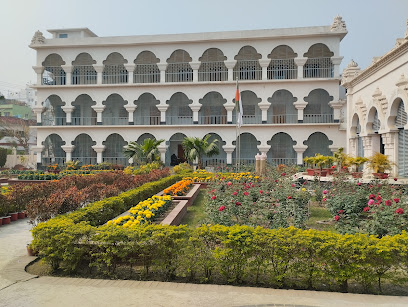
Padma garden footbridge
38.5 km
Experience the serene beauty of Rajshahi from the Padma Garden Footbridge, offering stunning river views and a tranquil escape in the heart of Bangladesh.
Essential places to dine

Spruce
36.1 km
Experience the best of Bangladeshi cuisine at Spruce in Rajshahi – where every meal is a celebration of flavor and culture.
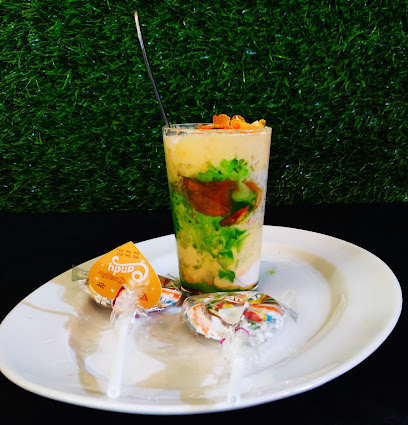
Nanking Chinese Restaurant
36.1 km
Experience authentic Chinese cuisine at Nanking Restaurant in Rajshahi – where flavor meets tradition in every dish.
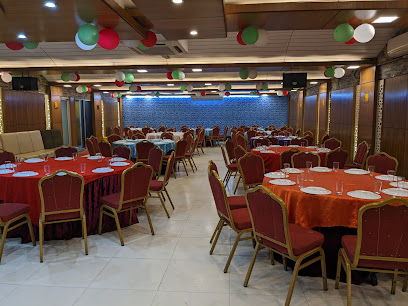
Master Chef Bangla Restaurant
37.7 km
Experience the essence of Bangladeshi cuisine at Master Chef Bangla Restaurant in Rajshahi—where every dish tells a story.
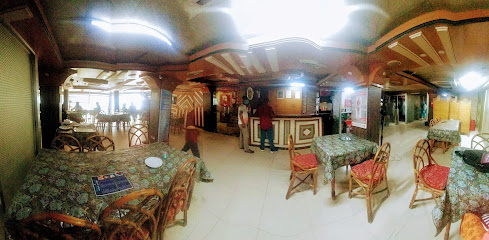
Tripty Hotel & Restaurant
37.8 km
Experience exceptional cuisine at Tripty Hotel & Restaurant in Rajshahi – where local flavors meet global tastes in a welcoming atmosphere.
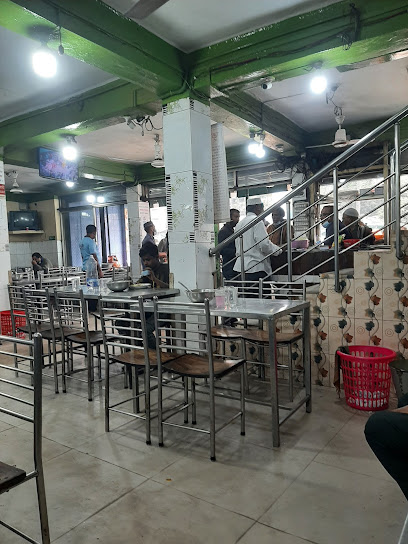
Nongor Restaurant
37.9 km
Discover authentic Bangladeshi flavors at Nongor Restaurant in Rajshahi—an unforgettable dining experience awaits.
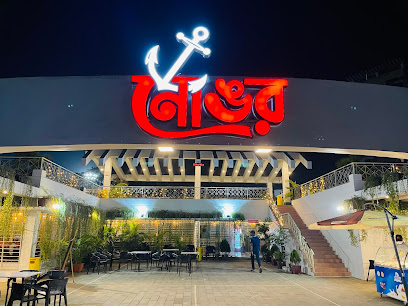
Salim Hotel And Restaurent
38.7 km
Experience authentic Bangladeshi cuisine at Salim Hotel And Restaurant in Rajshahi - where every dish tells a story.
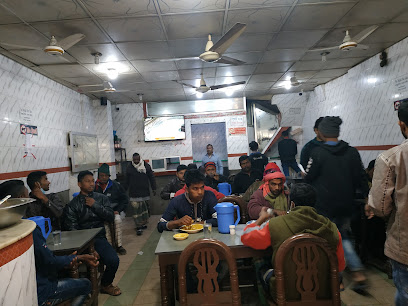
Nawab's Kitchen
38.8 km
Discover the rich flavors of traditional Bangladeshi cuisine at Nawab's Kitchen in Rajshahi - a culinary delight for every traveler.
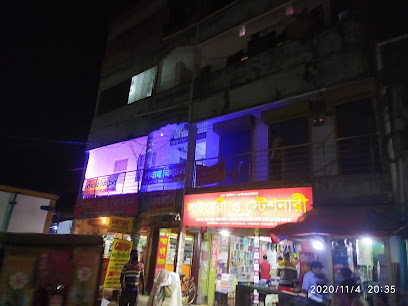
Arabian Kitchen
38.9 km
Experience authentic Middle Eastern cuisine at Arabian Kitchen in Rajshahi – where every dish tells a story.
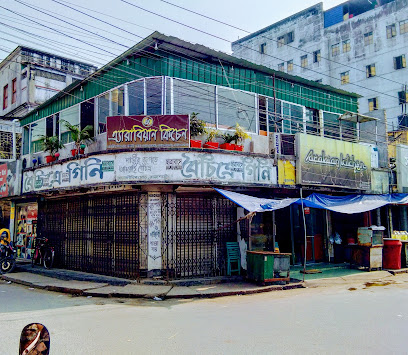
The Eatery
38.9 km
Discover authentic Bangladeshi cuisine at The Eatery in Rajshahi – where flavor meets culture in a vibrant dining atmosphere.
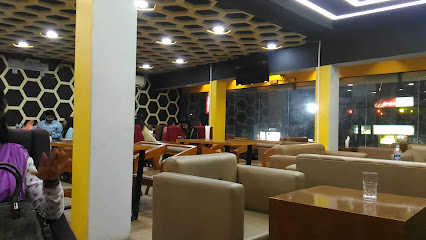
Chili's Thai & Chinese Restaurant
39.0 km
Discover exquisite Thai and Chinese flavors at Chili's Thai & Chinese Restaurant in Rajshahi, where every dish tells a story.
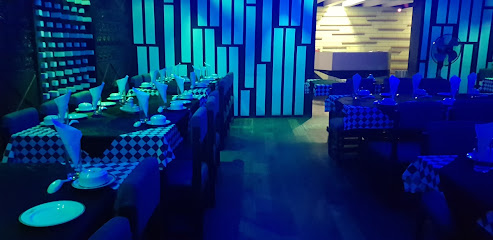
Chili's Kabab & Food
39.0 km
Discover the rich flavors of Bangladesh at Chili's Kabab & Food in Rajshahi – where every bite tells a story.
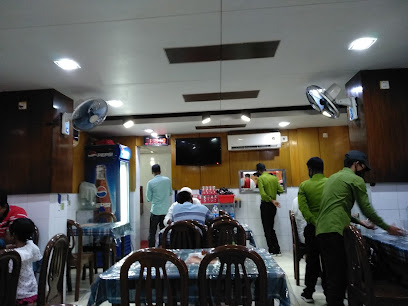
Best Italian Arabian Western Thai Chinese fast food Restaurant in Rajshahi
39.0 km
Experience a delightful fusion of Italian, Arabian, Western, Thai, and Chinese flavors at Rajshahi's best fast food restaurant.
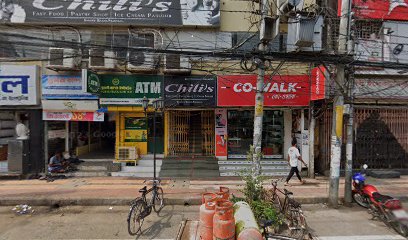
Tasty Time Restaurant & Theme Park
39.0 km
Experience the flavors of Bangladesh at Tasty Time Restaurant & Theme Park - where culinary delights meet family fun in Rajshahi.
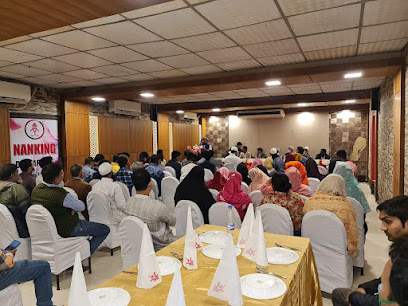
Ohona Restaurant
39.0 km
Discover authentic Bangladeshi flavors at Ohona Restaurant in Rajshahi – where tradition meets contemporary dining.
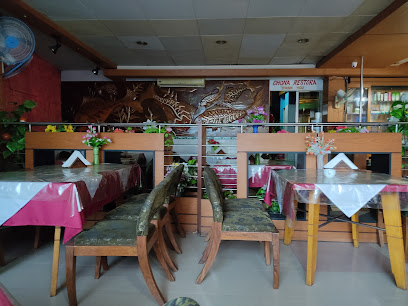
Address
39.1 km
Experience the rich flavors of Bangladesh at Rajshahi's premier dining destination offering traditional dishes in an inviting atmosphere.
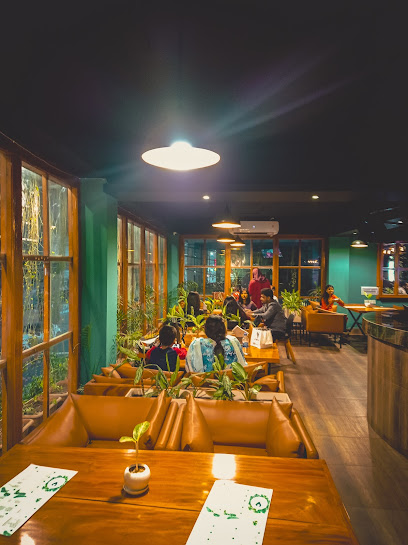
Markets, malls and hidden boutiques

Mbrella Rajshahi
36.3 km
Discover the latest in Bangladeshi fashion at Mbrella Rajshahi, a vibrant clothing store offering unique styles for every taste.
Unique Shop
37.0 km
Explore the Unique Shop in Rajshahi for the best selection of computer accessories, from keyboards to cables, ensuring your tech needs are met.
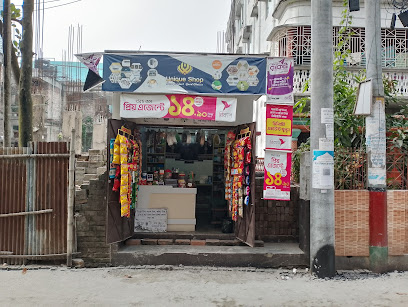
Deshi Shop
37.9 km
Explore the Deshi Shop in Rajshahi for a unique blend of local culture and modern shopping, featuring handicrafts, fashion, and delicious Bangladeshi cuisine.

City Center Rajshahi
38.7 km
Experience the vibrant shopping scene at City Center Rajshahi, where diverse stores and delightful dining options await in a modern setting.
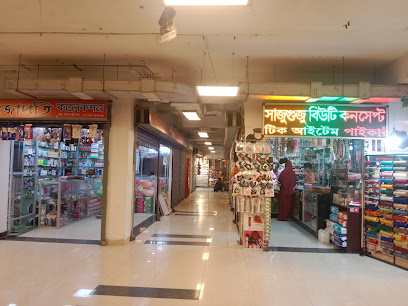
Noborup Dodhi and Sweet Shop
38.8 km
Discover a treasure trove of traditional sweets at Noborup Dodhi and Sweet Shop in Rajshahi, the perfect destination for dessert lovers.
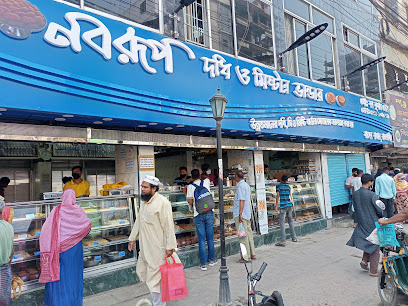
RDA MARKET
38.8 km
Experience the vibrant local culture at RDA Market in Rajshahi, where shopping meets tradition in a bustling atmosphere.
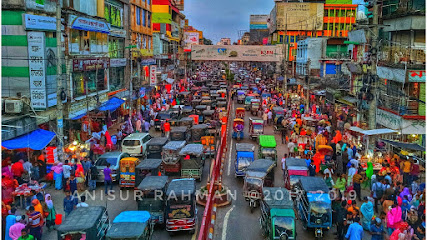
Rose Valley Gift Shop
38.8 km
Explore the Rose Valley Gift Shop in Rajshahi for unique souvenirs and local crafts that embody the spirit of Bangladesh.

Rajshahi Mistanno Bhandar
39.0 km
Experience the rich sweetness of Bangladesh at Rajshahi Mistanno Bhandar, where tradition meets delightful desserts in the heart of Rajshahi.
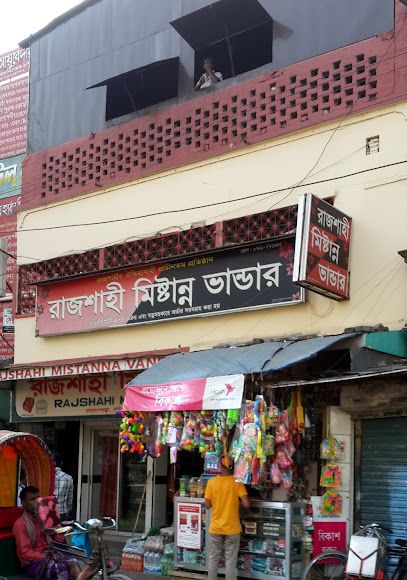
Infinity MegaMall
39.1 km
Discover shopping bliss at Infinity MegaMall in Rajshahi, where modern retail meets local charm for an unforgettable experience.
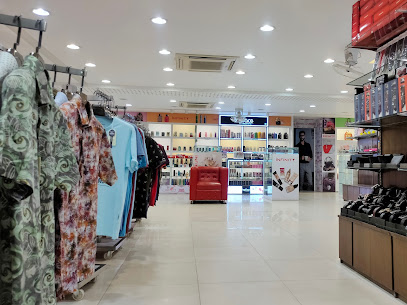
Aarong Rajshahi
39.1 km
Explore Aarong Rajshahi for authentic Bangladeshi clothing, blending tradition with modern fashion, celebrating local craftsmanship.
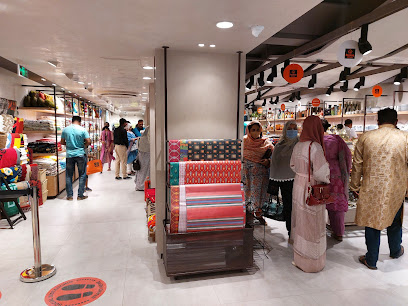
SAILOR
39.2 km
Explore contemporary fashion and unique styles at SAILOR, a premier clothing store in Rajshahi offering a vibrant shopping experience.
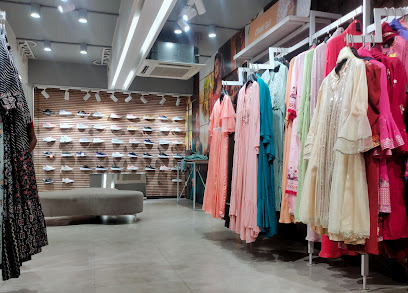
SaRa Lifestyle Ltd - Rajshahi
39.2 km
Explore the stylish and diverse clothing collections at SaRa Lifestyle Ltd in Rajshahi, where fashion meets local culture.
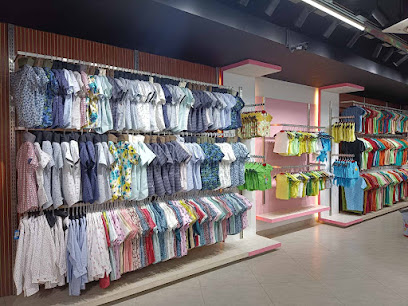
Sk Muso shoping
39.2 km
Explore Sk Muso Shopping in Rajshahi for unique promotional products and unforgettable souvenirs that capture the spirit of the region.

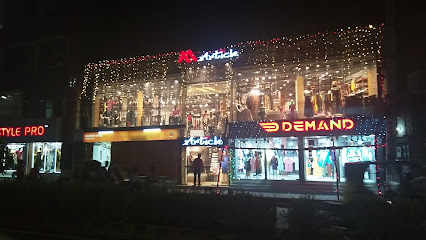
Article
39.3 km
Discover the essence of Bangladeshi fashion at this vibrant clothing store in Rajshahi, where tradition meets contemporary style.
jewel store
39.3 km
Explore local craftsmanship and unique souvenirs at Rajshahi's Jewel Store, a vibrant hub for authentic Bangladeshi treasures.
Essential bars & hidden hideouts

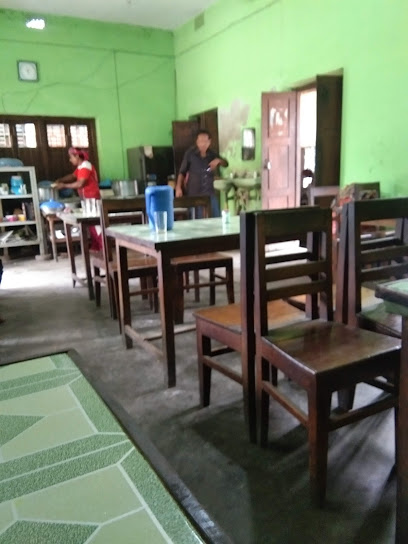
Rajshahi Advocate Bar Canteen,Rajshahi Court,Rajshahi
36.3 km
Discover the authentic taste of Bangladesh at Rajshahi Advocate Bar Canteen, a local favorite offering delicious traditional dishes.
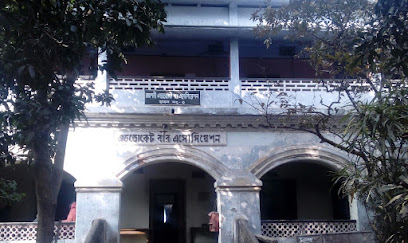
Rajshahi Advocate Bar Association
36.3 km
Explore the Rajshahi Advocate Bar Association, a key institution for legal professionals and a hub for justice in Bangladesh.
Rajshahi Parjatan Bar
36.7 km
Discover the vibrant atmosphere of Rajshahi Parjatan Bar, where local flavors and lively entertainment await in the heart of Rajshahi.
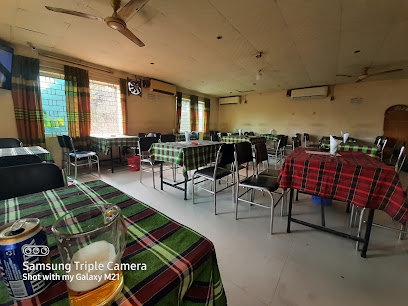
শামীম তাড়ি খোর
36.7 km
Discover the lively bar scene at শামীম তাড়ি খোর in Rajshahi, where local drinks and warm hospitality create unforgettable memories.
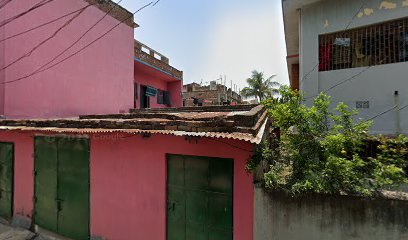
Rainey Park Theme Park Restaurant
37.5 km
Experience delightful dining in the heart of fun at Rainey Park Theme Park Restaurant, Rajshahi's favorite culinary destination for families and tourists.
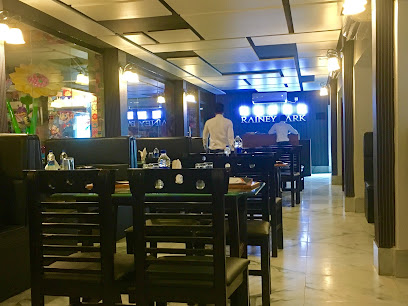
Coffee Bar Multiplex Restaurant
38.7 km
Experience the perfect blend of coffee and cuisine at Coffee Bar Multiplex Restaurant in Rajshahi, where every sip and bite tells a story.
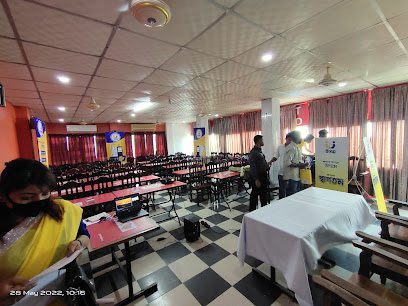
Welcome Fuchka Bar
38.8 km
Experience the culinary delight of fuchka and the vibrant atmosphere at Welcome Fuchka Bar in Rajshahi, a true taste of local culture.
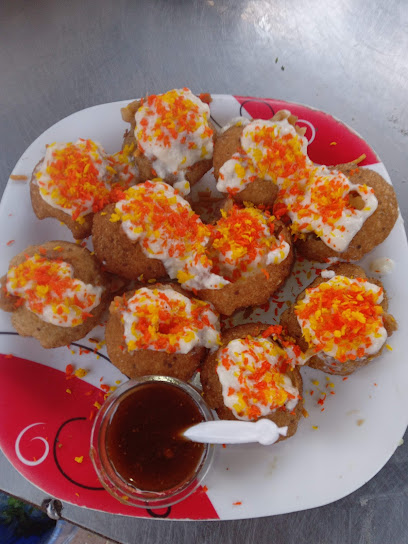
Rajmoni cafe & Restaurant
39.0 km
Experience authentic Bangladeshi cuisine at Rajmoni Cafe & Restaurant in Rajshahi, a delightful culinary destination for all food lovers.
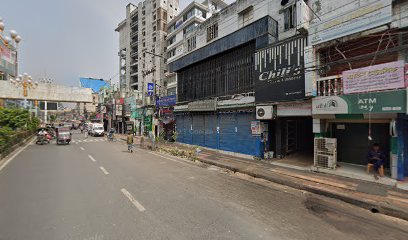
Helium
39.3 km
Experience the best of Bangladeshi and international cuisine at Helium, a must-visit restaurant in Rajshahi offering a vibrant dining atmosphere.
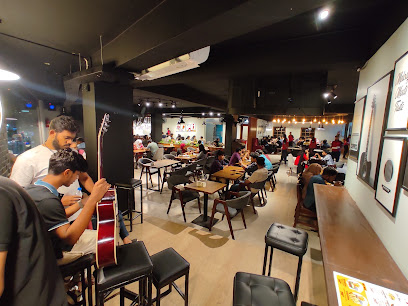
Gopal home
39.5 km
Discover the vibrant nightlife at Gopal Home, a charming bar in Rajshahi, where local culture and delightful beverages await.
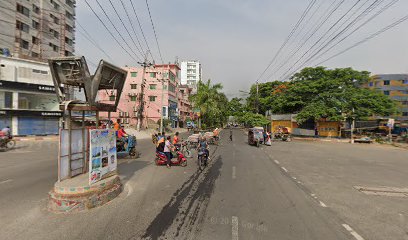
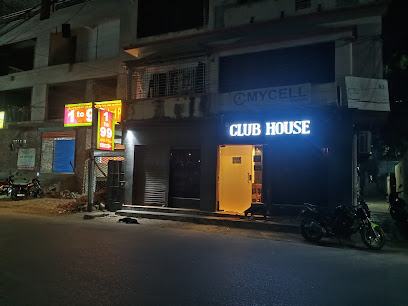
Club House
39.5 km
Discover Club House in Rajshahi, where diverse flavors meet a welcoming atmosphere, perfect for memorable dining experiences.
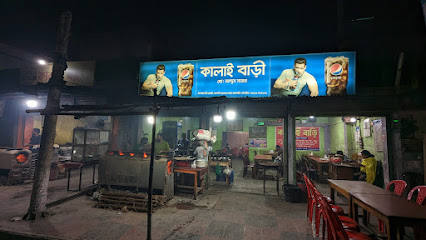
Kalai House -2
39.6 km
Experience the authentic flavors of Bangladesh at Kalai House in Rajshahi, where every dish tells a story of tradition and taste.
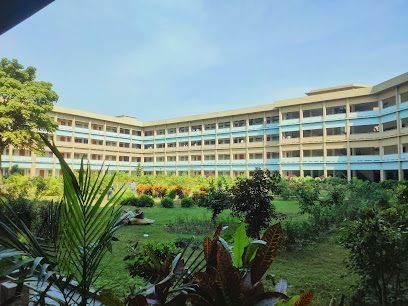
Kaffeine Kruch
39.7 km
Discover the culinary delights of Kaffeine Kruch in Rajshahi, a restaurant where local flavors meet international cuisine in a cozy setting.
allevent
39.8 km
Experience Rajshahi's dynamic nightlife at Allevent, a top live music bar featuring local performances and a lively atmosphere.
Middle Lounge
41.9 km
Experience the unique ambiance of Middle Lounge in Rajshahi, where comfort meets great refreshments at affordable prices.