
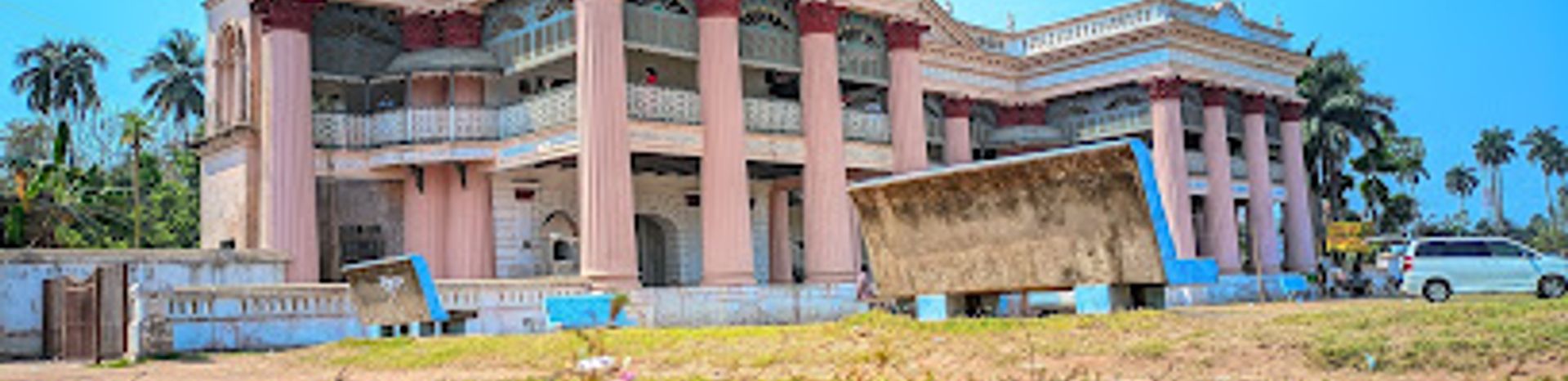
Puthia Rajbari: A Window to Bengal's Royal Past
Discover the regal splendor of Puthia Rajbari, a captivating palace complex showcasing Bengal's rich history, intricate terracotta art, and serene landscapes, a must-see cultural treasure.
Puthia Rajbari, a magnificent palace in Puthia, Bangladesh, offers a captivating glimpse into the region's rich history and architectural heritage. Built in 1895 by Maharani Hemanta Kumari Devi, this two-story Indo-Saracenic palace showcases a unique blend of architectural styles. The palace is part of a larger complex featuring numerous Hindu temples adorned with intricate terracotta carvings, reflecting the grandeur of the Puthia Zamindar family. Surrounded by moats and lush landscapes, the Rajbari provides a serene and picturesque setting for exploring Bengal's royal past. Visitors can explore the palace museum, wander through the temple grounds, and immerse themselves in the stories of this historically significant site. Puthia Rajbari is a must-visit destination for those seeking to experience the cultural and architectural wonders of Bangladesh, offering a tranquil escape and a fascinating journey back in time.
A brief summary to Puthia Rajbari
- Puthia - Bagha Rd, Puthia, BD
Local tips
- Visit on weekdays to avoid crowds and enjoy a more peaceful exploration of the palace and temples.
- Hire a local guide to gain deeper insights into the history and architecture of the Rajbari and its surrounding structures.
- Bring your camera to capture the intricate terracotta designs and lush landscapes, perfect for photography enthusiasts.
- Consider timing your visit during the cooler months (October to February) for a more comfortable exploration.
- Be aware that the museum is closed on Sundays and Mondays until 1:30 PM/2 PM, but the temples remain open.

Getting There
-
Public Transport
From Rajshahi, the most common way to reach Puthia Rajbari is by bus. Buses leave frequently from Rajshahi Bus Station towards Natore. Look for local buses or microbuses headed towards Puthia. The fare is approximately 50 BDT (Bangladeshi Taka), and the journey takes about 1 hour. Once you reach Puthia, the Rajbari is a short walk or rickshaw ride away, located on Puthia - Bagha Rd.
-
Rickshaw
If you are already in Puthia town, hiring a rickshaw is a convenient way to reach Puthia Rajbari. Depending on your starting point within Puthia, a rickshaw ride to the Rajbari should cost between 30-50 BDT and take approximately 10 minutes.
-
Taxi/Ride-Share
From Rajshahi city center, a taxi or ride-sharing service (if available) can take you directly to Puthia Rajbari. The drive is approximately 30 minutes. Expect to pay around 300-500 BDT for a one-way trip. Ensure your GPS is set to the coordinates (24.361949, 88.8368161) to reach Puthia Rajbari directly.
Discover more about Puthia Rajbari
Iconic landmarks you can’t miss

Natore Rajbari
17.0 km
Explore Natore Rajbari, a historical palace showcasing the opulence and legacy of Bengal's zamindari era.
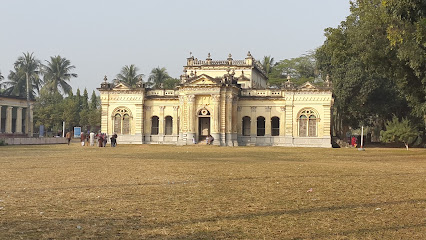
BIHAS SQUARE
18.2 km
Explore the historical beauty of Bihas Square in Rajshahi, Bangladesh, where culture and architecture unite in a captivating landmark, offering an enriching experience for every traveler.

Bijoy Sagor, RU
19.1 km
Discover the serene beauty of Bijoy Sagor at Rajshahi University, a tranquil escape offering a glimpse into the academic and cultural heart of northern Bangladesh, surrounded by lush greenery.
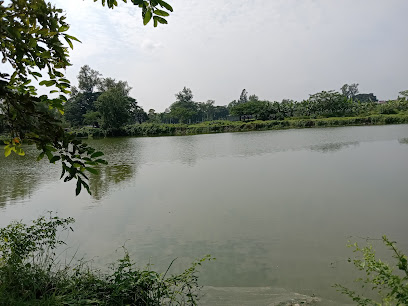
Central Shahid Minar, RU
20.0 km
A symbol of Bengali linguistic and cultural identity, honoring the martyrs of the 1952 Language Movement at Rajshahi University.
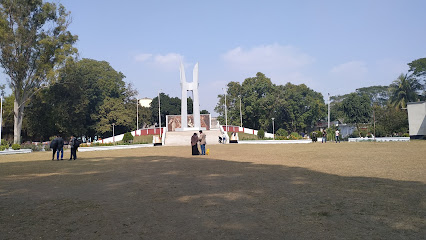
Golden Jubilee Tower
20.2 km
Commemorating Rajshahi University's golden legacy, this iconic tower offers panoramic views and a glimpse into Bangladesh's rich history and vibrant culture within the 'Cambridge of the East'.
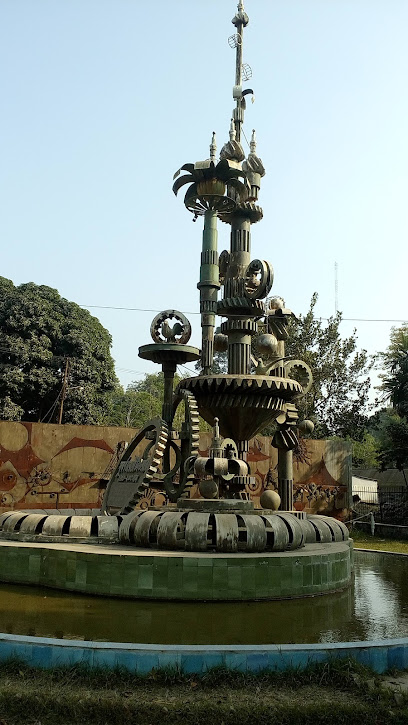
Rajshahi University
20.2 km
Explore Rajshahi University: A historic hub of education, culture, and architectural beauty in northern Bangladesh, offering a serene campus and rich heritage.
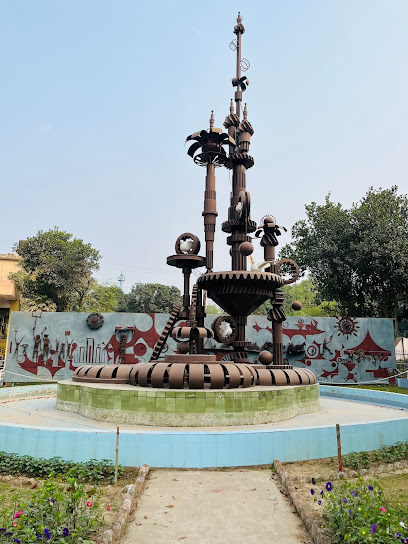
আলমের মোড়
20.3 km
Experience the vibrant heart of Rajshahi at Alamer More, a historical landmark where commerce, community, and culture converge, offering a glimpse into the city's dynamic spirit and enduring heritage.
Park in
20.8 km
Experience a diverse culinary journey at Park In, Kajla's beloved restaurant, offering a delightful mix of local and international flavors in a welcoming atmosphere for everyone.
Vodra Lake
22.2 km
Escape to the tranquility of Vodra Lake in Rajshahi, a serene swimming lake surrounded by lush greenery, perfect for relaxation, family outings, and experiencing the natural beauty of Bangladesh.
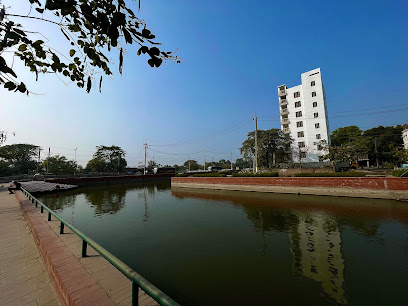
Rajshahi
23.2 km
Experience the heart of northern Bangladesh at Rajshahi Railway Station, a modern hub connecting you to the region's rich culture, history, and the famous Rajshahi mangoes.
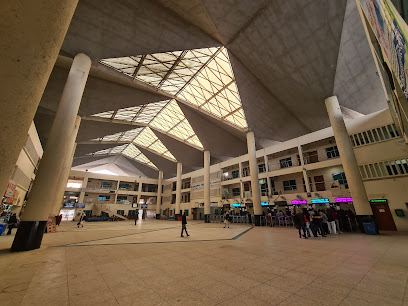
Divisional Passport and Visa Office, Rajshahi
23.3 km
Your gateway to international travel: The Rajshahi Passport Office provides essential services for visa and passport applications.
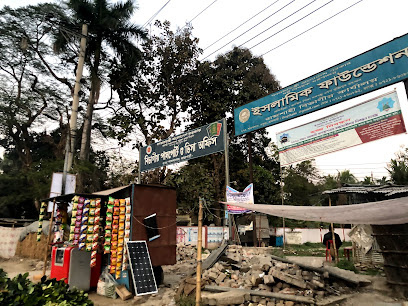
Sagorpara Bot Tola
23.3 km
Discover the historical charm of Sagorpara Bot Tola in Rajshahi, a landmark that echoes the city's rich heritage and vibrant community spirit, offering an authentic cultural experience.
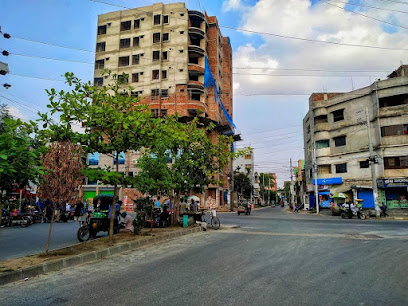
সাগরপাড়া পদ্মার পাড়
23.3 km
Experience the serene beauty of Sagorpara Padma Riverside in Rajshahi, where culture, history, and nature converge for an unforgettable escape.
A.H.M Kamruzzaman Memorial Chattor
23.6 km
Explore the A.H.M Kamruzzaman Memorial Chattor in Rajshahi: a serene landmark honoring a national leader, offering historical insights and tranquil gardens for reflection and cultural immersion.
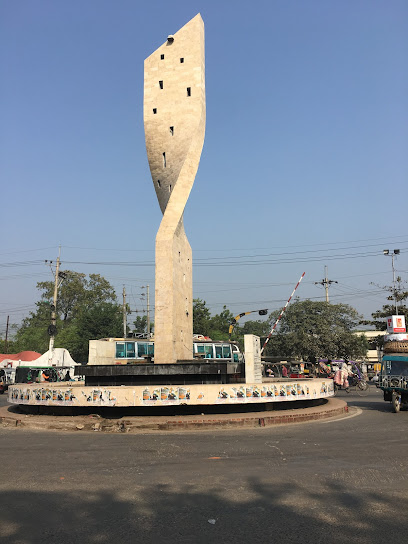
Aam Chattar
23.7 km
Experience the vibrant heart of Rajshahi at Aam Chattar, where local culture, delicious street food, and historical landmarks converge to create an unforgettable Bangladeshi adventure.
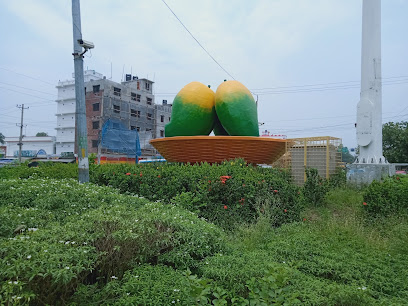
Unmissable attractions to see

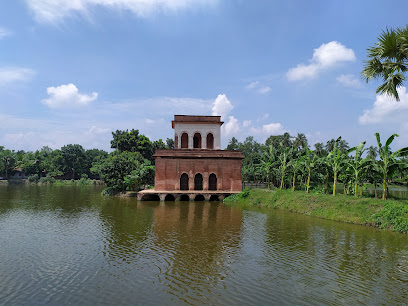
Tarapur,hawa khana
2.6 km
Discover the regal history of Bangladesh at Tarapur Hawa Khana, a serene palace museum showcasing Indo-Saracenic architecture.
Nowdapara Riverside
16.3 km
Experience the serene beauty of Nowdapara Riverside in Rajshahi, where the majestic Padma River meets tranquil landscapes and local culture.
Utshab Park, Bagha, Rajshahi
17.9 km
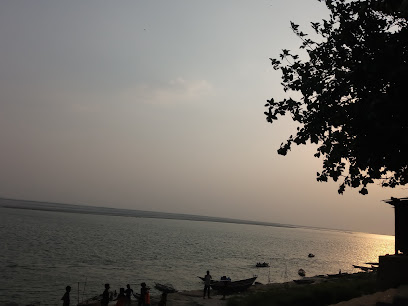
Escape to Utshab Park in Rajshahi: Where rural tranquility meets urban fun with rides, nature, and family-friendly attractions.
Bagha Shahi Mosque
18.4 km
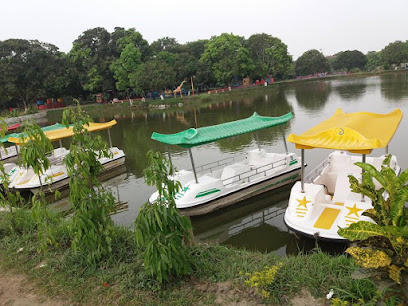
Discover the architectural marvel of Bagha Shahi Mosque in Rajshahi, a 16th-century Bengal Sultanate masterpiece adorned with intricate terracotta designs.
Dairapak More (দায়রাপাক মোড়)
19.9 km
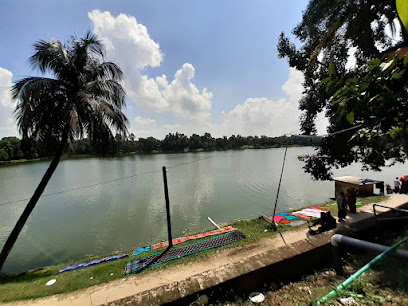
Experience tranquility at Dairapak More, a serene park in Rajshahi, perfect for relaxation, leisurely walks, and enjoying nature's beauty.
Martyrs Memorial Museum
19.9 km
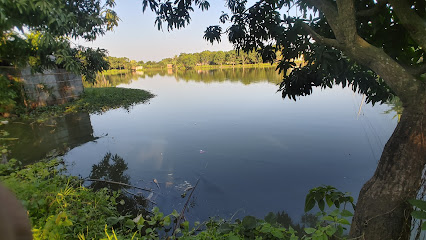
A poignant memorial preserving the history and spirit of Bangladesh's Liberation War within Rajshahi University.
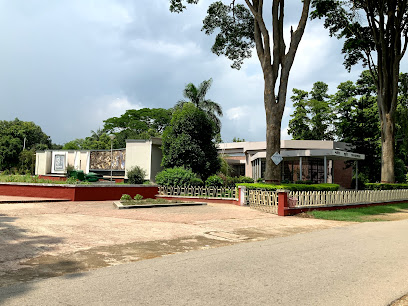
Book Square
20.3 km
Discover a literary haven at Book Square, Rajshahi University, a vibrant hub for intellectual exchange and the love of reading.
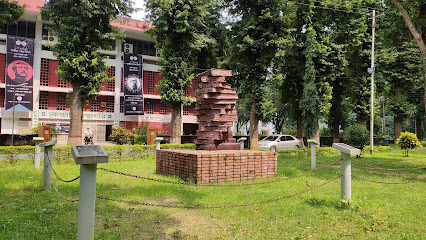
রবীন্দ্র সরোবর
20.4 km
Escape to রবীন্দ্র সরোবর in Rajshahi, a serene lake surrounded by lush greenery, offering a refreshing retreat from the city's hustle and bustle.
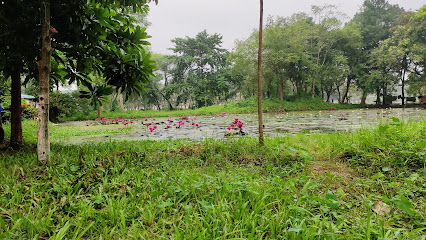
Time Square, Rajshahi
20.9 km
Experience the vibrant heart of Rajshahi at Time Square, a dynamic hub where culture, commerce, and community converge for an authentic taste of city life.
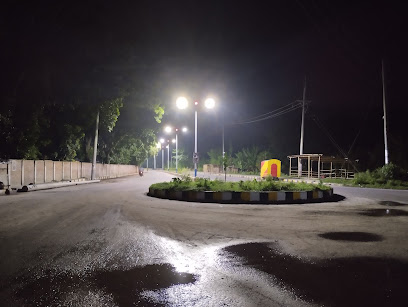
Sarkar Bari More, Rajshahi, Bangladesh.
22.8 km
Experience the vibrant heart of Rajshahi at Sarkar Bari More, a bustling hub of local life, culture, and commerce in Bangladesh.
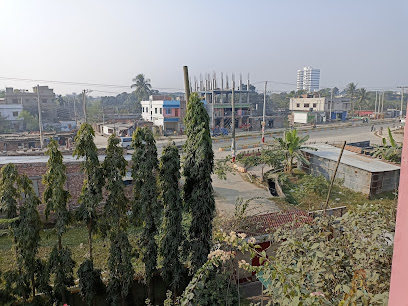
Padma Badh, Rajshahi, Bangladesh
22.9 km
Experience the beauty of the Padma River at Rajshahi's beloved riverside promenade.
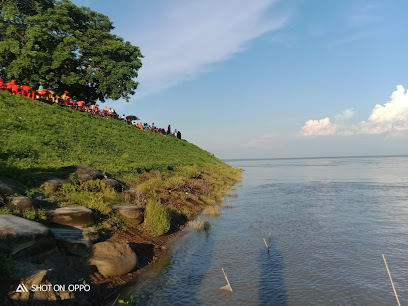
Shahid Zia Shishu Park
23.2 km
Enjoy a fun-filled family day at Rajshahi's Shahid Zia Shishu Park, offering rides, recreation, and green spaces for all ages.
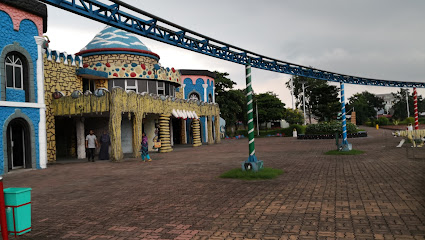
Shaheed A. H. M. Kamruzzaman central park
23.5 km
Explore the serene beauty and lush landscapes of Shaheed A. H. M. Kamruzzaman Central Park, a perfect escape in Rajshahi, Bangladesh.
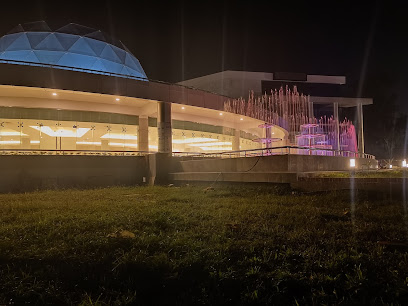
Alupotti Padma River Bank
23.6 km
Experience the serene beauty of Rajshahi at Alupotti Padma River Bank, a tranquil park with stunning river views and a peaceful escape from city life.
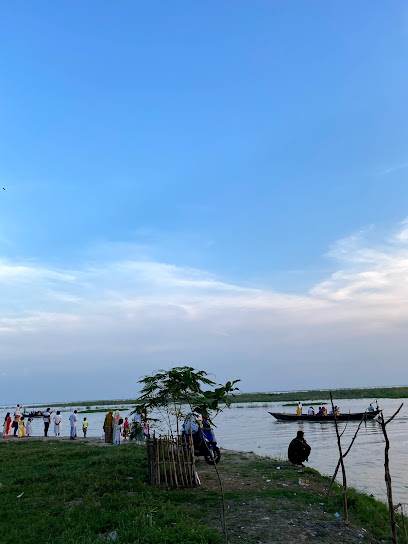
গৌরহাঙ্গা পুকুর
23.8 km
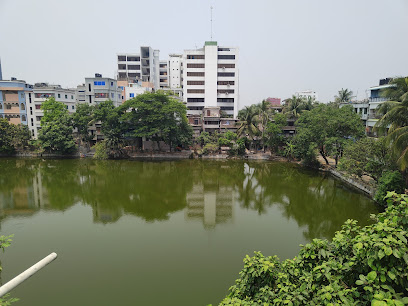
Escape to the tranquility of Gourhanga Pukur in Rajshahi, a serene pond surrounded by lush greenery, perfect for relaxation and nature lovers.
Essential places to dine

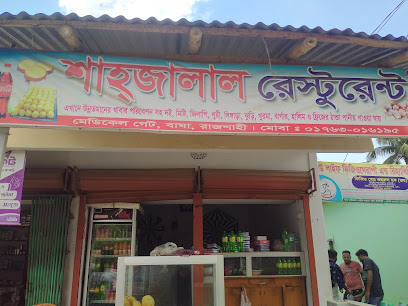
Shajalal Restaurant
18.1 km
Experience authentic Bangladeshi cuisine at Shajalal Restaurant in Bagha - where tradition meets flavor in every dish.
Shahid Shamsujjoha Hall Dining Room
19.4 km
Savor exquisite Bangladeshi cuisine at Shahid Shamsujjoha Hall Dining Room - where fine dining meets cultural richness.
Mizan's Kabab & Food
20.7 km
Discover authentic Bangladeshi flavors at Mizan's Kabab & Food in Rajshahi – where every dish tells a story.
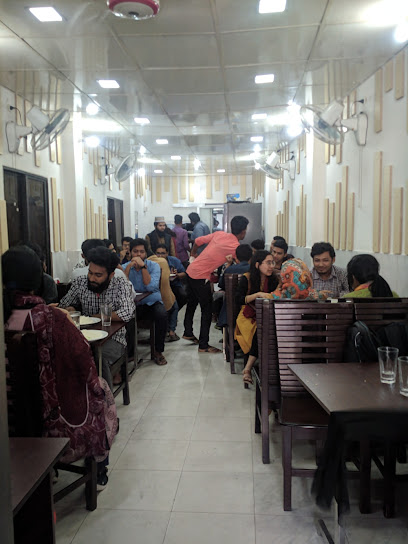
Seyamoon Restaurant-সেয়ামুন রেস্তোঁরা
20.7 km
Savor the rich tapestry of flavors at Seyamoon Restaurant in Rajshahi - where Bangladeshi meets global cuisine.
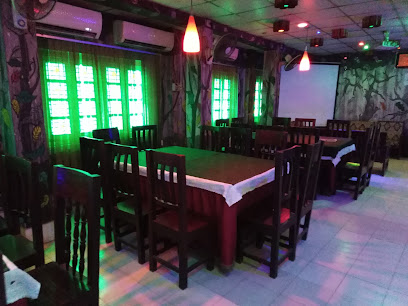
GRILL HOUSE
20.7 km
Experience culinary bliss at Grill House in Rajshahi – where every bite tells a story of flavor and hospitality.
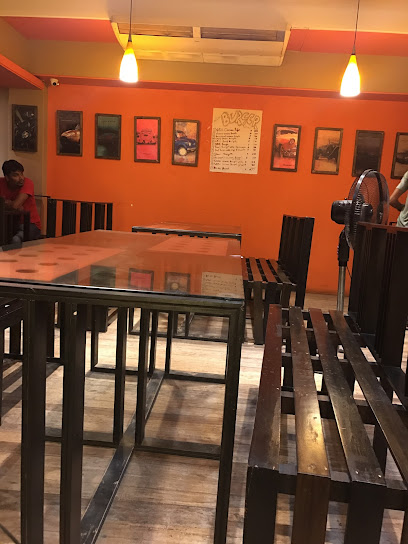
The Downtown Rajshahi
21.0 km
Experience the vibrant flavors of Bangladesh at The Downtown Rajshahi - where every meal tells a story.
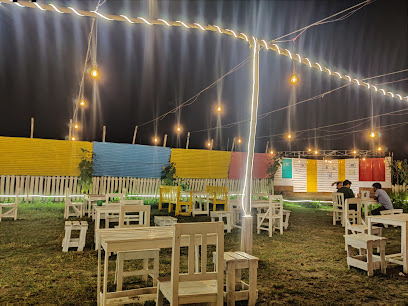
Boikali Hotel & Restaurant (Hezbut Touhid Vondoder Malikana)
21.1 km
Experience authentic Bangladeshi cuisine at Boikali Hotel & Restaurant in Rajshahi - where flavor meets affordability.
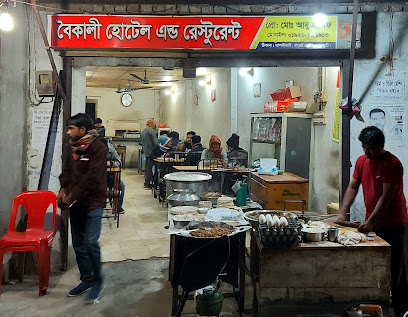
RIZIK Fish BBQ Restaurant
21.7 km
Experience authentic Bangladeshi cuisine at RIZIK Fish BBQ Restaurant in Rajshahi—where every dish tells a story.
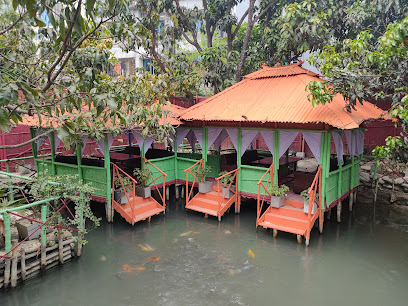
Daruchini Chinese Restaurant & Community
21.8 km
Discover authentic Chinese flavors at Daruchini Chinese Restaurant & Community in Rajshahi – where delicious meals meet vibrant community spirit.
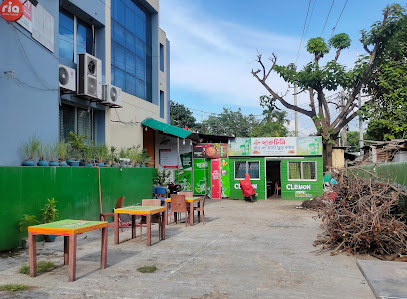
Otithi Hotel & Restaurant
21.8 km
Experience authentic Bangladeshi cuisine at Otithi Hotel & Restaurant in Rajshahi – where flavor meets tradition.
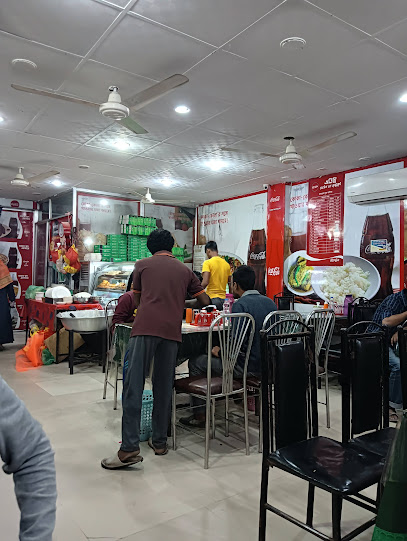
Pizza Tong
21.8 km
Experience mouthwatering pizzas at Pizza Tong in Rajshahi – where every slice tells a story of flavor and tradition.
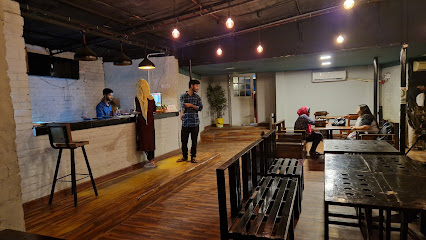
Let's MeeT
22.5 km
Savor authentic Chinese fast food at Let's MeeT in Rajshahi - where every bite transports you to culinary bliss.
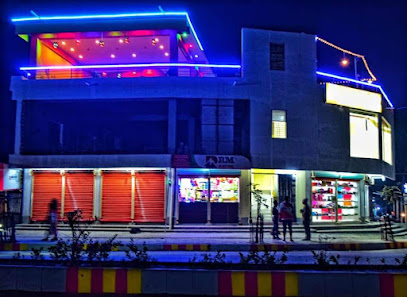
Heshel Cafe & Restaurant
22.9 km
Discover the flavors of Bangladesh at Heshel Cafe & Restaurant, where delightful dishes meet warm hospitality in Rajshahi.
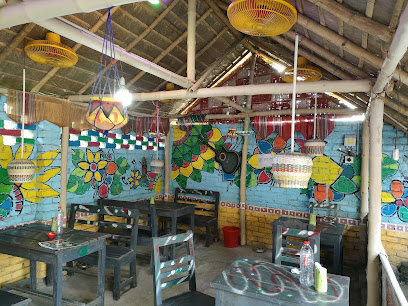
Kutum Bari Bangla Restaurant
23.2 km
Savor authentic Bangladeshi cuisine at Kutum Bari Bangla Restaurant in Rajshahi's vibrant Shiroil Godhuli Market.
Party Point Thai and Chinese Restaurant
23.3 km
Experience the best of Thai and Chinese cuisine at Party Point in Rajshahi - where flavors meet hospitality.
Markets, malls and hidden boutiques

রাজশাহী শপ - Rajshahi Shop
4.8 km
Explore Rajshahi Shop for unique local crafts and authentic products in the heart of Mypara Bazar, a true gem for tourists.
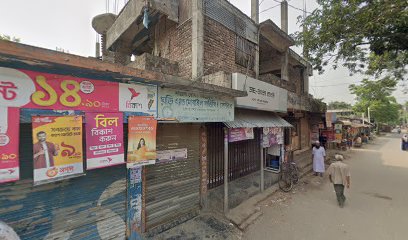
Uniq Dress Home
6.8 km
Explore Uniq Dress Home in Rajshahi for trendy clothing that reflects local style and culture, perfect for every budget and occasion.

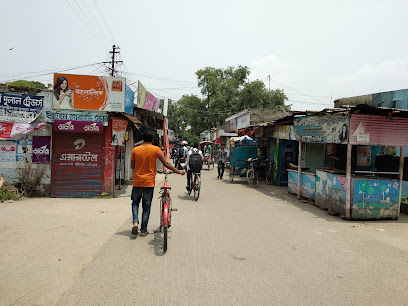
Station Bazar
19.8 km
Experience the vibrant culture of Rajshahi at Station Bazar, a bustling general store offering local products and a taste of everyday life.
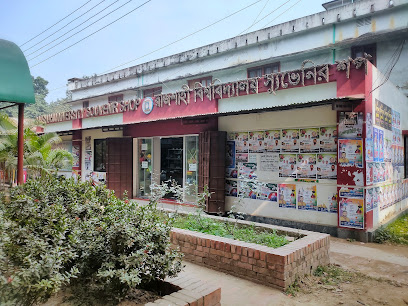
Rajshahi University Souvenir Shop
20.2 km
Explore the Rajshahi University Souvenir Shop for unique local crafts and gifts that capture the essence of Rajshahi's rich cultural heritage.
Dhaka Varieties Store
21.6 km
Explore the Dhaka Varieties Store in Rajshahi for a unique blend of shopping and local cuisine, capturing the essence of Bangladesh's vibrant culture.
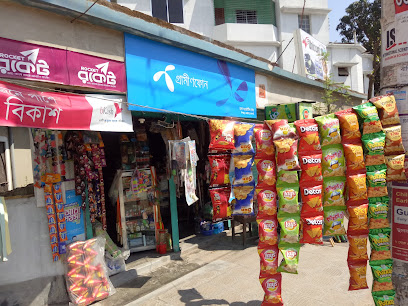
Sweet Shop
21.8 km
Discover the Sweet Shop in Rajshahi, where tradition meets innovation in a delightful array of desserts, perfect for every sweet tooth.
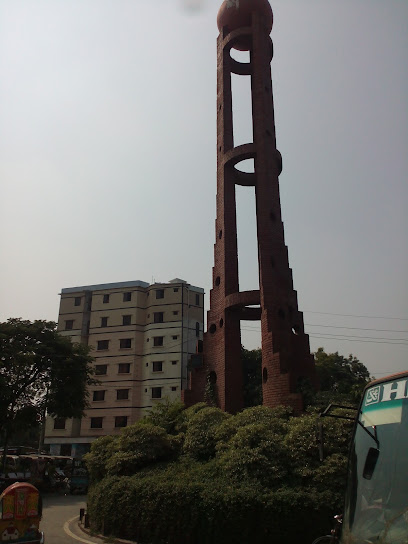
Bhai Bhai 1 to 99 Gift Corner
23.2 km
Explore Bhai Bhai 1 to 99 Gift Corner in Rajshahi for unique souvenirs and traditional handicrafts, capturing the essence of Bangladesh.
Showkhin Shop's
23.6 km
Discover Showkhin Shop's in Rajshahi: Your go-to place for mobile money, accessories, and stationery supplies while exploring the city.
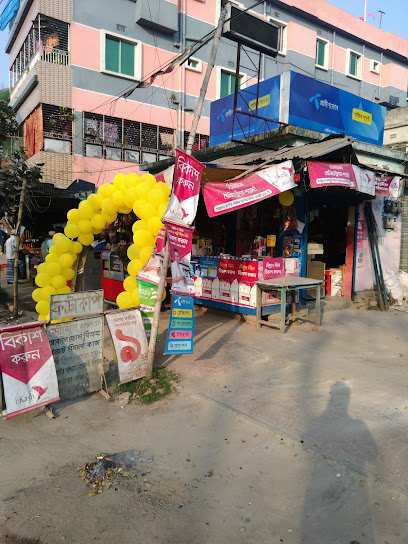
আলমগীর এন্ড ব্রাদার্স স্টোর
23.6 km
Explore Alamgir & Brothers Store in Rajshahi for unique gifts, local handicrafts, and a taste of Bangladeshi culture in every purchase.
sumaiya crockeries
23.6 km
Discover exquisite crockery and unique souvenirs at Sumaiya Crockeries, a charming gift shop in Rajshahi, Bangladesh, reflecting the local culture.
Rajshahi Silk Fashion
23.7 km
Explore the beauty of Rajshahi Silk Fashion, where tradition meets modern elegance in the heart of Bangladesh's textile industry.
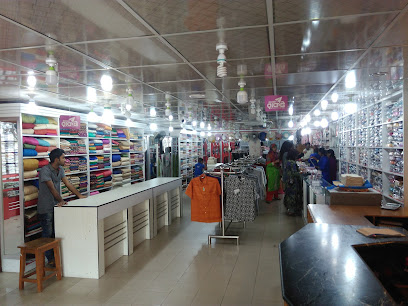
Miniso - Rajshahi
23.7 km
Discover an affordable treasure trove of unique gifts, stylish accessories, and quirky home decor at Miniso - Rajshahi, your shopping haven.
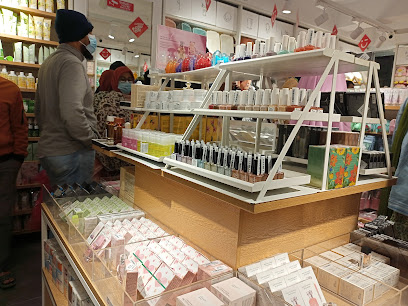
Aarong Rajshahi
23.7 km
Explore Aarong Rajshahi for authentic Bangladeshi clothing, blending tradition with modern fashion, celebrating local craftsmanship.
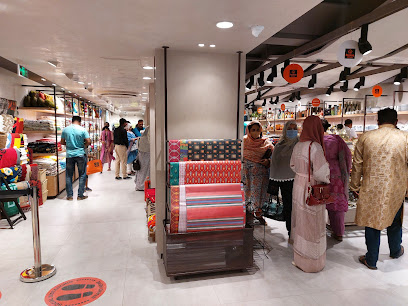
Amana Big Bazar, Rajshahi
23.7 km
Explore Amana Big Bazar in Rajshahi for a unique shopping experience featuring local groceries and diverse products for every traveler.
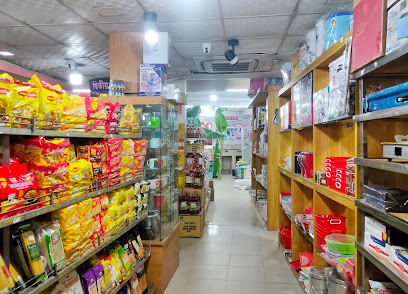
Rose
23.7 km
Explore Rose in Rajshahi, where unique gifts and exquisite costume jewelry showcase the heart of local craftsmanship and culture.
Essential bars & hidden hideouts

রতনের লেবু বাগান
10.8 km
Discover the refreshing ambiance of Raton's Lemon Garden, a charming bar enveloped by lush lemon trees in Bangladesh.
নিউ রুবাইয়া ভ্যারাইটি স্টোর
16.3 km
Discover the authentic Bangladeshi bar experience at নিউ রুবাইয়া ভ্যারাইটি স্টোর, where local flavors and vibrant culture meet.
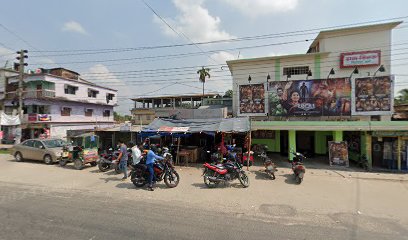
Taijul Tea Stall
18.2 km
Discover the authentic flavor of Bangladesh at Taijul Tea Stall, a cozy bar offering delightful teas and local charm in every sip.
বিসমিল্লাহ হোটেল
19.2 km
Experience the vibrant atmosphere of Bismillah Hotel, a unique bar in Rajshahi offering local flavors and a cozy environment for relaxation.
CNG Station
20.5 km
Discover the convenience of CNG Station, a vital refueling stop for travelers exploring the beautiful landscapes of Bangladesh.
Middle Lounge
20.7 km
Experience the unique ambiance of Middle Lounge in Rajshahi, where comfort meets great refreshments at affordable prices.
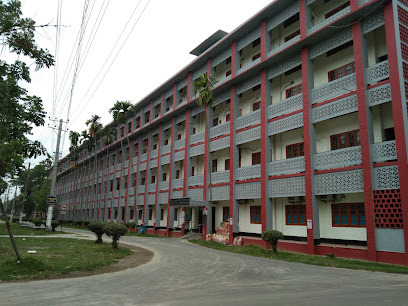
RR RaNa
20.9 km
Discover the lively ambiance and exquisite drinks at RR RaNa, a bar that embodies the spirit of local nightlife.
allevent
23.6 km
Experience Rajshahi's dynamic nightlife at Allevent, a top live music bar featuring local performances and a lively atmosphere.
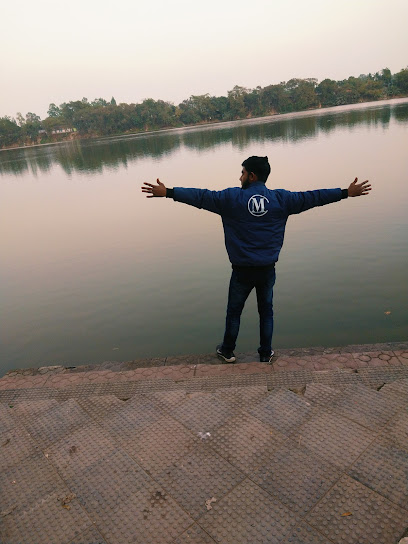
Helium
23.8 km
Experience the best of Bangladeshi and international cuisine at Helium, a must-visit restaurant in Rajshahi offering a vibrant dining atmosphere.
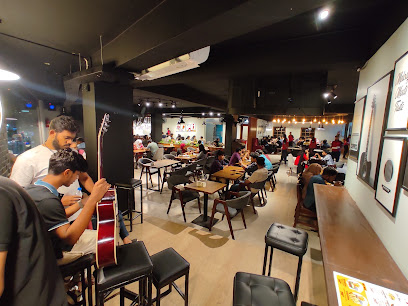
Club House
23.9 km
Discover Club House in Rajshahi, where diverse flavors meet a welcoming atmosphere, perfect for memorable dining experiences.
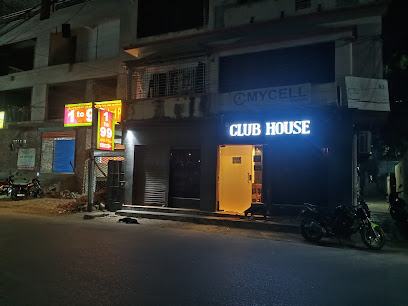
Rajmoni cafe & Restaurant
23.9 km
Experience authentic Bangladeshi cuisine at Rajmoni Cafe & Restaurant in Rajshahi, a delightful culinary destination for all food lovers.
Gopal home
24.0 km
Discover the vibrant nightlife at Gopal Home, a charming bar in Rajshahi, where local culture and delightful beverages await.
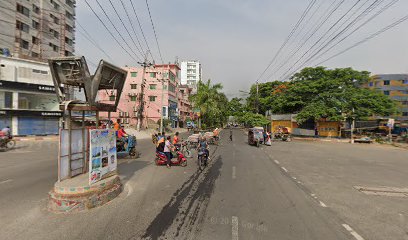
Coffee Bar Multiplex Restaurant
24.1 km
Experience the perfect blend of coffee and cuisine at Coffee Bar Multiplex Restaurant in Rajshahi, where every sip and bite tells a story.
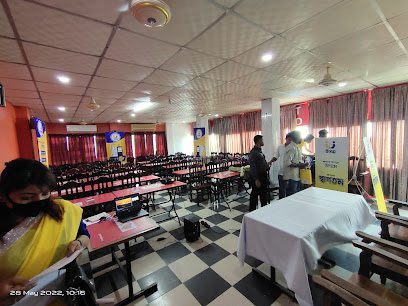
Kalai House -2
24.2 km
Experience the authentic flavors of Bangladesh at Kalai House in Rajshahi, where every dish tells a story of tradition and taste.
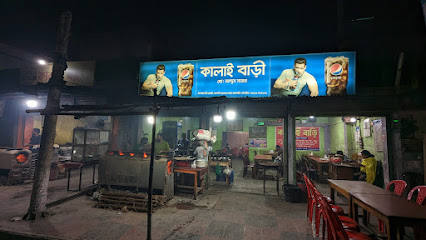
Kaffeine Kruch
25.0 km
Discover the culinary delights of Kaffeine Kruch in Rajshahi, a restaurant where local flavors meet international cuisine in a cozy setting.
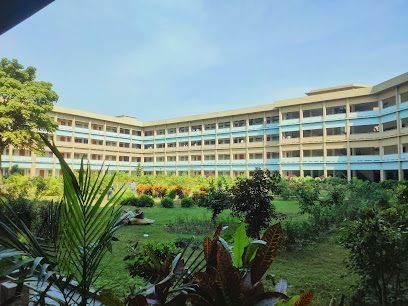
Nightclubs & after hour spots

HDD CLUB
8.7 km
Discover Rajshahi's nightlife at HDD CLUB, where vibrant music, thrilling dance, and unforgettable memories await you.
Silicon Valley
19.6 km
Discover the electrifying nightlife of Silicon Valley, where every night brings new adventures in clubs, music, and culinary delights.
Rajshahi University Comedy Club
19.9 km
Discover laughter and local culture at Rajshahi University Comedy Club, a vibrant hub for comedy and entertainment in Bangladesh.
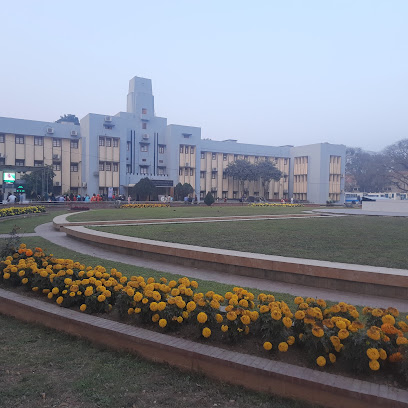
কাকির চা দোকান
22.0 km
Immerse yourself in Rajshahi's nightlife at Kakir Cha Dokan, a vibrant night club offering music, dance, and local culture.
Khoilan
23.1 km
Experience the vibrant nightlife of Rajshahi at Khoilan, where music and culture collide in an unforgettable night out.
সাহায্যের হাত
23.9 km
Discover the vibrant nightlife of Rajshahi at 'সাহায্যের হাত', a premier night club offering unforgettable experiences and lively entertainment.
Sujanagar Mitali Club
24.0 km
Discover the energetic nightlife of Rajshahi at Sujanagar Mitali Club, a welcoming social and disco hub perfect for a fun night out.
Rajshahi Press Club
24.1 km
Explore the vibrant cultural scene at Rajshahi Press Club, a central hub for journalism and community engagement in Bangladesh.
Rajshahi College Comedy Club
24.2 km
Experience the vibrant local humor at Rajshahi College Comedy Club, where laughter meets culture in the heart of Bangladesh.
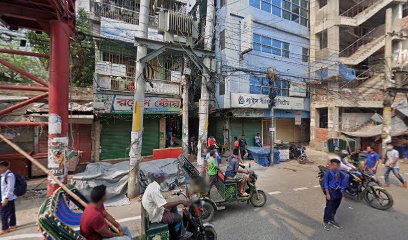
LEO Club of Rajshahi Metropolitan
25.0 km
Experience community service and local culture at the LEO Club of Rajshahi Metropolitan, where youth drive positive change.
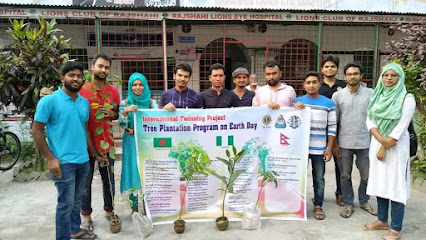
Young Youth Development Organization,Rajshahi
26.1 km
Discover the vibrant nightlife of Rajshahi at the Young Youth Development Organization, where electrifying music and a lively atmosphere await.
Shadhnogor youth club.
26.2 km
Experience the vibrant nightlife at Shadhnogor Youth Club, where music and culture collide for an unforgettable evening in the heart of the city.

হরিষার ডাইং সবুজ সংঘ
29.1 km
Discover the electrifying nightlife of Rajshahi at হরিষার ডাইং সবুজ সংঘ, where music, dance, and vibrant energy come together for an unforgettable experience.
Rup Nogor
29.7 km
Immerse yourself in the electrifying nightlife of Rup Nogor, the ultimate night club destination in Bangladesh for vibrant music and unforgettable experiences.
রাকিব স্মৃতি সংঘ
30.0 km
Experience the heartbeat of Rajshahi's nightlife at Raqib Smriti Sangh, where music, dance, and culture come alive in an electrifying atmosphere.


