Chini Mosjid, Nilphamari., Rangpur Division Travel Guide
Discover the dazzling Chini Mosque in Nilphamari, a historical masterpiece adorned with intricate Chinese porcelain mosaics, reflecting Bangladesh's rich cultural heritage.
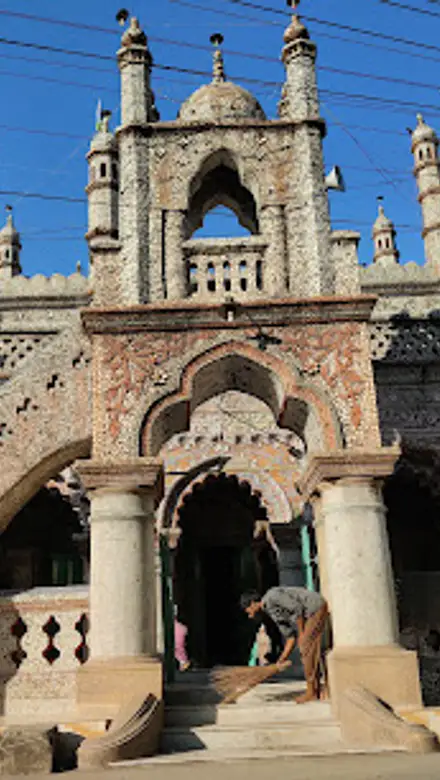
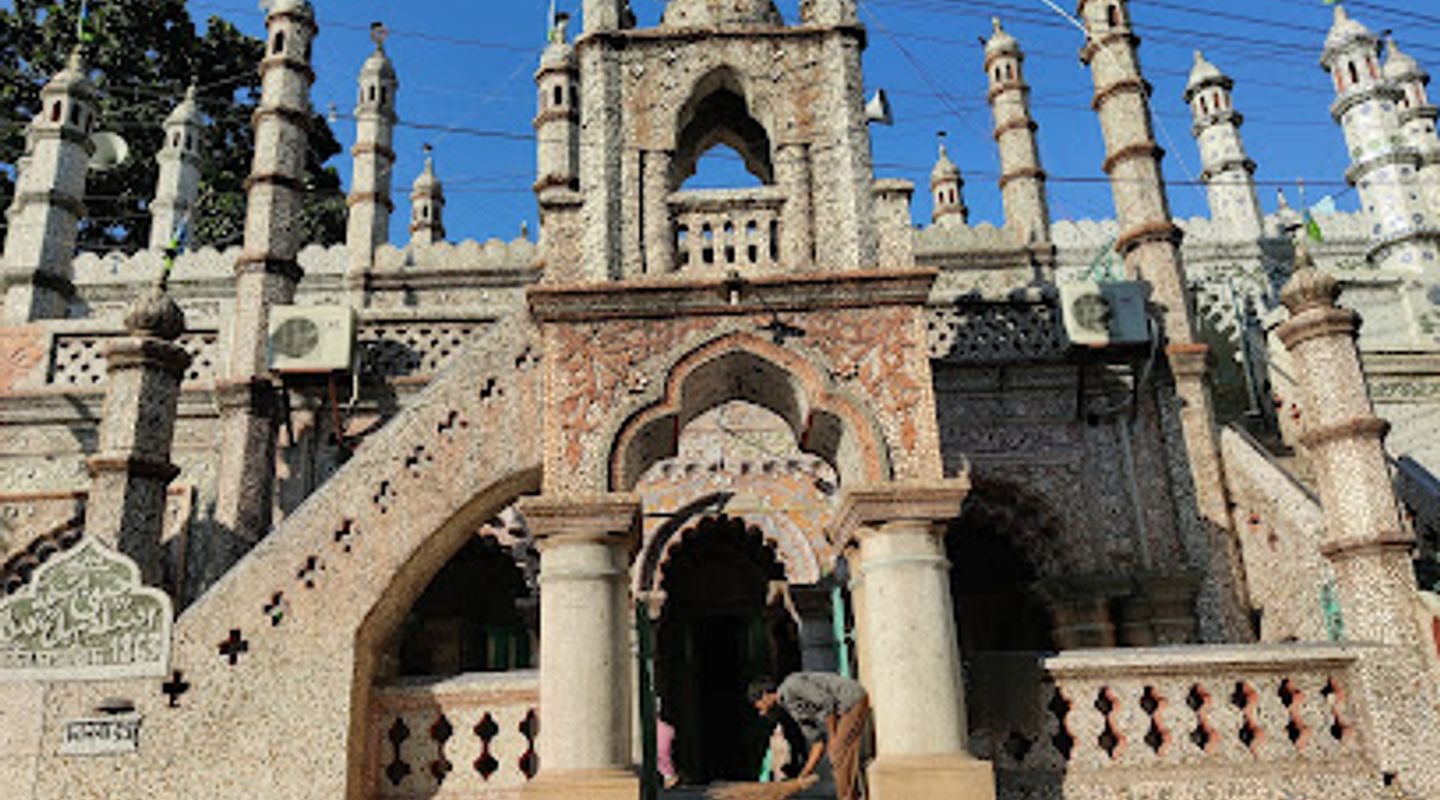
The Chini Mosque, also known as the 'Sugar Mosque' or 'Glass Mosque,' is a captivating historical landmark in Saidpur, Nilphamari. Built in 1863, its walls are adorned with exquisite mosaics crafted from broken Chinese porcelain and glass, brought from Kolkata, creating a dazzling spectacle. This unique architectural gem reflects a fusion of Islamic and Chinese artistic influences. The mosque stands as a testament to community collaboration, initially constructed with bamboo and reeds before being rebuilt with local contributions. With its intricate designs, serene ambiance, and historical significance, the Chini Mosque offers a unique glimpse into Bangladesh's rich cultural heritage, attracting visitors from across the globe. The mosque's design, featuring 27 minarets, three large domes, and detailed floral and star motifs, showcases the craftsmanship of local artisans and the enduring legacy of Islamic architecture in the region. A visit promises a memorable experience, steeped in history and artistic wonder.
A brief summary to Chini Mosjid, Nilphamari.
- Rosulpur,saidpur Chini mosjid, Saidpur, 5310, BD
- Monday 4 am-9 pm
- Tuesday 4 am-9 pm
- Wednesday 4 am-9 pm
- Thursday 4 am-9 pm
- Friday 4 am-9 pm
- Saturday 4 am-9 pm
- Sunday 4 am-9 pm

Know before you go
Hi, I'm Eve. Here are a few practical things to know before exploring Chini Mosjid, Nilphamari..
- Dress modestly when visiting the mosque, respecting local customs and religious sensitivities.
- Visit during the cooler months (November to February) for a more comfortable experience exploring the mosque and its surroundings.
- Inquire about photography rules before taking pictures inside the mosque to ensure you comply with any restrictions.
- Consider hiring a local guide to gain deeper insights into the mosque's history, architecture, and cultural significance.
- Combine your visit to the Chini Mosque with a trip to other nearby attractions in Nilphamari, such as Nilsagar Lake or Dharmaraj Rajbari, for a more comprehensive experience.
Do you manage this location?
Take control to get all the benefits, like improved information, better appearance, and stronger visibility across AI-powered discovery. Learn more about listing your business on Evendo
Activate your presenceOther nearby places you may find interesting
The closest places of the same kind, if this one is not quite what you had in mind.
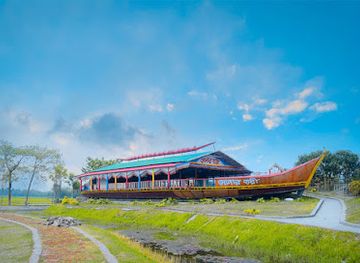

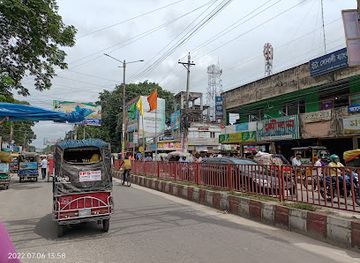
Explore Chini Mosjid, Nilphamari. on the Map
A handpicked selection of must-see spots near Chini Mosjid, Nilphamari., mapped for you.
Getting There
-
Public Transport
From Saidpur Railway Station or Saidpur Airport, the Chini Mosque is easily accessible by local transport. Take a CNG (auto-rickshaw) or a rickshaw from either location. CNG fare from the Saidpur city center or railway station to Chini Mosque typically costs between 50-80 BDT. Rickshaws are a cheaper option, costing around 30-50 BDT, but the journey may take longer. Ensure you negotiate the fare before starting your journey.
-
Taxi/Ride-Share
Taxis and ride-sharing services like Uber or Pathao are available in Saidpur, although their availability might be limited. A taxi or ride-share from Saidpur Airport or a central location in Saidpur to the Chini Mosque will cost approximately 100-150 BDT. Confirm the fare with the driver before you begin your trip. The journey takes around 15-20 minutes, depending on traffic.
Discover more about Chini Mosjid, Nilphamari.
More to explore near Chini Mosjid, Nilphamari.













Your all‑in‑one travel companion app
Explore expert travel guides, compare and book tours, experiences, hotels, and more—all from the palm of your hand. Download now for seamless trip planning wherever your wanderlust takes you.


Explore More of Rangpur Division
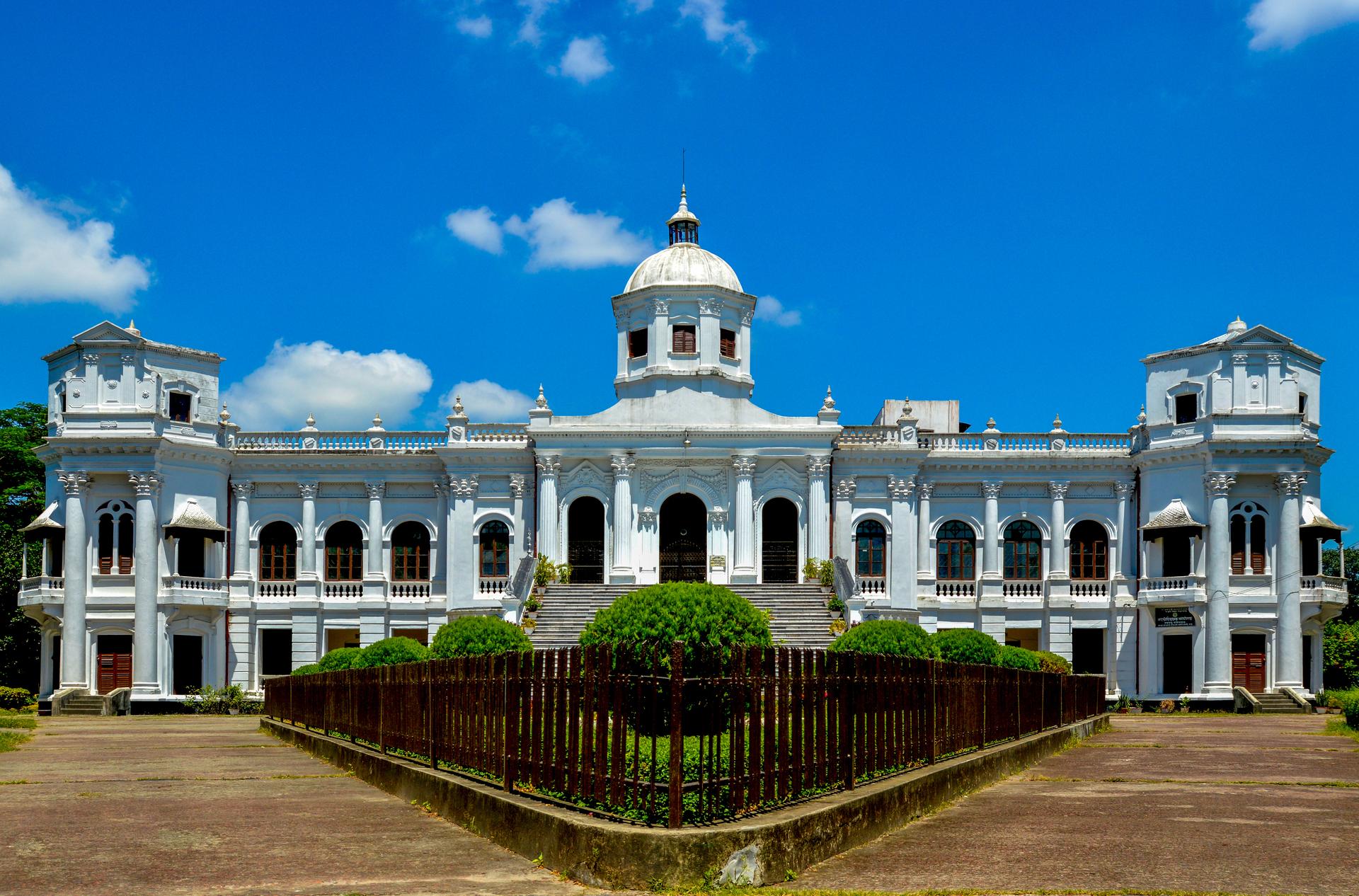
Looking beyond Chini Mosjid, Nilphamari.? Discover Rangpur Division for broader travel guides, local hot-spots, and regional highlights.
Explore Rangpur Division
Experience the vibrant heart of Rangpur at Zero Point, a bustling hub connecting you to the city's culture, history, and local life.
Experience the thrill of laughter and joy at Saidpur Theme Park, a top amusement destination in Bangladesh for families and adventurers.