

Free Rangpur Division Travel Guide & Mobile App
Explore Rangpur Division with free travel guides. Discover regional history, expert tips, proposed trips, and audio guides on web or mobile app.


Explore Rangpur Division in northern Bangladesh for terracotta temples, river plains, rural markets, historic palaces and the tea country near Tetulia.
Read more about Rangpur Division
When is the best time to visit Rangpur Division?
Best: December–February · 25–28°C| Month | High (°C) | Rainfall (mm) |
|---|---|---|
| January (best) | 25 | 5 |
| February (best) | 28 | 12 |
| March | 34 | 30 |
| April | 36 | 60 |
| May | 36 | 110 |
| June | 34 | 200 |
| July | 33 | 230 |
| August | 33 | 220 |
| September | 32 | 160 |
| October | 31 | 100 |
| November | 28 | 30 |
| December (best) | 25 | 10 |
Getting to and around Rangpur Division
How to get there
Transportation
Top city travel guides in Rangpur Division
The cities of Rangpur Division, and the easiest places to base yourself.

Swipe for more cities
Best attractions in Rangpur Division
Rangpur Division's attractions are spread across a large agricultural landscape rather than concentrated in one tourism centre. Dinajpur is the principal heritage destination, with the Kantajew Temple at Kantanagar, the nearby Nayabad Mosque and Ramsagar National Park offering a combination of architecture, history and open countryside. Rangpur city provides Tajhat Palace and urban museums and institutions, while Saidpur has railway heritage connected with its long-established workshops and railway community. In Nilphamari, the Teesta Barrage landscape shows how water control has shaped farming and settlement in the northern plains. Panchagarh and Tetulia introduce a different setting of tea gardens, winter haze and occasional distant Himalayan views. Kurigram, Gaibandha and Lalmonirhat are particularly suited to visitors interested in riverine Bangladesh, char lands and rural markets, although access and conditions can change during the monsoon. Across the division, the most rewarding experiences often involve observing seasonal agriculture, travelling through market towns, visiting historic religious buildings respectfully and understanding how rivers continue to influence daily life.
-
Historical landmark
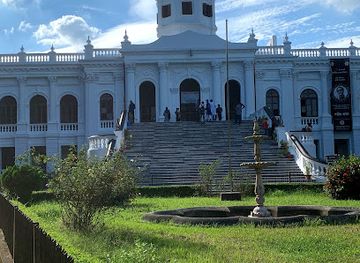
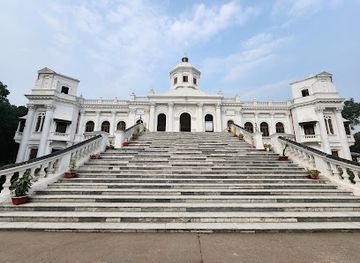
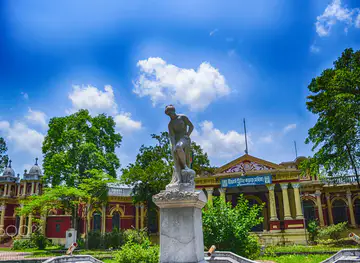
Tajhat Palace
Explore Tajhat Palace in Rangpur: A majestic blend of Mughal and European architecture, housing a museum of Bengal's rich history.
-
Park
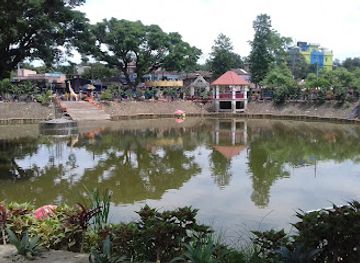
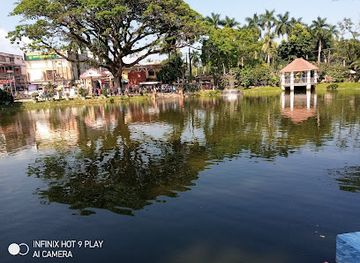
Gaibandha Pouro Park
Escape to nature in the heart of Gaibandha at Pouro Park, a serene retreat for all ages.
-
Hindu temple
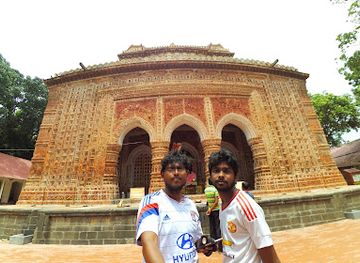
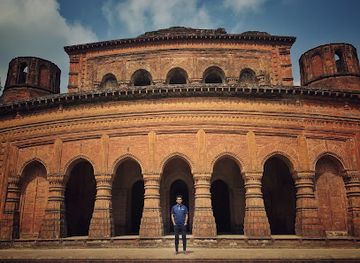
Kantajew Temple
Discover the exquisite terracotta art and rich history of Kantajew Temple, an 18th-century Hindu sanctuary in Dinajpur, Bangladesh. A cultural treasure!
-
Zoo
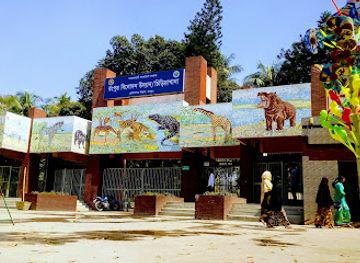
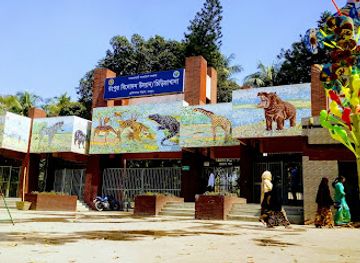
Rangpur Zoo
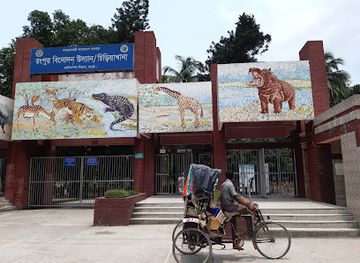
Explore diverse wildlife at Rangpur Zoo, the largest in North Bengal, offering family-friendly fun and educational experiences in a lush green setting.
Best landmarks in Rangpur Division
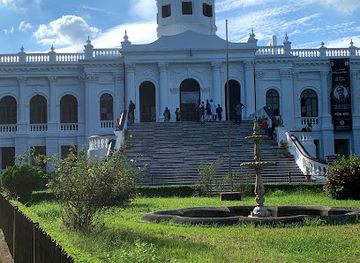
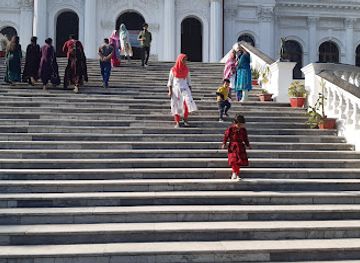
Kantajew Temple at Kantanagar is Rangpur Division's most recognisable historic landmark. Built in the eighteenth century, the temple is celebrated for its elaborate terracotta panels, which cover much of the exterior with scenes from Hindu epics, animals, floral patterns and glimpses of social life. Nearby Nayabad Mosque, a small brick mosque associated with the same broader historical landscape, demonstrates the coexistence of Islamic and Hindu architectural traditions in Dinajpur. Tajhat Palace in Rangpur is a formal late-nineteenth- or early-twentieth-century palace whose grand stairway and surviving galleries reflect the wealth and status of regional landed elites; it now houses museum collections. Ramsagar's large man-made lake near Dinajpur is both a historic waterwork and a defining landscape feature. In the north, the Teesta Barrage at Dalia in Nilphamari is a modern engineering landmark, showing how irrigation and flood management have become central to the agricultural geography of the division. Together these places express the region's links with religious patronage, estate power, water, farming and changing technology.
-
Historical landmark
Tajhat Palace
Explore the regal Tajhat Palace in Rangpur, a stunning blend of Mughal and European architecture, and delve into Bengal's Zamindari past.
-
Park
Gaibandha Pouro Park
Discover a serene escape in Gaibandha Pouro Park, a historic green space offering lush gardens, a tranquil pond, and a vibrant community atmosphere for relaxation and cultural immersion.
-
Hindu temple
Kantajew Temple
Discover the exquisite terracotta artistry and rich history of Kantajew Temple, a magnificent 18th-century Hindu temple in Dinajpur, Bangladesh, dedicated to Krishna and Rukmini.
-
Zoo
Rangpur Zoo
Discover diverse wildlife and green spaces at Rangpur Zoo, the largest zoo in North Bengal, perfect for family outings and educational visits.
Explore Rangpur Division on the map
Plan your trip on one map. See where the top cities, national parks and sights are, and book hotels and experiences in a few clicks.
Best hotels in Rangpur Division
Best restaurants in Rangpur Division
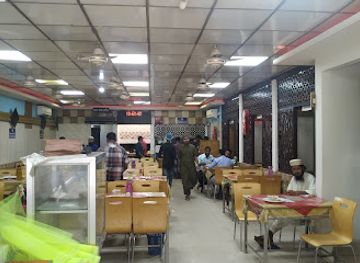
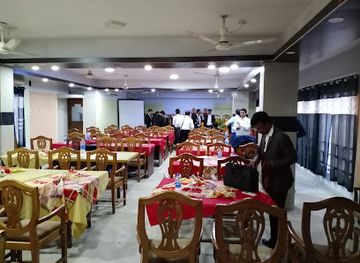
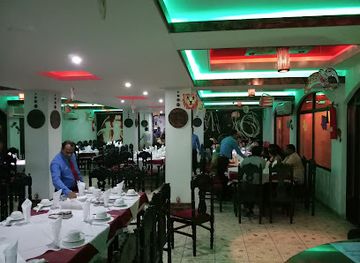
Dining in Rangpur Division is primarily Bengali and local rather than designed around an international restaurant scene. Rice, fish, lentils, vegetables, chicken and beef form the basis of everyday meals, with freshwater fish especially associated with the region's rivers, wetlands and ponds. Dinajpur and Rangpur towns have the broadest choice of rice restaurants, curry houses, cafés and hotel dining rooms, while roadside eateries provide simple meals along inter-district routes. Markets and tea stalls are useful places to find snacks such as singara, samosa, jilapi, chira and khoi, with seasonal mangoes, lychees and other fruit appearing at different times of year. Northern food traditions also include preparations of dried or flattened rice and locally grown produce, though recipes vary between households. Visitors should choose busy establishments with good turnover, drink treated or bottled water and expect eating arrangements to be more informal in rural areas than in the major cities of Bangladesh.
-
Restaurant
Mejban Restaurent
Discover the flavors of Bangladesh at Mejban Restaurant in Rangpur – where tradition meets taste!
-
Restaurant
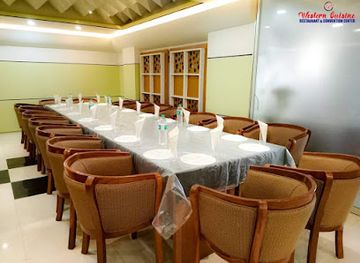
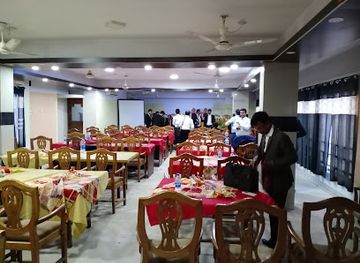
Western Cuisine Restaurant and Convention Center
Experience exquisite Western cuisine at Rangpur's premier dining destination with exceptional service and unique event hosting facilities.
-
 Fast Food
Dhaka Fast Food's
Experience local flavors at Dhaka Fast Food's in Rangpur – where delicious meets convenience in every bite!
-
Restaurant
Caspia The Home
Experience the rich culinary heritage of Bangladesh at Caspia The Home in Rangpur - where tradition meets modern dining.
Best bars in Rangpur Division
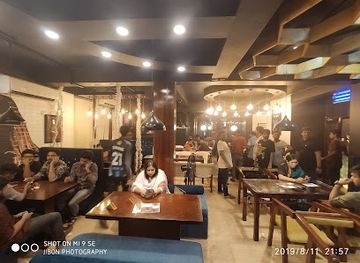
Nightlife in Rangpur Division is restrained and centred on food, conversation and tea rather than on a large bar or nightclub culture. Rangpur city and the larger district towns have cafés, hotel restaurants, sweet shops and late-opening food stalls, while traditional tea stalls remain important social spaces throughout the region. Dinajpur and Saidpur offer evening activity around markets, cinemas, restaurants and transport hubs, but venues change and should be checked locally. Alcohol is not central to public evening life, and licensed availability is limited compared with many international destinations. In rural districts, evenings are generally quieter, with families gathering at home, local markets closing relatively early and occasional cultural or community performances providing entertainment. Visitors seeking a night out should focus on reputable restaurants, cafés and established hotels, and should use arranged transport rather than relying on informal late-night travel between small towns.
-
Restaurant
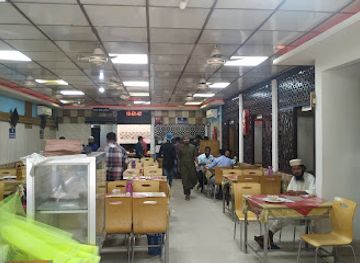
Mejban Restaurent
Experience the rich flavors of Bangladesh at Mejban Restaurant in Rangpur, where authentic cuisine meets warm hospitality.
-
Restaurant
Caspia The Home
Discover the flavors of Rangpur at Caspia The Home, where local cuisine meets international delights in a cozy setting.
-
Restaurant
Cicily
Experience the vibrant flavors of Cicily, a top-rated dining spot in Rangpur, where culinary delight meets local charm.
-
Restaurant
The Kitchen
Discover the flavors of Rangpur at The Kitchen, where local and international dishes come together in a vibrant dining experience.
Best nightclubs in Rangpur Division
Nightlife in Rangpur Division is restrained and centred on food, conversation and tea rather than on a large bar or nightclub culture. Rangpur city and the larger district towns have cafés, hotel restaurants, sweet shops and late-opening food stalls, while traditional tea stalls remain important social spaces throughout the region. Dinajpur and Saidpur offer evening activity around markets, cinemas, restaurants and transport hubs, but venues change and should be checked locally. Alcohol is not central to public evening life, and licensed availability is limited compared with many international destinations. In rural districts, evenings are generally quieter, with families gathering at home, local markets closing relatively early and occasional cultural or community performances providing entertainment. Visitors seeking a night out should focus on reputable restaurants, cafés and established hotels, and should use arranged transport rather than relying on informal late-night travel between small towns.
-
Historical landmark
Tajhat Palace
Explore the majestic Tajhat Palace in Rangpur, a historical landmark and museum showcasing the rich heritage of Bangladesh through stunning architecture and captivating exhibits.
-
Zoo
Rangpur Zoo
Explore Rangpur Zoo, a vibrant destination filled with exotic wildlife and educational experiences nestled in the heart of Rangpur, Bangladesh.
-
Hotel
Hotel North View
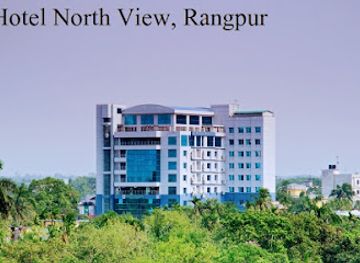
Discover the charm of Rangpur at Hotel North View, where comfort meets community in a prime location.
-
Bar
Bluemoon Recreation Club
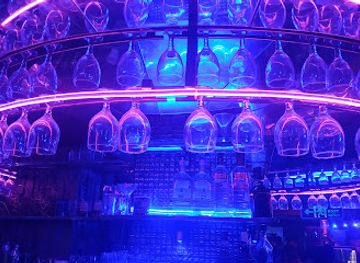
Experience the vibrant blend of relaxation and recreation at Bluemoon Recreation Club, Dhaka's premier social hub.
Best shops in Rangpur Division
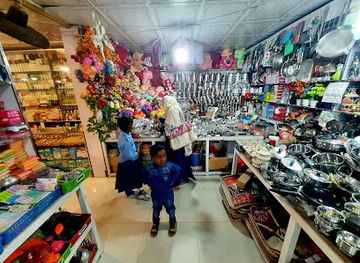
Shopping in Rangpur Division is rooted in market-town life rather than large-scale luxury retail. Rangpur, Dinajpur and Saidpur have the widest selection of clothing, household goods, books, sweets and mobile-phone shops, while smaller district towns serve surrounding farming communities. Local bazaars are useful for seasonal fruit, rice products, vegetables, spices, fish and everyday Bengali snacks, although visitors should take care with perishable food and crowded traffic. Dinajpur is associated with agricultural produce and regional sweets, and tea from the Panchagarh and Tetulia area makes a practical gift when purchased from a reputable seller. Handloom textiles, pottery, woven household items and small craft products may be found through local markets, but availability varies and is not always organised for tourists. Bargain politely where prices are not fixed, carry cash in smaller denominations and remember that many market goods are intended for local use rather than packaged as formal souvenirs.
-
Historical landmark
Tajhat Palace
Explore the historical Tajhat Palace, a stunning museum and landmark in Rangpur showcasing rich heritage and architectural beauty.
-
Zoo
Rangpur Zoo
Explore Rangpur Zoo: A Family-Friendly Wildlife Haven in the Heart of Rangpur, Perfect for Nature Lovers and Animal Enthusiasts.
-
Shopping mall
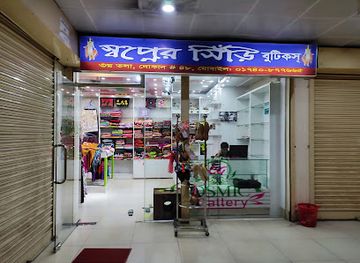
RAMC Shopping Complex
Visit RAMC Shopping Complex in Rangpur for a vibrant shopping experience, local cuisine, and cultural events all in one place.
-
Amusement park
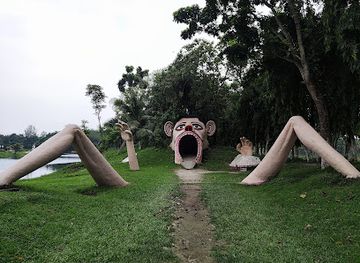
Vinnya Jagat Amusement Park
Dive into adventure at Vinnya Jagat Amusement Park, where family fun and thrilling rides await amidst beautiful landscapes.
Get your free copy of our complete guide to Rangpur Division, delivered straight to you.
Everything on this page, from attractions and restaurants to essentials and local phrases, in one PDF you can read offline, print or share.
Already have an account? Sign in
Your Rangpur Division guide is ready.
We'll send it to · Not you? Sign out

Getting your guide ready…
We are putting together a fresh copy of the Rangpur Division guide. This can take up to a minute.
This can take a few moments. If your browser asks, choose Allow so the download can start. You'll find the guide in your Downloads folder.
Nothing happened? Download it again
Sorry, the guide is taking longer than usual. Please try again in a minute, or get it by email instead.
Rangpur Division essentials
Currency and Payment
Safety
Emergency Situations
Do's and Don'ts
Local Tips
From Eve
Local phrases worth knowing
You don't need to get them perfect. A few words go a long way, and locals appreciate the effort.
Basics
| English | Local | Say it |
|---|---|---|
| Hello | হ্যালো | [Hyalo] |
| Goodbye | বিদায় | [Biday] |
| Yes | হ্যাঁ | [Hyā] |
| No | না | [Nā] |
| Please/You're welcome | অনুগ্রহ করে | [Onugroho kore] |
| Thank you | ধন্যবাদ | [Dhonnobad] |
| Excuse me/Sorry | ক্ষমা করবেন | [Khoma korben] |
| How are you? | আপনি কেমন আছেন? | [Apni kemon achhen?] |
| Fine. And you? | ভাল। আর আপনি? | [Bhalo. Ar apni?] |
| Do you speak English? | আপনি কি ইংরেজি বলছেন? | [Apni ki Ingreji bolchen?] |
| I don't understand | আমি বুঝতে পারছি না | [Ami bujhte parchi na] |
Eating & Drinking
| English | Local | Say it |
|---|---|---|
| I'd like to see the menu, please | অনুগ্রহ করে মেনু দেখাবেন? | [Onugroho kore menu dekhaben?] |
| I don't eat meat | আমি মাংস খাই না | [Ami mangsho khai na] |
| Cheers! | চিয়ার্স! | [Cheers!] |
| I would like to pay, please | অনুগ্রহ করে আমি দিতে চাই | [Onugroho kore ami dite chai] |
Emergencies
| English | Local | Say it |
|---|---|---|
| Help! | সাহায্য করুন! | [Sahajjo korun!] |
| Go away! | দূরে যাও! | [Dure jao!] |
| Call the Police! | পুলিশ ডাকুন! | [Polish dakun!] |
| Call a doctor! | ডাক্তার ডাকুন! | [Daktar dakun!] |
| I'm lost | আমি হারিয়ে গেছি | [Ami hariye gechi] |
| I'm ill | আমি অসুস্থ | [Ami osustho] |
Shopping
| English | Local | Say it |
|---|---|---|
| I'd like to buy... | আমি কিনতে চাই... | [Ami kinte chai...] |
| I'm just looking | আমি শুধু দেখছি | [Ami shudhu dekhchi] |
| How much is it? | এটার দাম কত? | [Etar dam koto?] |
| That's too expensive | এটা খুব দামি | [Eta khub dami] |
| Can you lower the price? | আপনি কি দাম কমাতে পারেন? | [Apni ki dam komate paren?] |
Time & Numbers
| English | Local | Say it |
|---|---|---|
| What time is it? | এখন কতটা বাজে? | [Ekhon koto ta baje?] |
| It's one o'clock | এখন একটা বাজে | [Ekhon ekta baje] |
| Half past (10) | দশটা সাড়ে | [Dosh ta sade] |
| Morning | সকাল | [Sokal] |
| Afternoon | বিকেল | [Bikel] |
| Evening | সন্ধ্যা | [Sandhya] |
| Yesterday | গতকাল | [Gotokal] |
| Today | আজ | [Aaj] |
| Tomorrow | কাল | [Kal] |
| 1 | ১ | [1] |
| 2 | ২ | [2] |
| 3 | ৩ | [3] |
| 4 | ৪ | [4] |
| 5 | ৫ | [5] |
| 6 | ৬ | [6] |
| 7 | ৭ | [7] |
| 8 | ৮ | [8] |
| 9 | ৯ | [9] |
| 10 | ১০ | [10] |
Transport & Directions
| English | Local | Say it |
|---|---|---|
| Where's a/the...? | একটা/এটার কোথায়? | [Ekta/Etar kothay?] |
| What's the address? | ঠিকানা কি? | [Thikana ki?] |
| Can you show me (on the map)? | আপনি কি আমাকে দেখাতে পারেন (ম্যাপে)? | [Apni ki amake dekhate paren (map-e)?] |
| When's the next (bus)? | পরবর্তী (বাস) কখন? | [Poroborti (bas) kokhon?] |
| A ticket (to ....) | একটা টিকেট (যেতে ....) | [Ekta ticket (jete ....)] |
History of Rangpur Division
Ancient Pundravardhana and Northern Bengal
The northern part of present-day Bangladesh formed part of the wider cultural zone known in ancient sources as Pundravardhana, with settlements linked to the plains of the Karatoya and other northern rivers. Although the most famous archaeological remains of ancient Pundravardhana lie outside Rangpur Division, the region itself occupied an important position between the Ganges basin, the Himalayan foothills and routes towards Assam. Agriculture, river transport and early Buddhist and Hindu cultural networks shaped settlement well before the modern district boundaries existed.
Pala, Sena and Medieval Religious Landscapes
From the early medieval period, northern Bengal was influenced by the Pala rulers, whose kingdom supported Buddhism and administered a large part of eastern India, followed by the Sena dynasty's Hindu political and cultural influence. Later Islamic rule introduced new administrative centres, mosques, shrines and patterns of landholding. The surviving religious buildings of Dinajpur, including the Kantanagar and Nayabad monuments, reflect the layered interaction of regional Bengali styles, local patronage and wider Mughal-era architectural traditions.
Mughal Administration and the Dinajpur Estate
During the Mughal period, northern Bengal was incorporated into an imperial revenue system that relied on settled cultivation and powerful local intermediaries. The Dinajpur Raj family became especially influential in the eighteenth and nineteenth centuries, accumulating estates and supporting temples, roads and other institutions. Kantajew Temple, built in the eighteenth century at Kantanagar, belongs to this period of regional patronage. Its terracotta panels preserve scenes from religious narratives as well as glimpses of contemporary dress, animals, transport and social life.
Colonial Railways, Agriculture and Trade
British rule brought new revenue arrangements, commercial agriculture and railway connections that tied northern Bengal more closely to Calcutta and other markets. Indigo, jute, rice and later sugar-related agriculture became important in different parts of the region, while railway towns developed around transport and administration. Rangpur, Dinajpur and Saidpur acquired broader regional significance; Saidpur in particular became associated with railway workshops and a substantial railway workforce. Colonial land policies also intensified inequalities between landlords, tenants and agricultural labourers.
The Tebhaga Movement
The Tebhaga movement of the 1940s was particularly significant in the agrarian districts of northern Bengal, including areas now within Rangpur and Dinajpur divisions. Sharecroppers demanded that two-thirds of the harvested crop should remain with those who cultivated the land, rather than the conventional half being claimed by landlords or intermediaries. The movement reflected long-standing tensions over tenancy, debt and rural power. Its memory remains part of the political and social history of northern Bangladesh.
Partition and the Changing Northern Border
The partition of British India in 1947 transformed northern Bengal's economic geography. Former trading and transport links were divided by an international border, and towns that had once looked towards markets in West Bengal acquired new administrative and commercial roles within East Pakistan. Borderland communities experienced disruption, migration and changes in access to land and transport. The later emergence of Bangladesh in 1971 further reshaped regional institutions, while Rangpur Division's location continued to give it importance in cross-border trade and national connectivity.
The Liberation War of 1971
The districts of present-day Rangpur Division were involved in the political upheaval and armed conflict of the Bangladesh Liberation War. Local resistance, military operations, displacement and violence affected towns and villages across northern Bengal, while the border with India became significant for refuge, communication and the movement of people. Liberation-war memorials and local accounts vary from district to district, so visitors interested in this history should seek information from local museums, memorial sites and knowledgeable guides rather than treating the division as a single wartime landscape.
Rangpur Division in Photos
Browse through our photo collection highlighting the charm and character of the destination.
Neighbouring regions of Rangpur Division
The closest regions to Rangpur Division, if you have time for more than one.
-

-

-

-
-


Swipe for more regions
Explore more

Explore more of Bangladesh
Discover Bangladesh: A land of rivers, rich culture, and breathtaking landscapes. Explore ancient sites, vibrant cities, and the unique flavors of this South Asian gem.
Explore Bangladesh