
Sundarban National Park: Realm of the Royal Bengal Tiger
Discover the enchanting Sundarban National Park, home to the Royal Bengal Tiger and the world's largest mangrove forests. A UNESCO World Heritage Site.
Explore the Sundarban National Park, a UNESCO World Heritage Site and the world's largest mangrove forest, home to the elusive Royal Bengal tiger and a rich biodiversity of flora and fauna. A boat safari through its intricate waterways offers a unique wildlife experience.
A brief summary to Sundarban National Park (West Bengal)
- Gosaba, West Bengal, 743370, IN
- +919073386804
- Visit website
Local tips
- The best time to visit is between November and February for pleasant weather and optimal wildlife viewing.
- Obtain necessary permits from the Forest Department at Sajnekhali or the West Bengal Tourism Office in Kolkata.
- Carry warm clothes if visiting during winter as the weather can be cool and dry.
- Hire a local guide to enhance your understanding of the park's ecosystem and increase your chances of spotting wildlife.
- Respect the local culture and maintain cleanliness to preserve the natural beauty of the Sundarbans.

Getting There
-
Public Transport
From Kolkata, take a local train from Sealdah Railway Station to Canning. Trains are frequent and take approximately 1.5 hours. From Canning, take a bus or shared van to Godkhali Jetty, which is about 2 hours away. From Godkhali, ferries are available to Gosaba Island and other parts of Sundarbans. Train fare from Sealdah to Canning: Approximately INR 20-30. Bus/van fare from Canning to Godkhali: Approximately INR 50-70. Ferry fare from Godkhali to Gosaba: Approximately INR 50.
-
Taxi/Ride-share
Hire a taxi or ride-share from Kolkata directly to Godkhali, which is about a 3.5-hour drive. From Godkhali, take a ferry to your desired location in the Sundarbans. Taxi/ride-share fare from Kolkata to Godkhali: Approximately INR 3,000 - INR 6,000. Parking fee at Godkhali Jetty (if applicable): Approximately INR 100-200 per day. Ferry fare from Godkhali to Gosaba: Approximately INR 50.
-
Boat
The only way to get around in Sundarban is by boat. From Godkhali or Sonakhali, hire a boat to Sajnekhali, the entry point for Sundarban National Park. Boat tours are available from various operators and include visits to watchtowers and other attractions. Hiring a boat for a day trip: Approximately INR 1,000-2,500. Entry fees to Sundarban National Park: Approximately INR 200-500 per person. Camera permits (if applicable): Approximately INR 100-500.
Discover more about Sundarban National Park (West Bengal)
Iconic landmarks you can’t miss

Sundarban Tiger Roar Resort - Resort &Tourism in sundarban
24.9 km
Experience the natural beauty and rich wildlife of the Sundarbans at Sundarban Tiger Roar Resort, where adventure meets tranquility.
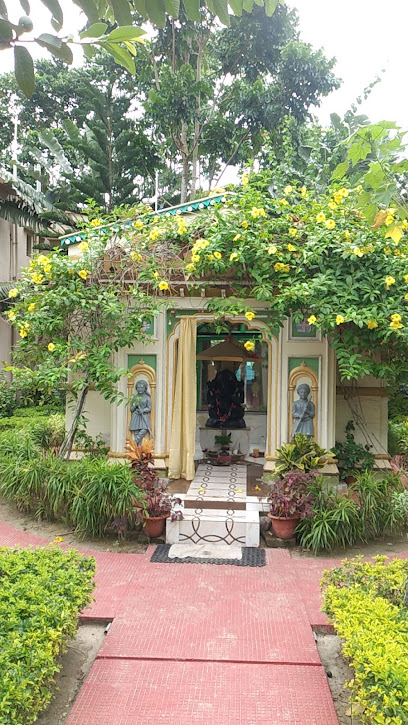
Burirdabri Forest Camp
26.1 km
Experience the tranquility of nature at Burirdabri Forest Camp, a haven for wildlife lovers in West Bengal's lush landscapes.
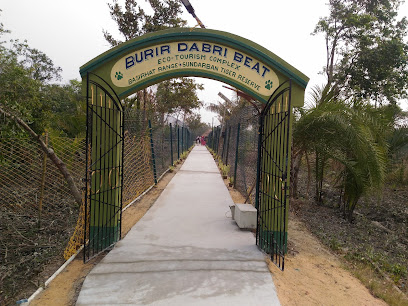
Sunderbans Jungle Camp
26.2 km
Experience the breathtaking beauty of the Sundarbans at Sunderbans Jungle Camp, where luxury meets nature in a stunning eco-friendly resort.

Sunderban Tiger Camp- Wildlife Resort (fully vaccinated staff)
26.9 km
Discover the enchanting Sunderban Tiger Camp Wildlife Resort, where adventure meets relaxation in the heart of nature's paradise.
Sundarban Jungle Mahal Resort
27.9 km
Experience the tranquility of the Sundarbans at Sundarban Jungle Mahal Resort - your gateway to nature's paradise in West Bengal.
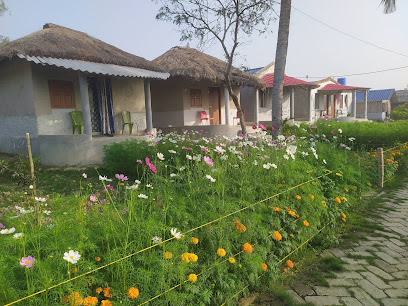
Maity Sundarban Tour
28.1 km
Discover the unparalleled beauty and wildlife of the Sundarbans with Maity Sundarban Tour, where adventure and nature harmoniously blend.
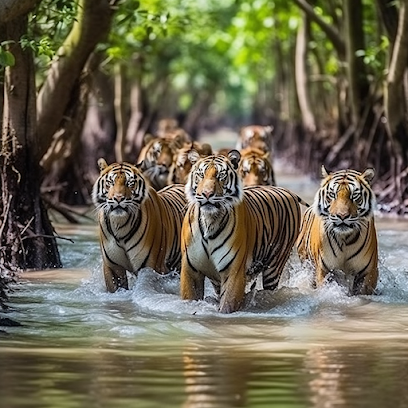
Larica Inn Sundarban
28.2 km
Experience the wild beauty of Sundarban at Larica Inn, your perfect retreat for relaxation and adventure in India's largest mangrove forest.

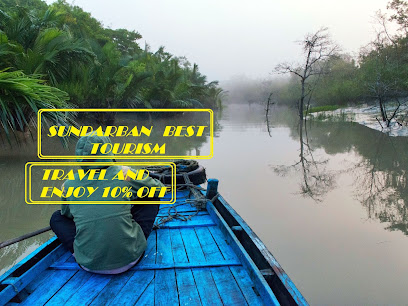
SUNDARBAN BEST TOURISM
33.0 km
Explore the breathtaking Sundarbans with Sundarban Best Tourism - a premier tour operator for nature lovers and adventure seekers.
Mandarbaria Sea Beach
46.2 km
Discover the untouched beauty of Mandarbaria Sea Beach, where the Bay of Bengal meets the Sundarbans, offering a unique blend of coastal serenity and wilderness adventure in Bangladesh.
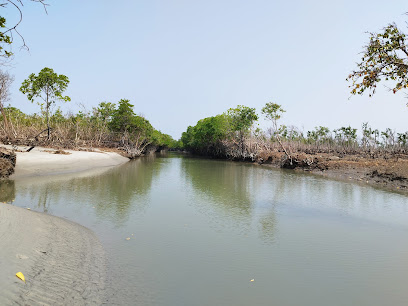
Sundarban Lokenath Travels
52.3 km
Explore the vast wonders of the Sundarbans with Sundarban Lokenath Travels, your gateway to unforgettable wildlife adventures and cultural experiences.
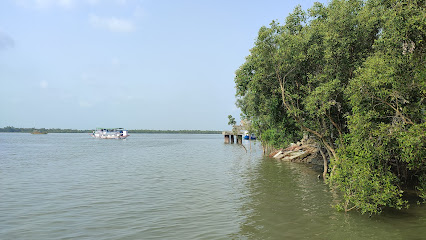
Sundarban Forest Tours
52.8 km
Explore the breathtaking beauty and rich biodiversity of Sundarban Forest, the world's largest mangrove ecosystem, in an unforgettable tour experience.
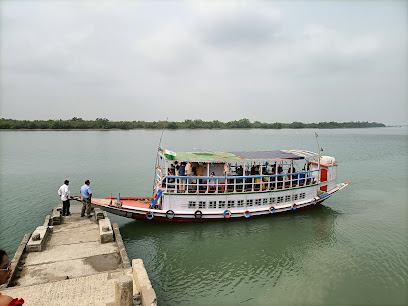
Lord Canning House
53.3 km
Explore the historical allure of Lord Canning House in Canning, West Bengal, a must-see for history buffs and architecture lovers alike.
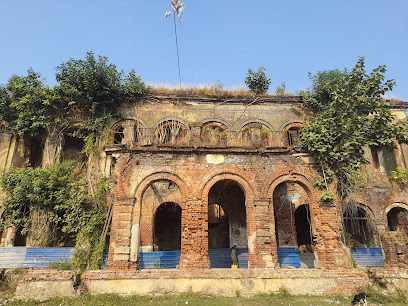
NASKAR PARA
54.8 km
Discover the enchanting Naskar Para in West Bengal, a historical landmark that reveals the rich heritage and cultural stories of the region.
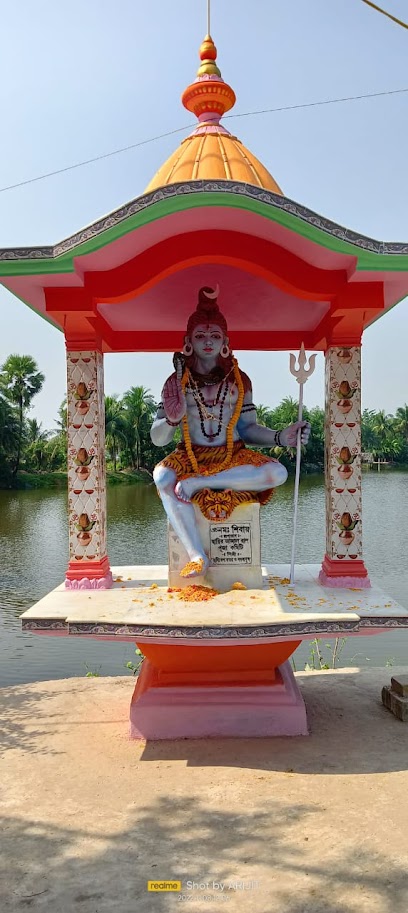
Hiron point trail. Khulna
58.7 km
Discover the untamed beauty of Hiron Point in the Sundarbans, a protected sanctuary teeming with diverse wildlife and offering an immersive experience in the world's largest mangrove forest.
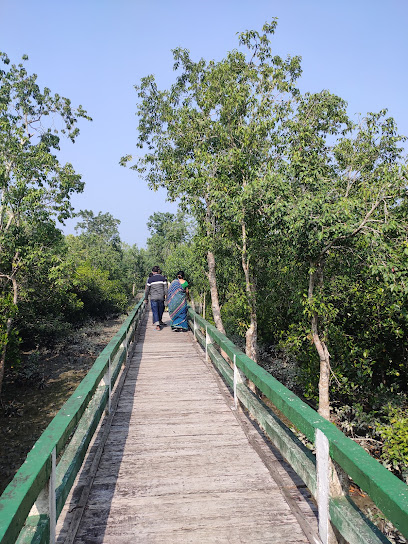
Hiron Point
60.1 km
Explore the serene beauty and rich biodiversity of Hiron Point in the Sundarbans, a must-visit destination for nature and wildlife enthusiasts.
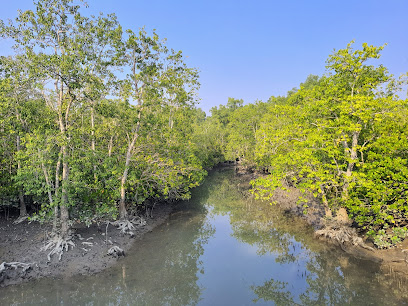
Unmissable attractions to see

Netidhopani Watch Tower
14.8 km
Discover the breathtaking views and rich wildlife at Netidhopani Watch Tower, a must-visit gem in the heart of Sundarbans, West Bengal.
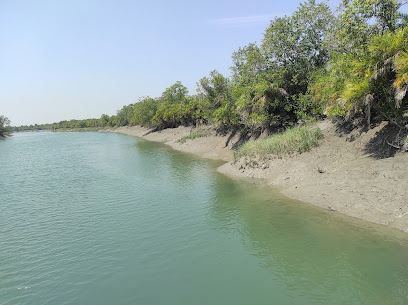
Sundarban Tiger
17.0 km
Explore the enchanting Sundarban Tiger Reserve, a UNESCO World Heritage Site, where the elusive Royal Bengal Tiger roams amidst breathtaking mangroves.
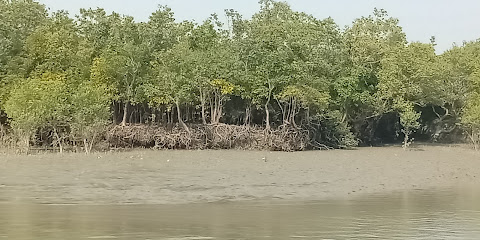
Dobanki Watch Tower
17.7 km
Discover the serene beauty of Dobanki Watch Tower, a birdwatching haven in Sunderbans, West Bengal, where nature and wildlife flourish.
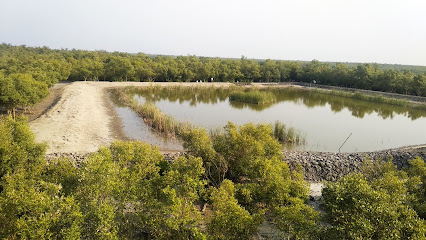
Dobanki Camp
17.8 km
Experience the tranquility and adventure of Dobanki Camp, nestled in the lush landscapes of West Bengal's national forest, perfect for nature lovers and explorers.
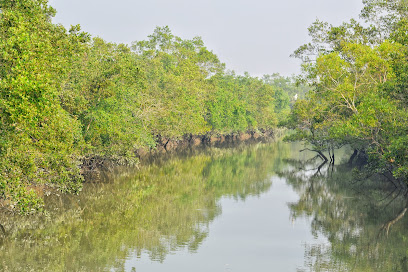
AR Natural place
18.4 km
Discover tranquility at AR Natural Place in West Bengal: lush greenery, serene landscapes, and a refreshing escape for nature lovers and peace seekers.
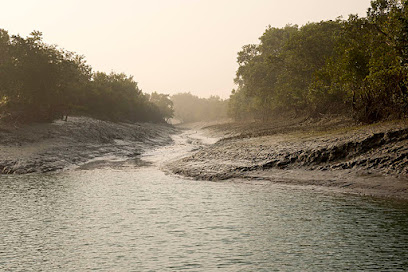
Five River Junction
20.4 km
Witness the breathtaking confluence of five rivers at Five River Junction, a natural wonder nestled in the heart of the Sundarbans.
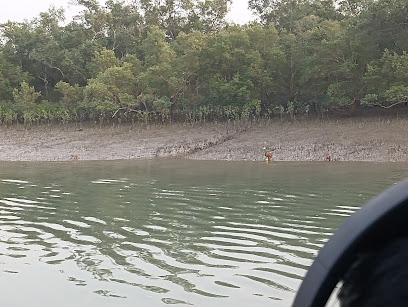
Tiger Leg Island, satkhira, Bangladesh
21.2 km
Escape to Tiger Leg Island: Discover serene beaches, lush mangroves, and unique wildlife in the heart of the Sundarbans, Bangladesh.

Sunderban Wild Nest (A village Resort)
21.2 km
Experience the tranquility and biodiversity of Sunderban at Sunderban Wild Nest, your perfect wildlife refuge and resort hotel destination.
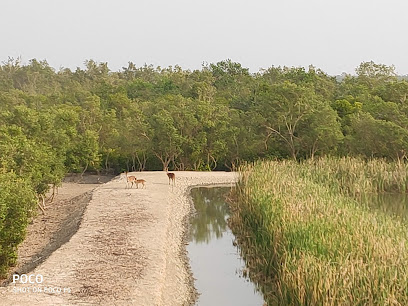
অরণ্য তাবু Forest camp
21.7 km
Discover tranquility and adventure at Aranya Tabu Forest Camp, your gateway to the natural wonders of the Sundarbans.
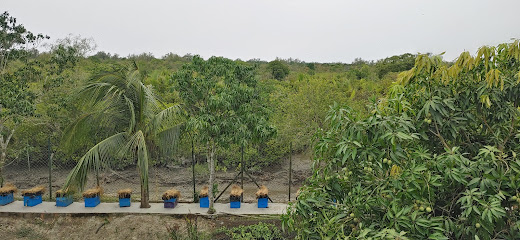
ঝড়খালি থেকে দোঁবাকী ওয়াচ টাওয়ার
22.7 km
Observe the Sundarbans' unique wildlife from an elevated vantage point at Dobanki Watch Tower, a must-visit destination for nature enthusiasts.
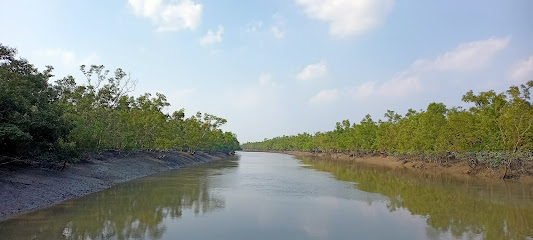
Sundarban Bangladesh Part
23.4 km
Explore the breathtaking Sundarbans in Bangladesh, a UNESCO World Heritage Site renowned for its stunning mangrove forests and diverse wildlife.
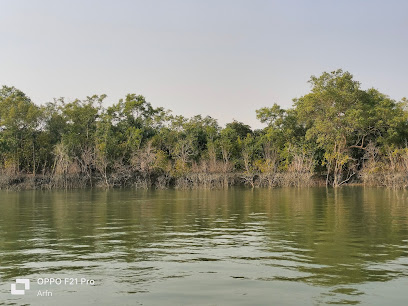
Sundarban Wildlife Tourism
24.8 km
Unveil the beauty of the Sundarbans, a UNESCO World Heritage Site, where the Bengal tiger roams amidst lush mangroves and rich biodiversity.
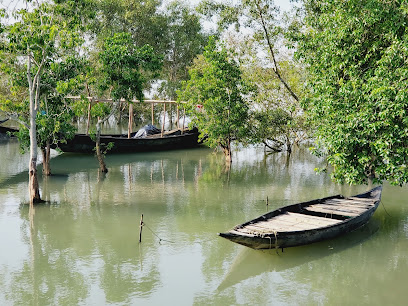
Jharkhali Tourism Hub
25.1 km
Discover the enchanting beauty of Jharkhali Tourism Hub, your gateway to the stunning Sundarbans and a paradise for nature lovers.
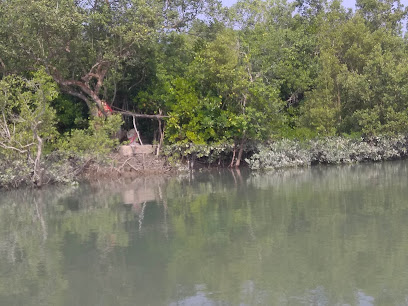
Jhore Jole Jongole - Eco Heritage Resort, Jharkhali, Sunderban
25.3 km
Experience the serenity of nature at Jhore Jole Jongole, an eco-friendly resort in the heart of the Sundarbans, offering luxury, adventure, and cultural immersion.
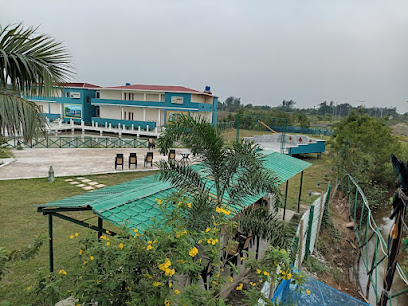
Jharkhali Tiger Rescue Centre
25.4 km
Explore the captivating Jharkhali Tiger Rescue Centre, a sanctuary for tigers and wildlife in West Bengal, promoting conservation and education.
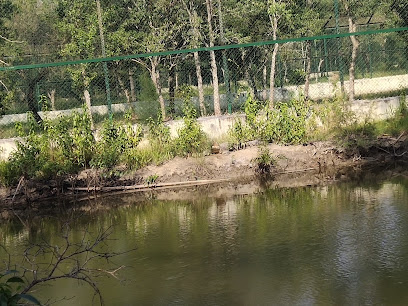
Essential places to dine

Sundarban Residency
22.7 km
Experience tranquility at Sundarban Residency - your gateway to exploring West Bengal's stunning natural beauty and rich wildlife.
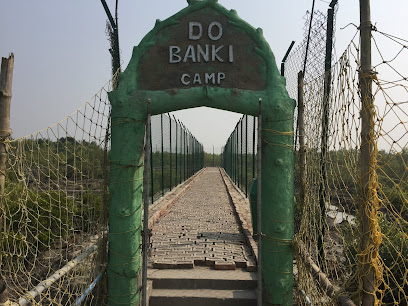
Royal Bengal Resort - Sundarban
27.4 km
Discover tranquility and wildlife at Royal Bengal Resort - Sundarban, your gateway to nature's wonders.

SPOT ON 43674 Apanjan Hotel
28.1 km
Experience comfort and nature's beauty at SPOT ON 43674 Apanjan Hotel in West Bengal's stunning Sundarbans region.
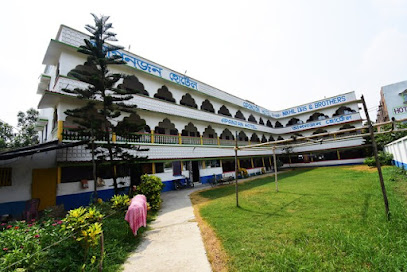
Hotel Sonar Bangla - Sundarban
28.6 km
Experience serene luxury amidst nature at Hotel Sonar Bangla - your gateway to exploring Sundarban's wonders.
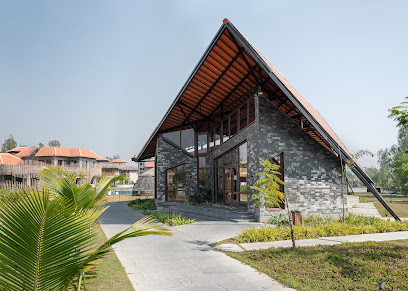
Sundarban Solitary Nook - Best Resort & Hotel
28.7 km
Discover unparalleled tranquility at Sundarban Solitary Nook – your perfect retreat in the enchanting Sundarbans.
Banani Resort
30.6 km
Discover tranquility at Banani Resort - your perfect retreat in West Bengal with exceptional service and scenic surroundings.
Sundarban Dhaba
52.6 km
Discover authentic Bengali cuisine at Sundarban Dhaba in Canning - where every dish tells a story.
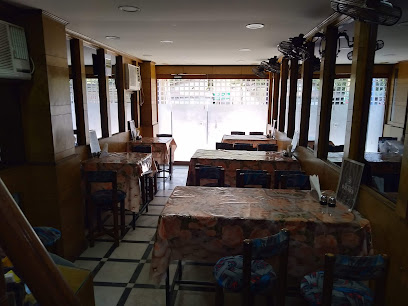
SuNdArBaN FoOdS
54.8 km
Discover SuNdArBaN FoOdS: A Crab Lover's Paradise Offering Authentic Seafood Delights in Nildumur.

Sundarban Hotel & Resturent
70.7 km
Experience authentic Bengali cuisine at Sundarban Hotel & Restaurant, where tradition meets comfort in beautiful Balihati.
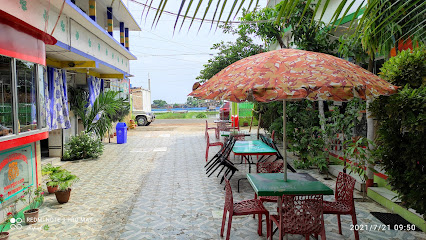
BASANTI Highway Dhaba
70.9 km
Discover authentic Indian flavors at BASANTI Highway Dhaba – your ultimate roadside dining experience in West Bengal.
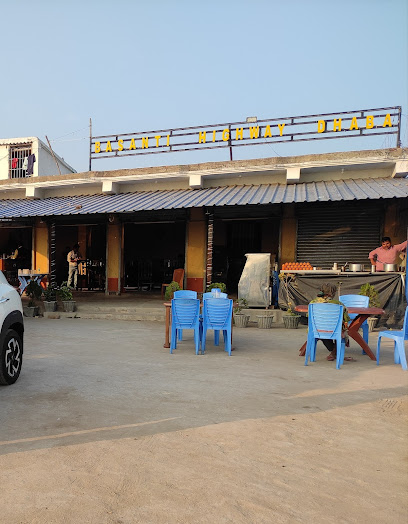
Asma Dhaba
71.2 km
Experience authentic Indian flavors at Asma Dhaba in Baruipur – a culinary haven where tradition meets taste.
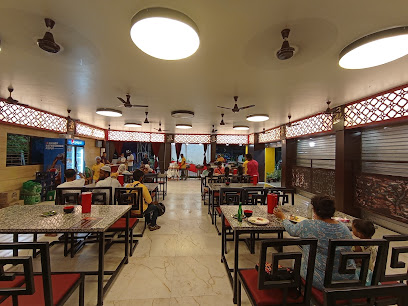
Taste of Sundarban
71.3 km
Discover authentic Bengali flavors at Taste of Sundarban - where every meal tells a story.
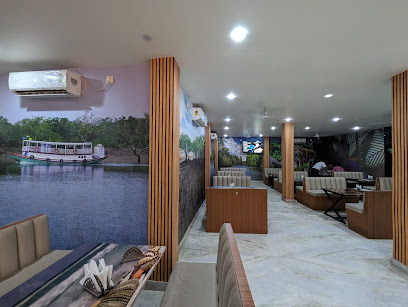
SUNDARBAN Foods ( DHABA)
71.7 km
Experience authentic Bengali cuisine at SUNDARBAN Foods (DHABA), where family-friendly dining meets delicious local flavors in Kakdwip.
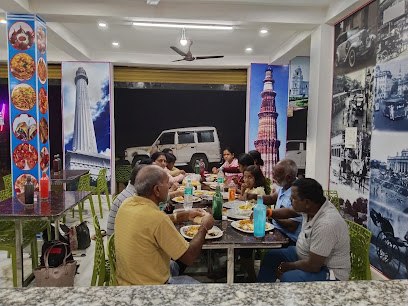
Tongue Love: Restaurant
75.2 km
Experience the authentic taste of India at Tongue Love: Restaurant in West Bengal – where every dish is crafted with love and tradition.
Sand Castles Beach Camp, Mousuni Island
76.6 km
Experience the serene beauty of Mousuni Island at Sand Castles Beach Camp - your perfect seaside escape with cozy accommodations and delightful seafood.
Markets, malls and hidden boutiques

Sunderban Mangrove Retreat
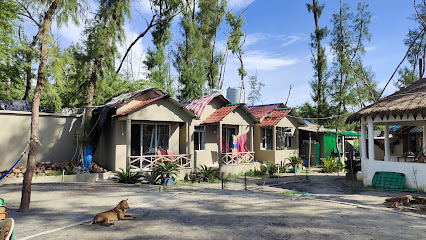
24.9 km
Discover the tranquility of Sunderban Mangrove Retreat, where nature's beauty meets cultural richness in the heart of the world's largest mangrove forest.
Matri Mistanna Bhandar And Electronic's
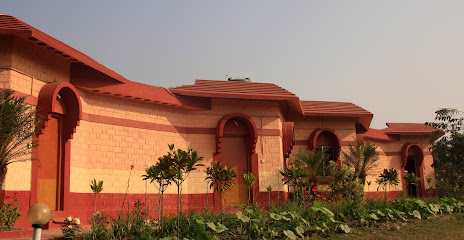
26.6 km
Explore a wide range of electronics at Matri Mistanna Bhandar And Electronic's in Luxbagan, West Bengal, where local culture meets modern technology.

Ashirbad Shoe House
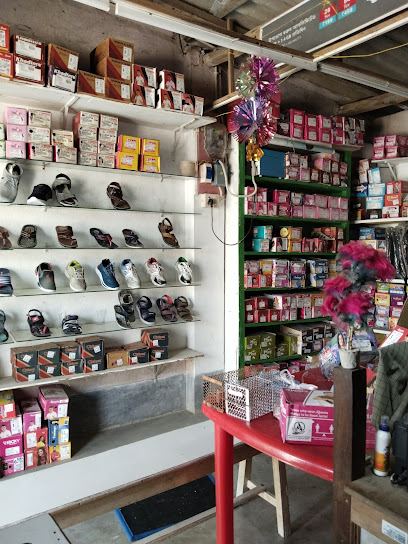
26.7 km
Explore the whimsical Ashirbad Shoe House in West Bengal, a unique shoe store that combines shopping with a delightful architectural experience.
Sundarban Royal Eco Resort
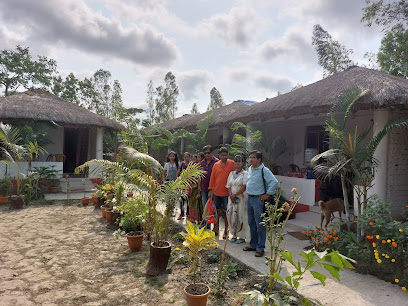
27.7 km
Discover the beauty of the Sundarbans at Sundarban Royal Eco Resort, where nature meets luxury in an unforgettable experience.
Pakhiralay, Tiger More
28.1 km
Discover unique souvenirs and local crafts at Pakhiralay's charming gift shop, a true reflection of West Bengal's artistry.
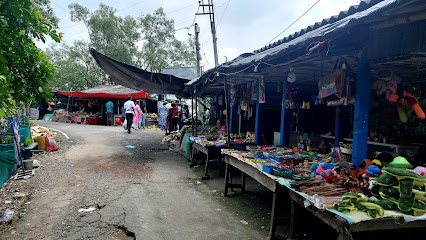
Sundarban Bengal Tourism
28.9 km
Explore the Sundarbans, a UNESCO World Heritage Site, known for its breathtaking mangrove forests and diverse wildlife, including the majestic Royal Bengal Tiger.
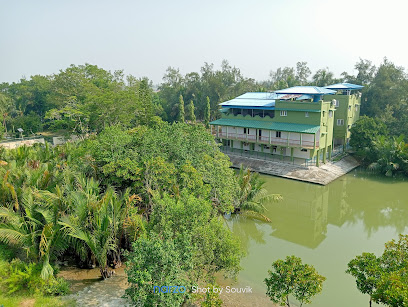
SATJELIA SUN DIRECT CALL CENTER
29.1 km
Explore West Bengal with expert guidance at Satjelia Sun Direct Call Center, your go-to travel agency for unforgettable experiences.
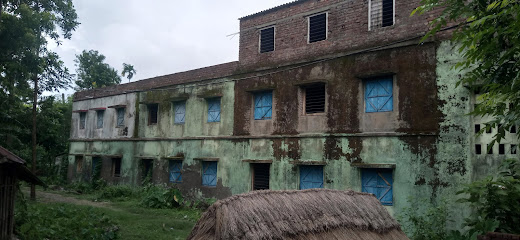
Sundarban Medical Hal
31.6 km
Discover wellness and beauty at Sundarban Medical Hal, where health meets nature in an enchanting setting.
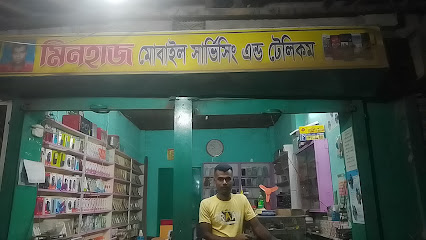
Naskar Farnichar
34.8 km
Explore the charm of West Bengal at Naskar Farnichar, a gift shop filled with unique handicrafts and local treasures, perfect for souvenir shopping.
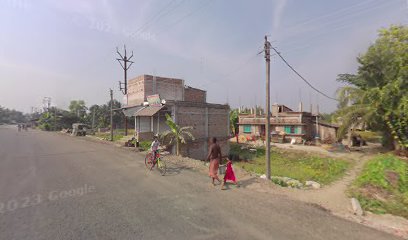
MADHURIMA STUDIO
35.7 km
Explore Madhurima Studio, your go-to electronics store in Kumirmari, West Bengal, offering a wide range of gadgets and friendly service.
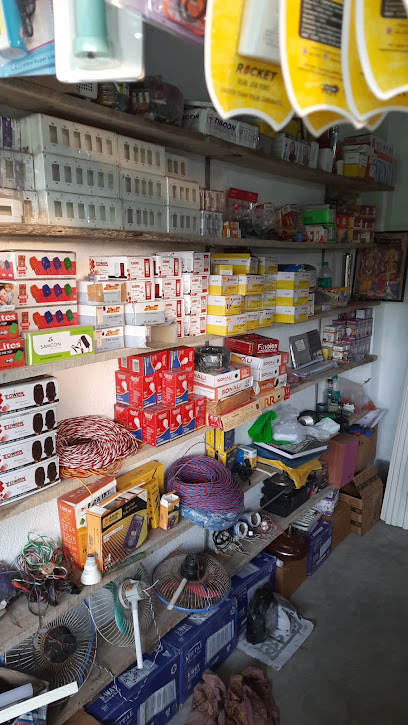
SUJAN STORE
41.7 km
Experience the local charm at SUJAN STORE, your go-to general store in Parghumti for unique finds and authentic West Bengal culture.
Surjo Tesnari Shop
41.7 km
Discover unique handcrafted gifts and local treasures at Surjo Tesnari Shop in Radhanagar Dakshin, West Bengal.
Dino Grocery
42.0 km
Explore the essence of Bangladeshi culture at Dino Grocery, where fresh local produce meets community spirit.
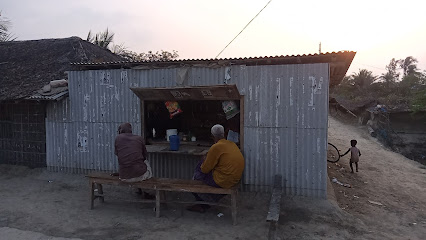
Zubayer Grocery (মল্লু)
42.3 km
Discover the vibrant local culture and flavors at Zubayer Grocery, a must-visit grocery store in Ramjannagar for authentic Bangladeshi products.
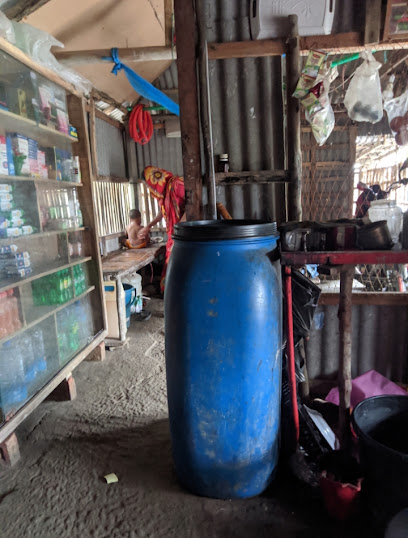
Salman Store
42.5 km
Explore the local flavors at Salman Store, your go-to grocery destination in Bangladesh for fresh produce and authentic snacks.
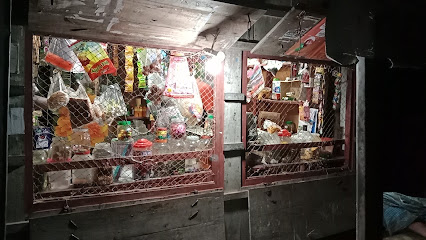
Essential bars & hidden hideouts

Crocodila
28.5 km
Discover the vibrant nightlife at Crocodila, a must-visit bar in Dulki, West Bengal, perfect for tourists seeking fun and relaxation.
ANATH SARDAR
36.1 km
Discover the lively nightlife of Chandipur at Anath Sardar, where refreshing drinks and a vibrant atmosphere await every visitor.
Priyanka Bar
41.1 km
Discover the lively spirit of West Bengal at Priyanka Bar, where locals and tourists unite for a memorable night of drinks and laughter.

SAMANTA RESTAURANT & BAR
42.1 km
Experience the essence of local and global cuisine at Samanta Restaurant & Bar in Uttar Sonakhali, a must-visit culinary destination.
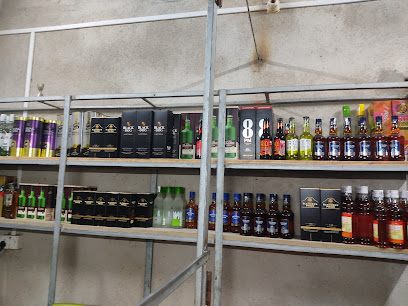
Shambhu sing
42.3 km
Immerse yourself in the vibrant nightlife at Shambhu Sing, a popular bar in Uttar Sonakhali, West Bengal, offering a delightful selection of drinks and great company.
মাসুম উল্লাপাড়া
43.5 km
Discover the lively atmosphere and local flavors at মাসুম উল্লাপাড়া, Gangadharpur's favorite bar for relaxation and socializing.
DURGAPADA (R.C.B) F.L OFF SHOP
44.2 km
Experience the vibrant local culture at Durgapada (R.C.B) F.L Off Shop, a charming bar in Daudpur, West Bengal.
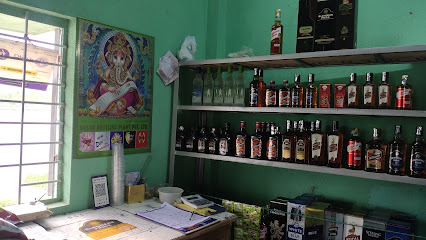
Chunakhali F.L shop & Bar
45.9 km
Discover the vibrant atmosphere and inventive cocktails at Chunakhali F.L. Shop & Bar, the perfect retreat in Bugulakhali, West Bengal.

RAKHI RESTAURANT CUM BAR
46.2 km
Discover the lively atmosphere and exquisite flavors at Rakhi Restaurant cum Bar in Daudpur, West Bengal – a must-visit for all travelers.
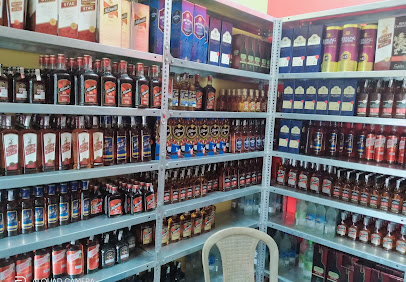
Mask Onn Restaurant Cum Bar
47.9 km
Discover a vibrant culinary experience at Mask Onn Restaurant Cum Bar, where traditional flavors meet modern dining in the heart of West Bengal.
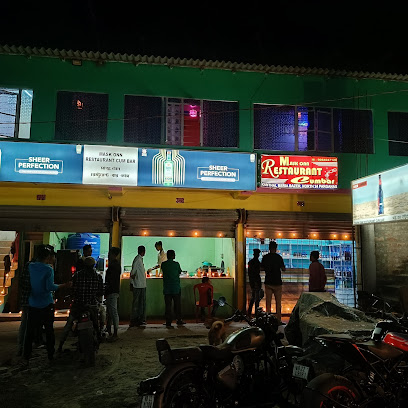
SARDAR RESTAURANT CAM BAR
49.9 km
Experience the vibrant flavors and lively atmosphere at Sardar Restaurant Cam Bar in Gordoani, West Bengal, where local culture meets culinary delight.

J.L Restaurant Cum Bar
50.1 km
Discover the lively atmosphere and local flavors at J.L Restaurant Cum Bar in Hatamari, West Bengal, a must-visit for every traveler.
Md Razab Ali Moral
50.2 km
Discover the vibrant nightlife at Md Razab Ali Moral, a lively bar in Harinagar, offering local drinks and a welcoming ambiance for tourists.
Royal Island Bar Cum Restaurant
52.5 km
Experience the essence of West Bengal's charm at Royal Island Bar Cum Restaurant, where local flavors meet a serene ambiance.
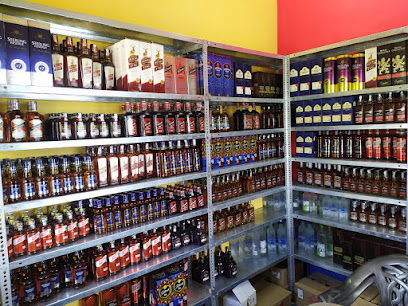
J.L.RESTAURANT
52.9 km
Experience local culture and vibrant nightlife at J.L.RESTAURANT, the ideal bar for tourists in Taltala, West Bengal.