
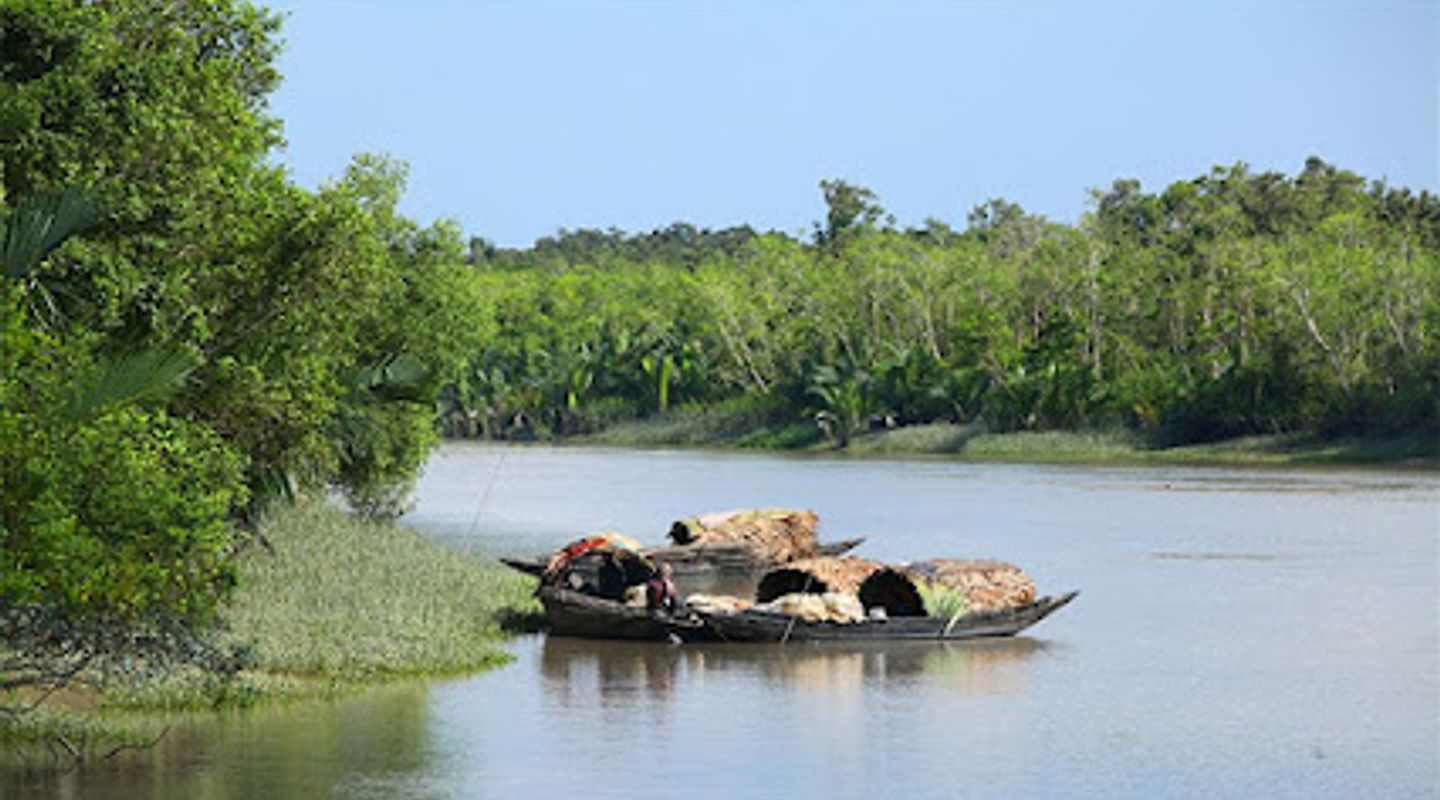
Sundarban, Sundarbans Travel Guide
Explore Sundarban: A biodiverse mangrove forest, home to the Royal Bengal Tiger and a UNESCO World Heritage Site.
Sundarban, meaning 'beautiful forest,' is the world's largest mangrove ecosystem, a UNESCO World Heritage site shared between Bangladesh and India. This unique area teems with diverse flora and fauna, including the iconic Royal Bengal tiger, making it a must-visit for nature enthusiasts.
A brief summary to Sundarban
- Mongla, BD
- Click to display

Know before you go
Hi, I'm Eve. Here are a few practical things to know before exploring Sundarban.
- The best time to visit is between November and March for pleasant weather and optimal wildlife viewing opportunities.
- Obtain necessary permits and permissions from the Forest Department before entering the forest areas.
- Hire a local, certified guide to enhance your experience and ensure safety while exploring the Sundarban.
- Respect the environment by avoiding single-use plastics and properly disposing of waste.
- Carry insect repellent, sunscreen, and appropriate clothing for protection against insects and the sun.
Do you manage this location?
Take control to get all the benefits, like improved information, better appearance, and stronger visibility across AI-powered discovery. Learn more about listing your business on Evendo
Activate your presenceOther nearby places you may find interesting
The closest places of the same kind, if this one is not quite what you had in mind.

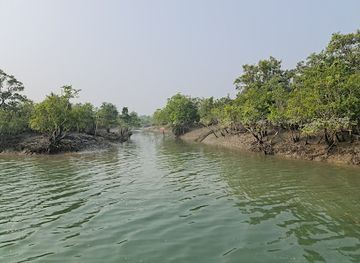
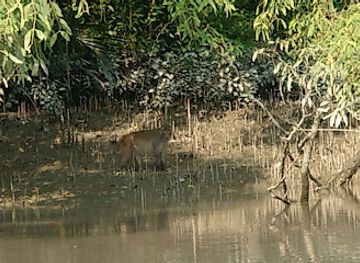
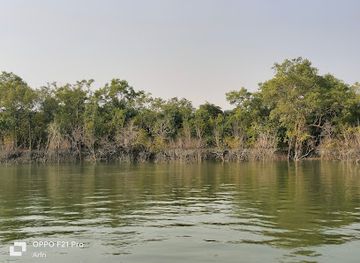
Explore Sundarban on the Map
A handpicked selection of must-see spots near Sundarban, mapped for you.
Getting There
-
Train & Boat
To reach Sundarban from Kolkata, begin by taking a local train from Sealdah Railway Station to Canning. Trains are frequent, and the journey takes approximately 1.5 to 2 hours. From Canning, hire a shared auto-rickshaw or private taxi to Godkhali, which is the gateway to Sundarban. The auto-rickshaw ride takes about 45 minutes to 1 hour. At Godkhali, board a boat to your desired destination within the Sundarban, such as Sajnekhali or Pakhiralay. Boat rides typically last 1-2 hours depending on the destination. Costs: * Train fare (Sealdah to Canning): INR 30-50 * Shared auto-rickshaw (Canning to Godkhali): INR 40-60 * Private taxi (Canning to Godkhali): INR 500-700 * Shared boat (Godkhali to Sajnekhali/Pakhiralay): INR 200-500 per person * Private boat (Godkhali to Sajnekhali/Pakhiralay): INR 2000-4000
-
Bus & Boat
Alternatively, you can take a bus from Esplanade Bus Terminus in Kolkata to Basanti. The bus journey takes around 3-4 hours. From Basanti, hire a shared auto or local transport to Godkhali, which takes another 30-45 minutes. At Godkhali, board a boat to your desired destination within the Sundarban, such as Sajnekhali or Pakhiralay. Boat rides typically last 1-2 hours depending on the destination. Costs: * Bus fare (Kolkata to Basanti): INR 70-100 * Shared auto (Basanti to Godkhali): INR 20-30 * Shared boat (Godkhali to Sajnekhali/Pakhiralay): INR 200-500 per person * Private boat (Godkhali to Sajnekhali/Pakhiralay): INR 2000-4000
Discover more about Sundarban













Your all‑in‑one travel companion app
Explore expert travel guides, compare and book tours, experiences, hotels, and more—all from the palm of your hand. Download now for seamless trip planning wherever your wanderlust takes you.


Explore More of Sundarbans
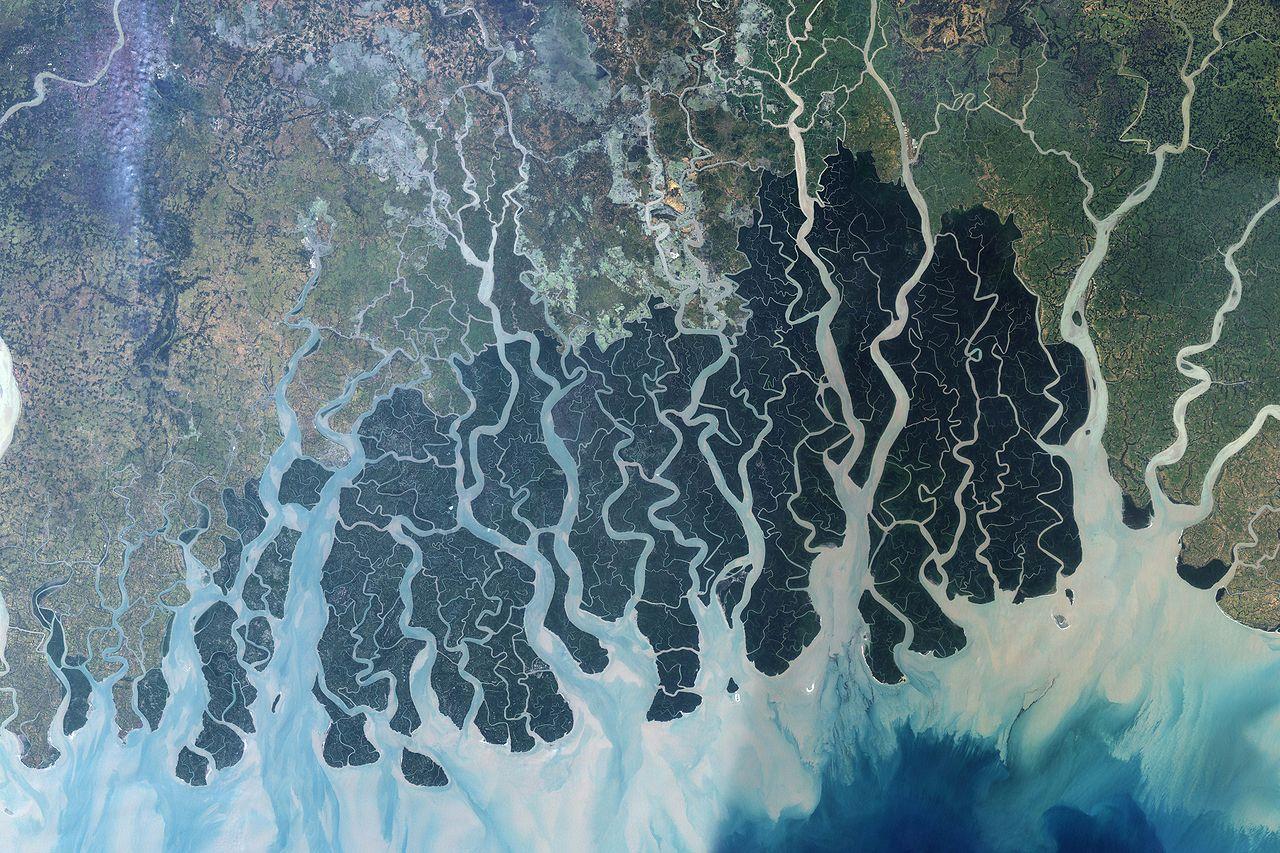
Looking beyond Sundarban? Discover Sundarbans for broader travel guides, local hot-spots, and regional highlights.
Explore Sundarbans
Experience the vibrant heart of Khulna at Gollamari More, a bustling town square where culture, commerce, and history converge, offering a taste of authentic Bangladeshi life.
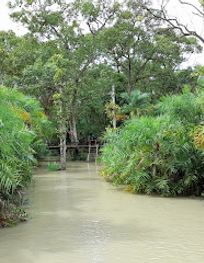
Explore Karamjal in the Sundarbans: A haven for wildlife and a gateway to the world's largest mangrove forest.
