

Sundarbans, Bangladesh Travel Guide
Experience the Sundarbans, the world's largest mangrove forest, teeming with wildlife, including the elusive Bengal tiger. An unmissable natural wonder in Bangladesh.
The Sundarbans, located in southwestern Bangladesh, is the world's largest mangrove forest and a UNESCO World Heritage Site. This mesmerizing delta is formed by the confluence of the Ganges, Brahmaputra, and Meghna rivers. Renowned for its rich biodiversity, the Sundarbans is home to the majestic Bengal tiger, as well as a plethora of rare and endangered species. As you venture into this unique ecosystem, you'll be captivated by the intricate network of tidal waterways, mudflats, and small islands covered with dense mangrove forests. The Sundarbans offers an unparalleled opportunity for wildlife enthusiasts and nature lovers to observe the varied flora and fauna in their natural habitat. The forest is also a haven for birdwatchers, with over 300 bird species, including the masked finfoot and the mangrove pitta. Exploring the Sundarbans by boat is a must, as it allows you to navigate the labyrinthine waterways and experience the tranquility of this untouched wilderness. The best time to visit is between November and March, when the weather is cooler and the chances of spotting wildlife are higher. Don't miss the chance to visit the Sundarbans National Park, where you can embark on guided tours, visit watchtowers, and learn about conservation efforts aimed at protecting this fragile ecosystem.

Know before you go
Hi, I'm Eve. Here are a few practical things to know before exploring Sundarbans.
- Hire a local guide to enhance your wildlife spotting experience and gain deeper insights into the Sundarbans' ecosystem.
- Wear light, long-sleeve clothing and bring insect repellent to protect yourself from mosquitoes and other insects.
- Carry binoculars for birdwatching and a good camera to capture the stunning landscapes and wildlife.
- Plan your visit between November and March for the best weather and higher chances of seeing wildlife.
- Respect the local environment and follow all guidelines to ensure the conservation of this precious ecosystem.
Destinations in Sundarbans
Resorts, valleys and scenic spots worth a trip of their own.

Explore Sundarbans: Things to Do, Places to Eat, Hotels & More
Handpicked recommendations for top attractions, local dining, accommodations, and more

Top Attractions & Sightseeing in Sundarbans
Top-rated picks
Best Attractions

Taki Golpata Forest
Explore the serene beauty of Taki Golpata Forest, a nature preserve in West Bengal, where lush greenery meets vibrant wildlife for a perfect escape.

Mausoleum of Bangabandhu Sheikh Mujibur Rahman
Visit the Mausoleum of Bangabandhu Sheikh Mujibur Rahman in Tungipara, a place of national significance and remembrance in Bangladesh.

Sajnekhali Watch Tower
Explore the Sundarbans from above: panoramic views, diverse wildlife, and mangrove insights await at Sajnekhali Watch Tower.

Sundarban national forest
Explore the world's largest mangrove forest, home to the Royal Bengal tiger, in the heart of the Ganges Delta.

Best landmarks in Sundarbans
Top-rated picks
Best Landmarks

Sundarban Mangrove Forest
Explore the Sundarban Mangrove Forest, home to the Royal Bengal Tiger, a UNESCO World Heritage Site offering unparalleled biodiversity and thrilling wilderness adventures.
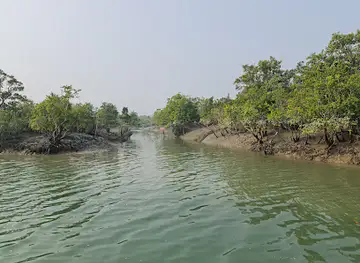
Sundarban National Park (West Bengal)
Explore the Sundarban National Park, a UNESCO World Heritage Site and the world's largest mangrove forest, home to the Royal Bengal tiger and a unique ecosystem waiting to be discovered.
The Sundarbans (Bangladesh)
Explore the Sundarbans, the world's largest mangrove forest, home to the Royal Bengal tiger and a UNESCO World Heritage Site, offering unparalleled natural beauty.

Sundarban
Explore Sundarban: A biodiverse mangrove forest, home to the Royal Bengal Tiger and a UNESCO World Heritage Site.

Best restaurants in Sundarbans
Top-rated picks
Best Restaurants

Ozz Cafe
Discover Ozz Cafe in Dhaka: A delightful blend of local flavors and international cuisine in a warm, inviting atmosphere.

Dhaka Regency Hotel & Resort
Discover unparalleled luxury and exceptional service at Dhaka Regency Hotel & Resort - your perfect escape in Bangladesh's vibrant capital.

Fish & Co. Bangladesh
Experience exquisite seafood dining at Fish & Co. Bangladesh – where fresh flavors meet warm hospitality in Dhaka's vibrant Gulshan area.

Jatra Biroti
Experience authentic Bengali cuisine at Jatra Biroti in Dhaka—where tradition meets flavor in an inviting atmosphere.

Best bars in Sundarbans
Top-rated picks
Best Bars

Chalet Restaurant & Bar
Discover the flavors of Dhaka at Chalet Restaurant & Bar, where local meets international in a cozy atmosphere perfect for any occasion.

Sakura Restaurant & Bar
Discover the lively Sakura Restaurant & Bar in Dhaka, where delicious cuisine meets a vibrant atmosphere for an unforgettable dining experience.

La Diplomat Restaurant & Bar
Discover the culinary delights of La Diplomat Restaurant & Bar, a premier dining experience in Dhaka's vibrant Gulshan district, perfect for all tourists.

Golden Dragon Bar
Discover the vibrant nightlife of Dhaka at Golden Dragon Bar, where culture meets craft cocktails in a lively atmosphere.

Best nightclubs in Sundarbans
Top-rated picks
Best Nightclubs

The Sundarbans (Bangladesh)
Explore the breathtaking beauty of The Sundarbans, a UNESCO World Heritage Site, home to diverse wildlife and stunning mangrove landscapes.

Bluemoon Recreation Club
Discover the vibrant atmosphere of Bluemoon Recreation Club, the perfect blend of dining, fitness, and socializing in Dhaka.

SKYe Lounge Bar
SKYe Lounge Bar: A chic escape in Dhaka, blending modern vibes with local flavors for an unforgettable nightlife experience.

Hotel Sonar Bangla - Sundarban
Discover the tranquil beauty of Sundarban while enjoying a comfortable stay at Hotel Sonar Bangla, your gateway to adventure and relaxation.

Best shops in Sundarbans
Top-rated picks
Best Shops

The Sundarbans (Bangladesh)
Discover the breathtaking Sundarbans, a UNESCO World Heritage Site, where the majestic Bengal tiger roams and nature thrives in harmony.

Karamjal
Explore Karamjal: A serene ecological park in the Sundarbans, rich in biodiversity and natural beauty, perfect for wildlife enthusiasts and nature lovers.

Hiron Point
Explore Hiron Point, a breathtaking natural wonder in the Sundarbans, where wildlife encounters and stunning landscapes await every traveler.

Iraboti Eco Resort & Research Center Limited
Experience nature's tranquility and learn about sustainable practices at Iraboti Eco Resort & Research Center in Dacope, Bangladesh.

Explore Sundarbans on the Map
A handpicked selection of must-see spots in Sundarbans, mapped for you.
Sundarbans Essentials
-
To reach the Sundarbans, the nearest international airport is Hazrat Shahjalal International Airport (DAC) in Dhaka, Bangladesh. From Dhaka, you can take a domestic flight to Jessore Airport (JSR), which is the nearest airport to the Sundarbans. From Jessore, you can hire a taxi or take a bus to Khulna, which is the gateway to the Sundarbans. Alternatively, you can take a direct train from Dhaka to Khulna. From Khulna, you can join a guided tour or hire a boat to explore the Sundarbans.
-
Within the Sundarbans, transportation is primarily by boat, as the region is a network of rivers, estuaries, and mangrove forests. Guided boat tours are available and are the best way to explore the area. For local travel in nearby cities such as Khulna, you can use rickshaws, auto-rickshaws, and taxis. Public buses and trains also operate between major cities and towns.
-
The official currency in Bangladesh is the Bangladeshi Taka (BDT). Major hotels and restaurants in cities like Khulna accept credit cards, but it is advisable to carry cash, especially when traveling to remote areas like the Sundarbans. ATMs are available in larger towns, but it's wise to withdraw sufficient cash before heading into the Sundarbans.
-
The Sundarbans is generally a safe destination for tourists, but standard safety precautions should be taken. Avoid traveling alone at night and be cautious of your surroundings. Petty theft can occur, so keep an eye on your belongings. There are no specific high-crime areas targeting tourists in the Sundarbans, but staying vigilant is always recommended. Additionally, be aware of wildlife hazards, such as tigers and crocodiles, and always follow the guidance of your tour guide.
-
In case of an emergency, dial 999 for immediate assistance. Medical facilities in the Sundarbans are limited, so it is essential to have travel insurance that covers medical emergencies. For minor health issues, carry a basic first aid kit and necessary medications. In larger towns like Khulna, there are hospitals and pharmacies available. Always inform your tour guide of any emergencies, as they can provide immediate assistance and contact local authorities.
-
Fashion: Do dress modestly; long sleeves, long pants, and conservative attire are recommended, especially in rural areas. Avoid wearing revealing clothing. Religion: Do respect local religious customs. Remove your shoes when entering religious sites and dress conservatively. Public Transport: Do be respectful to fellow passengers. Avoid eating or drinking on public transport. Greetings: Do greet people with a smile and a slight bow of the head. A handshake is common among men, but not always between men and women. Eating & Drinking: Do try local cuisine and accept food offerings graciously. Don't refuse hospitality, as it is considered impolite.
-
To experience the Sundarbans like a local, take a walk in the local markets in Khulna to buy fresh produce and traditional Bangladeshi goods. Engage with locals; they are often friendly and willing to share stories about their culture and way of life. Don't miss the chance to witness traditional fishing methods and visit local villages to learn about their unique lifestyle. Enjoy a local boat ride to explore the hidden gems of the Sundarbans and try traditional Bangladeshi dishes like fresh fish curry and pithas (rice cakes).
When is the best time to visit Sundarbans?
Useful Local Phrases for Sundarbans
You don't need to speak the language perfectly. Even learning a few simple words can make conversations warmer—and locals usually appreciate the effort.
— Eve

Here are the phrases I use most often in Sundarbans. Try a few—you'll be surprised how far they go! 😊
❤️
-
- Helloহ্যালো
[Hælo] - Goodbyeবিদায়
[Bidāẏ] - Yesহ্যাঁ
[Hyā̃] - Noনা
[Nā] - Please/You're welcomeদয়া করে/স্বাগতম
[Daya kare/Swāgatam] - Thank youধন্যবাদ
[Dhonnobād] - Excuse me/Sorryমাফ করবেন/দুঃখিত
[Māph korben/Duḥkhito] - How are you?আপনি কেমন আছেন?
[Āpni kemon āchhen?] - Fine. And you?ভালো। আপনি?
[Bhālō. Āpni?] - Do you speak English?আপনি কি ইংরেজি বলেন?
[Āpni ki iṅrēji balen?] - I don't understandআমি বুঝতে পারছি না
[Āmi bujhte pārchi nā]
- Helloহ্যালো
-
- I'd like to see the menu, pleaseদয়া করে মেনু দেখাবেন
[Daya kare menu dekhāben] - I don't eat meatআমি মাংস খাই না
[Āmi māṅs khāi nā] - Cheers!সালাম!
[Sālām!] - I would like to pay, pleaseদয়া করে আমি টাকা দিতে চাই
[Daya kare āmi ṭākā dite chāi]
- I'd like to see the menu, pleaseদয়া করে মেনু দেখাবেন
-
- Help!সাহায্য করুন!
[Sāhāyya karun!] - Go away!দূরে যাও!
[Dūre jāo!] - Call the Police!পুলিশ ডাকুন!
[Puliś dākun!] - Call a doctor!ডাক্তার ডাকুন!
[Ḍāktār dākun!] - I'm lostআমি হারিয়ে গেছি
[Āmi hāriẏē gēchi] - I'm illআমি অসুস্থ
[Āmi asuṣṭha]
- Help!সাহায্য করুন!
-
- I'd like to buy...আমি কিনতে চাই...
[Āmi kinte chāi...] - I'm just lookingআমি শুধু দেখছি
[Āmi sudhu dekhchhi] - How much is it?এটার দাম কত?
[Ēṭār dām kôtô?] - That's too expensiveএটা খুব দামি
[Ēṭā khub dāmi] - Can you lower the price?আপনি কি দাম কমাতে পারেন?
[Āpni ki dām kamāte pārēn?]
- I'd like to buy...আমি কিনতে চাই...
-
- What time is it?এখন কতো বাজে?
[Ēkhon kôtô bāje?] - It's one o'clockএখন একটা বাজে
[Ēkhon ēkṭā bāje] - Half past (10)দশটা সাড়ে
[Dôṣṭā sāṛē] - Morningসকাল
[Sakal] - Afternoonবিকেল
[Bikel] - Eveningসন্ধ্যা
[Sandhyā] - Yesterdayগতকাল
[Gatakāl] - Todayআজ
[Āj] - Tomorrowকাল
[Kāl] - 1১
[1] - 2২
[2] - 3৩
[3] - 4৪
[4] - 5৫
[5] - 6৬
[6] - 7৭
[7] - 8৮
[8] - 9৯
[9] - 10১০
[10]
- What time is it?এখন কতো বাজে?
-
- Where's a/the...?কোথায় একটি...?
[Kothāẏ ēkaṭi...?] - What's the address?ঠিকানা কী?
[Ṭhikānā kī?] - Can you show me (on the map)?আপনি কি আমাকে দেখাতে পারেন (মানচিত্রে)?
[Āpni ki āmākē dekhāte pārēn (mānchitrē)?] - When's the next (bus)?পরের (বাস) কখন?
[Porēr (bās) kôkhôn?] - A ticket (to ....)একটি টিকিট (যাতে ...)
[Ēkaṭi ṭikiṭ (jātē ...)]
- Where's a/the...?কোথায় একটি...?
History of Sundarbans
-
The Sundarbans, named after the Sundari trees that dominate the region, is a vast mangrove forest located at the delta of the Ganges, Brahmaputra, and Meghna rivers. Over millennia, sediment deposits from these rivers have created the world's largest tidal halophytic mangrove forest.
-
Archaeological evidence suggests that the Sundarbans have been inhabited since ancient times. Early settlers utilized the forest resources for sustenance and trade, establishing small communities and engaging in fishing, honey collection, and wood harvesting.
-
During the Mughal period (16th to 18th centuries), the Sundarbans were known for their strategic and economic importance. The Mughals recognized the value of the forest's resources and established administrative controls to manage and tax the natural bounty, including timber and honey.
-
With the advent of British colonial rule in the 18th century, the Sundarbans saw significant changes. The British introduced systematic forestry practices and began commercial exploitation of timber. They also established several revenue collection points and an extensive network of canals to aid navigation and resource extraction.
-
Following the independence of Bangladesh in 1971, the Sundarbans became a focal point for conservation efforts. Recognizing its ecological importance, the government, along with international organizations, implemented various measures to protect the unique biodiversity of the region, including the establishment of the Sundarbans Reserve Forest and designating parts of it as UNESCO World Heritage Sites in 1997.
-
The Sundarbans hold a vital place in the cultural fabric of Bangladesh. The forest is home to numerous folklore and legends, including stories of Bonbibi, the guardian deity of the forest, worshipped by both Hindu and Muslim communities. Traditional livelihoods such as fishing, honey collection, and crab fishing are still prevalent, reflecting the deep connection between the inhabitants and their environment.
-
In recent decades, the Sundarbans have faced numerous challenges, including climate change, rising sea levels, and cyclones. These threats have prompted increased attention towards sustainable development and disaster management practices to safeguard both the natural environment and the livelihoods of the local population.
Neighbouring Regions of Sundarbans
The closest regions to Sundarbans, if you have time for more than one.



Your all‑in‑one travel companion app
Explore expert travel guides, compare and book tours, experiences, hotels, and more—all from the palm of your hand. Download now for seamless trip planning wherever your wanderlust takes you.


Explore More of Bangladesh

Looking beyond Sundarbans? Discover Bangladesh for broader travel guides, local hot-spots, and regional highlights.
Explore BangladeshSundarbans in Photos
Browse through our photo collection highlighting the charm and character of the destination.


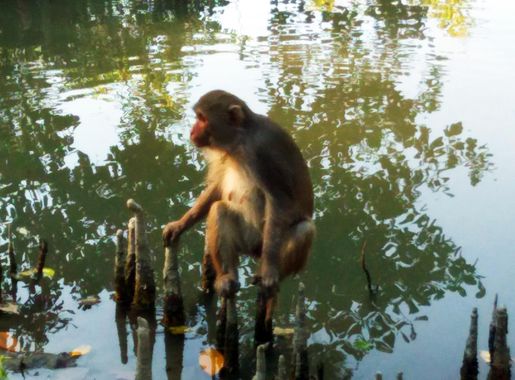

The Enchanting Sundarbans: A Symphony of Nature
The Sundarbans, located in southwestern Bangladesh, is the world's largest mangrove forest and a UNESCO World Heritage Site. This mesmerizing delta is formed by the confluence of the Ganges, Brahmaputra, and Meghna rivers. Renowned for its rich biodiversity, the Sundarbans is home to the majestic Bengal tiger, as well as a plethora of rare and endangered species. As you venture into this unique ecosystem, you'll be captivated by the intricate network of tidal waterways, mudflats, and small islands covered with dense mangrove forests. The Sundarbans offers an unparalleled opportunity for wildlife enthusiasts and nature lovers to observe the varied flora and fauna in their natural habitat. The forest is also a haven for birdwatchers, with over 300 bird species, including the masked finfoot and the mangrove pitta. Exploring the Sundarbans by boat is a must, as it allows you to navigate the labyrinthine waterways and experience the tranquility of this untouched wilderness. The best time to visit is between November and March, when the weather is cooler and the chances of spotting wildlife are higher. Don't miss the chance to visit the Sundarbans National Park, where you can embark on guided tours, visit watchtowers, and learn about conservation efforts aimed at protecting this fragile ecosystem.