Background

Step Back in Time at Springvale Eco-Heritage Museum

Discover Barbados's cultural roots and natural beauty at Springvale Eco-Heritage Museum, a captivating journey through history and ecology in the heart of the island's tranquil countryside.

3.5

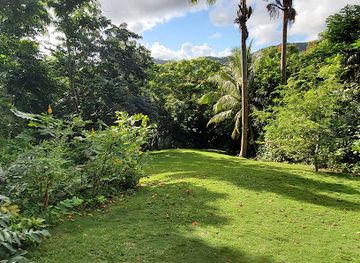
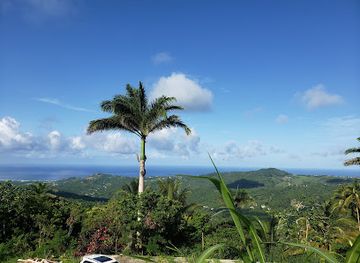
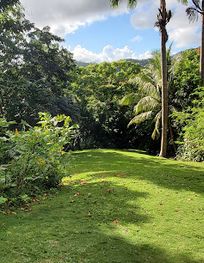
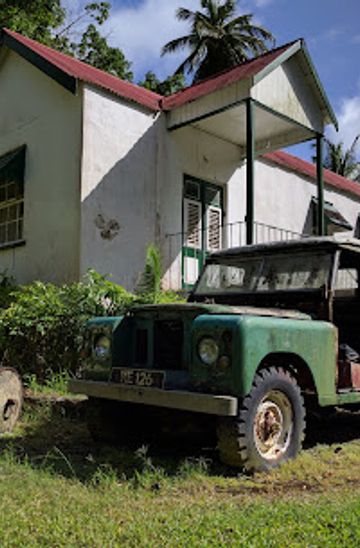
Springvale Eco-Heritage Museum, a hidden gem in the heart of Saint Thomas, Barbados, offers visitors a unique and immersive journey into the island's past and its commitment to ecological preservation. This remarkable attraction seamlessly blends the elements of a traditional museum with the principles of eco-tourism, providing an engaging and informative experience for history buffs and nature enthusiasts alike. Stepping into Springvale is like stepping back in time. The museum is housed on the grounds of a former 200-acre sugar plantation, offering a glimpse into Barbadian life between Emancipation and the 1930s. The museum's exhibits showcase the ingenuity and resourcefulness of the people of the Scotland District, highlighting their traditional methods of survival and their deep connection to the land. Inside the museum, visitors can explore a fascinating collection of artifacts that bring the past to life. Antique furniture, old-time cooking utensils, and household tools are thoughtfully displayed, offering a glimpse into the daily lives of Barbadians in a bygone era. Imagine the washerwomen, sleeves rolled up, scrubbing clothes on the 'juking board,' or the homeowner proudly displaying his mahogany furniture, a symbol of wealth and status. The museum is owned and operated by Mr. Newlands Greenidge, whose passion for Barbadian history and culture is infectious. He shares captivating stories of his boyhood days in the area, offering insights into the traditions and customs of the past. His knowledge and enthusiasm bring the exhibits to life, making the museum experience both educational and entertaining. Beyond the museum's walls, a lush tropical forest awaits. A nature trail winds through the grounds, revealing a diverse array of local fruit trees, vegetables, and medicinal herbs. Visitors can stroll along the trail, taking in the sights and scents of the Caribbean landscape, and discover the natural remedies that were once used by Barbadians to heal and sustain themselves. The trail leads to a small stream, shaded by bamboo, offering a tranquil spot for reflection and relaxation. The sounds of nature fill the air, creating a peaceful oasis away from the hustle and bustle of modern life. The eco aspect of the museum highlights the importance of preserving Barbados's natural heritage for future generations. Springvale Eco-Heritage Museum is more than just a collection of artifacts; it's a living testament to Barbadian culture and history. It's a place where visitors can connect with the past, learn about the traditions of the island, and appreciate the beauty of its natural environment. The museum's commitment to sustainability and eco-tourism makes it a unique and valuable asset to the Barbadian community. Located in close proximity to other popular attractions such as Harrison's Cave, Welchman Hall Gully, and Flower Forest Botanical Gardens, Springvale Eco-Heritage Museum can be easily incorporated into a day of sightseeing. Whether you're a history enthusiast, a nature lover, or simply looking for a unique and enriching experience, Springvale Eco-Heritage Museum is sure to leave a lasting impression. The museum also touches on the history of manjak mining in Barbados. Manjak, a naturally occurring bitumen, was once mined in the Scotland District, including Springvale Plantation. Exhibits display preserved samples and recount the story of this forgotten industry, adding another layer to the museum's rich historical narrative. Springvale Eco-Heritage Museum offers workshops and educational programs that engage visitors of all ages, making it an excellent stop for families. The knowledgeable staff is always ready to share stories and insights that enhance your visit, making it a memorable part of your Barbadian adventure. Visiting Springvale Eco-Heritage Museum is an opportunity to support a local initiative that is dedicated to preserving and promoting Barbadian culture and heritage. It's a chance to learn about the island's past, connect with its people, and appreciate the beauty of its natural environment. A visit to Springvale is an enriching experience that will stay with you long after you leave.

Local tips

  • Combine your visit with nearby attractions like Harrison's Cave, Welchman Hall Gully, and Flower Forest for a full day of exploring Barbados's natural wonders.
  • Engage with the museum owner, Mr. Newlands Greenidge, to hear captivating stories and gain deeper insights into Barbadian history and culture.
  • Wear comfortable shoes for the nature trail, which meanders through lush tropical forest and can be uneven in places.
widget icon

Buy tickets

    No tickets available

Book tours with entry

    No tours available

Book tours without entry

    No tours available

A brief summary to Springvale eco-heritage museum

Getting There

  • Driving

    From Harrison's Cave, exit the parking area and turn left onto the main road. Drive east on the A1 highway. Look for signs directing you to Highway 2. Merge onto Highway 2 and continue driving. The Springvale Eco-Heritage Museum will be on your right, just past the junction with the A1 road. Parking is available nearby.

  • Public Transport

    From Harrison's Cave, walk to the nearest bus stop located on the A1 highway. Take a bus heading towards Bridgetown. You will need to transfer at the main bus terminal in Bridgetown. From there, catch a bus that goes to Highway 2, Saint Thomas. Once you reach Highway 2, ask the driver to drop you off near the Springvale eco-heritage museum. It should be a short walk from the bus stop to the museum. A single bus fare is approximately $3.50 BBD.

Popular Experiences near Springvale eco-heritage museum

Popular Hotels near Springvale eco-heritage museum

Select Currency