

Crane Beach Travel Guide - Free Web & App
Your ultimate guide to Crane Beach. Discover top landmarks, proposed trips, and local tips. Free on the web or via the Evendo companion app.


Crane Beach, Barbados, pairs rose-gold sand, dramatic coral cliffs and Atlantic views with swimming, coastal walks and easy access to island heritage nearby.
Coastline and Character
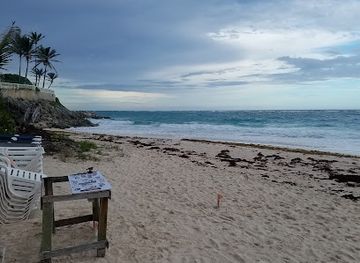
Crane Beach lies on Barbados’ southeastern coast, below a line of pale coral cliffs near the village of Crane. Its broad crescent of sand has a subtle rose-gold tone, while the open Atlantic gives the shoreline a wilder character than the calmer west and south coasts. The beach is associated with The Crane Resort, whose grounds occupy the clifftop above it, but the coast itself remains the defining attraction: wide sand, sea views, rock ledges and a powerful sense of the island’s exposed eastern frontage. Surf conditions can change, and the water is not consistently placid, so swimming requires attention to local advice and the day’s sea state.Read more about Crane Beach
Landscape and Nearby Places
Heritage and Visitor Experience
When is the best time to visit Crane Beach?
Best: March–May · 27–29°C| Month | High (°C) | Rainfall (mm) |
|---|---|---|
| January | 28 | 75 |
| February | 27 | 65 |
| March (best) | 27 | 55 |
| April (best) | 28 | 45 |
| May (best) | 29 | 35 |
| June | 29 | 35 |
| July | 29 | 35 |
| August | 29 | 35 |
| September | 29 | 35 |
| October | 29 | 45 |
| November | 28 | 55 |
| December | 28 | 65 |
Getting to and around Crane Beach
How to get there
Transportation
Best attractions in Crane Beach
The principal attraction is Crane Beach itself, a long crescent of pale, subtly pink-toned sand enclosed by coral cliffs on Barbados’ Atlantic-facing southeast coast. The shore is well suited to beach walks, photography and sea views, although its surf can be stronger and less predictable than that on the island’s sheltered western coast. The clifftop setting around The Crane Resort adds historic context and elevated perspectives over the bay, while Crane village provides the immediate local setting. Visitors with transport can extend the outing towards nearby Foul Bay, another southeastern beach, or travel inland through Saint Philip’s rural districts; these are separate places rather than attractions within Crane Beach. The wider parish offers a quieter counterpoint to Bridgetown and the developed south coast, with open roads, coral terrain and small settlements. Activities should be shaped by weather, sea conditions and confirmed access, as the destination has a compact beach-and-resort character rather than a large concentration of formal visitor attractions.
-
Tourist attraction
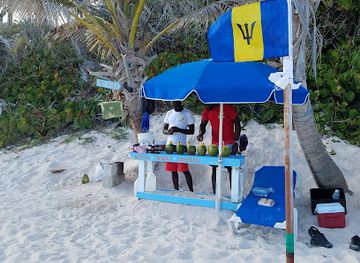
Official Coconut Cocktails
Savor tropical flavors at this vibrant Crane district cocktail bar, offering refreshing coconut drinks and a true taste of Barbadian culture.
Best landmarks in Crane Beach
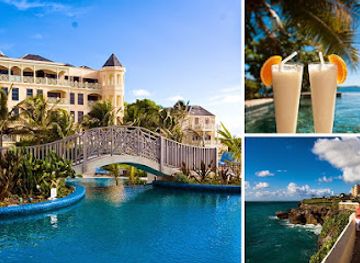
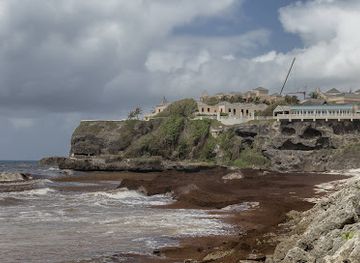
Crane Beach is itself the defining natural landmark: a broad Atlantic shore backed by coral limestone cliffs and shaped by the exposed southeastern coast. The elevated terrain reflects Barbados’ terraced coral geology, while the beach’s warm sand and open horizon give it a distinct visual identity among the island’s coastal sites. Above the shore stands the historic hotel at The Crane, established in 1887 and associated with the early development of Barbados’ seaside tourism. Its presence links the natural setting with the island’s hospitality history, although the modern resort extends beyond the original building. The cliffs, beach and old hotel are best understood together as a cultural landscape in which geology, coastal erosion, resort architecture and changing patterns of travel meet. Nearby Foul Bay and other Saint Philip shores may complement a coastal tour, but they are separate landmarks outside Crane Beach itself.
-
Hotel
The Crane Resort, Barbados
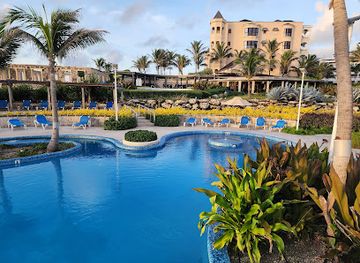
Experience luxury and history at The Crane Resort, Barbados: the Caribbean's first resort hotel, offering stunning views and world-class amenities.
-
Hotel
Hilton Grand Vacations Club The Crane Barbados
Experience timeless luxury at The Crane, Barbados: where粉色 sands meet breathtaking ocean views, historic charm blends with modern elegance, and unforgettable memories are made.
-
Guest house
Crane Beach Apartments
Experience authentic Barbadian charm at Crane Beach Apartments in Diamond Valley, St. Philip, just a short walk from the world-famous Crane Beach and close to local culture and history.
-
Bay
Crane Bay, Barbados
Experience the beauty of Crane Bay, Barbados: pink sands, turquoise waters, and historic charm await on this stunning Caribbean beach.


Explore Crane Beach on the map
Plan your trip on one map. See where the top attractions, landmarks, restaurants and hotels are, and book hotels and experiences in a few clicks.
Best hotels in Crane Beach
Best restaurants in Crane Beach
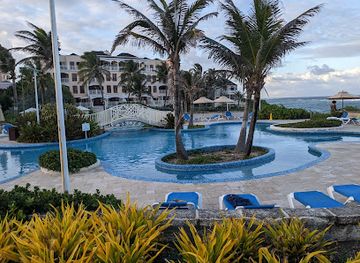
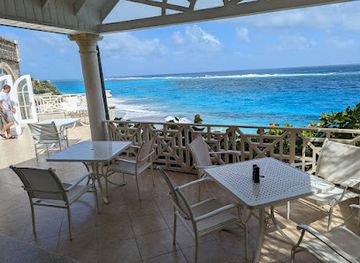
Dining at Crane Beach is centred on The Crane Resort and its associated hospitality facilities, making the immediate area more suitable for resort meals, drinks and relaxed dining than for a dense independent restaurant scene. The wider food culture of Barbados combines African, British, Caribbean and maritime influences, with dishes such as cou-cou with flying fish, fish cakes, macaroni pie and pepperpot found across the island, though exact menus vary by establishment. Visitors travelling through Saint Philip can use local shops, cafés and modest eateries in surrounding settlements, while Six Roads provides a practical nearby centre for everyday food and provisions. For a broader choice of fish restaurants, rum shops and casual Bajan cooking, Bridgetown, Oistins and the south-coast communities are more established dining destinations outside Crane Beach itself.
-
Restaurant
Cutters of Barbados
Experience authentic Barbadian cuisine at Cutters of Barbados, a family-friendly restaurant with stunning beach views.
-
Japanese
Zen Restaurant
Experience authentic Japanese cuisine in the serene setting of Zen Restaurant in Diamond Valley, Saint Philip, Barbados.
-
Restaurant
L'Azure Restaurant
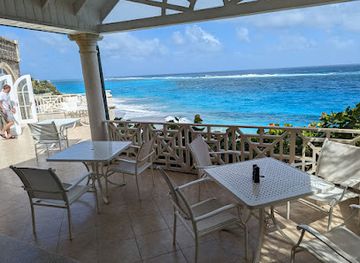
Discover exquisite dining at L'Azure Restaurant in The Crane Resort; indulge in local flavors with stunning ocean views for an unforgettable experience.
-
Restaurant
Delon's Roti & Bar
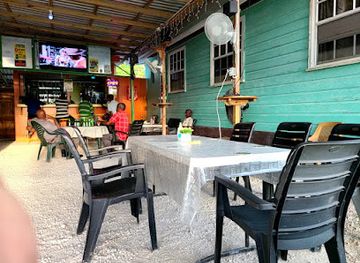
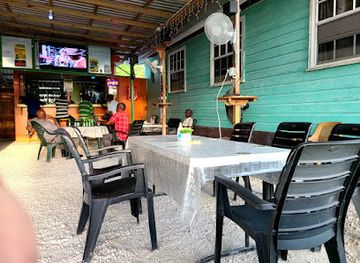
Experience authentic Barbadian cuisine at Delon's Roti & Bar in Diamond Valley—home to delicious rotis and local charm.
Best bars in Crane Beach
Crane Beach has a quiet, resort-led evening character rather than a recognised nightclub scene. Guests staying at The Crane can find evening drinks and hospitality within the resort environment, while the surrounding village landscape is generally low-key after dark. Traditional rum shops and local bars form part of Barbados’ wider social culture, but they are more commonly encountered in settled communities than directly on the beach, and individual opening arrangements can change. Visitors seeking live entertainment, a wider selection of bars or a more dependable late-evening atmosphere usually travel towards Oistins, the south coast or Bridgetown, all outside the immediate Crane Beach destination. After nightfall, use arranged transport on unfamiliar roads and avoid walking close to cliff edges or isolated shoreline areas.
-
Restaurant
Cutters of Barbados
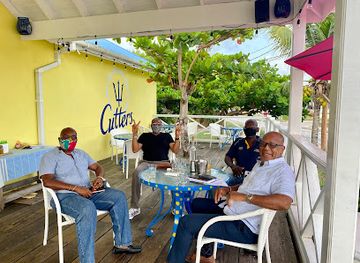
Experience the vibrant flavors and stunning views at Cutters of Barbados, a family-friendly restaurant at Crane Beach offering the best of Caribbean and international cuisine.
-
Restaurant
L'Azure Restaurant
Experience the fusion of local flavors and ocean views at L'Azure Restaurant, an exquisite dining destination in Barbados.
-
Restaurant
Delon's Roti & Bar
Experience authentic Caribbean cuisine at Delon's Roti & Bar in Barbados, where flavorful rotis and warm hospitality await every visitor.
-
Italian
D'Onofrio's Trattoria
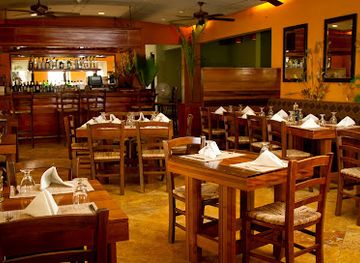
Experience authentic Italian cuisine at D'Onofrio's Trattoria in Barbados, where every dish tells a story of tradition and flavor.
Best nightclubs in Crane Beach
Crane Beach has a quiet, resort-led evening character rather than a recognised nightclub scene. Guests staying at The Crane can find evening drinks and hospitality within the resort environment, while the surrounding village landscape is generally low-key after dark. Traditional rum shops and local bars form part of Barbados’ wider social culture, but they are more commonly encountered in settled communities than directly on the beach, and individual opening arrangements can change. Visitors seeking live entertainment, a wider selection of bars or a more dependable late-evening atmosphere usually travel towards Oistins, the south coast or Bridgetown, all outside the immediate Crane Beach destination. After nightfall, use arranged transport on unfamiliar roads and avoid walking close to cliff edges or isolated shoreline areas.
-
Grill
The Grove Beach Bar and Grill
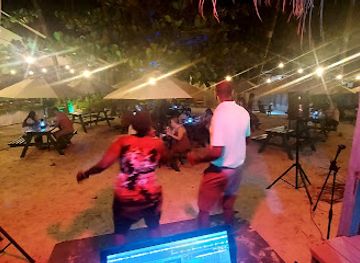
Experience the best of Caribbean dining at The Grove Beach Bar and Grill, where delicious flavors meet breathtaking ocean views.
-
Bar
Official Coconut Cocktails
Experience the vibrant flavors of the Caribbean at Official Coconut Cocktails, your go-to bar in Bridgetown for refreshing coconut drinks and local cuisine.
Best shops in Crane Beach
Shopping directly at Crane Beach is limited and concentrated around resort services rather than a dedicated retail district. The immediate area is suitable for basic holiday needs and resort-related purchases, while visitors looking for Barbadian food products, crafts, art or everyday supplies will find a broader selection in nearby Six Roads and larger island centres. Bridgetown has the country’s greatest concentration of shops and market activity, and Oistins is useful for combining coastal visits with food and local commerce; both are outside Crane Beach. Appropriate regional purchases may include packaged Bajan foods, rum, locally made art and practical beach goods, but stock varies between businesses. Carrying essentials such as water, sun protection and any specialist beach equipment is sensible when spending much of the day on this relatively exposed southeastern coast.
-
Health and beauty shop
Dawn by Nature
Discover holistic wellness and natural beauty at Dawn by Nature, a serene health and beauty shop in Saint Philip, Barbados.
-
Store
Official Coconut Cocktails
Discover the tropical paradise of Official Coconut Cocktails in Crane, Bridgetown, Barbados, where refreshing drinks and island vibes await.
-
Bakery
Pekish
Experience the delightful flavors of Pekish in Bridgetown, a charming bakery offering exquisite pastries and local treats for every sweet tooth.
-
Hotel
Crane Barbados Timeshare Resales
Discover the luxury and beauty of Crane Barbados Timeshare Resales, a premier hotel offering unforgettable experiences in a tropical paradise.

Get your free copy of our complete guide to Crane Beach, delivered straight to you.
Everything on this page, from attractions and restaurants to essentials and local phrases, in one PDF you can read offline, print or share.
Already have an account? Sign in
Your Crane Beach guide is ready.
We'll send it to · Not you? Sign out

Getting your guide ready…
We are putting together a fresh copy of the Crane Beach guide. This can take up to a minute.
This can take a few moments. If your browser asks, choose Allow so the download can start. You'll find the guide in your Downloads folder.
Nothing happened? Download it again
Sorry, the guide is taking longer than usual. Please try again in a minute, or get it by email instead.
Crane Beach essentials
Currency and Payment
Safety
Emergency Situations
Do's and Don'ts
Local Tips
From Eve
Local phrases worth knowing
You don't need to get them perfect. A few words go a long way, and locals appreciate the effort.
Basics
| English | Local | Say it |
|---|---|---|
| Hello | Good day | [gud dey] |
| Goodbye | Goodbye | [gud-bye] |
| Yes | Yes | [yehs] |
| No | No | [noh] |
| Please/You're welcome | Please | [pleez] |
| Thank you | Thank you | [thank yoo] |
| Excuse me/Sorry | Excuse me | [eks-kyoos mee] |
| How are you? | How you keeping? | [how yoo kee-pin] |
| Fine. And you? | I good, and you? | [ah goo-d, and yoo?] |
| Do you speak English? | You speak English? | [yoo speek ing-glish?] |
| I don't understand | I ent gettin' ya | [ah ent get-tin' yah] |
Eating & Drinking
| English | Local | Say it |
|---|---|---|
| I'd like to see the menu, please | Lemme see de menu, please | [lem-mee see deh menu, pleez] |
| I don't eat meat | I don't eat meat | [ah don't eat meet] |
| Cheers! | Cheers! | [cheers] |
| I would like to pay, please | Leh me pay, please | [leh mee pay, pleez] |
Emergencies
| English | Local | Say it |
|---|---|---|
| Help! | Help! | [help!] |
| Go away! | Gone 'way! | [gone way!] |
| Call the Police! | Call de Police! | [call deh police!] |
| Call a doctor! | Call a doctor! | [call ah doc-tah!] |
| I'm lost | I loss | [ah loss] |
| I'm ill | I sick | [ah sick] |
Shopping
| English | Local | Say it |
|---|---|---|
| I'd like to buy... | I wan' buy... | [ah wahn buy...] |
| I'm just looking | Just lookin' | [just look-in'] |
| How much is it? | How much dat? | [how much dat?] |
| That's too expensive | Dat too dear | [dat too deer] |
| Can you lower the price? | Can you drop de price? | [can yoo drop deh price?] |
Time & Numbers
| English | Local | Say it |
|---|---|---|
| What time is it? | What time it is? | [what time it is?] |
| It's one o'clock | It one o'clock | [it one o'clock] |
| Half past (10) | Half ten | [half ten] |
| Morning | Mornin' | [morn-in'] |
| Afternoon | Afternoon | [after-noon] |
| Evening | Evenin' | [even-in'] |
| Yesterday | Yesterday | [yes-ter-day] |
| Today | Today | [to-day] |
| Tomorrow | Tomorrow | [to-mor-row] |
| 1 | One | [wun] |
| 2 | Two | [too] |
| 3 | Three | [tree] |
| 4 | Four | [fohr] |
| 5 | Five | [fahyv] |
| 6 | Six | [siks] |
| 7 | Seven | [sev-in] |
| 8 | Eight | [eyt] |
| 9 | Nine | [nahyn] |
| 10 | Ten | [ten] |
Transport & Directions
| English | Local | Say it |
|---|---|---|
| Where's a/the...? | Where de...? | [where de...?] |
| What's the address? | What de address? | [what deh address?] |
| Can you show me (on the map)? | You can show me (on de map)? | [yoo can show me (on deh map)?] |
| When's the next (bus)? | When de next (bus)? | [when deh next (bus)?] |
| A ticket (to ....) | A ticket (to ....) | [ah ticket (to ....)] |
History of Crane Beach
Coral Limestone and Atlantic Uplift
Crane Beach is shaped by the geological character of southeastern Barbados, an island formed largely from coral limestone terraces raised above the sea. Repeated uplift produced the island’s stepped landscape, while erosion and wave action cut cliffs and shore platforms along the exposed Atlantic side. The pale coral-derived sand and elevated bluffs around Crane are physical expressions of that long process rather than features created by recent development. This terrain also helps explain the contrast between Crane’s open, wave-affected coast and the more sheltered beaches found elsewhere on Barbados.
Plantation Barbados and Saint Philip
The wider Saint Philip district developed within the agricultural economy that transformed Barbados after English settlement in the seventeenth century. Sugar estates, associated villages and plantation roads became central to the parish’s landscape, with cultivation relying on the island’s fertile coral soils and a labour system built on the enslavement of Africans and their descendants. Crane Beach was not an isolated resort landscape during this period: it formed part of a rural coastal district connected to plantations, farming communities and the sea. Many later settlements and roads in southeastern Barbados reflect this long agricultural history.
The Rise of Coastal Tourism
The hotel above Crane Beach was established in 1887, placing the site among Barbados’ early purpose-built seaside resorts. Its elevated position made use of the coastal cliffs while offering visitors access to the beach below, at a time when improved steamship connections and a growing interest in winter travel were bringing more international visitors to the island. The resort’s history forms part of Barbados’ transition from a plantation-led economy towards a more diversified society in which hospitality became increasingly important. The beach’s distinctive setting remained central to that tourism identity.
Heritage, Development and the Modern Coast
During the twentieth and early twenty-first centuries, accommodation and visitor services around Crane expanded, while the beach remained closely associated with the resort above it. Modern development has brought easier access to dining, lodging and leisure facilities, but the coast is still governed by natural forces: Atlantic swell, cliff erosion and changing beach conditions. Barbados’ wider approach to coastal management reflects the need to balance tourism with public shoreline access, environmental care and protection of vulnerable coral landscapes. Crane therefore represents both a historic tourism site and a living section of the island’s exposed southeastern coast.
Crane Beach in Photos
Browse through our photo collection highlighting the charm and character of the destination.
Neighbouring destination travel guides
The closest destinations to Crane Beach, if you have time for more than one.
-

-

-

-

-


Swipe for more destinations
Explore more

Explore more of Saint Philip
Explore Saint Philip, Barbados for Atlantic beaches, coral cliffs, plantation heritage, coastal drives and a quieter view of island life.
Explore Saint Philip
Explore more of Barbados
Discover Barbados: Pristine beaches, rich history, and vibrant culture await in this Caribbean paradise. Perfect for adventure, relaxation, and culinary delights.
Explore Barbados