Cotton Tower Signal Station: A Glimpse into Barbados' Past
Discover the historical Cotton Tower Signal Station in Barbados, offering panoramic views of the Scotland District and a glimpse into the island's colonial past, perfect for history buffs and nature lovers.
The Cotton Tower Signal Station, perched atop Horse Hill in St. Joseph, Barbados, offers a captivating journey into the island's rich history and stunning natural beauty. Built in 1819, this former British military signal station was part of a network used to monitor the island and communicate warnings. Named after Lady Catherine Cotton, daughter of the then Governor, it stands as a testament to Barbados' strategic importance in the Caribbean. Though currently closed to the public for interior access, the site remains a popular spot for photographers and history enthusiasts. The panoramic views of the Scotland District and the east coast are simply breathtaking, offering a unique perspective on the island's diverse landscapes. The tower's weathered stonework and serene surroundings create a tranquil escape, inviting visitors to reflect on Barbados' colonial past and appreciate its natural splendor. A visit to Cotton Tower provides a rewarding experience, connecting you with the heritage of Barbados.
A brief summary to Cotton Tower Signal Station
- Horse Hill, Saint Joseph, BB
Local tips
- Visit during the late afternoon for the best lighting for photography and to witness a stunning sunset over the Scotland District.
- Wear comfortable shoes, as the paths around the tower can be uneven and require some walking.
- Bring a camera to capture the breathtaking panoramic views of the east coast and the lush landscapes of St. Joseph.
- Combine your visit with a trip to nearby attractions like Hunte's Gardens or PEG Farm to make the most of your day in St. Joseph.

Getting There
-
Driving
From Highway 3, follow signs for St. Joseph. Continue until you see signs for Horse Hill. Turn onto Horse Hill Road and follow it to the Cotton Tower Signal Station. Limited parking is available near the site. Be aware that the road leading to the tower is narrow and winding.
-
Taxi/Ride-Share
Taxis and ride-sharing services are readily available from most locations in Barbados. A taxi from a central location like Holetown to Cotton Tower Signal Station will cost approximately $40-$60 BBD. Confirm the fare with the driver before starting your journey. The ride takes about 30-45 minutes depending on traffic.
-
Public Transport
From Bridgetown, take a bus to St. Joseph. You may need to transfer at a major junction. Ask the driver to drop you off near Horse Hill. From there, it's approximately a 10-15 minute walk uphill to the Cotton Tower Signal Station. Bus fare is typically $3.50 BBD per person, per ride. Be prepared for a steep walk on uneven terrain.
Discover more about Cotton Tower Signal Station
Iconic landmarks you can’t miss

St. Philip Anglican Church, Barbados
0.6 km
Discover St. Philip Anglican Church in Barbados: a historic sanctuary of faith, resilience, and architectural beauty amidst a tranquil, lush landscape.

Naniki
1.0 km
Escape to Naniki in St. Joseph, Barbados: Breathtaking views, authentic cuisine, and a tranquil retreat in the heart of the Caribbean.
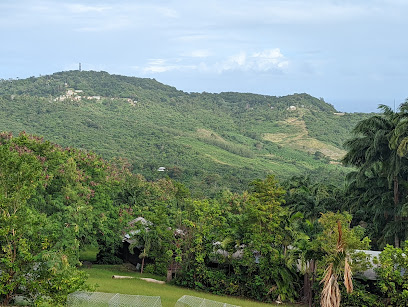
Mals Island Tours Barbados
1.1 km
Discover the beauty of Barbados with Mals Island Tours – your expert guide to unforgettable experiences and breathtaking landscapes.
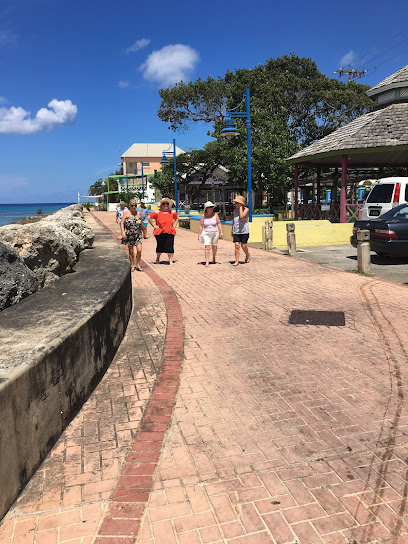
Stouteland Tours
1.1 km
Experience the best of local culture and attractions with Stouteland Tours, your premier travel operator for tailored adventures.
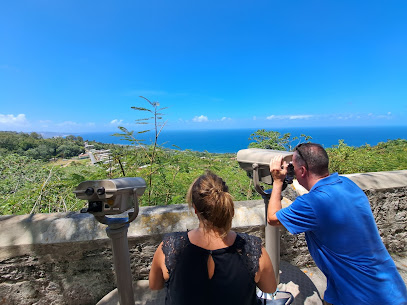
Williams Tours Barbados
1.1 km
Explore Barbados like never before with Williams Tours – your expert guide to the island's hidden treasures and vibrant culture.
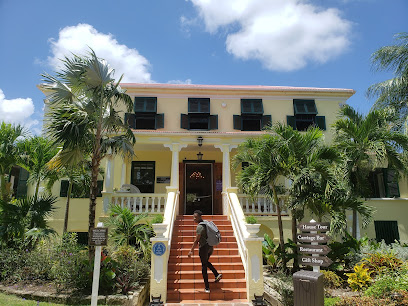
Beautiful Barbados Tours & Excursions
1.1 km
Experience the beauty and culture of Barbados with expert-guided tours, boat excursions, and seamless airport shuttle services.
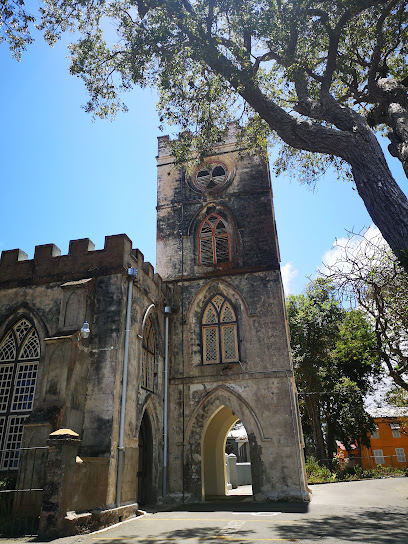
Joes River Dam
1.8 km
Discover the serene beauty and rich history of Joes River Dam in Barbados, a must-visit landmark for nature and history enthusiasts.
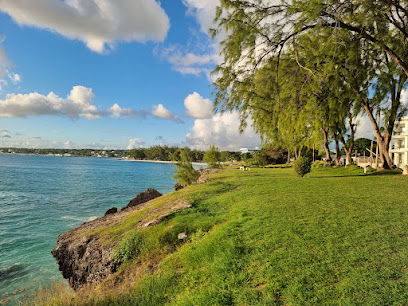
Barbados
2.2 km
Explore the pristine beaches, vibrant culture, and rich history of Barbados, a Caribbean paradise offering endless adventures for every traveler.
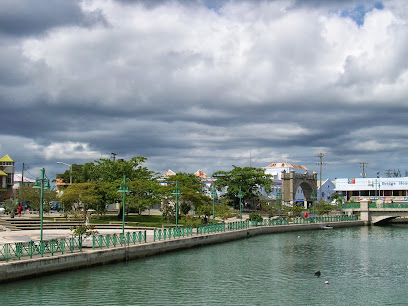
Round House
2.4 km
Experience the vibrant atmosphere and stunning views of the Atlantic at Round House, Bathsheba's premier restaurant and cultural venue.
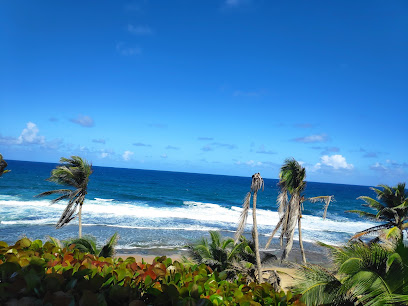
Unmissable attractions to see

Drax Hall Estate
0.4 km
Explore the complex history of Drax Hall Estate in Barbados, a poignant reminder of the island's colonial past and its enduring legacy of sugar and slavery.
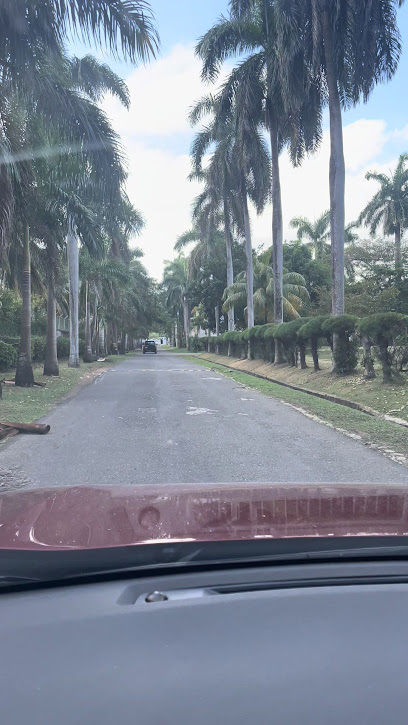
The Boatyard
0.6 km
Experience the beauty and culture of Barbados at The Boatyard, a top tourist attraction offering breathtaking views and unforgettable local experiences.
Gaskins
0.6 km
Discover Gaskins in Saint Joseph, Barbados: A serene escape offering lush landscapes, tranquil pathways, and breathtaking panoramic views.
Illianos point
0.6 km
Discover Illianos Point in Saint Joseph, Barbados: A serene escape with breathtaking coastal views, perfect for nature lovers and photography enthusiasts seeking tranquility.
Animal Flower Cave
0.6 km
Discover the breathtaking beauty of Barbados' only accessible sea cave, where natural rock pools, stunning ocean views, and local charm combine for an unforgettable experience on the island's northern tip.
Georgetown
0.6 km
Discover Georgetown, Barbados: A serene village with lush landscapes, authentic Bajan culture, and breathtaking coastal views, perfect for nature lovers and tranquility seekers.
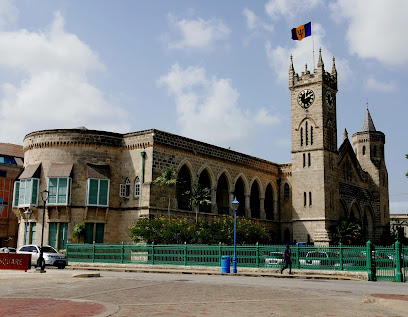
B.v.i p&o cruises
0.6 km
Discover panoramic views and tranquil beauty at Bowling Alley Hill, a serene escape in Saint Joseph, Barbados, perfect for nature lovers and photographers.
Amazing Adventures Barbados
0.7 km
Discover the natural beauty of Barbados on scenic hiking trails in St. Joseph, with panoramic views and diverse landscapes for all adventurers.
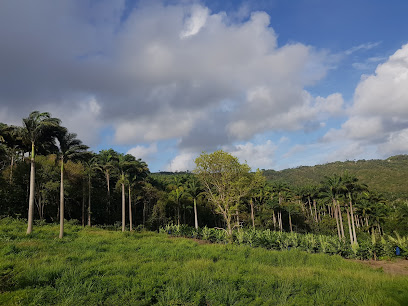
PEG Farm and Nature Reserve
1.0 km
Experience the serene beauty of PEG Farm and Nature Reserve in Easy Hall, Barbados, where nature and farming come together for a unique adventure.
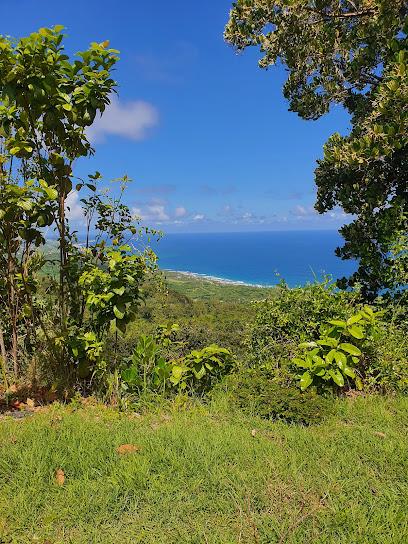
Blackmans Bridge
1.1 km
Discover Blackmans Bridge in St. Joseph, Barbados: A historic landmark offering a serene escape into nature and a glimpse into the island's rich colonial past.
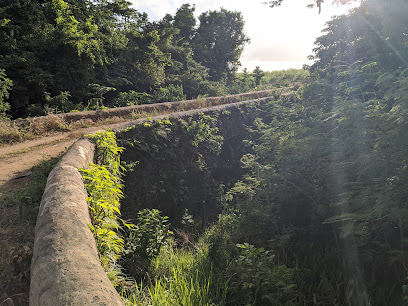
Hunte's Gardens
1.4 km
Discover a lush tropical paradise in Barbados: Hunte's Gardens, a stunning botanical masterpiece crafted within a unique gully landscape.
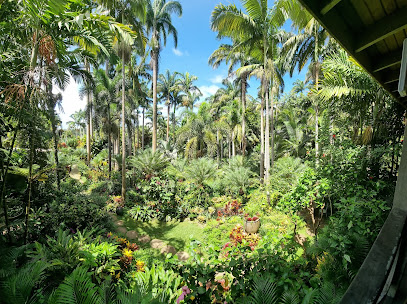
Hackletons Cliff
1.6 km
Experience breathtaking views and natural beauty at Hackletons Cliff in Saint Joseph, Barbados - a must-visit for tourists seeking adventure and relaxation.
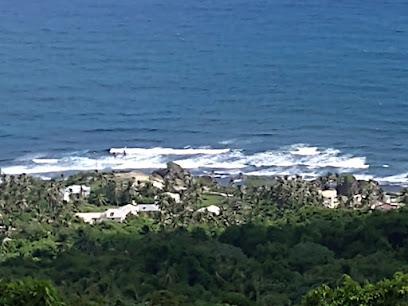
Hackleton's Cliff Community Park
1.6 km
Discover breathtaking panoramic views, local history, and a serene escape at Hackleton's Cliff Community Park on Barbados' rugged east coast.
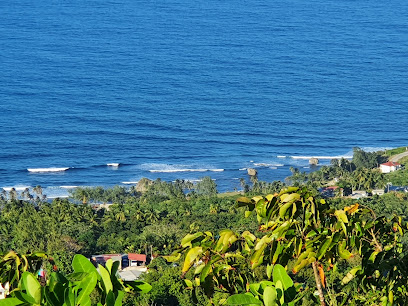
Bathsheba
2.0 km
Discover Bathsheba, Barbados: a ruggedly beautiful east coast village offering dramatic scenery, world-class surfing, and a tranquil escape from the island's bustling tourist scene.
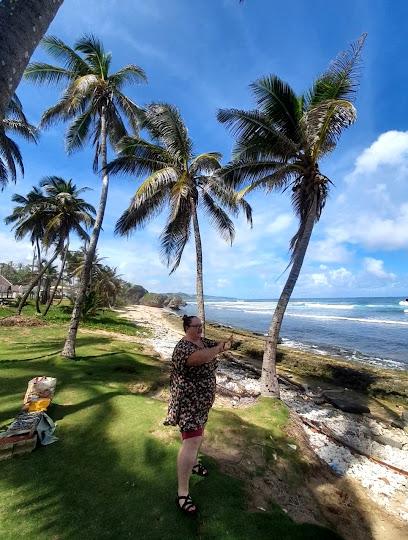
Joe's River
2.0 km
Discover the serene beauty of Joe's River in Barbados: a tropical rainforest escape with hiking trails, historic bridges, and breathtaking views, offering a tranquil retreat.
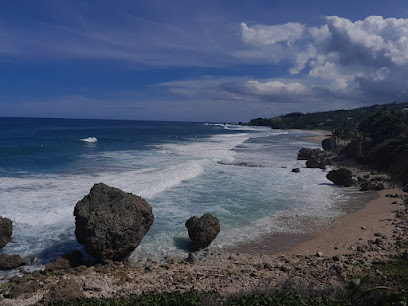
Essential places to dine

Cottage Bar & Grill
0.5 km
Discover the flavors of Barbados at Cottage Bar & Grill in Horse Hill - where local ingredients meet warm hospitality.
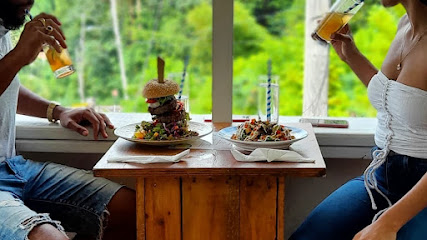
Amazing Cuisine
0.7 km
Discover the vibrant flavors of Barbados at Amazing Cuisine - where local ingredients meet culinary creativity in a cozy setting.
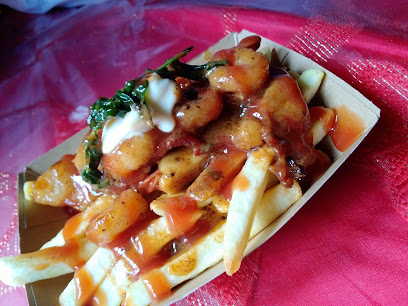
The Farm House
0.9 km
Discover the authentic flavors of Barbados at The Farm House, where local ingredients meet stunning nature in a delightful dining experience.
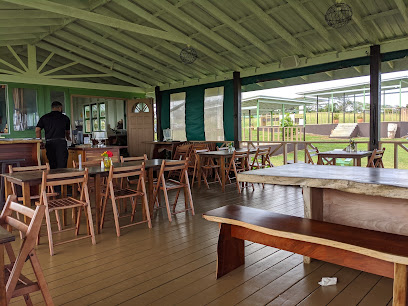
Souse Gaggs Hill
1.5 km
Discover the culinary delights of Souse Gaggs Hill in St. Elizabeths, Barbados – perfect for families seeking authentic flavors amidst breathtaking views.
Heatherlicious Bar & Kitchen
1.5 km
Discover authentic Caribbean flavors at Heatherlicious Bar & Kitchen in Barbados – where every meal is a delightful experience!
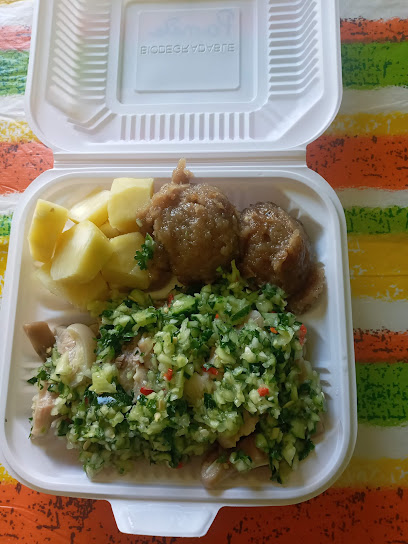
Casuarina Tree Bar & Groceries
1.9 km
Experience authentic Caribbean flavors at Casuarina Tree Bar & Groceries in Bridgetown - where good food meets vibrant atmosphere.
Foreva Young Bar
2.0 km
Discover Foreva Young Bar: A vibrant dining experience in Sugar Hill, Saint Joseph showcasing Caribbean flavors and warm hospitality.
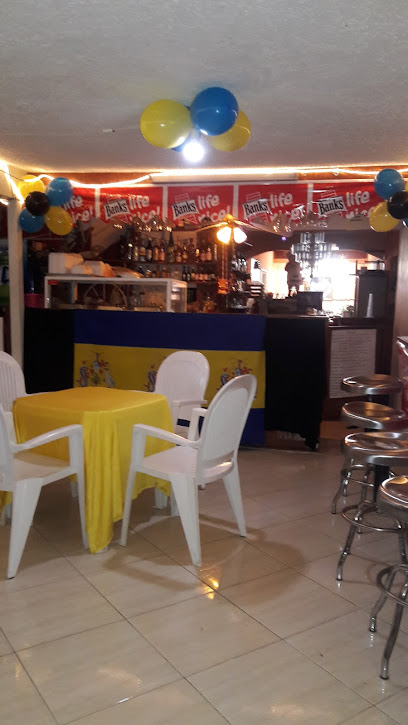
Shonny's Kitchen
2.2 km
Experience authentic Barbadian cuisine at Shonny's Kitchen in Sugar Hill, Bridgetown - where every meal tells a story.
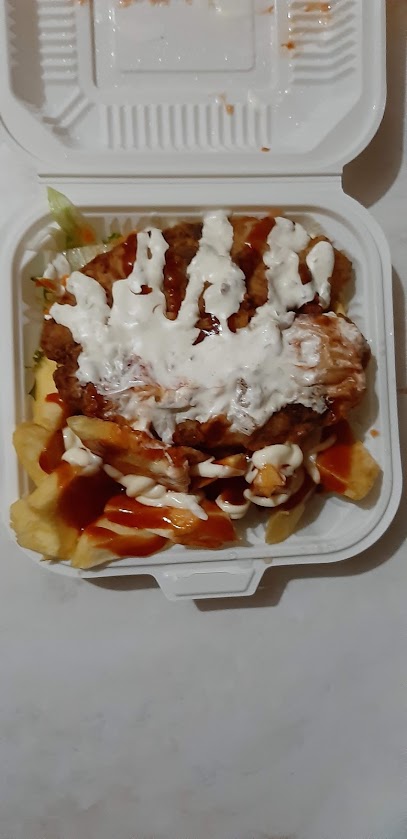
Flavoured Foods By Lisa
2.2 km
Discover the exquisite flavors of Barbados at Flavoured Foods By Lisa - where every dish tells a story.
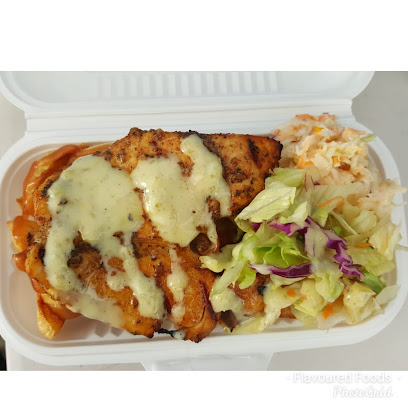
Great Escape Sports Bar & Grill
2.3 km
Experience vibrant Barbadian hospitality at Great Escape Sports Bar & Grill in Sugar Hill – where delicious grilled dishes meet live sports excitement.
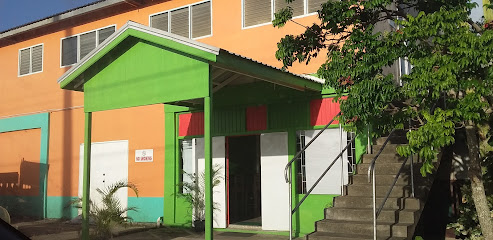
Francois'kitchen
2.3 km
Discover the authentic taste of Caribbean cuisine at Francois' Kitchen in Bridgetown, Barbados – where every meal is a flavorful journey.
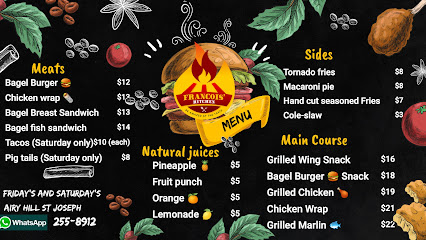
Treeline House
2.3 km
Discover the flavors of Barbados at Treeline House, where local ingredients meet culinary artistry in a serene setting.
Eastside Kitchen
2.5 km
Experience the vibrant flavors of Caribbean cuisine at Eastside Kitchen in Saint Joseph, Barbados - where every meal tells a story.
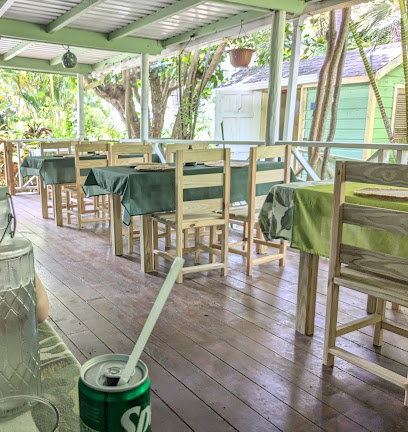
Zaccios on the East
2.6 km
Experience authentic Caribbean flavors at Zaccios on the East in Bathsheba - where delicious cuisine meets stunning ocean views.
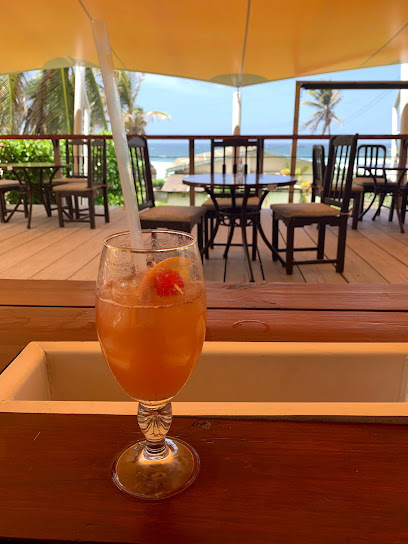
Dina's Bar
2.7 km
Experience authentic Barbadian cuisine at Dina's Bar, where warm hospitality meets breathtaking views in Saint Joseph.
Markets, malls and hidden boutiques

The Customs Palace
0.6 km
Discover stylish footwear that embodies Barbadian culture and craftsmanship at The Customs Palace in Bridgetown.
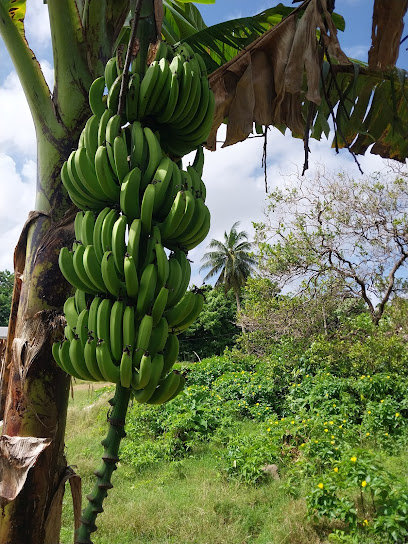
Hygieia
0.6 km
Explore Hygieia in Barbados for a delightful experience of fresh organic produce and sustainable living, perfect for health-conscious travelers.
Galleria mall
0.6 km
Explore the exquisite jewelry offerings at Galleria Mall, a shopping gem in Saint Joseph, Barbados, blending local artistry with international flair.
Shankar Lal Sharma
0.6 km
Explore the unique home goods store in Saint Joseph, Barbados, where local craftsmanship meets Caribbean charm for a memorable shopping experience.
sarjen murmu
0.6 km
Explore Sarjen Murmu in Saint Joseph, Barbados, where local culture meets unique shopping experiences amidst stunning natural beauty.
Popular supermarket
0.6 km
Discover the vibrant flavors of Barbados at Popular Supermarket in Bowling Alley Hill, a local grocery store brimming with fresh produce and Caribbean delights.
Leandra Jones All Around Barbados
0.6 km
Experience the heart of Barbados at Leandra Jones, your go-to grocery store for local flavors and daily essentials.

Kanjoora
0.6 km
Explore the tranquil charm of Kanjoora, a unique bookstore in Bowling Alley Hill, Saint Joseph, Barbados, where every book tells a story.
SHOP & SHIP BARBADOS
0.6 km
Discover unique local finds at Shop & Ship Barbados, your ultimate wholesaler destination in St. Michael for quality goods and cultural treasures.
Mmm
0.6 km
Discover Mmm Bookstore, a literary sanctuary in Saint Joseph, Barbados, where every book opens a new world to explore.
246apparel
0.9 km
Explore 246apparel for unique clothing that blends local culture with contemporary fashion in a vibrant shopping atmosphere.

CuriosbyDesign
1.1 km
Explore CuriosbyDesign for unique clothing and home goods that embody local craftsmanship and style, perfect for unforgettable souvenirs.
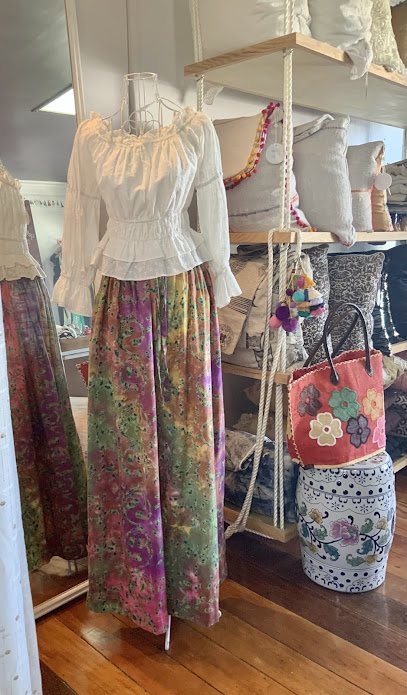
En Core: Lifestyle & Gifts
1.1 km
Explore En Core: Your ultimate destination for unique gifts and lifestyle products that capture the essence of local craftsmanship.
BOUNSAH
1.1 km
Discover unique fashion trends and accessories at Bounsah, the ultimate shopping destination for tourists in paradise.

Lordini
1.1 km
Explore Lordini: A vibrant music store offering a diverse range of instruments, vinyl records, and musical accessories for all enthusiasts.
Essential bars & hidden hideouts

R.Y Wooden Finishes inc
1.5 km
Experience the rustic charm of R.Y Wooden Finishes Inc, a cozy bar in Barbados offering delightful drinks and a friendly atmosphere.
Home Alone Domino Club
1.6 km
Discover the vibrant local culture and community spirit at the Home Alone Domino Club in Saint Joseph, Barbados - a must-visit bar for every traveler.
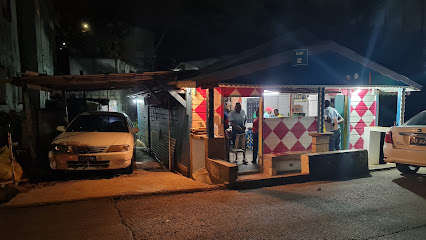
East Side
1.7 km
Experience the lively charm of East Side Bar in Bathsheba, where refreshing cocktails meet stunning coastal views and a vibrant local atmosphere.
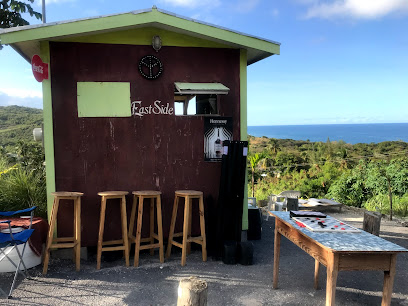
Aunty G Bar
1.8 km
Experience the warmth of Barbadian hospitality at Aunty G Bar, a cozy spot nestled in the hills of Saint Joseph, perfect for relaxation and local flavors.
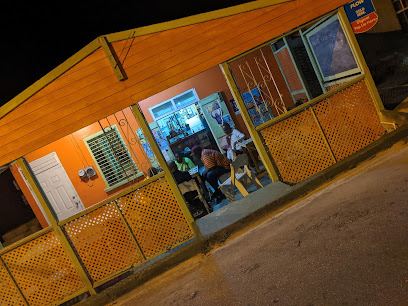
Velma's Bar
1.8 km
Experience the vibrant atmosphere and local flavors at Velma's Bar in Saint Joseph, Barbados, where every visit is a celebration of Caribbean hospitality.
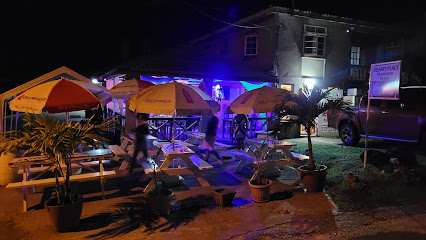
Nicole Bar (Green Corner Shop)
1.8 km
Discover the vibrant ambiance of Nicole Bar in St. Elizabeths, the perfect spot to enjoy local drinks and the Barbadian nightlife.
Gagg Hill Rumshop
1.8 km
Experience the authentic Barbadian vibe at Gagg Hill Rumshop, where local culture meets stunning ocean views and delicious rum.
AAA's Hide-Away
1.9 km
Discover the laid-back charm and vibrant local culture at AAA's Hide-Away, a hidden bar in Saint Joseph, Barbados, perfect for relaxation and socializing.
City Escape Bar and Lounge
2.3 km
Discover a vibrant escape in Bridgetown at City Escape Bar and Lounge, where cocktails and camaraderie meet the spirit of Barbados.
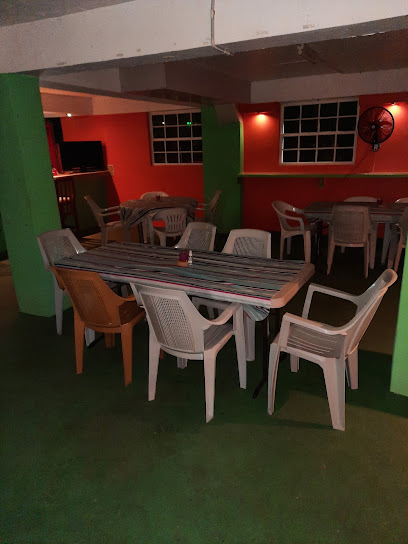
J C Bar and Lounge
3.5 km
Discover the lively spirit of Barbadian nightlife at J C Bar and Lounge, where locals and tourists alike gather for great drinks and vibrant entertainment.
Supa,gee's variety
3.6 km
Discover the vibrant atmosphere and tropical flavors at Supa,gee's Variety, a must-visit bar in Saint Thomas, Barbados.
Chalky Mount Bar
3.6 km
Experience the vibrant local culture and stunning landscapes at Chalky Mount Bar, a hidden gem in Saint Joseph, Barbados.
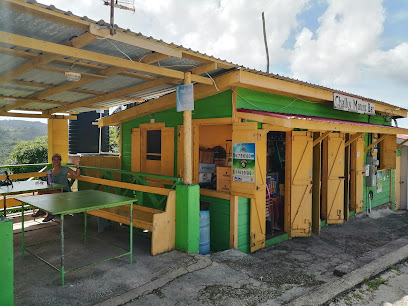
Sweet Lime Bar
3.7 km
Experience the vibrant atmosphere of Sweet Lime Bar in Sweet Vale, Barbados, where refreshing drinks and local culture meet for a memorable tropical escape.
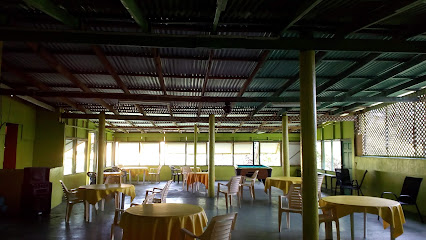
Rose Bar And Grill
3.8 km
Discover the vibrant flavors of Barbados at Rose Bar And Grill, a premier dining spot in Chalky Mount, Saint Andrew.
Hidden Valley Bar
3.9 km
Experience the laid-back vibe and vibrant culture at Hidden Valley Bar in Barbados, where refreshing drinks and friendly faces await you.
Nightclubs & after hour spots

Dave's Sports Bar & Grill
4.0 km
Experience vibrant nightlife and delicious local flavors at Dave's Sports Bar & Grill in Walkes Spring, Saint Thomas, Barbados.
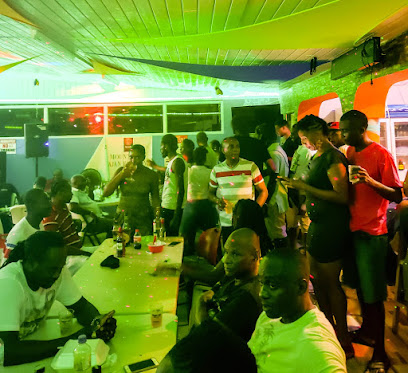
Scientist's Place
4.8 km
Experience the lively spirit of Caribbean nightlife at Scientist's Place, a bar that embodies the warmth and flavor of Barbados.
Kzk Enterprise
5.1 km
Experience the vibrant nightlife of Saint George at Kzk Enterprise, where music, dance, and unforgettable memories come alive.
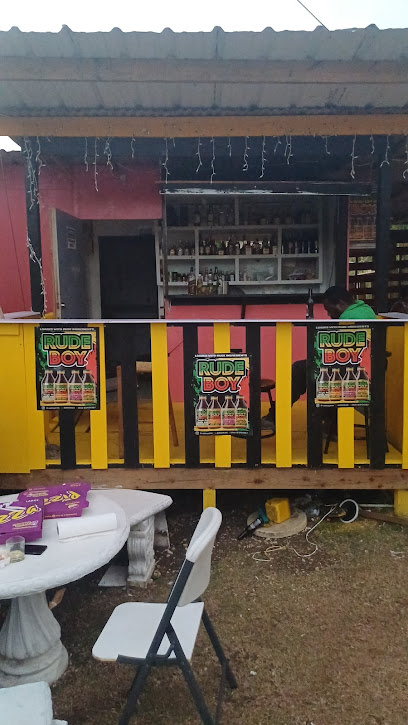
Ree-Up Bar & Lounge
5.8 km
Experience the vibrant culinary scene at Ree-Up Bar & Lounge, where local flavors meet a relaxed Caribbean atmosphere.
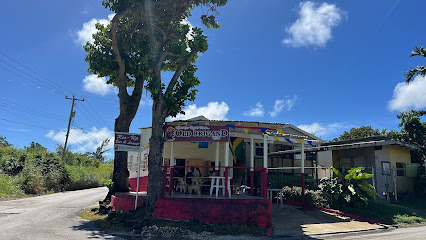
De Fox Hole Bar
6.7 km
Experience authentic Barbadian culture and vibrant nightlife at De Fox Hole Bar in Saint John, a must-visit for tourists seeking local flavor.

Springboyzbar
7.4 km
Discover the vibrant atmosphere of Springboyzbar in Rock Hall, Barbados—your ultimate destination for cocktails, local flavors, and unforgettable nightlife.
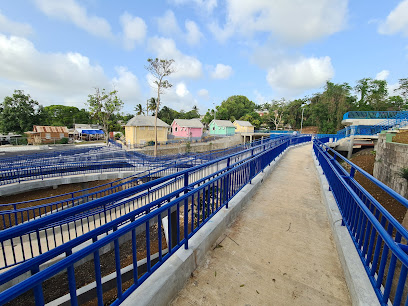
Walcott Bar
7.8 km
Discover the vibrant atmosphere and authentic Caribbean flavors at Walcott Bar in Saint Thomas, Barbados.
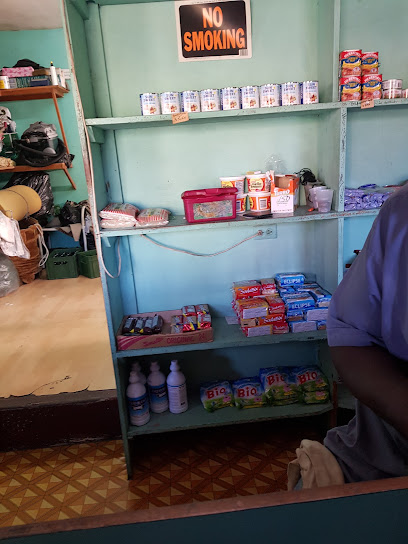
Souse and Aish Bar
7.8 km
Discover the vibrant atmosphere of Souse and Aish Bar in St. George, Barbados - your go-to spot for local flavors and stunning views.
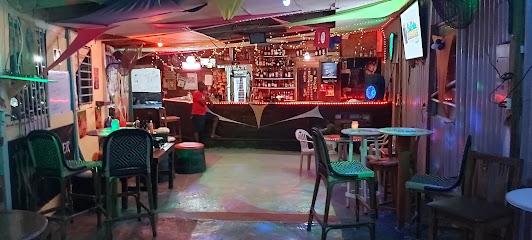
In De Hole Bar
8.4 km
Discover the heart of Barbadian culture at In De Hole Bar, a lively restaurant and bar in Salters, Saint George offering local cuisine and a vibrant atmosphere.
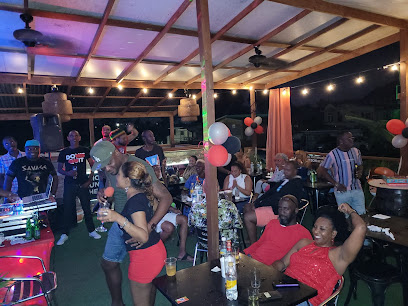
Pon De Off Bar & Restaurant
8.4 km
Discover the laid-back charm of Pon De Off Bar & Restaurant in Saint Thomas, Barbados, where refreshing drinks and local cuisine create an unforgettable experience.
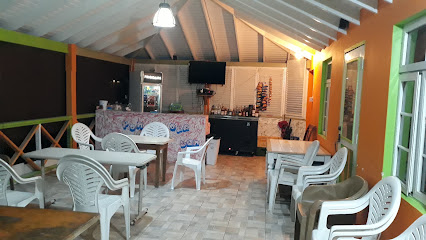
Goose Bar
8.5 km
Experience the vibrant atmosphere and refreshing drinks at Goose Bar, your tropical retreat in Saint Thomas, Barbados.

Cherry Tree Hill Reserve
9.8 km
Discover the scenic marvels of Cherry Tree Hill Reserve in Barbados, a breathtaking spot with panoramic views and natural beauty.
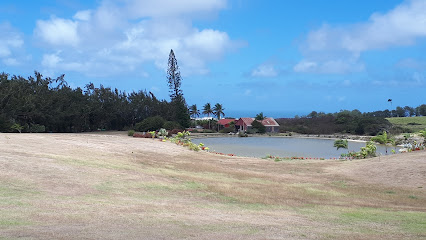
The Penthouse
10.6 km
Experience the epitome of luxury and relaxation at The Penthouse, Holetown's premier lounge with stunning views and exquisite cocktails.
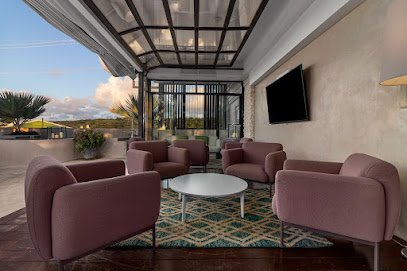
Chef Michael Hinds x West Bar Barbados
10.6 km
Experience an unforgettable culinary journey at Chef Michael Hinds x West Bar Barbados, where Caribbean flavors meet a vibrant nightlife scene.
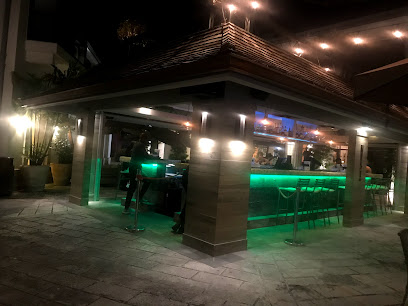
Jamestown Bar & Grill
10.7 km
Experience the vibrant nightlife of Holetown at Jamestown Bar & Grill, where great food, cocktails, and live sports create an unforgettable atmosphere.