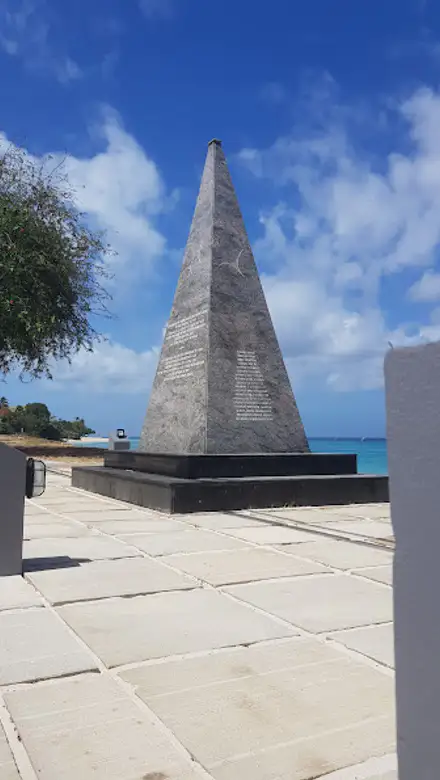
Cubana Monument, Paynes Bay Travel Guide
Free Guide: A poignant tribute to the victims of the Cubana Air disaster, symbolizing the enduring friendship between Barbados and Cuba and the shared pursuit of peace and justice in the Caribbean.


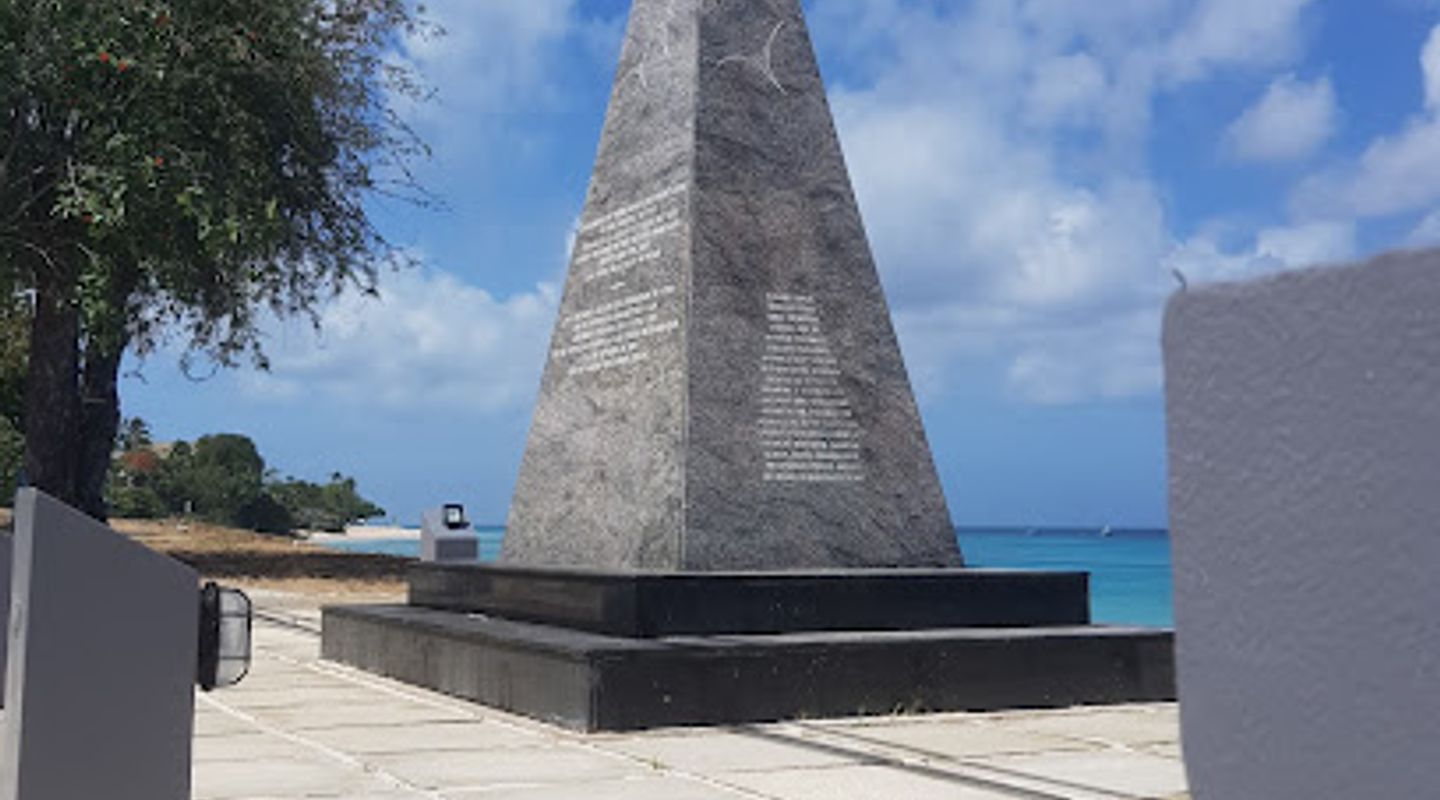
A brief summary of Cubana Monument
A poignant tribute to the victims of the Cubana Air disaster, symbolizing the enduring friendship between Barbados and Cuba and the shared pursuit of peace and justice in the Caribbean.
The Cubana Monument, located on Highway 1 in St. James, Barbados, stands as a poignant reminder of the enduring bond between Barbados and Cuba. Erected in 1998, it commemorates the 73 lives lost in the 1976 Cubana Air disaster, a terrorist act that deeply impacted both nations. Designed by Virgil Broodhagen, the monument serves not only as a tribute to the victims but also as a symbol of resilience, unity, and the pursuit of peace. The monument's striking design and serene setting offer a space for reflection on the shared history and cultural connections between the Caribbean and Cuba. A visit provides an enriching experience, fostering a deeper understanding of the region's past and present, while honoring those who perished in this tragic event. The site is well-maintained, inviting visitors to pause and appreciate its historical significance.
- Address
- Highway 1, Durants, Saint James Barbados
- Website
Getting there
Public Transport
Taxi/Ride-Share
Driving
Discover more about Cubana Monument
Overview
The Cubana Monument, situated along Highway 1 in Durants, St. James, Barbados, is a powerful testament to the enduring friendship and shared history between Barbados and Cuba. Unveiled in 1998, the monument serves as a memorial to the 73 individuals who tragically lost their lives in the bombing of Cubana de Aviación Flight 455 on October 6, 1976. This act of terrorism, which occurred shortly after the plane departed from Barbados en route to Jamaica and Cuba, sent shockwaves throughout the Caribbean and the world. The monument was designed by Barbadian artist Virgil Broodhagen, son of renowned sculptor Karl Broodhagen. Its location on the west coast of Barbados, in the Paynes Bay area, provides a tranquil setting for reflection and remembrance. The monument's design incorporates symbolic elements that represent the shared values and aspirations of the Barbadian and Cuban people. The structure itself is a pyramidal form, reaching towards the sky as a symbol of hope and resilience. The names of the 73 victims are inscribed on the monument, ensuring that their memory lives on for future generations. The Cubana Air disaster was a watershed moment in the history of the Caribbean. The bombing claimed the lives of 57 Cubans, including the nation's entire junior fencing team, as well as 11 Guyanese and five North Koreans. The victims were ordinary people from all walks of life, whose dreams and aspirations were cut short by an act of senseless violence. The tragedy underscored the vulnerability of the region to terrorism and the importance of international cooperation in combating this threat. In the aftermath of the bombing, Barbados and Cuba forged even closer ties, united in their grief and determination to seek justice for the victims. The Barbadian government erected the Cubana Monument as a tangible expression of solidarity with the Cuban people and as a lasting tribute to the memory of those who perished. The monument has since become a site of annual pilgrimage, with memorial services held each year on October 6 to commemorate the anniversary of the tragedy. The Cubana Monument is more than just a memorial; it is also a symbol of the enduring human spirit and the power of unity in the face of adversity. It serves as a reminder that even in the darkest of times, hope can prevail and that the bonds of friendship can transcend national boundaries. The monument is a testament to the shared values of peace, justice, and solidarity that unite the people of Barbados and Cuba. Visiting the Cubana Monument offers a unique opportunity to connect with the history and culture of the Caribbean. It is a place to reflect on the past, to honor the memory of those who were lost, and to reaffirm our commitment to building a more peaceful and just world. The monument is easily accessible from Highway 1, the main coastal road that runs along the west coast of Barbados. It is located near other popular tourist attractions, such as Paynes Bay Beach and the Folkestone Marine Park, making it a convenient stop on any itinerary. The Cubana Monument stands as a reminder of the importance of remembering the past, honoring the victims of violence, and working towards a future where such tragedies never happen again. It is a place where visitors can reflect on the shared history and cultural connections between Barbados and Cuba, and appreciate the enduring bonds of friendship that unite these two island nations. The monument's location along Highway 1 makes it easily accessible to visitors exploring the west coast of Barbados. The surrounding area is well-maintained, providing a peaceful and contemplative atmosphere. Whether you are a history enthusiast, a student of Caribbean culture, or simply seeking a moment of reflection, the Cubana Monument offers a meaningful and enriching experience. It is a place where you can connect with the past, honor the memory of those who were lost, and reaffirm your commitment to building a more peaceful and just world. The Cubana Monument is a powerful symbol of resilience, unity, and the pursuit of peace. It is a reminder that even in the face of tragedy, the human spirit can endure and that the bonds of friendship can transcend national boundaries. A visit to this monument is an opportunity to connect with the history and culture of the Caribbean, to reflect on the past, and to reaffirm our commitment to building a better future for all.
Evendo Review Centre
 Google
Guest reviews
Explore Cubana Monument on the map
A handpicked selection of must-see spots near Cubana Monument, mapped for you.
Get your free copy of our complete guide to Cubana Monument, delivered straight to you.
Everything on this page, from opening hours and how to get there to Eve’s tips and the best time to go, in one PDF you can read offline, print or share.
Already have an account? Sign in
Your Cubana Monument guide is ready.
We'll send it to · Not you? Sign out

Getting your guide ready…
We are putting together a fresh copy of the Cubana Monument guide. This can take up to a minute.
This can take a few moments. If your browser asks, choose Allow so the download can start. You'll find the guide in your Downloads folder.
Nothing happened? Download it again
Sorry, the guide is taking longer than usual. Please try again in a minute, or get it by email instead.
Other nearby places you may find interesting
The closest places of the same kind, if this one is not quite what you had in mind.
-
-
-
-
-


Swipe for more places
More to explore near Cubana Monument

 Best experiences near Cubana Monument
 Best hotels near Cubana Monument
 Best landmarks near Cubana Monument
 Best attractions near Cubana Monument
 Best shops near Cubana Monument
 Best restaurants near Cubana Monument
 Best bars near Cubana Monument
Do you manage this location?
Take control to get all the benefits, like improved information, better appearance, and stronger visibility across AI-powered discovery.
Explore more

Explore more of Paynes Bay
Discover the tranquil beauty of Paynes Bay, Barbados - where pristine beaches, crystal-clear waters, and authentic Bajan charm create the perfect tropical getaway.
Explore Paynes Bay
Explore more of Barbados
Discover Barbados: Pristine beaches, rich history, and vibrant culture await in this Caribbean paradise. Perfect for adventure, relaxation, and culinary delights.
Explore Barbados