

Free Paynes Bay Travel Guide & Mobile App
Plan your Paynes Bay trip with Evendo. Get free guides to top attractions, restaurants, hotels, and bars. Web access or download the mobile app.


Paynes Bay, Barbados offers calm west-coast beaches, sea-turtle encounters, coral-sea swimming and easy access to Holetown’s heritage and dining.
A Sheltered Caribbean Shore
Paynes Bay is a small coastal community on Barbados’s west coast, known for its pale sand, generally calm turquoise water and outlook across the Caribbean Sea. The beach is the centre of local life: visitors swim, sunbathe, paddle in the shallows and watch small boats move along the sheltered coastline. The bay is also associated with sightings of green and hawksbill turtles, although encounters remain dependent on natural conditions and responsible operators.Read more about Paynes Bay
Between Holetown and Bridgetown
West-Coast Landscapes
When is the best time to visit Paynes Bay?
Best: February, May, September · 30–31°C| Month | High (°C) | Rainfall (mm) |
|---|---|---|
| January | 30 | 60 |
| February (best) | 30 | 50 |
| March | 30 | 50 |
| April | 31 | 40 |
| May (best) | 31 | 30 |
| June | 32 | 30 |
| July | 32 | 30 |
| August | 32 | 30 |
| September (best) | 31 | 30 |
| October | 31 | 40 |
| November | 30 | 50 |
| December | 30 | 60 |
Getting to and around Paynes Bay
How to get there
Transportation
Best attractions in Paynes Bay
Paynes Bay’s principal attraction is its broad sandy beach, where calm west-coast water often makes swimming and gentle snorkelling appealing; conditions vary, so marine life and reef areas should be treated carefully. Boat excursions from the surrounding coast may offer turtle-viewing and reef trips, although sightings are natural encounters rather than guaranteed performances. A short journey north brings Holetown, Barbados’s first English settlement, with its small monument and St James Parish Church, while the Folkestone Marine Park offers a protected marine setting for snorkelling and coastal walks. Inland, the west-coast road leads towards plantation landscapes and historic churches, while Bridgetown provides museums, markets and the UNESCO-listed historic centre and Garrison. Paynes Bay itself is less a sightseeing district than a beach-based base, valued for the contrast between easy sea access, residential streets and the cultural and commercial facilities of nearby Holetown.
-
Tourist attraction
Animal Flower Cave & Restaurant
Discover Barbados' geological wonders at the Animal Flower Cave: Explore sea anemones, swim in natural pools, and savor Caribbean cuisine with breathtaking ocean views on the rugged north coast.
39 min drive · 19 km from city centre
-
Tourist attraction
Harrison's Cave Eco-Adventure Park
Discover Barbados' geological wonders at Harrison's Cave Eco-Adventure Park: Explore stunning caverns, enjoy thrilling activities, and immerse yourself in the island's natural beauty and cultural heritage.
21 min drive · 7.1 km from city centre
-
 Hotel
The Crane Resort, Barbados
Experience the timeless elegance of The Crane Resort in Barbados, where historic charm meets modern luxury on the stunning southeast coast, offering breathtaking views and unforgettable memories.
42 min drive · 22 km from city centre
-
Racecourse
Garrison Savannah
Experience the excitement of horse racing at Garrison Savannah, a historical gem in Bridgetown, Barbados, blending culture and thrilling entertainment.
30 min drive · 10 km from city centre


Best landmarks in Paynes Bay
Paynes Bay is primarily a coastal community rather than a historic town filled with monumental architecture, so its most distinctive physical feature is the sheltered bay itself and the long west-coast road that links beach communities. Nearby Holetown contains several landmarks associated with Barbados’s early English history, including the Holetown Monument, which commemorates the 1625 English landing, and St James Parish Church, one of the island’s longstanding Anglican churches. Farther south, Bridgetown’s Parliament Buildings, historic commercial streets and the Garrison express the colonial development of Barbados’s capital and military port. The west-coast landscape also retains reminders of the plantation era in old churches, estate houses and rural roads, although not every surviving building is open to the public or located within Paynes Bay itself.
-
Tourist attraction
Animal Flower Cave & Restaurant
Discover Barbados' northernmost gem: the Animal Flower Cave, where dramatic ocean views meet natural wonders and authentic Bajan flavors for an unforgettable island experience.
39 min drive · 19 km from city centre
-
Tourist attraction
Harrison's Cave Eco-Adventure Park
Discover the breathtaking beauty of Harrison's Cave Eco-Adventure Park in Barbados: Explore stunning caverns, zipline through lush landscapes, and immerse yourself in Barbadian heritage.
21 min drive · 7.1 km from city centre
-
Garden
Hunte's Gardens
Explore the vibrant beauty of Hunte's Gardens, a serene botanical paradise in the lush hills of Saint Joseph, Barbados.
30 min drive · 9.8 km from city centre
-
Tourist attraction
Mount Gay Visitors' Centre
Discover the legacy of the world's oldest rum at the Mount Gay Visitors' Centre in Barbados, where history, craftsmanship, and the spirit of the island come to life through immersive tours and tastings.
18 min drive · 6.1 km from city centre


Explore Paynes Bay on the map
Plan your Paynes Bay trip on one map. See where the top attractions, landmarks, restaurants, bars and hotels are, find what's near where you're staying, and book hotels and experiences in a few clicks.
Best hotels in Paynes Bay
Best restaurants in Paynes Bay
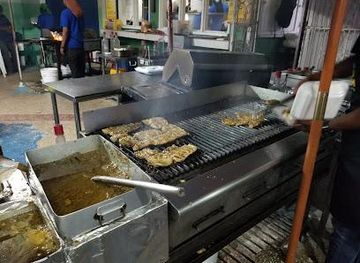
Dining in Paynes Bay reflects the west coast’s blend of Barbadian cooking, Caribbean influences and resort hospitality. Local menus commonly feature flying fish, fish cakes, macaroni pie, cou-cou, pepperpot, rice and peas, grilled seafood and spicy sides, while casual rum shops and roadside food stalls provide a more informal setting than hotel restaurants. The nearby Holetown corridor has the broadest selection, from cafés and bakeries to international dining, contemporary Caribbean kitchens and restaurants attached to larger resorts. Fresh fish and seasonal produce are central to the island’s food culture, and Bajan seasoning often combines herbs, aromatics and pepper rather than overwhelming the main ingredient. Visitors should distinguish genuinely Barbadian dishes from the wider international menu found in resort areas, where British, American, Mediterranean and Asian cuisines are also common.
-
Seafood
Oistins Fish Market
Barbados' sizzling south coast seafood epicenter: daytime market freshness meets Friday night fry frenzy of grilled fish, calypso beats, street dancing, and communal picnic vibes under starry skies.
35 min drive · 15 km from city centre
-
Fine Dining
The Tides Barbados
Experience culinary excellence at The Tides Barbados—where fresh seafood meets breathtaking ocean views for an unforgettable dining adventure.
6 min drive · 2.0 km from city centre
-
Restaurant
Zaccios
Experience exquisite Caribbean flavors and stunning ocean views at Zaccios Restaurant in Holetown.
6 min drive · 2.1 km from city centre
-
Grill
Just Grillin' Sunset Crest
Experience the vibrant flavors of Barbados at Just Grillin' Sunset Crest – where every meal is a celebration of Caribbean cuisine.
6 min drive · 1.9 km from city centre


Best bars in Paynes Bay
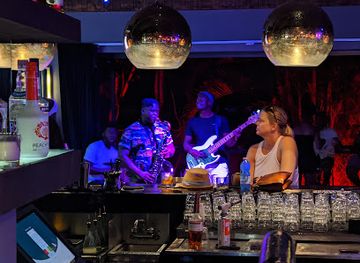
Paynes Bay’s evenings are generally relaxed, centred on hotel bars, beachfront drinks and restaurants rather than a dense concentration of nightclubs. The nearby Holetown area offers the west coast’s most accessible evening scene, with cocktail bars, casual pubs, live music and later venues mixed among shops and restaurants. Barbadian rum is an important part of local drinking culture, and rum-based cocktails appear alongside beer, wine and non-alcoholic options. Some evenings feature calypso, reggae or other Caribbean music, particularly in venues serving visitors, while larger resort properties may host performances. Bridgetown has a broader range of nightlife and cultural events, but transport should be planned in advance for the return journey to Paynes Bay, especially where roads are busy or poorly lit.
-
Bar
Wendy's Sports Bar
Experience the vibrant atmosphere of Wendy's Sports Bar in Saint James, Barbados, where delicious food meets lively sports entertainment.
5 min drive · 1.7 km from city centre
-
Caribbean
The Roti Den
Experience the vibrant flavors of Caribbean cuisine at The Roti Den, where every meal is a taste of Barbados.
6 min walk · 0.5 km from city centre
-
Bar
The Mews Restaurant & Piano Lounge
Discover the vibrant flavors and lively ambiance at The Mews Restaurant & Piano Lounge in Holetown, Barbados, where fine dining meets live music.
7 min drive · 2.3 km from city centre
-
Grill
Black Pipe Hideaway
Savor the authentic tastes of Barbados at Black Pipe Hideaway, a cherished grill in Durants offering delightful grilled dishes and a warm atmosphere.
19 min walk · 1.5 km from city centre


Best nightclubs in Paynes Bay
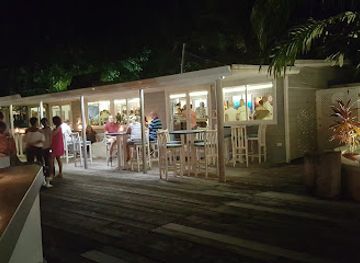
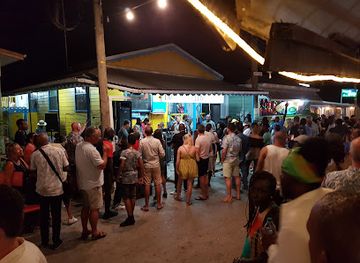
Paynes Bay’s evenings are generally relaxed, centred on hotel bars, beachfront drinks and restaurants rather than a dense concentration of nightclubs. The nearby Holetown area offers the west coast’s most accessible evening scene, with cocktail bars, casual pubs, live music and later venues mixed among shops and restaurants. Barbadian rum is an important part of local drinking culture, and rum-based cocktails appear alongside beer, wine and non-alcoholic options. Some evenings feature calypso, reggae or other Caribbean music, particularly in venues serving visitors, while larger resort properties may host performances. Bridgetown has a broader range of nightlife and cultural events, but transport should be planned in advance for the return journey to Paynes Bay, especially where roads are busy or poorly lit.
-
Night club
Harbour Lights Barbados
Discover the vibrant nightlife of Harbour Lights Barbados, where exquisite dining meets electrifying entertainment on the stunning Caribbean coast.
27 min drive · 9.0 km from city centre
-
Night club
Red Door Lounge
Discover the vibrant nightlife at Red Door Lounge, where great food, cocktails, and music create unforgettable memories in Barbados.
7 min drive · 2.3 km from city centre
-
Cocktail bar
Drift Ocean Terrace Lounge
Experience the vibrant nightlife of Barbados at Drift Ocean Terrace Lounge, where stunning sea views meet exquisite cocktails and a lively atmosphere.
6 min drive · 1.9 km from city centre
-
Bar
TML One Love Bar
Experience the vibrant nightlife and the colorful ambiance of TML One Love Bar in Holetown, Barbados, where unforgettable memories await.
7 min drive · 2.3 km from city centre

Best shops in Paynes Bay
Paynes Bay has limited independent retail of its own, so most visitors shop in nearby Holetown or travel to Bridgetown. Holetown combines supermarkets, pharmacies, small shops and modern retail at places such as Limegrove, while its surrounding streets contain boutiques, jewellers, craft sellers and businesses serving the resort population. Bridgetown offers a more extensive everyday shopping experience, including the Cheapside Market and central commercial streets where fresh produce, clothing and household goods are sold. Distinctive purchases may include Barbadian rum, pepper sauces, preserves, locally made crafts and small artworks, though provenance and quality vary. Visitors interested in traditional goods should ask whether an item is locally produced rather than assuming that every island-themed souvenir was made in Barbados.
-
Department store
Bridgetown Duty Free Broad Street
Discover the best tax-free shopping in Barbados at Bridgetown Duty Free, where luxury meets local charm on Broad Street.
24 min drive · 8.0 km from city centre
-
Shopping mall
Limegrove Lifestyle Centre
Explore the luxury of shopping, dining, and entertainment at Limegrove Lifestyle Centre in Holetown, Barbados' premier lifestyle destination.
7 min drive · 2.3 km from city centre
-
Supermarket
Massy Stores Supermarket Sunset Crest
Experience the vibrant shopping scene at Massy Stores Supermarket Sunset Crest in Holetown, Barbados, your ultimate destination for local goods and island flavors.
6 min drive · 2.1 km from city centre
-
Supermarket
Shopsmart Holders Hill
Discover Shopsmart Holders Hill in Saint James, Barbados, where convenience meets quality shopping for all your travel needs.
5 min drive · 1.5 km from city centre


Get your free copy of our complete guide to Paynes Bay, delivered straight to you.
Everything on this page, from attractions and restaurants to essentials and local phrases, in one PDF you can read offline, print or share.
Already have an account? Sign in
Your Paynes Bay guide is ready.
We'll send it to · Not you? Sign out

Getting your guide ready…
We are putting together a fresh copy of the Paynes Bay guide. This can take up to a minute.
This can take a few moments. If your browser asks, choose Allow so the download can start. You'll find the guide in your Downloads folder.
Nothing happened? Download it again
Sorry, the guide is taking longer than usual. Please try again in a minute, or get it by email instead.
Paynes Bay essentials
Currency and Payment
Safety
Emergency Situations
Do's and Don'ts
Local Tips
From Eve
Local phrases worth knowing
You don't need to get them perfect. A few words go a long way, and locals appreciate the effort.
Basics
| English | Local | Say it |
|---|---|---|
| Hello | Good day | [Gud dey] |
| Goodbye | Goodbye | [Gud-bye] |
| Yes | Yes | [Ya] |
| No | No | [Noh] |
| Please/You're welcome | Please/Welcome | [Pleez/Weh-kum] |
| Thank you | Thank you | [Tank yuh] |
| Excuse me/Sorry | Excuse me/Sorry | [Eks-kyoos me/Saari] |
| How are you? | How you is? | [How yuh iz?] |
| Fine. And you? | I good. An yuh? | [I gud. An yuh?] |
| Do you speak English? | Yuh speak English? | [Yuh speak Ing-glish?] |
| I don't understand | I doan undahstan | [I doan un-der-stan] |
Eating & Drinking
| English | Local | Say it |
|---|---|---|
| I'd like to see the menu, please | Lemme see de menu, puhlease | [Lem-mi see deh men-yu, puh-leeze] |
| I don't eat meat | I doan eat meat | [I doan eet meet] |
| Cheers! | Cheers! | [Chee-yuhs!] |
| I would like to pay, please | I would like to pay, puhlease | [I wud like to pay, puh-leeze] |
Emergencies
| English | Local | Say it |
|---|---|---|
| Help! | Help! | [Help!] |
| Go away! | Gone long! | [Gawn long!] |
| Call the Police! | Call de Police! | [Kall de Police!] |
| Call a doctor! | Call ah doctor! | [Kall ah dok-tuh!] |
| I'm lost | I loss | [I loss] |
| I'm ill | I sick | [I sik] |
Shopping
| English | Local | Say it |
|---|---|---|
| I'd like to buy... | Lemme buy... | [Lem-mi buy...] |
| I'm just looking | I just browsing | [I juss brows-ing] |
| How much is it? | How much dis cost? | [How much dis koss?] |
| That's too expensive | Dat too dear | [Dat too deer] |
| Can you lower the price? | Yuh cud drop de price? | [Yuh kud drop deh price?] |
Time & Numbers
| English | Local | Say it |
|---|---|---|
| What time is it? | Wha time it is? | [Wah time it iz?] |
| It's one o'clock | It one o'clock | [It wun o'clock] |
| Half past (10) | Half ten | [Half ten] |
| Morning | Mornin | [Morn-in] |
| Afternoon | Afternoon | [Af-ter-noon] |
| Evening | Evenin | [Eve-nin] |
| Yesterday | Yestuhday | [Yes-tuh-day] |
| Today | Today | [To-day] |
| Tomorrow | Tomorruh | [To-mor-ruh] |
| 1 | 1 | [One] |
| 2 | 2 | [Two] |
| 3 | 3 | [Tree] |
| 4 | 4 | [Fo'] |
| 5 | 5 | [Fiv] |
| 6 | 6 | [Six] |
| 7 | 7 | [Seven] |
| 8 | 8 | [Eight] |
| 9 | 9 | [Nine] |
| 10 | 10 | [Ten] |
Transport & Directions
| English | Local | Say it |
|---|---|---|
| Where's a/the...? | Weh de...? | [Weh de...?] |
| What's the address? | Wha de address? | [Wah de address?] |
| Can you show me (on the map)? | Can yuh show me (on de map)? | [Kan yuh show me (on de map)?] |
| When's the next (bus)? | When de nex (bus)? | [When deh neks (bus)?] |
| A ticket (to ....) | A ticket (to ....) | [A ticket (to ....)] |
History of Paynes Bay
Early Settlement and Indigenous Barbados
Long before English settlement, Barbados was inhabited by Indigenous peoples, including communities associated with the Saladoid-Barrancoid and later Arawakan cultural traditions. Archaeological evidence across the island indicates fishing, farming and coastal movement, although the surviving historical record does not provide a detailed account of a separate settlement at Paynes Bay. The west coast’s sheltered waters would nevertheless have formed part of a wider maritime landscape linking beaches, reefs and inland resources. By the early seventeenth century, Barbados had no permanent Indigenous population recorded by English colonists, though the island’s earlier inhabitants remain an important part of its cultural history.
English Settlement at Holetown
English settlers established a permanent colony on Barbados in 1627, landing at what is now Holetown, immediately north of Paynes Bay. The area was first known as Jamestown and later became associated with the small inlet called The Hole. Holetown’s sheltered harbour helped connect the emerging colony with England and other Caribbean settlements. Paynes Bay formed part of the wider west-coast environment surrounding this early colonial centre, rather than developing as an independent town of comparable size. The nearby Holetown monument and St James Parish Church reflect the area’s continuing association with Barbados’s earliest English settlement.
Plantations and the Sugar Economy
During the seventeenth and eighteenth centuries, Barbados was transformed by sugar cultivation. Plantations expanded across the island, supported by the forced labour of enslaved Africans and by trade through coastal ports and Bridgetown. Estates in St James and neighbouring parishes shaped the inland landscape behind the west coast, while roads and landing places connected plantation production with maritime commerce. The wealth generated by sugar funded substantial houses, churches and commercial buildings, but it rested on an oppressive system whose consequences remain central to Barbadian history. Paynes Bay’s modern resort landscape developed within this older plantation geography.
Emancipation and Social Change
The British abolition of slavery took effect in Barbados in 1834, followed by a period of apprenticeship that ended in 1838. Freedom altered labour, landholding and community life throughout St James, although economic inequality and plantation influence persisted. Villages, churches and coastal settlements became part of a society shaped by formerly enslaved families, free communities and continued agricultural work. The west coast also remained connected to maritime trade and Bridgetown. These changes help explain why modern Barbados combines British colonial institutions with a deeply rooted Afro-Barbadian cultural identity visible in music, food, religion and community traditions.
From Agriculture to Coastal Tourism
Barbados gradually diversified beyond sugar during the twentieth century, while improved roads, air links and international visitors encouraged the growth of coastal tourism. St James became one of the island’s principal visitor regions, with hotels, villas, restaurants and marine activities developing along the calmer west coast. Paynes Bay retained its residential and beach setting while becoming part of this broader tourism corridor between Bridgetown and Holetown. Contemporary visitors encounter a landscape in which reef-fringed beaches and resort facilities coexist with older churches, plantation-era traces and communities shaped by Barbados’s long agricultural and maritime history.
Travel experiences inspired by this city
-
 11 Day Trip
Bathsheba Bound: An 11-Day East Coast Escape in Barbados
Explore Bathsheba’s rugged Atlantic coast from The Atlantis Historic Inn—surf vistas, tide pools, hikes, Bajan flavors, and sustainable, culture-rich travel.
 27 Jul 2026
By David Smith -
 11 Day Trip
Homecoming to Bathsheba: 11-Day Family Escape on Barbados' Wild East Coast
Family return to Barbados: 11 days in Bathsheba to surf Soup Bowl, hike dramatic East Coast trails, and unwind in eco-conscious comfort at ECO Lifestyle & Lodge.
 20 Jul 2026
By David Clarke -
 8 Day Trip
Family Adventure to Harrison's Cave in Barbados
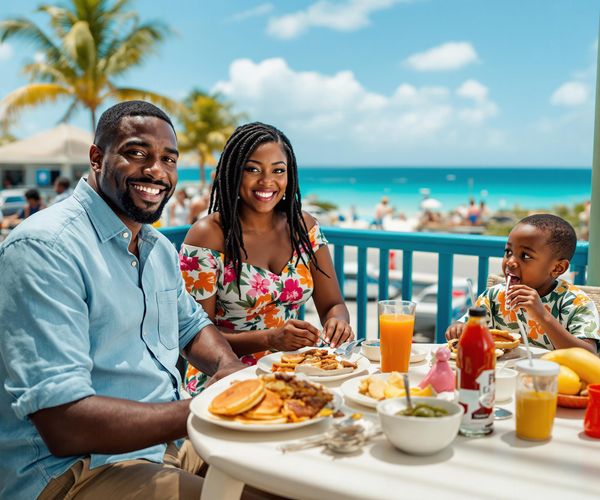
Discover the natural wonders of Harrison's Cave, Barbados, with your family. Explore stunning caves and enjoy the vibrant culture and cuisine.
 10 Sep 2025
By David Clarke
Swipe for more travel diaries
Paynes Bay in Photos
Browse through our photo collection highlighting the charm and character of the destination.
Cities near Paynes Bay
The closest cities to Paynes Bay, if you have time for more than one stop.
-

-

-
-

-


Swipe for more cities
Explore more

Explore more of Barbados
Discover Barbados: Pristine beaches, rich history, and vibrant culture await in this Caribbean paradise. Perfect for adventure, relaxation, and culinary delights.
Explore Barbados