

Drax Hall Estate, Paynes Bay Travel Guide
Discover Drax Hall Estate in St. Joseph, Barbados: a historic Jacobean mansion, a symbol of colonial history, and a focal point for discussions on reparations and legacy.
Drax Hall Estate, nestled in the parish of St. Joseph, Barbados, offers a unique window into the island's colonial history. As one of the oldest surviving Jacobean mansions in the Western Hemisphere, dating back to the 1650s, it stands as a testament to the island's rich, complex past. While not always open for public tours, the exterior architecture alone provides a compelling glimpse into a bygone era of sugar plantations and colonial life. The estate's historical significance is intertwined with the Drax family, pioneers in the sugar industry and early adopters of enslaved labor, making it a site of both architectural interest and historical reflection. Though access may be limited, Drax Hall remains a landmark of immense importance, prompting ongoing discussions about reparations and the legacy of slavery in Barbados. Its imposing presence serves as a stark reminder of the island's intricate history, inviting contemplation on its impact and lasting significance.
A brief summary to Drax Hall Estate
- Bowling Alley Hill, Saint Joseph, BB

Know before you go
Hi, I'm Eve. Here are a few practical things to know before exploring Drax Hall Estate.
- While Drax Hall is a private residence, admire its Jacobean architecture from the road for a glimpse into Barbados's colonial past.
- Combine your visit with a trip to nearby St. Nicholas Abbey for a more accessible plantation experience.
- Consider visiting during the Barbados National Trust's Open House Programme for a rare opportunity to tour the interior (check local listings for dates).
- Reflect on the complex history of the estate and its role in the sugar industry and the transatlantic slave trade.
Do you manage this location?
Take control to get all the benefits, like improved information, better appearance, and stronger visibility across AI-powered discovery. Learn more about listing your business on Evendo
Activate your presenceOther nearby places you may find interesting
The closest places of the same kind, if this one is not quite what you had in mind.




Explore Drax Hall Estate on the Map
A handpicked selection of must-see spots near Drax Hall Estate, mapped for you.
Getting There
-
Driving
From the center of Saint Joseph, head north on Highway 5. Continue for approximately 5 minutes until you reach a roundabout. Take the first exit onto Drax Hall Road. Follow Drax Hall Road for about 2 minutes; Drax Hall Estate will be on your left at Bowling Alley Hill. Limited parking is available on-site.
-
Public Transport
From any bus stop in Saint Joseph, take a bus heading towards Bathsheba. These buses typically depart from the main bus terminal. Inform the driver that you wish to get off near Drax Hall Estate. The bus will drop you at the nearest stop, from which it's a short walk (approximately 5 minutes) to the estate, following the main road towards Bowling Alley Hill. Bus fare is BBD$3.50.
-
Taxi/Ride-Share
Hire a taxi from anywhere in Saint Joseph. Inform the driver that your destination is Drax Hall Estate, located at Bowling Alley Hill. The taxi ride should take around 10 minutes, depending on traffic. Confirm the fare with the driver before starting your journey. Expect to pay around BBD$30-40 for a taxi from within St. Joseph.
Discover more about Drax Hall Estate













Your all‑in‑one travel companion app
Explore expert travel guides, compare and book tours, experiences, hotels, and more—all from the palm of your hand. Download now for seamless trip planning wherever your wanderlust takes you.


Explore More of Paynes Bay
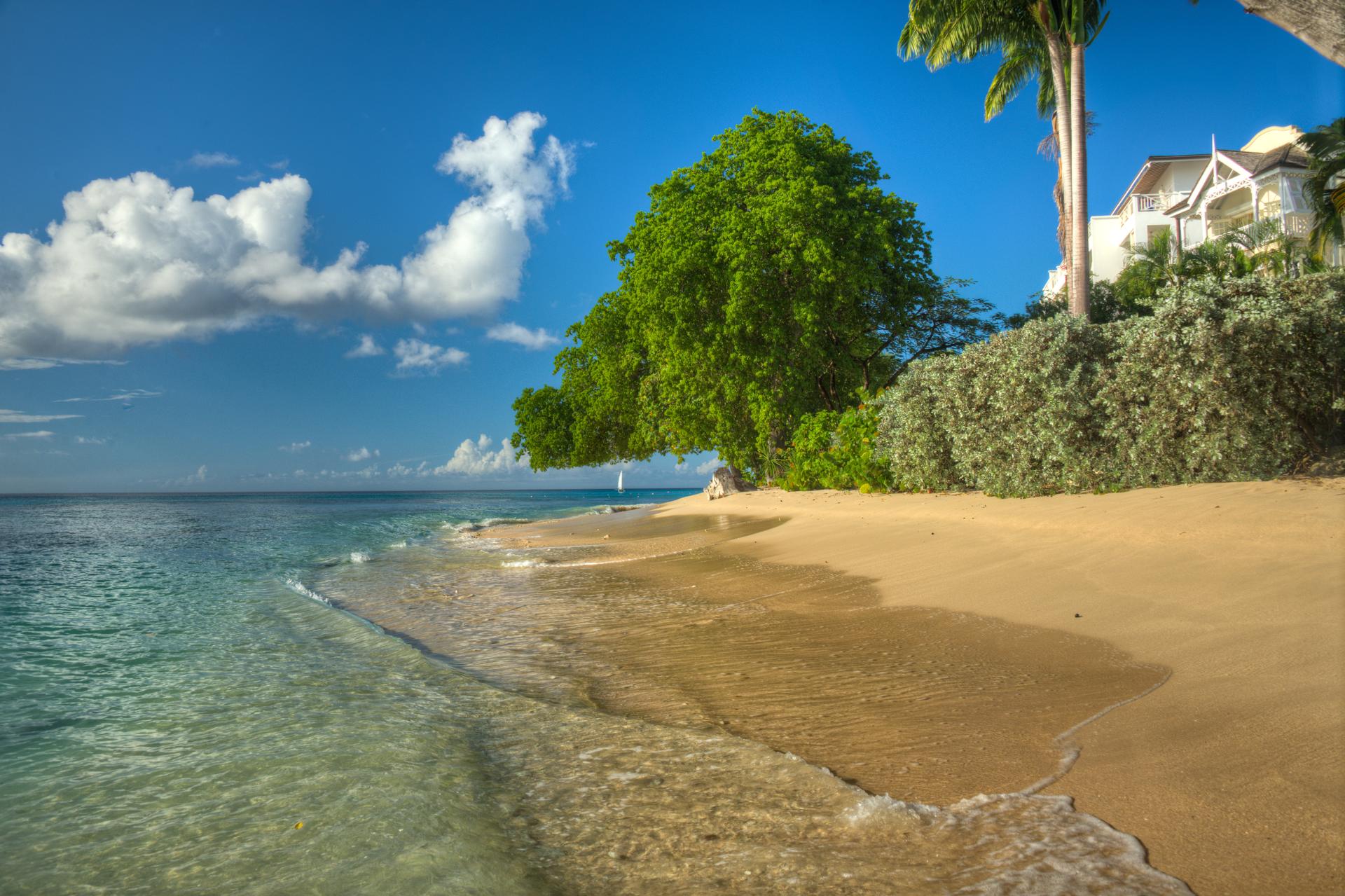
Looking beyond Drax Hall Estate? Discover Paynes Bay for broader travel guides, local hot-spots, and regional highlights.
Explore Paynes Bay
Experience the beauty and culture of the region with personalized tours and expert guides at Stouteland Tours.

Discover St. Philip Anglican Church in Barbados: a historic sanctuary of faith, resilience, and architectural beauty amidst a tranquil, lush landscape.
