Cotton Tower Signal Station, Saint Philip Travel Guide
Discover Barbados' colonial past at the Cotton Tower Signal Station, offering panoramic views of the Scotland District and a glimpse into the island's strategic history and natural beauty.
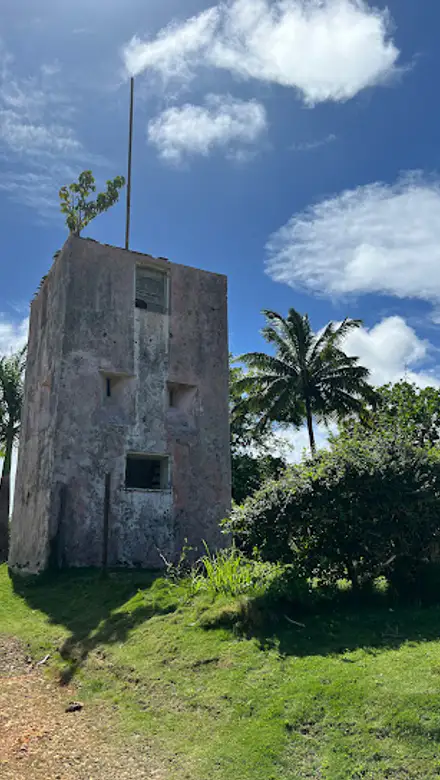
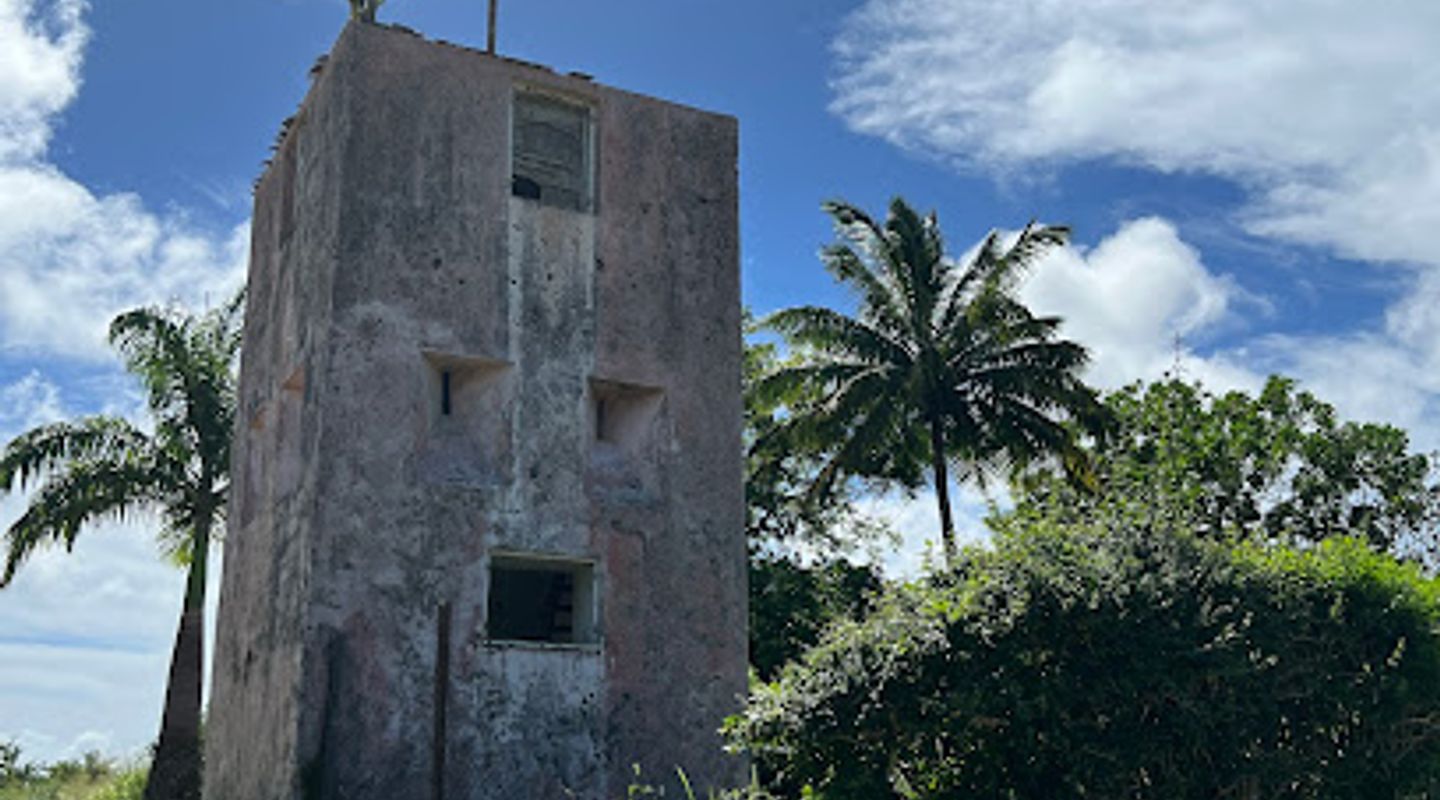
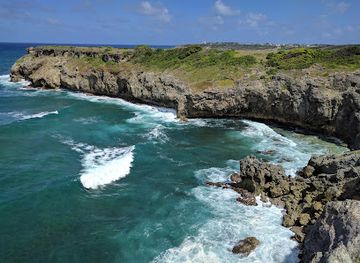
The Cotton Tower Signal Station, perched on Horse Hill in St. Joseph, Barbados, offers a captivating journey into the island's colonial history. Built in the 19th century, this former signal station played a crucial role in maritime communication, relaying messages across the island and to passing ships. Though currently closed to the public, the tower's exterior and surrounding grounds provide stunning panoramic views of the rugged Scotland District and the Atlantic coastline. The site serves as a reminder of Barbados' strategic importance and offers a tranquil escape amidst lush greenery. A visit here allows one to reflect on the island's past while soaking in the natural beauty of the present, making it a worthwhile stop for history enthusiasts and nature lovers alike. The tower stands as a proud symbol of Barbados' heritage, inviting visitors to imagine a time when communication relied on visual signals and unwavering vigilance.
A brief summary to Cotton Tower Signal Station
- Horse Hill, Saint Joseph, BB

Know before you go
Hi, I'm Eve. Here are a few practical things to know before exploring Cotton Tower Signal Station.
- Visit during the late afternoon for the best lighting for photography and to witness a stunning sunset over the Atlantic Ocean.
- Wear comfortable shoes, as the terrain around the tower can be uneven and require some walking.
- Bring a picnic to enjoy the scenic views and tranquil atmosphere of the surrounding landscape.
Do you manage this location?
Take control to get all the benefits, like improved information, better appearance, and stronger visibility across AI-powered discovery. Learn more about listing your business on Evendo
Activate your presenceOther nearby places you may find interesting
The closest places of the same kind, if this one is not quite what you had in mind.

Explore Cotton Tower Signal Station on the Map
A handpicked selection of must-see spots near Cotton Tower Signal Station, mapped for you.
Getting There
-
Public Transport
From Bridgetown, take the #6 bus towards Bathsheba. The bus ride takes approximately 45-50 minutes. Ask the driver to drop you off at the Horse Hill stop. From the Horse Hill bus stop (Vaughan Rd 3), it's approximately a 7-10 minute uphill walk to the Cotton Tower Signal Station. The standard bus fare is BDS$3.50 (approximately US$1.75). Ensure you have local currency, as foreign coins are not accepted on Transport Board buses.
-
Taxi/Ride-Share
A taxi or ride-share from Bridgetown to the Cotton Tower Signal Station will take approximately 20-30 minutes, depending on traffic. Expect to pay between BDS$80-100 (approximately US$40-50) for a one-way trip. Confirm the fare with the driver before starting your journey.
-
Driving
From Bridgetown, follow Highway 3 to Horse Hill in St. Joseph. Look for signs indicating the direction of the Cotton Tower Signal Station. Limited parking is available near the site. Note that the roads leading to the station can be narrow and winding, so exercise caution while driving.
Discover more about Cotton Tower Signal Station
More to explore near Cotton Tower Signal Station













Your all‑in‑one travel companion app
Explore expert travel guides, compare and book tours, experiences, hotels, and more—all from the palm of your hand. Download now for seamless trip planning wherever your wanderlust takes you.


Explore More of Saint Philip
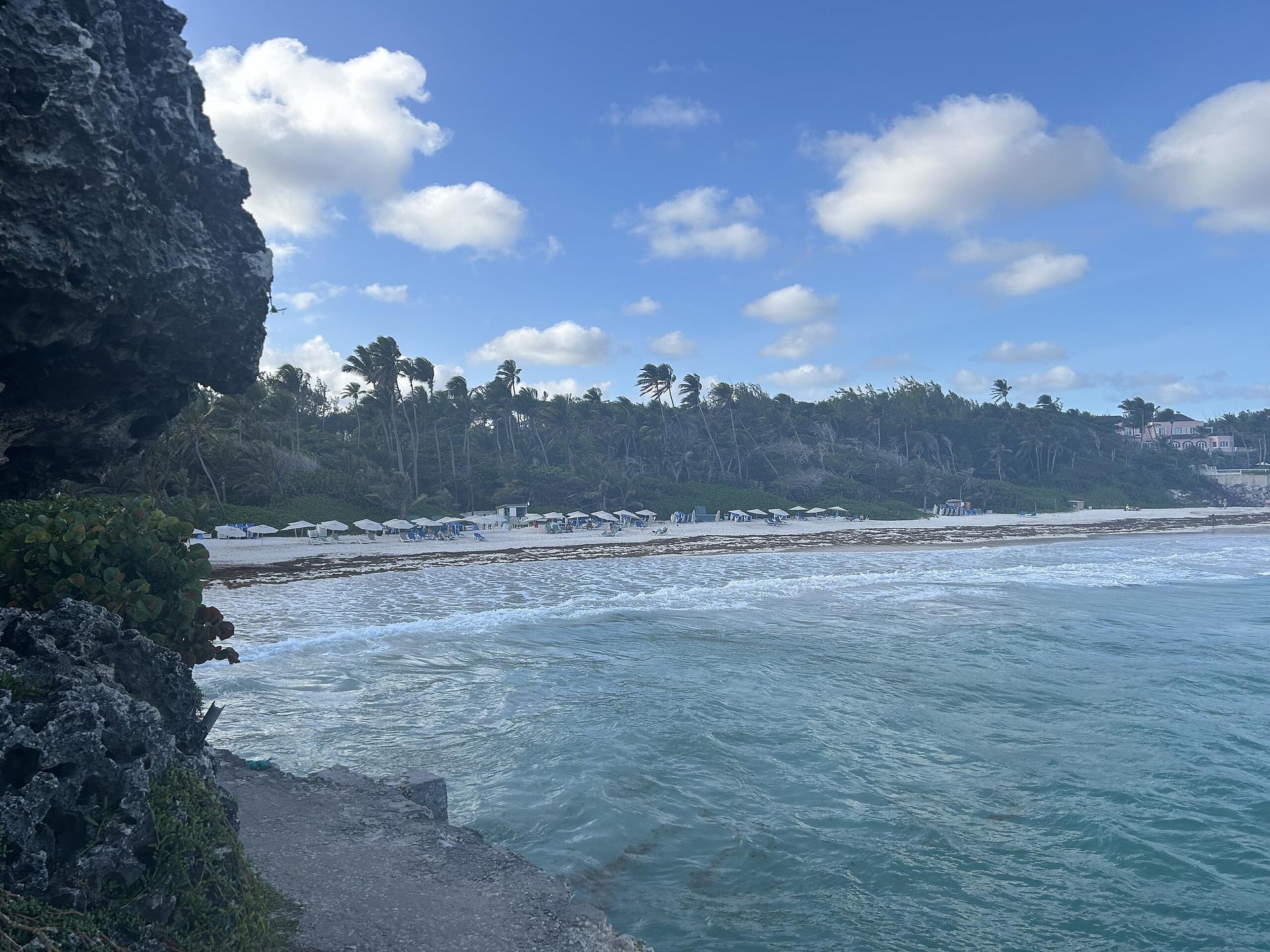
Looking beyond Cotton Tower Signal Station? Discover Saint Philip for broader travel guides, local hot-spots, and regional highlights.
Explore Saint Philip
Experience the beauty and culture of Barbados at The Boatyard, a top tourist attraction offering breathtaking views and unforgettable local experiences.
Discover Gaskins in Saint Joseph, Barbados: A serene escape offering lush landscapes, tranquil pathways, and breathtaking panoramic views.