

Free Saint Philip Travel Guide & Mobile App
Explore Saint Philip with free travel guides. Discover regional history, expert tips, proposed trips, and audio guides on web or mobile app.


Explore Saint Philip, Barbados for Atlantic beaches, coral cliffs, plantation heritage, coastal drives and a quieter view of island life.
Read more about Saint Philip
When is the best time to visit Saint Philip?
Best: January–March · 29–30°C| Month | High (°C) | Rainfall (mm) |
|---|---|---|
| January (best) | 29 | 63 |
| February (best) | 29 | 48 |
| March (best) | 30 | 45 |
| April | 30 | 60 |
| May | 30 | 92 |
| June | 30 | 125 |
| July | 30 | 148 |
| August | 31 | 170 |
| September | 30 | 161 |
| October | 30 | 161 |
| November | 30 | 135 |
| December | 30 | 95 |
Getting to and around Saint Philip
How to get there
Transportation
Top city travel guides in Saint Philip
The cities of Saint Philip, and the easiest places to base yourself.

Swipe for more cities
Destinations in Saint Philip
Resorts, valleys and scenic spots worth a trip of their own.

Swipe for more destinations
Best attractions in Saint Philip
Saint Philip’s attractions combine Atlantic scenery, plantation history and open countryside rather than a dense concentration of museums or urban entertainment. Sunbury Plantation House is the principal heritage experience, with historic interiors and grounds that explain the domestic side of estate life and Barbados’s sugar economy. Along the coast, Crane Beach, Bottom Bay, Foul Bay, Long Bay and Harrismith provide contrasting settings for walking, photography and carefully judged beach time; not all are equally suitable for swimming. The parish also offers opportunities for scenic driving, birdwatching and exploring the agricultural interior, where cane fields and village roads reveal a quieter side of the island. Historic churches and estate landscapes add cultural depth, while coastal hotels provide organised facilities in places where public amenities are limited. Saint Philip is best explored as a sequence of landscapes and sites, with time allowed for weather, road conditions and the distance between the coast and inland attractions.
-
 Hotel
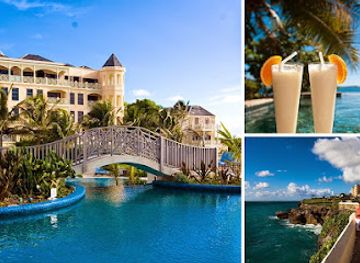
HotelThe Crane Resort, Barbados
Experience timeless elegance and breathtaking ocean views at The Crane Resort in Barbados, the Caribbean's oldest continuously operating hotel, offering luxurious accommodations and world-class amenities.
-
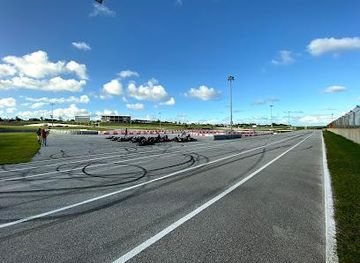
Car racing track
Bushy Park Barbados
Experience the thrill of motorsports at Bushy Park Barbados, the Caribbean's premier racing destination. Karting, racing events, and driving experiences await!
-
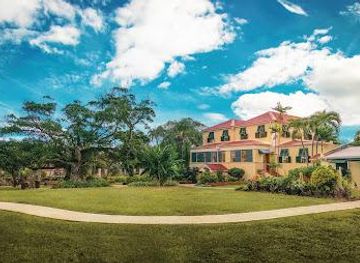
Historical landmark
Sunbury Plantation Great House
Step back in time at Sunbury Plantation Great House, Barbados: Explore colonial history, antique collections, and stunning architecture.
-
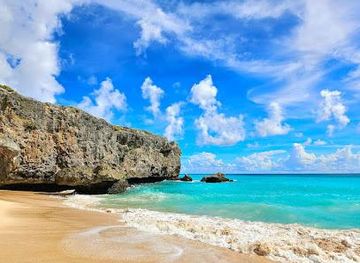
Beach
Bottom Bay
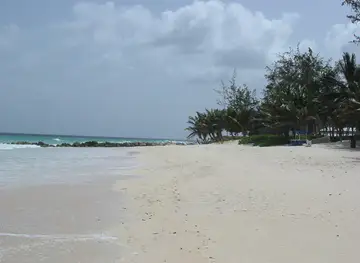
Discover Bottom Bay, Barbados: A secluded beach paradise with dramatic cliffs, swaying palms, and tranquil turquoise waters, perfect for a peaceful escape and breathtaking views.
Best landmarks in Saint Philip
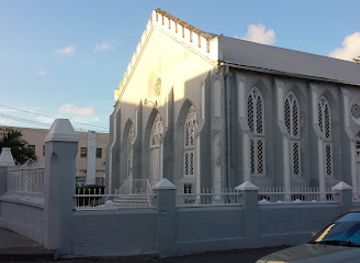
Saint Philip’s most recognisable landmarks reflect its cliffs, plantation past and exposed maritime setting. The coral escarpment above Crane Beach creates one of the parish’s defining coastal scenes, while Bottom Bay’s palms, broad sand and high rock boundary form another widely recognised landscape. Ragged Point Lighthouse marks the southeastern edge of Barbados and represents the island’s long relationship with navigation and the Atlantic, although access and surrounding conditions should be checked locally. Sunbury Plantation House is significant for its surviving association with estate life, architecture and the sugar economy. Sam Lord’s Castle, near Long Bay, is linked to the nineteenth-century planter and privateer Samuel Hall Lord and remains an important historic reference point, despite later changes to the property. Parish churches, old estate roads and scattered great-house landscapes complete a less monumental but historically revealing landmark network across the interior.
-
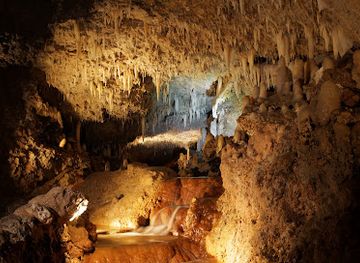
Tourist attraction
Harrison's Cave Eco-Adventure Park
Experience the breathtaking underground beauty of Harrison's Cave Eco-Adventure Park, a geological marvel in the heart of Barbados.
-
Hotel
The Crane Resort, Barbados
Experience the epitome of Caribbean luxury at The Crane Resort in Barbados, where breathtaking views and exceptional service await every traveler.
-
Tourist attraction
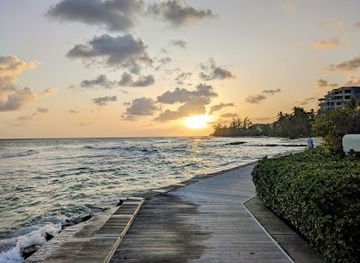
The Richard Haynes Boardwalk
Explore the beauty of the Caribbean at The Richard Haynes Boardwalk, a picturesque promenade in Bridgetown, Christ Church, perfect for leisurely walks and local culture.
-
History museum
Barbados Museum & Historical Society
Explore the rich history and vibrant culture of Barbados at the Barbados Museum & Historical Society, where the past comes to life.
Explore Saint Philip on the map
Plan your trip on one map. See where the top cities, national parks and sights are, and book hotels and experiences in a few clicks.
Best hotels in Saint Philip
Best restaurants in Saint Philip
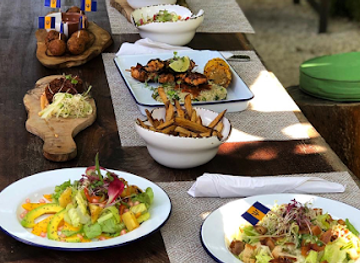
Dining in Saint Philip is shaped by Barbadian home cooking, hotel hospitality and the parish’s spread-out settlement pattern. Visitors will find traditional dishes such as flying fish, macaroni pie, rice and peas, fish cakes, grilled seafood and seasoned chicken in casual restaurants, village eateries and takeaway outlets, though menus and opening arrangements vary. Near the coast, hotel restaurants and independent dining rooms cater to visitors seeking seafood, international dishes and sunset meals, while inland establishments generally offer a more informal setting. Local rum, fruit drinks and sweet baked goods complement meals, and roadside stalls may sell simple snacks when open. The best way to understand the food culture is to combine a formal meal with a modest local lunch, while asking about daily specials rather than expecting a permanent tourist dining strip. Card payments are common in established restaurants, but cash is prudent for small vendors.
-
Caribbean
Dis Ole House Kitchen & Garden Barbados
Discover authentic Caribbean cuisine at Dis Ole House Kitchen & Garden in Long Bay, Barbados—where fresh flavors meet beautiful surroundings.
-
Restaurant
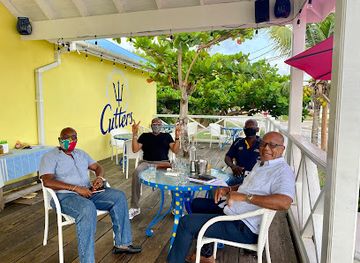
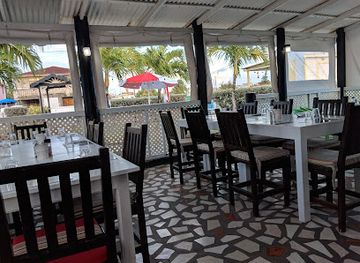
Cutters of Barbados
Experience family-friendly dining at Cutters of Barbados with stunning beach views and delicious local cuisine.
-
Grill
Marco Polo Bar and Grill
Experience delectable Caribbean cuisine at Marco Polo Bar and Grill - where every meal is a celebration of flavor!
-
Japanese
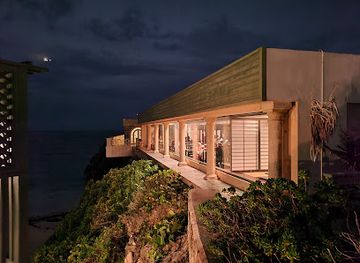
Zen Restaurant
Savor authentic Japanese flavors in a tranquil setting at Zen Restaurant in Diamond Valley, Saint Philip.
Best bars in Saint Philip
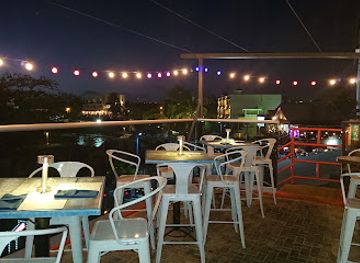
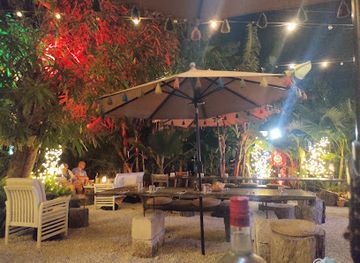
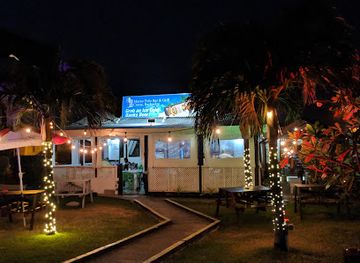
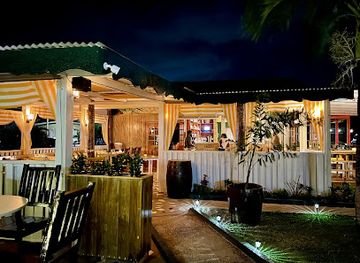
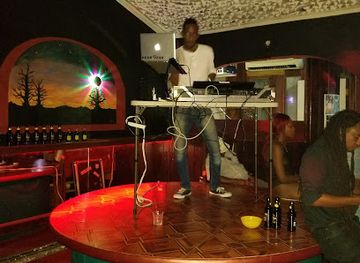
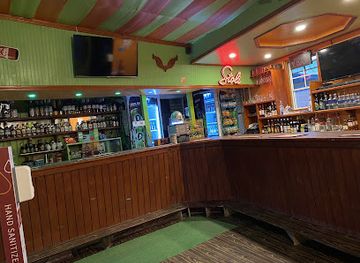
Saint Philip’s evening life is relatively understated and centres on hotel bars, rum shops, casual restaurants and community pubs rather than a large nightclub district. Around the coastal resorts, visitors can find cocktails, rum-based drinks and occasional entertainment, while village establishments provide a more local setting for conversation, televised sport and music. Nightlife is generally more dispersed than on the south coast, and many evenings are oriented around dinner or an early drink rather than late clubbing. Live music and seasonal events may appear, but schedules change, so check locally rather than relying on old listings. Visitors should arrange transport in advance for rural venues, avoid walking along unlit roads after dark and remember that enjoying Saint Philip’s evening culture does not require heavy drinking.
-
Cocktail bar
Cocktail Kitchen
Experience the vibrant atmosphere and innovative cocktails at Cocktail Kitchen in St. Lawrence Gap, the heart of Barbados' nightlife.
-
Caribbean
Dis Ole House Kitchen & Garden Barbados
Experience the vibrant flavors of the Caribbean at Dis Ole House Kitchen & Garden in Long Bay, Saint Philip, Barbados.
-
Grill
Marco Polo Bar and Grill
Experience the vibrant flavors of the Caribbean at Marco Polo Bar and Grill, where delicious cuisine and a welcoming atmosphere await.
-
Bar
Le Shack Restaurant and Bar
Experience the best of Caribbean dining at Le Shack Restaurant and Bar in Saint Philip, Barbados, where flavors and fun come together.
Best nightclubs in Saint Philip
Saint Philip’s evening life is relatively understated and centres on hotel bars, rum shops, casual restaurants and community pubs rather than a large nightclub district. Around the coastal resorts, visitors can find cocktails, rum-based drinks and occasional entertainment, while village establishments provide a more local setting for conversation, televised sport and music. Nightlife is generally more dispersed than on the south coast, and many evenings are oriented around dinner or an early drink rather than late clubbing. Live music and seasonal events may appear, but schedules change, so check locally rather than relying on old listings. Visitors should arrange transport in advance for rural venues, avoid walking along unlit roads after dark and remember that enjoying Saint Philip’s evening culture does not require heavy drinking.
-
Sports bar
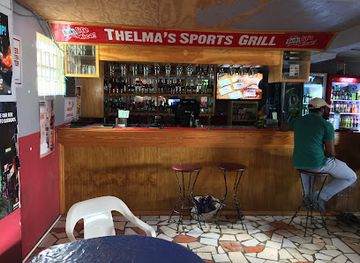
Thelma's Sports Grill
Experience the vibrant spirit of Saint Philip at Thelma's Sports Grill, where delicious food, drinks, and sports come together in a lively atmosphere.
-
Disco club
Club Rehab
Discover the lively atmosphere of Club Rehab, Bridgetown's premier disco club, where unforgettable nightlife awaits every night until dawn.
-
Bar
Incognito Night Club
Incognito Night Club: Discover the heart of Oistins' nightlife with vibrant music, exquisite cocktails, and an unforgettable atmosphere.
-
Bar
Deb’s Bar
Deb’s Bar in Bridgetown offers an authentic Barbadian experience with vibrant energy, delicious drinks, and a friendly atmosphere for all visitors.

Best shops in Saint Philip
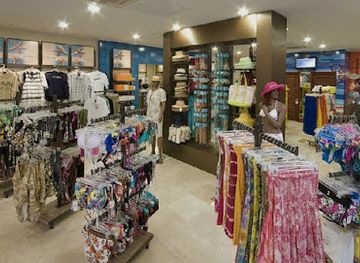
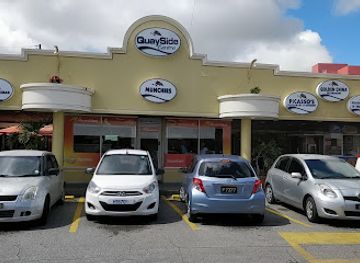
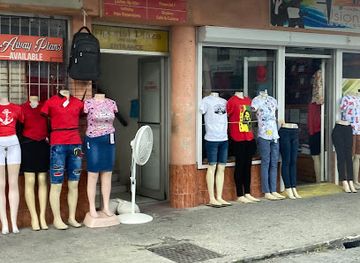
Shopping in Saint Philip is mainly practical and local, with village shops, supermarkets, small food outlets and roadside sellers rather than a major retail centre. Six Cross Roads and other settled areas are useful for provisions, while coastal hotels offer a limited selection of souvenirs, beach goods and Barbadian products. Look for rum, pepper sauces, biscuits, confectionery, coffee, locally made crafts and artwork, checking labels to distinguish products made in Barbados from imported souvenirs. Farmers and roadside vendors may sell seasonal fruit and vegetables, although availability and payment methods vary. Visitors seeking extensive duty-free, designer or jewellery shopping will generally find a broader choice in Bridgetown and the south-coast commercial areas outside Saint Philip. In the parish itself, the appeal lies in buying useful provisions and locally produced food while travelling between beaches, villages and heritage sites.
-
Department store
Bridgetown Duty Free Broad Street
Discover tax-free shopping bliss at Bridgetown Duty Free Broad Street, where luxury meets affordability in the heart of Barbados.
-
Shopping mall
Quayside Centre Shopping Plaza
Experience the vibrant shopping scene at Quayside Centre, where local boutiques meet delightful dining in the heart of Bridgetown, Barbados.
-
Discount store
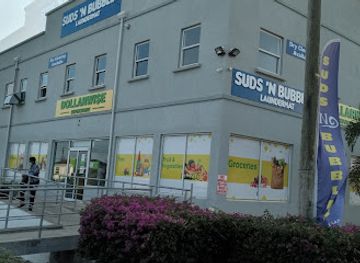
Dollarwise
Shop smart at Dollarwise, the premier discount store in Saint Philip, offering great deals on a wide variety of products.
-
Clothing store
Fusionz Boutique
Discover unique styles at Fusionz Boutique in Bridgetown, where local culture meets contemporary fashion, perfect for every tourist's wardrobe.
Get your free copy of our complete guide to Saint Philip, delivered straight to you.
Everything on this page, from attractions and restaurants to essentials and local phrases, in one PDF you can read offline, print or share.
Already have an account? Sign in
Your Saint Philip guide is ready.
We'll send it to · Not you? Sign out

Getting your guide ready…
We are putting together a fresh copy of the Saint Philip guide. This can take up to a minute.
This can take a few moments. If your browser asks, choose Allow so the download can start. You'll find the guide in your Downloads folder.
Nothing happened? Download it again
Sorry, the guide is taking longer than usual. Please try again in a minute, or get it by email instead.
Saint Philip essentials
Currency and Payment
Safety
Emergency Situations
Do's and Don'ts
Local Tips
From Eve
Local phrases worth knowing
You don't need to get them perfect. A few words go a long way, and locals appreciate the effort.
Basics
| English | Local | Say it |
|---|---|---|
| Hello | Wha' happenin' | [Wah hap-pen-in] |
| Goodbye | See yuh later | [See yuh lay-ta] |
| Yes | Yea | [Yea] |
| No | Nah | [Nah] |
| Please/You're welcome | Please | [Please] |
| Thank you | Tank yuh | [Tank yuh] |
| Excuse me/Sorry | Scuse me | [Skewz me] |
| How are you? | How yuh doin'? | [How yuh do-in?] |
| Fine. And you? | I good. An' yuh? | [I gud. An' yuh?] |
| Do you speak English? | Yuh does speak English? | [Yuh duz speak English?] |
| I don't understand | I ain't understand | [I ain't un-der-stand] |
Eating & Drinking
| English | Local | Say it |
|---|---|---|
| I'd like to see the menu, please | Could I see de menu, please? | [Cud I see de men-u, please?] |
| I don't eat meat | I don' eat meat | [I don' eat meat] |
| Cheers! | Cheers! | [Cheers!] |
| I would like to pay, please | I would like to pay, please | [I wud laik to pay, please] |
Emergencies
| English | Local | Say it |
|---|---|---|
| Help! | Help! | [Help!] |
| Go away! | Get outta here! | [Get out-ta here!] |
| Call the Police! | Call de police! | [Call de po-leese!] |
| Call a doctor! | Call a doctor! | [Call a doc-ta!] |
| I'm lost | I lost | [I lost] |
| I'm ill | I ain't feelin' well | [I ain't feel-in' well] |
Shopping
| English | Local | Say it |
|---|---|---|
| I'd like to buy... | I wan' buy... | [I wan' buy...] |
| I'm just looking | I just lookin' | [I just look-in'] |
| How much is it? | How much dat? | [How much dat?] |
| That's too expensive | Dat too high | [Dat too hai] |
| Can you lower the price? | Can yuh lower de price? | [Can yuh low-er de price?] |
Time & Numbers
| English | Local | Say it |
|---|---|---|
| What time is it? | Wha' time it is? | [Wah time it is?] |
| It's one o'clock | It one o'clock | [It wun o'clock] |
| Half past (10) | Half past ten | [Half past ten] |
| Morning | Mornin' | [Morn-in'] |
| Afternoon | Afternoon | [Af-ter-noon] |
| Evening | Eve-ning | [Eve-ning] |
| Yesterday | Yest'day | [Yes-ta-day] |
| Today | Today | [To-day] |
| Tomorrow | Tomorra' | [To-mor-ra] |
| 1 | One | [One] |
| 2 | Two | [Two] |
| 3 | Three | [Three] |
| 4 | Four | [Four] |
| 5 | Five | [Five] |
| 6 | Six | [Six] |
| 7 | Seven | [Seven] |
| 8 | Eight | [Eight] |
| 9 | Nine | [Nine] |
| 10 | Ten | [Ten] |
Transport & Directions
| English | Local | Say it |
|---|---|---|
| Where's a/the...? | Wha' de location? | [Wah de lo-kay-shun?] |
| What's the address? | Wha' de address? | [Wah de ad-dress?] |
| Can you show me (on the map)? | Can yuh show me on de map? | [Can yuh show me on de map?] |
| When's the next (bus)? | When de next bus coming? | [When de next bus com-ing?] |
| A ticket (to ....) | A ticket to... | [A tick-et to...] |
History of Saint Philip
Amerindian Barbados before European settlement
Long before English colonisation, Barbados was visited and settled by Indigenous peoples, including communities associated with the Arawakan and later Kalinago worlds. Archaeological evidence across the island records villages, tools, pottery and foodways linked to these societies. Saint Philip’s coast and fertile interior formed part of the island’s wider human landscape, although later plantation development removed or obscured much of the visible evidence. Understanding this earlier history is important because the parish’s seemingly rural scenery was not an empty landscape before European settlement.
English colonisation and early estates, seventeenth century
English settlers established a permanent colony in Barbados in 1627, and Saint Philip became part of the island’s expanding network of plantations and parish institutions. Its fertile coral soils supported provisions and, increasingly, sugar cultivation. Roads, churches and estate boundaries developed alongside a system of landholding that tied the parish to the colony’s export economy. The early settlement period also brought forced migration from Africa and the creation of an enslaved society whose labour, knowledge and resistance shaped every aspect of plantation Barbados.
The sugar plantation economy
From the seventeenth through the nineteenth centuries, sugar dominated Saint Philip’s economy. Estates combined cane fields, boiling houses, great houses and quarters for enslaved workers, creating the physical pattern that still survives in parts of the parish. Families and landowners such as the Codringtons and Samuel Hall Lord became associated with large estates and ambitious residences. Sugar brought wealth to the colonial elite but depended on coercive labour, harsh conditions and the displacement of African lives and cultural practices. Later plantation landscapes should therefore be read as evidence of both architectural power and exploitation.
Emancipation and post-slavery change, 1834–1880s
Slavery was legally abolished in the British Caribbean in 1834, with full freedom following the apprenticeship period in 1838. Saint Philip’s plantation system did not disappear, but labour relations and land use gradually changed as formerly enslaved Barbadians sought greater independence and many continued to work in agriculture. Small settlements expanded around estates and churches, while sugar remained the principal commercial crop. The period also saw continuing disputes over wages, land and political power, issues that shaped rural Barbadian society long after emancipation.
Plantation decline and a changing rural economy
During the late nineteenth and twentieth centuries, Saint Philip’s economy became less exclusively dependent on large estates. Sugar continued to matter, but estate consolidation, changing world prices, mechanisation and the growth of other employment altered the parish’s rural character. Small shops, villages and transport links connected residents to Bridgetown and the expanding urban economy. Historic houses and former plantation properties acquired new functions, while agricultural land remained a visible element of the parish even as tourism and residential development increased around the coast.
Barbados in the modern era
Barbados gained independence from Britain in 1966, and Saint Philip developed within the modern Barbadian state rather than as an isolated rural district. Better roads, tourism, aviation and overseas migration connected the parish more closely to the rest of the island and to international visitors. At the same time, its eastern and southern landscapes retained a distinct agricultural and coastal identity. Contemporary Saint Philip combines residential communities, hospitality, working countryside and heritage places, reflecting Barbados’s transition from a plantation colony to an independent service-oriented society.
Saint Philip in Photos
Browse through our photo collection highlighting the charm and character of the destination.
Neighbouring regions of Saint Philip
The closest regions to Saint Philip, if you have time for more than one.
-
-

-
-

-


Swipe for more regions

