The Great Synagogue of Europe
Discover the Great Synagogue of Europe in Brussels, a symbol of Jewish heritage and resilience, showcasing stunning Romanesque-Byzantine architecture and a rich history.
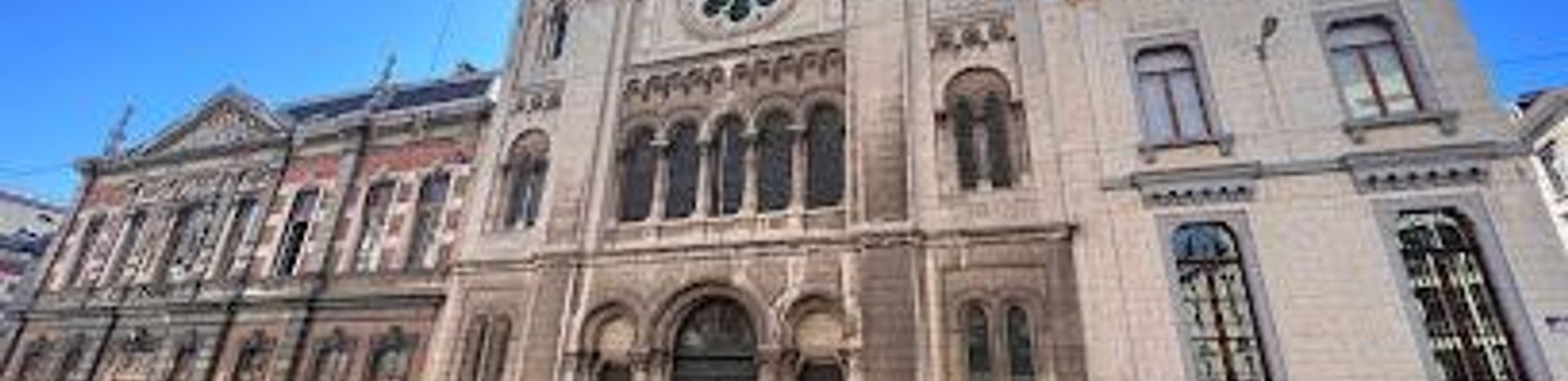
The Great Synagogue of Europe, formerly known as the Great Synagogue of Brussels, stands as a testament to the Jewish community's enduring presence and resilience in Belgium. Inaugurated in 1878, this Romanesque-Byzantine architectural gem serves not only as a place of worship but also as a symbol of Jewish integration and identity within Europe. Its rich history, marked by periods of persecution and revival, reflects the broader narrative of Jewish life in Brussels. Today, it continues to be a vibrant center for Jewish culture and religious practice, welcoming visitors from all backgrounds to appreciate its beauty and learn about its significance. Located in the heart of Brussels, a visit offers a poignant glimpse into the past and a celebration of the present.
A brief summary to Great Synagogue of Brussels
- Rue de la Régence 32, Brussels, Brussel, 1000, BE
- +3225124334
Local tips
- Check the synagogue's website or call ahead to inquire about visiting hours and tour availability, as they may vary.
- Dress modestly when visiting the synagogue, as it is a place of worship. Avoid wearing shorts, sleeveless shirts, or revealing clothing.
- Be respectful of religious customs and traditions while inside the synagogue. Avoid talking loudly or taking photographs during services.

Getting There
-
Public Transport
The Great Synagogue of Europe is easily accessible by public transport. Take tram lines 92 or 93 to the 'Petit Sablon/Kleine Zavel' stop, which is directly in front of the synagogue. A single ticket for the Brussels tram system costs €2.50 if purchased on the STIB-MIVB app or at a GO vending machine, or €3.00 if purchased from the driver. Alternatively, bus lines 27 and 95 also stop at Petit Sablon.
-
Taxi/Ride-Share
Taxis and ride-sharing services like Uber are readily available throughout Brussels. A short taxi ride from the city center (e.g., Grand Place) to the Great Synagogue will typically cost between €10 and €15, depending on traffic.
-
Walking
If you are already in the Sablon district or the city center, walking to the Great Synagogue is a pleasant option. From the Place Royale, walk down Rue de la Régence for approximately 500 meters. The synagogue will be on your left. From the Grand Place, it's about a 15-20 minute walk.
-
Driving
If driving, be aware that parking in the immediate vicinity of the Great Synagogue can be challenging. Street parking is limited and often metered. Several parking garages are located within a 10-15 minute walk, including Parking Place Royale (hourly rates apply). Expect to pay around €3-4 per hour for parking.
Discover more about Great Synagogue of Brussels
Iconic landmarks you can’t miss

Pl. du Petit Sablon 12
0.1 km
Explore the enchanting Place du Petit Sablon, a serene square in Brussels filled with history, stunning gardens, and captivating architecture.
Pl. du Petit Sablon
0.1 km
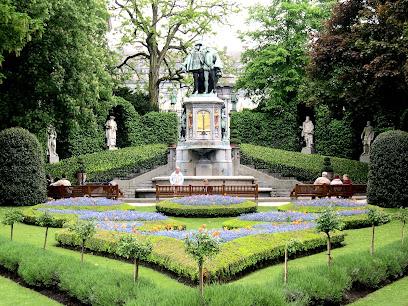
Explore the serene beauty of Place du Petit Sablon, a historical square in Brussels known for its stunning gardens and rich cultural heritage.
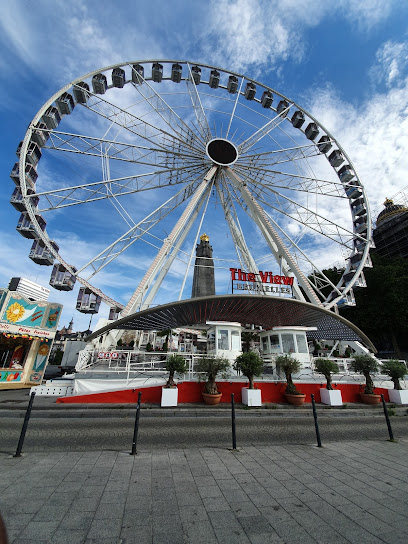
Poelaert Place Ferris Wheel
0.2 km
Enjoy iconic panoramic views of Brussels from the Poelaert Place Ferris Wheel, a highlight of the city and a truly memorable experience.
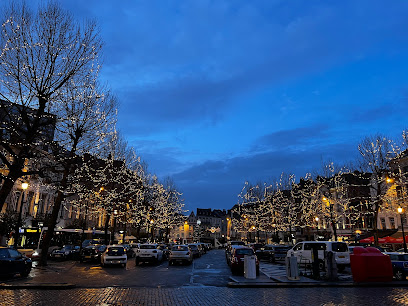
Grand Sablon
0.3 km
Explore the historical charm of Grand Sablon in Brussels, a vibrant town square filled with art, culture, and culinary delights.
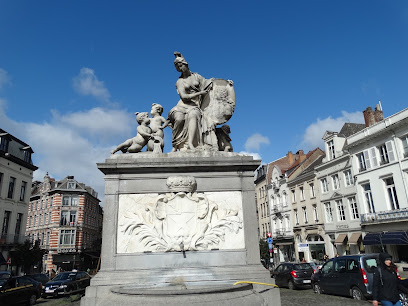
Place du Grand Sablon
0.3 km
Experience the rich culture and delightful charm of Place du Grand Sablon, a gem in the heart of Brussels, ideal for shopping, dining, and soaking in history.
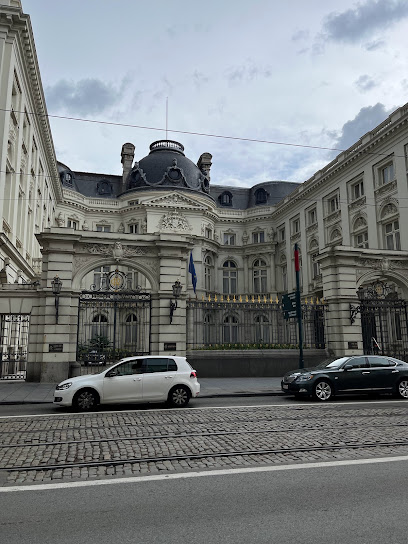
Palace Of The Count Of Flanders
0.4 km
Explore the historical grandeur of the Palace of the Count of Flanders in Brussels, a stunning castle rich in heritage and architectural beauty.
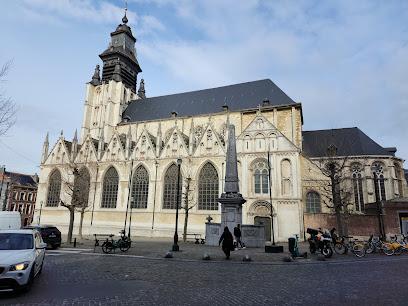
Church of Our Lady of the Chapel
0.4 km
Discover the architectural beauty and spiritual serenity of the Church of Our Lady of the Chapel, a must-visit baroque gem in the heart of Brussels.
Pl. Royale
0.5 km
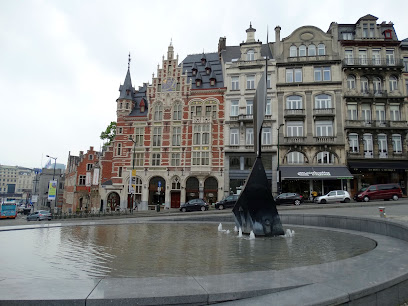
Discover the architectural splendor and cultural vibrancy of Pl. Royale, a must-visit square in the heart of Brussels, Belgium.

Former Cleves-Ravenstein Mansion
0.6 km
Explore Brussels' last standing aristocratic mansion from the 15th/16th centuries, showcasing late Brabant Gothic architecture and rich history.
Mont des Arts
0.6 km
Explore Mont des Arts: Brussels' cultural gem featuring stunning views, beautiful gardens, and rich artistic heritage, perfect for every traveler.

Unmissable attractions to see

The Glacière
0.1 km
Explore The Glaciere in Brussels - A historic icehouse turned cultural gem showcasing the city's rich heritage and creativity.
Statue of Counts Egmont and Hoorn
0.1 km
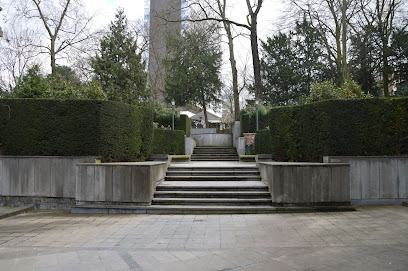
Discover the rich history of Brussels at the stunning Statue of Counts Egmont and Hoorn, a captivating tribute to Belgium's noble past.
Square of Petit Sablon
0.1 km
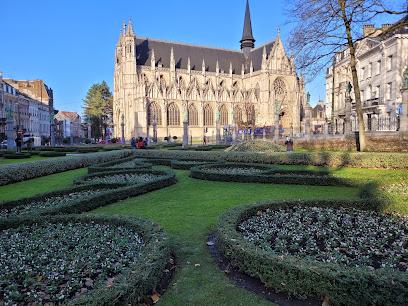
Discover the serene beauty and rich history of the Square of Petit Sablon, a hidden gem in Brussels that enchants every visitor.
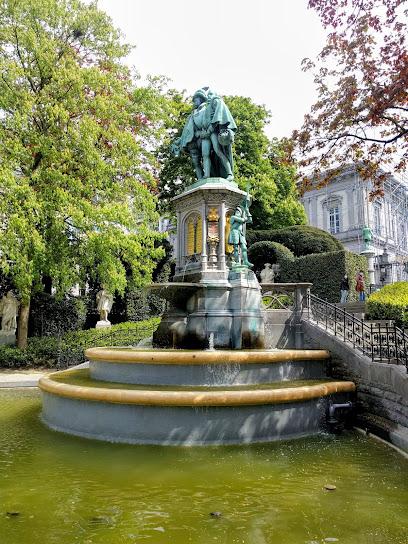
Brits oorlogsmonument
0.2 km
Discover the Anglo-Belgian Memorial in Brussels, a historical landmark celebrating the bond between Belgium and the UK through its poignant tribute to wartime sacrifices.
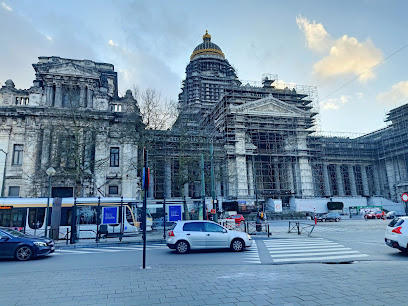
Pl. Poelaert
0.2 km
Discover the breathtaking views and historical charm of Pl. Poelaert, Brussels' iconic square surrounded by stunning architecture and vibrant atmosphere.
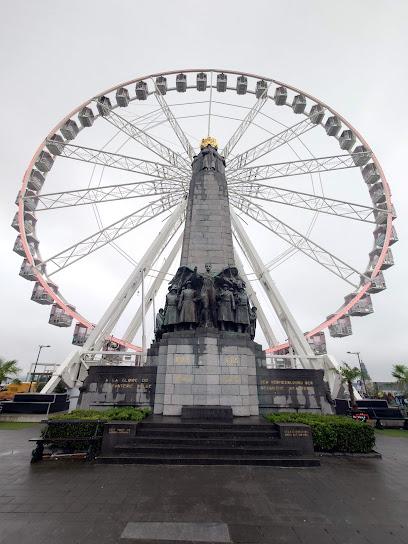
Arbre de Frimousse
0.2 km
Experience the charm of Arbre de Frimousse, a hidden garden gem in Brussels perfect for families, art lovers, and nature enthusiasts alike.
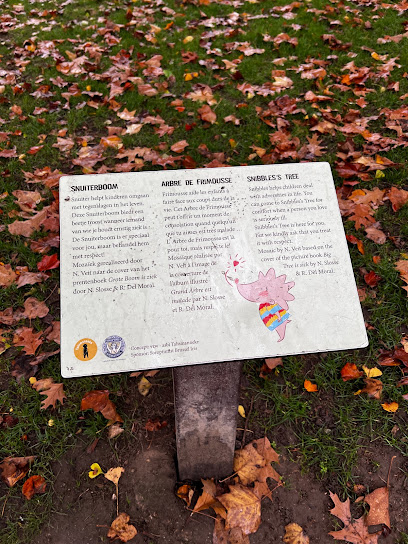
Church of Our Lady of Victories at the Sablon
0.2 km
Explore the stunning Church of Our Lady of Victories at the Sablon, a Gothic architectural marvel in the heart of Brussels, rich in history and artistry.
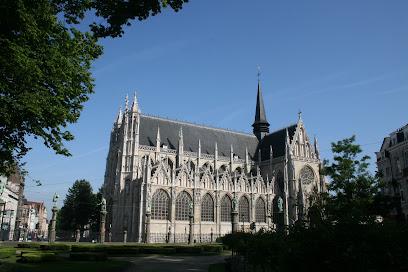
Monument à la Gloire de l’Infanterie Belge
0.2 km
Explore the Monument à la Gloire de l’Infanterie Belge in Brussels, a tribute to the bravery of Belgian soldiers and a beautiful scenic spot.
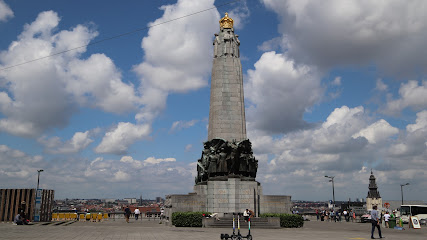
Pl. du Grand Sablon
0.3 km
Discover the historic and artistic essence of Place du Grand Sablon, a picturesque square in Brussels filled with culture, cafés, and charm.
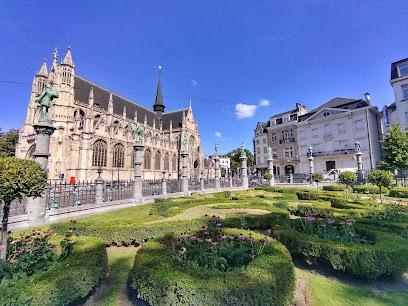
Fresque BD Spirou
0.3 km
Explore the artistic brilliance of Fresque BD Spirou, a vibrant mural celebrating Brussels' comic book heritage and Spirou's adventurous spirit.
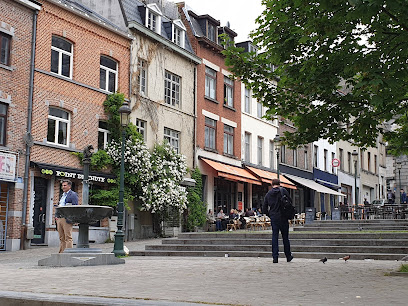
Palace of Justice
0.3 km
Explore the architectural wonder of the Palace of Justice in Brussels, a historic courthouse offering breathtaking views and rich Belgian heritage.
Royal Museums of Fine Arts of Belgium
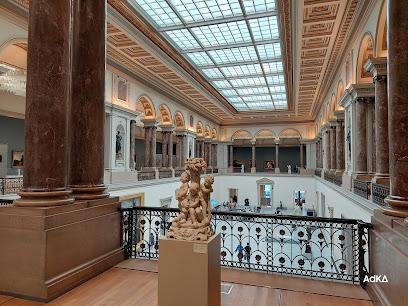
0.4 km
Explore the Royal Museums of Fine Arts of Belgium, where art and history converge in a breathtaking showcase of masterpieces.
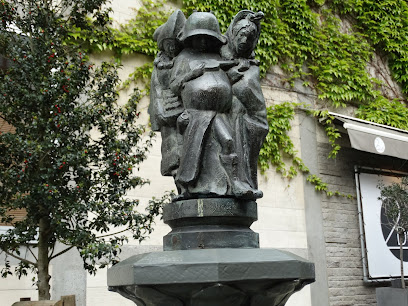
Brunnen
0.4 km
Discover the serene beauty of Brunnen, a captivating fountain in the heart of Brussels, where history and culture blend seamlessly.
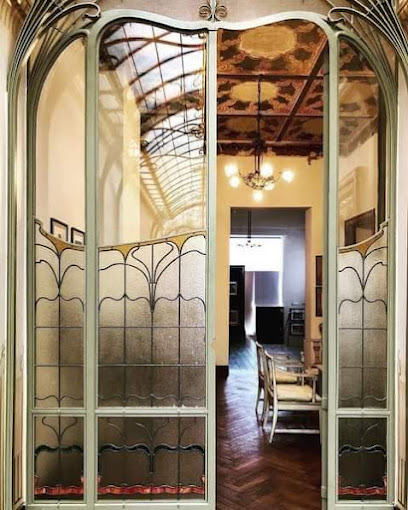
Foundation Frison Horta (Private Museum) "A Living Museum"
0.4 km
Explore the Foundation Frison Horta, a living museum dedicated to the architectural wonders of Victor Horta in the heart of Brussels.
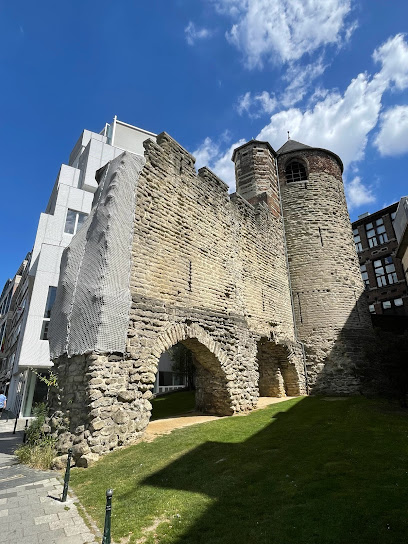
Anneessenstoren
0.4 km
Explore the historic Anneessenstoren in Brussels, a breathtaking landmark showcasing the beauty and heritage of this vibrant city.
Essential places to dine

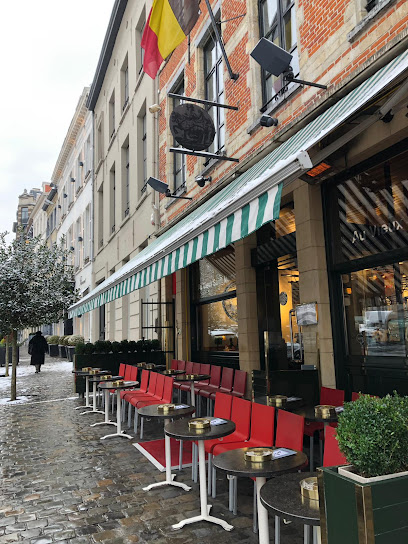
Au Vieux Saint Martin
0.2 km
Discover authentic Belgian flavors at Au Vieux Saint Martin, a charming brasserie in Brussels' historic Sablon district.
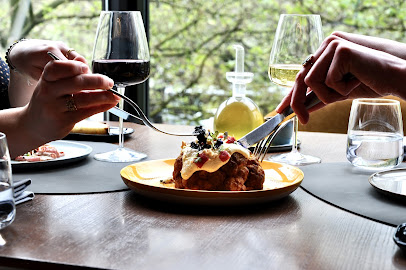
MAISON LOUISE KITCHEN BAR GARDEN
0.3 km
Savor exquisite Belgian flavors in an enchanting garden setting at Maison Louise Kitchen Bar Garden in Brussels.
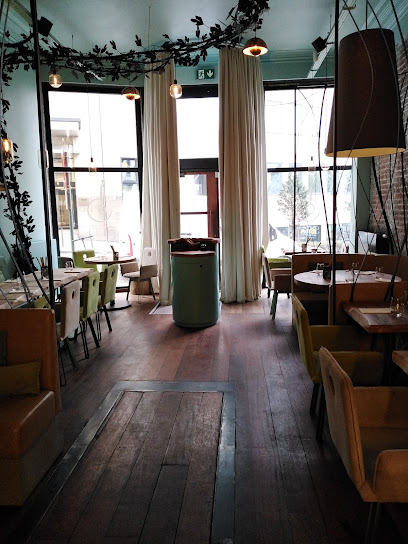
SAN Sablon
0.4 km
Experience gourmet dining at SAN Sablon in Brussels - where exquisite flavors meet exceptional service.
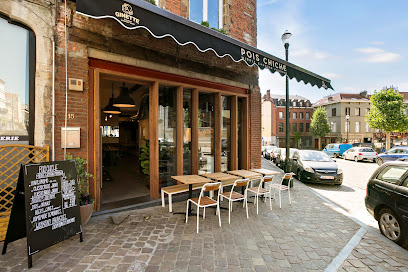
Pois Chiche
0.4 km
Explore authentic Middle Eastern cuisine at Pois Chiche in Brussels - a haven for vegetarians and brunch lovers alike.
Restaurant Umā
0.4 km
Experience modern European cuisine at Restaurant Umā in Brussels – where tradition meets innovation in every dish.
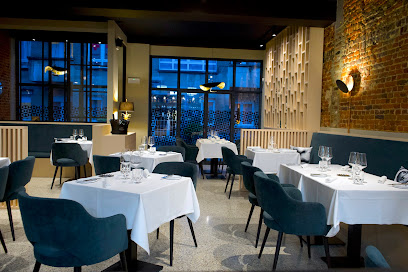
À l'Ombre de la Ville
0.4 km
Experience exquisite Mediterranean cuisine at À l'Ombre de la Ville in Brussels - where tradition meets innovation in every dish.
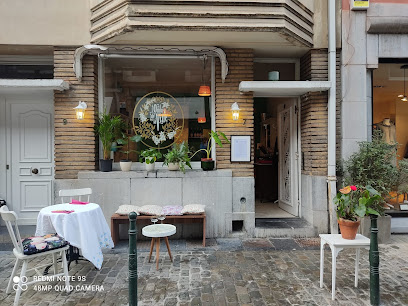
Les Brigittines
0.4 km
Experience the exquisite flavors of Belgian and French cuisine at Les Brigittines, where tradition meets elegance in the heart of Brussels.
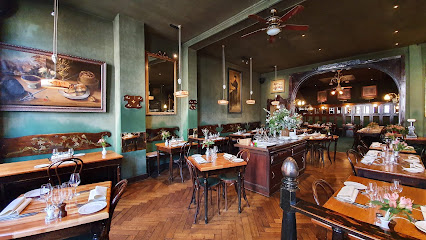
L'inattendu
0.5 km
Experience authentic Belgian cuisine at L'inattendu – where tradition meets innovation in a cozy bistro setting.
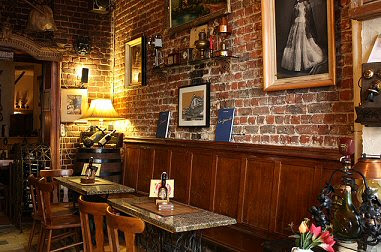
Mamy Louise Goulet Louise
0.5 km
Discover Mamy Louise Goulet Louise - A Beloved Restaurant in Saint-Gilles Offering Exquisite Belgian and French Cuisine.
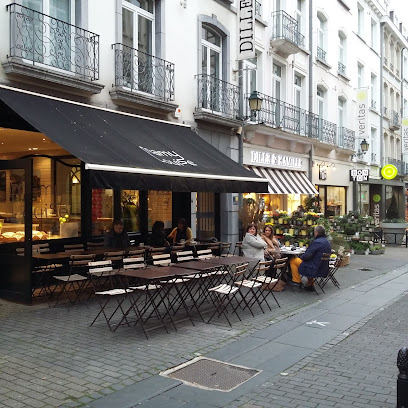
L'Ancien Bruxelles
0.5 km
Discover the authentic taste of Belgian cuisine at L'Ancien Bruxelles - where tradition meets modern dining in the heart of Brussels.
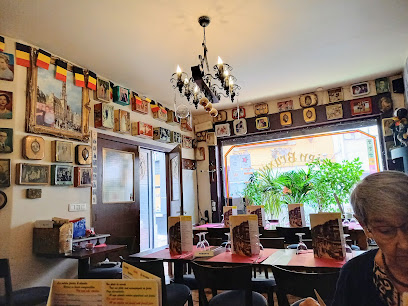
Le Renard Bleu
0.6 km
Experience authentic Belgian cuisine at Le Renard Bleu in Brussels - where traditional flavors meet modern hospitality.
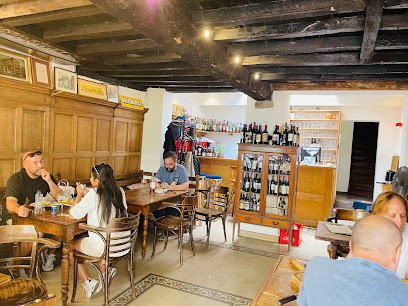
La Table de Mus
0.6 km
Experience modern European cuisine at La Table de Mus in Brussels - where tradition meets innovation on your plate.
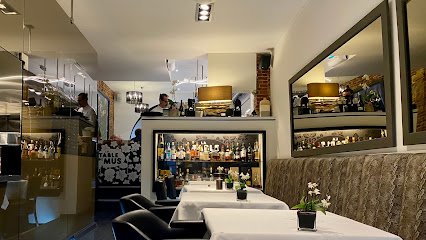
Encore Bruxelles
0.6 km
Experience modern European dining at Encore Bruxelles – where exquisite cuisine meets vibrant bar culture in the heart of Belgium's capital.
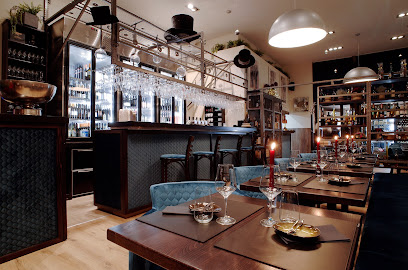
Winehouse Osteria - Le Delizie
0.7 km
Discover authentic Italian cuisine at Winehouse Osteria - Le Delizie in Ixelles, where exquisite flavors meet an extensive wine selection.
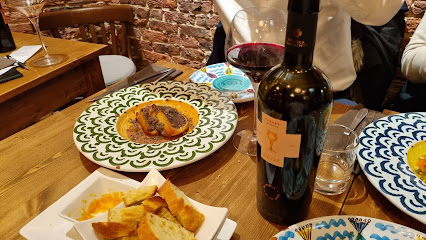
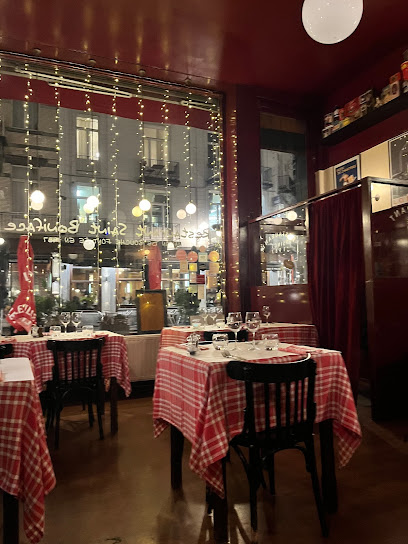
Saint Boniface
0.7 km
Experience authentic French cuisine at Saint Boniface in Ixelles, where each dish tells a story of flavor and tradition.
Markets, malls and hidden boutiques

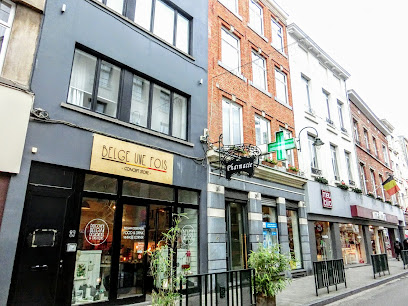
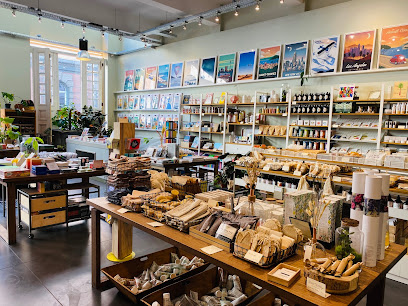
Belgian once Concept Store "Marolles"
0.3 km
Explore the charm of Belgium at the Belgian Once Concept Store in Marolles, offering unique gifts and local artistry for every traveler.
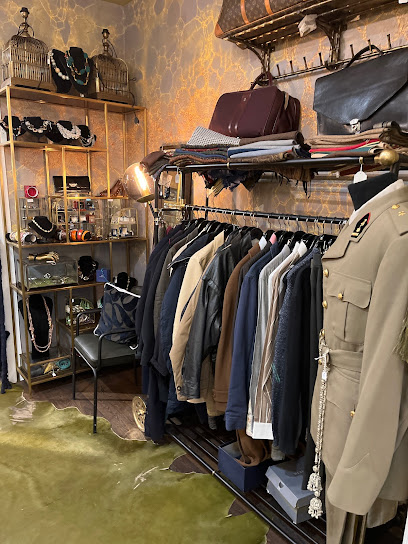
Rose Tendre Vintage
0.3 km
Explore the unique charm of Rose Tendre Vintage, Brussels' top destination for vintage clothing, exquisite jewelry, and enchanting decor.
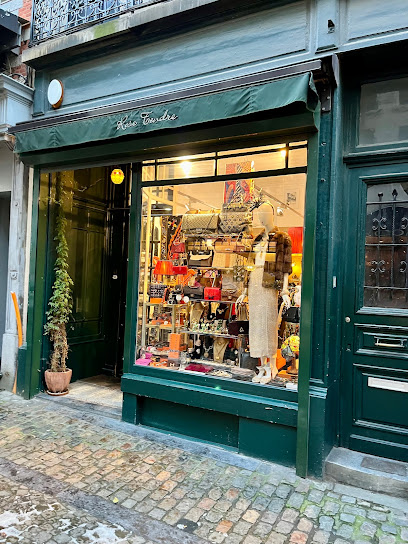
HEMA
0.4 km
Shop at HEMA in Brussels for a unique blend of gifts, fashion, and home essentials, reflecting Belgian charm and style.
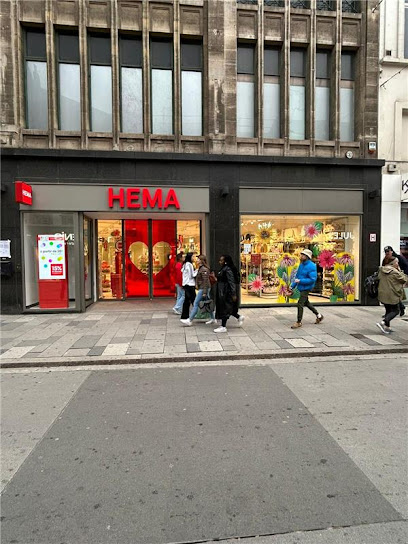
AUTHENTIC High End Sablon
0.4 km
Explore AUTHENTIC High End Sablon in Brussels for the finest audio experience, blending luxury sound technology with cultural charm.
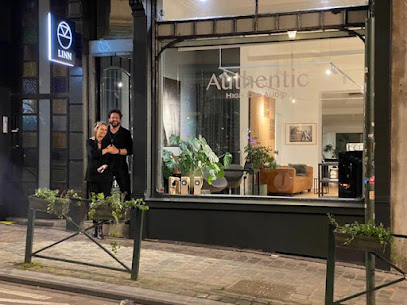
Flying Tiger Copenhagen
0.4 km
Explore Flying Tiger Copenhagen in Brussels for unique gifts, fun accessories, and a whimsical shopping experience that captures the spirit of creativity.
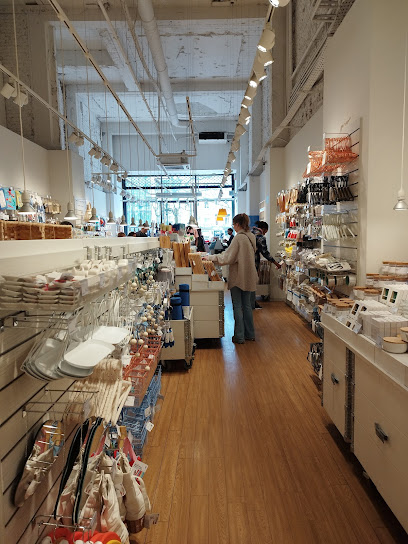
Concepto
0.4 km
Discover unique vintage clothing and accessories at Concepto, a hidden gem in Brussels perfect for fashion lovers and sustainable shoppers.
Urban Therapy Marolles
0.4 km
Explore Urban Therapy Marolles, your gateway to unique gifts and local treasures in the heart of Brussels.
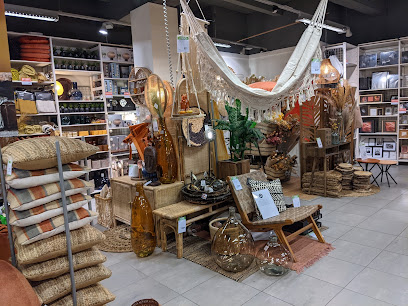
CASA Elsene
0.5 km
Discover CASA Elsene in Ixelles, a unique gift shop offering exquisite home goods, furniture, and more for an unforgettable shopping experience.
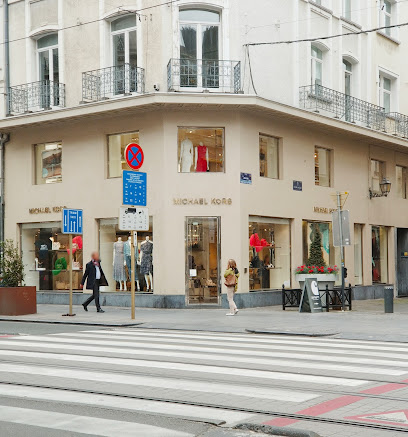
Michael Kors
0.5 km
Explore the luxurious world of Michael Kors in Brussels, where fashion accessories, clothing, and jewelry meet elegance on Avenue Louise.
Essentiel Antwerp
0.5 km
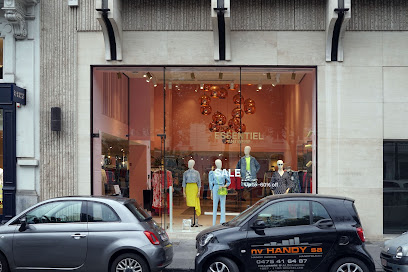
Explore Essentiel Antwerp for unique women's fashion that blends contemporary design with vibrant styles, a must-visit for fashion enthusiasts in Brussels.
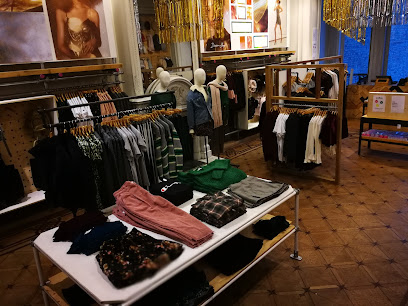
Urban Outfitters
0.6 km
Explore Urban Outfitters in Ixelles, a stylish shopping haven for trendy clothing, unique gifts, and eclectic home goods in Brussels.
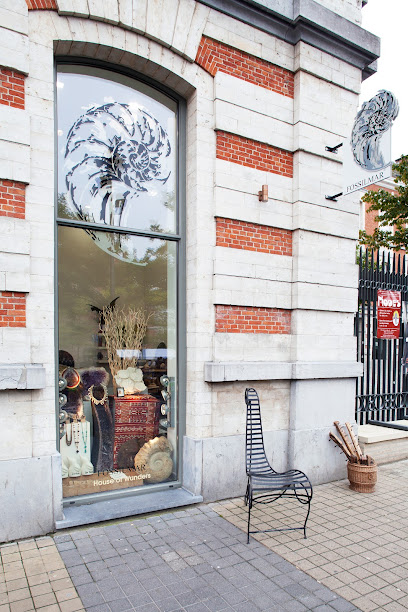
HOUSE OF WUNDERS Brussels
0.6 km
Discover unique souvenirs and local crafts at the House of Wonders, a charming store in the heart of Brussels that celebrates creativity.
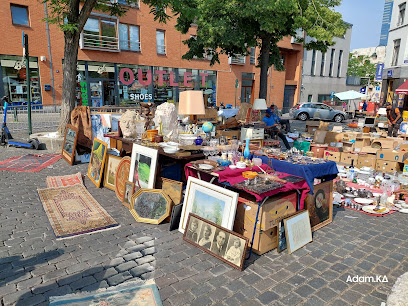
Marché aux Puces
0.7 km
Explore the vibrant Marché aux Puces in Brussels, where history meets eclectic treasures in a lively flea market atmosphere.
Think Twice
0.7 km
Discover unique second-hand fashion at Think Twice in Brussels, where sustainability meets style in a treasure trove of pre-loved garments.
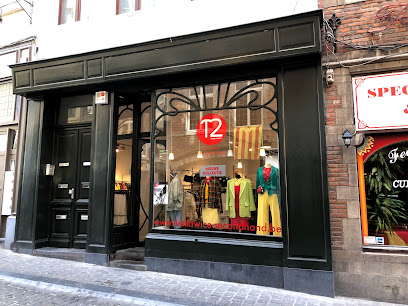
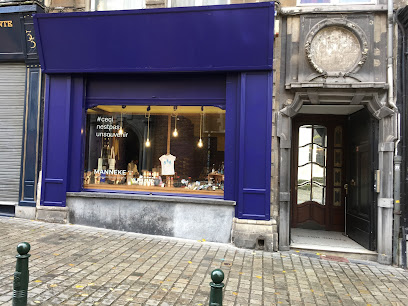
Manneke
0.7 km
Explore Manneke in Brussels for unique souvenirs, local beers, and stylish clothing that embody the spirit of Belgium.
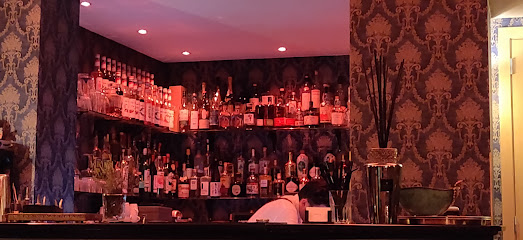
Essential bars & hidden hideouts

Plumette
0.3 km
Experience the best cocktails in Brussels at Plumette, a stylish cocktail bar with an inviting atmosphere and expertly crafted drinks.
L'Ascenseur, café associatif et radio
0.3 km
Experience the vibrant culture of Brussels at L'Ascenseur, a lively café and live music bar that celebrates local talent and creativity.
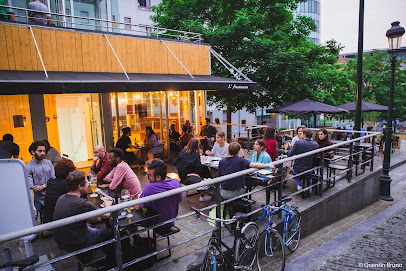
Vertigo
0.4 km
Experience culinary excellence at Vertigo, a premier restaurant and cocktail bar in Brussels, combining local flavors with global flair.
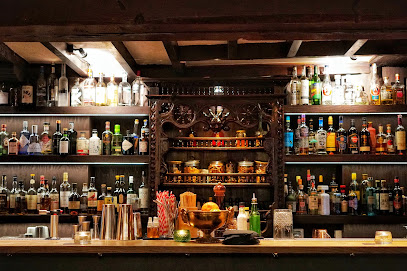
Jalousy Bar
0.4 km
Discover the lively Jalousy Bar in Brussels, known for its eclectic cocktails, vibrant nightlife, and fantastic DJ performances.
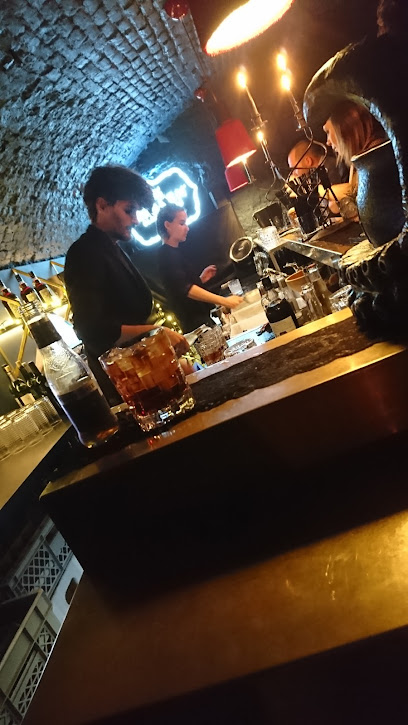
The Louise Bar
0.5 km
Discover The Louise Bar in Saint-Gilles, where innovative cocktails meet a vibrant atmosphere for an unforgettable night out.
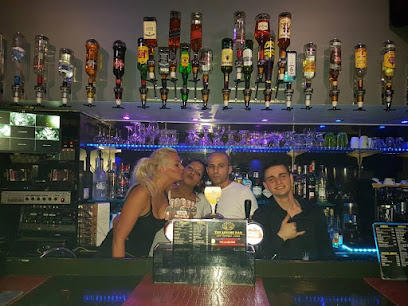
La Porte Noire
0.5 km
Experience the vibrant atmosphere and diverse beer selection at La Porte Noire, the heart of Brussels' nightlife.
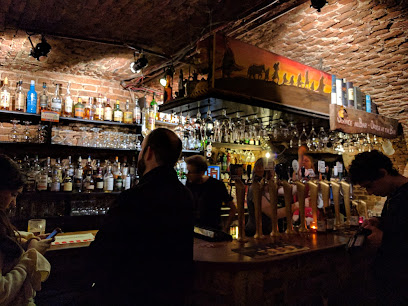
LA PHARMACIE ANGLAISE
0.5 km
Discover LA PHARMACIE ANGLAISE in Brussels - A cocktail bar offering innovative drinks and an unforgettable experience in a chic atmosphere.
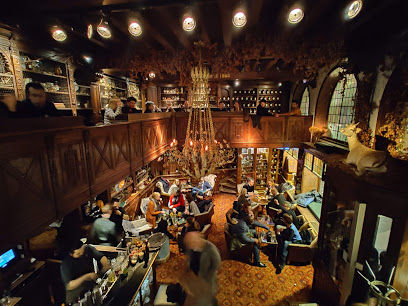
La Brocante
0.6 km
Experience authentic Belgian cuisine and a vibrant atmosphere at La Brocante, the charming brasserie in Brussels' Pentagon neighborhood.
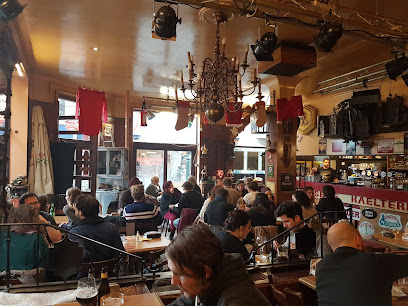
Chemistry & Botanic’s
0.6 km
Experience the art of cocktail-making at Chemistry & Botanic's, a vibrant cocktail bar in the heart of Brussels, offering inventive drinks and a chic atmosphere.
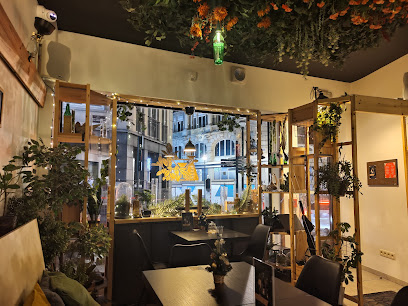
The 7 Deadly Sins Bruxelles
0.7 km
Indulge in a cocktail experience like no other at The 7 Deadly Sins Bruxelles - where music and mixology collide.
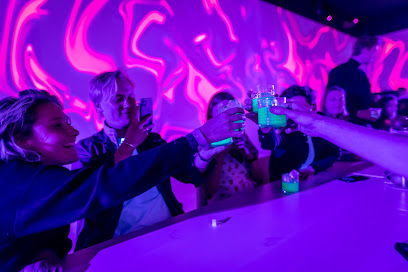
Loui Cocktail Bar & Restaurant
0.7 km
Discover the chic ambiance and exquisite cocktails at Loui Cocktail Bar & Restaurant, the perfect spot for a luxurious night out in Brussels.
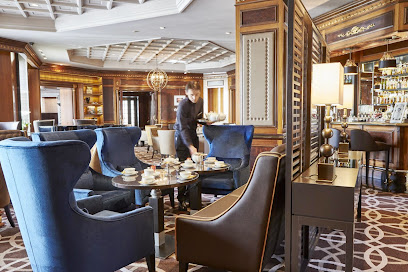
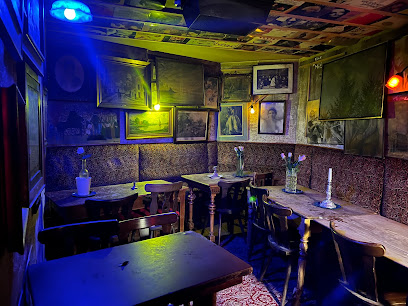
Goupil Le Fol
0.7 km
Discover the enchanting ambiance and delightful drinks at Goupil Le Fol, a must-visit bar in Brussels for an unforgettable night out.
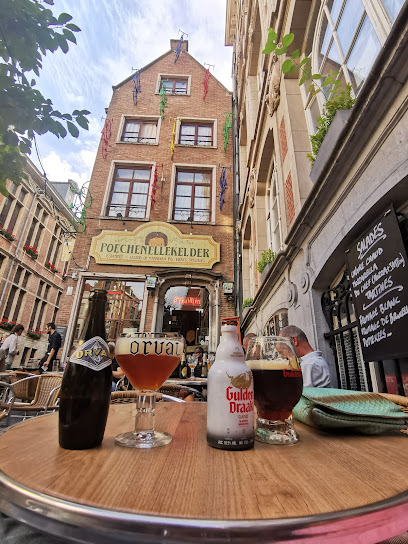
Poechenellekelder
0.7 km
Discover the heart of Belgian beer culture at Poechenellekelder, a quirky bar in Brussels with an extensive selection of brews and a cozy atmosphere.
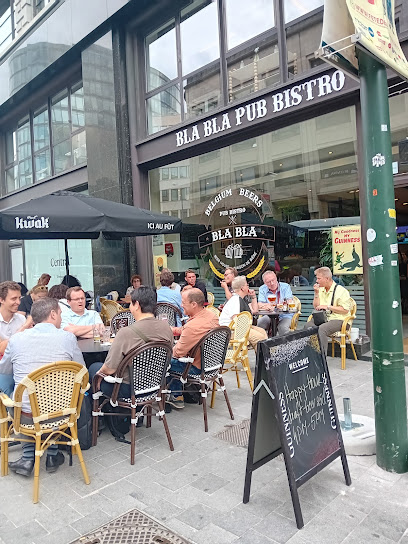
Pub Bla Bla
0.8 km
Discover the lively spirit of Brussels at Pub Bla Bla – a local favorite for drinks, laughter, and unforgettable moments.
Phenix
0.8 km
Experience the vibrant nightlife of Brussels at Phenix, a cocktail bar that offers a unique blend of creative drinks and a lively atmosphere.
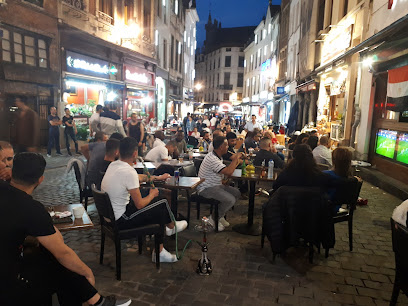
Nightclubs & after hour spots

Club Clan
0.3 km
Discover Club Clan, Brussels' ultimate bar and nightclub fusion, where vibrant nightlife and eclectic entertainment come alive amidst a cosmopolitan atmosphere.
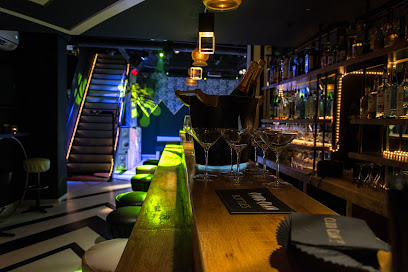
CAVE
0.4 km
Experience the vibrant nightlife at CAVE, Brussels' premier gay night club, where music, dance, and inclusivity come together.
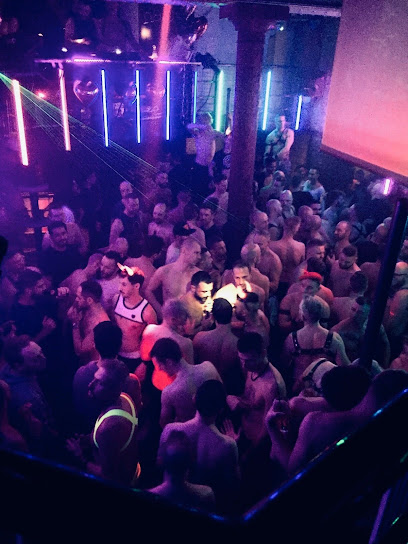
Spirito Brussels
0.5 km
Experience the electrifying nightlife at Spirito Brussels, where chic decor meets pulsating beats in an unforgettable disco atmosphere.
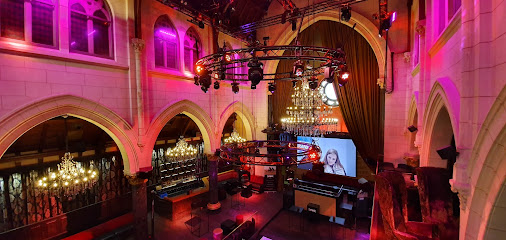
Revelation Brussels
0.5 km
Discover the electrifying nightlife at Revelation Brussels, where music and memories come alive in the heart of the city.
Le You
0.7 km
Experience the vibrant nightlife of Brussels at Le You, a chic night club offering eclectic music and a stylish atmosphere.
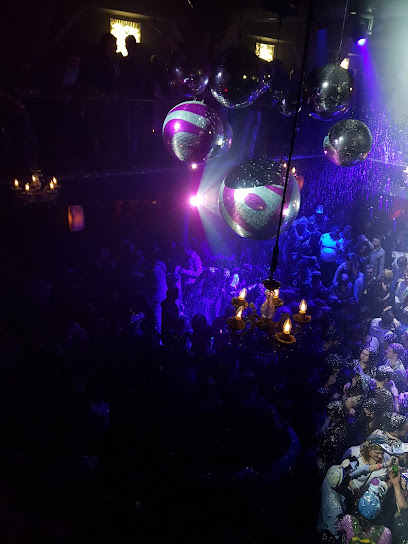
DYOUKES
0.7 km
Experience the vibrant nightlife of Brussels at DYOUKES, a disco club where music and dance unite for unforgettable nights.
FLASH Club
0.7 km
Discover the pulsating heart of Brussels' nightlife at FLASH Club, a premier gay nightclub known for its energetic atmosphere and inclusive events.
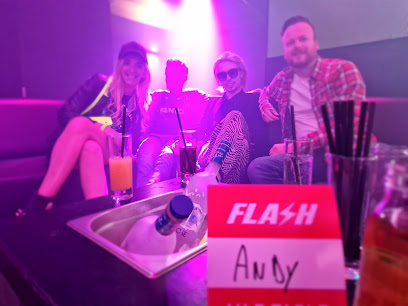
Club 13
0.7 km
Dive into the heart of Brussels nightlife at Club 13, where music, dance, and unforgettable moments await every visitor.
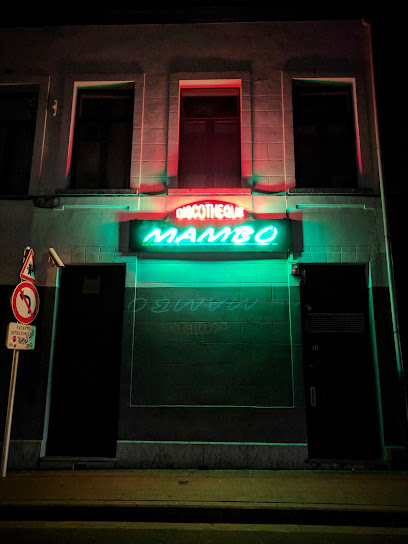
Discothèque Mambo
0.8 km
Discover the pulsating nightlife of Brussels at Discothèque Mambo, where music, dance, and vibrant energy come together for an unforgettable experience.
Zodiak
0.8 km
Discover the vibrant nightlife of Brussels at Zodiak, where exceptional music, electrifying atmosphere, and unforgettable moments await.
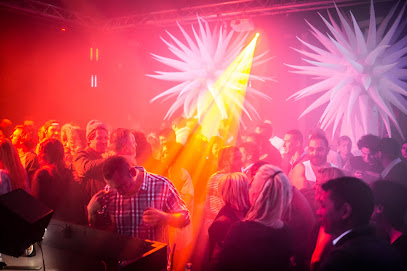
C12
0.8 km
C12 in Brussels: Discover the electrifying disco club that defines the city's vibrant nightlife with great music and an unforgettable atmosphere.
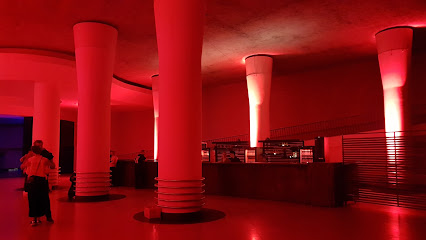
Fuse
0.8 km
Experience the vibrant nightlife of Brussels at Fuse, a premier night club known for its electrifying atmosphere and top-tier DJs.
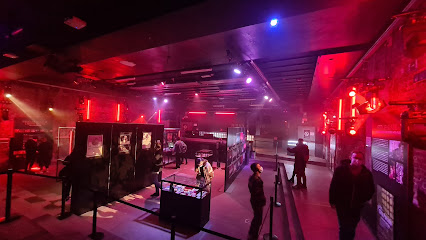
La demence
0.8 km
Experience the vibrant nightlife at La Demence, Brussels' premier gay nightclub, where inclusivity, music, and dancing unite for unforgettable nights.
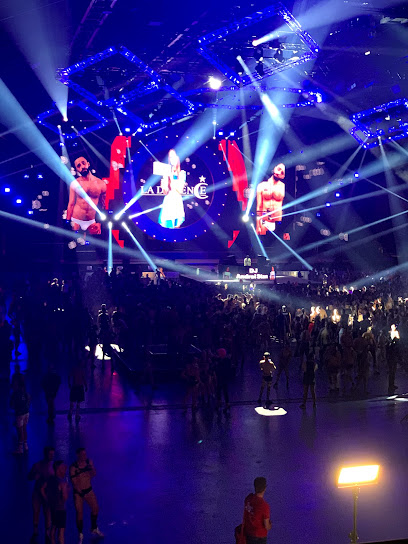
Night Club L'interdit
1.0 km
Join the vibrant nightlife at L'interdit Night Club in Ixelles, Brussels, where electrifying music and an energetic crowd create unforgettable experiences.
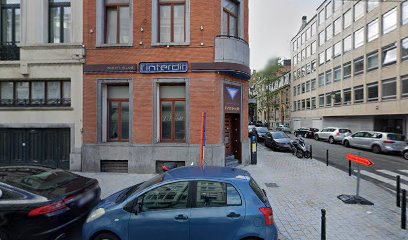
The funny Horse Club
1.0 km
Experience the vibrant nightlife of Brussels at The Funny Horse Club, where electrifying beats and refreshing drinks await you until dawn.