La Fonderie: Brussels' Industrial Heartbeat
Explore Brussels' industrial past at La Fonderie, a museum housed in a former art foundry, showcasing the city's transformation through exhibits, tours, and a rich collection of artifacts.
La Fonderie, the Brussels Museum of Industry and Labour, offers a captivating journey into the region's industrial past. Located in Molenbeek-Saint-Jean, once known as the "Belgian Manchester," the museum resides in the former Compagnie des Bronzes, a renowned art foundry. Explore exhibits showcasing key industries like metalworking, woodworking, textiles, and food processing, each highlighting the evolution of Brussels from an industrial powerhouse to a modern metropolis. Discover the stories of the workers and innovations that shaped the city, and gain insights into the social and economic transformations that have occurred over the centuries. With temporary exhibitions and a documentation center, La Fonderie provides a unique perspective on Brussels' rich industrial heritage, making it a worthwhile detour for history enthusiasts and curious travelers alike.
A brief summary to La Fonderie, Brussels Museum of Industry and Labour
- Rue Ransfort 27, Sint-Jans-Molenbeek, Sint-jans-molenbeek, 1080, BE
- +3224109950
- Visit website
- Tuesday 10 am-5 pm
- Wednesday 10 am-5 pm
- Thursday 10 am-5 pm
- Friday 10 am-5 pm
- Saturday 10 am-5 pm
- Sunday 10 am-5 pm
Local tips
- Visit on the first Sunday of the month for free admission to the museum.
- Check the museum's website for information on temporary exhibitions and guided tours.
- Explore the surrounding Molenbeek-Saint-Jean district, known for its diverse cultural scene and historical significance.
- Take advantage of the museum's documentation center to delve deeper into specific areas of Brussels' industrial history.
- Combine your visit with a walk along the Brussels-Charleroi Canal to appreciate the city's industrial landscape.

Getting There
-
Public Transport
La Fonderie is easily accessible by public transport. The closest metro station is Comte de Flandre/Graaf van Vlaanderen on line 5. From the station, walk approximately 200 meters along Rue Ransfort to reach the museum. Tram lines 51 and 82 stop at Porte de Flandre, a short walk from the museum. Bus line 89 also stops at Triangle, which is nearby. A single journey ticket costs €2.30 if purchased in advance or €2.50 if purchased from the driver.
-
Taxi/Ride-Share
A taxi or ride-sharing service from the city center of Brussels to La Fonderie will typically cost between €10 and €15, depending on traffic and the specific starting point.
-
Driving
If driving, be aware that parking in the immediate vicinity of La Fonderie can be limited. There is underground parking available at Parking Brunfaut, a short walk from the museum. Parking fees typically range from €2 to €3 per hour.
Discover more about La Fonderie, Brussels Museum of Industry and Labour
Iconic landmarks you can’t miss

Pl. de la Duchesse de Brabant
0.6 km
Explore the vibrant Pl. de la Duchesse de Brabant in Sint-Jans-Molenbeek, Belgium, a charming town square filled with local culture, cafes, and stunning architecture.

Rue Antoine Dansaert
0.6 km
Discover the charming Rue Antoine Dansaert, Brussels' vibrant street known for fashion boutiques, cafes, and a rich cultural experience.
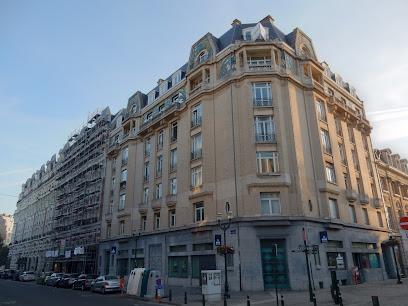
Pl. Sainte-Catherine
0.9 km
Explore the enchanting Place Sainte-Catherine in Brussels, where historic charm meets culinary delights and vibrant local culture.
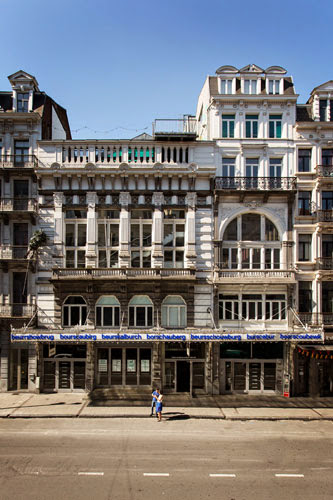
Beursschouwburg
1.0 km
A multidisciplinary arts center in Brussels showcasing innovative performances, concerts, exhibitions, and debates in a historic building.
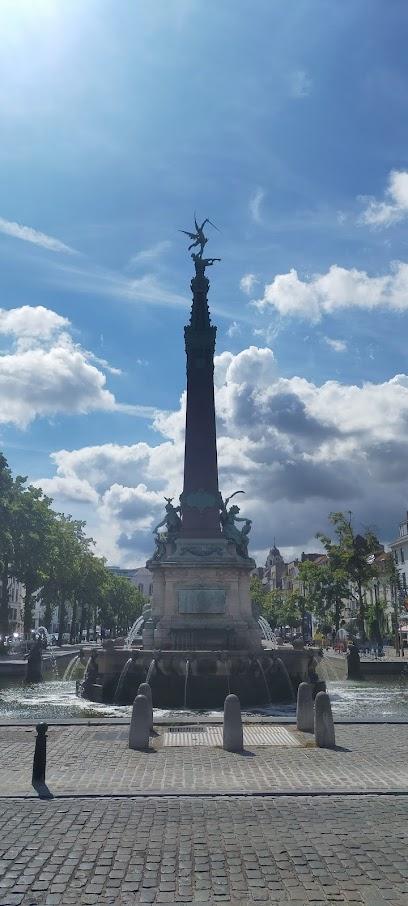
Black Tower
1.0 km
Explore the Black Tower in Brussels, a historic landmark surrounded by modernity that embodies the city's rich architectural heritage and vibrant culture.
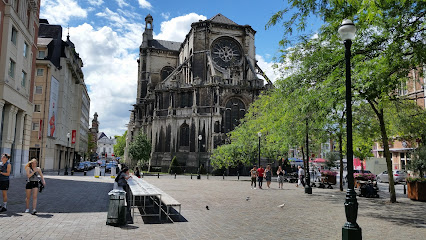
Rue des Riches Claires 9
1.0 km
Explore the stunning architecture and vibrant atmosphere of Rue des Riches Claires, a historic street in the heart of Brussels, Belgium.
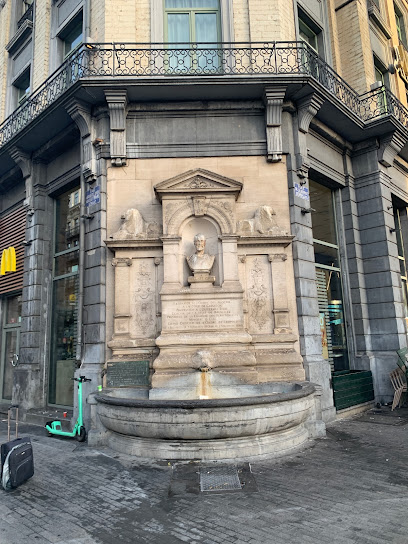
Auguste Orts Monument
1.0 km
Discover the Auguste Orts Monument in Brussels, a stunning tribute that embodies the city's rich history and architectural splendor.
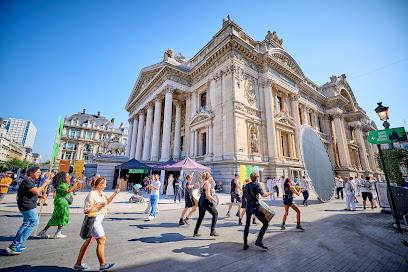
Pl. de la Bourse
1.1 km
Discover the architectural beauty and vibrant atmosphere of Pl. de la Bourse, a must-visit square in the heart of Brussels.
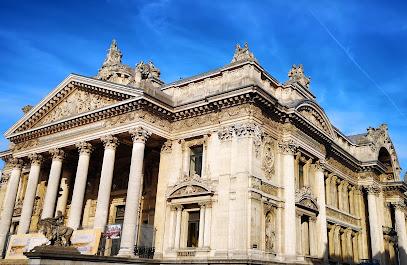
Brussels Stock Exchange
1.2 km
Discover the Brussels Stock Exchange, a historical landmark blending stunning architecture with rich financial heritage in the heart of Belgium's capital.
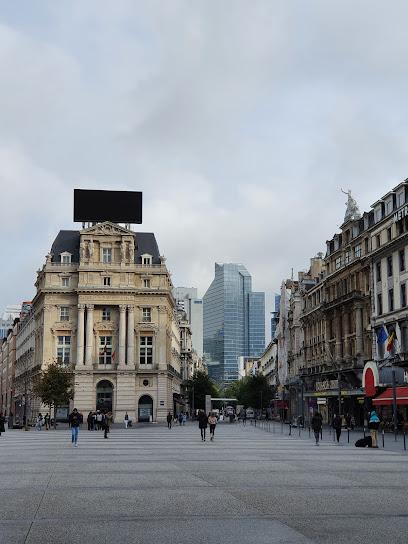
De Brouckèreplein
1.2 km
Explore the historic De Brouckèreplein in Brussels, a vibrant cultural hub filled with shops, cafes, and stunning architecture.
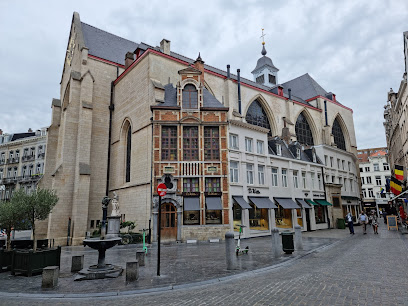
Saint Nicholas Catholic Church
1.2 km
Explore the architectural beauty and spiritual serenity of Saint Nicholas Catholic Church in the heart of Brussels, a must-visit for every traveler.
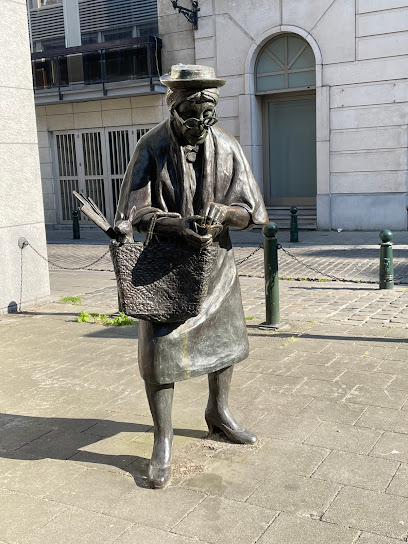
Sculpture Madame Chapeau
1.2 km
Discover the whimsical Sculpture Madame Chapeau in Brussels, a vibrant tourist attraction that encapsulates the city's artistic essence and cultural heritage.
Maison du Cornet
1.3 km
Explore the architectural marvel of Maison du Cornet, a historical landmark in the heart of Brussels' stunning Grand Place.
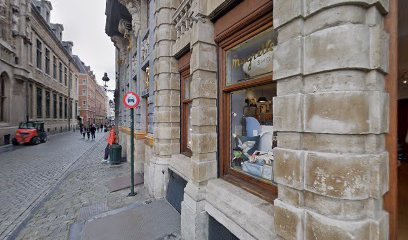
Grand Place 4
1.3 km
Discover the enchanting Grand Place in Brussels, where history, architecture, and vibrant culture converge in a breathtaking UNESCO World Heritage site.
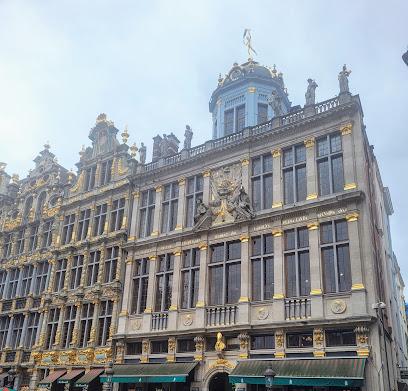
Manneken Pis
1.3 km
Discover the whimsical charm of Manneken Pis, the iconic fountain of Brussels that symbolizes the city's playful spirit and rich history.
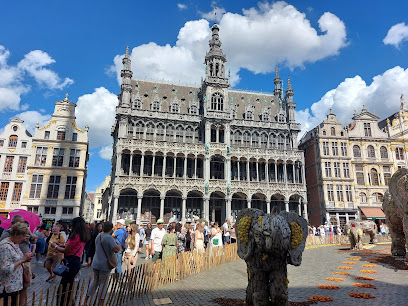
Unmissable attractions to see

BBP Dansaert
0.4 km
Discover the vibrant craft beer scene at BBP Dansaert, a brewpub in Brussels that brings together locals and tourists for unforgettable experiences.
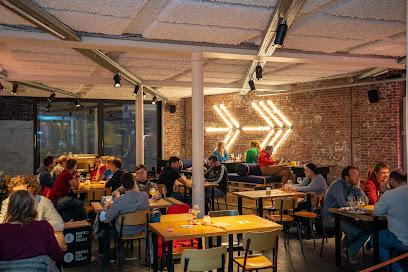
De dromen van Nic - stripmuur - Street Art
0.5 km
Explore the vibrant street art mural 'De dromen van Nic' in Brussels, a colorful representation of the city's rich artistic culture.
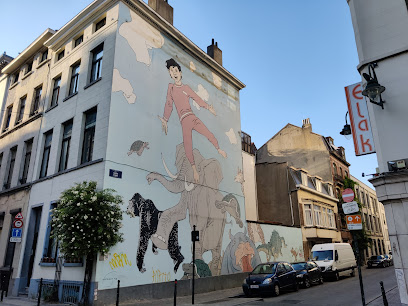
Billy The Cat - Mur Bd - Street Art
0.7 km
Explore the captivating and colorful street art of Billy The Cat in Brussels, a must-see attraction for art lovers and culture enthusiasts.
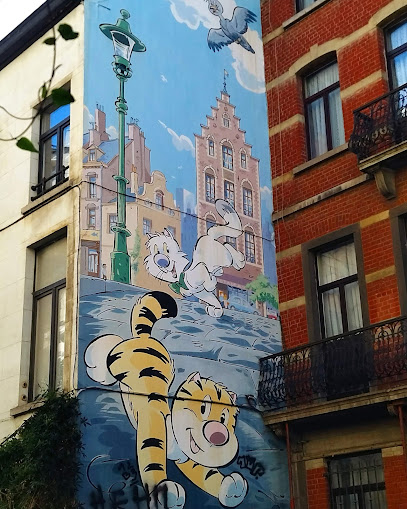
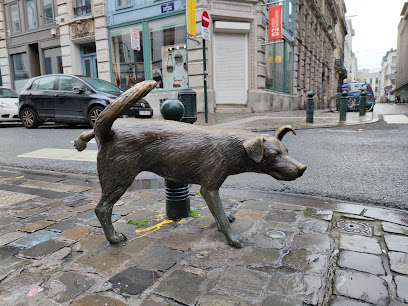
Cubitus
0.7 km
Discover the whimsical charm of Cubitus, Brussels' beloved peeing statue, a quirky landmark that brings smiles and laughter to all who visit.
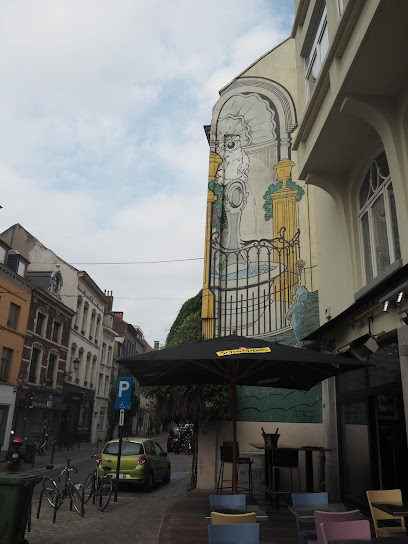
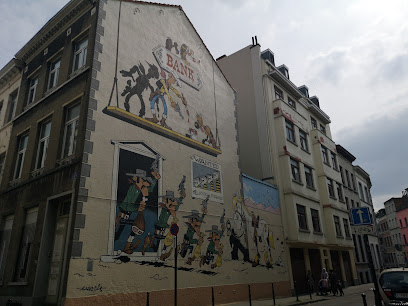
Lucky Luke - Comics Street Art
0.7 km
Discover the colorful world of Lucky Luke in Brussels, where street art celebrates Belgium's iconic comic culture through vibrant murals and engaging stories.
Pl. du Jardin aux Fleurs 1
0.7 km
Discover the enchanting beauty of Jardin aux Fleurs, a serene floral haven in Brussels perfect for relaxation and picturesque moments.
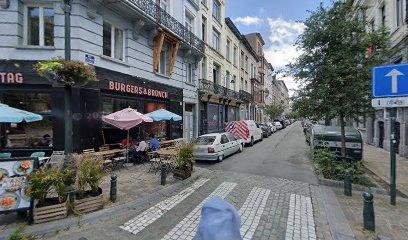
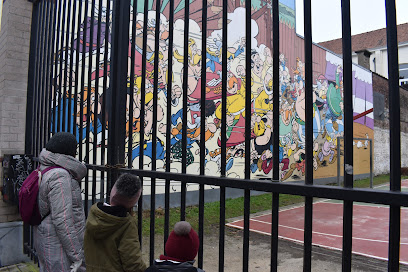
Asterix en Obelix - Stripmuur - Straatkunst
0.8 km
Explore the vibrant Asterix en Obelix Strip Wall in Brussels, a stunning homage to beloved comic characters, perfect for art lovers and tourists alike.
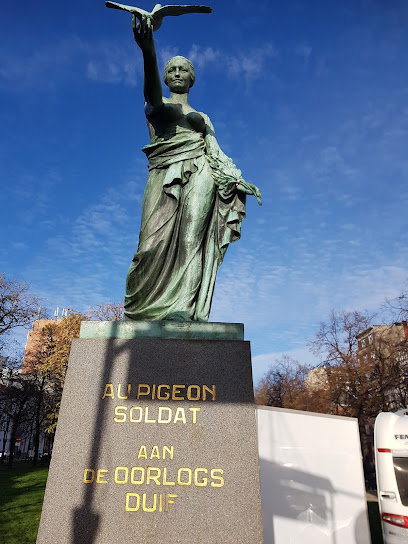
Monument au Pigeon-Soldat
0.8 km
Discover the poignant Monument au Pigeon-Soldat in Brussels, a tribute to the messenger pigeons of WWI, nestled in a serene urban setting.
Gaston
0.8 km
Discover Gaston, Brussels' premier ice cream shop offering artisanal flavors and a delightful experience along the scenic Quai aux Briques.
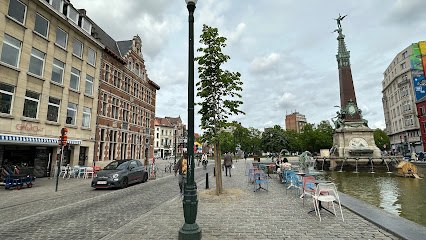
Au Bassin
0.8 km
Discover the vibrant atmosphere of Au Bassin, a bustling pub in Brussels offering an authentic taste of local culture and a wide range of drinks.
Fontaine Anspach
0.8 km
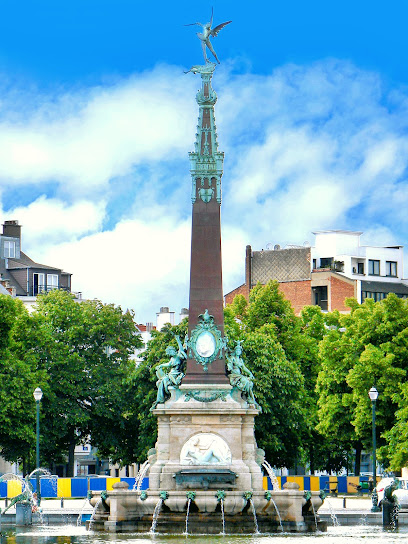
Discover the beauty of Fontaine Anspach, a captivating fountain in Brussels, surrounded by shops, cafes, and vibrant city life.
Le Maquis
0.8 km
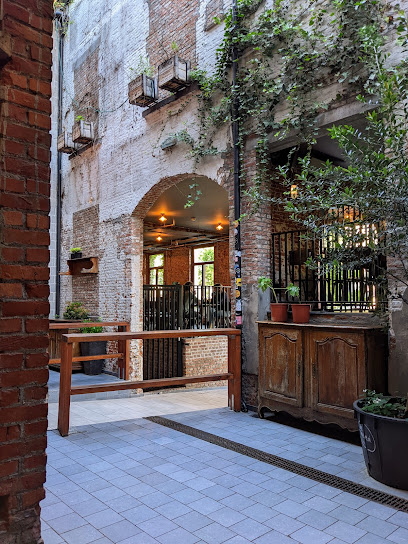
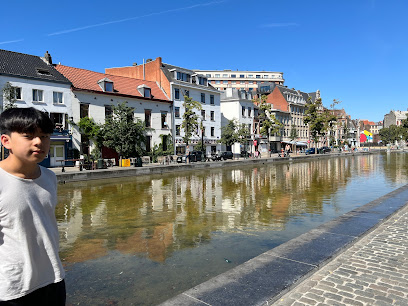
Discover the vibrant Mediterranean flavors at Le Maquis, a cozy bar and restaurant by the scenic Quai aux Briques in Brussels.
Christmas Market of Sint-Katelijneplein
0.8 km
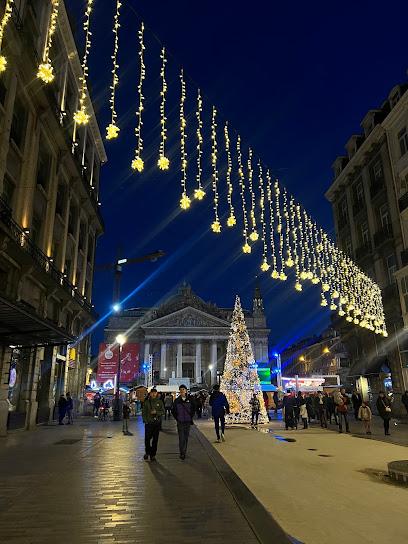
Experience the magic of the Sint-Katelijneplein Christmas Market in Brussels, where festive stalls and delicious treats await during the holiday season.
Zinneke Pis
0.8 km
Discover the playful charm of Zinneke Pis, a whimsical fountain in Brussels that captures the city’s unique humor and artistic spirit.
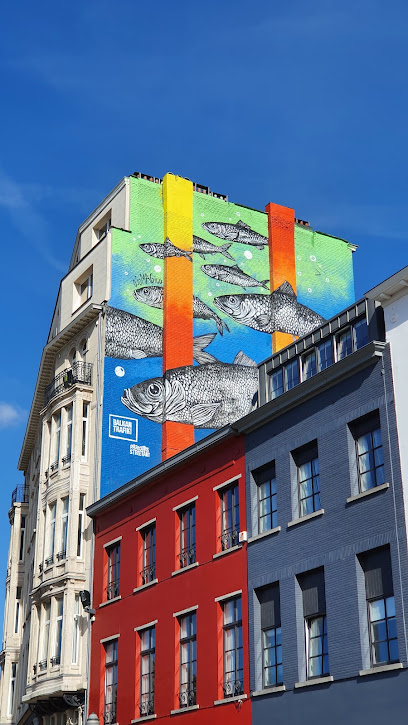
Fresque des Poissons
0.8 km
Discover the vibrant Fresque des Poissons mural in Brussels, a colorful tribute to the city's rich maritime heritage and artistic spirit.
Essential places to dine

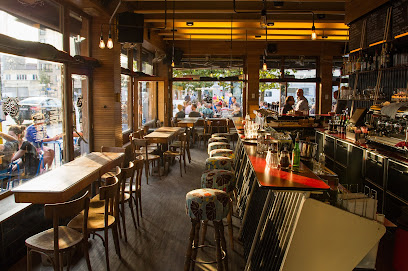
Café Walvis
0.4 km
Discover authentic Belgian flavors at Café Walvis in Brussels – your perfect spot for delicious cuisine and vibrant social experiences.
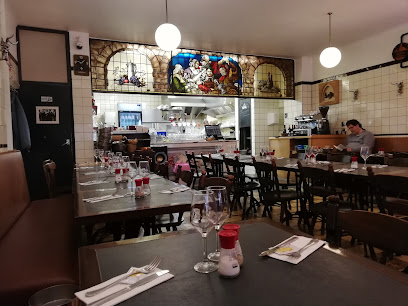
Le Pré Salé
0.8 km
Discover the delightful fusion of Belgian cuisine and sushi at Le Pré Salé in Brussels—where tradition meets innovation.
VERTIGE
0.8 km
Experience culinary artistry at VERTIGE, where innovative Belgian cuisine meets elegant dining in the heart of Brussels.
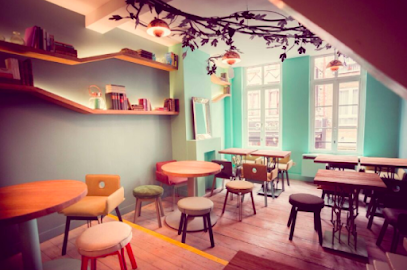
Un bout d’histoire
0.9 km
Experience the best of Belgian and Greek cuisine at Un bout d’histoire in Brussels - where family-friendly dining meets cultural flavors.
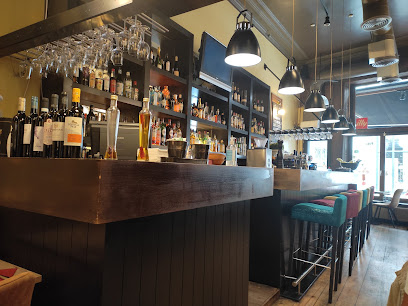
Fin de Siècle
0.9 km
Discover the essence of Belgian cuisine at Fin de Siècle – where tradition meets taste in a cozy Brussels setting.
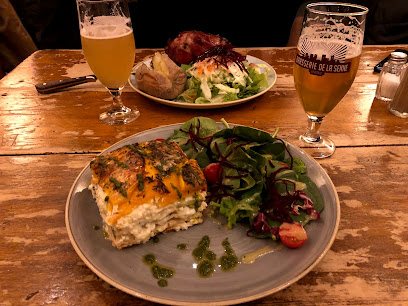
9 et Voisins
0.9 km
Discover the essence of Belgium at 9 et Voisins – where traditional flavors meet modern flair in a vibrant dining atmosphere.
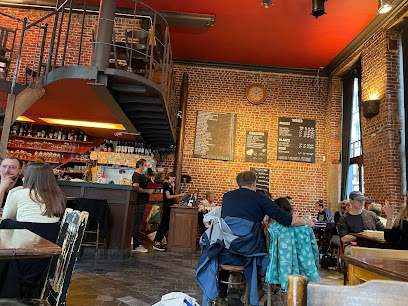
Entropy Restaurant
0.9 km
Discover exquisite haute French cuisine at Entropy Restaurant, a must-visit culinary destination in Brussels offering creativity and quality.
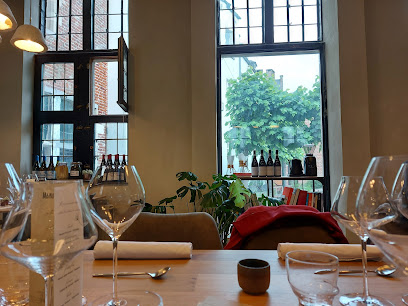
Restaurant Crush Brussels
1.0 km
Experience the best of Belgian cuisine at Restaurant Crush Brussels – where local flavors meet modern dining.
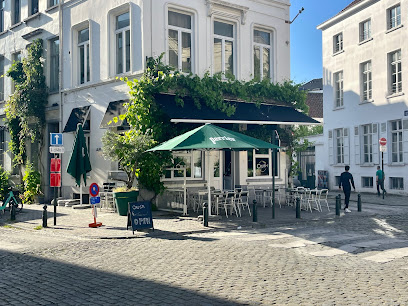
Restaurant
1.0 km
Discover authentic Belgian cuisine at this charming restaurant in Brussels' vibrant heart, where every meal tells a story.
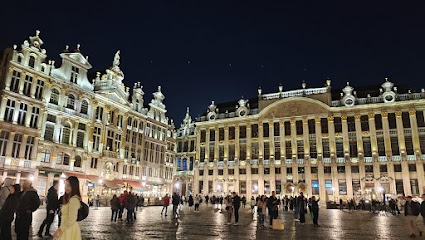
GourmetBar Brussels City Centre
1.0 km
Discover GourmetBar in Brussels City Centre - where local flavors meet modern dining in a stylish atmosphere.
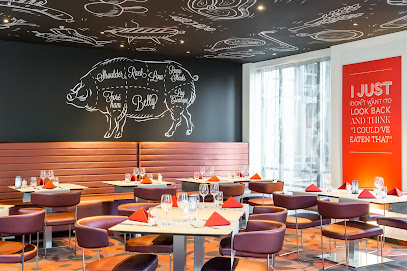
Midtown Grill Brussels
1.0 km
Experience authentic American cuisine at Midtown Grill Brussels – a haven for barbecue lovers and meat enthusiasts in Belgium's vibrant capital.
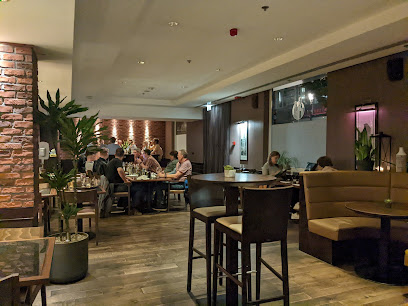
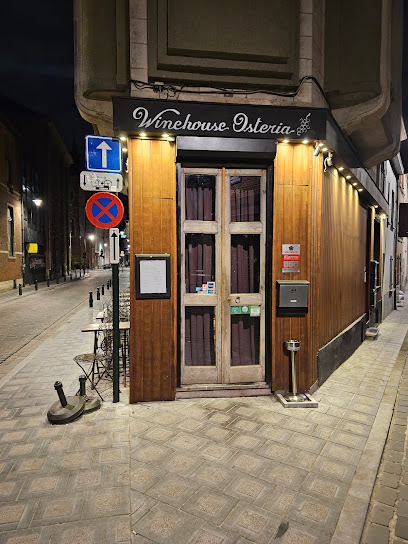
Winehouse Osteria
1.0 km
Experience authentic Italian flavors and exquisite wines at Winehouse Osteria in Brussels' vibrant heart.
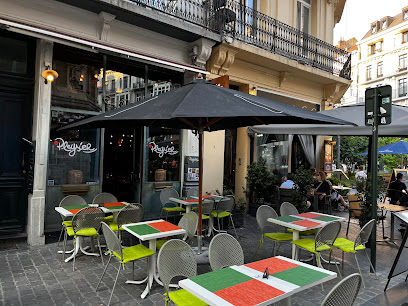
Au Pleysier
1.0 km
Experience the perfect blend of traditional Belgian flavors and modern French cuisine at Au Pleysier in Brussels.
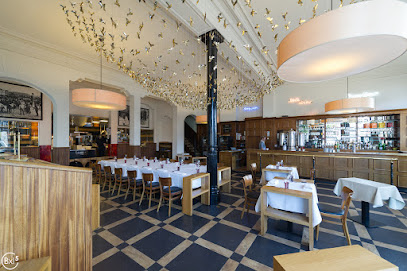
La Paix
1.1 km
Experience exquisite haute French cuisine at La Paix in Anderlecht—where tradition meets modern culinary artistry.
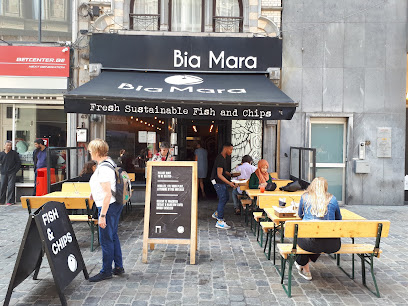
Bia Mara
1.1 km
Discover Bia Mara in Brussels for an unforgettable fish and chips experience amidst a vibrant seafood dining atmosphere.
Markets, malls and hidden boutiques

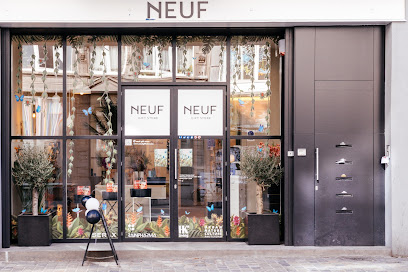
NEUF Gift Store
0.4 km
Explore NEUF Gift Store in Brussels for an eclectic collection of unique gifts and local artisan treasures, perfect for every traveler.
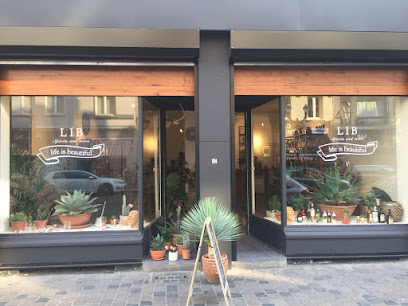
Life is beautiful - Boutique
0.5 km
Explore the rich flavors of Belgium at Life is Beautiful - Boutique, your go-to destination for exquisite liquors and a unique shopping experience.
Ko Store - Concept store
0.6 km
Explore Ko Store in Brussels for a unique selection of fashion accessories and gifts, reflecting contemporary style and creativity.
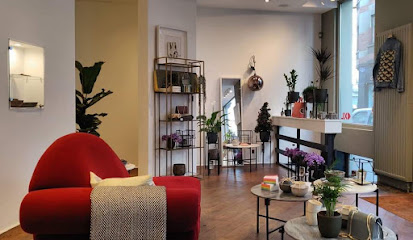
ICON
0.7 km
Discover the stylish elegance of ICON, a top clothing store in Brussels offering contemporary fashion and unique designs for discerning shoppers.
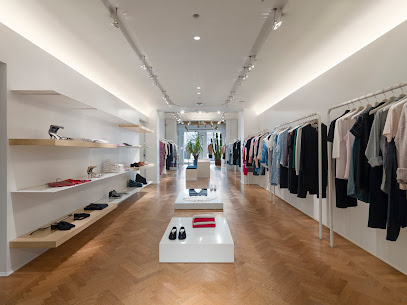
Docks Caviar!
0.7 km
Discover timeless vintage fashion at Docks Caviar, a unique clothing store in the heart of Brussels' Pentagon district.
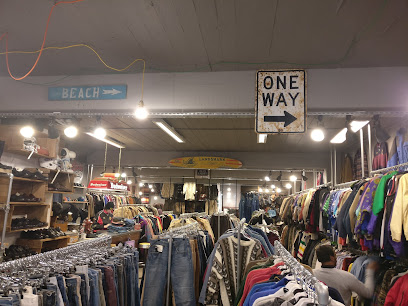
Isabelle Bajart
0.8 km
Explore the eclectic charm of Isabelle Bajart, a vintage clothing store in Brussels offering unique fashion finds at affordable prices.
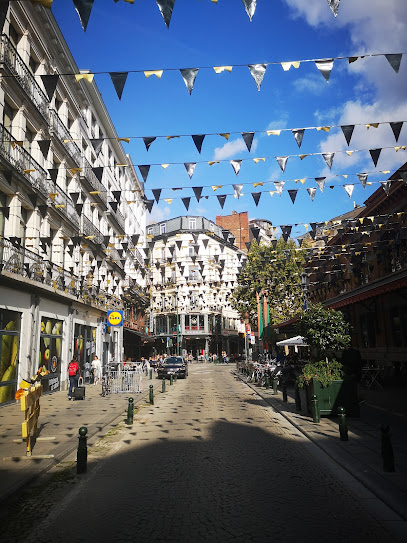
Centreville Store
0.9 km
Explore Centreville Store in Brussels for unique fashion pieces and exceptional service, showcasing local designer talents and styles.
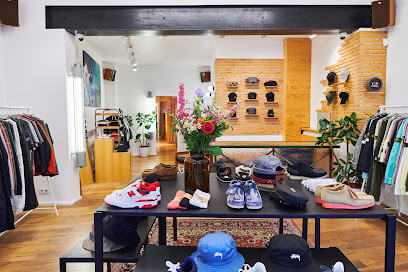
Eclectic Store
0.9 km
Explore the Eclectic Store in Brussels for unique custom t-shirts, local art, and fashionable finds that capture the spirit of the city.
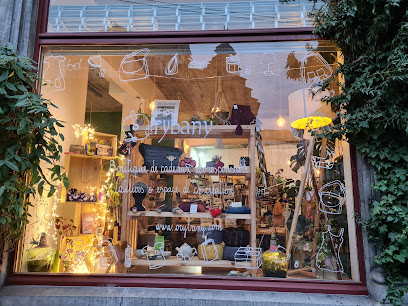
Orybany
0.9 km
Discover Orybany in Brussels: A creative gift shop, coworking space, and makerspace where art and community come together.
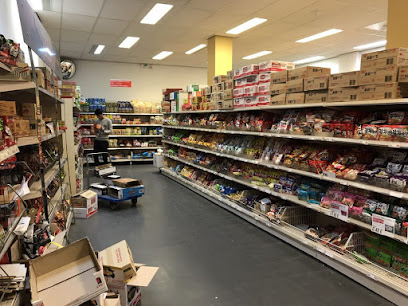
Kam Yuen Supermarket
1.0 km
Discover the flavors of Asia at Kam Yuen Supermarket, Brussels' premier destination for authentic Asian groceries and culinary delights.
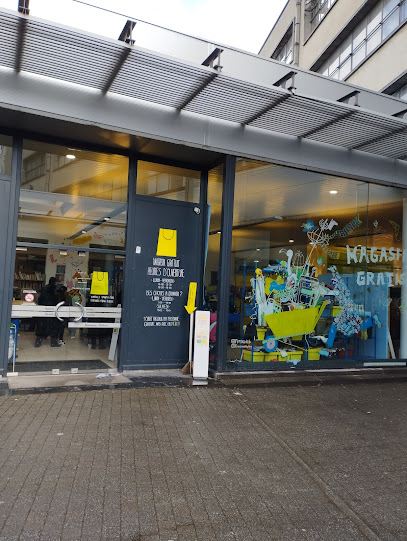
Magasin gratuit
1.0 km
Explore the unique and sustainable shopping experience at Magasin Gratuit in Anderlecht, where all items are free and community thrives.
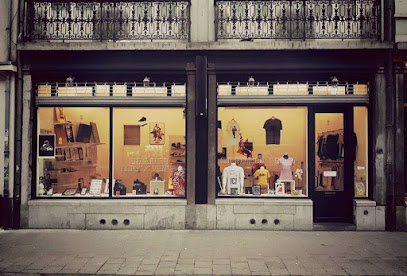
City Store Vintage
1.0 km
Unearth unique vintage finds at City Store Vintage, the go-to second-hand shop in Brussels for eclectic treasures and nostalgic souvenirs.
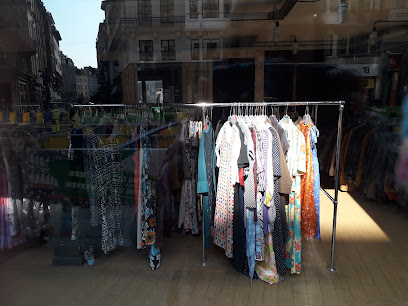
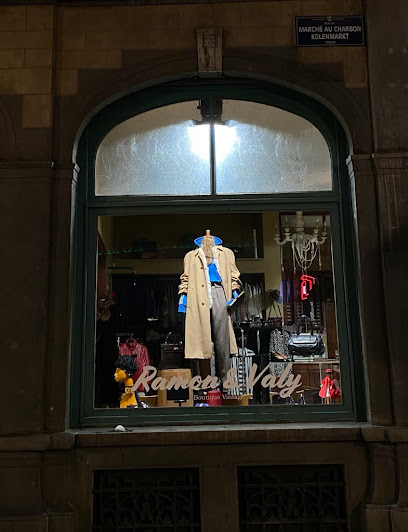
Ramon & Valy Vintage Shop
1.1 km
Explore the charm of vintage fashion at Ramon & Valy Vintage Shop in Brussels, a treasure trove for sustainable style and unique finds.
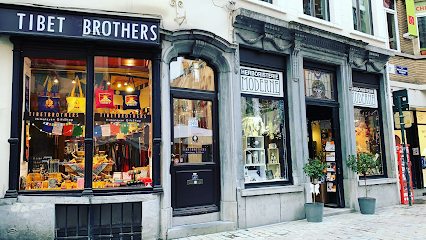
TibetBrothers - Best Himalyan GiftShop in Brussel Belgium
1.1 km
Explore TibetBrothers in Brussels for authentic Himalayan gifts, unique treasures, and a glimpse into rich cultural heritage.
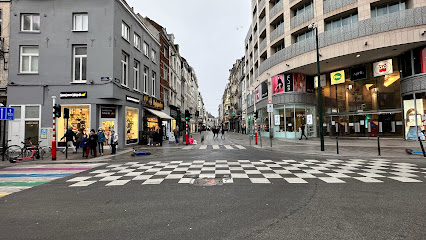
Anspach Shopping Center
1.2 km
Explore the Anspach Shopping Center in Brussels for a unique shopping experience filled with diverse stores, dining options, and vibrant atmosphere.
Essential bars & hidden hideouts

Life Is Beautiful
0.5 km
Discover the best cocktails in Brussels at Life Is Beautiful, a chic cocktail bar offering unique drinks and a vibrant atmosphere.
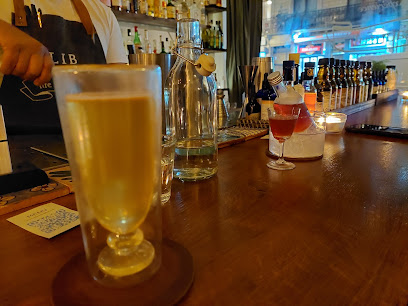
Arthur Orlans
0.8 km
Explore the vibrant nightlife of Brussels at Arthur Orlans, a craft cocktail bar that offers a unique and inviting atmosphere for all cocktail enthusiasts.
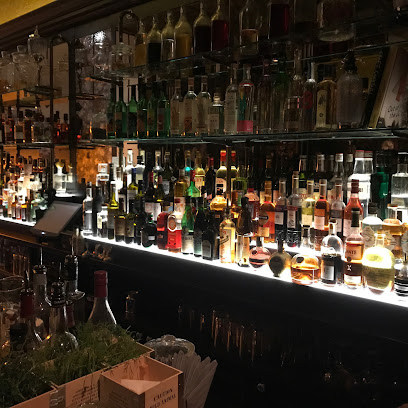
Bar Des Amis
0.9 km
Discover the vibrant atmosphere of Bar Des Amis in Brussels, where exquisite drinks and local charm create unforgettable experiences for tourists.
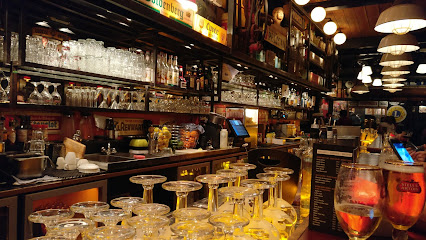
Lord Byron
0.9 km
Discover the trendy Lord Byron cocktail bar in Brussels, where innovative drinks meet a cozy atmosphere for an unforgettable night out.
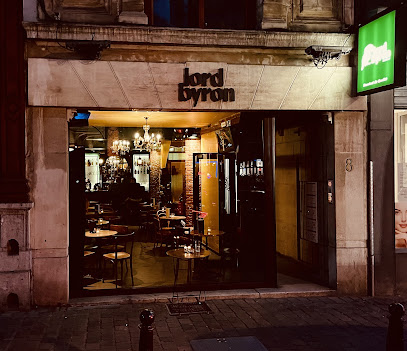
Time Out Pub
1.0 km
Discover the lively ambiance and local flavors at Time Out Pub, a favorite bar in the heart of Brussels' vibrant nightlife.
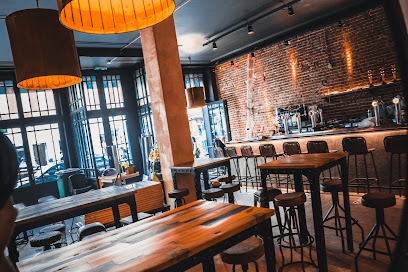
Swan Bar
1.0 km
Discover the vibrant atmosphere of Swan Bar, a chic lounge in Brussels perfect for unwinding with cocktails and socializing in style.
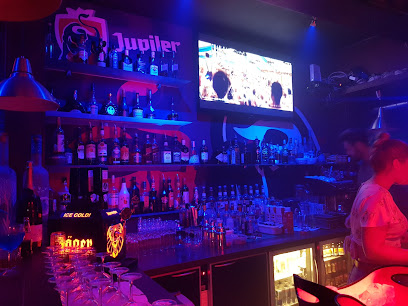
KaraFun Brussel
1.0 km
Experience the joy of singing in a lively atmosphere at KaraFun Brussel, the premier karaoke bar in the heart of Brussels.
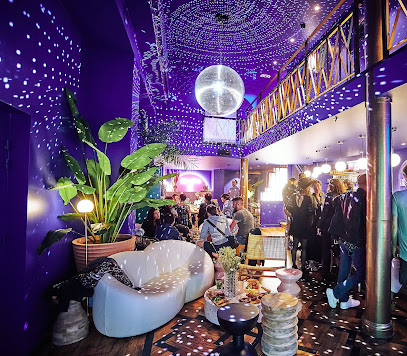
Booze'n Blues
1.0 km
Dive into the vibrant blues scene at Booze'n Blues, Brussels' premier venue for live music and unforgettable nights.
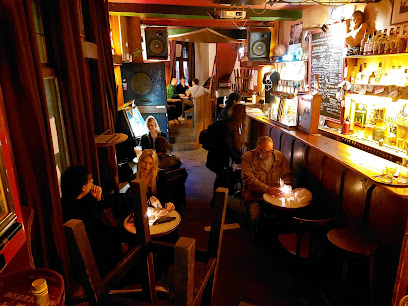
Cu'Sec Shot Bar and Comedy Ket
1.0 km
Discover the vibrant nightlife of Brussels at Cu'Sec Shot Bar and Comedy Ket, where laughter meets libations in a fun-filled atmosphere.
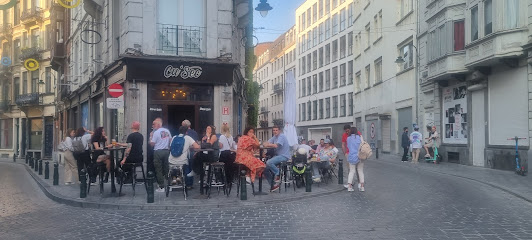
Marcelle - Débit de Boissons
1.0 km
Discover Marcelle - Débit de Boissons, a chic cocktail bar in Brussels offering innovative drinks and a lively atmosphere for an unforgettable night out.
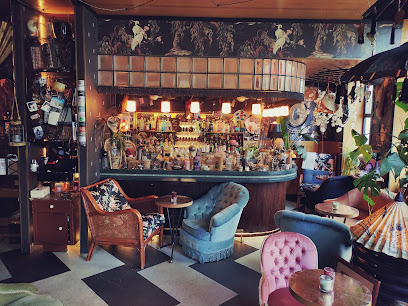
o'reilly's Irish Pub Brussels
1.1 km
Experience the warmth of Irish hospitality at O'Reilly's Irish Pub in Brussels, where great food, drinks, and live music await.
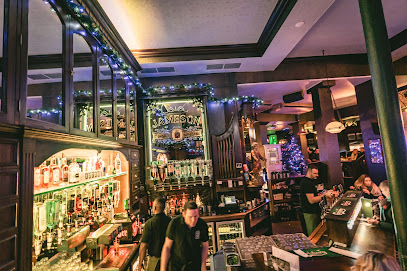
NUA
1.1 km
Discover the lively NUA karaoke bar and dance club in Brussels, where unforgettable nights of music and fun await you.
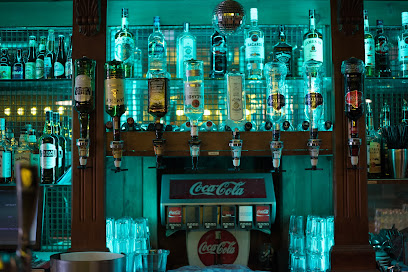
The Big Game Brussels Sports Bar
1.1 km
Experience the thrill of live sports and vibrant nightlife at The Big Game Brussels Sports Bar, your go-to destination for fun and entertainment.
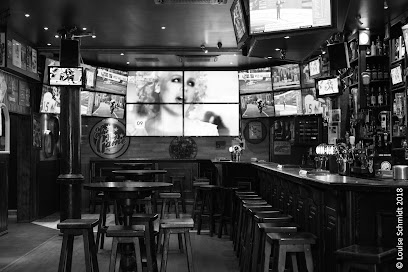
Rock Classic
1.1 km
Discover the heartbeat of Brussels at Rock Classic, a premier live music bar featuring local talent and a vibrant nightlife atmosphere.
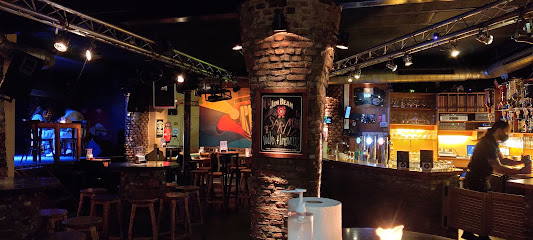
Moeder Lambic Fontainas
1.1 km
Discover the heart of Belgian beer culture at Moeder Lambic Fontainas - a vibrant beer hall in Brussels offering an extensive selection of craft brews.