Background

The Rabot: A Glimpse into Ghent's Medieval Past

Discover the Rabot in Ghent, a captivating medieval gate complex offering a glimpse into the city's rich history, strategic importance, and architectural prowess from the 15th century.

★★★★★4.1 (517)

The Rabot, a formidable medieval gate complex in Ghent, Belgium, stands as a testament to the city's rich history and strategic importance. Constructed in the late 15th century, this imposing structure once controlled access to the city via the Leie River, serving as both a defensive fortification and a customs point. Today, the Rabot offers visitors a captivating glimpse into Ghent's past, with its well-preserved towers, intricate brickwork, and commanding presence. Explore the surrounding area, wander along the picturesque canals, and imagine the bustling activity that once characterized this vital gateway. The Rabot is a must-see for history enthusiasts and anyone seeking to connect with Ghent's medieval heritage. Its robust architecture and historical significance make it a prominent landmark, inviting exploration and reflection on the city's enduring legacy. The Rabot is a striking reminder of Ghent's strategic importance and the ingenuity of medieval engineering.

Plan your visit

A brief summary to Rabot

Opening times, essentials, and a few local tips gathered into one calmer, easier-to-scan planning section.

Plan your visit

📍
Opgeëistenlaan 2, Ghent, Arrondissement of Ghent, 9000, BE

Explore places near Rabot

    See all →

    Unlock the Best of Rabot

    Find tickets, tours with entry, and experiences available for this location.

    Buy tickets

    No tickets available

    Book tours with entry

    No tours with entry available

    Book tours without entry

    No tours without entry available

    Getting There

    Public Transport

    From Ghent-Sint-Pieters railway station, take tram line 1 towards 'Evergem Brielken' or 'Wondelgem Industrieweg'. Get off at the 'Rabot' stop, which is directly in front of the Rabot. A single-journey ticket costs €3.00 if purchased in advance via the De Lijn app or website, or €3.50 if purchased from the tram itself.

    Walking

    From Korenmarkt, the central square in Ghent, walk north along the Graslei and Korenlei, following the Leie River. Continue onto Kraanlei, cross the bridge, and continue along the water. The Rabot will be visible in the distance, approximately a 15-20 minute walk. No costs involved.

    Taxi/Ride-Share

    A taxi or ride-share from Ghent-Sint-Pieters station to the Rabot typically costs between €10-€15, depending on traffic and the specific service. The journey takes approximately 10-15 minutes.

    Local tips

    Visit during the day to fully appreciate the architectural details and explore the surrounding canals and park.
    Combine your visit to the Rabot with a tour of other historical landmarks in Ghent, such as Gravensteen Castle and St. Bavo's Cathedral.
    Take a leisurely stroll along the Leie River to enjoy the picturesque views and charming atmosphere of the area.

    Discover more about Rabot

    The Rabot, a striking medieval gate complex in Ghent, Belgium, is a powerful reminder of the city's rich history and strategic importance during the Middle Ages. Built in the late 15th century, this imposing structure served as a crucial defensive point, controlling access to Ghent via the Leie River. More than just a fortification, the Rabot also functioned as a customs post, regulating trade and collecting tolls from those entering the city by water. Construction of the Rabot began in 1489, during a period of political instability and conflict in the region. Ghent, a wealthy and influential city, needed to protect itself from potential threats, and the Rabot was designed to be a formidable obstacle to any invading force. The gate complex consisted of several robust towers connected by fortified walls, creating a secure passage for ships and boats traveling along the Leie. The name 'Rabot' is believed to derive from the Middle Dutch word 'robben,' meaning 'to obstruct' or 'to block,' reflecting the gate's primary function. Over the centuries, the Rabot witnessed numerous historical events and played a significant role in Ghent's defense. It withstood sieges, saw the passage of countless merchants and travelers, and served as a symbol of the city's power and independence. While its military importance gradually diminished with the advent of modern warfare, the Rabot remained a prominent landmark and a source of civic pride. Today, the Rabot stands as a well-preserved example of medieval architecture and engineering. Visitors can admire its imposing towers, intricate brickwork, and the remnants of its defensive features. The surrounding area has been transformed into a pleasant public space, with walking paths along the canals and opportunities to appreciate the historical significance of the site. The Rabot offers a captivating glimpse into Ghent's past, allowing visitors to imagine the bustling activity that once characterized this vital gateway. Exploring the Rabot and its surroundings is a rewarding experience for history enthusiasts and anyone interested in Ghent's cultural heritage. The gate complex is easily accessible from the city center and can be reached by foot, bicycle, or public transport. As you approach the Rabot, take note of its imposing scale and the strategic placement of its towers. Imagine the soldiers who once guarded this gate, the ships that passed through its arches, and the merchants who paid their dues to enter the city. Inside the Rabot, you can explore the various chambers and passageways, gaining a sense of the gate's original function. Climb to the top of one of the towers for panoramic views of Ghent's skyline and the surrounding waterways. The Rabot also features informative displays and exhibits that provide insights into its history and significance. The area around the Rabot is equally worth exploring. Stroll along the banks of the Leie River, admiring the picturesque canals and the charming houses that line the waterfront. Visit the nearby Rabot Park, a green oasis that offers a peaceful escape from the city's hustle and bustle. The park is a popular spot for picnics, relaxation, and enjoying the natural beauty of Ghent. For those interested in learning more about Ghent's medieval history, the Rabot is an excellent starting point. From here, you can explore other historical landmarks, such as Gravensteen Castle, St. Bavo's Cathedral, and the Ghent Belfry. These sites offer further insights into the city's rich past and its evolution over the centuries. The Rabot is not just a historical monument; it is a living testament to Ghent's enduring spirit and its commitment to preserving its cultural heritage. The gate complex has been carefully restored and maintained, ensuring that future generations can appreciate its significance. The Rabot also serves as a venue for cultural events and activities, bringing history to life and engaging the local community. Visiting the Rabot is an opportunity to connect with Ghent's past, to appreciate its architectural beauty, and to reflect on its enduring legacy. Whether you are a history buff, a curious traveler, or simply someone seeking a unique experience, the Rabot is sure to leave a lasting impression. Its robust architecture, historical significance, and picturesque surroundings make it a must-see destination in Ghent. The Rabot is more than just stones and bricks; it is a symbol of Ghent's resilience, its independence, and its unwavering commitment to preserving its cultural identity. As you stand before this imposing gate complex, take a moment to appreciate the history that surrounds you and the stories that it has to tell. The Rabot is a reminder that the past is always present, shaping our present and influencing our future.

    A brief summary to Rabot

    Use Tower Bridge as your starting point for nearby food, family ideas, nightlife, and more local discoveries.

    Mobile App
    Get the app

    Your all‑in‑one travel companion app

    Explore expert travel guides, compare and book tours, experiences, hotels, and more—all from the palm of your hand. Download now for seamless trip planning wherever your wanderlust takes you.
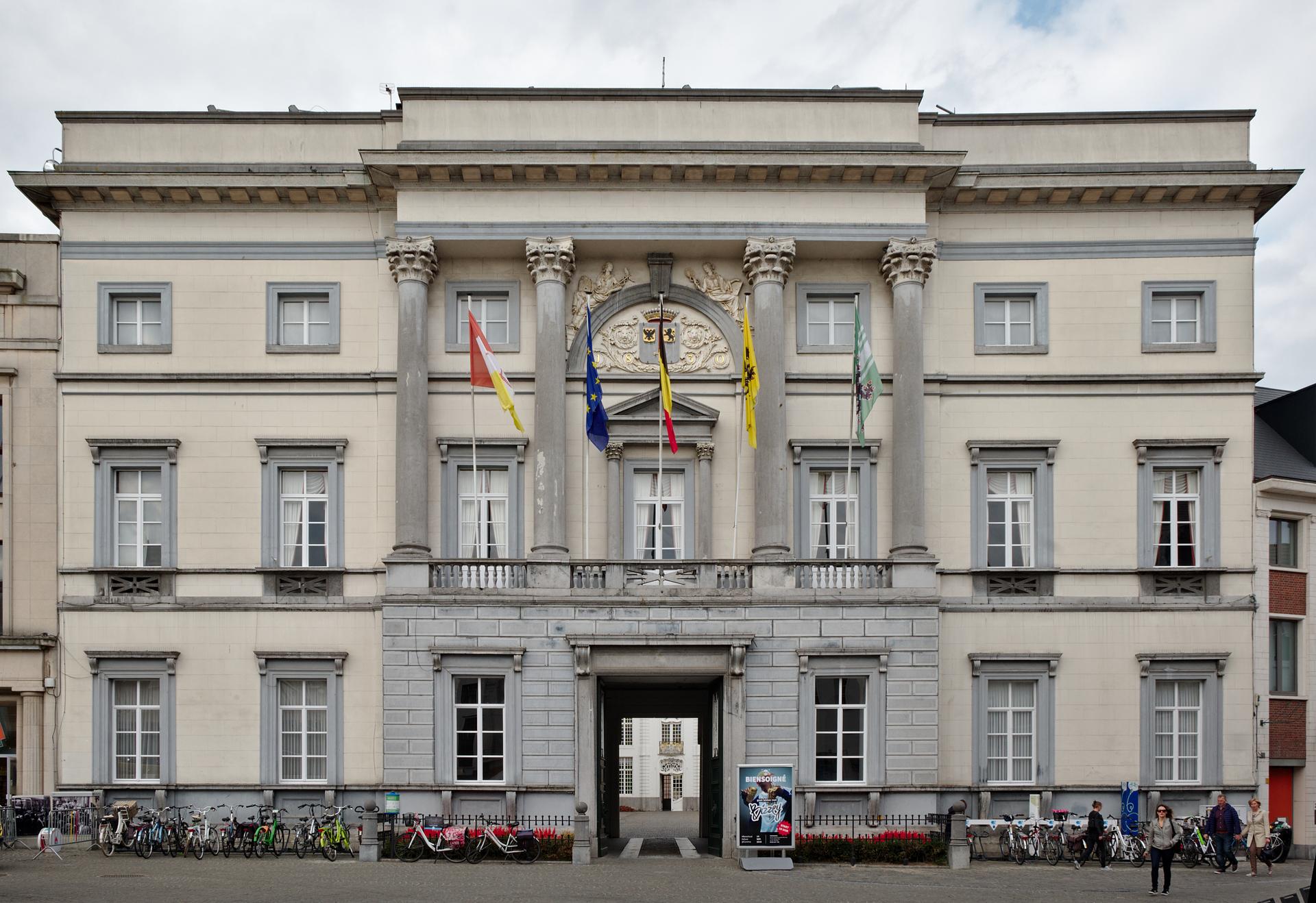
    File:Town hall of Aalst (DSCF0411).jpg - Wikipedia

    More about Aalst

    Discover Aalst: A historic city in Flanders, Belgium, known for its medieval charm, vibrant carnival, and delicious local cuisine.

    Tell me more about Aalst

    Select Currency

    Choose the currency you want prices to display in.