Background

Grand Place: Brussels' Majestic Heart

Experience the grandeur of Brussels at the Grand Place, a UNESCO World Heritage site brimming with history, stunning architecture, and vibrant cultural events.

4.7

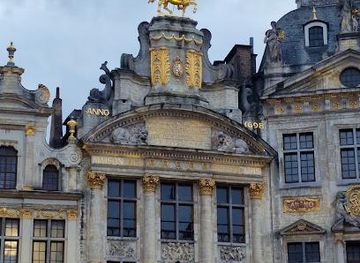
The Grand Place, or Grote Markt, is the central square of Brussels, a UNESCO World Heritage site renowned for its stunning architecture and historical significance. This vibrant cobblestone square is framed by opulent guildhalls, the imposing Town Hall, and the King's House, creating a breathtaking spectacle of Flemish Baroque and Gothic styles. Dating back to the 12th century, the Grand Place has been a hub of commerce, politics, and social life, witnessing historical events, festivals, and markets. Today, it remains a must-see destination, offering visitors a captivating glimpse into Brussels' rich heritage and cultural vibrancy. Whether admiring the intricate facades, enjoying a Belgian beer at a terrace cafe, or experiencing one of the square's many events, the Grand Place promises an unforgettable experience.

A brief summary to Grand Place

Local tips

  • Visit during the Flower Carpet event (every even year in August) for a spectacular display of begonias.
  • Take a guided tour of the Town Hall to discover its rich history and admire its stunning interiors.
  • Explore the Brussels City Museum in the King's House to learn about the city's past and see the Manneken Pis costumes.
  • Enjoy a Belgian beer or traditional meal at one of the many cafes and restaurants surrounding the square.
  • Be aware of pickpockets, especially during crowded events, and keep your belongings secure.
widget icon

Getting There

  • Walking

    From Brussels Central Station, the Grand Place is approximately a 5-10 minute walk. Exit the station following signs for 'Centre' or 'Grand Place'. Walk northeast along Rue de la Madeleine, passing the Galeries Royales Saint-Hubert on your right. Continue straight, and you'll arrive directly at the Grand Place. This route is well-signposted and easy to navigate.

  • Public Transport

    The Grand Place is easily accessible by metro, tram, and bus. Several lines stop near the square. The closest metro stations are Gare Centrale and Bourse. Tram lines 3, 4, 32, and 33 also have stops nearby. Numerous bus lines serve the area, including lines 29, 46, 48, 95, and R28. A single ticket for local transport costs €2.50 if purchased in advance or €3.00 if purchased on the bus or tram.

  • Taxi/Ride-Share

    Taxis and ride-sharing services are readily available in Brussels. A short taxi ride from Brussels Central Station to the Grand Place typically costs between €6-€8, depending on traffic. Be sure the driver is using the meter or agree on a fare beforehand.

  • Driving

    Driving directly to the Grand Place is not recommended due to pedestrianization and limited parking. If driving, park in one of the nearby underground car parks, such as Interparking Grand Place or Parking Ecuyer. Hourly rates typically range from €3.60, with daily maximums around €30. Be aware of Brussels' Low Emission Zone (LEZ) regulations, which may restrict access for older vehicles. Check the official LEZ website for details.

Unlock the Best of Grand Place

Buy tickets

    No tickets available

Book tours with entry

    No tours available

Book tours without entry

    No tours available

Discover more about Grand Place

The Grand Place, known as Grote Markt in Dutch, is the central square of Brussels, Belgium, and a designated UNESCO World Heritage site since 1998. Its history stretches back to the 12th century, evolving from a simple marketplace into the political, social, and commercial heart of the city. Originally a sandbank drained and developed as a market in the 12th century, the square quickly gained importance. By the 13th century, it housed covered markets for bread, meat, and cloth. The construction of Brussels' Town Hall between 1401 and 1455 solidified the square's role as the center of municipal power. Throughout its history, the Grand Place has been a stage for significant events. In 1523, it witnessed the execution of the first Protestant martyrs. The 17th century brought prosperity, with wealthy merchants and powerful guilds constructing elaborate houses around the square. However, in 1695, during the Nine Years' War, French troops bombarded Brussels, causing widespread destruction. Only the facade and tower of the Town Hall, which served as a target, and some stone walls survived. The square was meticulously rebuilt, largely completed by the early 18th century, reflecting a blend of Italian Baroque and Flemish influences. The guildhalls, each with unique sculptural decorations, pilasters, and gables, showcase the city's economic power and artistic prowess. The Town Hall, a masterpiece of Brabantine Gothic architecture, stands as the square's centerpiece, its 96-meter tower topped by a statue of Saint Michael slaying a demon. The King's House, also known as the Bread House (Broodhuis in Dutch), faces the Town Hall. Originally a wooden structure for selling bread, it was replaced by a stone building in the 15th century and later rebuilt in a neo-Gothic style in the 19th century. Today, it houses the Brussels City Museum, showcasing the city's history through paintings, tapestries, and artifacts, including a collection of costumes for the Manneken Pis statue. The Grand Place continues to be a vibrant hub, hosting numerous cultural and festive events. Every two years in August, the square is transformed into a breathtaking flower carpet, using over 500,000 begonias. The Ommegang, a historical procession commemorating Charles V's visit in 1549, takes place annually in July. During the Christmas and New Year period, the square hosts a Christmas market and a towering Christmas tree. Visiting the Grand Place offers a sensory feast. The architecture is awe-inspiring, with intricate details and gilded facades that glitter in the sunlight. The atmosphere is lively, with street performers, cafes, and shops adding to the square's charm. Guided tours of the Town Hall provide insights into its history and significance. The Brussels City Museum offers a deeper understanding of the city's past. The Grand Place is easily accessible, located a short walk from Brussels Central Station. However, parking in the immediate vicinity is limited, with underground car parks available at a cost. Public transportation is highly recommended, with metro, tram, and bus lines serving the area. Beyond its architectural and historical significance, the Grand Place symbolizes the spirit of Brussels – a city that has overcome adversity and rebuilt itself with resilience and creativity. It is a place where history comes alive, where cultures converge, and where visitors can experience the heart of Brussels. Whether you are an architecture enthusiast, a history buff, or simply a traveler seeking beauty and inspiration, the Grand Place is an essential destination. Its timeless charm and vibrant atmosphere will leave a lasting impression, making it a highlight of any visit to Brussels. Today, the Grand Place remains a testament to Brussels' rich history and cultural vibrancy. Its blend of architectural styles, its role as a stage for historical events, and its lively atmosphere make it a truly unforgettable destination. The square is surrounded by numerous cafes and restaurants, offering visitors the opportunity to savor Belgian cuisine and enjoy the ambiance of this historic setting. The Grand Place is more than just a square; it is a living testament to the city's past, present, and future.

Popular Experiences near Grand Place

Popular Hotels near Grand Place

Select Currency