Museum Vleeshuis, Antwerp Travel Guide
Free Guide: Explore 800 years of Antwerp's musical heritage at the Museum Vleeshuis, housed in a stunning late-Gothic guildhall, showcasing a vast collection of instruments and multimedia exhibits.


A brief summary of Museum Vleeshuis
Explore 800 years of Antwerp's musical heritage at the Museum Vleeshuis, housed in a stunning late-Gothic guildhall, showcasing a vast collection of instruments and multimedia exhibits.
The Museum Vleeshuis, or Butcher's Hall, is a captivating museum located in a stunning late-Gothic building in the heart of Antwerp. Originally constructed in the early 16th century as a guildhall for the city's butchers, it has evolved through the centuries, serving various purposes from a warehouse to an artistic haven. Today, it stands as a monument to Antwerp's rich musical history, showcasing a collection of nearly 4,000 musical objects. Visitors can explore the evolution of music and sound in Antwerp through interactive exhibits, historical instruments, and fascinating stories of minstrels, bell ringers, opera singers, and more. The museum offers a unique glimpse into the city's cultural heritage, making it a must-see destination for music lovers and history enthusiasts alike. Note that the museum is currently closed for restoration, promising an even more immersive experience upon reopening.
- Address
- Vleeshouwersstraat 38/40, 2000 Antwerpen
- Phone
- Website
Getting there
Walking
Public Transport
Driving
Discover more about Museum Vleeshuis
Overview
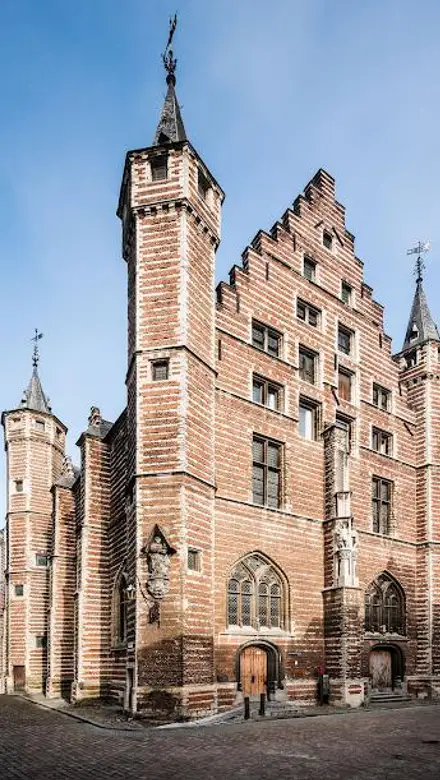
The Museum Vleeshuis, a striking edifice in Antwerp, boasts a history as rich and layered as the sounds it now celebrates. Constructed in the early 16th century (around 1504) as the guildhall for Antwerp's butchers, the Vleeshuis, or Butcher's Hall, stands as a testament to the city's vibrant past. Its late-Gothic architecture, characterized by alternating bands of white sandstone and red brick, was intentionally designed to resemble layers of bacon, a playful nod to its original purpose. For over three centuries, the Vleeshuis served as the center of Antwerp's meat trade, a bustling hub where butchers conducted their business and guild members gathered. However, the Vleeshuis's story extends far beyond its origins as a meat market. Following the French Revolution and the abolition of guilds in 1796, the building transitioned through various roles. It was briefly repurposed as a warehouse, and later, in the 19th century, it became a haven for artists. Painters, sculptors, and other creatives found inspiration within its walls, breathing new life into the historic structure. Recognizing its cultural significance, the City of Antwerp acquired the Vleeshuis in 1899 and embarked on a restoration project led by architect Alexis van Mechelen. In 1913, the Vleeshuis reopened as a museum dedicated to applied arts, showcasing a diverse collection of artifacts ranging from metalwork and ceramics to weapons and musical instruments. Over time, the museum's focus gradually shifted towards its impressive collection of musical instruments. In 2006, after a period of closure and reorganization, the Vleeshuis reemerged as the Museum Vleeshuis | Klank van de Stad (Sound of the City), a celebration of Antwerp's musical heritage. Today, the Museum Vleeshuis offers visitors a captivating journey through 800 years of music history in Antwerp and the Low Countries. The museum's collection includes nearly 4,000 musical objects, ranging from historical instruments and music books to manuscripts and models. Interactive exhibits and multimedia displays bring the sounds of the city to life, showcasing the stories of minstrels, bell ringers, opera singers, and the evolution of music in various settings, from street performances to concert halls. Visitors can explore the museum's exhibits to discover the evolution of musical instruments, from ornate harpsichords and virginals to majestic pipe organs. Highlights of the collection include a rare double bass recorder from around 1535 and a scale model of a carillon drum from 1707. The museum also delves into the history of music printing, instrument making, and the vibrant concert and opera scene that flourished in Antwerp. The Museum Vleeshuis is not only a repository of musical artifacts but also a cultural center that hosts concerts, workshops, and educational programs. It aims to engage visitors of all ages and backgrounds, fostering an appreciation for the power of music and its role in shaping the city's identity. Currently, the Museum Vleeshuis is closed for extensive restoration work, both on its exterior and interior. The renovation project aims to create a more accessible and engaging visitor experience, with plans for a new reception area, improved circulation, and an updated presentation of the museum's collection. The restored museum promises to be an even more immersive and enriching destination for music lovers and history buffs alike. While the museum is temporarily closed, visitors can still admire its impressive facade and learn about its history through online resources and virtual tours. The reopening of the Museum Vleeshuis is eagerly anticipated, as it will undoubtedly continue to be a cornerstone of Antwerp's cultural landscape, celebrating the city's rich musical heritage for generations to come. Beyond its musical focus, the Vleeshuis offers a glimpse into Antwerp's broader history and cultural evolution. Its transformation from a bustling meat market to a haven for artists and a museum reflects the city's dynamic spirit and its ability to adapt and reinvent itself over time. The building itself is a work of art, with its intricate Gothic details and imposing presence, making it a landmark in Antwerp's historic center. Visiting the Museum Vleeshuis is an opportunity to step back in time and experience the sounds and stories of Antwerp's past. Whether you're a music enthusiast, a history buff, or simply curious about the city's cultural heritage, the Vleeshuis offers a unique and unforgettable experience. The museum's collection, exhibits, and programs provide a comprehensive and engaging exploration of Antwerp's musical landscape, showcasing the city's contributions to the world of music and its enduring legacy as a center of artistic innovation. As you plan your visit to Antwerp, be sure to check the Museum Vleeshuis's website for updates on its reopening and to explore its online resources. The restored museum promises to be an even more vibrant and engaging destination, offering a deeper understanding of Antwerp's rich musical heritage and its place in the broader cultural landscape of the Low Countries. The Museum Vleeshuis is more than just a museum; it's a living testament to the power of music and its ability to connect us to the past, present, and future.
Evendo Review Centre
 Google
Guest reviews
Explore Museum Vleeshuis on the map
A handpicked selection of must-see spots near Museum Vleeshuis, mapped for you.
Get your free copy of our complete guide to Museum Vleeshuis, delivered straight to you.
Everything on this page, from opening hours and how to get there to Eve’s tips and the best time to go, in one PDF you can read offline, print or share.
Already have an account? Sign in
Your Museum Vleeshuis guide is ready.
We'll send it to · Not you? Sign out

Getting your guide ready…
We are putting together a fresh copy of the Museum Vleeshuis guide. This can take up to a minute.
This can take a few moments. If your browser asks, choose Allow so the download can start. You'll find the guide in your Downloads folder.
Nothing happened? Download it again
Sorry, the guide is taking longer than usual. Please try again in a minute, or get it by email instead.
Unlock the best of Museum Vleeshuis
Skip-the-line tickets, guided tours with entry, and walking tours of the area, booked in a few clicks.
 Tour with entry
Historical Walking Tour in Antwerp Old City
from $3.19 Tour with entry
Discover Antwerp with Local Guide
from $15.98 Tour with entry
Discover Antwerp with this Outside Escape city game tour!
from $29.29 Tour with entry
Antwerp and Ghent Day Trip from Brussels With Atomium Photo Stop
from $50.07


Other nearby places you may find interesting
The closest places of the same kind, if this one is not quite what you had in mind.
-
-
-
-
-


Swipe for more places
More to explore near Museum Vleeshuis

 Best experiences near Museum Vleeshuis
 Best hotels near Museum Vleeshuis
 Best landmarks near Museum Vleeshuis
 Best attractions near Museum Vleeshuis
 Best shops near Museum Vleeshuis
 Best restaurants near Museum Vleeshuis
 Best bars near Museum Vleeshuis
Do you manage this location?
Take control to get all the benefits, like improved information, better appearance, and stronger visibility across AI-powered discovery.
Explore more

Explore more of Antwerp
Discover Antwerp, Belgium's diamond capital, where history meets modernity in a vibrant cityscape, offering rich culture, world-class art, and culinary delights.
Explore Antwerp
Explore more of Belgium
Discover Belgium: A blend of medieval charm, culinary delights, and stunning landscapes. Explore historic cities, savor exquisite chocolates, and enjoy a perfect getaway.
Explore Belgium