Museums of the Far East: A Glimpse into Asian Art and Architecture
Explore the architectural wonders of the Museums of the Far East in Brussels, a historical complex showcasing Chinese and Japanese art, currently undergoing restoration but with collections partially on display elsewhere.
The Museums of the Far East in Brussels, a complex of the Chinese Pavilion, the Japanese Tower, and the Museum of Japanese Art, offers a captivating journey into Asian art and culture. Commissioned by King Leopold II in the early 20th century, these structures reflect a blend of European and Oriental architectural styles. Although the museums have been closed since 2013 due to structural issues, their historical significance and unique design continue to draw visitors. The Chinese Pavilion showcases Chinese porcelain and decorative arts, while the Japanese Tower, inspired by Japanese pagodas, features intricate woodwork and stained glass. While the complex undergoes restoration, a selection of its collections can be viewed at the Art & History Museum in Parc du Cinquantenaire, offering a glimpse into the rich artistic heritage of China and Japan. The surrounding parkland provides a serene setting for appreciating these architectural gems from the outside, making it a worthwhile stop for those interested in cultural landmarks and historical sites. Check the museum's website for updates on reopening and special exhibitions.
A brief summary to Museums of the Far East
- Av. Van Praet 44, Brussels, Brussel, 1020, BE
Local tips
- Check the official website of the Royal Museums of Art and History for updates on the reopening of the Museums of the Far East and any temporary exhibitions.
- Visit the Art & History Museum in Parc du Cinquantenaire to view a selection of artifacts from the Museums of the Far East while the complex is under renovation.
- Take a stroll through the surrounding parkland to admire the exterior architecture of the Chinese Pavilion and Japanese Tower, even though the interiors are currently inaccessible.

Getting There
-
Public Transport
From central Brussels, take Metro Line 6 to Stuyvenbergh station. From the station, it's a short walk (approximately 5-10 minutes) to the Museums of the Far East. Follow Avenue Van Praet to reach the complex. A single metro ticket costs €2.60. Alternatively, De Lijn buses 53, 230, 231, and 232 stop near the Museums at the 'De Wand' stop. A single De Lijn bus ticket costs €3 if purchased on the bus.
-
Taxi/Ride-Share
A taxi or ride-share from central Brussels to the Museums of the Far East typically costs between €15 and €25, depending on traffic and the specific starting point. The journey usually takes around 15-20 minutes.
-
Driving
If driving, navigate to Avenue Van Praet 44, 1020 Brussels. Parking is available in the vicinity, but spaces may be limited. Check local parking signs for rates. Parking Albertine-Square, located a few kilometers away, offers an alternative with 50 bike spaces available. Consider using park-sharing services for more parking options.
Discover more about Museums of the Far East
Iconic landmarks you can’t miss

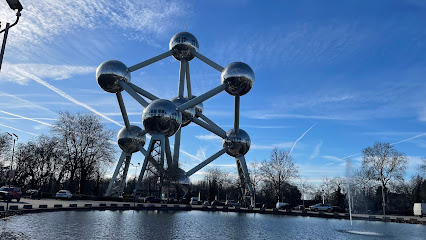
Square de l'Atomium
1.3 km
Explore the enchanting Square de l'Atomium, where Brussels' rich history meets modern vibrancy amidst beautiful gardens and local cuisine.
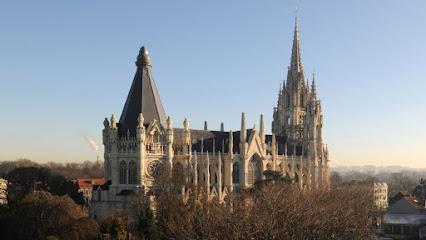
Église Notre-Dame de Laeken
1.7 km
Explore the architectural beauty and rich history of Église Notre-Dame de Laeken, a captivating Catholic church in the heart of Brussels.
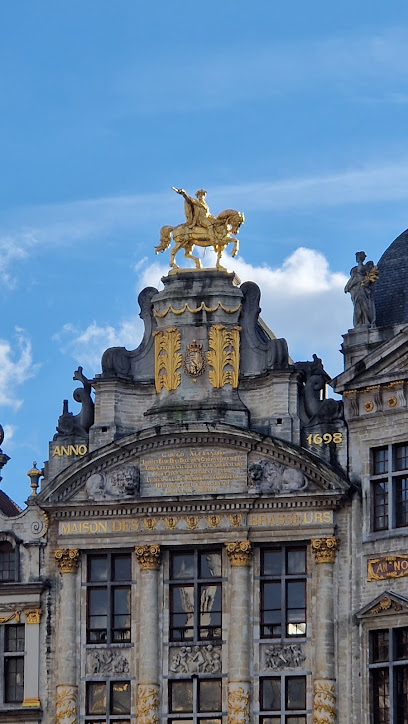
Palais du Centenaire
1.7 km
Discover the architectural beauty and historical significance of Brussels' Palais du Centenaire, a landmark Art Deco masterpiece from the 1935 World's Fair.
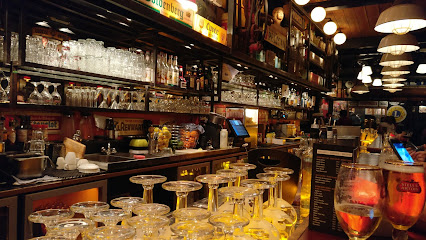
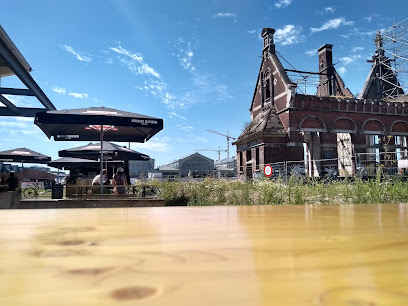
Brasserie de la Senne
3.0 km
Discover the essence of Belgian brewing at Brasserie de la Senne, where craft meets tradition in a lively atmosphere.
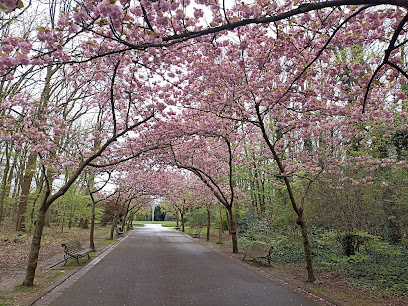
De Japanse Kerselaars
3.6 km
Explore the breathtaking beauty of the Japanese Cherry Blossom Trees in Schaerbeek, Belgium, a seasonal spectacle that enchants visitors with its vibrant petals.
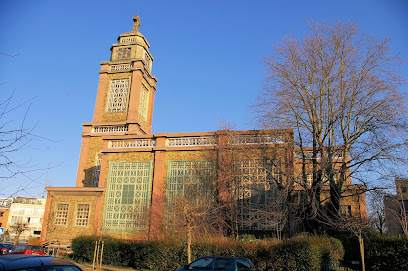
Église Sainte Suzanne
3.7 km
Discover the enchanting Église Sainte Suzanne, a serene Catholic church in Schaerbeek, showcasing stunning architecture and a rich spiritual heritage.
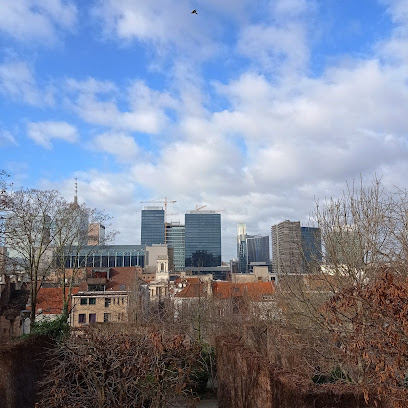
Parc Reine-Verte
3.8 km
Explore the serene beauty of Parc Reine-Verte, a tranquil city park in Schaerbeek, perfect for relaxation and nature walks in Brussels.
Saint Mary's Royal Church
3.9 km
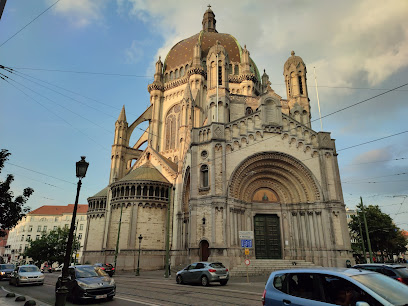
Explore the breathtaking beauty and architectural splendor of Saint Mary's Royal Church, a cultural and spiritual landmark in Schaerbeek, Belgium.
Parc Elisabeth
4.1 km
Experience the tranquility of Parc Elisabeth, an urban park in Koekelberg, Brussels, perfect for relaxation, picnics, and family outings amidst nature's beauty.
Best Western City Centre
4.2 km
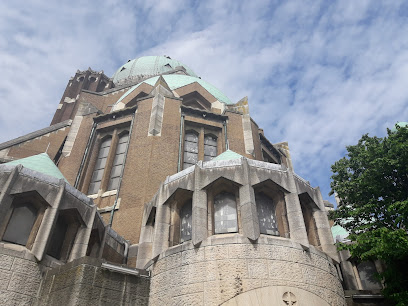
Comfortable Brussels hotel near the Botanical Garden and North Station, offering easy access to city attractions.
Pl. Charles Rogier
4.2 km
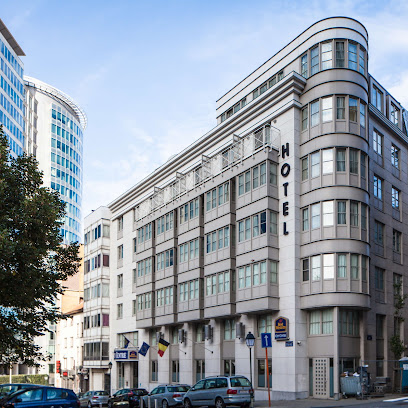
Explore the vibrant Pl. Charles Rogier in Saint-Josse-ten-Noode, a cultural hub of Brussels with shops, cafes, and iconic architecture.
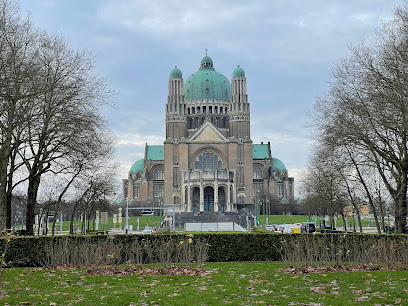
National Basilica of the Sacred Heart in Koekelberg
4.2 km
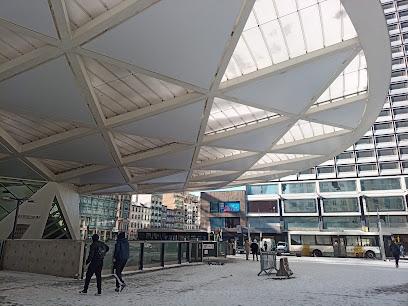
Experience the grandeur of the National Basilica of the Sacred Heart, a stunning architectural marvel offering breathtaking views and rich history in Brussels.
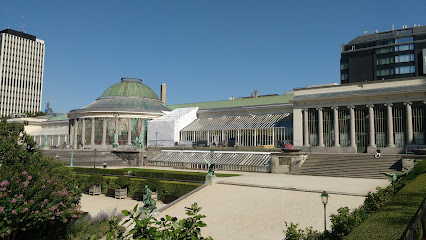
Botanical Garden
4.3 km
Experience the tranquility and natural beauty of the Botanical Garden in Brussels, a perfect escape from the city's hustle and bustle.
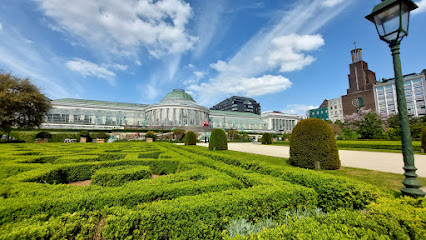
Le Grand Bassin du Jardin botanique
4.4 km
Experience tranquility at the Grand Bassin du Jardin botanique, a serene oasis in Brussels showcasing stunning flora and peaceful landscapes.
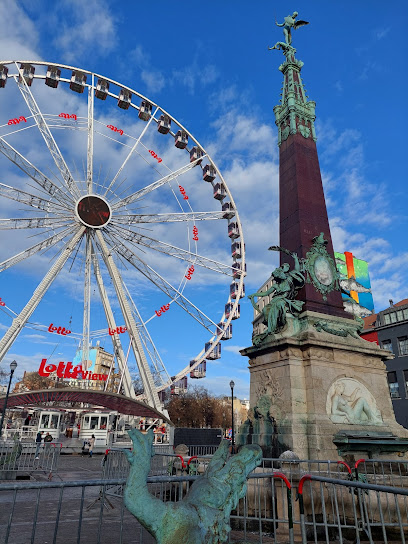
Monument au Pigeon-Soldat
4.5 km
Explore the Monument au Pigeon-Soldat in Brussels, a unique tribute to messenger pigeons of WWI, blending history with stunning artistry.
Unmissable attractions to see

Royal Greenhouses of Laeken
0.4 km
Discover the Royal Greenhouses of Laeken, a stunning botanical paradise in Brussels, showcasing exotic plants and royal heritage within breathtaking architecture.
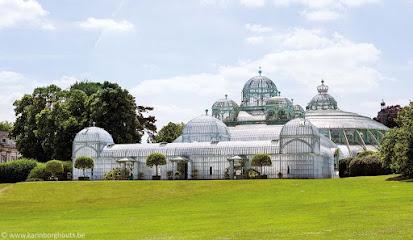
Castle of Laeken
0.8 km
Experience the grandeur of the Castle of Laeken, the royal residence in Brussels, surrounded by lush gardens and rich history, perfect for your travel itinerary.
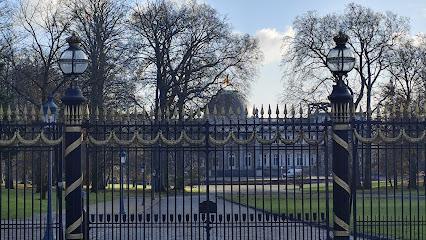
Atomium
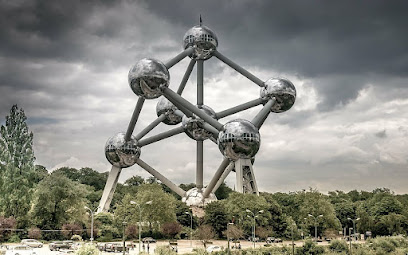
1.3 km
Discover the Atomium, Brussels' iconic landmark, blending history, culture, and breathtaking views in a unique architectural marvel.
Design Museum Brussels
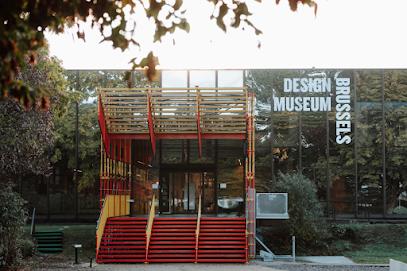
1.4 km
Discover the captivating world of design at the Design Museum Brussels, where creativity meets innovation in the heart of Belgium.
Mini-Europe
1.5 km
Discover Mini-Europe in Brussels: a captivating open-air museum showcasing miniature replicas of Europe's most iconic landmarks and attractions.
Brussels Expo
1.7 km
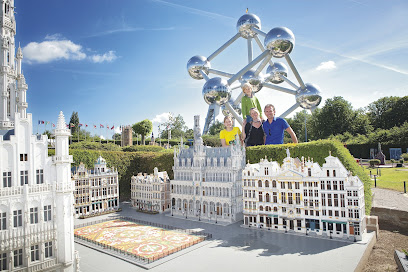
Discover the dynamic world of events at Brussels Expo, Belgium's premier convention center showcasing trade shows, exhibitions, and cultural happenings.
Train World
2.2 km
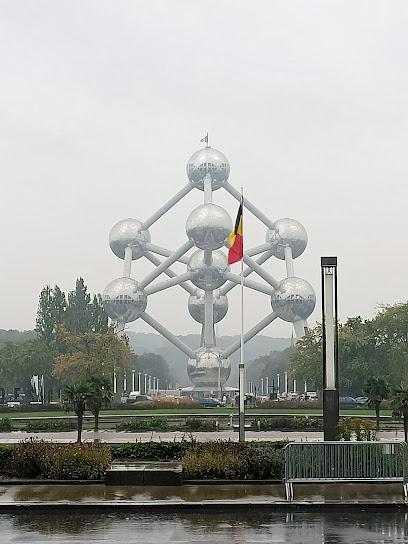
Explore the captivating world of trains at Train World, a unique rail museum in Schaerbeek showcasing Belgium's rich railway heritage.
René Magritte Museum VZW
2.6 km
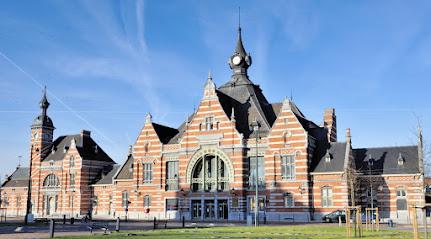
Immerse yourself in the surreal world of René Magritte at the dedicated museum in Jette, Belgium, showcasing his iconic art and creative genius.
L'Escaut
3.3 km
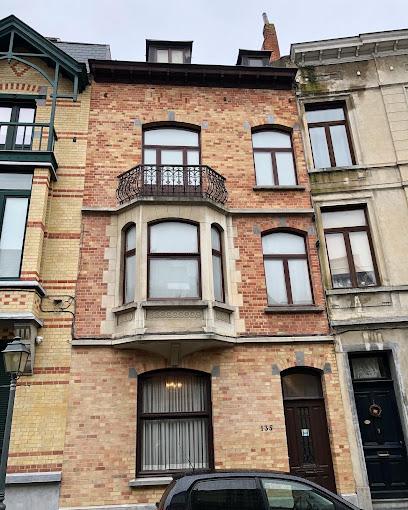
Explore L'Escaut in Molenbeek-Saint-Jean, a stunning architectural landmark reflecting cultural richness and innovative design.
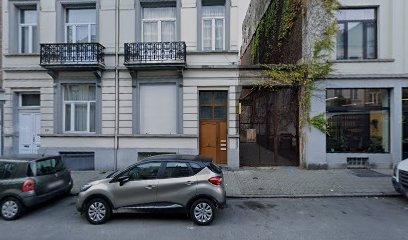
Pixel Museum
3.4 km
Explore the Pixel Museum in Brussels for an immersive experience in the history of toys and video games, perfect for all ages.
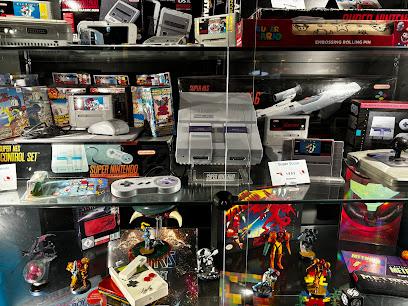
Maison Autrique
3.5 km
Experience the elegance of Art Nouveau at Maison Autrique, a captivating museum in Schaerbeek showcasing extraordinary architecture and art.
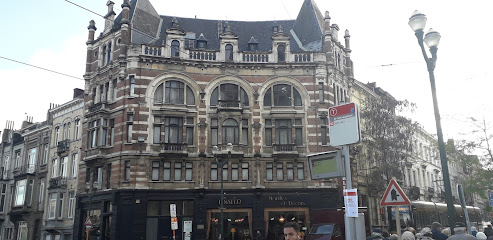
Musée schaerbeekois de la bière
3.5 km
Explore the fascinating history of Belgian beer at the Schaerbeek Museum of Beer, a unique cultural gem in Belgium's brewing heritage.
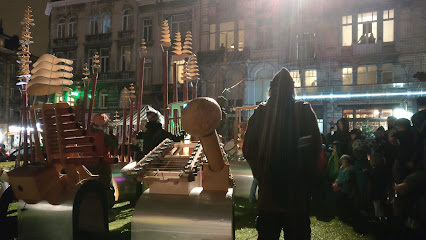
Hoppiness Brussels
3.6 km
Discover Hoppiness Brussels, a vibrant event venue in Jette, where culture, community, and joy blend for an unforgettable experience in Belgium.
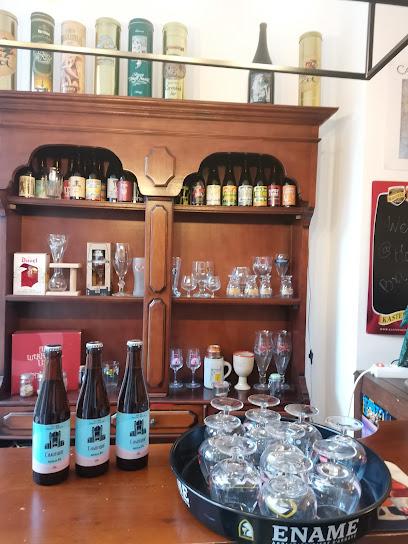
Tipsy Tribe Brewery & Distillery
3.7 km
Discover the essence of Belgian craft beverages at Tipsy Tribe Brewery & Distillery in Koekelberg, a must-visit for beer and spirit lovers.
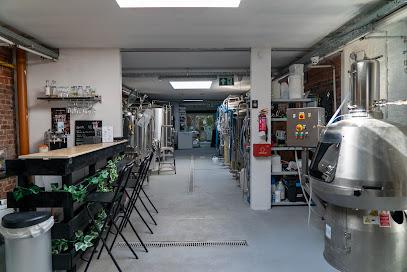
Josaphat Park
3.7 km
Experience the beauty and tranquility of Josaphat Park, a lush urban oasis in Schaerbeek, perfect for families and nature lovers alike.
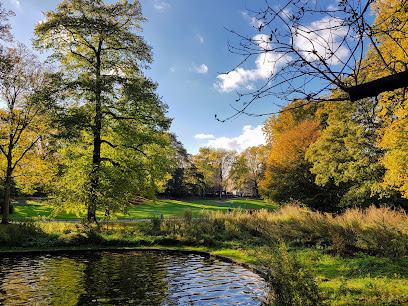
Essential places to dine

Atomium-Restaurant
1.3 km
Experience exquisite Belgian cuisine with stunning views at the iconic Atomium-Restaurant in Brussels.
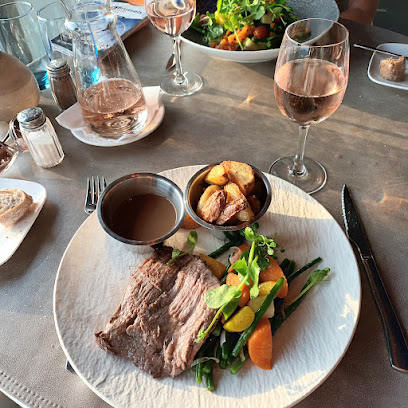
Faubourg St Antoine restaurant
2.7 km
Experience authentic Belgian cuisine at Faubourg St Antoine, where traditional flavors meet cozy dining in Schaerbeek.
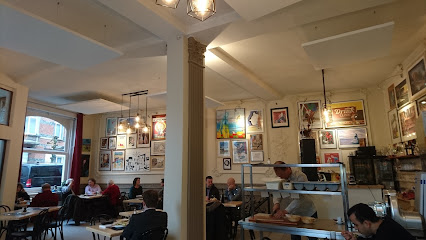
Wine in the city
3.5 km
Discover exquisite wines and gourmet cuisine at Wine in the City, Jette's premier fine dining destination for food lovers.
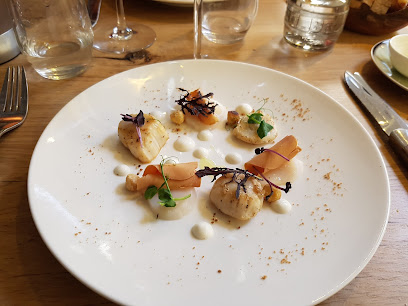
Chabrol Restaurant
3.6 km
Experience modern European cuisine at Chabrol Restaurant in Schaerbeek – where every dish is a work of art waiting to be savored.
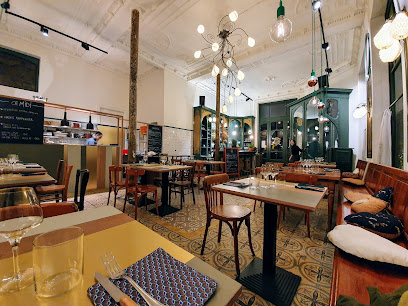
Buca di Bacco
3.6 km
Experience authentic Italian cuisine at Buca di Bacco in Schaerbeek, where tradition meets modern dining in a cozy atmosphere.
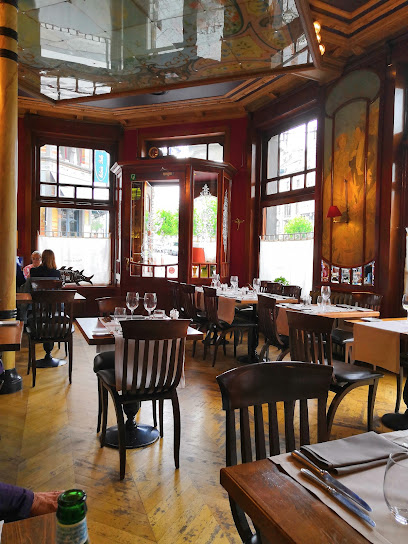
Les Potes en Toque
3.8 km
Discover modern French cuisine at Les Potes en Toque in Ganshoren - where every dish is a celebration of flavor and creativity.
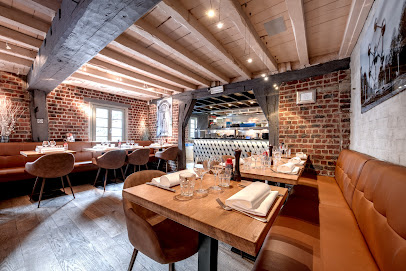
L'âne Fou
3.8 km
Experience the essence of Belgian cuisine at L'âne Fou - a lively gastropub blending brewery charm with culinary excellence in Schaerbeek.
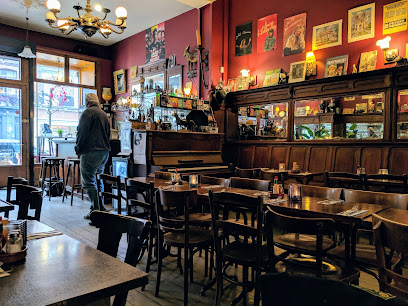
Ane Vert
3.8 km
Discover Ane Vert: A cozy Schaerbeek restaurant offering seasonal Belgian cuisine and an inviting atmosphere perfect for food enthusiasts.
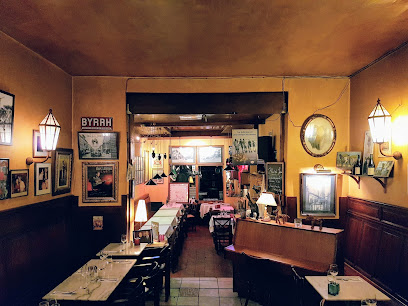
The Corner Haren
4.2 km
Discover authentic Belgian cuisine at The Corner Haren, where every dish is crafted with passion and tradition.
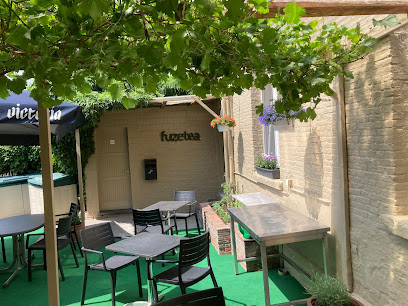
Cantina Valentina
4.2 km
Experience authentic Peruvian flavors at Cantina Valentina in Brussels - where culinary tradition meets vibrant atmosphere.
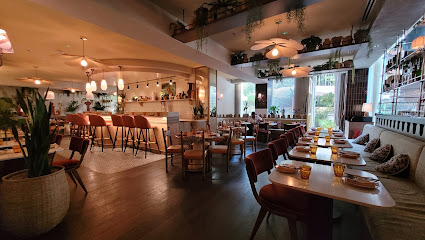
Le pêcheur Nord
4.3 km
Discover authentic Mediterranean seafood at Le Pêcheur Nord in Brussels - where family-friendly dining meets exquisite flavors.
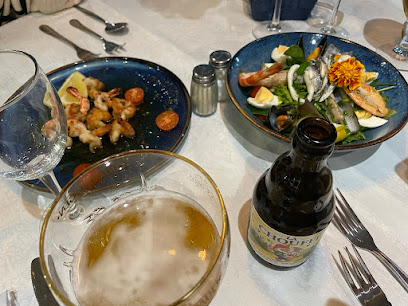
Les Dames Tartine
4.3 km
Experience authentic Belgian cuisine at Les Dames Tartine, where fresh ingredients meet traditional recipes in a cozy atmosphere.
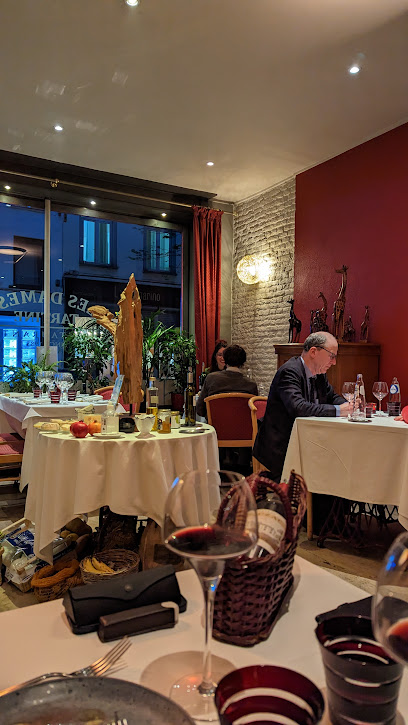
L'impasse Temps
4.3 km
Experience authentic Belgian cuisine at L'impasse Temps in Saint-Josse-ten-Noode – where flavors meet culture in an inviting atmosphere.
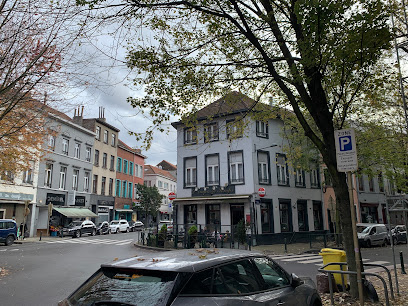
Restaurant O'Syrie
4.3 km
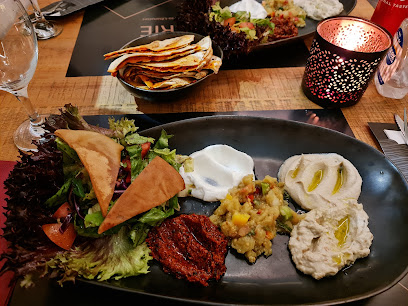
Discover authentic Lebanese flavors at Restaurant O'Syrie, where every dish tells a story of culinary tradition and warmth.
l'Atelier de Willy
4.3 km
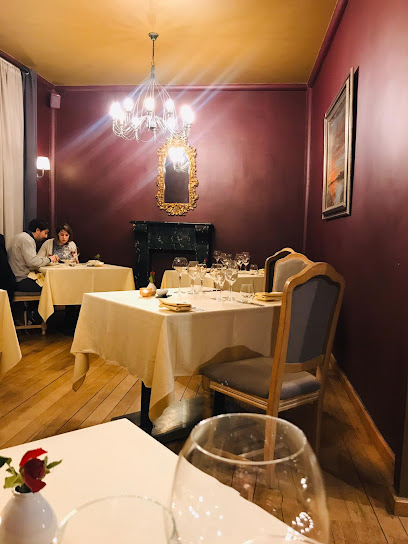
Experience exquisite modern European cuisine at l'Atelier de Willy in Brussels - where haute French flavors meet contemporary elegance.
Markets, malls and hidden boutiques

Docks Bruxsel
1.8 km
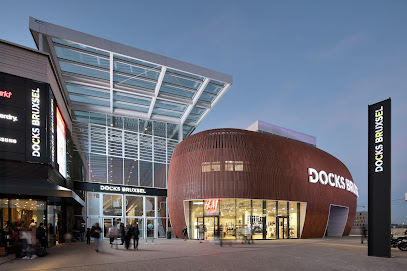
Discover Docks Bruxsel, Brussels' vibrant shopping mall with diverse stores and delightful dining options, perfect for every traveler.
Discover Belgium
2.7 km
Experience the essence of Belgium at Discover Belgium - your premier event management and gift shop destination in Brussels.
Spullenhulp
3.0 km
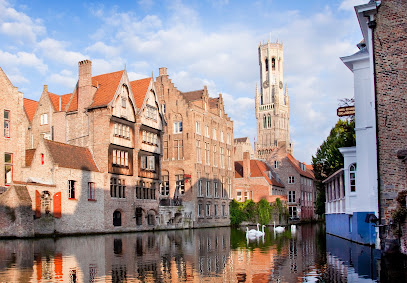
Explore Spullenhulp in Schaerbeek for sustainable fashion and unique vintage finds in a charming used clothing boutique.
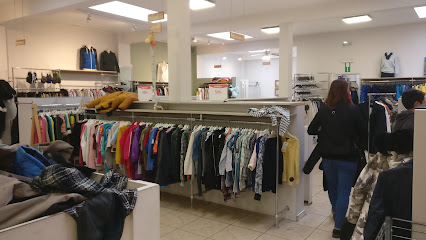
Expert BXL
3.1 km
Discover the essence of Belgium at Expert BXL in Schaerbeek, where unique local products await your exploration.
Africlo
3.3 km
Explore Africlo in Schaerbeek for a unique boutique shopping experience featuring local fashion and accessories that reflect Belgian creativity.
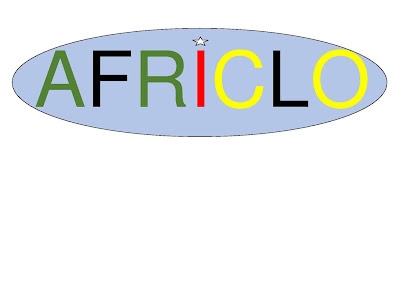
My Mode
3.4 km
Explore My Mode in Schaerbeek for a unique shopping experience with personalized service and a diverse selection of trendy clothing.
Satex Cadeau Center
3.5 km
Explore Satex Cadeau Center, your ultimate destination for unique souvenirs and gifts in Schaerbeek, Belgium.
DARI
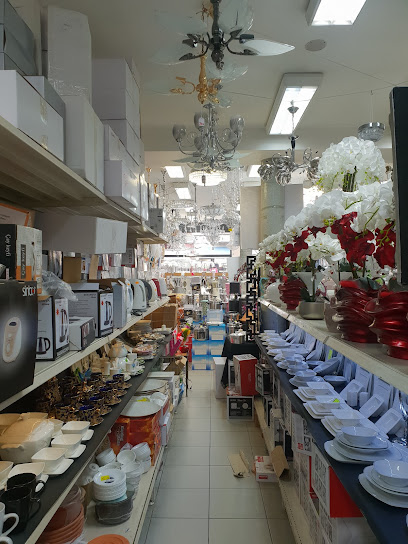
3.6 km
Explore DARI, Brussels' vibrant outlet mall featuring an eclectic mix of local and international brands at unbeatable prices.
Fassiphone Belgium
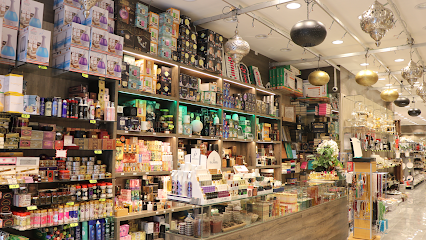
3.6 km
Explore the charm of Belgium at Fassiphone, a unique gift shop in Brussels filled with handcrafted treasures and delightful fragrances.
Modelim
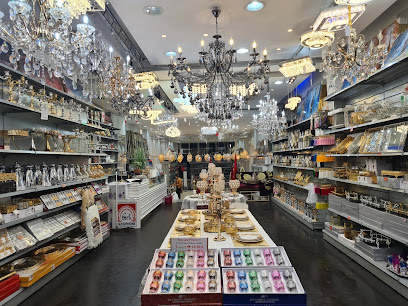
3.6 km
Modelim in Brussels offers a stylish collection of women's, bridal, and children's clothing in an inviting atmosphere, perfect for all fashion lovers.
Brabant Shopping
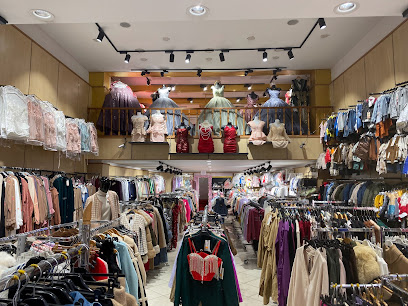
3.6 km
Explore Brabant Shopping in Schaerbeek for an unforgettable blend of local and international fashion in a vibrant atmosphere.
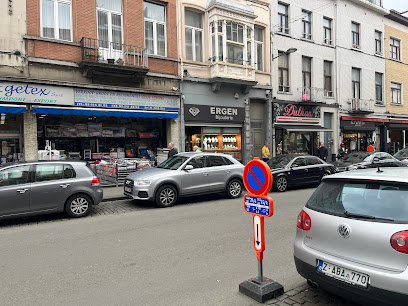
Garden Center Wemmel
3.6 km
Explore the vibrant flora and expert gardening supplies at Garden Center Wemmel, the perfect retreat for plant lovers and casual visitors in Belgium.
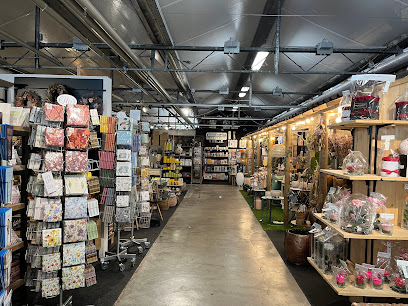
M & M Interieur
3.7 km
Explore M & M Interieur in Brussels for unique home decor and design inspirations, blending modern aesthetics with traditional craftsmanship.

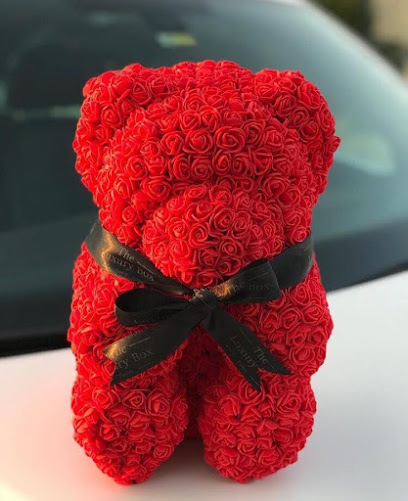
The Luxury Box
3.7 km
Discover a treasure trove of unique gifts and souvenirs at The Luxury Box Gift Shop in Schaerbeek, Belgium.
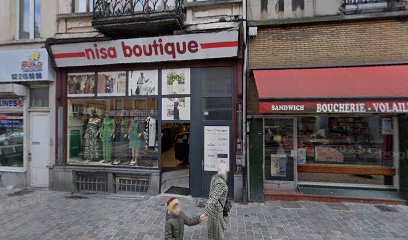
Winkel kleding
3.8 km
Explore the vibrant fashion scene at Winkel Kleding in Schaerbeek, where unique styles and local flair come together for an unforgettable shopping experience.
Essential bars & hidden hideouts

Buda Bar
3.2 km
Experience the vibrant nightlife of Brussels at Buda Bar, a local favorite in Schaerbeek known for its eclectic drinks and inviting atmosphere.
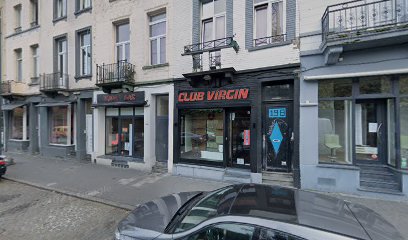
Le Barboteur Bierotheque
3.5 km
Experience the finest craft beers in Schaerbeek at Le Barboteur Bierotheque, a cozy bar perfect for relaxation and socializing.
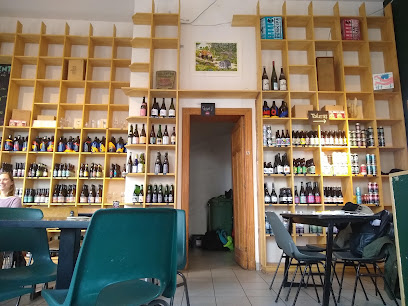
Bar Comedy
3.8 km
Experience laughter and great drinks at Bar Comedy in Schaerbeek, a vibrant bar blending humor and hospitality for an unforgettable night out.
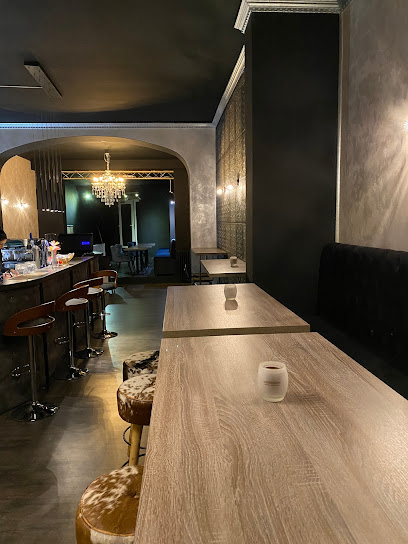
Hannibal Lounge Bar
4.2 km
Discover the vibrant nightlife at Hannibal Lounge Bar in Saint-Josse-ten-Noode, where chic ambiance meets expertly crafted cocktails.
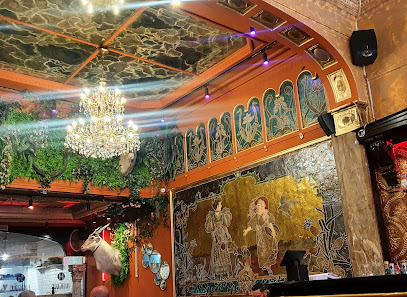
Casa Corona Brussels
4.2 km
Discover Casa Corona Brussels - a vibrant bar where locals and tourists enjoy delicious drinks and a lively atmosphere in the heart of the city.
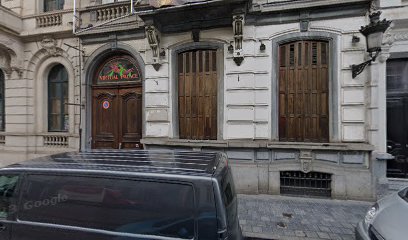
La Champagnothèque de Bruxelles
4.2 km
Experience the elegance of champagne culture at La Champagnothèque de Bruxelles, a must-visit bar in the heart of Saint-Josse-ten-Noode.
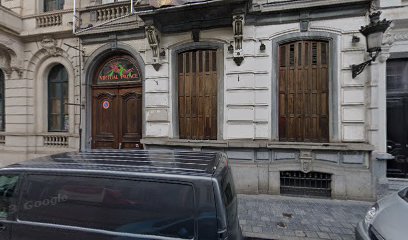
Le Capitain
4.4 km
Experience the vibrant nightlife and warm atmosphere at Le Capitain, a beloved bar in the heart of Saint-Josse-ten-Noode, Brussels.
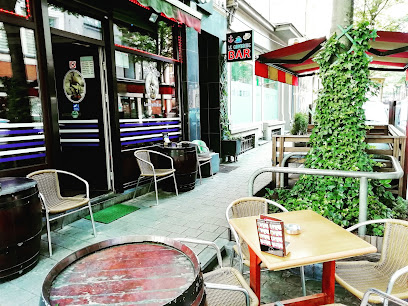
Witloof Bar
4.4 km
Discover the vibrant energy of Witloof Bar, a premier live music venue in Brussels, offering unforgettable performances and a lively atmosphere.
1030 Café
4.4 km
Discover the lively 1030 Café in Schaerbeek, a hotspot for craft beers, cocktails, live music, and unforgettable nights in Brussels.
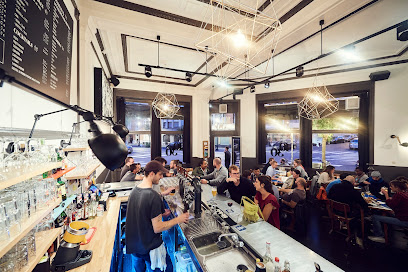
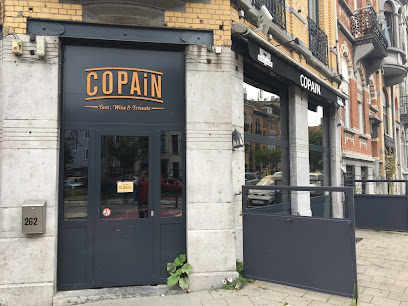
Copain
4.5 km
Discover Copain in Schaerbeek, a trendy bar offering an exceptional selection of Belgian beers and wines in a cozy atmosphere.
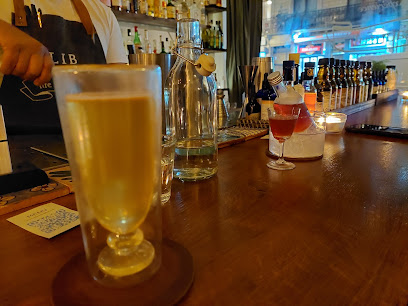
Life Is Beautiful
4.7 km
Discover the best cocktails in Brussels at Life Is Beautiful, a chic cocktail bar offering unique drinks and a vibrant atmosphere.
Marcelle - Débit de Boissons
4.7 km
Discover Marcelle - Débit de Boissons, a chic cocktail bar in Brussels offering innovative drinks and a lively atmosphere for an unforgettable night out.
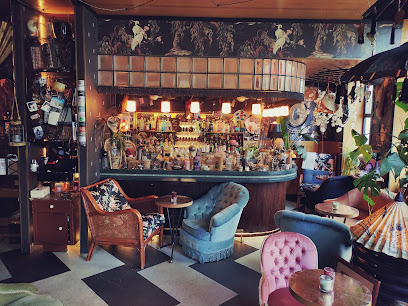
Skylab
4.8 km
Experience innovative cocktails and a vibrant atmosphere at Skylab, the must-visit cocktail bar in Brussels' lively district.
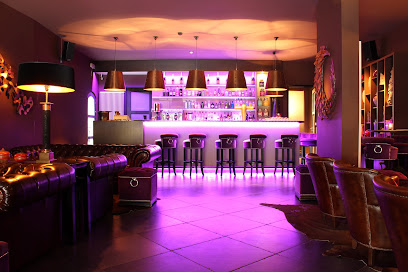
KaraFun Brussel
4.9 km
Experience the joy of singing in a lively atmosphere at KaraFun Brussel, the premier karaoke bar in the heart of Brussels.
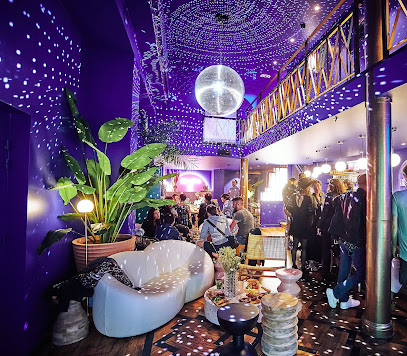
Bar Des Amis
5.0 km
Discover the vibrant atmosphere of Bar Des Amis in Brussels, where exquisite drinks and local charm create unforgettable experiences for tourists.