Royal Palace of Brussels: A Symbol of Belgian Monarchy
Explore the Royal Palace of Brussels, a symbol of Belgian monarchy, with its opulent state rooms, historical art, and significant role in the nation's capital, open to the public every summer.
The Royal Palace of Brussels, though not a royal residence, stands as a potent symbol of the Belgian monarchy and its constitutional role. Located in the heart of Brussels, adjacent to Brussels Park, the palace is a grand edifice used for state receptions, royal audiences, and official duties. Its facade, longer than Buckingham Palace's, hints at the opulent interiors within, which are open to the public during the summer months. Visitors can explore lavish state rooms, admire valuable art, and learn about the history and functions of the Belgian monarchy. A visit offers a unique glimpse into the heart of Belgian statehood and the enduring traditions of its royal family.
A brief summary to Royal Palace of Brussels
- Rue Brederode 16, Brussels, Brussel, 1000, BE
- +3225512020
- Visit website
Local tips
- Visit during the summer opening (July 21st - early September) for free access to the state rooms; check the official website for exact dates and times.
- Arrive early in the morning to avoid crowds, especially on weekends, and allow ample time to explore the palace's vast interior.
- Combine your visit with a stroll through Brussels Park, located directly in front of the palace, for a relaxing break.
- Photography is allowed in most areas, but avoid using flash and be mindful of any restricted zones.
- Take public transport as parking is limited; trams and buses stop nearby at Brussels Park.

Getting There
-
Public Transport
From Brussels Central Station, the Royal Palace is a short 10-minute walk heading towards Brussels Park. Alternatively, take Metro lines 1 or 5 to Parc/Park station, which is directly adjacent to Brussels Park and a very short walk to the Palace. Tram lines 92 and 94 also stop near the palace at the 'Palais' stop. A standard single fare for the metro or tram is €2.10 if purchased beforehand, or €2.50 if purchased on board.
-
Walking
From the Grand Place, walk approximately 15 minutes towards Mont des Arts and then continue straight, passing the Musical Instruments Museum (MIM) on your left. Cross the Coudenberg and you will see Brussels Park in front of you. The Royal Palace is located on the opposite side of the park. This is a straightforward, scenic walk through the city center.
-
Taxi/Ride-Share
A taxi or ride-share from Brussels Central Station or the Grand Place to the Royal Palace will take approximately 5-10 minutes, depending on traffic. The estimated cost is between €10-€15. Be sure to confirm the fare with the driver or check the app estimate before starting your journey.
-
Driving
Driving directly to the Royal Palace is possible, but parking is limited and can be expensive. Consider parking at the Albertine Interparking near Mont des Arts or Parking Royal Palace of Brussels (Rue Montoyer 4A), both within a short walking distance. Expect to pay around €2-€3 per hour for parking. On-street parking is also available, but it is paid parking in the orange zone, costing €2.00 for 1 hour or €5.00 for 2 hours, and is limited to a maximum of 2 hours between 9:00 and 21:00, Monday to Saturday.
Discover more about Royal Palace of Brussels
Iconic landmarks you can’t miss

Monument Léopold II
0.2 km
Experience the artistic heritage and historical significance of Monument Léopold II, a must-visit landmark in the heart of Brussels.
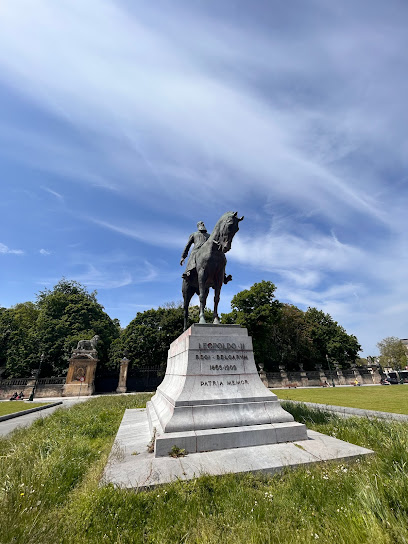
Pl. Royale
0.2 km
Discover the architectural splendor and cultural vibrancy of Pl. Royale, a must-visit square in the heart of Brussels, Belgium.

Palace Of The Count Of Flanders
0.2 km
Explore the historical grandeur of the Palace of the Count of Flanders in Brussels, a stunning castle rich in heritage and architectural beauty.
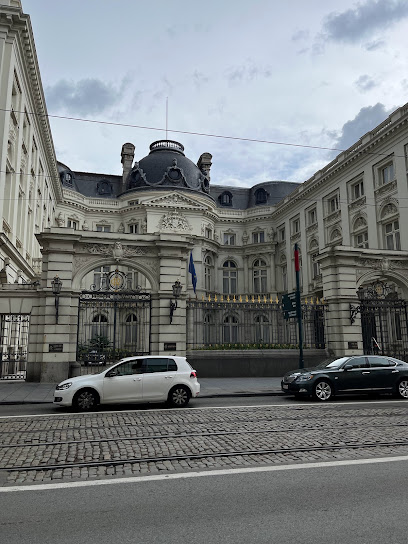
Former Cleves-Ravenstein Mansion
0.3 km
Explore Brussels' last standing aristocratic mansion from the 15th/16th centuries, showcasing late Brabant Gothic architecture and rich history.
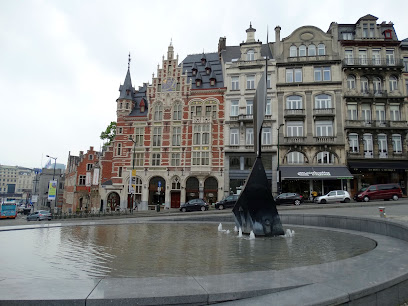
SQUARE Brussels Meeting Centre
0.4 km
Explore the SQUARE Brussels Meeting Centre, where modern design meets cultural heritage in the heart of Belgium's vibrant capital.
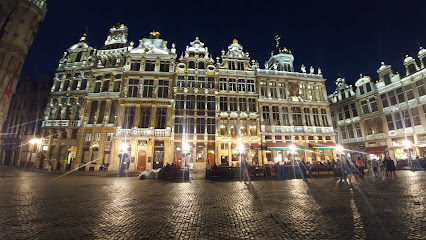
Mont des Arts
0.4 km
Explore Mont des Arts: Brussels' cultural gem featuring stunning views, beautiful gardens, and rich artistic heritage, perfect for every traveler.

Pl. du Petit Sablon
0.5 km
Explore the serene beauty of Place du Petit Sablon, a historical square in Brussels known for its stunning gardens and rich cultural heritage.
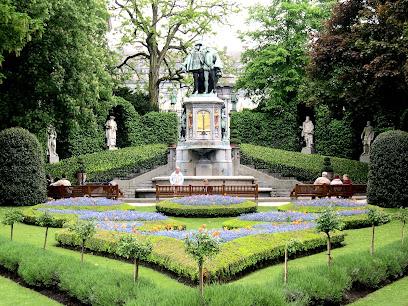
Mount of the Arts
0.5 km
Immerse yourself in the artistic wonders of the Mount of the Arts, a historic jewel in the heart of Brussels, where art and culture come together.
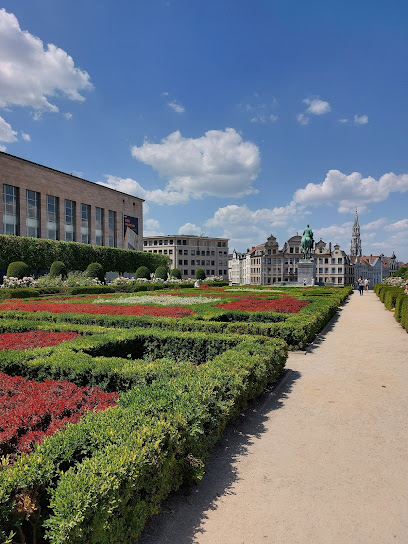
Pl. du Petit Sablon 12
0.5 km
Explore the enchanting Place du Petit Sablon, a serene square in Brussels filled with history, stunning gardens, and captivating architecture.
Unmissable attractions to see

Palais du Coudenberg
0.1 km
Explore the historical wonders of Palais du Coudenberg, a captivating museum and archaeological site in the heart of Brussels.
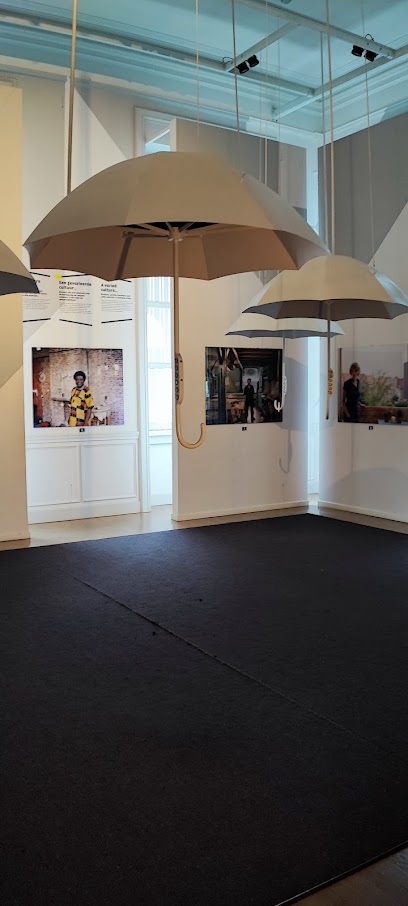
experience.brussels (eB!)
0.2 km
Discover Brussels' hidden gems and iconic landmarks through interactive exhibits at Experience.brussels, a captivating museum for all ages.
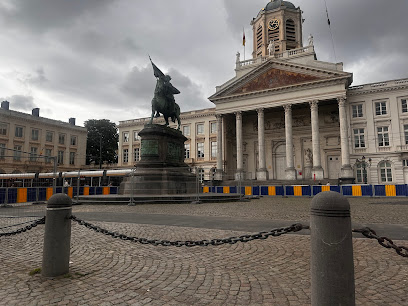
Koningsplein - Beeld van Godfried van Bouillon
0.2 km
Explore the grandeur of Koningsplein, a historical square in Brussels featuring the iconic statue of Godfried van Bouillon and stunning architectural beauty.
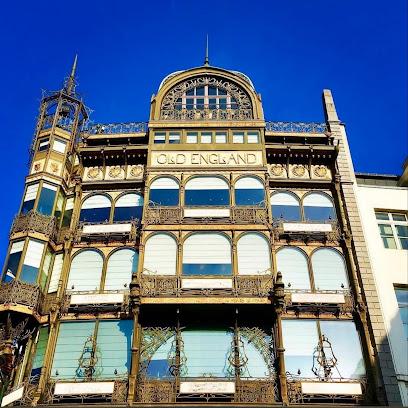
Musical Instruments Museum
0.3 km
Explore the rich musical heritage at Brussels' Musical Instruments Museum, featuring thousands of instruments and stunning city views.
Magritte Museum
0.3 km
Explore the surreal world of René Magritte at the Magritte Museum in Brussels, showcasing over 200 captivating artworks in a stunning setting.
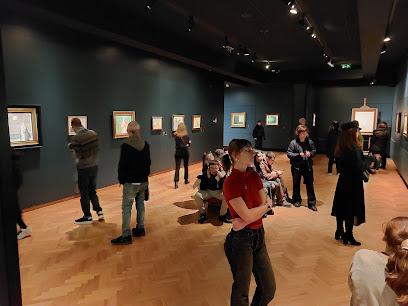
Royal Museums of Fine Arts of Belgium
0.3 km
Explore the Royal Museums of Fine Arts of Belgium, where art and history converge in a breathtaking showcase of masterpieces.
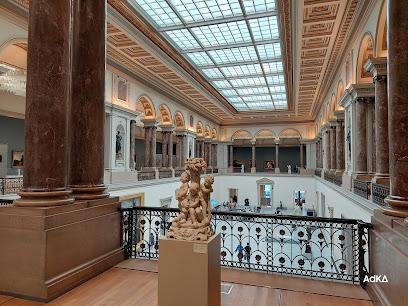
BOZAR
0.3 km
Experience the essence of Belgian culture at BOZAR, Brussels' premier cultural center for art, music, and creativity.
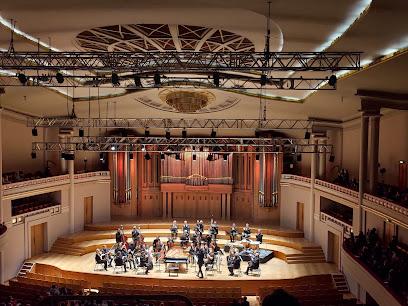
Laurent Gerbaud
0.3 km
Experience the exquisite world of artisan chocolates at Laurent Gerbaud in Brussels, where every bite is a journey into rich Belgian heritage.
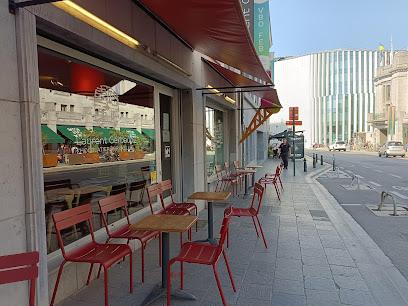
Parc de Bruxelles
0.4 km
Explore the tranquil beauty of Parc de Bruxelles, a historic urban park in the heart of Brussels, perfect for relaxation and leisure activities.
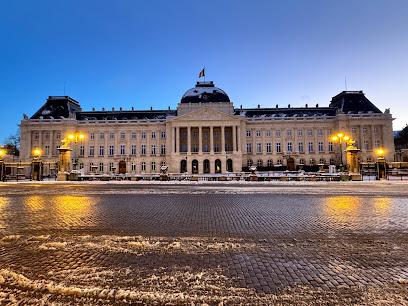
Garden of the Kunstberg
0.4 km
Discover a tranquil escape in Brussels at the Garden of the Kunstberg, a beautifully landscaped park with stunning city views and vibrant cultural events.
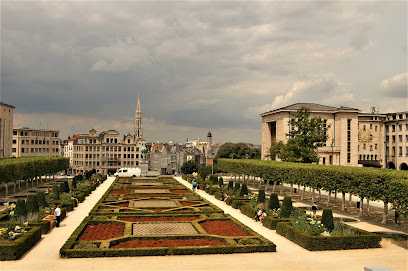
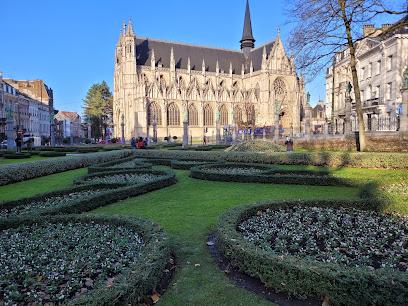
Church of Our Lady of Victories at the Sablon
0.5 km
Explore the stunning Church of Our Lady of Victories at the Sablon, a Gothic architectural marvel in the heart of Brussels, rich in history and artistry.
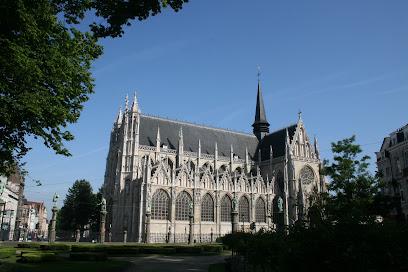
Square of Petit Sablon
0.5 km
Discover the serene beauty and rich history of the Square of Petit Sablon, a hidden gem in Brussels that enchants every visitor.
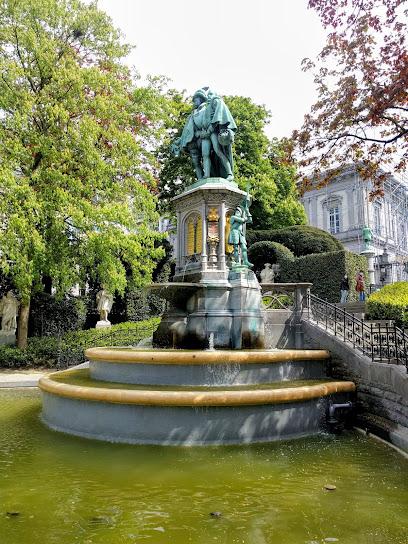
Statue of Counts Egmont and Hoorn
0.5 km
Discover the rich history of Brussels at the stunning Statue of Counts Egmont and Hoorn, a captivating tribute to Belgium's noble past.
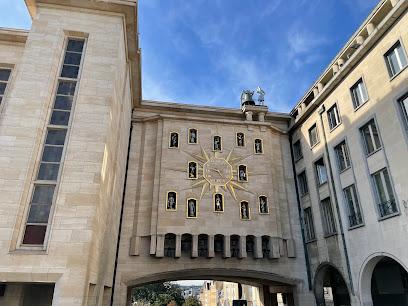
Carillon Of The Mount Of The Arts
0.5 km
Discover the melodies of history at the Carillon of the Mount of the Arts, a musical gem in the heart of Brussels, surrounded by art and beauty.
Essential places to dine

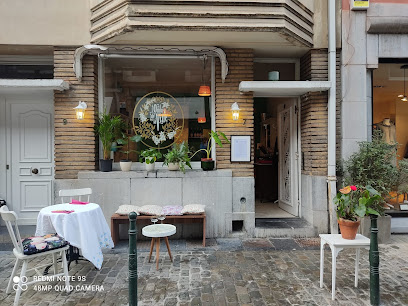
À l'Ombre de la Ville
0.3 km
Experience exquisite Mediterranean cuisine at À l'Ombre de la Ville in Brussels - where tradition meets innovation in every dish.
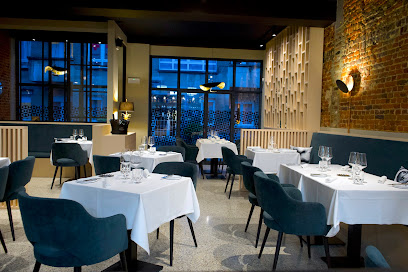
Restaurant Umā
0.4 km
Experience modern European cuisine at Restaurant Umā in Brussels – where tradition meets innovation in every dish.
Dans le Noir ? Brussels - Dining in the dark experience
0.4 km
Experience sensory dining at Dans le Noir ? Brussels - where taste takes center stage in total darkness.
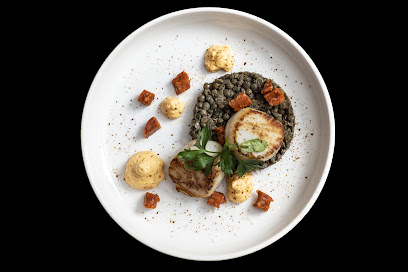
Brighton Restaurant
0.4 km
Discover Brighton Restaurant: A fine dining haven in Brussels offering exquisite French and Mediterranean cuisine.
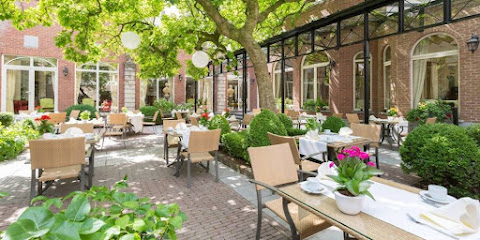
Meeus
0.4 km
Discover Meeus in Brussels: A culinary haven blending French elegance with hearty Belgian flavors.
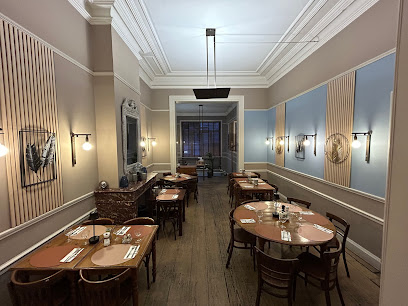
Au Vieux Saint Martin
0.6 km
Discover authentic Belgian flavors at Au Vieux Saint Martin, a charming brasserie in Brussels' historic Sablon district.
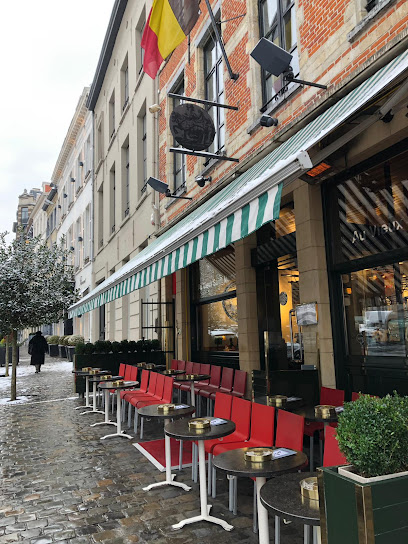
Winehouse Osteria - Le Delizie
0.6 km
Discover authentic Italian cuisine at Winehouse Osteria - Le Delizie in Ixelles, where exquisite flavors meet an extensive wine selection.
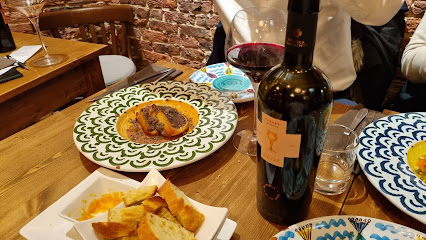
Maison du Luxembourg
0.7 km
Experience fine dining at Maison du Luxembourg in Ixelles - where exquisite flavors meet elegant ambiance.
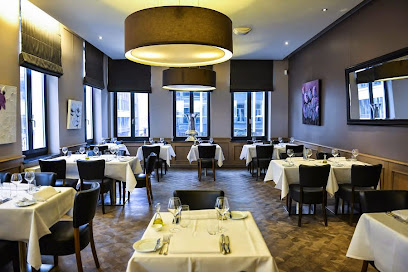
Saint Boniface
0.7 km
Experience authentic French cuisine at Saint Boniface in Ixelles, where each dish tells a story of flavor and tradition.
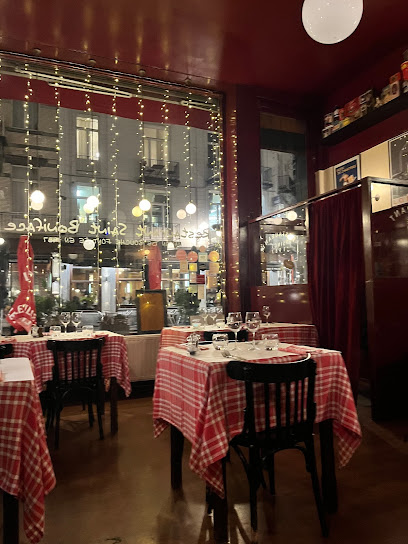
SAN Sablon
0.7 km
Experience gourmet dining at SAN Sablon in Brussels - where exquisite flavors meet exceptional service.
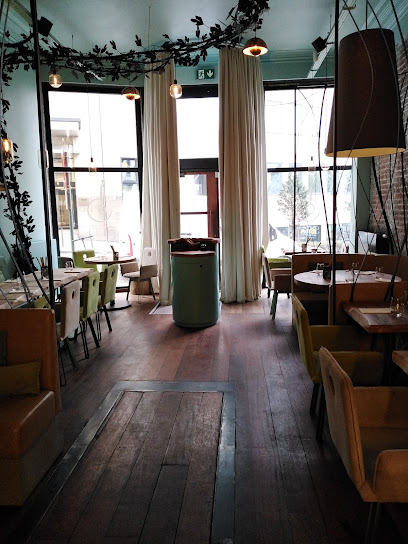
Mano à Mano
0.7 km
Experience authentic Italian cuisine at Mano à Mano in Ixelles – where every dish tells a story of tradition and flavor.
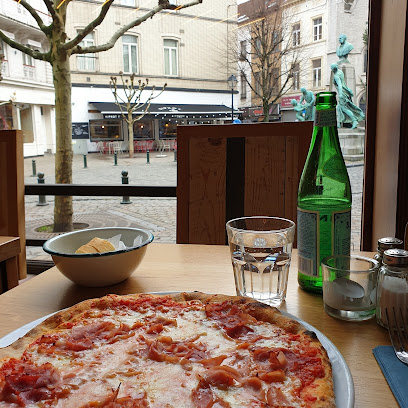
Porto Fino
0.7 km
Discover authentic Italian cuisine at Porto Fino in Brussels—where every dish tells a story of tradition and flavor.
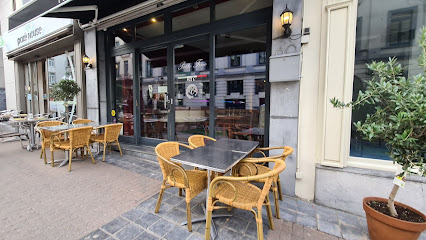
Le Clan des Belges
0.7 km
Experience authentic Belgian cuisine paired with exceptional craft beers at Le Clan des Belges in Ixelles.
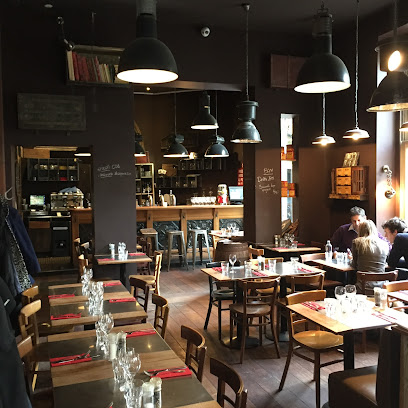
Encore Bruxelles
0.7 km
Experience modern European dining at Encore Bruxelles – where exquisite cuisine meets vibrant bar culture in the heart of Belgium's capital.
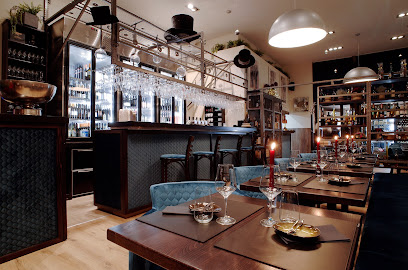
MAISON LOUISE KITCHEN BAR GARDEN
0.8 km
Savor exquisite Belgian flavors in an enchanting garden setting at Maison Louise Kitchen Bar Garden in Brussels.
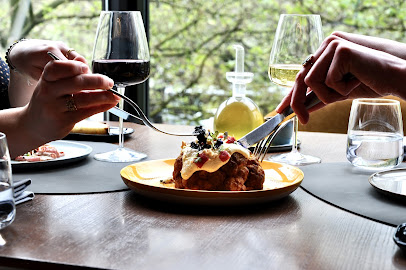
Markets, malls and hidden boutiques

CASA Elsene
0.5 km
Discover CASA Elsene in Ixelles, a unique gift shop offering exquisite home goods, furniture, and more for an unforgettable shopping experience.
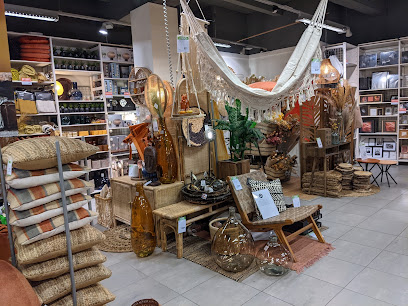
Flying Tiger Copenhagen
0.5 km
Explore Flying Tiger Copenhagen in Brussels for unique gifts, fun accessories, and a whimsical shopping experience that captures the spirit of creativity.
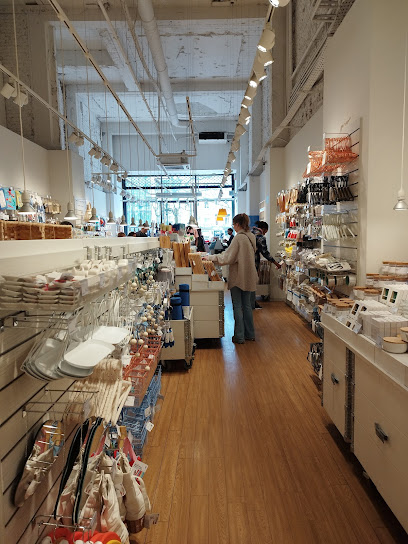
HEMA
0.6 km
Shop at HEMA in Brussels for a unique blend of gifts, fashion, and home essentials, reflecting Belgian charm and style.
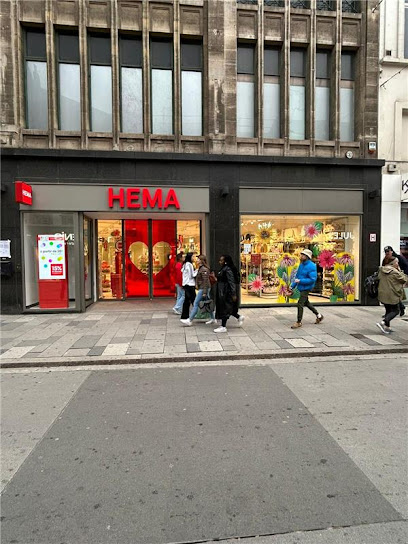
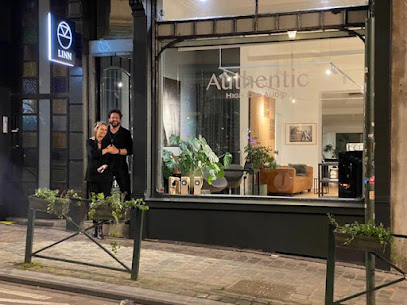
AUTHENTIC High End Sablon
0.6 km
Explore AUTHENTIC High End Sablon in Brussels for the finest audio experience, blending luxury sound technology with cultural charm.
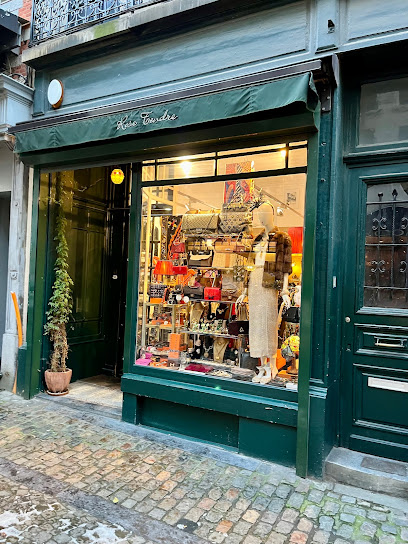
Rose Tendre Vintage
0.6 km
Explore the unique charm of Rose Tendre Vintage, Brussels' top destination for vintage clothing, exquisite jewelry, and enchanting decor.
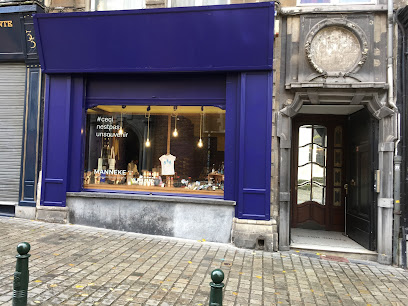
Manneke
0.7 km
Explore Manneke in Brussels for unique souvenirs, local beers, and stylish clothing that embody the spirit of Belgium.
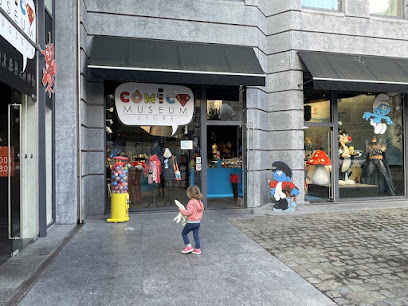
Brussels Comics Figurines Store
0.7 km
Explore the vibrant world of comics and collectibles at Brussels Comics Figurines Store, a must-visit for fans and collectors in the heart of Brussels.
Think Twice
0.7 km
Discover unique second-hand fashion at Think Twice in Brussels, where sustainability meets style in a treasure trove of pre-loved garments.
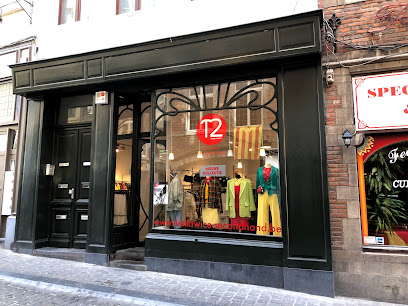
CADEAUX ET SOUVENIRS DE BRUXELLES
0.7 km
Discover unique Belgian crafts and delicious chocolates at CADEAUX ET SOUVENIRS DE BRUXELLES, the perfect stop for memorable souvenirs.
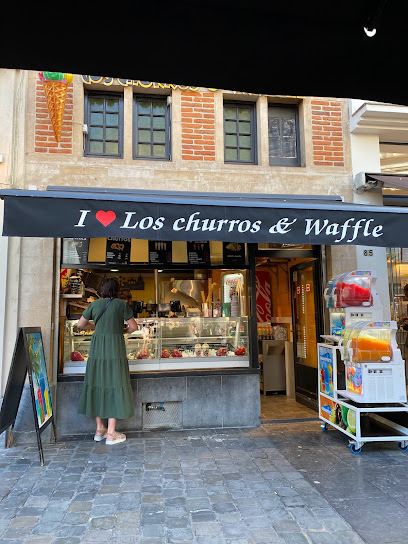
Brussels Vintage Market
0.8 km
Explore the charm of Brussels Vintage Market, where unique finds and vintage treasures await in a vibrant atmosphere.
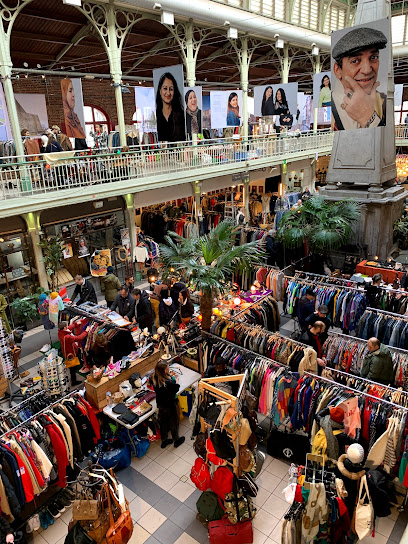
Brussels Gifts
0.8 km
Explore Brussels Gifts for unique souvenirs and local treasures that celebrate the charm and culture of Belgium.
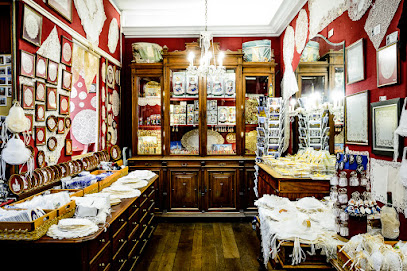
Manufacture Belge de Dentelles SA
0.8 km
Uncover the exquisite craftsmanship of Belgian lace and unique figurines at Manufacture Belge de Dentelles SA, a must-visit gift shop in Brussels.
The Tintin shop
0.8 km
Explore The Tintin Shop in Brussels - a treasure trove of comic books, collectibles, and the beloved adventures of Tintin.
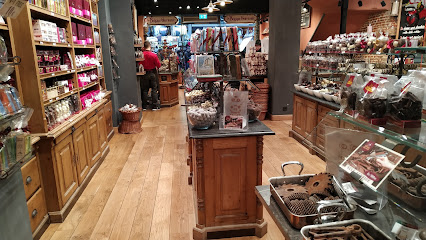
Night shop
0.8 km
Discover the vibrant nightlife of Brussels at the Night Shop, your go-to store for late-night snacks and local souvenirs.
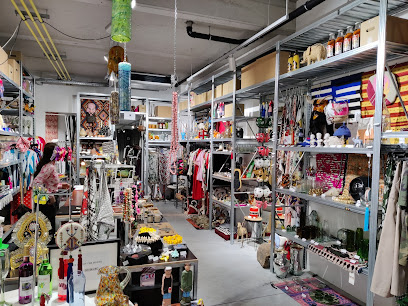
EXTRA-ORDINAIRE
0.8 km
Explore Brussels' EXTRA-ORDINAIRE gift shop for unique clothing, artisanal gifts, and a memorable shopping experience filled with local charm.
Essential bars & hidden hideouts

LA PHARMACIE ANGLAISE
0.3 km
Discover LA PHARMACIE ANGLAISE in Brussels - A cocktail bar offering innovative drinks and an unforgettable experience in a chic atmosphere.
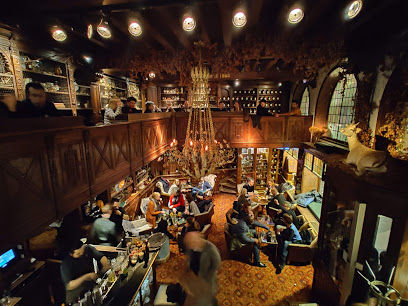
The 7 Deadly Sins Bruxelles
0.5 km
Indulge in a cocktail experience like no other at The 7 Deadly Sins Bruxelles - where music and mixology collide.
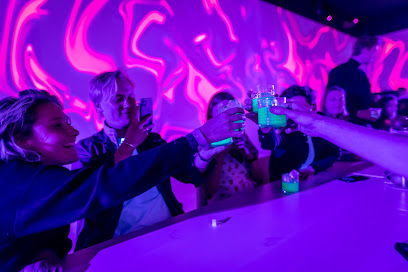
Pub Bla Bla
0.5 km
Discover the lively spirit of Brussels at Pub Bla Bla – a local favorite for drinks, laughter, and unforgettable moments.
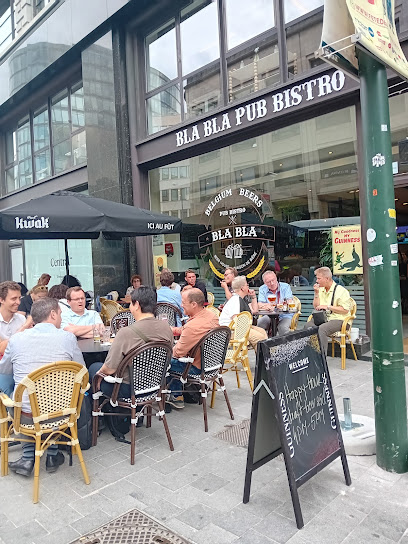
Bar rouge - Bruxelles
0.6 km
Experience the vibrant nightlife of Brussels at Bar Rouge, where signature cocktails and a lively atmosphere come together for an unforgettable night out.
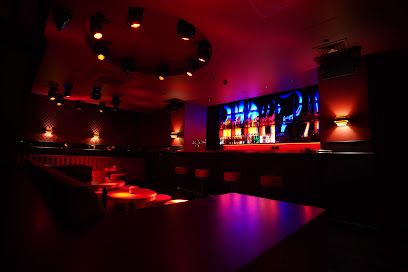
Vertigo
0.7 km
Experience culinary excellence at Vertigo, a premier restaurant and cocktail bar in Brussels, combining local flavors with global flair.
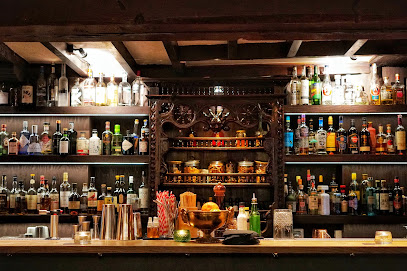
Jalousy Bar
0.7 km
Discover the lively Jalousy Bar in Brussels, known for its eclectic cocktails, vibrant nightlife, and fantastic DJ performances.
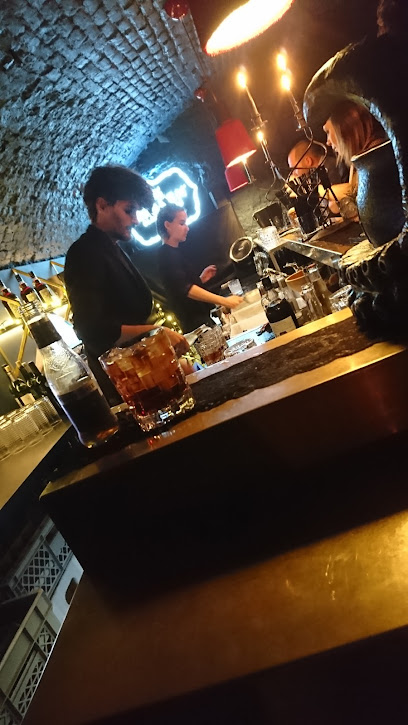
Chemistry & Botanic’s
0.7 km
Experience the art of cocktail-making at Chemistry & Botanic's, a vibrant cocktail bar in the heart of Brussels, offering inventive drinks and a chic atmosphere.
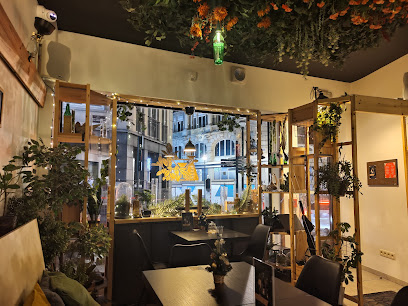
Phenix
0.8 km
Experience the vibrant nightlife of Brussels at Phenix, a cocktail bar that offers a unique blend of creative drinks and a lively atmosphere.
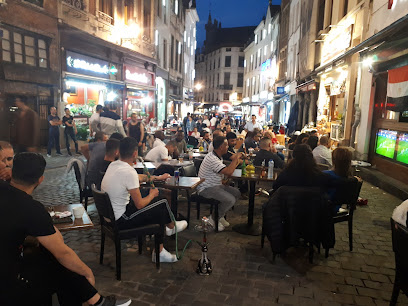
The Purple Rose
0.8 km
Explore The Purple Rose, a vibrant bar and restaurant in Brussels, offering delicious Belgian cuisine, lively entertainment, and an unforgettable nightlife experience.
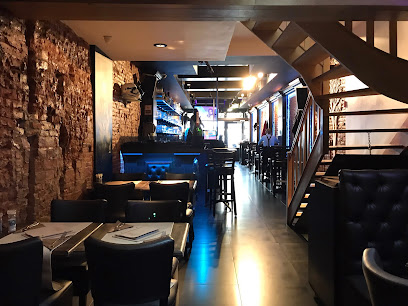
Goupil Le Fol
0.8 km
Discover the enchanting ambiance and delightful drinks at Goupil Le Fol, a must-visit bar in Brussels for an unforgettable night out.
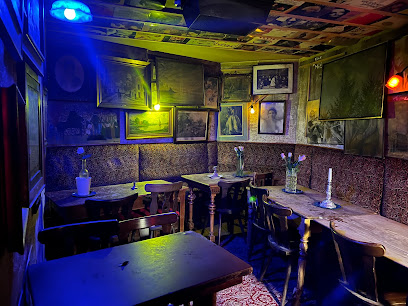
Little Delirium
0.8 km
Experience the best of Belgian beer culture at Little Delirium, a vibrant bar in the heart of Brussels with over 2,000 beers to choose from.
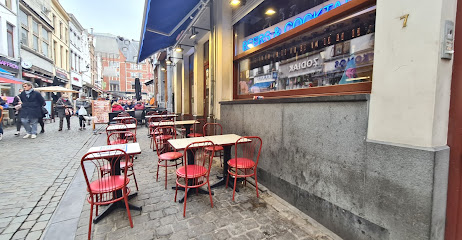
La Porte Noire
0.8 km
Experience the vibrant atmosphere and diverse beer selection at La Porte Noire, the heart of Brussels' nightlife.
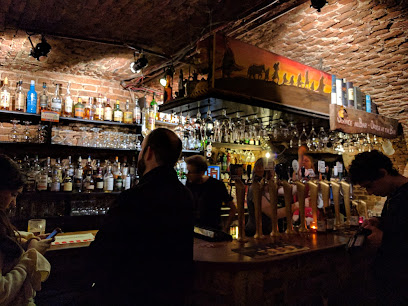
The Green Man Cocktail bar
0.8 km
Experience the vibrant nightlife of Brussels at The Green Man Cocktail Bar, where innovative cocktails meet a warm and inviting atmosphere.
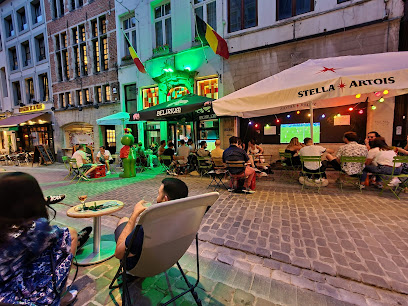
Golden Bar
0.8 km
Experience the vibrant atmosphere of Golden Bar, a top pub in Brussels offering a delightful selection of Belgian beers and a welcoming ambiance.
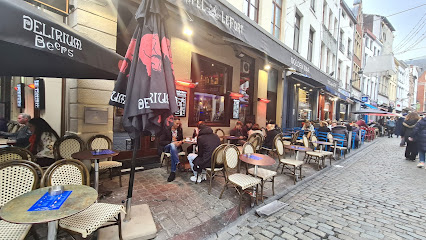
Au Brasseur - Bruxelles
0.8 km
Experience the vibrant beer culture of Brussels at Au Brasseur, a cozy pub with an extensive selection of local brews and a welcoming atmosphere.
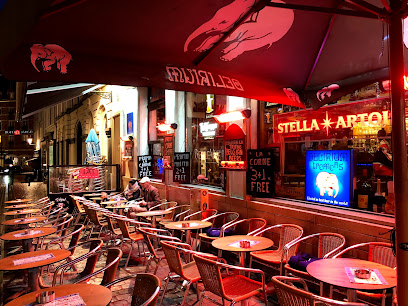
Nightclubs & after hour spots

Club Clan
0.5 km
Discover Club Clan, Brussels' ultimate bar and nightclub fusion, where vibrant nightlife and eclectic entertainment come alive amidst a cosmopolitan atmosphere.
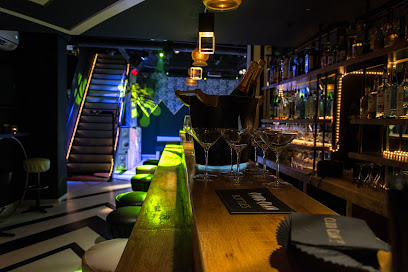
Spirito Brussels
0.5 km
Experience the electrifying nightlife at Spirito Brussels, where chic decor meets pulsating beats in an unforgettable disco atmosphere.
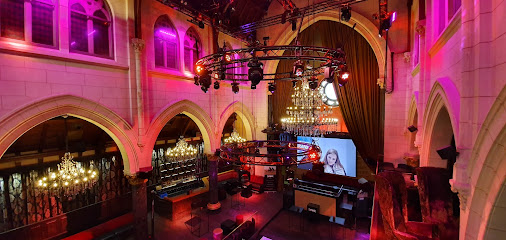
Discothèque Mambo
0.6 km
Discover the pulsating nightlife of Brussels at Discothèque Mambo, where music, dance, and vibrant energy come together for an unforgettable experience.
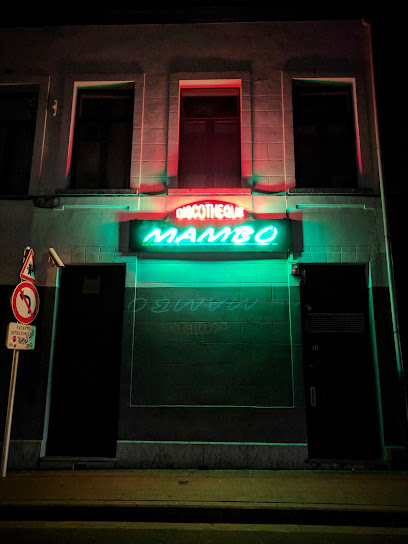
Le You
0.7 km
Experience the vibrant nightlife of Brussels at Le You, a chic night club offering eclectic music and a stylish atmosphere.
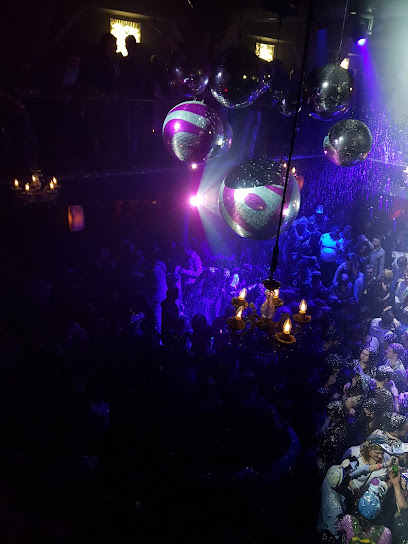
DYOUKES
0.7 km
Experience the vibrant nightlife of Brussels at DYOUKES, a disco club where music and dance unite for unforgettable nights.
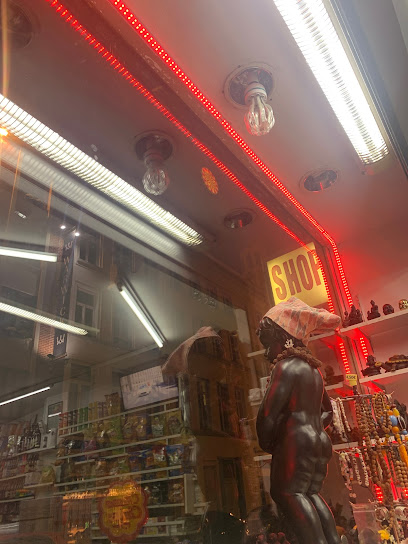
FLASH Club
0.7 km
Discover the pulsating heart of Brussels' nightlife at FLASH Club, a premier gay nightclub known for its energetic atmosphere and inclusive events.
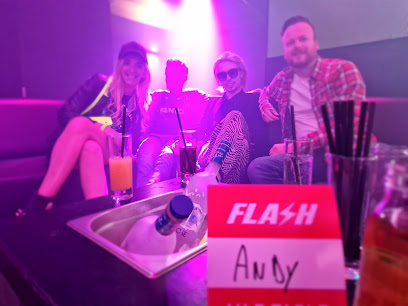
C12
0.7 km
C12 in Brussels: Discover the electrifying disco club that defines the city's vibrant nightlife with great music and an unforgettable atmosphere.
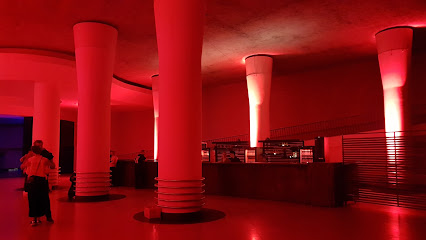
NAO Brussels
0.7 km
Experience the vibrant nightlife at NAO Brussels, where electrifying music and unforgettable memories await in the heart of the city.
Club 13
0.8 km
Dive into the heart of Brussels nightlife at Club 13, where music, dance, and unforgettable moments await every visitor.
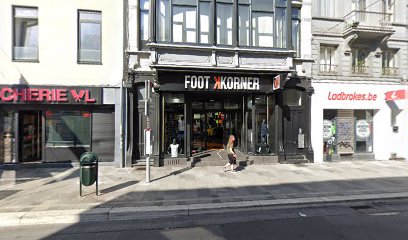
Zodiak
0.8 km
Discover the vibrant nightlife of Brussels at Zodiak, where exceptional music, electrifying atmosphere, and unforgettable moments await.
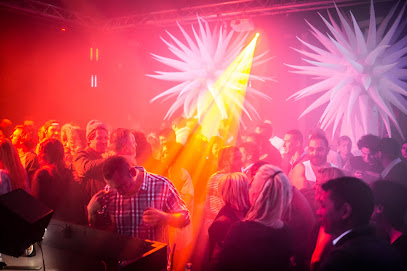
CAVE
0.8 km
Experience the vibrant nightlife at CAVE, Brussels' premier gay night club, where music, dance, and inclusivity come together.
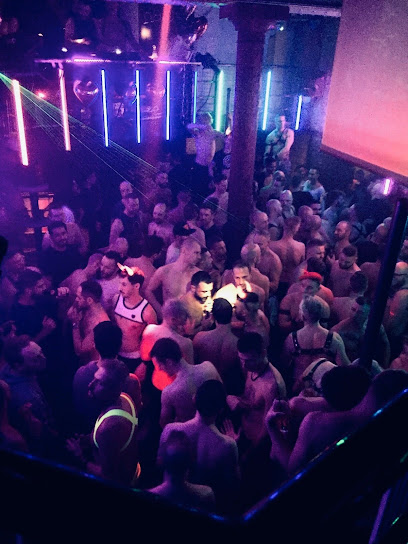
La Clave Latino's Club
1.0 km
Discover the vibrant energy of La Clave Latino's Club in Brussels, where exceptional music and lively atmosphere create unforgettable nightlife experiences.
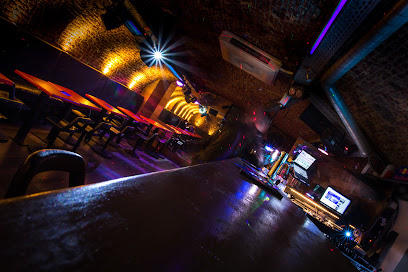
Nostalgia Club
1.0 km
Experience the vibrant nightlife of Brussels at Nostalgia Club, where music and dancing blend into an unforgettable night out.
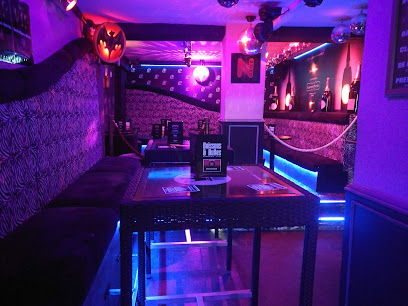
Not In Club
1.0 km
Dive into the vibrant nightlife of Brussels at Not In Club, a disco haven for music lovers and party enthusiasts.
Mode Av
1.0 km
Discover the exhilarating nightlife at Mode Av, the premier disco club in Brussels, where unforgettable nights and vibrant beats await.