Background

Sonian Forest: Brussels' Green Sanctuary

Discover the serene beauty and rich history of the Sonian Forest, a UNESCO World Heritage site offering a tranquil escape just outside Brussels.

★★★★★4.6 (479)

Escape the urban bustle and immerse yourself in the serene beauty of the Sonian Forest, a sprawling woodland just southeast of Brussels. This UNESCO World Heritage site, part of the ancient Silva Carbonaria, boasts towering beech trees, diverse flora and fauna, and a rich history dating back to Roman times. Explore winding trails perfect for hiking, cycling, or a peaceful stroll, and discover hidden gems like the Tervuren Arboretum and the Rouge-Cloître site. With easy access by public transport and car, the Sonian Forest offers a refreshing natural escape for all ages and interests, providing a vital green lung for the city and a haven for biodiversity.

Plan your visit

A brief summary to Sonian Forest

Opening times, essentials, and a few local tips gathered into one calmer, easier-to-scan planning section.

Plan your visit

📍
BE

Explore places near Sonian Forest

    See all →

    Unlock the Best of Sonian Forest

    Find tickets, tours with entry, and experiences available for this location.

    Buy tickets

    No tickets available

    Book tours with entry

    No tours with entry available

    Book tours without entry

    No tours without entry available

    Getting There

    Public Transport

    From Brussels city center, take Metro Line 5 to the Hermann-Debroux station. From there, several bus lines (including lines 17, 41, 95, and 366) provide access to different entry points of the Sonian Forest. Tram line 44 also provides access to the eastern side of the forest, with stops like 'Trois Couleurs' and 'Tervuren Station'. A single metro/bus/tram fare within Brussels is approximately €2.50.

    Driving

    If driving from Brussels, follow the E411 highway southeast. Several parking areas are located around the perimeter of the forest, including Parking Hippodrome Boitsfort and Park & Ride Herrmann-Debroux. Parking is generally free, but spaces can fill up quickly on weekends and during good weather. Be aware of parking restrictions in residential areas near the forest entrance. Some Park & Ride locations, like Roodebeek, require taking a tram to reach the forest edge.

    Walking

    From the Hermann-Debroux metro station, it is possible to walk to the Sonian Forest. Follow the signs towards the Rouge-Cloître site, which marks the edge of the forest. The walk takes approximately 20-30 minutes. Be aware that the path may involve crossing some roads.

    Local tips

    Visit early in the morning or on weekdays to avoid crowds and enjoy a more peaceful experience.
    Wear appropriate footwear for hiking, as the trails can be uneven and muddy.
    Bring a picnic to enjoy in one of the designated picnic areas within the forest.
    Download a map of the trails beforehand for easier navigation, as signage can be limited in some areas.
    Check for guided tours or educational events that may be taking place during your visit to learn more about the forest's history and ecology.

    Discover more about Sonian Forest

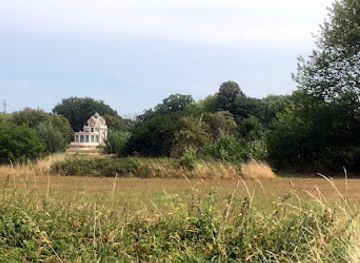
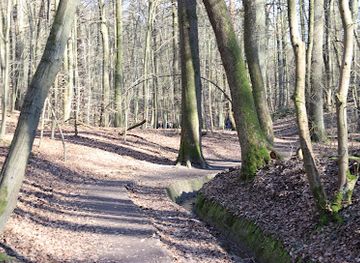
    The Sonian Forest, a vast expanse of green located southeast of Brussels, offers a tranquil escape from the city's vibrant energy. Spanning over 4,400 hectares across three Belgian regions (Flanders, Brussels-Capital, and Wallonia), this ancient woodland is a designated UNESCO World Heritage site, recognized as part of the 'Ancient and Primeval Beech Forests of the Carpathians and Other Regions of Europe'. Its history stretches back to Roman times when it formed part of the Silva Carbonaria, or Charcoal Forest, a vast woodland that once covered much of Western Europe. Over the centuries, the Sonian Forest has witnessed the rise and fall of empires, served as a hunting ground for nobility, and provided essential resources for local communities. In the Middle Ages, the forest was used for hunting by nobility and is even mentioned in famous tales such as Robin Hood. During the Austrian period in the 18th century, extensive beech plantations began, shaping the forest's character as we know it today. These towering beech trees, some reaching heights of up to 50 meters and ages exceeding 200 years, create a cathedral-like atmosphere, with slender trunks and a relatively sparse undergrowth. The forest's rich biodiversity is another major draw. It is home to a diverse range of flora and fauna, including deer, foxes, badgers, numerous bird species, and a variety of insects and fungi. The forest plays a crucial role in climate regulation and water purification, and serves as a valuable research site for ecologists. Several walking trails wind through the forest, catering to different fitness levels and interests. These trails offer opportunities to observe the local wildlife, admire the ancient beech trees, and simply enjoy the peace and quiet of nature. Beyond its natural beauty, the Sonian Forest also holds historical and cultural significance. Scattered throughout the forest are remnants of ancient hunting lodges, memorials to fallen forest rangers, and other historical landmarks that offer glimpses into the forest's past. The Tervuren Arboretum, located within the Sonian Forest, is a living monument showcasing over 400 tree species from around the world. The Rouge-Cloître site, on the edge of the forest, features an art center, playgrounds, and fitness trails, providing additional recreational opportunities. The Sonian Forest is not only a place of recreation and natural beauty but also a vital green space for the city of Brussels. It provides a much-needed escape for city dwellers, offering opportunities for relaxation, exercise, and connection with nature. The forest's management is a collaborative effort between the three regions it spans, with a focus on preserving its ecological integrity, promoting biodiversity, and providing sustainable recreational opportunities. However, the Sonian Forest faces several challenges, including increasing pressure from recreational use, fragmentation due to roads and railways, and the impacts of climate change. Efforts are underway to address these challenges through sustainable forest management practices, ecological restoration projects, and initiatives to promote responsible tourism. Whether you're a nature lover, a history buff, or simply seeking a peaceful escape from the city, the Sonian Forest offers something for everyone. Its towering beech trees, diverse wildlife, and rich history create a unique and unforgettable experience. Explore the winding trails, discover hidden gems, and immerse yourself in the serene beauty of this remarkable woodland.

    A brief summary to Sonian Forest

    Use Tower Bridge as your starting point for nearby food, family ideas, nightlife, and more local discoveries.

    Mobile App
    Get the app

    Your all‑in‑one travel companion app

    Explore expert travel guides, compare and book tours, experiences, hotels, and more—all from the palm of your hand. Download now for seamless trip planning wherever your wanderlust takes you.
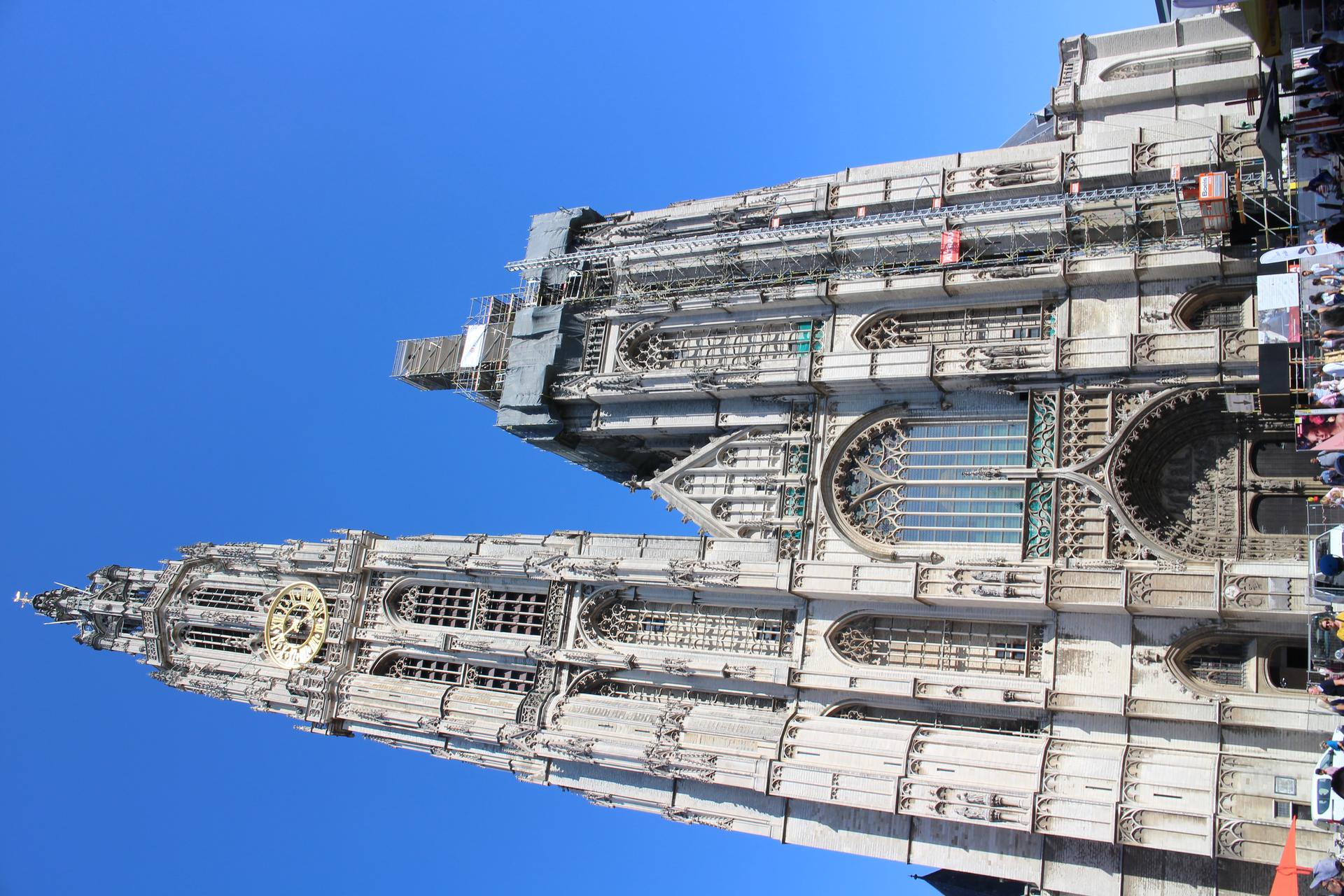
    File:Exterior of Onze-Lieve-Vrouwekathedraal (Antwerp) 20180629-1.jpg -  Wikipedia

    More about Antwerp

    Discover Antwerp, Belgium's diamond capital, where history meets modernity in a vibrant cityscape, offering rich culture, world-class art, and culinary delights.

    Tell me more about Antwerp
    Select Currency

    Choose the currency you want prices to display in.