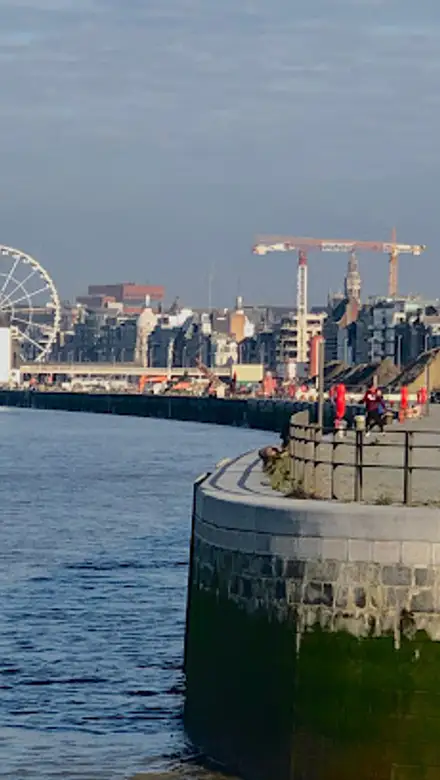
Terminal kleine schepen, Antwerp Travel Guide
Explore the historical Terminal Kleine Schepen in Antwerp's Zuid district, a reminder of the city's maritime past and a gateway to its vibrant cultural scene.
The Terminal Kleine Schepen, located near the Zuidersluis in Antwerp, offers a unique window into the city's historical maritime activities. Once a bustling hub for inland navigation, particularly for smaller vessels, the terminal area provides a tangible connection to Antwerp's rich port history. Although the original function of the terminal has evolved, the site retains remnants of its past, including the preserved lock entrance. Today, the area serves as a reminder of Antwerp's strategic importance as a port city and its continuous adaptation to changing maritime needs. Visitors can explore the surroundings, imagine the lively activity of bygone days, and appreciate the blend of historical elements with modern urban development. The terminal is a great place to start exploring the southern parts of Antwerp.
A brief summary to Terminal kleine schepen
- Zuidersluis, Zuid,2000, Antwerp, 2000, BE

Know before you go
Hi, I'm Eve. Here are a few practical things to know before exploring Terminal kleine schepen.
- Take a walk along the Scheldt River quays for scenic views and a feel of Antwerp's maritime atmosphere.
- Visit the nearby Museum of Contemporary Art Antwerp (M HKA) to experience the city's modern art scene.
- Explore the Zuid district's restaurants and cafes for a taste of local cuisine and a vibrant social scene.
Do you manage this location?
Take control to get all the benefits, like improved information, better appearance, and stronger visibility across AI-powered discovery. Learn more about listing your business on Evendo
Activate your presenceOther nearby places you may find interesting
The closest places of the same kind, if this one is not quite what you had in mind.

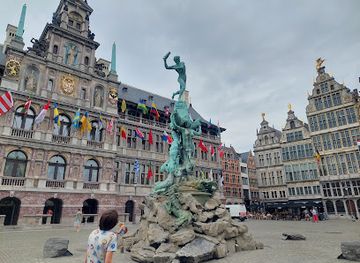
Explore Terminal kleine schepen on the Map
A handpicked selection of must-see spots near Terminal kleine schepen, mapped for you.
Getting There
-
Walking
From the city center (e.g., Grote Markt), head south towards the Zuid district. Follow signs for 'Zuidersluis' or 'Museum van Hedendaagse Kunst Antwerpen (M HKA)'. The Terminal Kleine Schepen is located near the intersection of Waalsekaai and Cockerillkaai, a 20-30 minute walk. Orientation points include the Scheldt River and the modern buildings of the courthouse. No costs are associated with walking.
-
Public Transport
From Antwerp Central Station, take tram lines 4 or 7 towards the Zuid. Get off at the 'Museum' stop. From there, walk approximately 5 minutes towards the Scheldt River. The Terminal Kleine Schepen is near the Zuidersluis. A single tram ticket costs approximately €2.50 if purchased in advance via the De Lijn app or at a vending machine; purchasing on board may be slightly more expensive.
-
Taxi/Ride-Share
A taxi or ride-share from Antwerp Central Station to the Terminal Kleine Schepen typically costs between €10-€15, depending on traffic. The journey takes approximately 10-15 minutes. Provide the driver with the address 'Zuidersluis, Antwerpen' or direct them towards the Museum of Contemporary Art (M HKA) in the Zuid district.
-
Driving
Driving to the Terminal Kleine Schepen, navigate towards the Zuid district. Parking in the immediate vicinity is limited and can be expensive. Consider using public parking garages in the area, such as those near the courthouse or along the Scheldt quays. Parking rates typically range from €2-€3 per hour. Be aware of Antwerp's Low Emission Zone (LEZ); check if your vehicle meets the entry requirements to avoid fines. Alternatively, consider using a Park and Ride (P+R) facility on the outskirts of the city and taking public transport to the Zuid.
Discover more about Terminal kleine schepen
More to explore near Terminal kleine schepen













Your all‑in‑one travel companion app
Explore expert travel guides, compare and book tours, experiences, hotels, and more—all from the palm of your hand. Download now for seamless trip planning wherever your wanderlust takes you.


Explore More of Antwerp
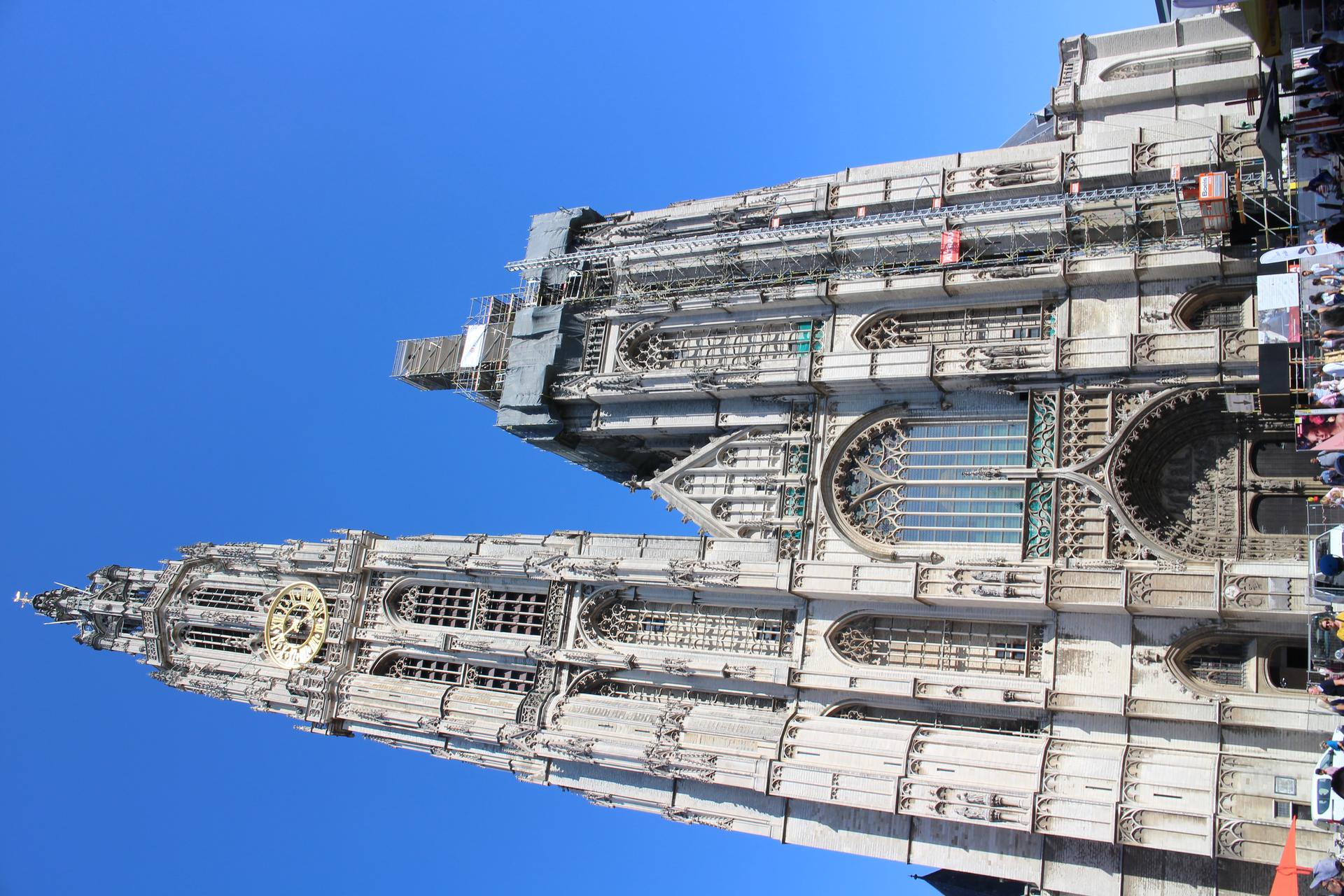
Looking beyond Terminal kleine schepen? Discover Antwerp for broader travel guides, local hot-spots, and regional highlights.
Explore Antwerp
Explore the rich brewing culture of Belgium at Belgian Beers and Brews - Abbey N 8 in Antwerp, offering a diverse selection of authentic craft beers.
Explore the world through a lens at FOMU, Antwerp's premier photography museum, showcasing historical and contemporary photographic art.