

Het Zuid (Antwerp) Travel Guide - Free
Explore Het Zuid in Antwerp with Evendo's free guide. Find the best shops, historic streets, restaurants, and gems on web or mobile.


Het Zuid Antwerp blends grand museums, Belle Époque streets, gallery culture, riverside walks, design shops and late-night dining in a compact district.
A Monumental Southern Quarter
Het Zuid occupies the area south of Antwerp’s historic centre, where broad late-nineteenth-century streets meet the Scheldt quays. Its urban character was shaped after the demolition of the Zuidkasteel, or Southern Citadel, in the 1870s, allowing the city to expand into a planned district of avenues, squares and substantial town houses. Today, the neighbourhood is best understood through its contrasts: monumental museums stand beside intimate cafés, formal façades give way to gallery windows, and busy terraces open towards quieter residential streets.Read more about Het Zuid
Museums, Squares and Architecture
Everyday Life by the Scheldt
Best attractions in Het Zuid
Het Zuid’s attractions are concentrated in a museum-and-streetscape circuit rather than a single monument. KMSKA dominates Leopold de Waelplaats with its nineteenth-century galleries, restored interiors and extensive collection of Flemish and Belgian art. On Waalsekaai, FOMU occupies a former warehouse and explores photography through exhibitions, archives and public programmes, while M HKA on Leuvenstraat focuses on modern and contemporary art. Between these institutions, visitors can explore the broad avenues and smaller streets around Leopold de Waelplaats, Waalsekaai, Vlaamsekaai and Marnixplaats, where galleries, converted industrial buildings and café terraces provide a less formal cultural experience. A walk towards the Scheldt adds river views and a sense of the district’s relationship with Antwerp’s port landscape. The architecture itself is a principal attraction, particularly the varied late-nineteenth-century façades and carefully planned public spaces.
-
Tourist attraction
Waterpoort
Discover Antwerp's Waterpoort: A historic gate showcasing Baroque architecture in the vibrant Zuid district, reflecting the city's rich heritage.
6 min walk · 0.5 km from neighbourhood centre

Best landmarks in Het Zuid
The Royal Museum of Fine Arts Antwerp is Het Zuid’s principal architectural landmark, a monumental nineteenth-century museum whose renewed galleries and contemporary extension make it both a heritage building and a modern cultural institution. Leopold de Waelplaats forms its urban forecourt and is one of the district’s most recognisable public spaces. FOMU’s former warehouse on Waalsekaai represents the area’s adaptation of dockside and industrial architecture for cultural use, while M HKA adds a strong contemporary presence further along the same cultural corridor. The broad streets around Vlaamsekaai and the Scheldt retain the spatial logic of the planned southern expansion, with substantial town houses, eclectic façades and long views uncommon in Antwerp’s oldest quarters. The vanished Zuidkasteel and former South Station are no longer physical landmarks, but their sites help explain why the neighbourhood has its current layout and southern orientation.
-
Historical landmark
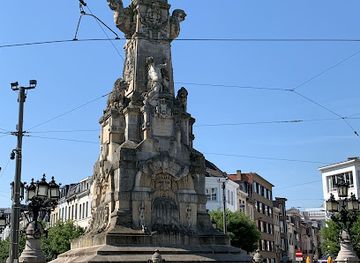
Monument Schelde Vrij
Explore the historical significance and vibrant atmosphere of Monument Schelde Vrij, a captivating landmark in the heart of Antwerp.
2 min walk · 0.2 km from neighbourhood centre
-
Historical landmark
Waterpoort
Uncover the timeless beauty of the Waterpoort in Antwerp, a historical landmark that encapsulates the city's rich heritage and architectural splendor.
6 min walk · 0.5 km from neighbourhood centre
-
Sculpture
Baron Lambermont Statue
Discover the Baron Lambermont Statue in Antwerp, a stunning sculpture that embodies Belgian history and offers a peaceful retreat for tourists.
5 min walk · 0.4 km from neighbourhood centre
-
Tourist attraction
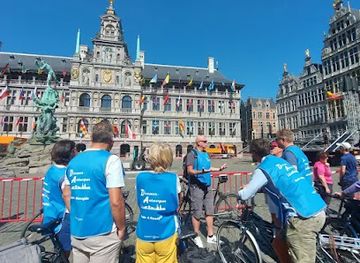
Discover-Antwerpen
Explore Antwerp's vibrant heart from Marnixplaats: culture, history, and Belgian charm await!
2 min walk · 0.2 km from neighbourhood centre


Explore Het Zuid on the map
A handpicked selection of must-see spots in Het Zuid, mapped for you.
Best hotels in Het Zuid
Best restaurants in Het Zuid
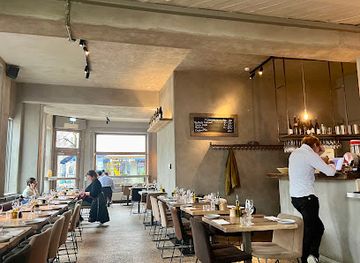
Dining in Het Zuid reflects its museum-quarter setting and its long-established urban residential life. Around Leopold de Waelplaats, Waalsekaai and Marnixplaats, visitors find cafés, contemporary restaurants, bistros and bars serving Belgian favourites alongside international and modern European cooking. The area’s former warehouse buildings and broad streets have encouraged a restaurant culture that is more design-conscious and evening-oriented than the traditional eateries of Antwerp’s old centre, while bakeries and everyday food shops keep the neighbourhood from feeling solely visitor-focused. Terraces are particularly prominent in the warmer months, and restaurant choices extend along the main avenues rather than being confined to one market hall. Nearby Kloosterstraat, at the edge of the adjoining Sint-Andries area, adds further food and café options but should not be confused with the core of Het Zuid.
-
Restaurant
Mampoko
Discover Mampoko in Antwerp: A charming restaurant offering mouthwatering breakfast and lunch options with a local twist.
5 min walk · 0.4 km from neighbourhood centre
-
Seafood
Fiskebar
Discover Fiskebar in Antwerp: A delightful seafood dining experience blending Mediterranean flavors with fresh local ingredients.
2 min walk · 0.2 km from neighbourhood centre
-
Asian
Umami
Experience the vibrant flavors of Asia at Umami in Antwerp, where sharing dishes create unforgettable dining memories.
6 min walk · 0.5 km from neighbourhood centre
-
Italian
Da Vinci
Experience authentic Italian cuisine at Da Vinci in Antwerp; where fresh ingredients meet traditional recipes in a warm atmosphere.
3 min walk · 0.3 km from neighbourhood centre



Best bars in Het Zuid
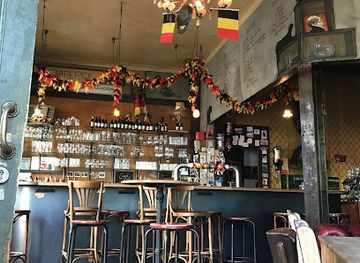
Het Zuid is one of Antwerp’s established evening districts, though its nightlife is more concentrated around restaurants, terraces, wine bars and late-opening cafés than around a large club scene. Marnixplaats is a useful reference point after dark, with venues spilling onto the square in good weather, while the streets around Leopold de Waelplaats and Vlaamsekaai offer further places for drinks after museum visits. The area attracts a mixed evening crowd of residents, gallery visitors and diners, and the atmosphere usually shifts gradually from cultural outings to social drinking rather than changing abruptly into a dedicated entertainment zone. Large clubs are not the defining feature of the neighbourhood; visitors seeking major late-night venues may need to continue towards other parts of Antwerp. Residential streets require quieter behaviour when leaving bars.
-
Bar
Chatleroi
Experience the vibrant ambiance of Chatleroi, a bar and café in Antwerp offering delightful drinks and a lively atmosphere for tourists.
3 min walk · 0.2 km from neighbourhood centre
-
Bar
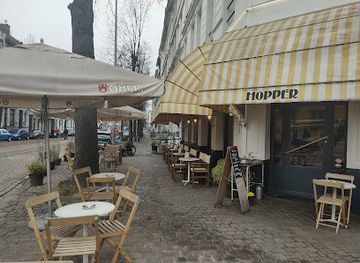
Hopper
Experience the best of Antwerp at Hopper, a lively bar and jazz club offering great drinks and live music in a cozy atmosphere.
3 min walk · 0.3 km from neighbourhood centre
-
Cocktail bar
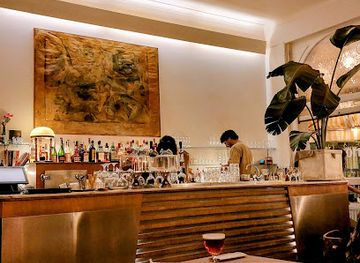
BELROY's Bijou
Experience the elegance of BELROY's Bijou, Antwerp's premier cocktail bar known for its exquisite drinks and vibrant atmosphere.
4 min walk · 0.3 km from neighbourhood centre
-
Bar
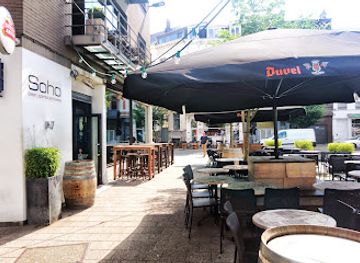
Soho
Discover the vibrant nightlife at Soho, Antwerp's premier cocktail and tapas bar, where every sip tells a story.
3 min walk · 0.2 km from neighbourhood centre

Best nightclubs in Het Zuid
Het Zuid is one of Antwerp’s established evening districts, though its nightlife is more concentrated around restaurants, terraces, wine bars and late-opening cafés than around a large club scene. Marnixplaats is a useful reference point after dark, with venues spilling onto the square in good weather, while the streets around Leopold de Waelplaats and Vlaamsekaai offer further places for drinks after museum visits. The area attracts a mixed evening crowd of residents, gallery visitors and diners, and the atmosphere usually shifts gradually from cultural outings to social drinking rather than changing abruptly into a dedicated entertainment zone. Large clubs are not the defining feature of the neighbourhood; visitors seeking major late-night venues may need to continue towards other parts of Antwerp. Residential streets require quieter behaviour when leaving bars.
-
Cafe
Hopper
Experience the best of Antwerp at Hopper, where great coffee meets live jazz music in a vibrant café atmosphere.
3 min walk · 0.3 km from neighbourhood centre
Best shops in Het Zuid
Shopping in Het Zuid is relatively small-scale and design-oriented rather than centred on a major enclosed mall or traditional produce market. Independent galleries, interior specialists, fashion businesses, book-related shops and creative studios appear among the restaurant and museum streets, especially around Leopold de Waelplaats, Waalsekaai and the approaches to Marnixplaats. The district’s retail character is closely linked to its cultural institutions: visitors often encounter exhibition catalogues, art objects, design pieces and locally produced goods alongside ordinary neighbourhood services. Kloosterstraat, well known for antiques, vintage interiors and independent retail, lies immediately towards the adjoining Sint-Andries area and can be reached easily from Het Zuid, but it is geographically better described as nearby rather than wholly within the neighbourhood. Stock, opening days and individual businesses change, so the streets themselves are often more reliable than a fixed shopping itinerary.
-
Clothing store
Ann Demeulemeester Store Antwerp
Explore the avant-garde elegance of Ann Demeulemeester in Antwerp - a fashion destination merging art and style.
2 min walk · 0.2 km from neighbourhood centre
-
Clothing store
Mandragora
Discover Mandragora in Antwerp for a delightful selection of children’s clothing, books, and toys, perfect for sparking joy and creativity.
2 min walk · 0.2 km from neighbourhood centre
-
Second hand store
Oxfam Boutique
Oxfam Boutique in Antwerp: A second-hand store offering unique treasures that support global charitable initiatives.
4 min walk · 0.3 km from neighbourhood centre
-
Women's clothing store
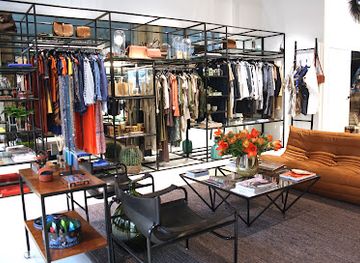
Atelier D'Anvers Bvba
Explore Atelier D'Anvers Bvba, a boutique in Antwerp offering stylish women's clothing, jewelry, and shoes that celebrate elegance and creativity.
2 min walk · 0.2 km from neighbourhood centre


Het Zuid essentials
Getting There
Getting Around
Safety
Emergency Situations
Do's and Don'ts
Local Tips

From Eve
Local phrases worth knowing
You don't need to get them perfect. A few words go a long way, and locals appreciate the effort.
Basics
| English | Local | Say it |
|---|---|---|
| Hello | Hallo | [hah-loh] |
| Goodbye | Tot ziens | [toht zeens] |
| Yes | Ja | [yah] |
| No | Nee | [nay] |
| Please/You're welcome | Alsjeblieft | [ahls-yuh-bleeft] |
| Thank you | Dank je | [dahnk yuh] |
| Excuse me/Sorry | Sorry | [sohr-ee] |
| How are you? | Hoe gaat het met jou? | [hoo gah-t het met yow] |
| Fine. And you? | Goed. En met jou? | [khoot. en met yow] |
| Do you speak English? | Spreek je Engels? | [sprehk yuh eng-els] |
| I don't understand | Ik begrijp het niet | [ihk buh-khreyp het neet] |
Eating & Drinking
| English | Local | Say it |
|---|---|---|
| I'd like to see the menu, please | Ik zou graag de menukaart willen zien, alsjeblieft | [ihk zow khraahkh duh meh-noo-kahrt vee-luhn zeen, ahls-yuh-bleeft] |
| I don't eat meat | Ik eet geen vlees | [ihk ayt khayn vleys] |
| Cheers! | Proost! | [prohst] |
| I would like to pay, please | Ik zou graag willen betalen, alsjeblieft | [ihk zow khraahkh vee-luhn buh-tah-luhn, ahls-yuh-bleeft] |
Emergencies
| English | Local | Say it |
|---|---|---|
| Help! | Help! | [help] |
| Go away! | Ga weg! | [gah wekh] |
| Call the Police! | Bel de politie! | [bel duh poh-lee-see] |
| Call a doctor! | Bel een dokter! | [bel ayn dohk-ter] |
| I'm lost | Ik ben verdwaald | [ihk ben vuhr-dwahlt] |
| I'm ill | Ik ben ziek | [ihk ben zyek] |
Shopping
| English | Local | Say it |
|---|---|---|
| I'd like to buy... | Ik zou graag ... kopen | [ihk zow khraahkh ... koh-puhn] |
| I'm just looking | Ik kijk even rond | [ihk kheyk ay-vuhn rohnt] |
| How much is it? | Hoeveel kost het? | [hoo-veyl kost het] |
| That's too expensive | Dat is te duur | [daht is tuh dyur] |
| Can you lower the price? | Kan je de prijs verlagen? | [kahn yuh duh preys vuh-rah-ghuhn] |
Time & Numbers
| English | Local | Say it |
|---|---|---|
| What time is it? | Hoe laat is het? | [hoo laht is het] |
| It's one o'clock | Het is één uur | [het is ayn oor] |
| Half past (10) | Half elf | [hahlf elf] |
| Morning | Ochtend | [ohk-tuhnt] |
| Afternoon | Namiddag | [nah-mi-dahkh] |
| Evening | Avond | [ah-vohnt] |
| Yesterday | Gisteren | [khihs-tuh-ruhn] |
| Today | Vandaag | [vahn-dahkh] |
| Tomorrow | Morgen | [mohr-khuhn] |
| 1 | Eén | [ayn] |
| 2 | Twee | [tway] |
| 3 | Drie | [dree] |
| 4 | Vier | [veer] |
| 5 | Vijf | [vayf] |
| 6 | Zes | [zehs] |
| 7 | Zeven | [zay-ven] |
| 8 | Acht | [ahkh-t] |
| 9 | Negen | [nay-khun] |
| 10 | Tien | [teen] |
Transport & Directions
| English | Local | Say it |
|---|---|---|
| Where's a/the...? | Waar is de...? | [vahr is de] |
| What's the address? | Wat is het adres? | [vaht is het ah-drays] |
| Can you show me (on the map)? | Kan je me dat tonen (op de kaart)? | [kahn yuh meh daht toh-nuhn (op deh kahrt)] |
| When's the next (bus)? | Wanneer is de volgende (bus)? | [vahn-nehr is de vohl-huhn-duh (buhs)] |
| A ticket (to ....) | Een ticket (naar ....) | [ayn tick-uht (naar)] |
History of Het Zuid
From Citadel to City Quarter
Het Zuid’s modern identity began with the removal of Antwerp’s Zuidkasteel, the Southern Citadel, during the 1870s. The fortress had formed part of the city’s defensive system, but its demolition released a large tract of land for urban expansion south of the old centre. Streets, squares and substantial residential buildings were laid out in a planned district that reflected the ambitions of a growing industrial and commercial city. The resulting quarter was not an ancient village absorbed by Antwerp but a relatively deliberate nineteenth-century extension, with a wide urban grain and architecture intended to express civic confidence.
The South Station Era
Railway development gave the district a major transport role. Antwerpen-Zuid station opened in 1892 near the southern edge of the new quarter, connecting the area with Antwerp’s expanding railway network and encouraging movement between the city, its harbour and other Belgian towns. The station’s monumental presence influenced the district for decades, even after railway operations were reorganised and the old building was eventually demolished in the 1960s. Its disappearance changed the physical edge of Het Zuid, while the railway connection itself remained important to the neighbourhood’s accessibility.
Museums and Cultural Reinvention
The cultural profile of Het Zuid developed through the arrival and consolidation of museums in and around the former dockside area. The Royal Museum of Fine Arts Antwerp, built in the late nineteenth century, became the district’s defining institution, while the photography museum on Waalsekaai and the contemporary art museum on Leuvenstraat added different artistic perspectives during the twentieth century. Galleries, cultural organisations and creative businesses subsequently reinforced the quarter’s association with art. The museums did not erase its residential character, but they gave the streets and squares a cultural focus that continues to shape local identity.
Restoration and Contemporary Het Zuid
From the late twentieth century onwards, Het Zuid experienced extensive restoration, new investment and a stronger evening economy. Historic façades and former warehouse buildings acquired new uses, while cafés, restaurants, galleries and design-oriented businesses joined long-established residential services. The reopening of the renewed KMSKA in 2022 strengthened the museum quarter’s regional importance and brought renewed attention to Leopold de Waelplaats. Contemporary Het Zuid therefore combines a planned nineteenth-century streetscape with changing cultural and commercial uses, while the Scheldt-side streets retain links to Antwerp’s wider port and river landscape.
Het Zuid in Photos
Browse through our photo collection highlighting the charm and character of the destination.
Neighbourhoods near Het Zuid
The closest neighbourhoods to Het Zuid, if you have time for more than one stop.
-

-


Swipe for more neighbourhoods
Explore more

Explore more of Antwerp
Antwerp blends medieval streets, Rubens masterpieces, diamond heritage, bold fashion and Scheldt-side culture in Belgium's richly layered port city.
Explore Antwerp