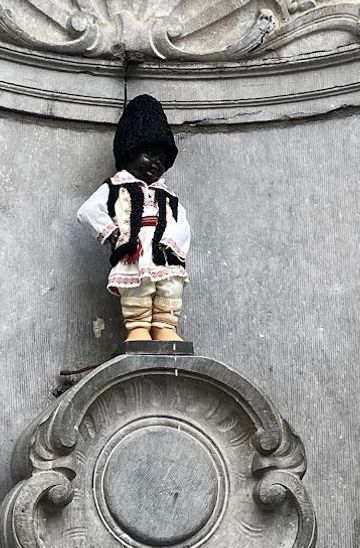
The Iconic Manneken Pis: A Symbol of Brussels' Quirky Charm
Discover the charm of Manneken Pis, Brussels' famous fountain that embodies the city’s playful spirit and rich cultural heritage.
Manneken Pis, the famous fountain statue of a little boy urinating, is a beloved symbol of Brussels, embodying the city's irreverent spirit and sense of humor. Visitors flock to this tiny yet iconic attraction, located in the heart of Brussels, to witness its charm and learn about its fascinating history.
A brief summary to Manneken Pis
- Brussels, Brussel, 1000, BE
- Click to display

Know before you go
Hi, I'm Eve. Here are a few practical things to know before exploring Manneken Pis.
- Visit early in the morning or late in the evening to avoid crowds.
- Check the local schedule for costume changes to see the statue dressed up.
- Bring your camera for fun photos, especially with the unique backdrop of Brussels' architecture.
- Pair your visit with a stroll to the nearby Grand Place for more stunning sights.
Do you manage this location?
Take control to get all the benefits, like improved information, better appearance, and stronger visibility across AI-powered discovery. Learn more
Activate your presence
Getting There
-
Walking
If you are in the center of Leuven, head towards the Leuven train station. From the station, take the train to Brussels Central Station. The journey will take around 25 minutes. Once you arrive at Brussels Central Station, exit the station and follow the signs towards 'Rue de la Montagne'. Walk straight until you reach 'Place de la Bourse'. From there, continue walking straight for about 10 minutes, passing by 'Boulevard Anspach'. You will soon see 'Manneken Pis' on your right, a small fountain famous for its statue of a little boy.
-
Bus
From Leuven, take bus line 600 or 620 from the 'Leuven Station' bus stop. Make sure to check the schedule for the next bus. The bus will take you directly to Brussels. Get off at 'Brussels Gare du Midi', then transfer to the metro (line 2 or 6) towards 'Elisabeth' and get off at 'Brussels Central'. From there, exit the station and follow 'Rue de la Montagne' towards 'Place de la Bourse'. Continue straight for another 10 minutes, and 'Manneken Pis' will be on your right.
-
Train
To reach 'Manneken Pis', start at Leuven train station. Purchase a ticket to Brussels Central Station, which is a direct route and takes approximately 25 minutes. Once you arrive at Brussels Central, exit the train station and follow the signs to 'Rue de la Montagne'. Walk straight for about 10 minutes, passing 'Place de la Bourse'. 'Manneken Pis' will be visible on your right side.
Discover more about Manneken Pis
Explore the best of what Manneken Pis has to offer













More about Brussels Capital Region
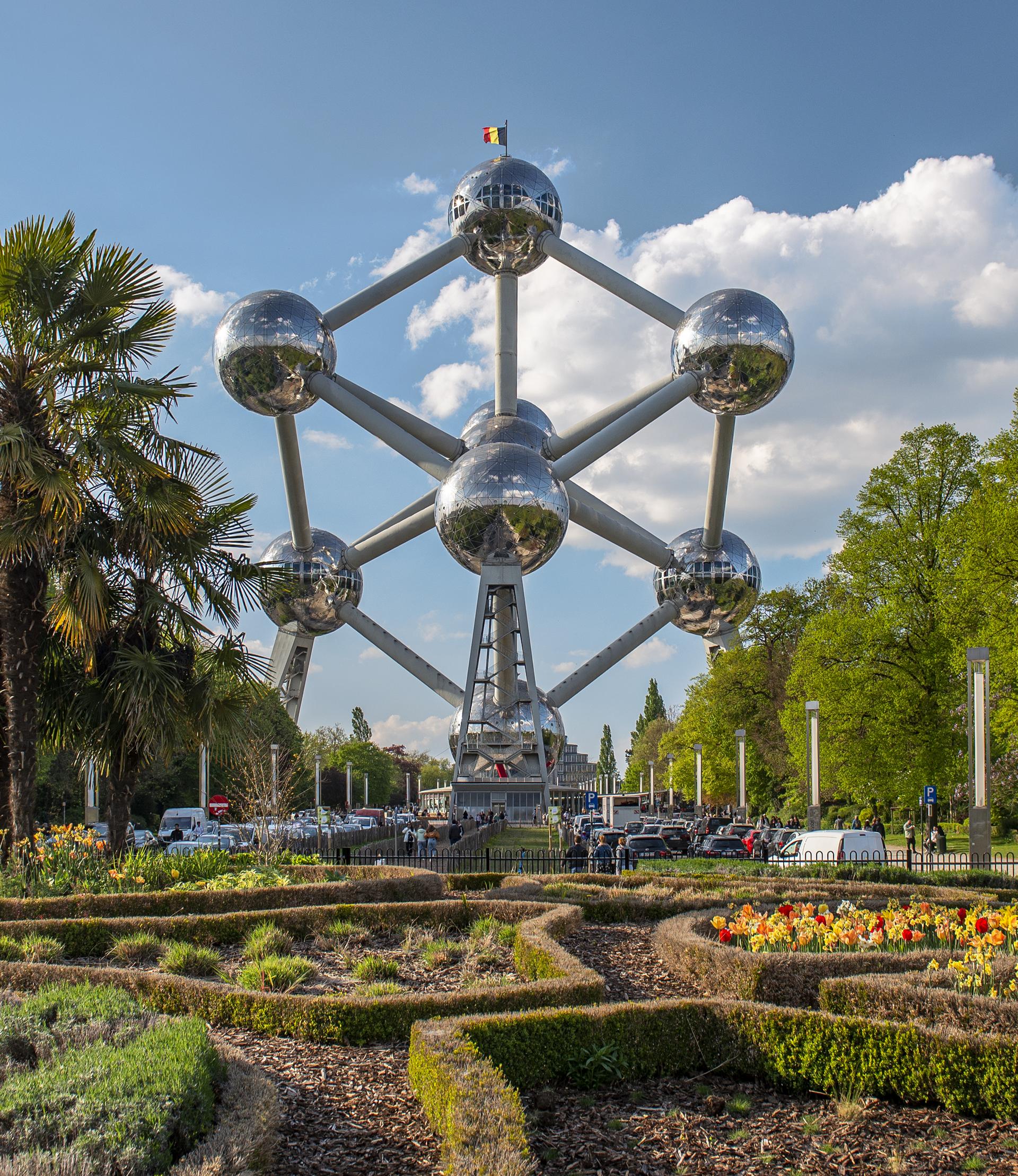
Discover Brussels-Capital Region: A blend of history, culture, and modernity in the heart of Europe, home to stunning architecture, world-class museums, and gourmet delights.
Tell me more about Brussels Capital Region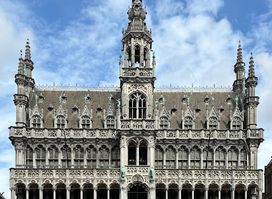
Explore the rich history of Brussels at the City Museum, where culture and heritage come alive through captivating exhibits and artifacts.

Experience Brussels' charm at Poechenellekelder, a historic tavern filled with puppets, folklore, and a vast selection of Belgian beers.