Tour de l'Horloge de Mostar: A Timeless Sentinel
Discover Mostar's iconic Tour de l'Horloge, a historical landmark showcasing the city's cultural heritage and resilience through the ages.
The Tour de l'Horloge de Mostar, also known as Sahat Kula, is a historical clock tower that has stood as a silent witness to the city's rich and often turbulent past. Dating back to the early 17th century, this Ottoman-era structure is a testament to Mostar's diverse cultural influences and enduring spirit.
A brief summary to Tour de l'Horloge de Mostar
- 9R27+9M8, Mostar, 88000, BA
Local tips
- Visit early in the morning to avoid crowds and capture the best light for photographs.
- Explore the surrounding Old Town area, filled with shops, cafes, and other historical sites.
- Take a leisurely stroll along the Neretva River to enjoy scenic views of the tower and the Old Bridge.

Getting There
-
Walking
If you are in Mostar's Old Town, walking is the most convenient way to reach the Tour de l'Horloge. From the Old Bridge (Stari Most), head east along the main pedestrian street, Kujundžiluk. Continue for approximately 600 meters until you reach Kralja Petra Krešimira IV Street. Turn left and walk another 200 meters; the Tour de l'Horloge will be on your right.
-
Public Transport
From Mostar's main bus station, take a local bus heading towards the city center or the Old Town. Buses marked 'Centar' are suitable. The ticket price is approximately 1.50 BAM. Get off at the main square, Trg Musala. From there, walk along Rade Bitange street until you reach the intersection with the street leading to the Old Bridge. The Tour de l'Horloge will be on your left.
Discover more about Tour de l'Horloge de Mostar
Iconic landmarks you can’t miss

Tour de l'Horloge de Mostar
0.0 km
Discover Mostar's iconic Tour de l'Horloge, a historical landmark showcasing the city's cultural heritage and resilience through the ages.

Mali kuk
0.4 km
Discover the breathtaking views of Mostar from Mali Kuk, the perfect observation deck to experience natural beauty and heritage.
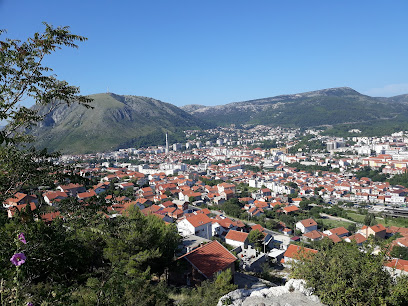
Hostel Miran Mostar
0.6 km
Discover the warmth of Mostar at Hostel Miran, where comfort meets local charm in the heart of Bosnia and Herzegovina.
Hostel Majdas
0.6 km
Discover the heart of Mostar at Hostel Majdas, where warm hospitality meets cultural immersion in this beautiful Bosnian city.
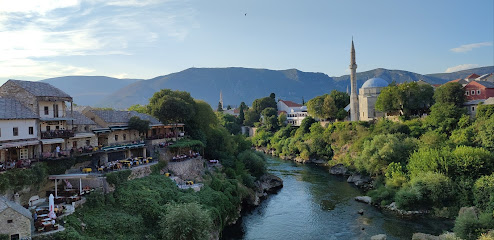
Hostel Musala
0.7 km
Experience the essence of Mostar at Hostel Musala, where comfort meets culture in the heart of Bosnia and Herzegovina.
Razvitak shopping centre ruins
0.8 km
Explore the haunting beauty of Mostar's Razvitak Shopping Centre ruins, a modernist landmark scarred by war and steeped in history.
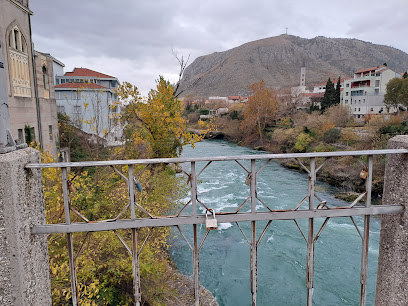
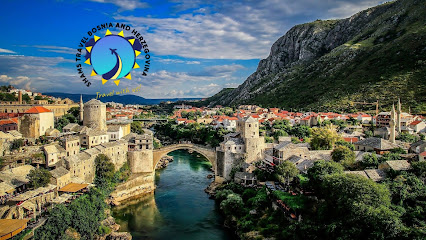
Shams Travel - tours and travel packages
0.9 km
Discover the hidden gems of Bosnia and Herzegovina with Shams Travel, your trusted partner for unforgettable tours and travel experiences in Mostar.
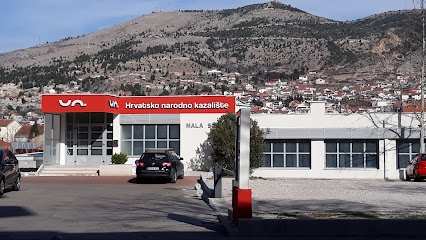
Croatian National Theatre in Mostar
0.9 km
Experience the heart of Croatian culture in Mostar through captivating performances and a commitment to preserving artistic heritage.
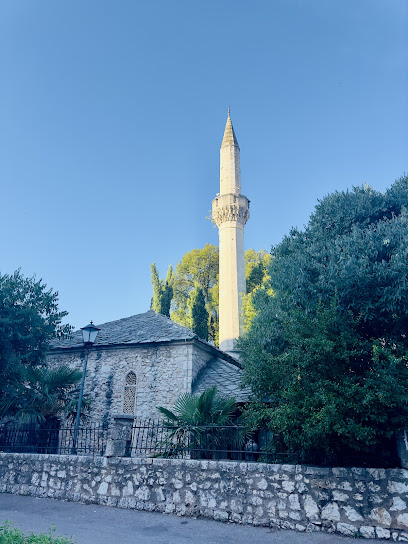
Mosquée de Roznamedži Ibrahim-effendi
1.0 km
Discover the serene beauty and rich history of Mostar's Roznamedži Ibrahim-effendi Mosque, a stunning example of Ottoman architecture.
Abandoned building
1.0 km
Discover the haunting beauty of Mostar's abandoned building, a hidden gem steeped in history and perfect for adventurous travelers.
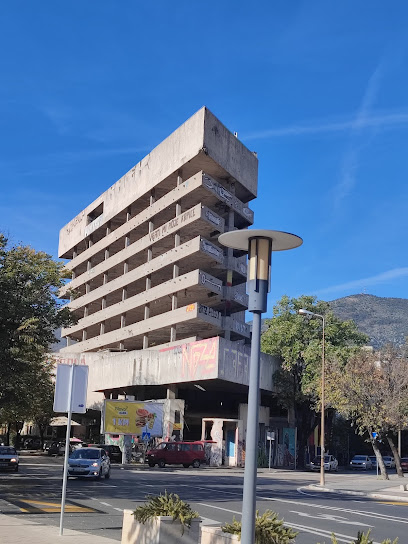
Budynek - Historia Wojny
1.0 km
Explore Mostar's poignant wartime history at Budynek - Historia Wojny, a landmark dedicated to resilience and remembrance.
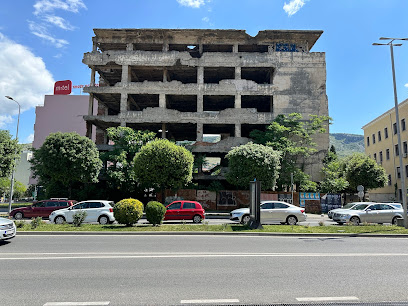
Most Bunur
1.0 km
Discover Most Bunur in Mostar: A charming Ottoman bridge offering history, tranquility, and stunning views of the Neretva River.
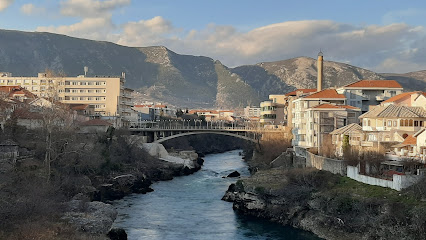
Muslibegovic House
1.0 km
Explore Muslibegovic House, a beautifully preserved noble residence in Mostar, showcasing rich Bosnian heritage and Ottoman architecture.
Mostar Free Walking Tour
1.0 km
Immerse yourself in the beauty and history of Mostar with the enchanting free walking tour, uncovering the city's secrets at every corner.
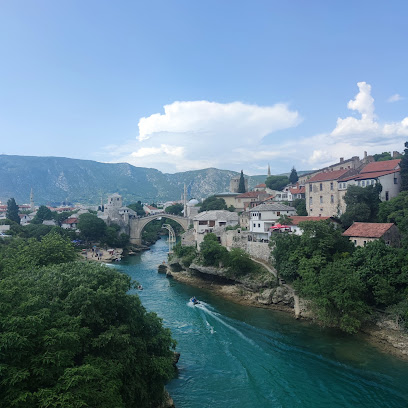
Herzegovina Hiking Adventure
1.1 km
Discover Herzegovina's breathtaking trails and immerse yourself in nature with expert-guided hiking adventures.
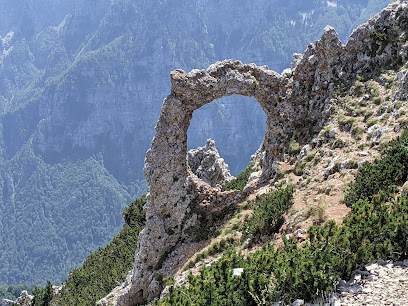
Unmissable attractions to see

Fountain
0.3 km
Explore the enchanting Fountain of Mostar, a serene tourist attraction reflecting the city's rich culture and inviting ambiance.
Explore Bosnia and Herzegovina - Tours and Transfers
0.3 km
Experience the enchanting charm of Mostar with Explore Bosnia and Herzegovina, your trusted travel partner for unforgettable tours and transfers.
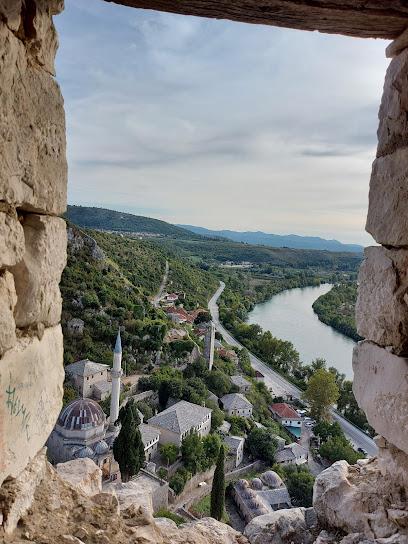
Otok Kulina Bana
0.3 km
Explore the tranquility of Otok Kulina Bana, a serene island in Mostar, perfect for relaxation and cultural immersion amidst stunning natural beauty.
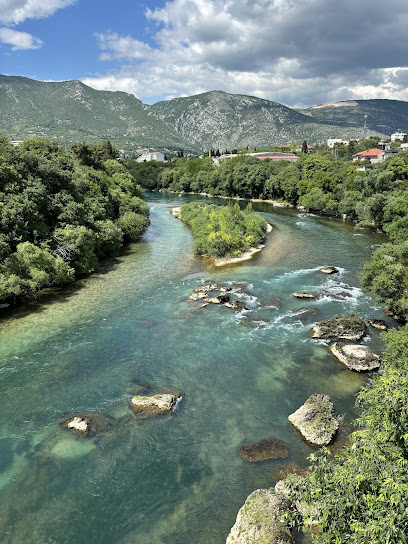
Park Musala
0.7 km
Experience tranquility and natural beauty at Park Musala in Mostar, a serene escape amidst the city's historic charm.
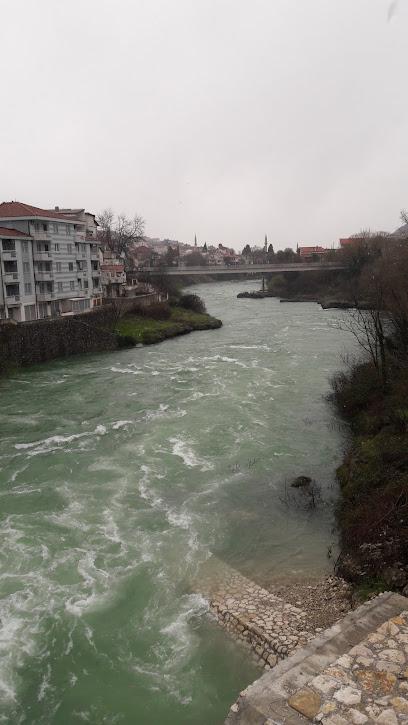
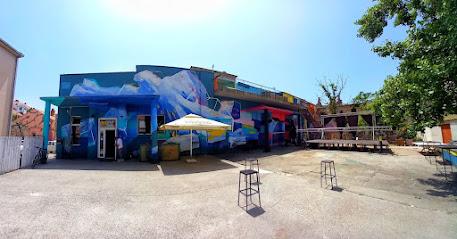
Omladinski kulturni centar Abrašević / Youth Cultural Center Abrašević
0.8 km
Explore the dynamic cultural landscape at Youth Cultural Center Abrašević, a hub for art, music, and community in Mostar's vibrant scene.
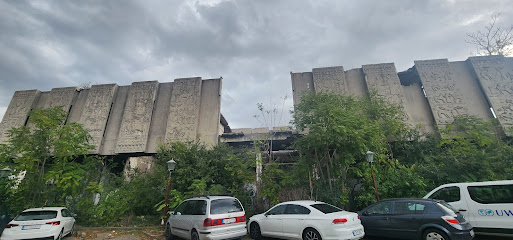
Rasvjtak old closed shopping mall
0.8 km
Discover the mesmerizing remnants of Rasvjtak, a historic closed shopping mall in Mostar, where past and present intertwine in a captivating atmosphere.
Titov Most
0.8 km
Explore Titov Most, the iconic bridge of Mostar, where history and scenic beauty converge in a captivating travel experience.
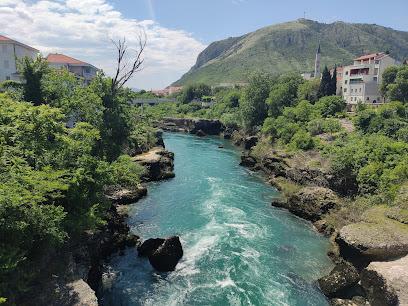
Mostar, Hercegovina
0.9 km
Explore Mostar, a scenic gem in Hercegovina, where stunning architecture meets rich history and breathtaking natural beauty.
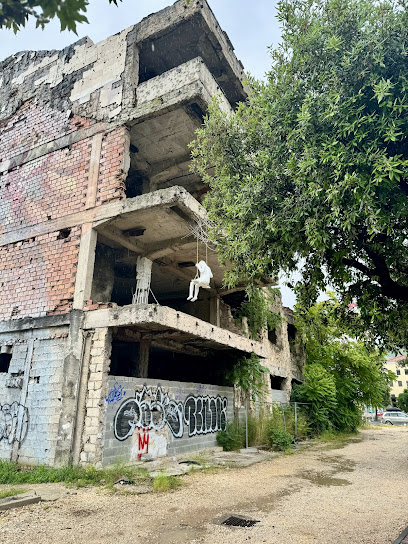
War Ruins
0.9 km
Explore the War Ruins of Mostar, where history and resilience intertwine, offering visitors a profound glimpse into the past of this remarkable city.
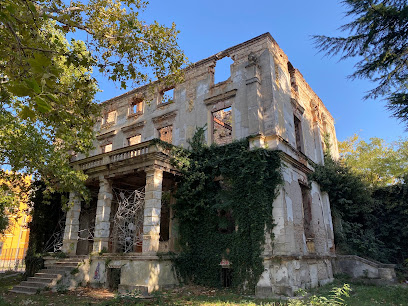
Mostar
0.9 km
Discover Mostar, a mesmerizing blend of history, culture, and natural beauty in Bosnia and Herzegovina, featuring the iconic Stari Most bridge.
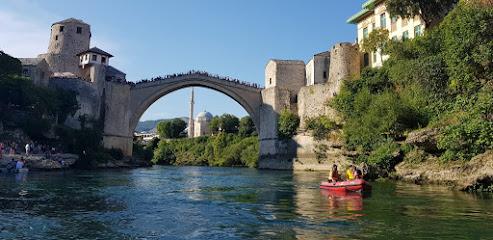
Emlékmű
0.9 km
Discover the captivating blend of history and nature at Emlékmu, a must-visit tourist attraction in Mostar, Bosnia and Herzegovina.
Španski trg
1.0 km
Explore the enchanting Španski Trg in Mostar, a historical landmark that celebrates culture, architecture, and the legacy of Spanish soldiers.
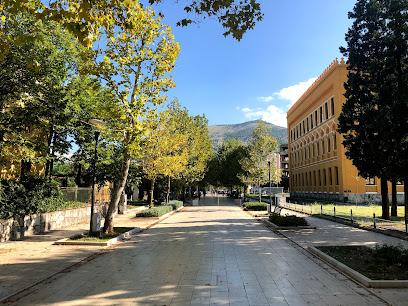
Memorial Mostar 93
1.1 km
Explore the poignant history of Memorial Mostar 93, a tribute to resilience and peace in the heart of Mostar, Bosnia and Herzegovina.
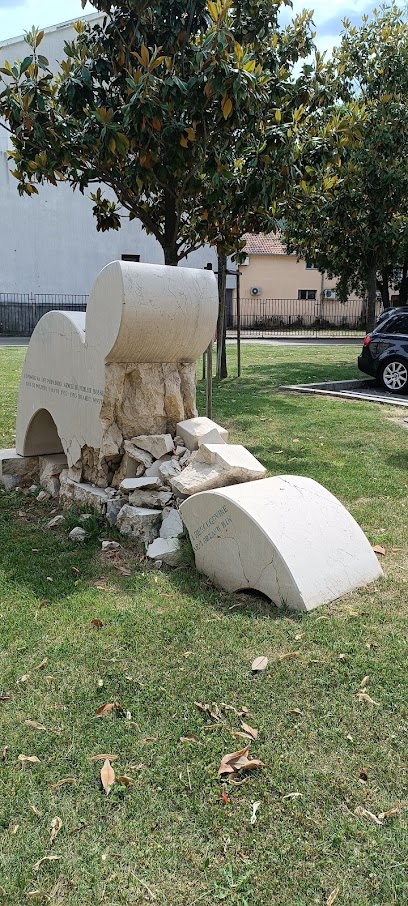
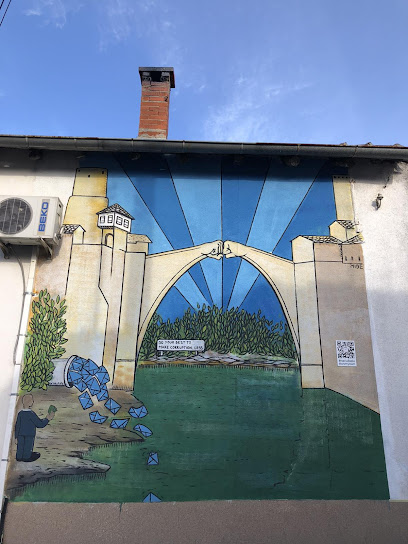
Anti-corruption Mural / Antikorupcijski Mural
1.1 km
Explore the Anti-corruption Mural in Mostar, a striking artwork symbolizing hope, resilience, and the fight against corruption in a beautiful cultural landscape.
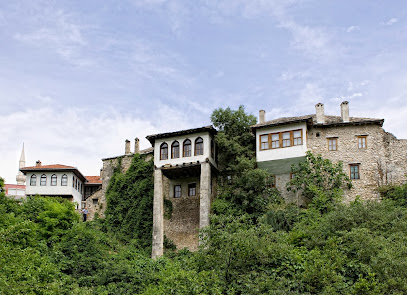
Biscevic House
1.1 km
Explore the authentic Bosnian lifestyle at Biscevic House, a cultural landmark showcasing the rich heritage of Mostar's Ottoman past.
Essential places to dine

Del Rio
0.4 km
Discover authentic Bosnian flavors at Del Rio in Mostar – where every meal tells a story.
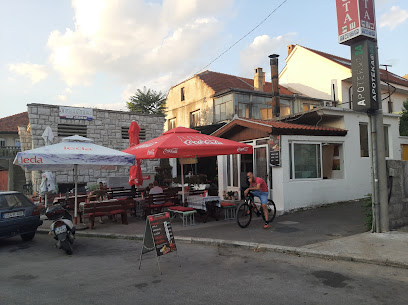
Ćevabdžinica kod Bahre
0.7 km
Discover authentic Bosnian cuisine at Ćevabdžinica kod Bahre in Mostar—famous for delicious ćevapi and suđukice at affordable prices.
Blok bar & restaurant
0.7 km
Experience exquisite dining at Blok Bar & Restaurant in Mostar—where local flavors meet vibrant nightlife.
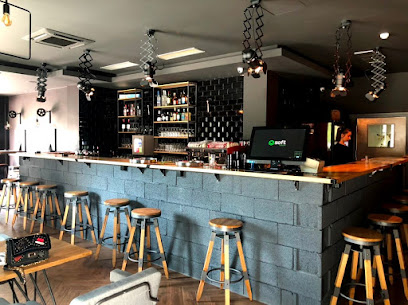
Marinero
0.8 km
Experience authentic Bosnian cuisine at Marinero in Mostar, where tradition meets modern culinary excellence in a warm and inviting atmosphere.
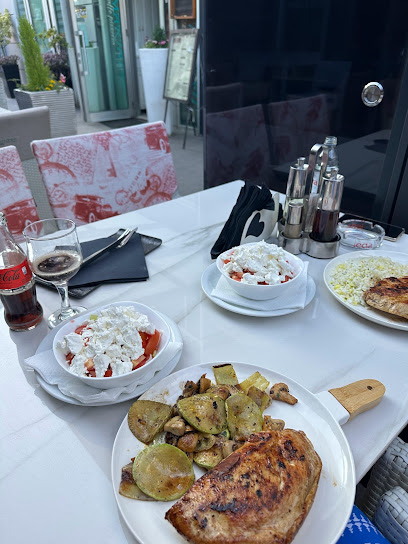
Grill Centar Mostar
0.8 km
Discover authentic Bosnian flavors at Grill Centar Mostar - where delicious grilled meats meet warm hospitality in the heart of the city.
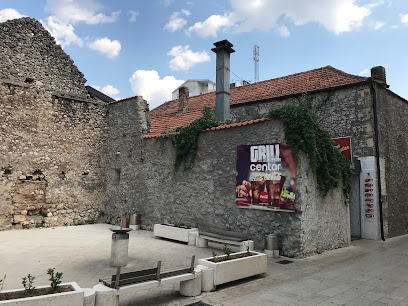
Restoran Prestige
0.8 km
Experience the best of Bosnian cuisine at Restoran Prestige - where local flavors meet exquisite dining in Mostar.
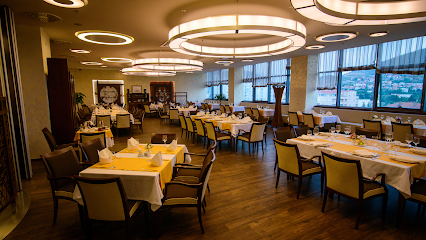
Nacionalni Restoran MM
0.9 km
Discover authentic Bosnian flavors at Nacionalni Restoran MM in Mostar - where tradition meets organic cuisine in a welcoming atmosphere.
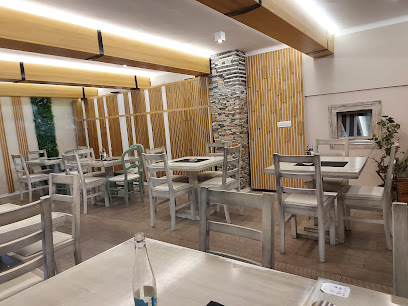
Grill Bruno
0.9 km
Experience authentic Bosnian cuisine at Grill Bruno in Mostar - where every meal tells a story.
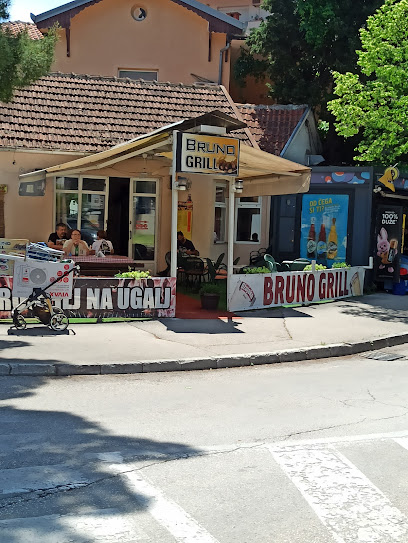
Little House
1.0 km
Discover authentic Bosnian cuisine at Little House in Mostar - where every dish tells a story.
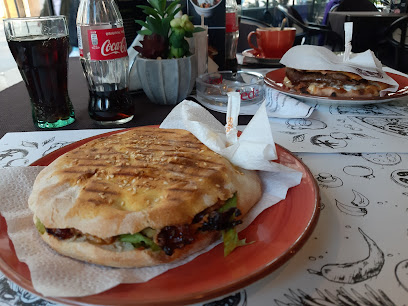
Megi
1.1 km
Experience authentic Bosnian cuisine at Megi in Mostar - where tradition meets modern culinary excellence.
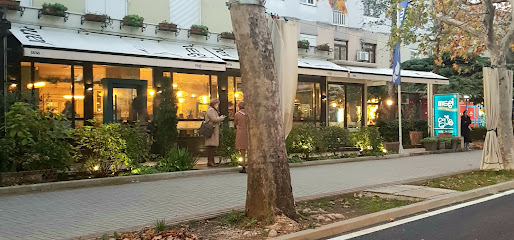
Restoran Neretva
1.2 km
Experience the authentic flavors of Bosnia at Restoran Neretva – where every meal is a journey through taste.
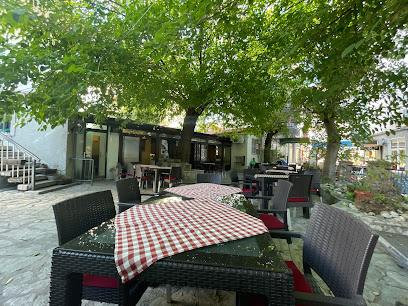
Restoran Malo Misto
1.3 km
Discover authentic Bosnian flavors at Restoran Malo Misto in Mostar - where every dish tells a story.
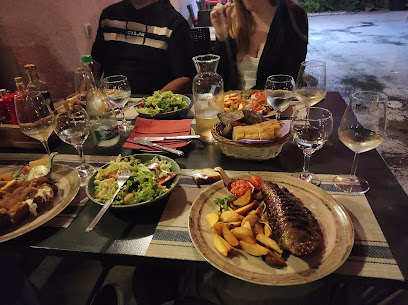
TABOO Bar Restaurant
1.3 km
Discover culinary delights at TABOO Bar Restaurant in Mostar - where tradition meets modern cuisine in a vibrant setting.
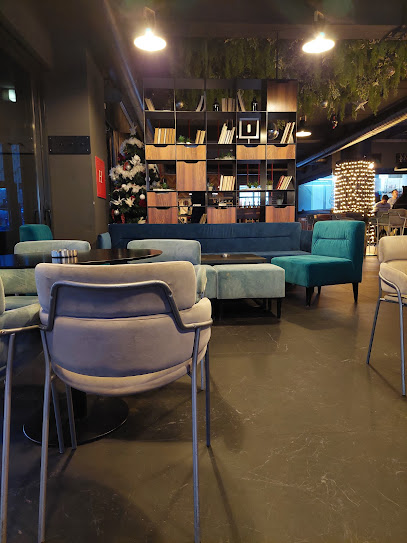
Restaurant Mimar
1.3 km
Experience authentic Bosnian cuisine at Restaurant Mimar in Mostar - where tradition meets modern flavors in a stunning setting.
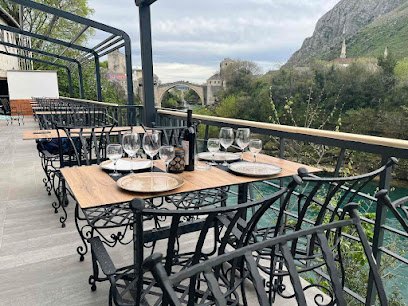
Mystic restaurant
1.4 km
Experience authentic Bosnian cuisine at Mystic Restaurant in Mostar - where tradition meets modern dining in a charming setting.
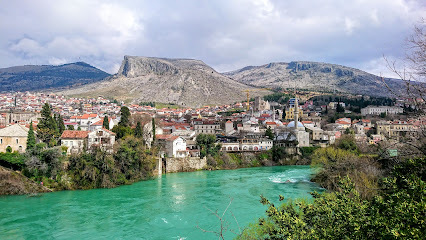
Markets, malls and hidden boutiques

Megamarket
0.5 km
Explore a shopping paradise at Megamarket in Mostar, where local charm meets international brands for an unforgettable retail experience.
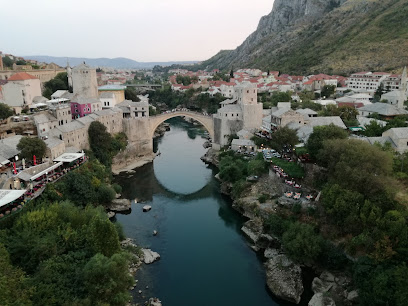
Hostel Mirror
0.5 km
Experience comfort and community at Hostel Mirror in Mostar, your gateway to exploring the stunning beauty and rich culture of Bosnia.
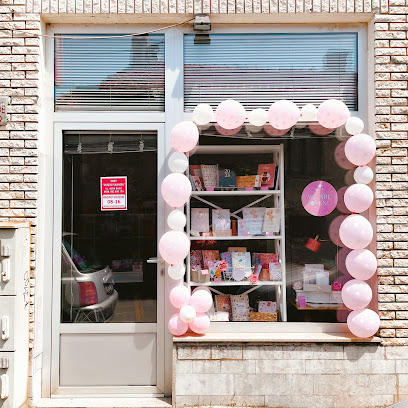
Unique Planners
0.5 km
Discover the literary charm of Unique Planners in Mostar, a cozy book store offering a diverse collection of literature and a cultural hub for book lovers.
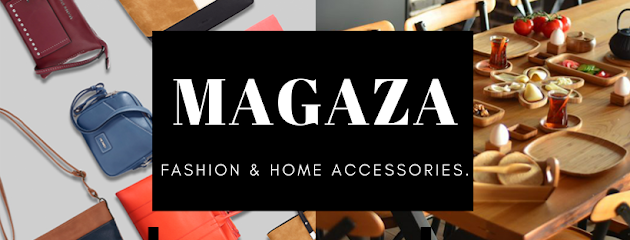
Magaza
0.7 km
Explore the finest selection of handcrafted bags in Mostar at Magaza, where quality meets style for every traveler.
Pull&Bear
0.7 km
Discover the latest fashion trends at Pull&Bear in Mostar, a stylish clothing store for trendy men and women.
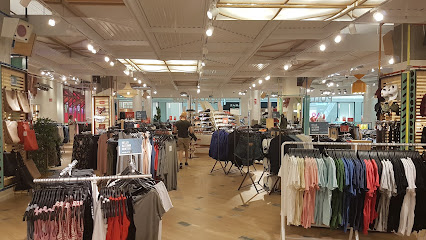
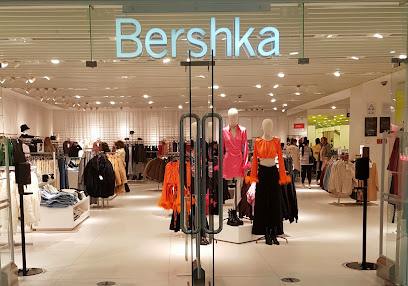
Bershka
0.7 km
Discover the latest fashion trends at Bershka in Mostar, offering stylish clothing and accessories for men and women in a vibrant shopping environment.
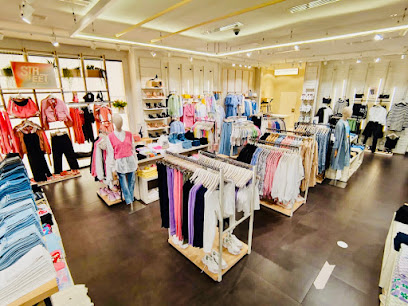
Stradivarius
0.7 km
Explore the latest fashion trends at Stradivarius in Mostar, where style meets elegance in a vibrant shopping atmosphere.
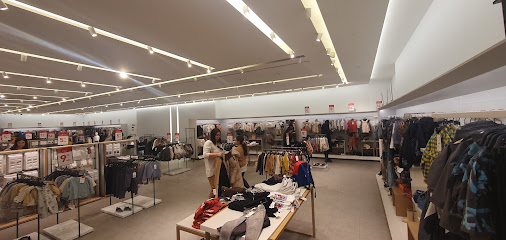
ZARA
0.7 km
Explore trendy fashion at ZARA in Mostar, where style meets affordability in a vibrant shopping experience.
ORSAY
0.8 km
Explore ORSAY in Mostar for the latest trends in women's fashion, offering a unique blend of style, quality, and affordability.
Boutique Viva Mepas mall
0.8 km
Discover unique boutiques and local craftsmanship at Boutique Viva Mepas Mall, the premier shopping destination in Mostar.
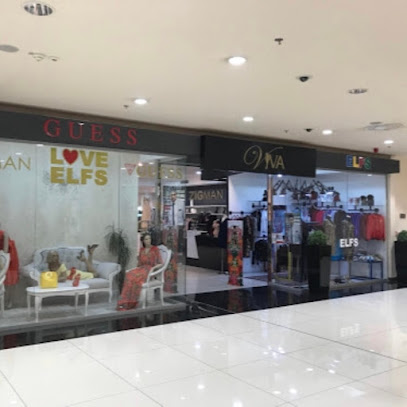
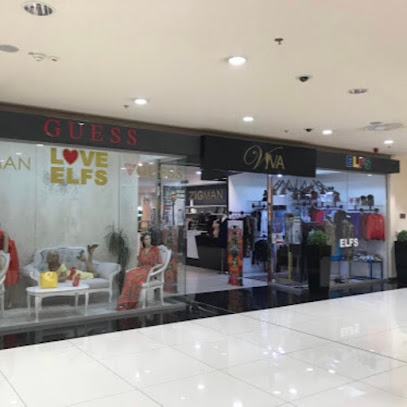
Boutique Viva (Silver Trend d.o.o.)
0.8 km
Explore Boutique Viva in Mostar for unique fashion and accessories that capture the essence of local culture and artistry.
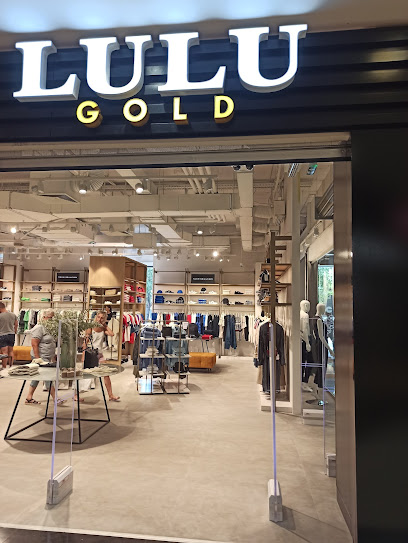
LULU Gold Store
0.8 km
Discover unique Bosnian clothing at LULU Gold Store in Mostar, blending local craftsmanship with contemporary styles for an unforgettable shopping experience.
IN VIVO
0.8 km
Discover IN VIVO in Mostar for a unique shopping experience featuring quality clothing and personalized alterations in a stylish mall setting.
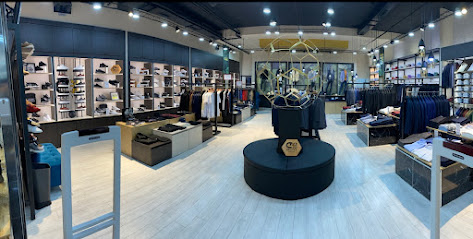
STR No limit
0.8 km
Explore the vibrant clothing styles at STR No Limit in Mostar, where fashion meets culture in a delightful shopping experience.
Mepas Mall
0.8 km
Explore Mepas Mall in Mostar - a vibrant shopping destination with diverse stores, delicious dining, and entertainment for everyone.
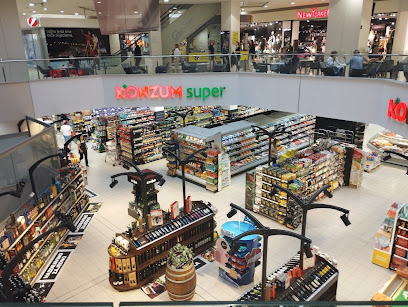
Essential bars & hidden hideouts

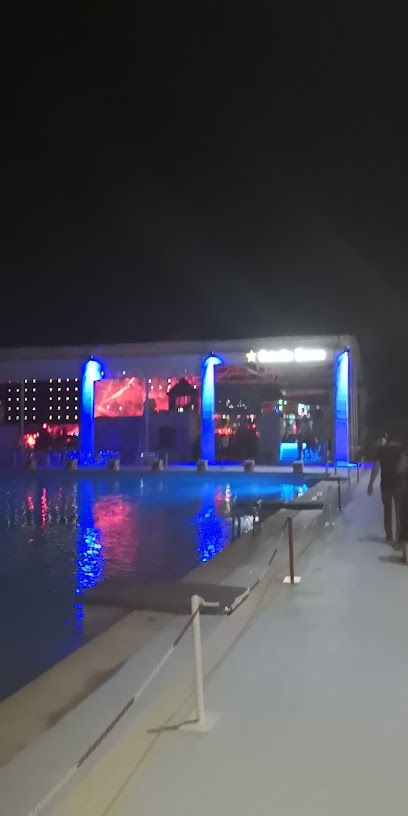
Daleka obala
0.4 km
Discover the vibrant nightlife of Mostar at Daleka Obala, where music, dancing, and unforgettable moments come together.
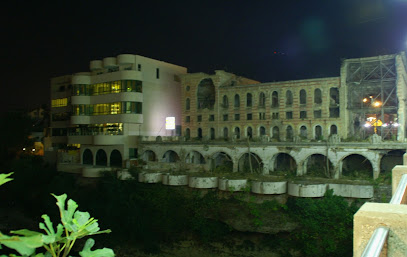
Monkey Bar
0.7 km
Discover the vibrant nightlife and local flavors at Monkey Bar in Mostar, the perfect spot for relaxation and socializing.
Shankly's Pub
0.7 km
Experience the vibrant atmosphere and delightful flavors at Shankly's Pub in Mostar, where locals and tourists come together.
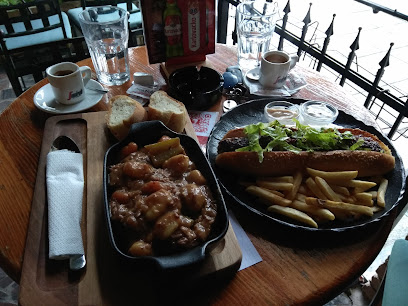
Pub Beer ti&ja
0.8 km
Discover the best of local brews and delicious fare at Pub Beer ti ja, a vibrant gastropub experience in the heart of Mostar.
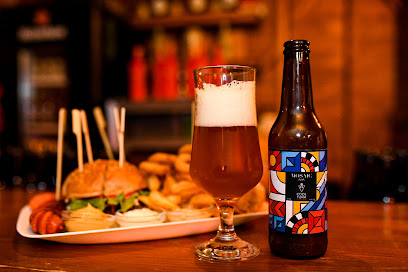
Mood Bar - Night & Lounge Bar
0.8 km
Experience the vibrant nightlife of Mostar at Mood Bar, where stunning cocktails and a lively atmosphere await every visitor.
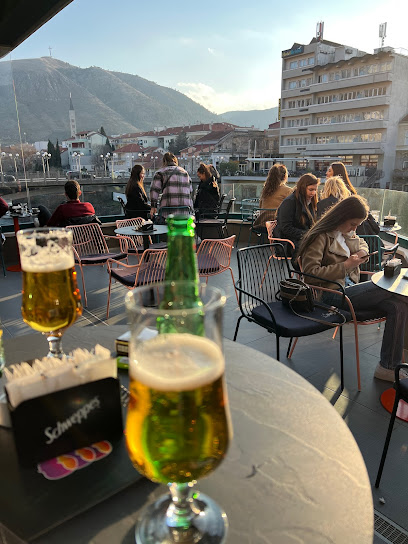
Mood bar
0.8 km
Discover the lively Mood Bar in Mostar, where vibrant ambiance meets delightful drinks, perfect for unwinding after exploring the city's rich culture.
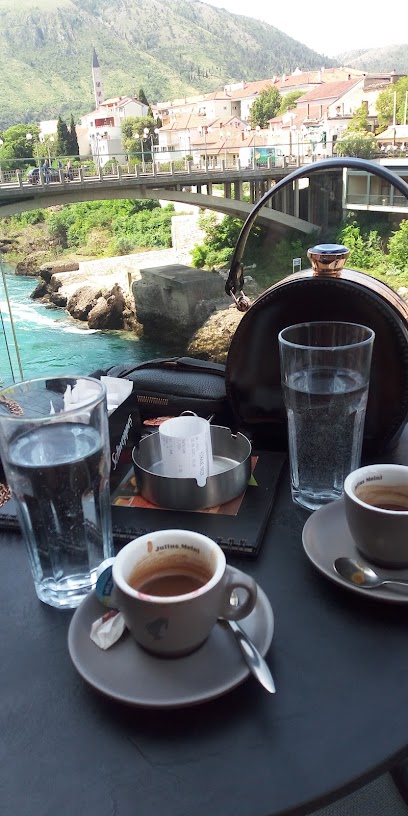
Sky Lounge Bar
0.8 km
Experience breathtaking views and vibrant nightlife at the Sky Lounge Bar, the ultimate rooftop escape in the heart of Mostar.
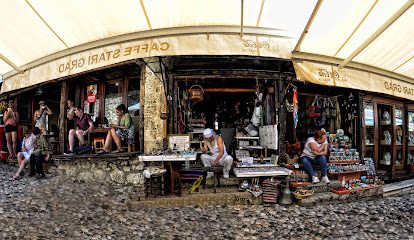
Bazza
0.8 km
Experience the vibrant nightlife of Mostar at Bazza, a lively bar and jazz club offering great drinks, live music, and a cozy atmosphere.
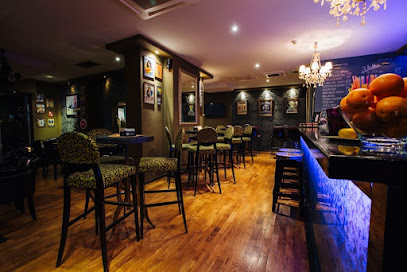
SINATRA bar&more
0.8 km
Discover SINATRA Bar&More in Mostar, a lively cocktail bar and night club offering innovative drinks and vibrant nightlife experiences.
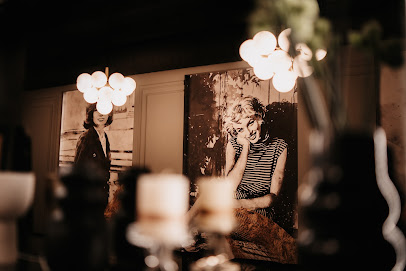
Caffe Cocktail bar Polaris Mostar
0.9 km
Discover the vibrant atmosphere and creative cocktails at Caffe Cocktail Bar Polaris in Mostar, a perfect spot for relaxation and socializing.
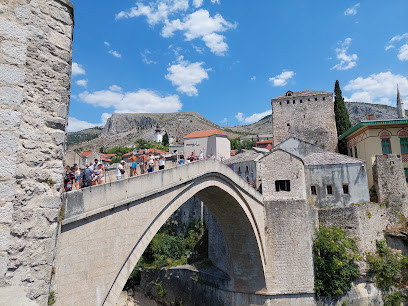
Von Herzog
0.9 km
Discover the lively ambiance and local charm at Von Herzog, the perfect pub in Mostar for tourists seeking a taste of authentic Bosnian culture.
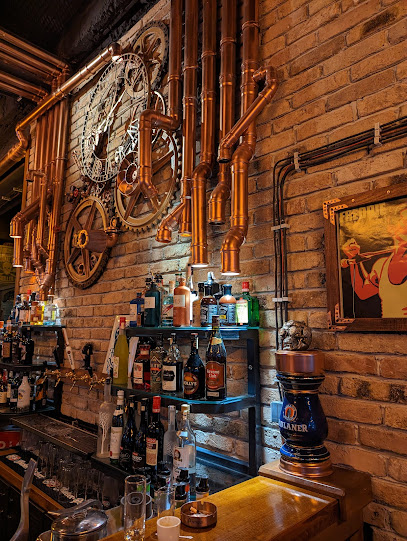
Black Pearl
1.0 km
Discover Black Pearl Cafe in Mostar – a perfect blend of cozy ambiance and an extensive cocktail menu awaits you in this charming city.
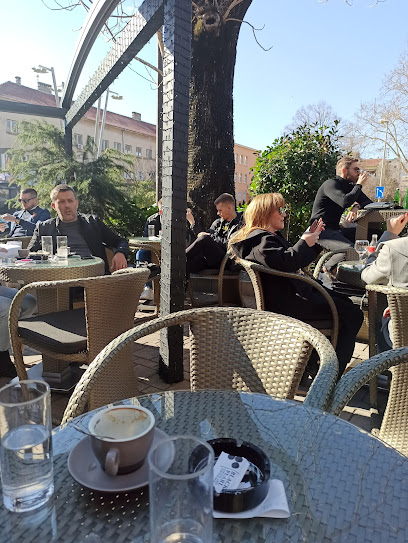
Cafe Coco Loco
1.0 km
Experience the vibrant nightlife at Cafe Coco Loco in Mostar, where lively music meets refreshing drinks in a welcoming atmosphere.
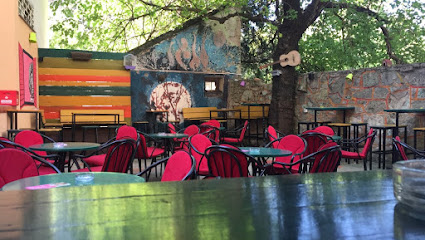
Garden pub
1.1 km
Discover the serene atmosphere of Mostar's Garden Pub, where lush greenery meets an inviting selection of drinks, perfect for relaxation after a day of exploration.
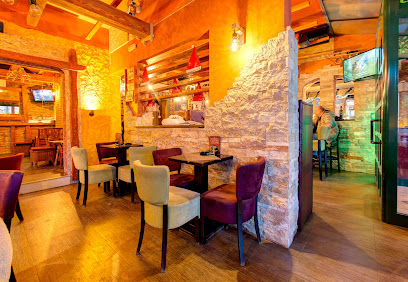
Ice Bar
1.3 km
Discover the unique charm of the Ice Bar in Mostar, a cafe where refreshing drinks and a vibrant atmosphere come together for an unforgettable experience.