Sarajevo City Hall: A Symbol of Resilience
Discover Sarajevo City Hall: A stunning architectural gem with a rich history, symbolizing Sarajevo's resilience and cultural heritage.
Sarajevo City Hall, or Vijećnica, is an iconic Austro-Hungarian building showcasing a pseudo-Moorish architectural style. Originally serving as the city's administrative center and later the National Library, it was destroyed during the Bosnian War in 1992 and meticulously restored in 2014. Today, it stands as a symbol of Sarajevo's multicultural history and resilience.
A brief summary to Sarajevo City Hall
- Brodac 1, Sarajevo, 71000, BA
- +38733292-800
- Visit website
Local tips
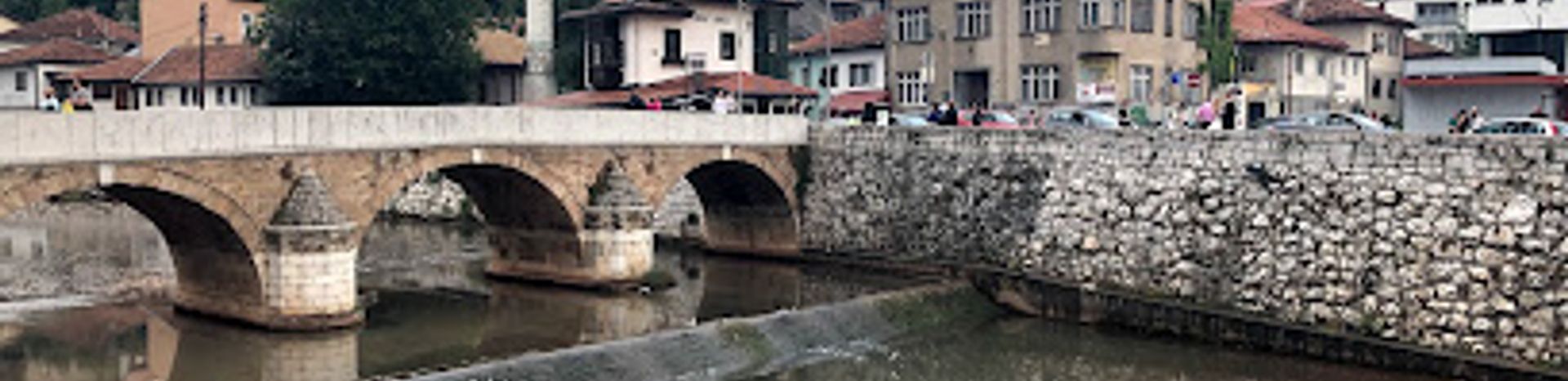
- Explore the City Hall's surroundings, including the Old Town (Baščaršija) and the Latin Bridge, to immerse yourself in Sarajevo's history and culture.
- Visit the City Hall during a cultural event or exhibition to experience its vibrant atmosphere and learn more about Bosnian art and culture.
- Take your time to admire the intricate details of the building's architecture, including the stained glass, arches, and Islamic calligraphy.

Getting There
-
Walking
From Baščaršija, Sarajevo's old bazaar, the City Hall is a short walk east along Obala Kulina bana, the main street following the Miljacka River. The walk is mostly flat and takes about 5-10 minutes, passing the Seher-Cehajina bridge. No costs involved.
-
Public Transport
The tram is a convenient option from many parts of Sarajevo. Tram lines run through the city center, and the 'Vijećnica' tram stop is directly in front of the City Hall. A single tram ticket costs 1.80 KM if purchased on the tram, or 1.60 KM at a kiosk. Trams generally operate from 6:00 AM to 11:00 PM.
-
Taxi
Taxis are readily available throughout Sarajevo. A short taxi ride from the city center to the City Hall typically costs between 5-10 KM, depending on the starting point and traffic. Ensure the driver uses the taximeter. Taxi stands are located near major attractions and hotels.
Discover more about Sarajevo City Hall
Iconic landmarks you can’t miss

House of Silvije Strahimir Kranjčević
0.1 km
Discover the House of Silvije Strahimir Kranjčević, a historical landmark in Sarajevo that showcases the rich literary history of Bosnia and Herzegovina.

Amman Spa & Hammam
0.1 km
Experience oriental tranquility in Sarajevo's Old Town at Amman Spa & Hammam, offering massages, hammam rituals, and serene relaxation.

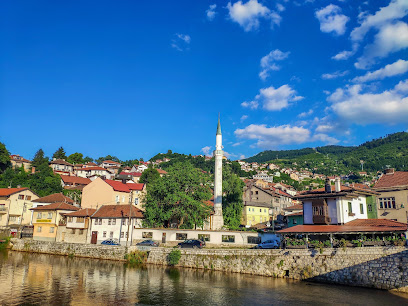
Vekil Harčova džamija
0.1 km
Discover the Vekil Harčova Mosque in Sarajevo, a stunning example of Ottoman architecture and a hub of spiritual tranquility.
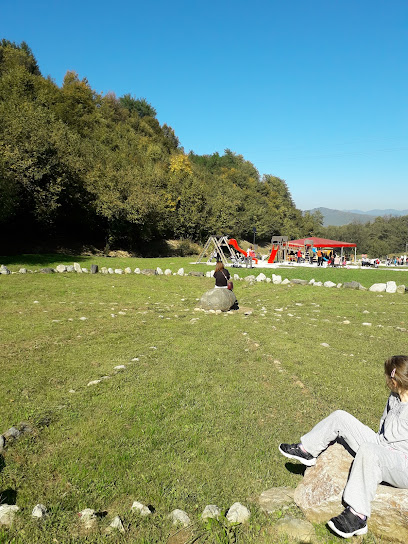
Archaeological Park: Bosnian Pyramid of the Sun Foundation
0.1 km
Explore the Bosnian Pyramid of the Sun, a captivating archaeological site that unveils the mysteries of ancient civilizations in stunning natural surroundings.
Teahouse Džirlo
0.2 km
Discover the tranquil elegance of Teahouse Džirlo in Sarajevo, where exquisite tea blends and local treats create a perfect retreat.
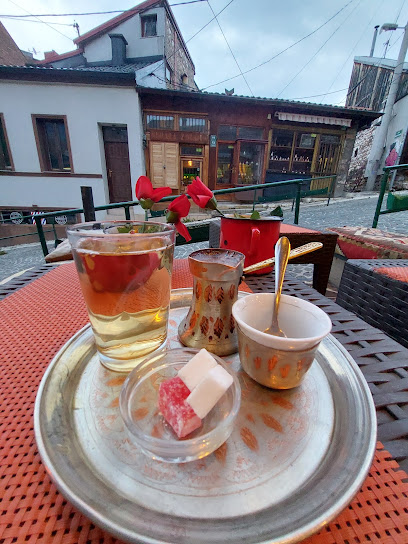
Sarajevska čaršija
0.2 km
Explore Sarajevska Čaršija: A historical bazaar in Sarajevo, where tradition meets modernity amidst vibrant culture and exquisite craftsmanship.
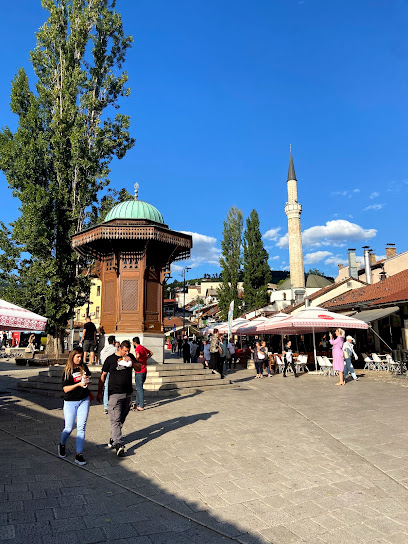
Morića han
0.3 km
Explore the historical depths of Sarajevo at Morića Han, a beautifully preserved Ottoman caravanserai that invites discovery and relaxation.
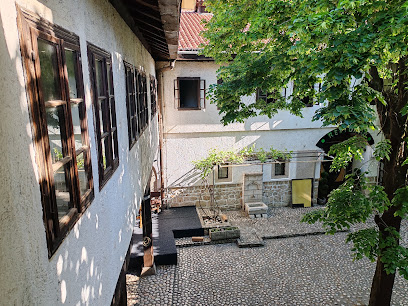
FABRIKA COFFEE SARAJEVO
0.3 km
Experience Sarajevo's vibrant coffee culture at Fabrika Coffee, a modern café in the heart of the historic Baščaršija district.
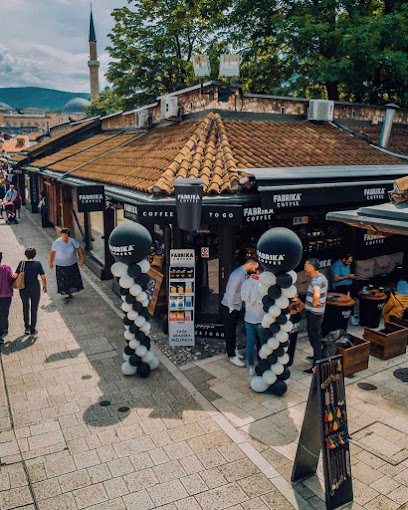
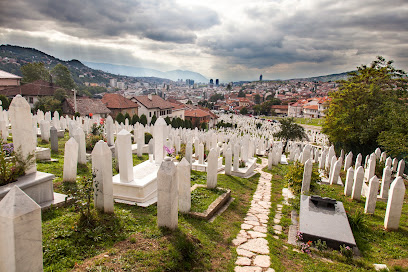
Alifakovac cemetery
0.3 km
Explore Alifakovac Cemetery in Sarajevo: a historic Islamic burial ground with stunning views and intricate tombstones reflecting Bosnian heritage.
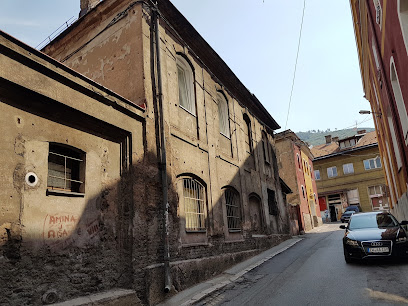
Sarajevo Brewery Museum
0.3 km
Explore Bosnia's brewing history at Sarajevo Brewery Museum: artifacts, tastings, and tales from the Ottoman era to today.
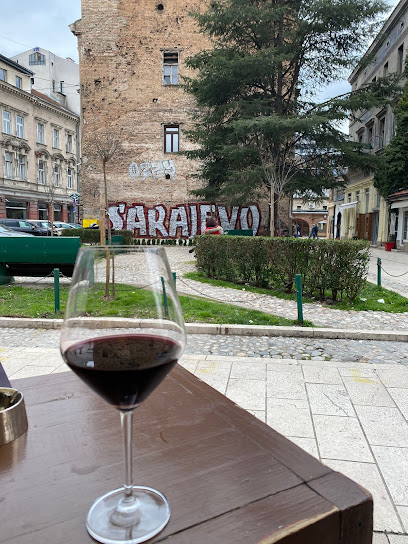
La Cava Sarajevo
0.4 km
Discover La Cava Sarajevo: A cozy wine bar in the heart of old town, offering a curated selection of local and international wines.
Unmissable attractions to see

Ars Aevi
0.0 km
Explore the vibrant world of contemporary art at Ars Aevi, Sarajevo's premier modern art museum showcasing innovative works and cultural heritage.
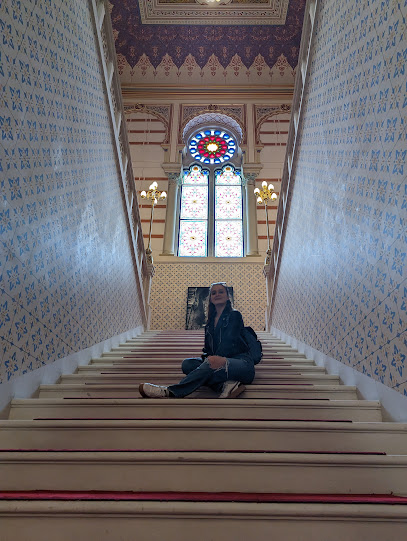
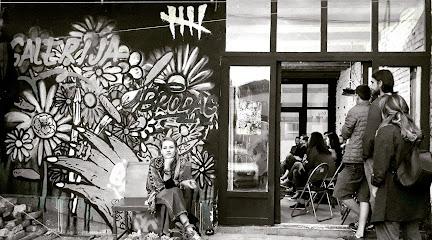
Contemporary art gallery Brodac
0.1 km
Explore contemporary creativity at Brodac Gallery in Sarajevo, a vibrant hub for artistic expression and cultural exchange.
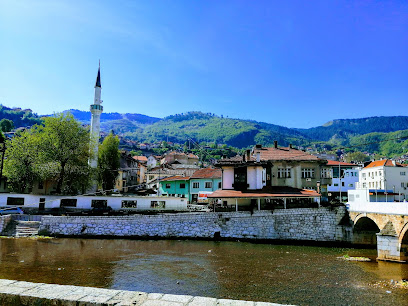
Sehercehaja Bridge
0.1 km
Discover the beauty and history of Sehercehaja Bridge in Sarajevo, a stunning symbol of the city's resilience and architectural elegance.
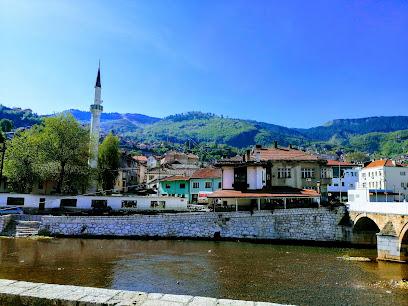
Šeher-ćehaja Bridge
0.1 km
Experience the beauty and history of the Šeher-Ćehaja Bridge, a stunning landmark in Sarajevo, rich with stories and breathtaking views.
TheYoloGeek Sarajevo Sign
0.1 km
Discover the vibrant spirit of Sarajevo at TheYoloGeek Sign, a must-visit attraction for creativity and unique photography opportunities.
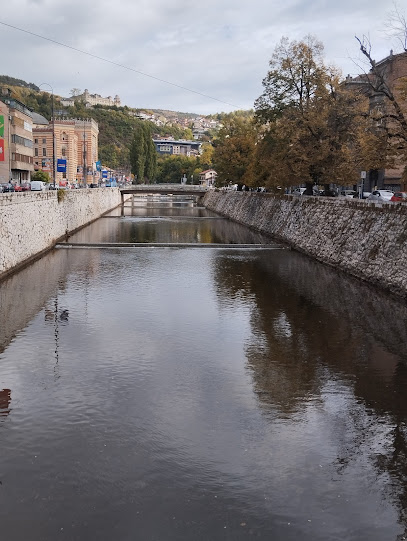
Sarajevo Inscription
0.1 km
Explore the Sarajevo Inscription, a captivating tourist attraction that showcases the rich history and cultural heritage of Sarajevo, a city like no other.
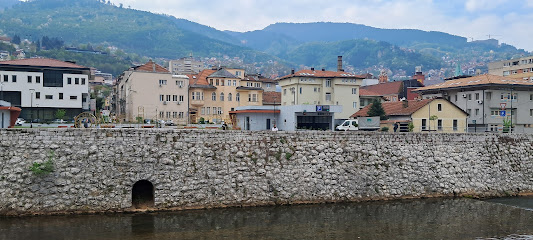
Sarajevski gejziri
0.2 km
Experience the enchanting geysers and serene beauty of Sarajevski Gejziri, a must-visit natural attraction in the heart of Sarajevo.
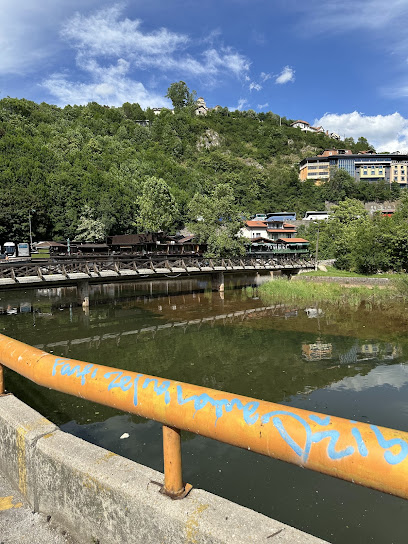
Baščaršija Mosque
0.2 km
Discover the exquisite Baščaršija Mosque in Sarajevo, a historical landmark and national monument showcasing stunning Islamic architecture.
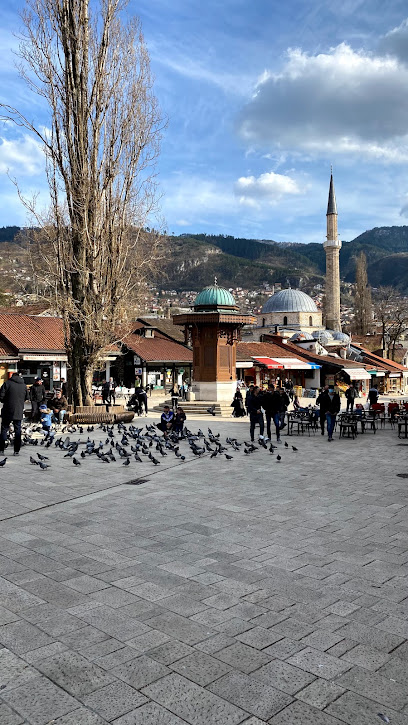
Sebilj
0.2 km
Experience the historic charm of Sebilj, a stunning fountain in Sarajevo's Baščaršija, a must-visit cultural landmark for every traveler.
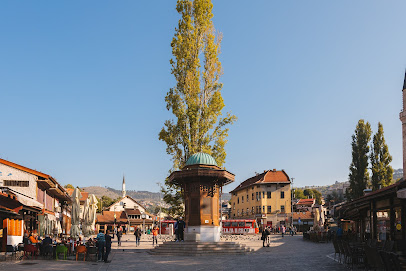
Baščaršija
0.2 km
Experience the vibrant market life and rich cultural heritage at Baščaršija, Sarajevo's historic bazaar filled with charm and flavor.
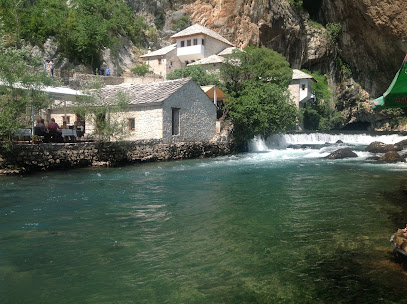
Svaki grad ima čaršiju, samo Sarajevo Baščaršiju
0.2 km
Discover the charm of Baščaršija, Sarajevo's historic bazaar filled with culture, cuisine, and captivating architecture.
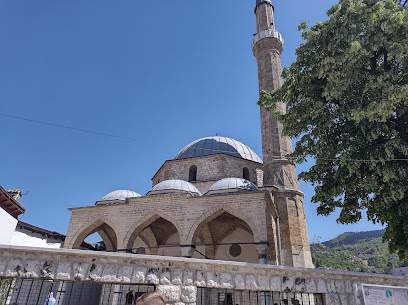
Sevdah Art House
0.2 km
Explore the enchanting world of Sevdah music and Bosnian culture at Sevdah Art House, a vibrant heritage museum and culinary haven in Sarajevo.
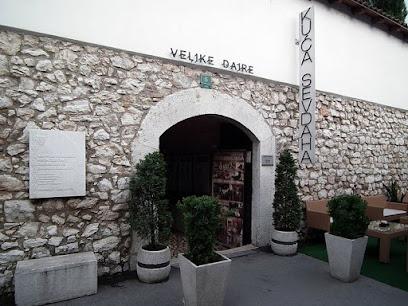
Oude klok
0.2 km
Explore Oude Klok, a historic tourist attraction in Sarajevo showcasing unique architecture and rich cultural heritage.
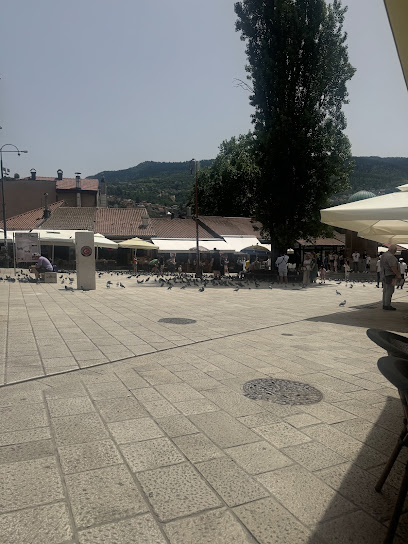
Firuz-beg's Hamam
0.2 km
Experience the tranquility and cultural richness of Firuz-beg's Hamam, a historical Turkish bath in Sarajevo's heart, steeped in Ottoman tradition.
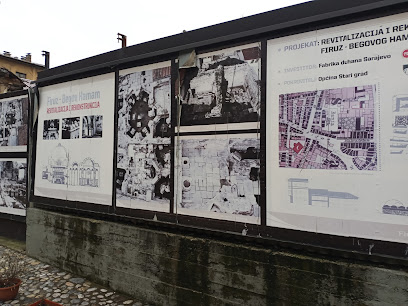
Brusa Bezistan
0.3 km
Explore the rich cultural heritage of Sarajevo at Brusa Bezistan Museum, where history, art, and craftsmanship come together in a stunning Ottoman setting.
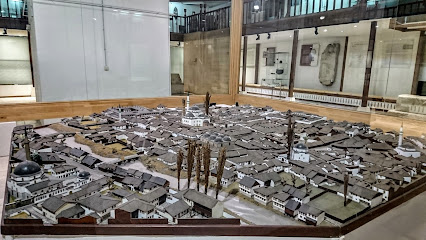
Essential places to dine

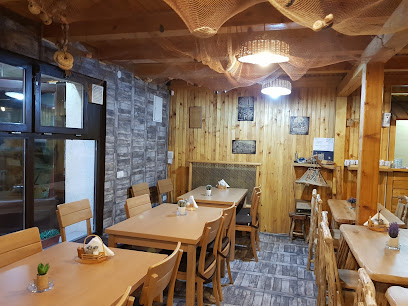
Konoba Fakat
0.1 km
Discover authentic Bosnian flavors at Konoba Fakat, where tradition meets taste in the heart of Sarajevo.
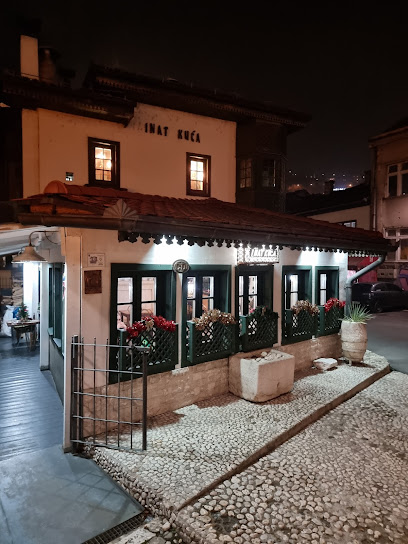
Inat kuća
0.1 km
Experience authentic Bosnian cuisine at Inat Kuća, a charming restaurant in Sarajevo offering traditional dishes and warm hospitality.
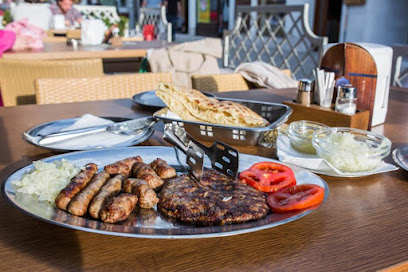
Ćevabdžinica Petica Ferhatović
0.1 km
Discover Sarajevo's best barbecue at Ćevabdžinica Petica Ferhatović – where tradition meets taste in every bite.
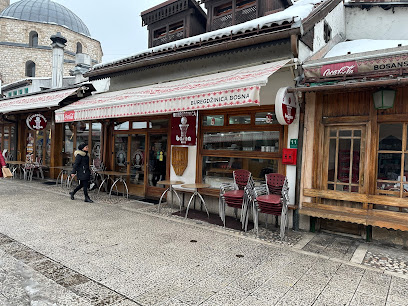
Buregdžinica Bosna
0.2 km
Experience authentic Bosnian cuisine at Buregdžinica Bosna, renowned for its delicious pies and warm atmosphere in the heart of Sarajevo.
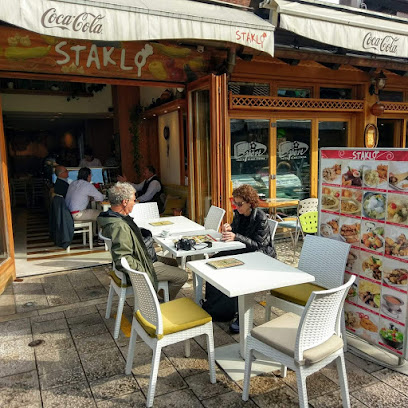
Staklo
0.2 km
Experience authentic Bosnian cuisine at Staklo in Sarajevo – where tradition meets flavor in every dish.
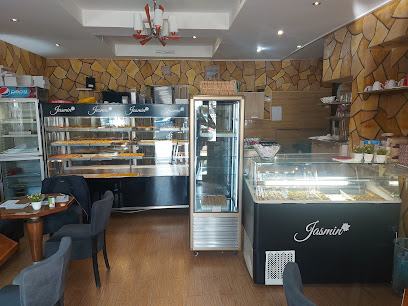
Jasmin
0.2 km
Experience the best of Bosnian cuisine at Restaurant Jasmin in Sarajevo - where tradition meets flavor in every dish.
Arabic Restaurant Abu Žadallah-Old Town
0.2 km
Discover authentic Arabic flavors at Abu Žadallah-Old Town in Sarajevo; a perfect dining experience amidst historic surroundings.
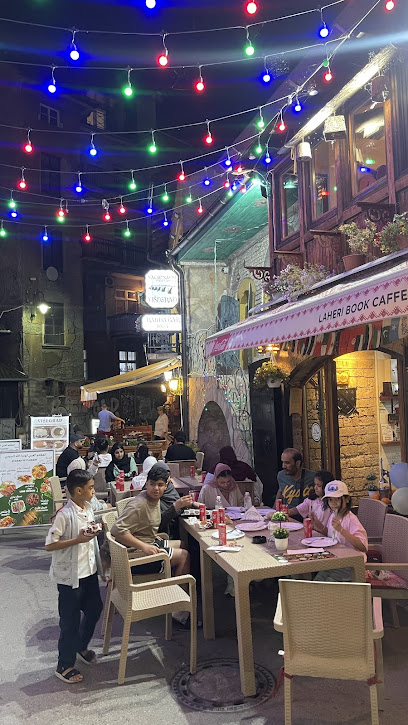
Dženita
0.2 km
Discover authentic Bosnian cuisine at Dženita in Sarajevo – a culinary haven blending tradition with warmth.
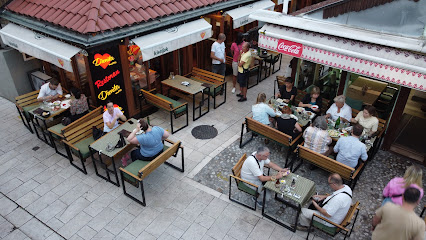
Dženita Ur
0.2 km
Experience authentic Bosnian cuisine with a modern flair at Dženita Ur in Sarajevo - where every dish tells a story.
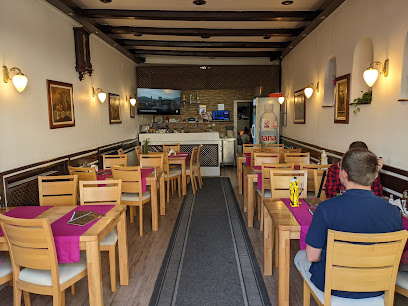
Dveri
0.2 km
Discover authentic Bosnian cuisine at Dveri, where tradition meets taste in the heart of Sarajevo.
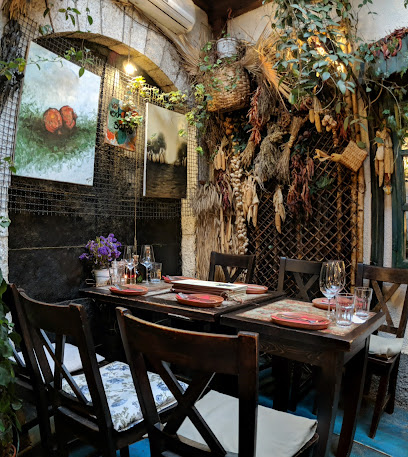
Bosnian Cuisine Hadzibajric
0.2 km
Discover authentic Bosnian flavors at Hadzibajric in Sarajevo, where tradition meets taste in every delicious dish.
Good Restaurant
0.3 km
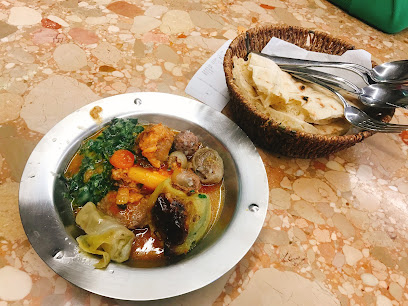
Discover authentic Bosnian flavors at Good Restaurant in Sarajevo - where tradition meets taste.
Under the Linden Tree
0.3 km
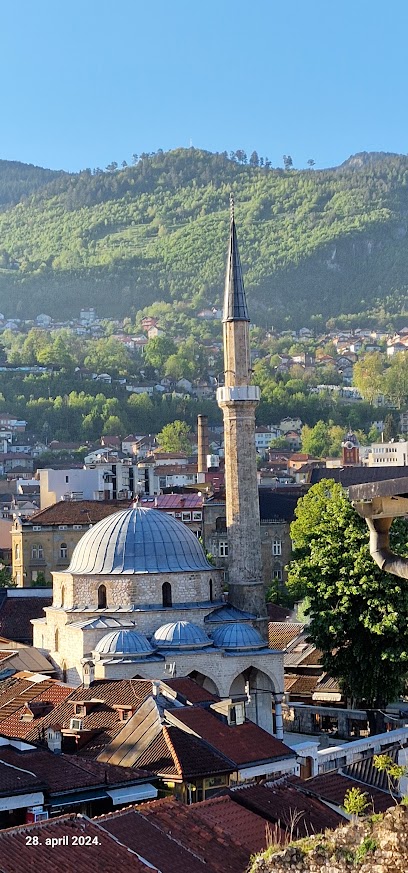
Experience authentic Bosnian flavors at Under the Linden Tree in Sarajevo—where tradition meets taste in a cozy atmosphere.
Nanina Kuhinja
0.3 km
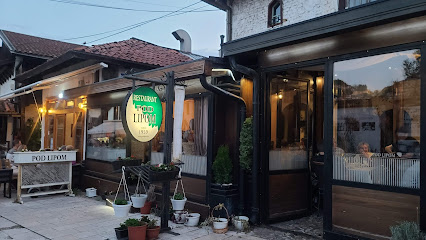
Experience authentic Bosnian cuisine at Nanina Kuhinja in Sarajevo – where tradition meets flavor in every dish.
TRIO CUISINES RESTAURANT SARAJEVO
0.3 km
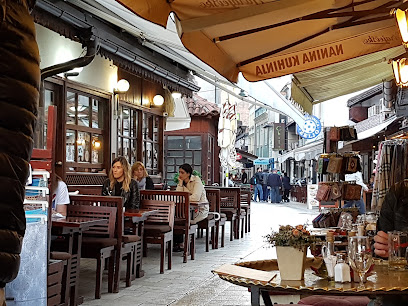
Discover a unique blend of traditional Bosnian cuisine and modern flavors at TRIO CUISINES RESTAURANT in Sarajevo.
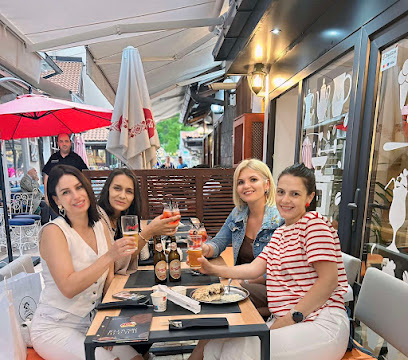
Markets, malls and hidden boutiques

Vestsocks Sarajevo - Baščaršija
0.1 km
Explore Vestsocks Sarajevo for unique handmade gifts and authentic Bosnian crafts in the heart of Baščaršija.
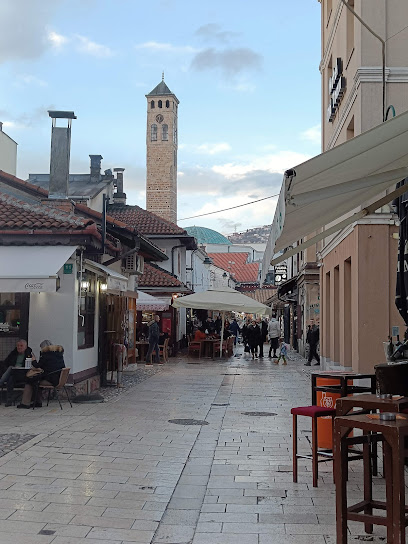
Naturalis - crystals and precious stone shop
0.1 km
Explore the captivating world of crystals and precious stones at Naturalis in Sarajevo, where each gem tells a story of Earth’s beauty.
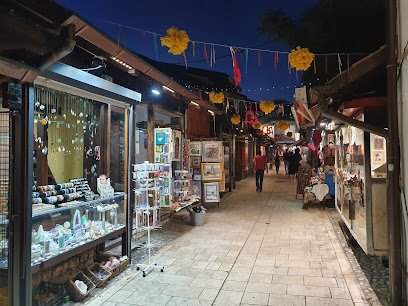
The Hamam Textiles
0.1 km
Discover authentic Bosnian souvenirs and exquisite handmade textiles at The Hamam Textiles in Sarajevo, where tradition meets craftsmanship.
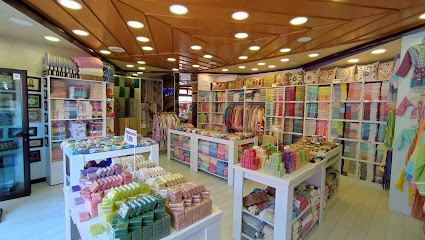
Jonze
0.2 km
Discover exquisite Bosnian craftsmanship at Jonze, where unique souvenirs and heartfelt gifts celebrate the rich culture of Sarajevo.
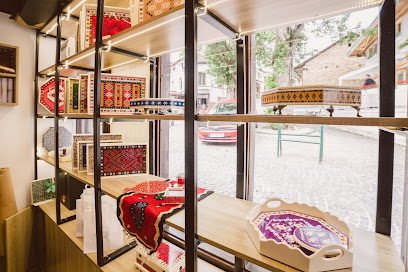
Vitrina Concept Store
0.2 km
Explore Sarajevo's vibrant culture through unique gifts and local crafts at Vitrina Concept Store, a must-visit destination in Baščaršija.
Kota gift shop
0.2 km
Explore the charm of Bosnia with unique handmade souvenirs at Kota Gift Shop in Sarajevo, a true treasure for every traveler.
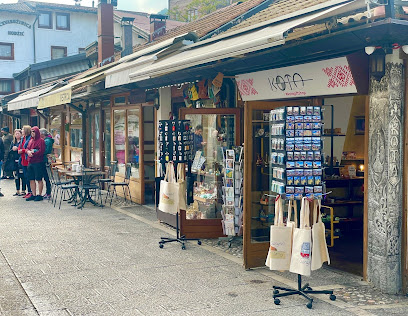
Ipek Boutique Sarajevo
0.2 km
Explore Ipek Boutique Sarajevo for unique handcrafted coppersmith creations and elegant jewelry, a true reflection of Bosnian artistry and culture.
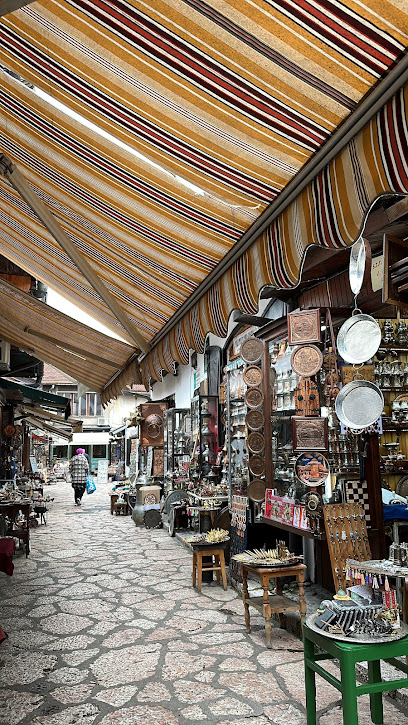
Stari Bazar Kazandzija
0.2 km
Explore the unique offerings of Stari Bazar Kazandzija, a treasure trove of handcrafted gifts in the heart of Sarajevo.
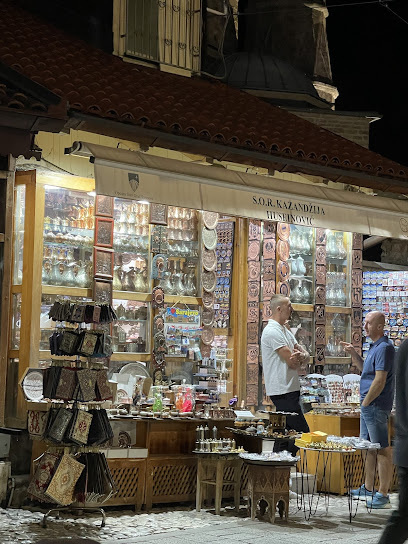
Saraj shop
0.2 km
Explore Saraj Shop in Baščaršija for unique Bosnian crafts and souvenirs that capture the essence of Sarajevo's rich cultural heritage.
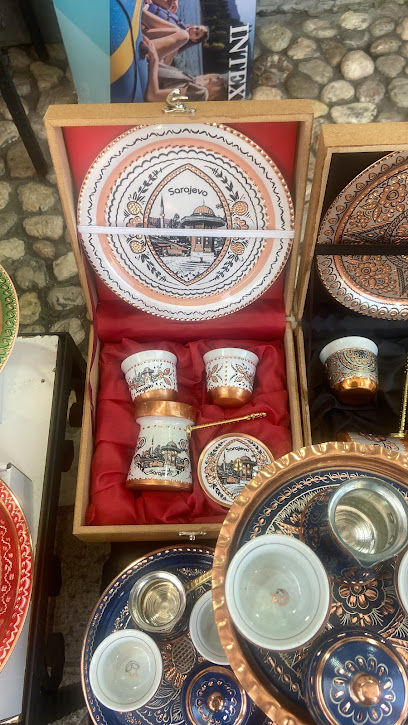
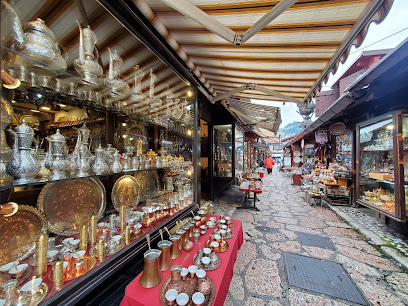
Bazar 6 BAŠČARŠIJA
0.2 km
Discover the bustling Bazar 6 in Baščaršija, Sarajevo's vibrant marketplace showcasing local crafts and traditional Bosnian cuisine.
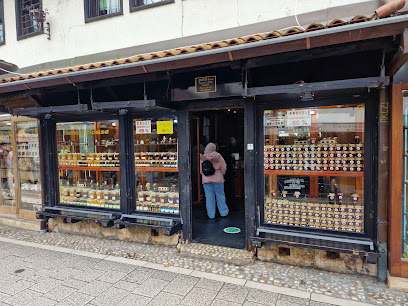
Honey House Sarajevo, J. J. Med
0.2 km
Experience the sweetness of Sarajevo with local honey and unique gifts at Honey House, a must-visit store for every traveler.
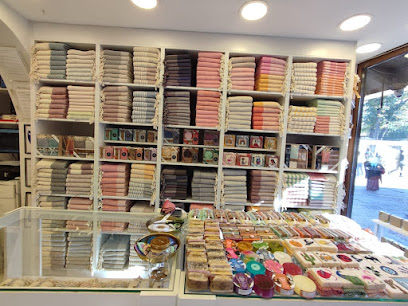
Sufi Textile
0.2 km
Explore the enchanting world of Sufi Textile in Sarajevo, where traditional craftsmanship meets contemporary artistry in every unique piece.
mima shop
0.2 km
Discover unique Bosnian gifts at Mima Shop in Sarajevo's historic Baščaršija, where local craftsmanship meets cultural heritage.
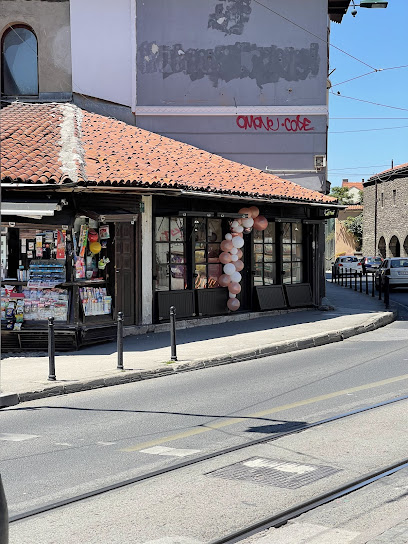
Cream Shop
0.2 km
Discover Sarajevo's sweetest escape at the Cream Shop, where delightful cakes, pastries, and ice creams await in a cozy setting.
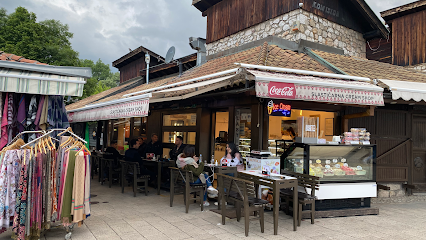
Oriyent shop
0.2 km
Discover the charm of Sarajevo at Oriyent Shop, your destination for authentic Bosnian crafts and souvenirs that tell a story.
Essential bars & hidden hideouts

Birtija
0.2 km
Discover Birtija, a cozy cafe in Sarajevo offering traditional flavors and warm hospitality in a charming atmosphere.
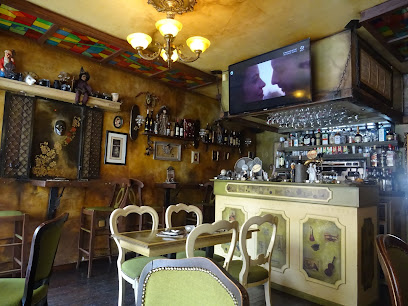
Caffe Pub Gondola
0.2 km
Discover Caffe Pub Gondola, a cozy retreat in Sarajevo offering a delightful mix of traditional and modern beverages in a vibrant atmosphere.
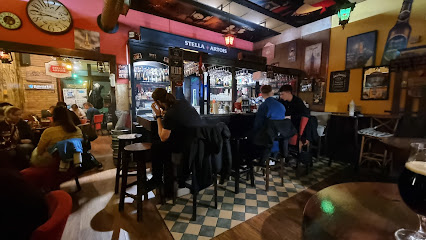
Dubliner Irish Pub
0.2 km
Discover the authentic Irish pub experience in Sarajevo with delicious food, vibrant atmosphere, and live music at Dubliner Irish Pub.
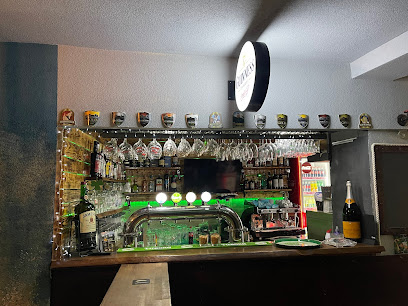
Caffe Selfie, Sarajevo
0.3 km
Discover the vibrant atmosphere of Caffe Selfie in Sarajevo, where delicious cocktails and a lively environment await you.
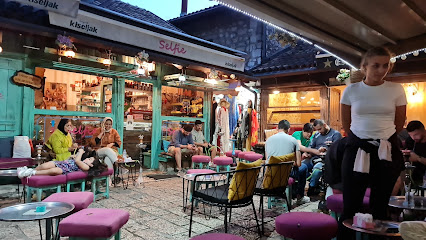
Wine NOT Sarajevo
0.3 km
Experience the warmth of Bosnian hospitality at Wine NOT Sarajevo, where local charm meets exquisite wines in a cozy ambiance.
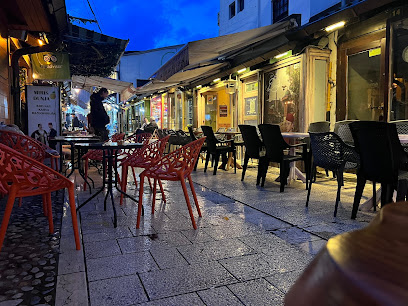
Sophie’s Garden
0.4 km
Discover Sophie’s Garden, a perfect blend of bar and café in Sarajevo, offering delicious drinks, tasty bites, and a tranquil atmosphere.
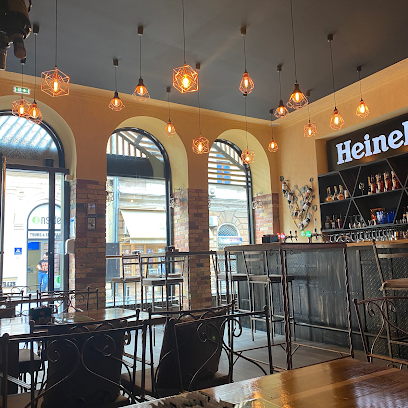
La Cava Pub
0.4 km
Discover the lively La Cava Pub in Sarajevo, a perfect blend of local culture and vibrant nightlife, ideal for socializing and relaxation.
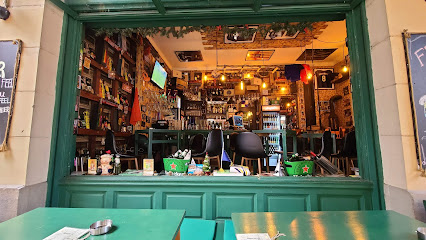
Shisha Bar - Slatki Miris
0.4 km
Discover the vibrant atmosphere of Shisha Bar - Slatki Miris, where tradition meets modernity in the heart of Sarajevo, perfect for relaxation and local culture.
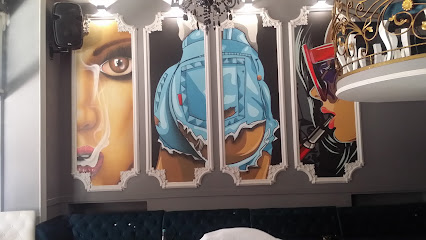
Dilema PUB
0.4 km
Experience the vibrant atmosphere of Dilema PUB in Sarajevo, where locals and tourists gather for great drinks and unforgettable memories.
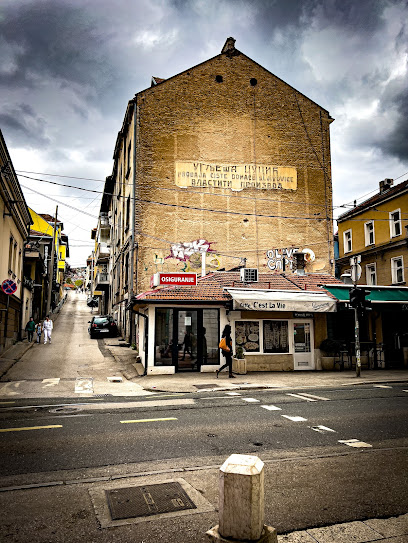
Lounge Bar
0.5 km
Experience Sarajevo's vibrant nightlife at the Lounge Bar, offering a delightful selection of drinks and a cozy atmosphere for all visitors.
City Pub
0.5 km
Experience the vibrant nightlife and authentic flavors of Sarajevo at City Pub, a top destination for locals and tourists alike.
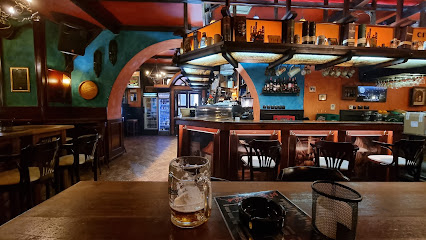
Vina i rakije kod Rake
0.6 km
Discover the vibrant wine culture of Sarajevo at Vina i rakije kod Rake, a cozy wine bar perfect for tasting local wines and rakija.
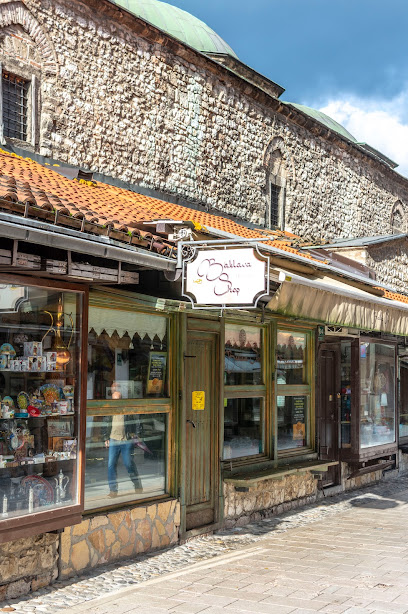
Tesla
0.6 km
Enjoy local drinks and vibrant atmosphere at Tesla Pub in Sarajevo, a perfect blend of Bosnian hospitality and lively entertainment.
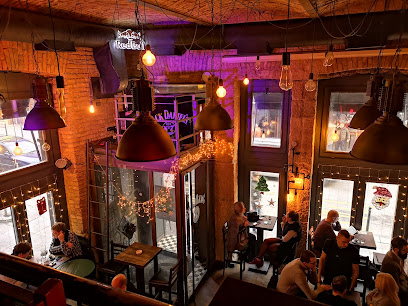
Deco Bar
0.6 km
Experience the charm of Sarajevo at Deco Bar, where exceptional coffee meets a cozy atmosphere, ideal for tourists seeking relaxation and flavor.
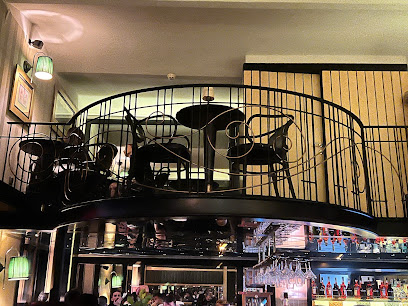
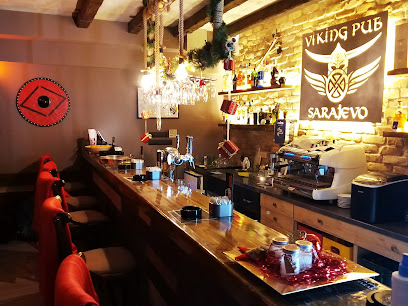
Viking Pub
0.6 km
Discover the lively ambiance and unique craft beers at Viking Pub, a must-visit destination in Sarajevo for an authentic local experience.