

Semberija, Bosnia and Herzegovina Travel Guide
Discover Semberija in Bosnia and Herzegovina: A region of fertile plains, historical charm, and vibrant culture that promises an unforgettable experience.
Semberija, nestled in the northeastern part of Bosnia and Herzegovina, is a region brimming with natural beauty and cultural richness. The fertile plains of Semberija are a sight to behold, stretching out as far as the eye can see, and are often referred to as the breadbasket of the country. Here, you will find vast fields of wheat, corn, and sunflowers, painting the landscape with vibrant colors. The city of Bijeljina serves as the cultural and economic hub of Semberija. Visitors can explore the charming streets of Bijeljina, where historical architecture meets modern amenities. Don't miss the chance to visit the Atik Mosque, one of the oldest mosques in Bosnia, and the Manastir Tavna, a serene Orthodox monastery nestled in lush greenery. Semberija is also known for its warm and welcoming people. The local cuisine is a delightful blend of traditional Bosnian flavors, with hearty dishes such as grilled meats, fresh vegetables, and homemade pastries. Make sure to try 'ćevapi,' a local favorite, at one of the many family-run restaurants. Additionally, the region hosts several cultural events and festivals throughout the year, offering visitors a glimpse into the local traditions and way of life.

Know before you go
Hi, I'm Eve. Here are a few practical things to know before exploring Semberija.
- Visit the local markets in Bijeljina to experience fresh, local produce and handmade crafts.
- Don't miss the annual 'Semberski Sabor' festival in August, showcasing traditional music, dance, and food.
- Explore the Drina River for a relaxing day of fishing or a boat ride.
- Make sure to bring comfortable walking shoes for exploring the historical sites and natural landscapes.
- Learn a few basic Bosnian phrases; locals appreciate the effort and it enhances your travel experience.
Explore Semberija: Things to Do, Places to Eat, Hotels & More
Handpicked recommendations for top attractions, local dining, accommodations, and more

Top Attractions & Sightseeing in Semberija
Top-rated picks
Best Attractions

Tavna Monastery
Discover the tranquility and spiritual heritage of Tavna Monastery in Banjica, a captivating destination perfect for reflection and exploration.

Radimlja STEĆAK TOMBSTONES (UNESCO)
Explore the UNESCO-listed Radimlja Stećak Tombstones, a historical marvel showcasing medieval funerary art in Bosnia and Herzegovina.

Tvrđava Vranduk
Experience the captivating history and breathtaking views of Vranduk Fortress, a must-visit destination for history enthusiasts and nature lovers alike.

Sutjeska National Park
Explore Sutjeska National Park's breathtaking landscapes, diverse wildlife, and rich history in the heart of Bosnia and Herzegovina.

Best landmarks in Semberija
Top-rated picks
Best Landmarks

Tunnel of Hope
Experience Sarajevo's lifeline of hope: Explore the historic Tunnel of Hope, a symbol of resilience during the Bosnian War.

Tvrđava Vranduk
Explore Tvrđava Vranduk, a medieval fortress offering a glimpse into Bosnia's past with stunning views of the Bosna River valley.

Semberija Museum
Discover the history and traditions of the Semberija region at Bijeljina's cultural heart.

SRPSKE NJIVE
Explore SRPSKE NJIVE, a captivating historical landmark in Džepi, Bosnia and Herzegovina, offering rich history and stunning landscapes.

Best restaurants in Semberija
Top-rated picks
Best Restaurants

Restoran Kovačević
Experience authentic Bosnian cuisine at Restoran Kovačević in Donja Jablanica - where tradition meets taste in every dish.

Klopa
Experience authentic Bosnian cuisine at Klopa – where every dish tells a story and every bite is a celebration of flavor.

Restaurant Filii
Experience culinary delights at Restaurant Filii in Međugorje - where local flavors meet international cuisine in a warm atmosphere.

Toplik
Experience the rich flavors of Bosnia at Toplik - where traditional meets contemporary cuisine.

Best bars in Semberija
Top-rated picks
Best Bars

Mac Tire Pub
Discover the authentic flavors of Ireland at Mac Tire Pub, a vibrant spot in Banja Luka known for its lively atmosphere and delicious menu.

Semberski Farm
Experience the rich flavors of Bosnia at Semberski Farm, a culinary gem in Dvorovi known for its authentic dishes and warm atmosphere.

Restoran Pet jezera
Experience the best of Bosnian cuisine at Restoran Pet jezera in Bijeljina, where delicious flavors meet warm hospitality.

Cafe Bar Sloboda
Discover the charm of Cafe Bar Sloboda in Tuzla, where delightful beverages and a warm atmosphere await every visitor.

Best nightclubs in Semberija
Top-rated picks
Best Nightclubs

Cinemas Sloga
Experience the vibrant nightlife of Sarajevo at Cinemas Sloga, where music, dancing, and great company come together for unforgettable nights.

CRISTAL CLUB STRIPTEASE NIGHT CLUB
Dive into Sarajevo's vibrant nightlife at Cristal Club Striptease Night Club, where captivating performances and great music create an unforgettable experience.

Club Janus
Discover an electrifying nightlife experience at Club Janus, Bugojno's premier disco club, with vibrant music and a lively atmosphere.

Silver & Smoke Club
Dive into Sarajevo's electrifying nightlife at Silver & Smoke Club, where underground electronic beats and vibrant atmosphere await.

Best shops in Semberija
Top-rated picks
Best Shops

Aria
Discover Sarajevo's vibrant shopping scene at Aria Mall, where fashion, food, and fun intersect in a modern oasis.

Alta Shopping Center
Experience the best of shopping, dining, and entertainment at Sarajevo’s premier destination, the Alta Shopping Center.

Mepas Mall
Explore Mepas Mall: Mostar's premier shopping destination featuring diverse stores, dining experiences, and entertainment for all ages.

Merkur Shopping Center Otoka
Experience shopping and local culture at Merkur Shopping Center Otoka, a vibrant destination in Sarajevo offering diverse stores and delightful dining.

Explore Semberija on the Map
A handpicked selection of must-see spots in Semberija, mapped for you.
Semberija Essentials
-
Semberija is located in the northeastern part of Bosnia and Herzegovina. The nearest international airport is Belgrade Nikola Tesla Airport in Serbia, approximately 120 kilometers away. From Belgrade, you can take a bus or rent a car to reach Semberija. The journey typically takes around 2 to 3 hours by road. Alternatively, you can arrive via Tuzla International Airport, which is about 70 kilometers away. From Tuzla, you can take a taxi or a bus to Semberija.
-
Within Semberija, local transportation options include taxis, buses, and rental cars. Taxis are readily available and relatively inexpensive. Buses operate within the region and connect to nearby towns and cities. Renting a car is a convenient option for exploring the area at your own pace, particularly if you plan to visit rural areas and historical sites.
-
The official currency of Bosnia and Herzegovina is the Convertible Mark (BAM). Credit cards are widely accepted in hotels, restaurants, and larger shops, but it is advisable to carry cash, especially in smaller establishments and rural areas. ATMs are available in urban areas of Semberija, but it is wise to withdraw sufficient cash in advance to ensure you have enough funds for your trip.
-
Semberija is generally a safe destination for tourists. However, standard precautions should be taken. Avoid walking alone at night in unfamiliar areas and keep an eye on your belongings in crowded places. While there are no specific high-crime areas targeting tourists, it is always best to stay vigilant and aware of your surroundings.
-
In case of emergency, dial 112 for immediate assistance. The local police station and medical facilities are available in Semberija. It is recommended to have travel insurance that covers medical emergencies. For minor health issues, there are pharmacies in the area where you can purchase over-the-counter medications.
-
Fashion: Do dress modestly, especially when visiting religious sites. Avoid wearing overly revealing clothing. Religion: Do respect local customs and traditions. Always cover your head when entering mosques and churches. Public Transport: Do be respectful and give up your seat to elderly passengers. Don’t eat or drink on public transport. Greetings: Do greet people with a handshake and a smile. A slight nod of the head is also a sign of respect. Eating & Drinking: Do try local delicacies and accept food offerings graciously. Don’t refuse hospitality, as it is considered impolite.
-
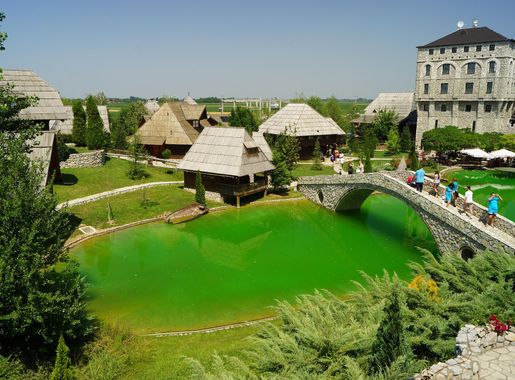
To experience Semberija like a local, visit the local markets where you can buy fresh produce and traditional Bosnian goods. Engage with locals, as they are often friendly and willing to share stories about the region's history and culture. Don’t miss visiting the Semberija Ethno Village, which offers a glimpse into traditional Bosnian life. For a unique experience, try local dishes such as 'ćevapi' and 'burek'.
When is the best time to visit Semberija?
Useful Local Phrases for Semberija
You don't need to speak the language perfectly. Even learning a few simple words can make conversations warmer—and locals usually appreciate the effort.
— Eve

Here are the phrases I use most often in Semberija. Try a few—you'll be surprised how far they go! 😊
❤️
-
- HelloZdravo
[zdra-vo] - GoodbyeDoviđenja
[do-vi-đen-ya] - YesDa
[da] - NoNe
[ne] - Please/You're welcomeMolim
[mo-lim] - Thank youHvala
[hva-la] - Excuse me/SorryIzvinite
[iz-vi-ni-te] - How are you?Kako si?
[ka-ko si] - Fine. And you?Dobro. A ti?
[do-bro. A ti] - Do you speak English?Da li govoriš engleski?
[da li go-vo-rish eng-les-ki] - I don't understandNe razumijem
[ne ra-zu-mi-em]
- HelloZdravo
-
- I'd like to see the menu, pleaseHtio bih vidjeti meni, molim
[hti-o bih vi-dje-ti me-ni, mo-lim] - I don't eat meatNe jedem meso
[ne ye-dem me-so] - Cheers!Živjeli!
[zhi-vel-i] - I would like to pay, pleaseHtio bih platiti, molim
[hti-o bih pla-ti-ti, mo-lim]
- I'd like to see the menu, pleaseHtio bih vidjeti meni, molim
-
- Help!Pomoć!
[po-moć] - Go away!Odlazi!
[od-la-zi] - Call the Police!Pozovite policiju!
[po-zo-vi-te po-li-ci-ju] - Call a doctor!Pozovite doktora!
[po-zo-vi-te dok-to-ra] - I'm lostIzgubio sam se
[iz-gu-bi-o sam se] - I'm illBolestan sam
[bo-le-stan sam]
- Help!Pomoć!
-
- I'd like to buy...Htio bih kupiti...
[hti-o bih ku-pi-ti] - I'm just lookingSamo gledam
[sa-mo gle-dam] - How much is it?Koliko košta?
[ko-li-ko ko-shta] - That's too expensiveTo je preskupo
[to ye pre-sku-po] - Can you lower the price?Možeš li spustiti cijenu?
[mo-zesh li spu-sti-ti tsy-e-nu]
- I'd like to buy...Htio bih kupiti...
-
- What time is it?Koliko je sati?
[ko-li-ko ye sa-ti] - It's one o'clockJedan je sat
[ye-dan ye sat] - Half past (10)Polovica (10)
[po-lo-vi-ca] - MorningJutro
[yu-tro] - AfternoonPopodne
[po-pod-ne] - EveningVečer
[ve-cher] - YesterdayJuče
[yu-che] - TodayDanas
[da-nas] - TomorrowSutra
[su-tra] - 1Jedan
[ye-dan] - 2Dva
[dva] - 3Tri
[tri] - 4Četiri
[che-ti-ri] - 5Pet
[pet] - 6Šest
[shest] - 7Sedam
[se-dam] - 8Osam
[o-sam] - 9Devet
[de-vet] - 10Deset
[de-set]
- What time is it?Koliko je sati?
-
- Where's a/the...?Gdje je...?
[gdje ye] - What's the address?Koja je adresa?
[ko-ya ye a-dre-sa] - Can you show me (on the map)?Možeš li mi pokazati (na mapi)?
[mo-zesh li mi po-ka-za-ti na ma-pi] - When's the next (bus)?Kada je sljedeći (autobus)?
[ka-da ye s-lje-de-ći au-to-bus] - A ticket (to ....)Jedna karta (do ...)
[yed-na kar-ta do]
- Where's a/the...?Gdje je...?
History of Semberija
-
Semberija, located in the northeastern part of Bosnia and Herzegovina, has a history that dates back to ancient times. Archaeological findings suggest that the region was inhabited during the Neolithic era. The area later came under the influence of the Roman Empire, which left behind remnants such as roads, fortifications, and artifacts. The Roman period significantly influenced the development of local culture and infrastructure.
-
During the medieval period, Semberija was part of the larger Bosnian Kingdom. The region was strategically important due to its fertile lands and proximity to major trade routes. One significant historical event is the Battle of Semberija, which took place in the 15th century between the forces of the Bosnian Kingdom and the Ottoman Empire. This battle was part of the larger conflict that eventually led to the Ottoman conquest of Bosnia.
-
The Ottoman Empire ruled Semberija from the late 15th century until the late 19th century. This period brought significant changes to the region's culture, architecture, and social structure. The influence of Ottoman rule is evident in the local cuisine, language, and religious practices. Many mosques and other Islamic architectural structures were built during this time, some of which still stand today.
-
Following the Congress of Berlin in 1878, Semberija, along with the rest of Bosnia and Herzegovina, came under Austro-Hungarian administration. This era marked the beginning of modernization in the region. The Austro-Hungarian authorities introduced new administrative systems, built infrastructure such as railways and roads, and encouraged agricultural development. This period also saw a blend of Western and Eastern cultural influences.
-
Semberija, like much of the Balkans, was significantly affected by the events of the 20th century. During World War I, the region was a battleground between Austro-Hungarian and Serbian forces. In World War II, Semberija experienced occupation and resistance movements. After the war, it became part of the Socialist Federal Republic of Yugoslavia. The Yugoslav period brought industrialization and a focus on collective farming, which transformed the local economy and society.
-
The Bosnian War (1992-1995) had a profound impact on Semberija. The region experienced significant conflict, leading to displacement and destruction. Post-war reconstruction efforts have focused on rebuilding infrastructure, fostering economic development, and promoting reconciliation among different ethnic groups. Today, Semberija is a region that reflects both its turbulent past and its efforts towards recovery and development.
-
Semberija is rich in cultural heritage, with a diverse tapestry of traditions and customs. The region is known for its vibrant festivals, such as the 'Semberski Sabor,' which celebrates local folklore, music, and dance. Traditional crafts, culinary specialties, and folk art are integral parts of Semberija's cultural identity. Visitors can experience these cultural elements through various local events and community gatherings.
Neighbouring Regions of Semberija
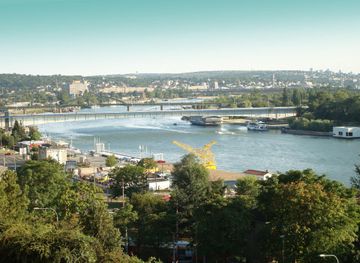
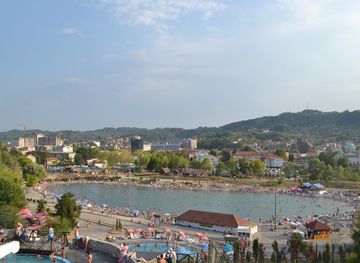
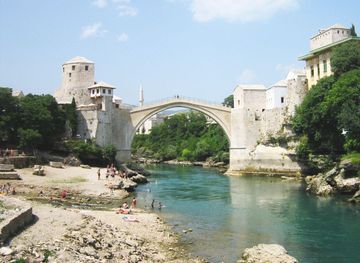
The closest regions to Semberija, if you have time for more than one.


Your all‑in‑one travel companion app
Explore expert travel guides, compare and book tours, experiences, hotels, and more—all from the palm of your hand. Download now for seamless trip planning wherever your wanderlust takes you.


Explore More of Bosnia and Herzegovina

Looking beyond Semberija? Discover Bosnia and Herzegovina for broader travel guides, local hot-spots, and regional highlights.
Explore Bosnia and HerzegovinaSemberija in Photos
Browse through our photo collection highlighting the charm and character of the destination.



Semberija: The Heartbeat of Bosnia and Herzegovina
Semberija, nestled in the northeastern part of Bosnia and Herzegovina, is a region brimming with natural beauty and cultural richness. The fertile plains of Semberija are a sight to behold, stretching out as far as the eye can see, and are often referred to as the breadbasket of the country. Here, you will find vast fields of wheat, corn, and sunflowers, painting the landscape with vibrant colors. The city of Bijeljina serves as the cultural and economic hub of Semberija. Visitors can explore the charming streets of Bijeljina, where historical architecture meets modern amenities. Don't miss the chance to visit the Atik Mosque, one of the oldest mosques in Bosnia, and the Manastir Tavna, a serene Orthodox monastery nestled in lush greenery. Semberija is also known for its warm and welcoming people. The local cuisine is a delightful blend of traditional Bosnian flavors, with hearty dishes such as grilled meats, fresh vegetables, and homemade pastries. Make sure to try 'ćevapi,' a local favorite, at one of the many family-run restaurants. Additionally, the region hosts several cultural events and festivals throughout the year, offering visitors a glimpse into the local traditions and way of life.