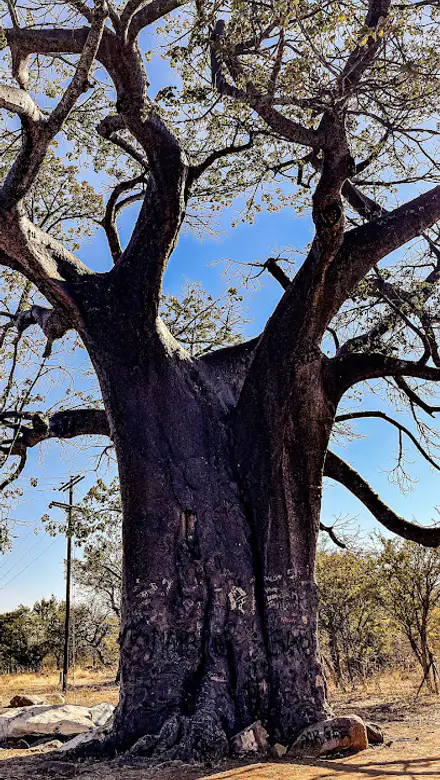
FatherTime Baobab Tree, Selebi-Phikwe Travel Guide
Free Guide: Discover the majestic FatherTime Baobab Tree in Selebi Phikwe, a symbol of Botswana's enduring natural heritage and cultural significance.


A brief summary of FatherTime Baobab Tree
Discover the majestic FatherTime Baobab Tree in Selebi Phikwe, a symbol of Botswana's enduring natural heritage and cultural significance.
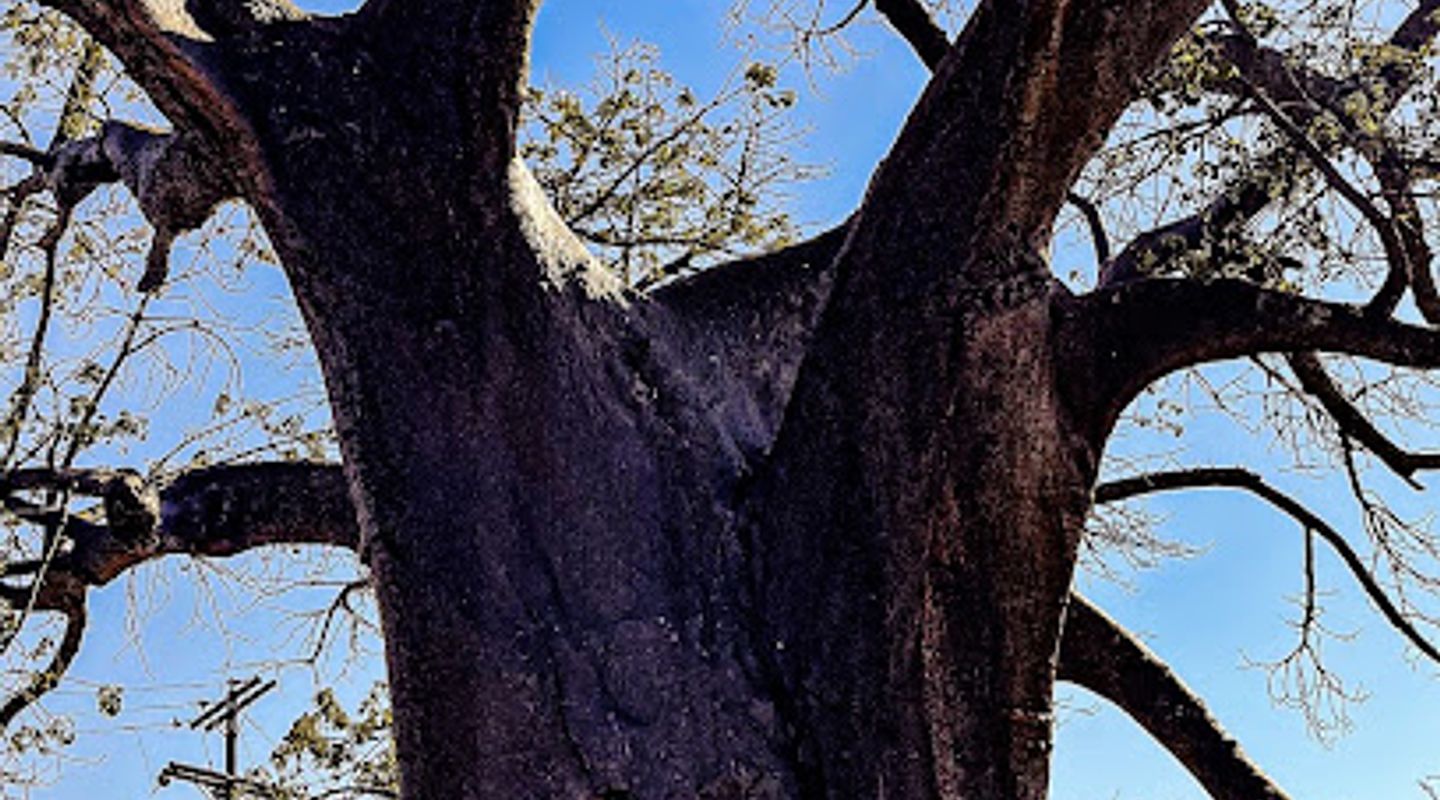
The FatherTime Baobab Tree, located in Selebi Phikwe, Botswana, is a majestic natural landmark and one of the oldest living organisms in the region. This iconic tree symbolizes Botswana's rich heritage and biodiversity, offering visitors a chance to connect with nature and local culture.
- Address
- XVH8+92, Selebi Phikwe
Getting there
Walking
Bicycle
Discover more about FatherTime Baobab Tree
Overview
The FatherTime Baobab Tree stands as a testament to nature's grandeur and resilience in the heart of Selebi Phikwe. Known for its massive trunk and expansive canopy, the baobab provides shade and a gathering point for locals and tourists alike. Baobabs, also known as mowana in Botswana, can live for thousands of years, storing water in their trunks to withstand droughts.Often regarded as a symbol of Botswana’s natural heritage, the FatherTime Baobab offers visitors a chance to marvel at its architectural beauty. As you explore the area, you may encounter traditional stories and folklore shared by local guides, enhancing your understanding of the deep-rooted connection between the people and this majestic tree.Baobabs hold deep cultural and spiritual significance for many African communities. They are often sites of worship, gathering places for storytelling, and sources of traditional medicine. The tree’s fruit, known as monkey bread, is highly nutritious and has been used for centuries as food and medicine.
Evendo Review Centre
 Google
Guest reviews
Explore FatherTime Baobab Tree on the map
A handpicked selection of must-see spots near FatherTime Baobab Tree, mapped for you.
Get your free copy of our complete guide to FatherTime Baobab Tree, delivered straight to you.
Everything on this page, from opening hours and how to get there to Eve’s tips and the best time to go, in one PDF you can read offline, print or share.
Already have an account? Sign in
Your FatherTime Baobab Tree guide is ready.
We'll send it to · Not you? Sign out

Getting your guide ready…
We are putting together a fresh copy of the FatherTime Baobab Tree guide. This can take up to a minute.
This can take a few moments. If your browser asks, choose Allow so the download can start. You'll find the guide in your Downloads folder.
Nothing happened? Download it again
Sorry, the guide is taking longer than usual. Please try again in a minute, or get it by email instead.
Other nearby places you may find interesting
The closest places of the same kind, if this one is not quite what you had in mind.
-
-

-


Swipe for more places
More to explore near FatherTime Baobab Tree

 Best experiences near FatherTime Baobab Tree
 Best hotels near FatherTime Baobab Tree
 Best landmarks near FatherTime Baobab Tree
 Best attractions near FatherTime Baobab Tree
 Best shops near FatherTime Baobab Tree
 Best restaurants near FatherTime Baobab Tree
 Best bars near FatherTime Baobab Tree
Do you manage this location?
Take control to get all the benefits, like improved information, better appearance, and stronger visibility across AI-powered discovery.
Explore more

Explore more of Selebi-Phikwe
Explore Selebi-Phikwe's unique blend of mining heritage, natural beauty, and culinary delights in Botswana's hidden gem.
Explore Selebi-Phikwe
Explore more of Botswana
Explore Botswana: A land of stunning contrasts, rich wildlife, and cultural heritage. Discover the Okavango Delta, Kalahari Desert, and immerse in sustainable tourism.
Explore Botswana