

Gorom-Gorom Travel Guide - Free Web & App
Your ultimate guide to Gorom-Gorom. Discover top landmarks, proposed trips, and local tips. Free on the web or via the Evendo companion app.


Gorom-Gorom, Burkina Faso: explore Sahelian landscapes, lively market culture and nearby Oursi, while planning carefully around local security conditions.
A Sahelian Town and Regional Gateway
\n\nGorom-Gorom lies in northern Burkina Faso, within Oudalan Province in the wider Sahel Region, close to the country's borders with Mali and Niger. It is a modest, dispersed town rather than a conventional holiday resort, and its identity is shaped by the dry Sahel landscape, seasonal water, livestock movements and long-established trading connections. Low buildings, sandy streets and wide horizons reflect an environment where shade, water and transport are central to daily life.\n\nMarkets, Communities and Landscape
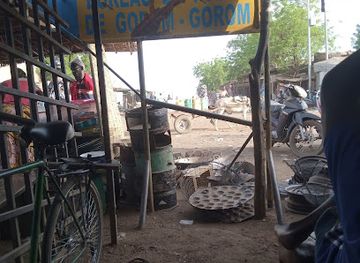
\n\nThe town is known principally for its market culture, which brings together local residents, pastoral communities and traders from the surrounding region. Fulani, Tuareg and other Sahelian cultural influences contribute to the area's languages, clothing, craft traditions and commercial life, although visitors should approach cultural encounters with discretion and respect. Outside the settlement, the landscape extends into open scrub, dunes and seasonally greener depressions. The nearby Oursi area, including the seasonal lake, and settlements such as Tin-Akoff and Markoye belong to the wider regional travel geography rather than to Gorom-Gorom itself.\n\nTravel in a Sensitive Region
\n\nGorom-Gorom has limited tourism infrastructure, and its appeal lies in observing regional life and understanding the Sahelian setting rather than in a developed programme of attractions. Travel in northern Burkina Faso is also subject to severe security constraints, including armed-group activity, and foreign-government advice commonly warns against travel to the region. Conditions, road access and local permissions can change rapidly. Any visit requires current official advice, trusted local guidance and careful coordination; independent sightseeing should not be assumed to be appropriate.When is the best time to visit Gorom-Gorom?
Best: November–January · 34–38°C| Month | High (°C) | Rainfall (mm) |
|---|---|---|
| January (best) | 34 | 0 |
| February | 38 | 0 |
| March | 41 | 0 |
| April | 45 | 0 |
| May | 44 | 0 |
| June | 41 | 22 |
| July | 40 | 118 |
| August | 40 | 151 |
| September | 40 | 115 |
| October | 40 | 45 |
| November (best) | 38 | 0 |
| December (best) | 34 | 0 |
Getting to and around Gorom-Gorom
How to get there
Transportation
Best attractions in Gorom-Gorom
Gorom-Gorom's principal attraction is its market, a regional meeting place where foodstuffs, clothing, livestock-related goods and household merchandise reflect the commercial life of the Sahel. The town itself is more valuable for observing everyday exchange and the interaction of settled and pastoral communities than for formal monuments or visitor facilities. In the wider Oudalan area, the seasonal waters and open landscapes around Oursi provide a contrasting setting of sand, scrub, temporary wetland and cultivated ground, while Tin-Akoff and Markoye illustrate the dispersed settlement pattern of northern Burkina Faso. These places lie outside Gorom-Gorom proper and should not be approached as ordinary sightseeing excursions: road conditions, permissions and security circumstances are decisive. There is no developed circuit of museums, marked trails or recreational infrastructure, and the region's environmental and cultural interest must be approached through carefully arranged, locally informed travel.
-
National reserve
Sahel Reserve
Discover the untamed beauty of Burkina Faso's Sahel Reserve, a haven for wildlife and nature enthusiasts seeking an authentic African experience.
-
Tourist attraction
Rond-point de la vache
Experience the vibrant culture and community life at Rond-point de la Vache, the heart of Dori, Burkina Faso.
-
Mosque
Mosquée de Gorom-Gorom
Explore the Mosquée de Gorom-Gorom, a stunning representation of Islamic architecture and a cultural landmark in Burkina Faso, perfect for your travel itinerary.
-
Garden
مزرعة الأرز في إيساكان
Experience the serene beauty of Mzra'at El Arz in Essakane, a tranquil garden oasis perfect for relaxation and nature exploration.


Explore Gorom-Gorom on the map
Plan your trip on one map. See where the top attractions, landmarks, restaurants and hotels are, and book hotels and experiences in a few clicks.
Best hotels in Gorom-Gorom
Best restaurants in Gorom-Gorom
Dining in Gorom-Gorom is likely to be modest, local and concentrated around everyday food stalls, small cafés and household-scale preparation rather than a formal restaurant scene. Regional cooking commonly draws on millet, sorghum, rice, beans, vegetables and meat, with availability shaped by season, supply routes and household means. Tea is an important part of social life across the Sahel, while grilled or stewed foods may appear where local trade and fuel supplies allow. Visitors should not expect a choice of international restaurants or reliable catering in the surrounding countryside. Anyone travelling with authorisation should clarify food arrangements in advance, carry suitable provisions for remote movements and use established local contacts to identify open, appropriate places to eat without placing pressure on residents or scarce supplies.
-
 Fast Food
Linda
Discover Linda in Gorom-Gorom: where fast food meets local flavors in an inviting atmosphere perfect for every traveler.
Best bars in Gorom-Gorom
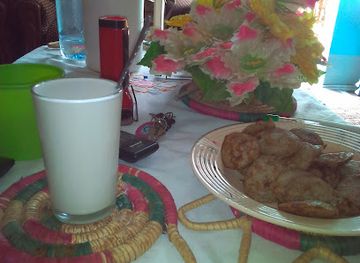
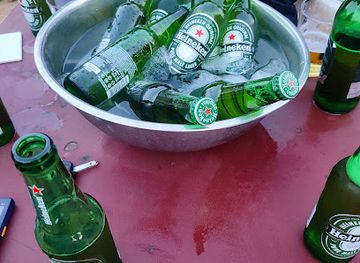
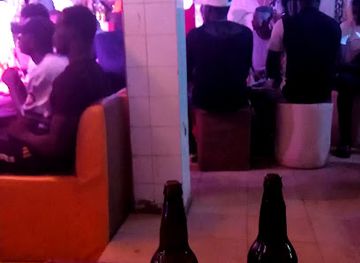
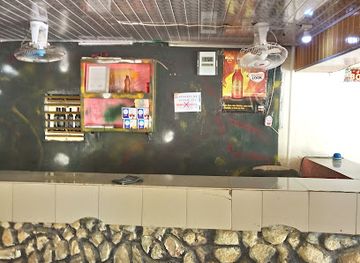
Gorom-Gorom does not have a developed nightlife economy, and visitors should not expect nightclubs, entertainment districts or a late-opening bar scene. Evening social life is more closely associated with family gatherings, conversation, tea and the quiet routines of a Sahelian town. Alcohol may be limited or culturally inappropriate in particular settings, so visitors should follow local guidance and avoid public behaviour that conflicts with Islamic customs. The town's security context also makes unnecessary movement after dark particularly unwise, while services and communications may be restricted. Nearby settlements should not be assumed to offer more nightlife, and any evening activity should be arranged discreetly through trusted local hosts rather than treated as spontaneous tourism.
-
Pub
Séno ambiance
Experience the vibrant nightlife at Séno Ambiance, a lively pub in Dori offering a diverse drink selection and local charm.
-
Bar
Zenith du Sahel
Discover the vibrant nightlife and local culture at Zenith du Sahel, the ultimate bar experience in Dori.
-
Bar
SENO AMBIANCE WENDOU
Experience the vibrant local nightlife at Seno Ambiance Wendou, a lively bar offering affordable drinks and a welcoming atmosphere.
-
Bar
bar dancing LE RELAIS
Discover the heartbeat of Dori's nightlife at Le Relais, where vibrant music and dancing create unforgettable memories.
Best shops in Gorom-Gorom
Shopping in Gorom-Gorom is primarily a matter of local market exchange rather than specialist retail. Market stalls may offer grain, vegetables, household goods, clothing, leather items and products connected with livestock and pastoral life, although stock varies with season, security, transport and local supply. The market's character is more important than souvenir shopping, and visitors should bargain courteously without turning ordinary household goods or people's clothing into objects of intrusive curiosity. There is no reliable basis for expecting a permanent craft quarter, boutique scene or extensive range of tourist shops. Travellers who have permission to visit should obtain practical supplies before entering the wider region and ask local hosts where purchases can be made appropriately, while respecting photography restrictions and avoiding conspicuous displays of cash.
-
Market
Marché de Gorom-Gorom
Discover the vibrant Marché de Gorom-Gorom, a bustling market in Burkina Faso showcasing local culture, crafts, and delicious cuisine.
-
Market
Marché à Bétail
Discover the vibrant culture of Gorom-Gorom at Marché à Bétail, a local market filled with fresh produce and unique handcrafted goods.
-
Supermarket
Alimentation erick
Discover the vibrant atmosphere of Alimentation Erick, a local supermarket in Gorom-Gorom, offering fresh produce and unique local products.
-
Women's clothing store
Fashion Dika
Explore unique women's fashion at Fashion Dika in Gorom-Gorom, where local craftsmanship meets contemporary style.
Get your free copy of our complete guide to Gorom-Gorom, delivered straight to you.
Everything on this page, from attractions and restaurants to essentials and local phrases, in one PDF you can read offline, print or share.
Already have an account? Sign in
Your Gorom-Gorom guide is ready.
We'll send it to · Not you? Sign out

Getting your guide ready…
We are putting together a fresh copy of the Gorom-Gorom guide. This can take up to a minute.
This can take a few moments. If your browser asks, choose Allow so the download can start. You'll find the guide in your Downloads folder.
Nothing happened? Download it again
Sorry, the guide is taking longer than usual. Please try again in a minute, or get it by email instead.
Gorom-Gorom essentials
Currency and Payment
Safety
Emergency Situations
Do's and Don'ts
Local Tips
From Eve
Local phrases worth knowing
You don't need to get them perfect. A few words go a long way, and locals appreciate the effort.
Basics
| English | Local | Say it |
|---|---|---|
| Hello | Selam | [seh-lahm] |
| Goodbye | Salam | [sah-lahm] |
| Yes | Ee | [ee] |
| No | Ay | [ai] |
| Please/You're welcome | Barika | [bah-ree-kah] |
| Thank you | Barika | [bah-ree-kah] |
| Excuse me/Sorry | Samake | [sah-mah-kay] |
| How are you? | Nong be nong? | [nong bay nong] |
| Fine. And you? | Nong ne nong? Nong be nong? | [nong nay nong? nong bay nong] |
| Do you speak English? | Anglisy kuma nong? | [ahn-glee-see koo-mah nong] |
| I don't understand | A nong te ma | [ah nong teh mah] |
Eating & Drinking
| English | Local | Say it |
|---|---|---|
| I'd like to see the menu, please | N sa de nani, awo | [en sah deh nah-nee, ah-woh] |
| I don't eat meat | A ka sa naman nyama | [ah kah sah nah-mahn nyah-mah] |
| Cheers! | Waïda | [wah-ee-dah] |
| I would like to pay, please | N sa de wo, awo | [en sah deh woh, ah-woh] |
Emergencies
| English | Local | Say it |
|---|---|---|
| Help! | N sa ma! | [en sah mah] |
| Go away! | N wo fasa! | [en woh fah-sah] |
| Call the Police! | N sa ma polis! | [en sah mah poh-lees] |
| Call a doctor! | N sa ma doktora! | [en sah mah dohk-toh-rah] |
| I'm lost | A te fasa | [ah teh fah-sah] |
| I'm ill | A te se | [ah teh say] |
Shopping
| English | Local | Say it |
|---|---|---|
| I'd like to buy... | N sa nwo... | [en sah en-woh] |
| I'm just looking | N sa nwo nani | [en sah en-woh nah-nee] |
| How much is it? | N sa de nani? | [en sah deh nah-nee] |
| That's too expensive | N sa te kura | [en sah teh koo-rah] |
| Can you lower the price? | I kuma n sa de kura? | [ee koo-mah en sah deh koo-rah] |
Time & Numbers
| English | Local | Say it |
|---|---|---|
| What time is it? | N sa be? | [en sah bay] |
| It's one o'clock | N sa de do | [en sah deh doh] |
| Half past (10) | N sa de wuro | [en sah deh woo-roh] |
| Morning | Saana | [sah-nah] |
| Afternoon | Sanji | [sahn-jee] |
| Evening | Saya | [sah-yah] |
| Yesterday | Fari | [fah-ree] |
| Today | Bi na | [bee nah] |
| Tomorrow | Saya | [sah-yah] |
| 1 | Do | [doh] |
| 2 | Bi | [bee] |
| 3 | Tini | [tee-nee] |
| 4 | Naye | [nah-yay] |
| 5 | Wuro | [woo-roh] |
| 6 | Wuro bi | [woo-roh bee] |
| 7 | Wuro tini | [woo-roh tee-nee] |
| 8 | Wuro naye | [woo-roh nah-yay] |
| 9 | Wuro tara | [woo-roh tah-rah] |
| 10 | Wuro tan | [woo-roh tahn] |
Transport & Directions
| English | Local | Say it |
|---|---|---|
| Where's a/the...? | N sa go...? | [en sah goh] |
| What's the address? | N sa de bi? | [en sah deh bee] |
| Can you show me (on the map)? | I kuma n sa de (a sofo)? | [ee koo-mah en sah deh (ah soh-foh)] |
| When's the next (bus)? | N sa de busu (a kuma)? | [en sah deh boo-soo (ah koo-mah)] |
| A ticket (to ....) | N sa de tiketi (a ...) | [en sah deh tee-keh-tee (ah)] |
History of Gorom-Gorom
A Sahelian Landscape Shaped by Water
The area around Gorom-Gorom belongs to the Sahel, a semi-arid belt where rainfall is highly seasonal and access to wells, ponds and temporary wetlands has long influenced settlement and movement. The landscape is not a fixed desert: grasses and annual plants appear after rain, while livestock routes and cultivation patterns respond to changing water availability. Nearby seasonal water bodies, including the Oursi area, have supported pastoral and agricultural communities, but prolonged drought and environmental pressure have repeatedly affected livelihoods across northern Burkina Faso.
Pastoral and Trading Communities
Gorom-Gorom developed within a regional world of pastoralism, caravan movement and local exchange linking communities across what are now Burkina Faso, Mali and Niger. Fulani and Tuareg communities have been particularly important to the cultural and economic character of the wider Oudalan area, alongside other settled and mobile populations. Livestock, grain, leather goods, clothing and household products have historically circulated through markets, making towns such as Gorom-Gorom places where different Sahelian communities meet for trade and social exchange.
Colonial and Post-Independence Administration
During the period of French colonial rule, the northern territories were incorporated into administrative systems that reorganised older networks of authority, taxation and movement. After Burkina Faso gained independence in 1960, Gorom-Gorom continued to function as an important administrative and commercial centre for Oudalan Province. Government services, schooling, roads and market activity connected the town more closely with Dori and other national centres, although distance and the region's harsh climate continued to limit infrastructure.
Drought, Displacement and Conservation Pressures
From the late twentieth century onwards, recurrent drought, erratic rainfall, population pressure and changing land use placed additional strain on northern livelihoods. Seasonal lakes and pastoral lands became increasingly important yet vulnerable resources, while insecurity later disrupted movement, trade and public services across the Sahel Region. The wider area is also associated with important natural and cultural landscapes, but conservation and tourism have been constrained by humanitarian and security conditions. Gorom-Gorom's recent history is therefore inseparable from environmental uncertainty, regional mobility and the effects of armed conflict.
Gorom-Gorom in Photos
Browse through our photo collection highlighting the charm and character of the destination.
Neighbouring destination travel guides
The closest destinations to Gorom-Gorom, if you have time for more than one.
-

-

-

-

-


Swipe for more destinations
Explore more

Explore more of Sahel
Explore Burkina Faso’s Sahel through its pastoral cultures, seasonal landscapes and mud-brick heritage, subject to essential security advice.
Explore Sahel
Explore more of Burkina Faso
Discover Burkina Faso: An authentic African destination with rich culture, stunning landscapes, and warm hospitality, offering a memorable and enriching travel experience.
Explore Burkina Faso