

Free Sunyani Travel Guide & Mobile App
Plan your Sunyani trip with Evendo. Get free guides to top attractions, restaurants, hotels, and bars. Web access or download the mobile app.


Sunyani, Ghana’s green Bono capital, pairs cocoa-country landscapes with local markets, cathedral architecture, regional history and forest excursions.
A Regional Capital Among Forests
Sunyani is the capital of Ghana’s Bono Region, a well-spaced city in the country’s forested middle belt where cocoa farms, plantain groves and red-earth roads shape the surrounding landscape. Its name is associated with the Bono word for a hunting ground, reflecting the area’s earlier relationship with woodland and wildlife. Today, Sunyani serves as an administrative, commercial and educational centre, with a more measured rhythm than Ghana’s coastal and southern metropolises. Broad streets, leafy compounds and busy roadside trading give the city a practical, lived-in character rather than a heavily touristed one.Read more about Sunyani
Bono Culture and Everyday City Life
A Base for Regional Discovery
When is the best time to visit Sunyani?
Best: December–February · 32–33°C| Month | High (°C) | Rainfall (mm) |
|---|---|---|
| January (best) | 32 | 6 |
| February (best) | 33 | 18 |
| March | 34 | 55 |
| April | 34 | 114 |
| May | 33 | 192 |
| June | 33 | 179 |
| July | 32 | 92 |
| August | 32 | 81 |
| September | 33 | 119 |
| October | 33 | 117 |
| November | 34 | 40 |
| December (best) | 33 | 6 |
Getting to and around Sunyani
How to get there
Transportation
Best attractions in Sunyani
Sunyani’s attractions are closely tied to everyday Bono life rather than a dense collection of monumental sites. The central market offers a vivid introduction to the city’s trade in vegetables, fruit, grains, cloth and household goods, while Jubilee Park provides an open civic space used for public gatherings and local activity. The Centre for National Culture presents Ghanaian arts and heritage in an accessible setting, and the city’s churches, mosques and chiefly institutions reflect its religious and cultural diversity. The Bono Regional House of Chiefs is significant for understanding the continuing role of traditional authority, although access and ceremonies should be confirmed locally. For a wider historical perspective, the archaeological and cultural landscape of Bono Manso lies north of Sunyani rather than within the city. Longer excursions towards Bui introduce forest, river and wildlife environments, but they require advance planning and should not be confused with urban attractions.
-
Tourist attraction
Jubilee Park
Explore the lush landscapes and vibrant flora of Jubilee Park, a serene national park in Sunyani perfect for relaxation and recreation.
5 min drive · 1.7 km from city centre
-
Park
Jamdede park
Explore the lush greenery and peaceful ambiance of Jamdede Park, a hidden gem in Berekum perfect for nature lovers and relaxation.
52 min drive · 32 km from city centre
-
Park
Recreational Park
Explore the tranquility of Recreational Park in Sunyani, a perfect escape for nature lovers and families seeking outdoor fun.
6 min walk · 0.5 km from city centre
-
 Garden
Richardson Gardens
Discover the tranquil beauty of Richardson Gardens in Sunyani, Ghana - a perfect escape for nature lovers and those seeking peace amidst vibrant flora.
7 min drive · 2.5 km from city centre


Best landmarks in Sunyani
Sunyani’s principal landmarks express its role as a Bono regional capital and a centre of faith, administration and public life. The Bono Regional House of Chiefs represents the continuing importance of traditional leadership and the authority of the region’s traditional councils. Christ the King Cathedral is one of the city’s prominent Christian landmarks, while the central mosque reflects the presence of Muslim communities within Sunyani’s diverse population. Jubilee Park functions as a civic gathering place and a recognisable point in the urban landscape, hosting public events rather than serving as a formal historic monument. The Centre for National Culture adds a cultural dimension through exhibitions and activities associated with Ghanaian arts. Beyond the city, Bono Manso is the more historically significant heritage landscape, linking modern Sunyani to the earlier Bono state and its trading networks.
-
Hotel
Eusbett Hotel
Discover the comfort and local charm of Eusbett Hotel in Sunyani, where modern amenities meet the vibrant culture of Ghana.
10 min walk · 0.8 km from city centre
-
Hotel
Tyco City Hotel
Discover the perfect blend of comfort and local charm at Tyco City Hotel in Sunyani, Ghana, where luxury meets authentic cultural experiences.
13 min drive · 4.4 km from city centre
-
Restaurant
KFC Sunyani
Discover KFC Sunyani, where comfort food meets Ghanaian hospitality in a vibrant dining atmosphere, perfect for tourists exploring the local scene.
12 min walk · 1.0 km from city centre
-
Shopping mall
Melcom
Discover Melcom Shopping Mall in Sunyani: your ultimate destination for shopping, dining, and local experiences in Brong-Ahafo.
12 min walk · 0.9 km from city centre


Explore Sunyani on the map
Plan your Sunyani trip on one map. See where the top attractions, landmarks, restaurants, bars and hotels are, find what's near where you're staying, and book hotels and experiences in a few clicks.
Best hotels in Sunyani
Best restaurants in Sunyani
Sunyani’s dining scene reflects the foodways of Ghana’s forest belt and the city’s role as a regional crossroads. Local restaurants and informal chop bars serve dishes such as fufu with light soup or palm-nut soup, banku with grilled fish or pepper sauce, red-red made with beans and fried plantain, ampesi with stew, and jollof rice. Plantain, cassava, maize and locally grown vegetables are prominent ingredients, while grilled chicken, kebabs and fried fish are common evening foods. The central market is useful for observing the ingredients that shape Bono cooking, though prepared food is found mainly in roadside stalls, cafés, hotels and neighbourhood eateries. Dining can range from simple communal meals to contemporary restaurants catering to business travellers and residents. Menus and opening patterns vary, so asking accommodation staff about current local favourites is often more reliable than relying on online listings.
-
Restaurant
KFC Sunyani
Experience the best of fast food at KFC Sunyani - where delicious fried chicken meets friendly service in the heart of Ghana.
12 min walk · 1.0 km from city centre
-
Restaurant
Sweet Touch Restaurant And Bar
Savor authentic Ghanaian flavors at Sweet Touch Restaurant And Bar in Sunyani - where every meal tells a story.
9 min walk · 0.8 km from city centre
-
Restaurant
Mandela Restaurant
Experience authentic Ghanaian cuisine at Mandela Restaurant in Sunyani – where every dish tells a story of flavor and tradition.
6 min drive · 1.9 km from city centre
-
Chop bar
Obaa Yaa Chop Bar
Discover authentic Ghanaian cuisine at Obaa Yaa Chop Bar in Sunyani—where local flavors meet warm hospitality.
13 min walk · 1.0 km from city centre


Best bars in Sunyani
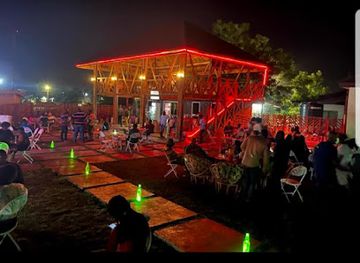
Sunyani has a modest but active evening scene centred on hotel bars, neighbourhood drinking spots, restaurants and informal venues rather than a concentrated club district. After dark, residents gather for conversation, football broadcasts, music and drinks including beer, bitters, soft drinks and spirits, while weekend venues may offer dancing or Ghanaian popular music. Areas around the commercial centre and larger hotels tend to provide the greatest choice, although individual businesses and their schedules can change. Live highlife, hiplife and contemporary Afrobeats may feature in social venues, particularly during celebrations and holiday periods. Nightlife is generally more relaxed than in Accra or Kumasi, and visitors should arrange a known taxi or driver for the return journey, avoid displaying valuables and check the atmosphere locally before choosing a venue.
-
Bar
Drop Inn bar and restaurant
Discover the vibrant atmosphere of Drop Inn Bar and Restaurant, where local flavors and friendly service meet in the heart of Sunyani.
11 min walk · 0.9 km from city centre
-
Bar
Dreamers Joint
Discover Dreamers Joint, Sunyani's lively bar offering a vibrant atmosphere, diverse drinks, and unforgettable nightlife experiences for all visitors.
9 min drive · 2.9 km from city centre
-
Grill
the cabin lounge
Experience the vibrant nightlife and delicious grilled delicacies at The Cabin Lounge in Sunyani, a must-visit destination for food and fun.
6 min drive · 2.1 km from city centre
-
Bar
Ole Bar And Restaraunt
Discover the lively atmosphere and local culture at Ole Bar and Restaurant in Sunyani, where refreshing drinks and good company await.
7 min drive · 2.4 km from city centre


Best nightclubs in Sunyani
Sunyani has a modest but active evening scene centred on hotel bars, neighbourhood drinking spots, restaurants and informal venues rather than a concentrated club district. After dark, residents gather for conversation, football broadcasts, music and drinks including beer, bitters, soft drinks and spirits, while weekend venues may offer dancing or Ghanaian popular music. Areas around the commercial centre and larger hotels tend to provide the greatest choice, although individual businesses and their schedules can change. Live highlife, hiplife and contemporary Afrobeats may feature in social venues, particularly during celebrations and holiday periods. Nightlife is generally more relaxed than in Accra or Kumasi, and visitors should arrange a known taxi or driver for the return journey, avoid displaying valuables and check the atmosphere locally before choosing a venue.
-
Bar
Dreamers Joint
Experience the vibrant nightlife of Sunyani at Dreamers Joint, where great drinks and a lively atmosphere await you.
9 min drive · 2.9 km from city centre
-
Pub
Jokers Pub
Discover the vibrant nightlife at Jokers Pub in Fiapre, where local culture meets a lively atmosphere for an unforgettable evening.
10 min drive · 3.2 km from city centre
-
Bar
Groovy’s
Experience the vibrant nightlife of Sunyani at Groovy's, where refreshing drinks, live music, and a lively atmosphere await every visitor.
13 min walk · 1.1 km from city centre
-
Bar
XO 95 Bar & Lounge
Discover the lively ambiance and exquisite drinks at XO 95 Bar & Lounge, a prime nightlife destination in Sunyani, Ghana.
10 min drive · 3.3 km from city centre


Best shops in Sunyani
Shopping in Sunyani is concentrated in the central market, roadside stalls, neighbourhood shops and small independent businesses rather than large luxury retail districts. The market is the best place to see the city’s commercial connection with surrounding farms, with plantain, cassava, yams, maize, vegetables, smoked fish and prepared ingredients sold alongside clothing and household goods. Visitors may find Ghanaian fabrics, sandals, carved items, baskets and locally produced foodstuffs, although quality and provenance vary and bargaining is customary in many informal settings. Supermarkets and modern shops serve everyday needs, while mobile-phone and tailoring businesses show the practical side of local commerce. Cocoa and agricultural products are strongly associated with the wider Bono economy, but packaged goods should be checked for clear labelling. Modest purchases from established artisans and traders are generally more meaningful than mass-produced souvenirs presented as local crafts.
-
Store
Pribet Shopping Mart
Pribet Shopping Mart in Sunyani offers a vibrant shopping experience showcasing local crafts, fresh produce, and everyday essentials in a lively atmosphere.
10 min walk · 0.8 km from city centre
-
Craft store
CREATIVE GIFTS AND MAKEOVER
Explore Creative Gifts and Makeover in Sunyani for unique handmade crafts and a taste of local culture.
8 min walk · 0.6 km from city centre
-
Electronics store
NAFASS B CO. LTD
Discover the latest electronics at NAFASS B CO. LTD in Sunyani – your ultimate shopping destination for cutting-edge technology and exceptional service.
6 min walk · 0.5 km from city centre
-
Cosmetics store
CITY COSMETICS, SUNYANI
Explore the vibrant world of beauty at City Cosmetics in Sunyani, where expert advice and quality products await every beauty enthusiast.
9 min walk · 0.8 km from city centre


Get your free copy of our complete guide to Sunyani, delivered straight to you.
Everything on this page, from attractions and restaurants to essentials and local phrases, in one PDF you can read offline, print or share.
Already have an account? Sign in
Your Sunyani guide is ready.
We'll send it to · Not you? Sign out

Getting your guide ready…
We are putting together a fresh copy of the Sunyani guide. This can take up to a minute.
This can take a few moments. If your browser asks, choose Allow so the download can start. You'll find the guide in your Downloads folder.
Nothing happened? Download it again
Sorry, the guide is taking longer than usual. Please try again in a minute, or get it by email instead.
Sunyani essentials
Currency and Payment
Safety
Emergency Situations
Do's and Don'ts
Local Tips
From Eve
Local phrases worth knowing
You don't need to get them perfect. A few words go a long way, and locals appreciate the effort.
Basics
| English | Local | Say it |
|---|---|---|
| Hello | Akwaaba | [ah-kwah-bah] |
| Goodbye | Da yiie | [dah yee-eh] |
| Yes | Aane | [ah-neh] |
| No | Dabi | [dah-bee] |
| Please/You're welcome | Mesrɛ | [mess-ray] |
| Thank you | Medaase | [meh-dah-say] |
| Excuse me/Sorry | Kɔkɔɔmi | [koh-koh-mee] |
| How are you? | Wo ho te sɛn? | [woh hoh teh sayn?] |
| Fine. And you? | Adɛn na wo de? | [ah-den nah woh deh?] |
| Do you speak English? | Wo ka kyerɛ English? | [woh kah chee-reh English?] |
| I don't understand | M'ani agyei | [mah-nee ah-gyay] |
Eating & Drinking
| English | Local | Say it |
|---|---|---|
| I'd like to see the menu, please | Mɛsere menu no, mesrɛ | [meh-seh-reh meh-noo noh, mess-ray] |
| I don't eat meat | M'ani bi ntɛm | [mah-nee bee in-tem] |
| Cheers! | Nkanseɛ! | [in-kahn-seh] |
| I would like to pay, please | Mɛka kyerɛ, mesrɛ | [meh-kah chee-reh, mess-ray] |
Emergencies
| English | Local | Say it |
|---|---|---|
| Help! | Boa me! | [boh-ah meh] |
| Go away! | Kɔ da! | [koh dah] |
| Call the Police! | Kyerɛ ɔman no! | [chee-reh oh-mahn noh] |
| Call a doctor! | Kyerɛ Obibini no! | [chee-reh oh-bee-bee-nee noh] |
| I'm lost | M'ani agyei | [mah-nee ah-gyay] |
| I'm ill | M'ani nni | [mah-nee nee] |
Shopping
| English | Local | Say it |
|---|---|---|
| I'd like to buy... | Mɛka kyerɛ... | [meh-kah chee-reh...] |
| I'm just looking | M'ani ntɔn | [mah-nee in-tone] |
| How much is it? | Wo yɛ sɛn? | [woh yeh sayn?] |
| That's too expensive | Nni hɔ nea yɛ pɛ | [nee hoh neh-ah yeh pay] |
| Can you lower the price? | Wo pɛ nni sɛ wɔbɛkɔ | [woh pay nee say woh-beh-koh] |
Time & Numbers
| English | Local | Say it |
|---|---|---|
| What time is it? | Ɛyɛ sɛn? | [eh-yeh sayn?] |
| It's one o'clock | Ɛyɛ tadeɛ | [eh-yeh tah-deh] |
| Half past (10) | Dɛn tadeɛ (10) | [dehn tah-deh (10)] |
| Morning | Anɔpa | [ah-noh-pah] |
| Afternoon | Efie | [eh-fee-eh] |
| Evening | Anwummere | [ahn-woo-meh-reh] |
| Yesterday | Nnwuma | [nnoo-mah] |
| Today | Ɛda | [eh-dah] |
| Tomorrow | Ɛbɔ | [eh-boh] |
| 1 | Baako | [bah-koh] |
| 2 | Mmienu | [mee-eh-noo] |
| 3 | Mmiɛnsa | [mee-ehn-sah] |
| 4 | Ɛnan | [eh-nahn] |
| 5 | Enum | [eh-noom] |
| 6 | Nsia | [in-syah] |
| 7 | Nson | [in-sohn] |
| 8 | Nanan | [nah-nahn] |
| 9 | Nuwɔtwe | [noo-woh-chweh] |
| 10 | Kɔtɔnim | [koh-toh-neem] |
Transport & Directions
| English | Local | Say it |
|---|---|---|
| Where's a/the...? | Ɛyɛ sɛn? | [eh-yeh sayn?] |
| What's the address? | Afei no bɔ wo ho? | [ah-fay noh boh woh hoh?] |
| Can you show me (on the map)? | Wo pɛ sɛ wobɛkɔ (sɛ map)? | [woh pay say woh-beh-koh (say map)?] |
| When's the next (bus)? | Nkɔm de bɛn? | [in-kohm deh behn?] |
| A ticket (to ....) | Eso (kɔ ....) | [eh-soh (koh ....)] |
History of Sunyani
The Bono Foundations of the Region
Sunyani stands within the historical Bono cultural area, whose best-known early state was Bonoman. Emerging by the second millennium, Bonoman became an important centre of gold trading, craft production and political influence in the forest-savannah transition zone of present-day Ghana. Bono society developed sophisticated systems of authority, agriculture and commerce long before the modern city existed. The old settlement of Bono Manso, north of Sunyani, remains particularly important to the region’s historical identity. Archaeological and oral traditions associated with the site help place modern Sunyani within a much older network of trade, chiefly power and cultural exchange.
A Hunting Ground Becomes a Settlement
The name Sunyani is commonly linked to a Bono expression associated with hunting, indicating the wooded environment in which the settlement developed. It grew from a small community into a local centre as farming, trading and movement through the interior increased. Cocoa cultivation later became an important influence on the surrounding economy, as did the production of plantain, maize, cassava and other crops. The city’s early growth reflected the wider development of inland Ghana: settlements expanded around roads, markets, administrative posts and institutions rather than around a single monumental foundation.
Colonial Administration and Transport
During the colonial period, the area was incorporated into the administrative systems of the Gold Coast. Roads and government structures strengthened Sunyani’s role as a service centre for the surrounding farming districts, while links with Kumasi, the coast and northern territories expanded the movement of produce and people. Colonial administration also altered existing patterns of authority by placing chiefly institutions alongside formal courts and government offices. The town remained connected to Bono social structures, but its expanding bureaucracy, mission activity and commercial life laid the foundations for its later importance as an inland regional capital.
Independence and Regional Importance
After Ghana gained independence in 1957, Sunyani developed as a provincial and later regional administrative centre. Public education, healthcare, commerce and civil-service employment encouraged further urban growth, while roads increased the city’s connections with Kumasi, Techiman and communities across the forest belt. Sunyani became the capital of the Brong-Ahafo Region, a large administrative area whose identity combined Bono traditions with the histories of several other communities. Churches, mosques, schools, markets and public offices contributed to a more diverse urban society as residents arrived from different parts of Ghana.
The Creation of Bono Region
Ghana’s regional reorganisation in 2019 divided the former Brong-Ahafo Region and established Bono Region, with Sunyani retaining its role as the capital. The change reinforced the city’s position as the administrative and institutional centre of a more compact area focused on Bono identity and development. Contemporary Sunyani combines regional government, education, healthcare, retail and transport with an economy connected to cocoa and food production in the surrounding districts. Its modern history is therefore one of steady growth and civic importance rather than sudden industrial transformation, with older cultural institutions continuing alongside new urban expansion.
Sunyani in Photos
Browse through our photo collection highlighting the charm and character of the destination.
Cities near Sunyani
The closest cities to Sunyani, if you have time for more than one stop.
-
-

-

-

-


Swipe for more cities
Explore more

Explore more of Ghana
Discover Ghana: A vibrant blend of rich history, stunning landscapes, and warm hospitality in the heart of West Africa.
Explore Ghana