
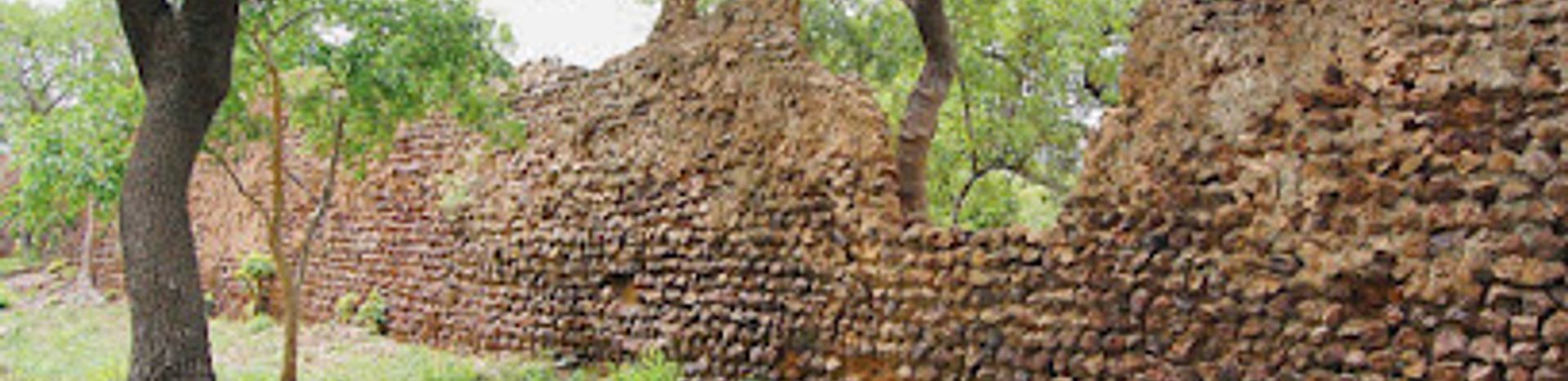
Ruins of Loropéni: Echoes of the Trans-Saharan Gold Trade
Explore the ancient Ruins of Loropéni, a UNESCO World Heritage site and a window into West Africa's medieval gold trade and cultural heritage.
The Ruins of Loropéni, a UNESCO World Heritage site in Burkina Faso, are the well-preserved stone remains of a medieval fortress dating back over 1,000 years. Once a vital hub in the trans-Saharan gold trade, the ruins offer a glimpse into West Africa's rich history and cultural exchange.
A brief summary to Ruins of Loropéni
- 6CX8+XMR, Niratoma, BF
- Monday 12 am-12 am
- Tuesday 12 am-12 am
- Wednesday 12 am-12 am
- Thursday 12 am-12 am
- Friday 12 am-12 am
- Saturday 12 am-12 am
- Sunday 12 am-12 am
Local tips
- Wear sturdy footwear to navigate the uneven terrain comfortably.
- Hire a local guide to gain deeper insights into the history and significance of the ruins.
- Visit early in the morning or late afternoon to avoid the intense midday heat.
- Bring plenty of water, as there are limited amenities available at the site.

Getting There
-
Public Transport
From Gaoua, the capital of the Sud-Ouest Region, small buses depart from downtown (not the main bus station) towards Banfora via Loropéni. Get off in Loropéni. From there, the ruins are about 4 km in the direction of Banfora. You can walk or find a motorbike taxi for around 500 CFA.
-
Taxi
From Gaoua, hire a taxi for the 40km journey to the Ruins of Loropéni. The drive takes approximately one hour. Negotiate the fare beforehand. Expect to pay around 35,000 CFA for a car and driver for the day.
Discover more about Ruins of Loropéni
Unmissable attractions to see

Barrage de doropo
53.9 km
Discover tranquility at Barrage de Doropo: A beautiful garden oasis with lush greenery and serene reservoir views in Côte d'Ivoire.

Comoe National Park
85.9 km
Discover West Africa's largest protected area: Comoé National Park, a UNESCO site with diverse ecosystems and abundant wildlife.
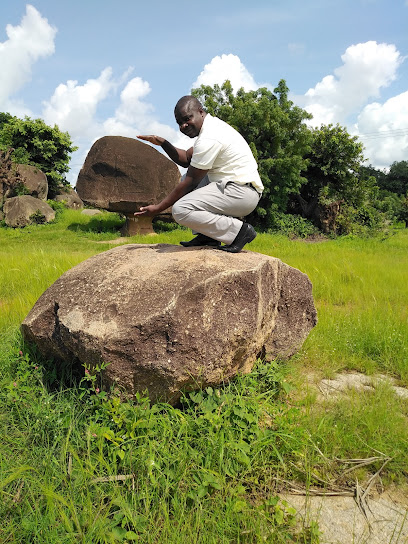
Mushroom Rock, Wulling, Babile
91.5 km
Explore Mushroom Rock in Wulling, Babile - a stunning natural attraction in Ghana featuring unique geological formations and breathtaking landscapes.
Essential places to dine

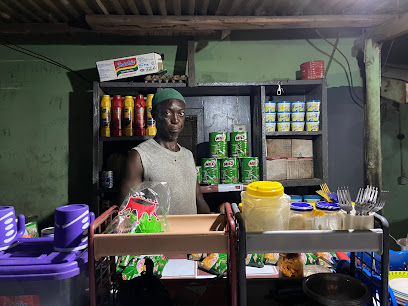
Nba Abudu Indomie Base
87.2 km
Discover the rich flavors of Ghana at Nba Abudu Indomie Base - where traditional meets tasty in Lawra's culinary scene.
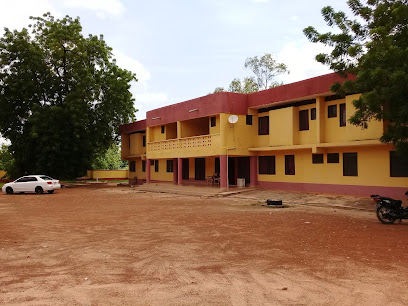
Assembly Guest House And Restaurant
88.0 km
Discover authentic Ghanaian flavors at Assembly Guest House And Restaurant in Lawra - your perfect dining destination.
Markets, malls and hidden boutiques

Boutique
55.0 km
Explore Boutique in Doropo for a unique shopping experience featuring local crafts, modern retail, and a vibrant cultural atmosphere.
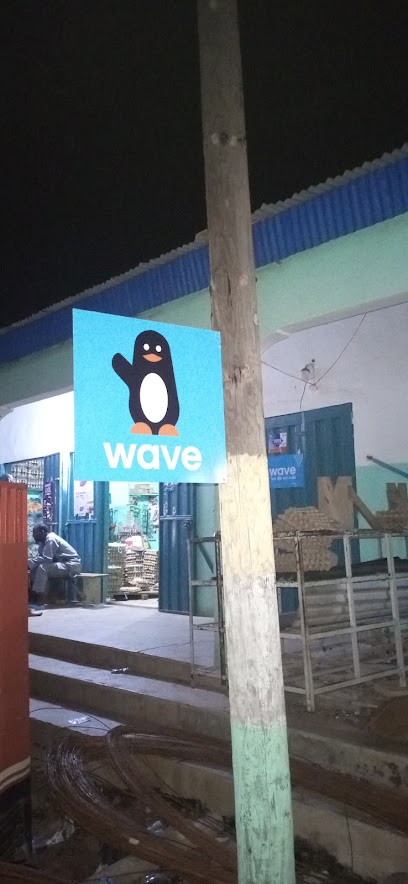
Rouamba et frère
69.6 km
Experience the lively shopping and cultural heart of Varle at Rouamba et Frère, a must-visit destination for every traveler.
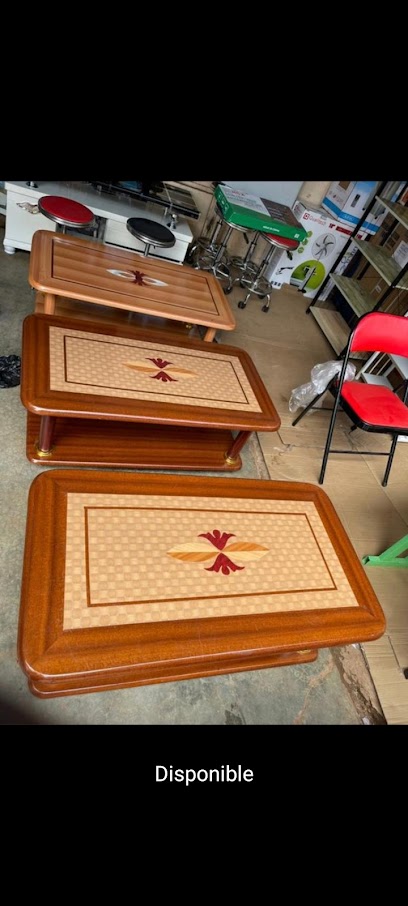
Moussa shop
72.2 km
Explore Moussa Shop in Téhini for unique local goods and cultural treasures that reflect the vibrant spirit of the region.
Hamed shop
73.9 km
Explore Hamed Shop in Téhini for unique local crafts and authentic experiences, reflecting the rich heritage of this vibrant region.
Essential bars & hidden hideouts

Château
55.4 km
Discover the charm of Château in Doropo, a cozy bar perfect for relaxing and enjoying local culture amidst friendly faces.

Doropo
55.4 km
Experience the vibrant nightlife of Doropo with lively karaoke sessions, where music and fun meet in an unforgettable atmosphere.

Zola Pub
87.3 km
Discover the vibrant atmosphere and local flavor of Zola Pub in Babile, where refreshing drinks and Ghanaian hospitality await you.
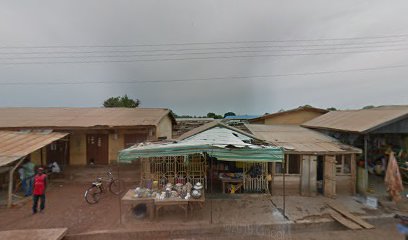
Club City Pub
87.3 km
Immerse yourself in the vibrant nightlife of Babile at Club City Pub, where great drinks and a friendly atmosphere await you.
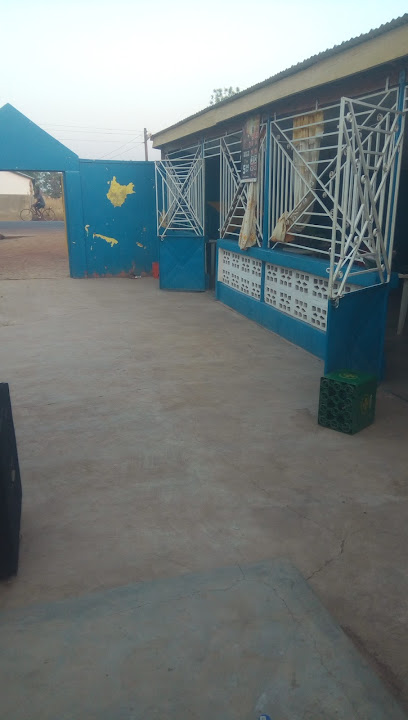
Sparks Bar, Restuarant and Entertainment
87.6 km
Discover the vibrant atmosphere of Sparks Bar, Restaurant and Entertainment in Lawra, where local cuisine meets lively entertainment in a welcoming setting.

Matron's Bar
88.4 km
Experience the vibrant nightlife of Lawra at Matron's Bar, where local culture meets a lively atmosphere for unforgettable evenings.
Forest Breezes Spot-lawra
88.6 km
Discover the serene charm of Forest Breezes Spot, where nature meets relaxation in the heart of Lawra.
Zingpen pub
92.8 km
Discover the heart of Falu's nightlife at Zingpen Pub, where great drinks and a lively atmosphere await.


