Background

Capitol Records Building: Hollywood's Musical Icon

4.6 (935)

An iconic cylindrical tower in Hollywood, the Capitol Records Building symbolizes LA's music legacy, housing legendary studios and a blinking 'Hollywood' spire, a must-see landmark.

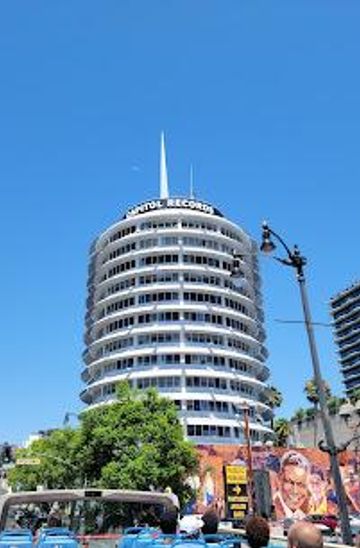
The Capitol Records Building, a 13-story cylindrical tower near Hollywood and Vine, is an iconic symbol of Los Angeles's music industry. Completed in 1956, its unique design, resembling a stack of vinyl records, quickly made it a landmark. Designed by Welton Becket, the building houses Capitol Studios, where legendary artists like Frank Sinatra, The Beach Boys, and Nat King Cole recorded some of their most treasured music. The building's rooftop spire continuously blinks "Hollywood" in Morse code, a testament to its enduring legacy. While tours of the interior are infrequent, the building's exterior, the nearby Hollywood Walk of Fame, and the adjacent jazz mural offer plenty to admire, making it a must-see for music enthusiasts and architecture buffs alike. Its historical and architectural significance earned it a Los Angeles Historic-Cultural Monument designation in 2006.

A brief summary to Capitol Records Building

  • Monday 9 am-5 pm
  • Tuesday 9 am-5 pm
  • Wednesday 9 am-5 pm
  • Thursday 9 am-5 pm
  • Friday 9 am-5 pm
Eve
From Eve

Know before you go

Hi, I'm Eve. Here are a few practical things to know before exploring Capitol Records Building.

  • Visit at night to see the rooftop spire blink 'Hollywood' in Morse code, a unique feature since 1956.
  • Check out the 'Hollywood Jazz: 1945-1972' mural on the south side of the building, celebrating jazz legends.
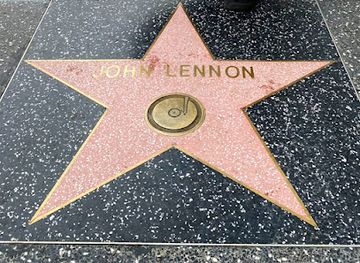
  • Combine your visit with a stroll along the Hollywood Walk of Fame, located just outside the building.
  • While interior tours are rare, admire the building's architecture from across Vine Street for the best photo opportunities.
  • Take the Metro B Line to the Hollywood/Vine station for convenient access to the Capitol Records Building.

Do you manage this location?

Take control to get all the benefits, like improved information, better appearance, and stronger visibility across AI-powered discovery. Learn more

Activate your presence
Unlock the Best of Capitol Records Building

Buy tickets

    No tickets available

Book tours with entry

    No tours available

Book tours without entry

    No tours available

Getting There

  • Public Transport

    The Capitol Records Building is easily accessible via the Metro B Line (Red Line). From anywhere in Los Angeles, take the B Line to the Hollywood/Vine station. Exit the station and walk north along Vine Street for a few minutes. The Capitol Records Building will be on your left. A single fare on the Metro is $1.75, which includes up to two hours of transfers. You can purchase a TAP card for $2 at the station vending machine or online and load it with the necessary fare.

  • Taxi/Ride-Share

    From anywhere in Hollywood, a taxi or ride-sharing service (Uber/Lyft) is a convenient option. Simply provide the destination address (1750 Vine St, Los Angeles, CA 90028) to the driver. The cost will vary depending on the distance and traffic conditions, but a typical ride within Hollywood should cost between $8 and $15. Be aware of potential surge pricing during peak hours.

  • Walking

    If you are already in the Hollywood area, walking to the Capitol Records Building is a viable option. From the intersection of Hollywood and Highland, walk east along Hollywood Boulevard to Vine Street, then turn left and walk north on Vine Street. The building will be on your left. The walk is approximately 15-20 minutes. Be sure to wear comfortable shoes and be mindful of pedestrian traffic.

  • Driving

    If driving, navigate to 1750 Vine St, Los Angeles, CA 90028. Note that the Capitol Records Building does not offer on-site parking. Several parking lots and garages are available nearby, with prices ranging from $10 to $30 for a few hours. Street parking is also available but can be limited and subject to time restrictions. Consider parking at the Hollywood & Highland Center and walking to the building. Parking fees at the Hollywood & Highland Center can range from $2 for the first 2 hours with validation from select retailers or restaurants, to a higher hourly rate without validation.

Discover more about Capitol Records Building

The Capitol Records Building, also known as the Capitol Records Tower, stands proudly at 1750 Vine Street in the heart of Hollywood. Completed in April 1956, this 13-story structure has become an instantly recognizable landmark, symbolizing the vibrant music scene of Los Angeles and the enduring allure of Hollywood. Designed by Louis Naidorf of Welton Becket Associates, the building was the world's first circular office tower, a bold architectural statement that continues to captivate visitors and locals alike. The building's distinctive design, resembling a stack of vinyl records on a turntable, was not initially intended. However, the coincidental resemblance has solidified its image as a monument to the music industry. The wide, curved awnings over the windows of each floor and the tall spire emerging from the top further enhance this impression. The tower's design was driven by cost-efficiency, with the circular shape reducing the exterior wall area, saving on construction and air-conditioning costs. Capitol Records, founded in 1942, was the first major record label to establish its headquarters on the West Coast. The building's construction marked a significant milestone for the company, providing a state-of-the-art facility for its growing operations. The Capitol Records Building quickly became a hub for some of the most influential artists in music history, including Frank Sinatra, Nat King Cole, The Beach Boys, and The Beatles. One of the building's most notable features is the blinking light atop its 90-foot spire. This light continuously spells out "Hollywood" in Morse code, a tradition that began when the building first opened. Leila Morse, the granddaughter of Samuel Morse, the inventor of Morse code, flipped the switch to activate the light. In 1992, the message was temporarily changed to "Capitol 50" to celebrate the label's 50th anniversary, but it has since returned to its original message. The Capitol Records Building is also home to the legendary Capitol Studios, located beneath the tower. These studios have hosted countless recording sessions, producing some of the most iconic albums in music history. The studios feature unique echo chambers, designed by guitarist and recording innovator Les Paul. These subterranean concrete bunkers, located 30 feet underground, provide a natural reverberation effect that has been used on numerous hit records. In 2006, the Capitol Records Building was designated a Los Angeles Historic-Cultural Monument, recognizing its architectural and cultural significance. This designation helps protect the building from alterations that could compromise its integrity. The building has also been featured in numerous films and television shows, further cementing its status as a Hollywood icon. From 2013 to 2015, the orchestra for the Academy Awards performed live in the Capitol Records studios while the Dolby Theatre hosted the ceremony a few blocks away. While the Capitol Records Building is not generally open to the public for tours, visitors can still admire its exterior and explore the surrounding area. The Hollywood Walk of Fame, located just outside the building, features stars honoring numerous recording artists who have worked with Capitol Records. A large mural, titled "Hollywood Jazz: 1945-1972," adorns the wall of a nearby parking structure, celebrating the contributions of jazz legends to the music industry. The mural was originally commissioned by the Los Angeles Jazz Society and restored by artist Richard Wyatt in 2011. The Capitol Records Building stands as a testament to the enduring power of music and the allure of Hollywood. Its unique design, rich history, and ongoing influence make it a must-see destination for anyone visiting Los Angeles. Whether you're a music enthusiast, an architecture buff, or simply a fan of Hollywood history, the Capitol Records Building is sure to leave a lasting impression. While visiting, take advantage of the building's central location to explore other nearby attractions. The Hollywood Walk of Fame, TCL Chinese Theatre, and Dolby Theatre are all within walking distance, offering a glimpse into the world of entertainment. The Griffith Observatory, located in the Hollywood Hills, provides stunning views of the city and the Hollywood Sign. For those interested in shopping and dining, the nearby Hollywood & Highland Center offers a variety of options. The Capitol Records Building is more than just a building; it's a symbol of creativity, innovation, and the enduring magic of music. Its presence continues to inspire and captivate, ensuring its place as a beloved landmark for generations to come. The building's legacy is intertwined with the history of popular music, and its image evokes a sense of nostalgia and excitement for the future of the industry. As you stand before this iconic structure, take a moment to appreciate the countless stories it holds and the dreams it has helped to realize. The Capitol Records Building is a true treasure of Hollywood, a place where music history comes to life.
Mobile App

Your all‑in‑one travel companion app

Explore expert travel guides, compare and book tours, experiences, hotels, and more—all from the palm of your hand. Download now for seamless trip planning wherever your wanderlust takes you.


More about Los Angeles County
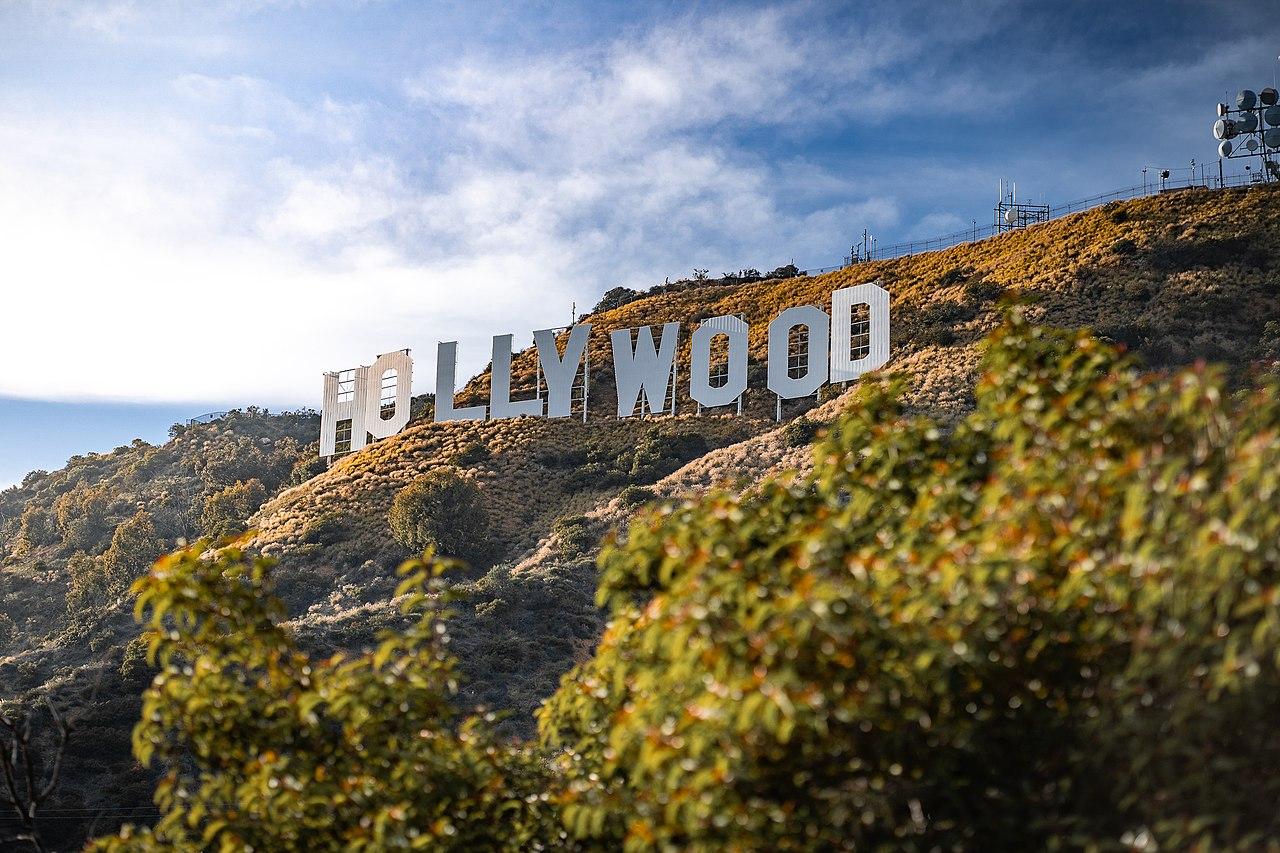
File:Hollywood sign in Los Angeles.jpg - Wikipedia

Discover Los Angeles County: A vibrant blend of culture, adventure, and entertainment in Southern California.

Tell me more about Los Angeles County
Select Currency