

Free Malibu Travel Guide & Mobile App
Plan your Malibu trip with Evendo. Get free guides to top attractions, restaurants, hotels, and bars. Web access or download the mobile app.


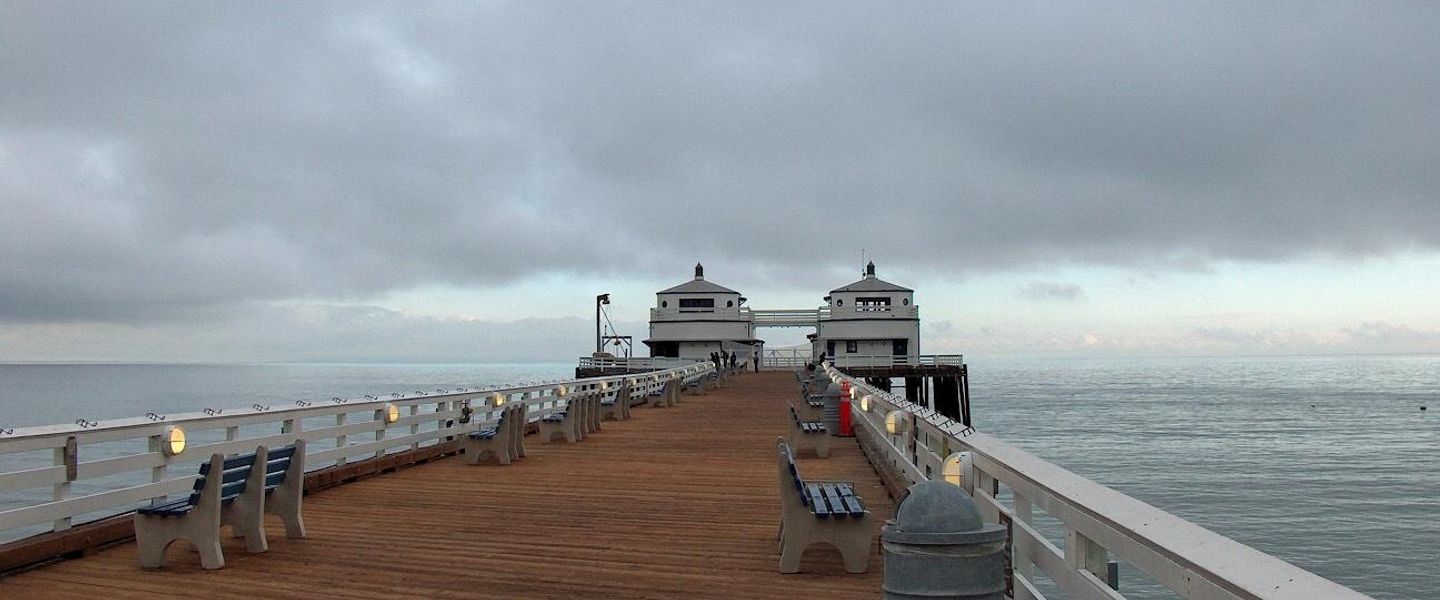


Malibu combines Pacific beaches, Chumash heritage, Getty Villa art, coastal hikes and relaxed California culture along scenic Highway 1 near Los Angeles.
Where the Mountains Meet the Pacific
Malibu stretches for roughly 27 miles along the Pacific coast west of Los Angeles, a narrow city where the Santa Monica Mountains descend towards beaches, sea cliffs and coves. Pacific Coast Highway is its main artery, linking broad sandy shores such as Zuma Beach with rocky inlets, surf breaks and viewpoints shaped by coastal weather. The landscape changes quickly: dry hills rise above the ocean, canyon roads lead inland, and trails pass through oak woodland, chaparral and valleys that can feel far removed from metropolitan Los Angeles.Read more about Malibu
Heritage, Art and Coastal Life
When is the best time to visit Malibu?
Best: May–June, October · 25–27°C| Month | High (°C) | Rainfall (mm) |
|---|---|---|
| January | 20 | 75 |
| February | 21 | 85 |
| March | 22 | 70 |
| April | 24 | 35 |
| May (best) | 25 | 10 |
| June (best) | 27 | 3 |
| July | 29 | 1 |
| August | 29 | 1 |
| September | 29 | 5 |
| October (best) | 26 | 25 |
| November | 23 | 50 |
| December | 20 | 60 |
Getting to and around Malibu
How to get there
Transportation
Best attractions in Malibu
Malibu's attractions follow the coast and the canyons rather than a conventional central district. The Getty Villa presents ancient Greek and Roman art in a carefully designed setting near the eastern end of the city, while nearby Malibu Lagoon State Beach and Surfrider Beach combine wetland habitat, birdlife and one of Southern California's best-known surf breaks. Adamson House reveals the area's domestic and decorative-arts history through its Spanish Colonial Revival setting and Malibu Potteries tiles. Further west, Zuma Beach offers a broad stretch of sand, and Point Dume State Beach brings cliff-top views, coves and seasonal wildlife-watching opportunities. Solstice Canyon leads into the Santa Monica Mountains through a landscape of oak trees, streams and historic ruins, while Leo Carrillo State Park, at Malibu's western edge, is known for tide pools, coastal scenery and camping. Pepperdine University's hilltop campus also provides striking views, although access to university grounds may vary.
-
Tourist attraction
Point Dume
Discover Malibu's iconic Point Dume: panoramic ocean views, scenic hiking trails, secluded beaches, and abundant wildlife await at this natural paradise on the California coast.
15 min drive · 5.1 km from city centre
-
Tourist attraction
Malibu Pier
Experience the timeless charm of Malibu Pier: stunning views, iconic surf, fresh seafood, and a taste of California's coastal paradise on the historic Pacific Coast Highway.
23 min drive · 7.8 km from city centre
-
Tourist attraction
Malibu Pier
Experience the quintessential California lifestyle at Malibu Pier, a historic landmark offering stunning views, dining, fishing, and access to world-class surfing.
23 min drive · 7.8 km from city centre
-
Tourist attraction
Malibu Bluffs Park
Discover breathtaking ocean views and recreational fun at Malibu Bluffs Park, a coastal haven offering walking trails, sports fields, and family-friendly activities along the Pacific Coast Highway.
16 min drive · 5.3 km from city centre


Best landmarks in Malibu
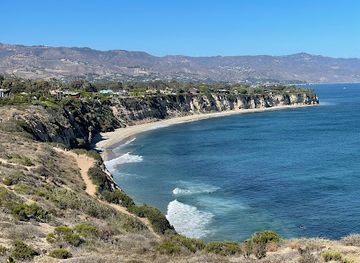
Malibu's landmarks express its Indigenous, ranching, architectural and coastal histories. Adamson House is the clearest surviving Rindge-era residence, celebrated for Spanish Colonial Revival details and vivid Malibu Potteries tilework. The Malibu Pier, first built in 1905 and rebuilt over time, represents the coast's transformation from private ranchland into a public recreational landscape. Nearby Surfrider Beach and Malibu Lagoon are not monuments in the traditional sense, but together they form a powerful cultural landmark of Southern California surf life and wetland ecology. The Getty Villa is a major architectural landmark, created as a Roman-inspired setting for antiquities rather than as a surviving ancient structure. Point Dume's headland, with its high cliffs and broad ocean outlook, is a defining natural landmark, while the Pepperdine campus occupies a prominent hillside position above the coast. These places show how landscape and built heritage are inseparable in Malibu.
-
Tourist attraction
Point Dume
Discover the breathtaking beauty of Point Dume, a coastal haven in Malibu offering stunning views, hiking trails, and serene beaches.
15 min drive · 5.1 km from city centre
-
Tourist attraction
Malibu Pier
Discover the breathtaking Malibu Pier, a must-visit landmark where stunning ocean views meet delightful recreational activities along the California coast.
23 min drive · 7.8 km from city centre
-
Park
Malibu Bluffs Park
Explore the breathtaking views and serene landscapes of Malibu Bluffs Park, the perfect coastal retreat for nature lovers and adventure seekers.
16 min drive · 5.3 km from city centre
-
Park
Solstice Canyon
Explore the breathtaking beauty and rich history of Solstice Canyon in Malibu, a perfect destination for outdoor adventures and scenic views.
5 min drive · 1.5 km from city centre


Explore Malibu on the map
Plan your Malibu trip on one map. See where the top attractions, landmarks, restaurants, bars and hotels are, find what's near where you're staying, and book hotels and experiences in a few clicks.
Best hotels in Malibu
Best restaurants in Malibu
Malibu's dining scene is shaped by its long coastline, affluent residential communities and distance between commercial clusters. Restaurants and cafés concentrate around the Civic Center, Malibu Country Mart, the Malibu Pier area and Trancas, with additional choices along Pacific Coast Highway. Menus commonly draw on California cooking: seasonal produce, salads, seafood, grilled dishes, tacos, burgers and pizzas appear alongside lighter café fare and contemporary dining. The region's agricultural surroundings support farm stands and small-scale produce sales, while ocean views often influence the setting more than a single traditional cuisine. Visitors will find casual beach-adjacent food, bakeries and coffee shops as well as more formal restaurants, but the city is not organised around a dense restaurant quarter. The most locally characteristic food experience is often a relaxed meal or picnic assembled for a beach, lagoon or canyon outing, subject to posted rules and fire restrictions.
-
Cafe
Paradise Cove Beach Café
Discover exquisite American cuisine at Paradise Cove Beach Café with stunning ocean views in Malibu's idyllic coastal setting.
8 min drive · 2.6 km from city centre
-
Seafood
Malibu Seafood Fresh Fish Market & Patio Cafe
Experience fresh seafood like never before at Malibu Seafood Fresh Fish Market & Patio Cafe - where ocean views meet culinary delight.
7 min drive · 2.4 km from city centre
-
American
Malibu Farm Pier Cafe
Experience fresh organic flavors at Malibu Farm Pier Cafe while enjoying breathtaking ocean views on the iconic Malibu Pier.
23 min drive · 7.8 km from city centre
-
Californian
Geoffrey's
Experience breathtaking ocean views and exquisite Californian cuisine at Geoffrey's in Malibu - a must-visit culinary destination.
12 min walk · 0.9 km from city centre


Best bars in Malibu
Malibu's evening scene is relatively restrained and dispersed, with restaurants, hotel bars, wine-focused venues and relaxed lounges providing more of the nightlife than large clubs. The Malibu Country Mart and Civic Center area offers some of the city's most convenient evening activity, while the waterfront restaurants near the pier and Pacific Coast Highway provide sunset-oriented settings. Live music and cultural programmes may appear at established venues, but schedules change and Malibu is not a late-night entertainment district in the manner of central Los Angeles or West Hollywood. After dark, the appeal often lies in dining, conversation and the coastal atmosphere rather than packed dance floors. Distances between venues, limited pedestrian infrastructure and winding roads make designated drivers or app-based transport important, while visitors should respect residential quiet and avoid drinking before driving.
-
Cafe
Paradise Cove Beach Café
Experience the ultimate beachside dining at Paradise Cove Beach Café, where delicious American cuisine meets stunning ocean views in Malibu.
8 min drive · 2.6 km from city centre
-
Californian
Geoffrey's
Discover the perfect blend of stunning ocean views and sumptuous Californian cuisine at Geoffrey's Malibu, a must-visit dining destination.
12 min walk · 0.9 km from city centre
-
Greek
Taverna Tony
Experience authentic Greek cuisine with stunning ocean views at Taverna Tony in Malibu, the ultimate dining destination for Mediterranean flavors.
21 min drive · 6.9 km from city centre
-
Italian
Spruzzo Restaurant & Bar
Experience the best of Italian and seafood cuisine with stunning ocean views at Spruzzo Restaurant & Bar in Malibu.
17 min drive · 5.6 km from city centre


Best nightclubs in Malibu
Malibu's evening scene is relatively restrained and dispersed, with restaurants, hotel bars, wine-focused venues and relaxed lounges providing more of the nightlife than large clubs. The Malibu Country Mart and Civic Center area offers some of the city's most convenient evening activity, while the waterfront restaurants near the pier and Pacific Coast Highway provide sunset-oriented settings. Live music and cultural programmes may appear at established venues, but schedules change and Malibu is not a late-night entertainment district in the manner of central Los Angeles or West Hollywood. After dark, the appeal often lies in dining, conversation and the coastal atmosphere rather than packed dance floors. Distances between venues, limited pedestrian infrastructure and winding roads make designated drivers or app-based transport important, while visitors should respect residential quiet and avoid drinking before driving.
-
Wedding venue
Malibu West Beach Club
Escape to Malibu West Beach Club, where ocean views and romantic vibes create unforgettable memories for your special day.
23 min drive · 7.8 km from city centre
-
Bar
Aviator Nation Dreamland
Experience the vibrant nightlife and live music at Aviator Nation Dreamland, Malibu's premier bar and event venue along the Pacific Coast.
23 min drive · 7.7 km from city centre
-
Lounge
Calamigos Beach Club Restaurant & Lounge
Experience the essence of coastal dining at Calamigos Beach Club Restaurant & Lounge in Malibu, where stunning ocean views meet exquisite cuisine.
5 min drive · 1.8 km from city centre
-
Sports bar
Sparky’s Sports Bar
Experience the thrill of sports at Sparky’s Sports Bar in Malibu, where great food, drinks, and live games come together in a vibrant atmosphere.
21 min drive · 6.9 km from city centre


Best shops in Malibu
Shopping in Malibu is concentrated in a few commercial centres rather than a continuous high street. Malibu Country Mart is the best-known cluster, combining independent boutiques, fashion, beauty, speciality food and cafés in a landscaped outdoor setting, while Malibu Village and the Civic Center area provide further everyday shops and services. Trancas Country Market serves the western part of the city with local retail and dining. Along Pacific Coast Highway, smaller galleries, surf-related businesses and independent retailers reflect Malibu's coastal lifestyle, although openings and occupants change over time. Visitors seeking distinctive purchases may look for California-made clothing, beach goods, design objects, art, gourmet food and locally grown produce from farm stands rather than a single traditional craft associated exclusively with Malibu. Adamson House's tile heritage offers cultural context for the region's decorative arts, but original historic materials belong to the protected site and are not ordinary souvenirs.
-
Shopping mall
Malibu Country Mart
Discover luxury shopping, dining, and local culture at Malibu Country Mart, the heart of Malibu's coastal charm.
21 min drive · 6.9 km from city centre
-
Shopping mall
Point Dume Village
Experience the perfect blend of shopping and coastal charm at Point Dume Village, Malibu's premier shopping destination.
14 min drive · 4.6 km from city centre
-
Shopping mall
Malibu Village
Discover the essence of coastal California at Malibu Village, a shopping paradise filled with style, flavor, and breathtaking views.
21 min drive · 7.0 km from city centre
-
Shopping mall
Malibu Lumber Yard
Experience luxury shopping and dining at Malibu Lumber Yard, where upscale boutiques meet the relaxed charm of California's coastline.
21 min drive · 6.9 km from city centre


Get your free copy of our complete guide to Malibu, delivered straight to you.
Everything on this page, from attractions and restaurants to essentials and local phrases, in one PDF you can read offline, print or share.
Already have an account? Sign in
Your Malibu guide is ready.
We'll send it to · Not you? Sign out

Getting your guide ready…
We are putting together a fresh copy of the Malibu guide. This can take up to a minute.
This can take a few moments. If your browser asks, choose Allow so the download can start. You'll find the guide in your Downloads folder.
Nothing happened? Download it again
Sorry, the guide is taking longer than usual. Please try again in a minute, or get it by email instead.
Malibu essentials
Currency and Payment
Safety
Emergency Situations
Do's and Don'ts
Local Tips
From Eve
Local phrases worth knowing
You don't need to get them perfect. A few words go a long way, and locals appreciate the effort.
Basics
| English | Local | Say it |
|---|---|---|
| Hello | Hey there | [Hey there] |
| Goodbye | Catch you later | [Catch you later] |
| Yes | Yeah | [Yeah] |
| No | Nah | [Nah] |
| Please/You're welcome | Sure thing | [Sure thing] |
| Thank you | Thanks a bunch | [Thanks a bunch] |
| Excuse me/Sorry | My bad | [My bad] |
| How are you? | What's up? | [What's up?] |
| Fine. And you? | Doing great. You? | [Doing great. You?] |
| Do you speak English? | Speak English? | [Speak English?] |
| I don't understand | No clue | [No clue] |
Eating & Drinking
| English | Local | Say it |
|---|---|---|
| I'd like to see the menu, please | Menu, please | [Menu, please] |
| I don't eat meat | No meat for me | [No meat for me] |
| Cheers! | Cheers! | [Cheers!] |
| I would like to pay, please | Check, please | [Check, please] |
Emergencies
| English | Local | Say it |
|---|---|---|
| Help! | SOS! | [SOS!] |
| Go away! | Beat it! | [Beat it!] |
| Call the Police! | 911! | [911!] |
| Call a doctor! | Doctor, please! | [Doctor, please!] |
| I'm lost | I'm lost | [I'm lost] |
| I'm ill | I'm not feeling well | [I'm not feeling well] |
Shopping
| English | Local | Say it |
|---|---|---|
| I'd like to buy... | I wanna buy... | [I wanna buy...] |
| I'm just looking | Just browsing | [Just browsing] |
| How much is it? | What's the damage? | [What's the damage?] |
| That's too expensive | That's steep | [That's steep] |
| Can you lower the price? | Can you do better? | [Can you do better?] |
Time & Numbers
| English | Local | Say it |
|---|---|---|
| What time is it? | What's the time? | [What's the time?] |
| It's one o'clock | It's one | [It's one] |
| Half past (10) | Half past ten | [Half past ten] |
| Morning | Morning | [Morning] |
| Afternoon | Afternoon | [Afternoon] |
| Evening | Evening | [Evening] |
| Yesterday | Yesterday | [Yesterday] |
| Today | Today | [Today] |
| Tomorrow | Tomorrow | [Tomorrow] |
| 1 | One | [One] |
| 2 | Two | [Two] |
| 3 | Three | [Three] |
| 4 | Four | [Four] |
| 5 | Five | [Five] |
| 6 | Six | [Six] |
| 7 | Seven | [Seven] |
| 8 | Eight | [Eight] |
| 9 | Nine | [Nine] |
| 10 | Ten | [Ten] |
Transport & Directions
| English | Local | Say it |
|---|---|---|
| Where's a/the...? | Where's the... | [Where's the...] |
| What's the address? | Address? | [Address?] |
| Can you show me (on the map)? | Show me (on the map)? | [Show me (on the map)?] |
| When's the next (bus)? | Next (bus)? | [Next (bus)?] |
| A ticket (to ....) | Ticket (to ....) | [Ticket (to ....)] |
History of Malibu
Chumash Coast and Early Settlement
The Malibu coast was part of the homeland of the Chumash, an Indigenous people whose communities occupied the shoreline, valleys and Channel Islands of the broader Santa Barbara region. The name Malibu is generally linked to the Chumash place-name Humaliwo, recorded by Spanish explorers in forms that eventually became Malibu. Chumash life here was supported by marine resources, coastal plants and inland habitats, with villages connected through trade and travel. Spanish expeditions reached the coast in the eighteenth century, bringing a new colonial system, Catholic missions and profound disruption to Indigenous communities through disease, forced labour and displacement. The cultural landscape that visitors encounter today therefore rests on a much older history than the later ranches, film locations and beach homes for which Malibu became known.
The Rancho Malibu Era
Following Mexican independence from Spain, the Mexican government granted the large Rancho Topanga Malibu Sequit to José Bartolomé Tapia in 1848. The rancho encompassed much of the Malibu coast and was used for ranching, while access remained limited compared with the developed settlement that followed. After California became part of the United States, ownership passed through several hands before the property was acquired in 1892 by Frederick Hastings Rindge and his wife, May. The Rindges ran cattle and cultivated the land, but they also sought to preserve their control over the estate. Their long legal struggle to prevent public roads and other access across the property became one of the defining conflicts in Malibu's modern history.
The Rindges and Opening Roads
Frederick Rindge died in 1905, leaving May Rindge to manage the family's extensive Malibu holdings. She continued resisting efforts by Los Angeles County and other authorities to establish public routes along the coast, using legal challenges and physical barriers to protect the ranch. The dispute eventually weakened the family's control, especially after the Southern Pacific Railroad gained a coastal right-of-way and a public highway was developed. The opening of roads during the twentieth century transformed Malibu from a secluded ranch into a place accessible to motorists, while its beaches, dramatic scenery and relative proximity to Los Angeles attracted artists, film-makers and affluent residents. The conflict also helped create the enduring tension between private property, public coastal access and environmental protection.
Adamson House and a Coastal Community
The Rindge legacy survives most visibly in Adamson House, built in 1929 for May Rindge's daughter Rhoda and her husband Merritt Huntley Adamson. Its design incorporates Spanish Colonial Revival features and distinctive Malibu Potteries tiles, connecting domestic architecture with the region's decorative arts industry. Malibu gradually acquired a stronger public identity as Pacific Coast Highway improved, beaches became easier to reach and the area appeared frequently in films and television productions. The Malibu Colony and other early residential enclaves developed a reputation for privacy and creative life, while ranches and canyon properties coexisted with a growing coastal population. The resulting city remained low-density and geographically dispersed rather than evolving into a conventional commercial town.
Incorporation and Contemporary Malibu
Malibu incorporated as a city in 1991 after a long campaign by residents seeking greater local control over planning, development and public services. Its municipal history has been shaped by the narrow coastal plain, landslides, water constraints, wildfire risk and continuing debates over beach access and environmental protection. The 1993 Old Topanga Fire, the 2018 Woolsey Fire and subsequent fires and evacuations demonstrated the vulnerability of communities where steep chaparral-covered hills meet dense coastal development. At the same time, Malibu has protected important open spaces and become associated with coastal conservation, recreation and cultural institutions such as the Getty Villa. Contemporary Malibu is therefore defined by both its highly visible lifestyle image and the practical realities of living in a fire-prone, ecologically sensitive landscape.
Malibu in Photos
Browse through our photo collection highlighting the charm and character of the destination.
Cities near Malibu
The closest cities to Malibu, if you have time for more than one stop.
-

-

-

-

-


Swipe for more cities
Explore more
Explore more of California
Discover California: A land of diverse landscapes, iconic cities, and endless adventures, from sun-soaked beaches to towering redwoods and vibrant cultural experiences.
Explore California