Beckwith Wildlife Observation Area, Gold Country Travel Guide
Discover the beauty of California's Great Central Valley at Beckwith Wildlife Observation Area, a seasonal haven for migratory birds and a testament to successful conservation efforts.
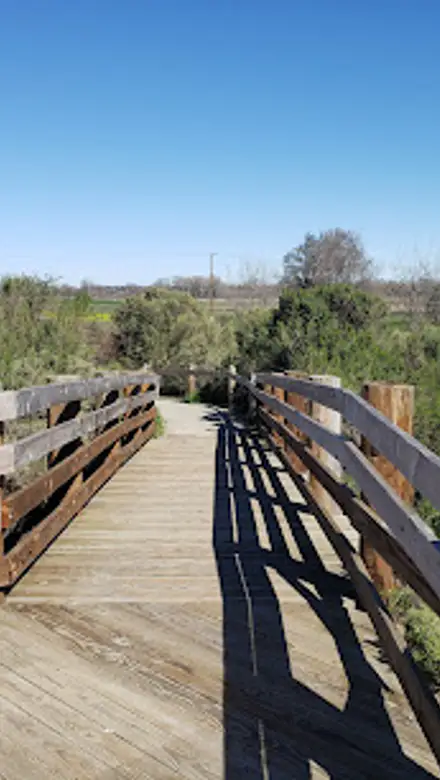
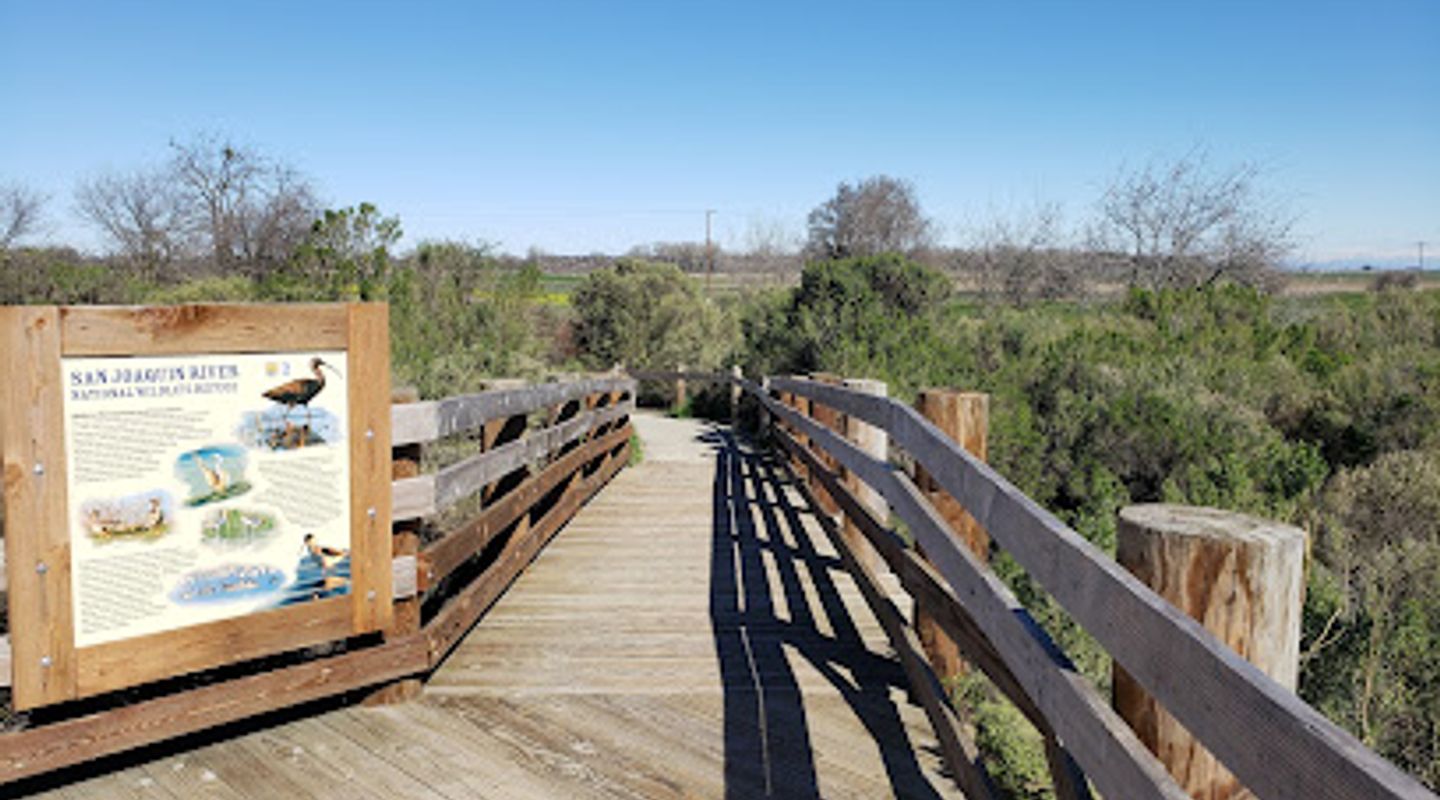
The Beckwith Wildlife Observation Area, part of the San Joaquin River National Wildlife Refuge, offers a tranquil escape into California's Great Central Valley. This seasonal viewing platform provides exceptional opportunities for birdwatching, particularly during the fall and winter months when migratory birds flock to the area. Visitors can witness the impressive gatherings of Aleutian cackling geese, sandhill cranes, and various other waterfowl. The refuge plays a vital role in the recovery of endangered species and the restoration of riparian and wetland habitats. While the observation area provides a convenient vantage point, bringing binoculars or a spotting scope is highly recommended to fully appreciate the diverse avian life and expansive landscape. Note that the Beckwith Wildlife Observation Area is currently closed and will remain closed until further notice.
A brief summary to Beckwith Wildlife Observation Area
- Beckwith Rd, Modesto, California, 95358, US
- Click to display
- Click to display

Know before you go
Hi, I'm Eve. Here are a few practical things to know before exploring Beckwith Wildlife Observation Area.
- Bring binoculars or a spotting scope for enhanced wildlife viewing, as the observation platform is some distance from the wetlands.
- Visit during the fall and winter months (mid-October through mid-March, when open) to witness the largest concentrations of migratory birds, including Aleutian cackling geese and sandhill cranes.
- Check the San Joaquin River National Wildlife Refuge website or call the San Luis NWR Complex Headquarters for updates on the Beckwith Wildlife Observation Area's seasonal opening and closing dates.
Do you manage this location?
Take control to get all the benefits, like improved information, better appearance, and stronger visibility across AI-powered discovery. Learn more about listing your business on Evendo
Activate your presenceOther nearby places you may find interesting
The closest places of the same kind, if this one is not quite what you had in mind.
Explore Beckwith Wildlife Observation Area on the Map
A handpicked selection of must-see spots near Beckwith Wildlife Observation Area, mapped for you.
Getting There
-
Driving
From Modesto, head west on CA-132 (also known as Maze Blvd). Continue for approximately 8.5 miles to Gates Road. Turn right onto Gates Road and proceed north for about 3 miles until you reach Beckwith Road. Turn left onto Beckwith Road and drive west for 2 miles. The parking area for the Beckwith Wildlife Observation Area will be on your left. Be aware that Beckwith Road is a rural road with limited facilities. Parking at the observation area is free.
Discover more about Beckwith Wildlife Observation Area
More to explore near Beckwith Wildlife Observation Area
-

Best experiences near Beckwith Wildlife Observation Area
-

Best hotels near Beckwith Wildlife Observation Area
-

Best landmarks near Beckwith Wildlife Observation Area
-

Best shops near Beckwith Wildlife Observation Area
-

Best restaurants near Beckwith Wildlife Observation Area
-

Best bars near Beckwith Wildlife Observation Area







Your all‑in‑one travel companion app
Explore expert travel guides, compare and book tours, experiences, hotels, and more—all from the palm of your hand. Download now for seamless trip planning wherever your wanderlust takes you.


Explore More of Gold Country
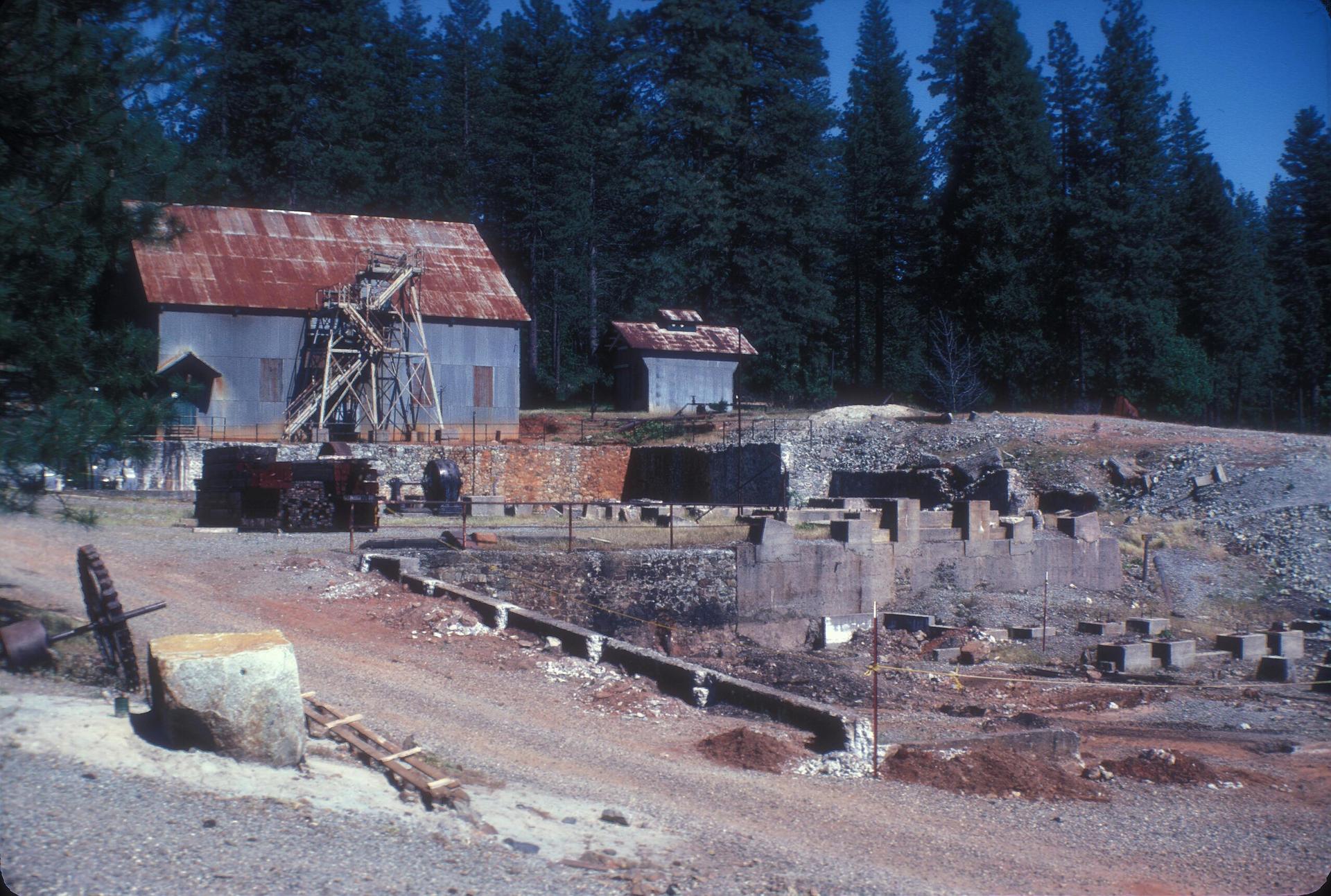
Looking beyond Beckwith Wildlife Observation Area? Discover Gold Country for broader travel guides, local hot-spots, and regional highlights.
Explore Gold Country
Discover Modesto's oldest park, a vibrant green space designed by Golden Gate Park's architect, offering recreation, community events, and a tranquil escape for all.

Discover a tranquil escape at the San Joaquin River National Wildlife Refuge: a 7,300-acre sanctuary for diverse wildlife, offering birdwatching, hiking, and a vital role in Central Valley conservation.