

Free Manteca Travel Guide & Mobile App
Plan your Manteca trip with Evendo. Get free guides to top attractions, restaurants, hotels, and bars. Web access or download the mobile app.


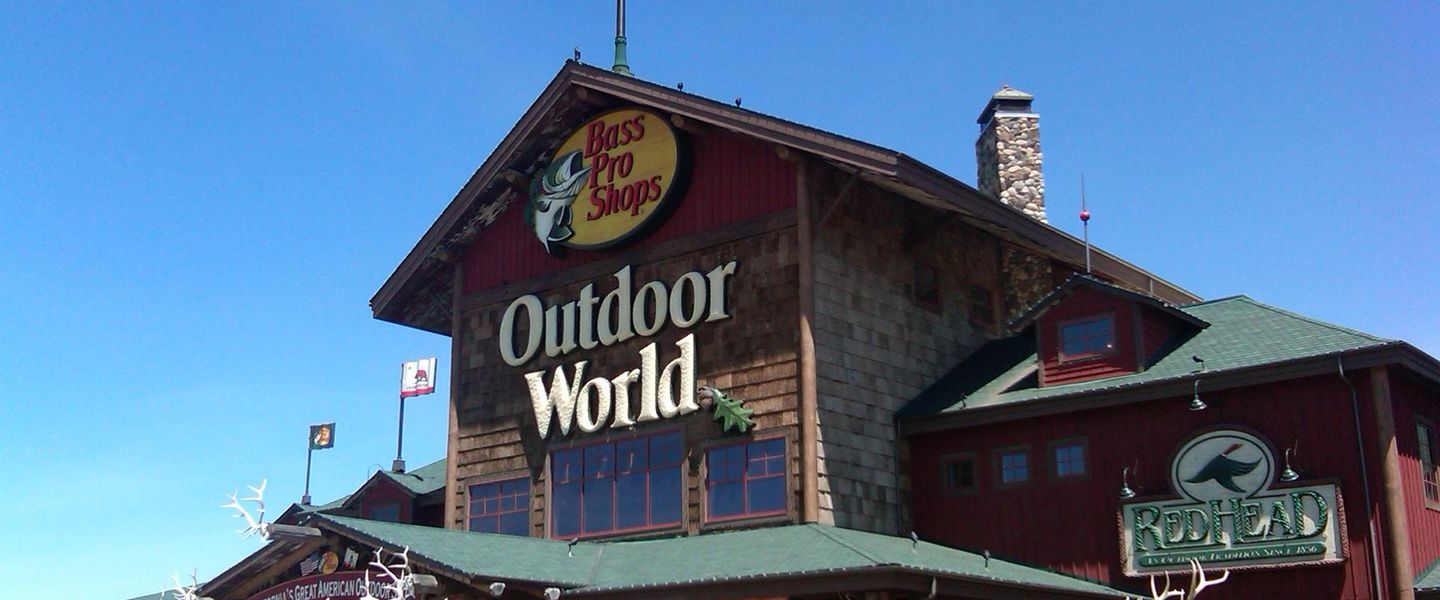


Manteca, California offers Central Valley parks, farm country flavours, family attractions and easy access to Yosemite and San Joaquin adventures.
A Central Valley Crossroads
Manteca lies in California’s San Joaquin Valley, between Stockton and Modesto and close to the junction of Interstate 5, State Route 99 and State Route 120. Its setting is distinctly agricultural: broad skies, irrigated fields, orchards and roadside farm stands surround a growing city whose practical identity has been shaped by transport, food production and regional commerce. The city is also used as a convenient base for exploring the wider Central Valley and for journeys towards the Sierra Nevada, although Yosemite National Park remains a substantial drive away rather than a local attraction.Read more about Manteca
Local History and Community Life
Family Attractions and Open Spaces
When is the best time to visit Manteca?
Best: April–May, October · 23–27°C| Month | High (°C) | Rainfall (mm) |
|---|---|---|
| January | 14 | 50 |
| February | 17 | 40 |
| March | 20 | 40 |
| April (best) | 23 | 30 |
| May (best) | 27 | 20 |
| June | 32 | 10 |
| July | 35 | 10 |
| August | 35 | 10 |
| September | 32 | 10 |
| October (best) | 25 | 20 |
| November | 18 | 30 |
| December | 13 | 50 |
Getting to and around Manteca
How to get there
Transportation
Best attractions in Manteca
Manteca’s attractions are centred on family recreation, community spaces and the surrounding agricultural landscape rather than a dense historic core. Great Wolf Lodge is the city’s most prominent purpose-built visitor attraction, combining an indoor water park with family entertainment and accommodation. Woodward Community Park offers open space, sports facilities and room for picnics, while Library Park and other municipal green spaces provide a more everyday view of local life. Downtown Manteca is worth exploring for its modest historic commercial streetscape, public art and local businesses, and displays associated with the Manteca Historical Society help explain the area’s farming and railway past. Seasonal produce stands and nearby country roads add a distinctly San Joaquin Valley dimension. Caswell Memorial State Park, in neighbouring Ripon, is a separate regional excursion known for its riverside woodland and should not be confused with an attraction inside Manteca.
-
Tourist attraction
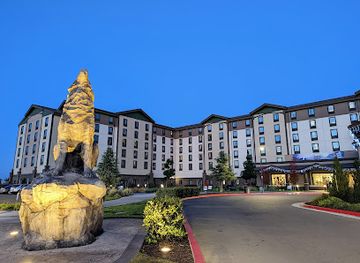
Great Wolf Lodge Water Park | Northern California
Northern California's ultimate family destination, Great Wolf Lodge in Manteca offers an indoor water park, adventure park, themed suites, and diverse dining for an unforgettable getaway.
10 min drive · 3.4 km from city centre
-
Park
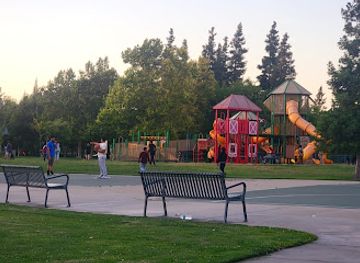
Woodward Community Park
Discover Manteca's largest park: a vibrant hub for recreation, community events, and natural beauty, honoring the legacy of Walter Woodward.
8 min drive · 2.7 km from city centre
-
Sports complex
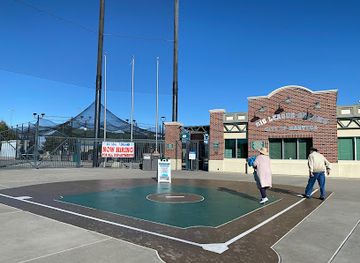
Big League Dreams Manteca
Experience baseball like never before at Big League Dreams Manteca, featuring replica stadiums, diverse sports, and family fun in the heart of California's Central Valley. A unique sports destination.
9 min drive · 2.9 km from city centre
-
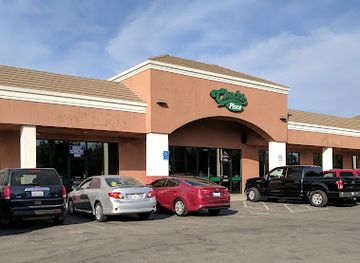
Grill
Chuck's Place
Discover the vibrant flavors of Chuck's Place in Manteca, California – a grill paradise for food lovers seeking delicious grilled dishes.
9 min drive · 3.0 km from city centre
Best landmarks in Manteca
Manteca’s landmarks are comparatively understated, reflecting its development as an agricultural and railway town rather than a monumental political centre. The historic downtown streetscape and the railway corridor preserve the pattern of commerce that helped the community grow in the late nineteenth and early twentieth centuries. The Manteca Civic Center represents the city’s modern municipal identity, while Library Park and the public library form a recognisable civic setting used by residents for gatherings and everyday recreation. Downtown murals and other public artworks provide visual references to local history, farming and community life, though they are best understood as evolving neighbourhood landmarks rather than ancient monuments. Great Wolf Lodge is a contemporary architectural landmark in a different sense: its large family-entertainment complex signals Manteca’s newer role as a regional leisure and stopover destination.
-
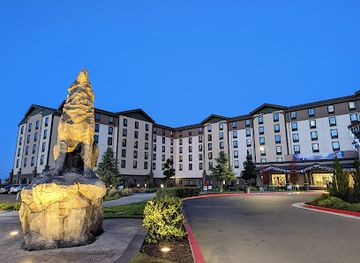
Resort hotel
Great Wolf Lodge Water Park | Northern California
Experience the ultimate family adventure at Great Wolf Lodge Water Park in Northern California, featuring thrilling slides, comfortable stays, and delightful dining options.
10 min drive · 3.4 km from city centre
-
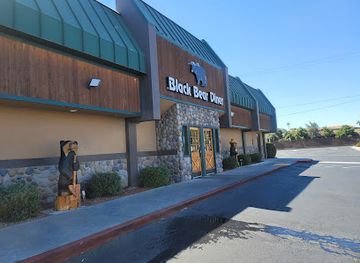
American
Black Bear Diner Manteca
Experience the heart of American dining at Black Bear Diner Manteca, where hearty meals and family-friendly vibes await every visitor.
10 min drive · 3.3 km from city centre
-
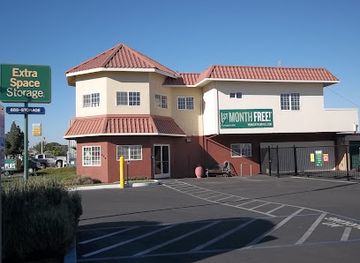
Self-storage facility
Extra Space Storage
Discover Manteca's trusted self-storage facility, offering secure solutions for vehicles, boats, and personal items to enhance your travel experience.
12 min walk · 0.9 km from city centre
-
Bowling alley
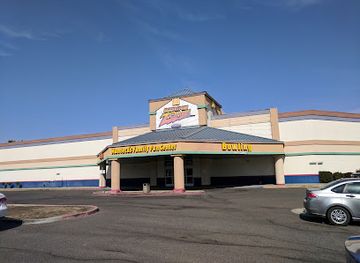
Bowlero Manteca
Experience endless fun at Bowlero Manteca - where bowling meets great food, arcade excitement, and unforgettable memories.
8 min drive · 2.7 km from city centre
Explore Manteca on the map
Plan your Manteca trip on one map. See where the top attractions, landmarks, restaurants, bars and hotels are, find what's near where you're staying, and book hotels and experiences in a few clicks.
Best hotels in Manteca
Best restaurants in Manteca
Manteca’s dining scene reflects the broad cultural mix and agricultural setting of California’s Central Valley. Mexican restaurants and taquerias are prominent, while Vietnamese, Indian, Punjabi and other South Asian influences add depth to the local choice of everyday meals. American diners, burger restaurants, barbecue, pizza and family-style eateries account for much of the casual dining landscape, with independent cafés and bakeries providing daytime options. Produce from the surrounding farming region appears most visibly through seasonal fruit stands, roadside sellers and farmers’ markets when operating. Downtown and the commercial corridors along Yosemite Avenue and major highways contain much of the city’s accessible dining, while larger shopping and entertainment developments offer additional restaurant choices. The atmosphere is generally informal and practical, with generous portions, counter service and car-oriented locations more common than formal destination dining.
-
Hamburger
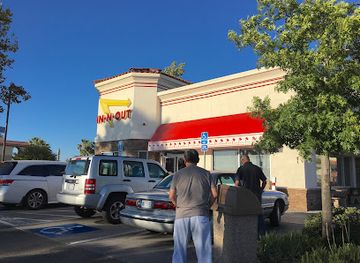
In-N-Out Burger
Savor the iconic taste of In-N-Out Burger in Manteca—fresh burgers and hand-cut fries await you at this beloved Californian diner.
9 min drive · 3.0 km from city centre
-
American
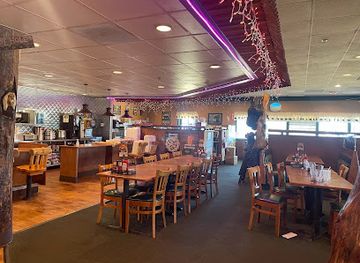
Black Bear Diner Manteca
Experience hearty American comfort food at Black Bear Diner Manteca—perfect for family gatherings and delicious breakfasts any time of day.
10 min drive · 3.3 km from city centre
-
Restaurant
Sizzler
Experience the best buffet dining at Sizzler in Manteca with fresh salads, savory seafood, and mouth-watering steaks - perfect for family meals.
7 min drive · 2.3 km from city centre
-
Mexican
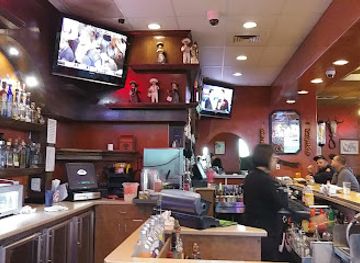
Las Casuelas
Experience the vibrant flavors of Mexico at Las Casuelas - where delicious food meets lively ambiance in Manteca.
19 min walk · 1.5 km from city centre
Best bars in Manteca
Manteca has a modest, locally oriented evening scene rather than a concentrated nightclub district. Restaurants, casual bars, sports-oriented venues and occasional live entertainment provide the main ways to spend an evening in the city, with activity spread through downtown and commercial areas rather than focused on one late-night quarter. Family entertainment at Great Wolf Lodge adds another after-dark option, particularly for visitors staying on site. Community events, seasonal performances and local gatherings can bring more life to public spaces at particular times of year, but schedules change. Travellers seeking a larger choice of concert venues, cocktail bars or nightclubs generally look towards Stockton or Modesto, both of which offer broader regional entertainment scenes. Normal Californian licensing rules apply, and identification is required for alcohol purchases.
-
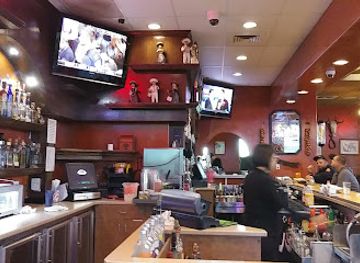
Mexican
Las Casuelas
Experience the vibrant flavors of Mexico at Las Casuelas, a beloved Mexican restaurant in Manteca, California, perfect for tourists seeking authentic cuisine.
19 min walk · 1.5 km from city centre
-
Restaurant
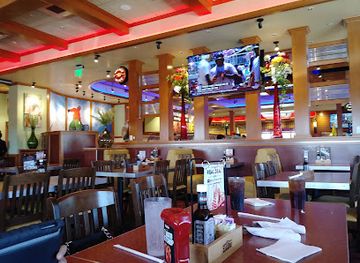
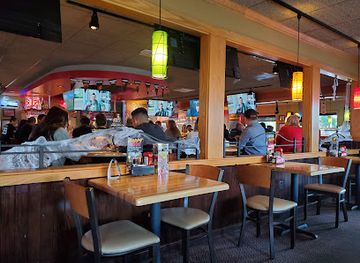
Applebee's Grill + Bar
Discover the taste of America at Applebee's Grill + Bar in Manteca, where delicious meals and a family-friendly atmosphere await.
8 min drive · 2.7 km from city centre
-
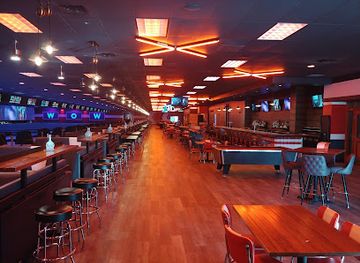
Bowling alley
Bowlero Manteca
Experience the thrill of bowling at Bowlero Manteca, where great food, drinks, and fun come together for an unforgettable time.
8 min drive · 2.7 km from city centre
-
Bar
Chili's Grill & Bar
Savor the vibrant flavors of Tex-Mex cuisine and classic American dishes at Chili's Grill & Bar in Manteca, an ideal spot for families and friends.
8 min drive · 2.7 km from city centre
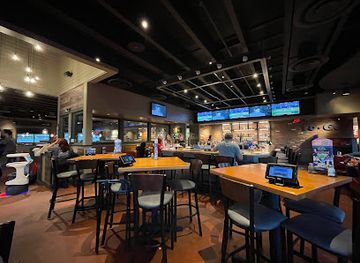
Best nightclubs in Manteca
Manteca has a modest, locally oriented evening scene rather than a concentrated nightclub district. Restaurants, casual bars, sports-oriented venues and occasional live entertainment provide the main ways to spend an evening in the city, with activity spread through downtown and commercial areas rather than focused on one late-night quarter. Family entertainment at Great Wolf Lodge adds another after-dark option, particularly for visitors staying on site. Community events, seasonal performances and local gatherings can bring more life to public spaces at particular times of year, but schedules change. Travellers seeking a larger choice of concert venues, cocktail bars or nightclubs generally look towards Stockton or Modesto, both of which offer broader regional entertainment scenes. Normal Californian licensing rules apply, and identification is required for alcohol purchases.
-
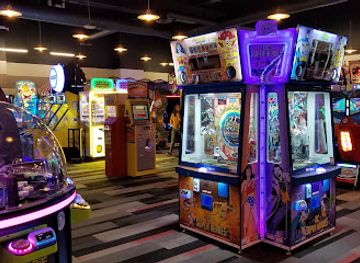
Bowling alley
Bowlero Manteca
Experience the ultimate bowling adventure at Bowlero Manteca, where fun, food, and friendly competition come together in a vibrant atmosphere.
8 min drive · 2.7 km from city centre
-
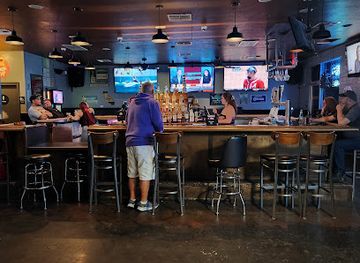
Cocktail bar
133 Club
Discover the lively spirit of Manteca at 133 Club, where crafted cocktails and live music create an unforgettable nightlife experience.
13 min walk · 1.0 km from city centre
-
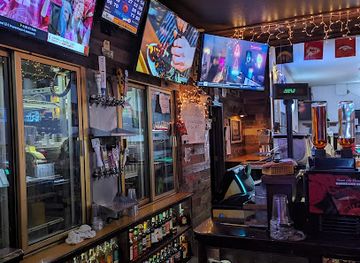
Bar
The Rusty Hook Bar
Experience the vibrant nightlife at The Rusty Hook Bar in Manteca, CA, known for its friendly atmosphere and exciting karaoke nights.
6 min drive · 2.1 km from city centre
-
Cocktail bar
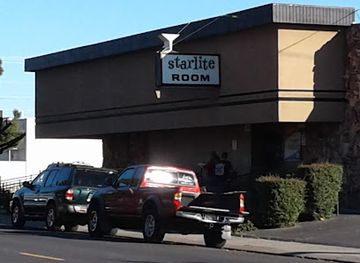
The Starlite Room
Experience the vibrant nightlife of Manteca at The Starlite Room, a trendy cocktail bar offering expertly crafted drinks and live entertainment.
9 min walk · 0.7 km from city centre
Best shops in Manteca
Shopping in Manteca is largely suburban and practical, with retail concentrated along major roads and in organised commercial areas rather than in a compact heritage shopping quarter. The Promenade Shops at Orchard Valley provides an outdoor retail and dining setting, while nearby centres and highway-oriented stores cover everyday goods, clothing, groceries and travel needs. Downtown has a smaller-scale mix of independent businesses and services that offers a different pace from the larger shopping corridors. Seasonal farm stands and produce sellers are particularly characteristic of the surrounding valley, with fruit, nuts and other locally grown goods varying according to the agricultural calendar. Visitors should distinguish genuine local produce from generic souvenir merchandise, and should check opening arrangements for small roadside sellers, farmers’ markets and independent shops before making a special journey.
-
Sporting goods store
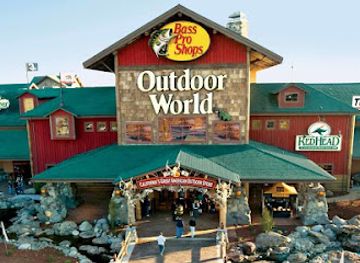
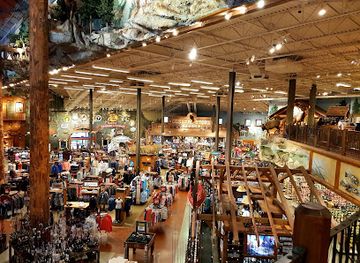
Bass Pro Shops
Discover everything you need for your outdoor adventures at Bass Pro Shops in Manteca, California, from fishing gear to camping supplies and more.
14 min walk · 1.1 km from city centre
-
Department store
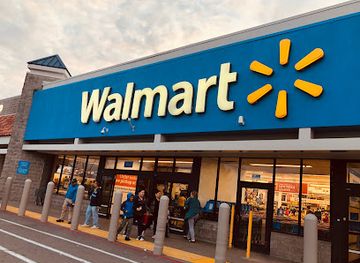
Walmart Supercenter
Explore Walmart Supercenter in Manteca, CA: Your affordable destination for groceries, clothing, electronics, and more, all under one roof.
13 min walk · 1.0 km from city centre
-
Furniture store
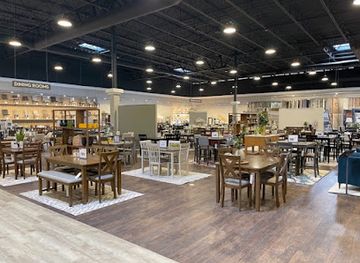
Living Spaces
Discover stylish furniture and home accessories at Living Spaces, Manteca's go-to store for transforming your living space.
19 min walk · 1.5 km from city centre
-
Shopping mall
Promenade Shops at Orchard Valley
Explore the vibrant Promenade Shops at Orchard Valley, where shopping, dining, and entertainment come together in a beautifully designed space.
16 min walk · 1.2 km from city centre
Get your free copy of our complete guide to Manteca, delivered straight to you.
Everything on this page, from attractions and restaurants to essentials and local phrases, in one PDF you can read offline, print or share.
Already have an account? Sign in
Your Manteca guide is ready.
We'll send it to · Not you? Sign out

Getting your guide ready…
We are putting together a fresh copy of the Manteca guide. This can take up to a minute.
This can take a few moments. If your browser asks, choose Allow so the download can start. You'll find the guide in your Downloads folder.
Nothing happened? Download it again
Sorry, the guide is taking longer than usual. Please try again in a minute, or get it by email instead.
Manteca essentials
Currency and Payment
Safety
Emergency Situations
Do's and Don'ts
Local Tips
From Eve
Local phrases worth knowing
You don't need to get them perfect. A few words go a long way, and locals appreciate the effort.
Basics
| English | Local | Say it |
|---|---|---|
| Hello | Howdy | [haʊdi] |
| Goodbye | See ya | [si jə] |
| Yes | Yep | [jɛp] |
| No | Nope | [noʊp] |
| Please/You're welcome | Please/No worries | [pliːz/nəʊ ˈwʌriz] |
| Thank you | Thanks a bunch | [θæŋks ə bʌnʧ] |
| Excuse me/Sorry | Pardon me/My bad | [pɑrdən mi/maɪ bæd] |
| How are you? | How's it goin'? | [haʊz ɪt ˈɡoʊɪn] |
| Fine. And you? | Good. You? | [ɡʊd jʊ] |
| Do you speak English? | Ya speak English? | [jə spiːk ˈɪŋɡlɪʃ] |
| I don't understand | I'm lost | [aɪm lɔst] |
Eating & Drinking
| English | Local | Say it |
|---|---|---|
| I'd like to see the menu, please | Can I check out the menu? | [kæn aɪ ʧɛk aʊt ðə ˈmɛnjuː] |
| I don't eat meat | I'm vegetarian | [aɪm vɛdʒɪˈtɛriən] |
| Cheers! | Bottoms up! | [ˈbɑtəmz ʌp] |
| I would like to pay, please | Check, please | [ʧɛk pliːz] |
Emergencies
| English | Local | Say it |
|---|---|---|
| Help! | I need help! | [aɪ nid hɛlp] |
| Go away! | Get lost! | [ɡɛt lɔst] |
| Call the Police! | Call the cops! | [kɔl ðə kɑps] |
| Call a doctor! | Get me a doc! | [ɡɛt miː ə dɑk] |
| I'm lost | I'm lost | [aɪm lɔst] |
| I'm ill | I'm sick | [aɪm sɪk] |
Shopping
| English | Local | Say it |
|---|---|---|
| I'd like to buy... | I wanna buy... | [aɪ ˈwɑnə baɪ] |
| I'm just looking | Just browsing | [ʤʌst ˈbraʊzɪŋ] |
| How much is it? | How much? | [haʊ mʌʧ] |
| That's too expensive | That's pricey | [ðæts ˈpraɪsi] |
| Can you lower the price? | Can you do better? | [kæn jʊ du ˈbɛtər] |
Time & Numbers
| English | Local | Say it |
|---|---|---|
| What time is it? | What's the time? | [wɑts ðə taɪm] |
| It's one o'clock | It's one | [ɪts wʌn] |
| Half past (10) | Ten thirty | [tɛn ˈθɜrti] |
| Morning | Mornin' | [ˈmɔrnɪn] |
| Afternoon | Arvo | [ˈɑrvoʊ] |
| Evening | Evenin' | [ˈivnɪn] |
| Yesterday | Yest'day | [ˈjɛstˈdeɪ] |
| Today | Today | [təˈdeɪ] |
| Tomorrow | Tomorrah | [təˈmɑːrə] |
| 1 | One | [wʌn] |
| 2 | Two | [tuː] |
| 3 | Three | [θriː] |
| 4 | Four | [fɔr] |
| 5 | Five | [faɪv] |
| 6 | Six | [sɪks] |
| 7 | Seven | [ˈsɛvən] |
| 8 | Eight | [eɪt] |
| 9 | Nine | [naɪn] |
| 10 | Ten | [tɛn] |
Transport & Directions
| English | Local | Say it |
|---|---|---|
| Where's a/the...? | Where's the...? | [wɛrz ðə] |
| What's the address? | What's the addy? | [wɑts ðə ˈædi] |
| Can you show me (on the map)? | Can you point it out? | [kæn jʊ pɔɪnt ɪt aʊt] |
| When's the next (bus)? | When's the next ride? | [wɛnz ðə nɛkst raɪd] |
| A ticket (to ....) | A pass (to ....) | [ə pæs tu] |
History of Manteca
Indigenous Valley Communities
Long before the modern city emerged, the surrounding San Joaquin Valley was home to Indigenous communities including Yokuts peoples, with neighbouring Miwok groups also connected to the wider regional landscape. River corridors, wetlands and seasonal resources supported settlement, travel and trade. The transformation of the valley accelerated during the nineteenth century as Mexican and later American landholding systems, livestock operations and farming displaced established Indigenous lifeways. Although little of the earlier landscape survives unchanged within modern Manteca, the city’s location remains part of a valley whose cultural history reaches far beyond its nineteenth-century settlement.
Rancho Lands and American Settlement
The Manteca area formed part of the agricultural and ranching landscape associated with Mexican-era land grants in the San Joaquin Valley, including Rancho Sanjon de los Moquelumnes. Following California’s transition to United States rule after 1848, land ownership, irrigation and commercial farming expanded rapidly. Small settlements and rural roads developed as newcomers established homes, orchards and livestock operations. The eventual town grew from this mixture of ranching, farming and transport rather than from a single colonial foundation, and its later street plan reflected the practical needs of a working agricultural community.
Railways Create a Town
Rail transport was decisive in Manteca’s emergence during the late nineteenth century. Lines crossing the valley connected local farms with Stockton, the wider California market and national distribution networks, making it easier to ship grain, fruit and livestock. The new town’s name is generally linked to the Spanish word for lard and to the region’s early agricultural commerce, although accounts of the naming vary. Commercial buildings, warehouses and homes gathered around the railway corridor, establishing the town centre that still gives downtown Manteca a connection to its transport-oriented origins.
Incorporation and Agricultural Industry
Manteca was incorporated as a city in 1918, during a period when irrigation, orchards and food processing were reshaping the Central Valley economy. Sugar processing and other agricultural industries provided employment beyond individual farms, while railways carried the valley’s produce to distant markets. The agricultural economy also brought together growers, seasonal labourers, merchants and manufacturing workers, creating a more complex community than the earlier ranching settlements. Local civic institutions, schools and commercial streets developed alongside this growth, laying much of the foundation for the city visible today.
Postwar Expansion and Modern Manteca
After the Second World War, improved roads, rising car ownership and the growth of nearby employment centres encouraged residential expansion across Manteca and the surrounding valley. Housing developments spread beyond the older commercial core, while supermarkets, shopping centres, schools and recreational facilities followed. Interstate highways strengthened the city’s role as a regional crossroads and made commuting to Stockton, Modesto and other Central Valley communities more practical. Contemporary Manteca therefore combines an agricultural setting and long-established local institutions with suburban growth, family-oriented recreation and a population shaped by continuing movement across California.
Manteca in Photos
Browse through our photo collection highlighting the charm and character of the destination.
Cities near Manteca
The closest cities to Manteca, if you have time for more than one stop.
-

-

-

-

-


Swipe for more cities
Explore more
Explore more of California
Discover California: A land of diverse landscapes, iconic cities, and endless adventures, from sun-soaked beaches to towering redwoods and vibrant cultural experiences.
Explore California