Background

Castle Rock State Park: A Skyline Sanctuary

Discover sculpted sandstone, lush forests, and breathtaking vistas at Castle Rock State Park. Hike, climb, and explore this natural haven in the Santa Cruz Mountains.

4.8

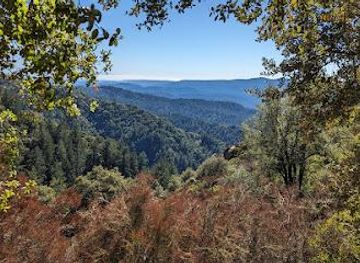
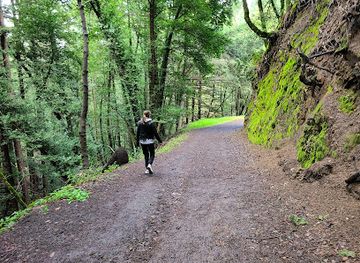
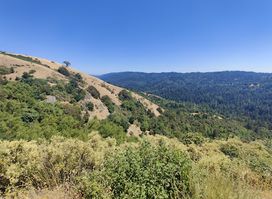
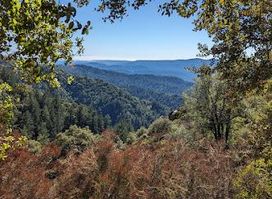
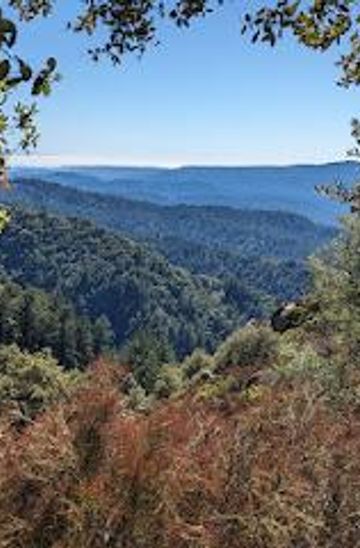
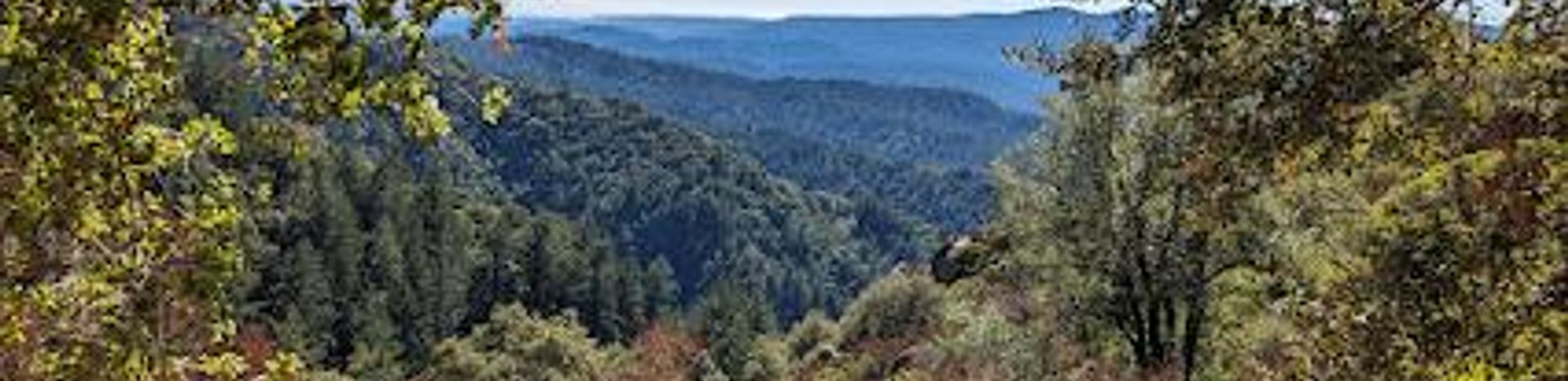
Castle Rock State Park, perched high in the Santa Cruz Mountains, offers a captivating blend of natural beauty and recreational opportunities. Established in 1968, the park spans over 5,300 acres, showcasing a dramatic landscape sculpted by time and geological forces. The park's namesake, Castle Rock, is a prominent sandstone formation, a testament to the region's unique geology. These sandstone outcrops originated as submarine fan deposits on the continental shelf approximately 30 to 40 million years ago. Repeated movements along the San Andreas Fault have shaped the park's dramatic landscape, creating the fascinating tafoni formations that attract visitors and climbers alike. The park's diverse ecosystem supports a variety of plant life, from California black oaks and knobcone pines to high-elevation coast redwoods. Hiking trails wind through these varied habitats, offering glimpses of local wildlife, including bobcats, coyotes, and a variety of bird species. The park boasts over 34 miles of trails, catering to all skill levels. For a shorter, easier hike, the Castle Rock Falls Trail leads to a 75-foot waterfall cascading down a steep cliff, offering stunning views of the San Lorenzo River Valley. More experienced hikers can tackle the Saratoga Gap Trail, which connects to the Skyline-to-the-Sea Trail, a 30-mile backpacking route that extends to the Pacific coast. Castle Rock State Park is a popular destination for rock climbing, with numerous routes catering to different skill levels. The park's sandstone formations provide a unique and challenging climbing experience. However, climbers are urged to respect the integrity of the rock and avoid damaging the fragile tafoni formations. Climbing is not permitted when the rock is wet, as the sandstone becomes more fragile when damp. Beyond hiking and climbing, Castle Rock offers opportunities for backpacking and camping. The Castle Rock Trail Camp, located 2.6 miles from the main parking lot, provides 20 primitive campsites with picnic tables, fire rings, and access to water and vault toilets. Reservations are required for overnight camping and can be made online. Please note that campfires are only permitted in designated fire rings during the off-wildfire season, and firewood must be purchased at the camp. The park's Robert C. Kirkwood Entrance, restored in 2019, provides modern amenities, including electric car chargers, solar-powered pay stations, flush toilets, and a water bottle refill station. The entrance serves as a gateway to the park's many trails and attractions. The park is open from 8:00 a.m. to sunset daily. Weekdays are optimal days to visit the park to ensure you get a parking spot. The Kirkwood Entrance gate is closed and locked every day at sunset. Castle Rock State Park is not just a place for recreation; it's also a place for conservation. The Sempervirens Fund, a local conservation organization, has played a vital role in the park's creation and expansion, protecting surrounding priority lands and bolstering the park's important habitats. In 2023, the Sempervirens Fund transferred six protected properties to Castle Rock State Park, ensuring that they continue to be well-managed for conservation and resiliency. Whether you're seeking a challenging hike, a thrilling climb, or a peaceful escape into nature, Castle Rock State Park offers something for everyone. Its stunning scenery, diverse trails, and rich history make it a must-visit destination in the Santa Cruz Mountains. Remember to bring cash for the parking fee, as there is no cell reception within the park. Leave no trace behind, and enjoy the beauty of this natural sanctuary. For those seeking a longer adventure, the Skyline-to-the-Sea Trail beckons. This 30-mile backpacking route traverses through Castle Rock and Big Basin Redwoods State Parks, offering a diverse landscape of old-growth redwood forests, babbling creeks, cascading waterfalls, and picturesque campsites. Backpackers should set aside two to four days for this strenuous hike and utilize the trail camps along the way. Castle Rock State Park is a testament to the power of nature and the importance of conservation. Its unique geological formations, diverse ecosystem, and extensive trail system provide a haven for outdoor enthusiasts and a place for all to connect with the natural world. So, pack your hiking boots, grab your water bottle, and head to Castle Rock State Park for an unforgettable adventure in the Santa Cruz Mountains. Even a short visit to Castle Rock State Park can be rewarding. The Castle Rock Falls trail, a 1.3-mile round trip, offers a relatively easy hike to a stunning 75-foot waterfall. The trail meanders through a lush forest, crossing a stream and leading to a viewing deck with expansive mountain valley views. This is a perfect option for families with young children or those seeking a less strenuous hike. For a more challenging experience, consider the Ridge Trail Loop, a 5-mile hike with an elevation gain of nearly 1,200 feet. This trail traverses through the forest and past views of the San Lorenzo River Valley, offering glimpses of Monterey Bay on clear days. Keep an eye out for peregrine falcons, which are known to inhabit the area. No matter what your fitness level or interests, Castle Rock State Park has something to offer. Its diverse trails, stunning scenery, and rich history make it a destination worth exploring. So, escape the city, immerse yourself in nature, and discover the magic of Castle Rock State Park.

Local tips

  • Bring cash for the $10 vehicle day-use fee, as credit cards may not be accepted at the self-serve kiosks.
  • Be aware that cell reception is unreliable within the park, so download maps and trail information beforehand.
  • Visit on weekdays to avoid crowds and ensure you find a parking spot, especially during peak season.
  • Check the park's website for current operating hours and any temporary closures or restrictions.
  • Bring layers of clothing, as the weather in the Santa Cruz Mountains can change quickly.
widget icon

Buy tickets

    No tickets available

Book tours with entry

    No tours available

Book tours without entry

    No tours available

A brief summary to Castle Rock State Park

Getting There

  • Driving

    From Los Gatos, take CA-9 N towards Saratoga. Continue onto CA-35 S/Skyline Blvd. The Robert C. Kirkwood Entrance to Castle Rock State Park is approximately 13 miles from Los Gatos on Skyline Blvd. Be prepared for a winding mountain road. Parking at the main lot costs $10 per vehicle per day, payable at self-serve kiosks. An alternative old parking lot is located about one-quarter mile further south on Highway 35 / Skyline Blvd., is reserved for overnight guests and may be used for overflow parking at the discretion of park staff.

  • Public Transport

    While public transportation directly to Castle Rock State Park is limited, you can take Santa Clara Valley Transportation Authority (VTA) bus lines 21 and 51 from Palo Alto to Saratoga. From the Saratoga & Saratoga-Los Gatos stop, the park is approximately 13 miles away. Consider ride-sharing or taxi services for the final leg of the journey, keeping in mind that cell service is unreliable near the park. The estimated cost for the bus is $36-$50. A taxi or ride-share from Saratoga to the park could cost $40-$60.

Popular Experiences near Castle Rock State Park

Popular Hotels near Castle Rock State Park

Select Currency