

Free Milpitas Travel Guide & Mobile App
Plan your Milpitas trip with Evendo. Get free guides to top attractions, restaurants, hotels, and bars. Web access or download the mobile app.


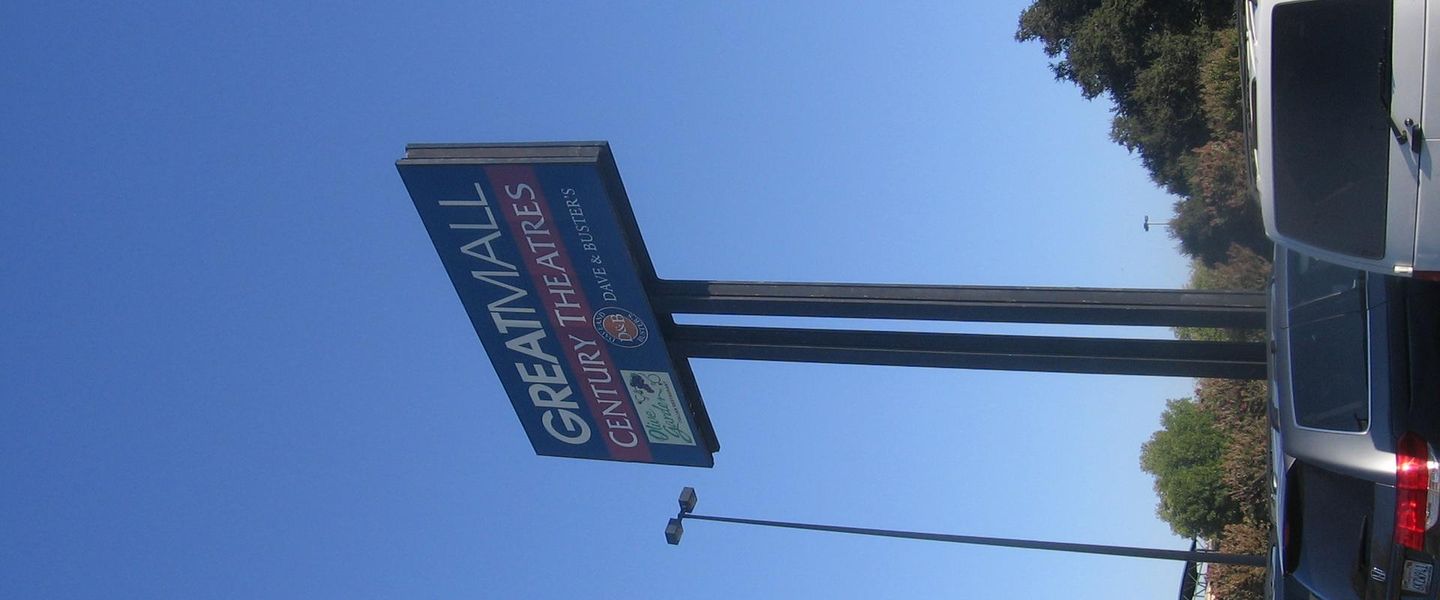


Milpitas, California combines Silicon Valley history, Great Mall shopping, Bay Area parks, diverse dining and easy access to San Jose attractions.
Valley Setting and Local Character
Milpitas occupies the northern edge of Santa Clara Valley, where the urban landscape of Silicon Valley gives way to the open hills of the Diablo Range. San José lies immediately to the south, while Fremont and the wider East Bay are reached across the hills to the north. The city is largely suburban in form, yet its long-established Main Street, neighbourhood parks, foothill trails and varied food scene give it an identity beyond its technology-sector connections.Read more about Milpitas
From Rancho Lands to Technology Centre
Parks, Shopping and Everyday Culture
When is the best time to visit Milpitas?
Best: May–June, September · 23–27°C| Month | High (°C) | Rainfall (mm) |
|---|---|---|
| January | 16 | 90 |
| February | 17 | 80 |
| March | 19 | 70 |
| April | 21 | 40 |
| May (best) | 23 | 20 |
| June (best) | 26 | 10 |
| July | 29 | 0 |
| August | 29 | 0 |
| September (best) | 27 | 10 |
| October | 23 | 30 |
| November | 18 | 60 |
| December | 15 | 80 |
Getting to and around Milpitas
How to get there
Transportation
Best attractions in Milpitas
Milpitas's principal attractions combine shopping, local history and open space. Great Mall occupies the former Ford assembly plant site and has become the city's best-known visitor destination, with a large collection of retailers, restaurants and indoor entertainment venues. The Milpitas Museum, operated by the Milpitas Historical Society, provides context on the community's rancho, agricultural, industrial and suburban development. At the city's eastern edge, Ed R. Levin County Park spreads into the foothills with reservoirs, picnic areas, grassland and trails offering expansive views across Santa Clara Valley. Main Street and nearby commercial districts are less formal sightseeing attractions but reward visitors interested in local businesses, civic life and the city's multicultural dining scene. Milpitas Library and surrounding public spaces add a sense of the contemporary community, while regional rail access makes the city a practical base for exploring nearby San José and the wider Bay Area.
-
Tourist attraction
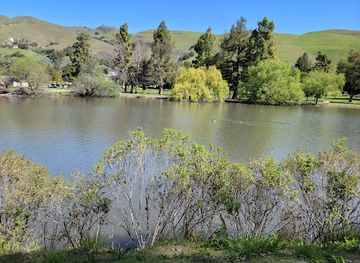
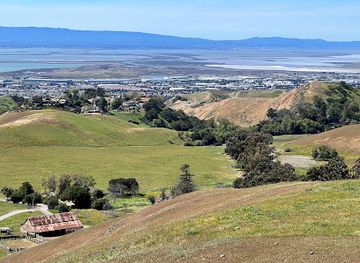
Ed R. Levin County Park
Discover a sprawling park in Milpitas with hiking trails, fishing lakes, hang gliding, and stunning views of the San Francisco Bay – a perfect blend of nature and recreation.
15 min drive · 4.9 km from city centre
-
Miniature golf course
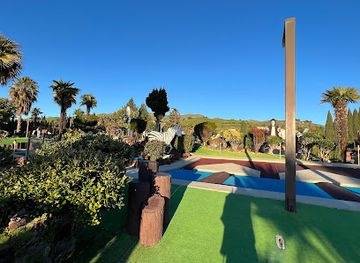
Golfland
Experience a day of fun and adventure at Golfland Milpitas, featuring miniature golf, laser tag, arcade games, and delicious food for the whole family in the heart of the Bay Area.
6 min drive · 1.9 km from city centre
-
Tourist attraction
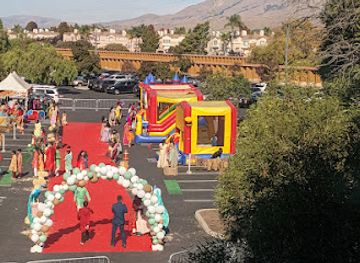
BAPS Shri Swaminarayan Mandir, San Jose
Discover a sanctuary of peace and intricate architecture at the BAPS Shri Swaminarayan Mandir in San Jose, a vibrant center for Hindu faith, culture, and community service.
8 min drive · 2.5 km from city centre
-
Tourist attraction
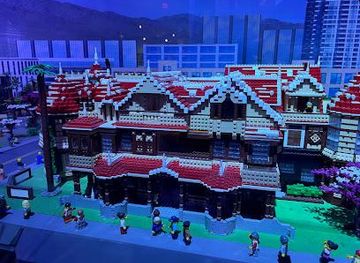
LEGOLAND Discovery Center Bay Area
Explore a LEGO® wonderland at LEGOLAND® Discovery Center Bay Area in Milpitas' Great Mall: interactive rides, 4D cinema, MINILAND®, and endless building fun for families with kids aged 3-10.
5 min drive · 1.8 km from city centre
Best landmarks in Milpitas
Milpitas's landmarks reflect its transition from rancho country to industrial suburb and Silicon Valley city. The former Ford assembly plant site, now Great Mall, is significant not only as a retail complex but also as a surviving reference point to the manufacturing era that reshaped the community after the 1950s. The Milpitas Museum preserves and interprets local history through objects and displays associated with Indigenous, rancho, agricultural and industrial periods. Milpitas City Hall represents the civic identity of the incorporated city, while the Milpitas Library and public buildings around the central area express its contemporary community life. In the foothills, Ed R. Levin County Park is a landscape landmark rather than a monument: its reservoirs, ridgelines and open slopes define the eastern edge of the city and frame views back towards the developed Santa Clara Valley.
-
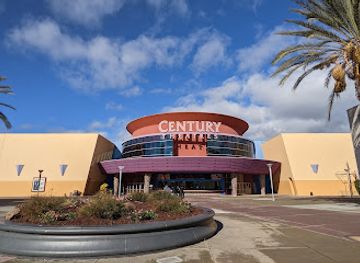
Shopping mall
Great Mall
Discover an expansive shopping haven at Great Mall in Milpitas, California, featuring over 200 stores, dining options, and family-friendly entertainment.
6 min drive · 1.9 km from city centre
-
Restaurant
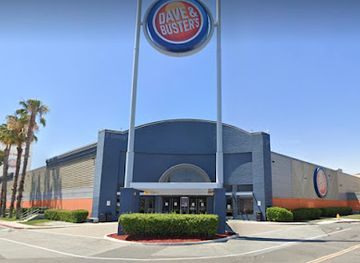
Dave & Buster's Milpitas - San Jose
Experience the perfect blend of dining and entertainment at Dave & Buster's Milpitas, where fun and flavor collide in a lively atmosphere.
5 min drive · 1.6 km from city centre
-
Park
Ed R. Levin County Park
Explore Ed R. Levin County Park in Milpitas, a nature lover's paradise offering hiking, cycling, picnicking, and wildlife watching in beautiful surroundings.
15 min drive · 4.9 km from city centre
-
Italian
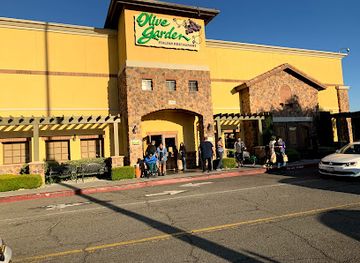
Olive Garden Italian Restaurant
Discover authentic Italian dining at Olive Garden in Milpitas, featuring a wide range of delicious dishes, a family-friendly atmosphere, and a great selection of wines.
7 min drive · 2.2 km from city centre
Explore Milpitas on the map
Plan your Milpitas trip on one map. See where the top attractions, landmarks, restaurants, bars and hotels are, find what's near where you're staying, and book hotels and experiences in a few clicks.
Best hotels in Milpitas
Best restaurants in Milpitas
Milpitas has a distinctly multicultural dining scene shaped by Silicon Valley's international workforce and the South Bay's long-established Asian communities. Restaurants and casual eateries around Main Street, Jacklin Road, Barber Lane and the wider commercial corridors serve South Indian vegetarian food, North Indian specialities, Vietnamese noodle dishes, Chinese regional cuisines, Filipino cooking, Korean meals and other East and Southeast Asian traditions. These areas are useful for exploring everyday dining rather than a single concentrated restaurant quarter. Great Mall and its surroundings provide familiar chains and informal options, while independent cafés, bakeries and takeaway counters reflect the city's working suburban rhythm. Menus often span spice-rich curries, rice dishes, handmade noodles, grilled meats, soups, dumplings and sweets, making Milpitas an especially practical place to sample the breadth of the Bay Area's immigrant food culture.
-
Restaurant
Dave & Buster's Milpitas - San Jose
Experience thrilling games and delicious dining at Dave & Buster's Milpitas—where fun meets flavor in California!
5 min drive · 1.6 km from city centre
-
Italian
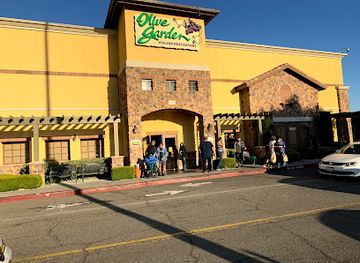
Olive Garden Italian Restaurant
Experience authentic Italian cuisine at Olive Garden in Milpitas - perfect for families with diverse tastes and dietary needs.
7 min drive · 2.2 km from city centre
-
American
Black Bear Diner Milpitas
Experience hearty American comfort food at Black Bear Diner Milpitas - perfect for breakfast lovers and family gatherings.
12 min walk · 1.0 km from city centre
-
Malaysian
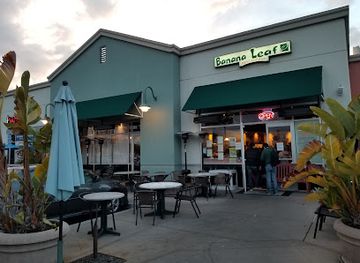
Banana Leaf Restaurant
Discover the essence of Malaysian cuisine at Banana Leaf Restaurant in Milpitas—where every dish tells a story.
6 min drive · 1.9 km from city centre
Best bars in Milpitas
Milpitas has a relatively low-key evening scene rather than a concentrated nightclub district. After dark, activity is centred on restaurants, casual bars, hotel lounges, entertainment venues around Great Mall and neighbourhood establishments serving the local community. Sports bars and relaxed pubs provide places to watch games or meet friends, while restaurants with full bar service are more common than specialist cocktail or late-night venues. The city's diverse population also supports social spaces connected with Indian, Vietnamese, Filipino, Chinese and other communities, although these are often dispersed rather than gathered on one nightlife street. Visitors seeking larger live-music, theatre or club programmes usually travel to San José, Santa Clara, Oakland or San Francisco, all accessible within the wider Bay Area transport network. Checking current hours and transport home is particularly important because late-night services are less frequent than daytime connections.
-
Restaurant
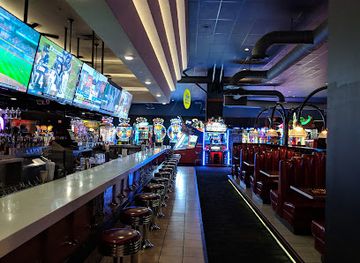
Dave & Buster's Milpitas - San Jose
Discover the ultimate entertainment experience at Dave & Buster's Milpitas, where great food meets thrilling arcade fun.
5 min drive · 1.6 km from city centre
-
Italian
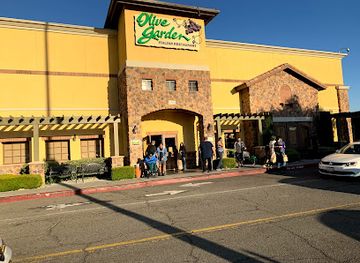
Olive Garden Italian Restaurant
Savor authentic Italian cuisine at Olive Garden in Milpitas, where family-friendly dining meets a delightful menu of traditional dishes and gluten-free options.
7 min drive · 2.2 km from city centre
-
Chinese
Koi Palace - Milpitas
Experience authentic Chinese cuisine at Koi Palace, Milpitas, renowned for its exquisite dim sum and fresh seafood delicacies.
6 min drive · 2.0 km from city centre
-
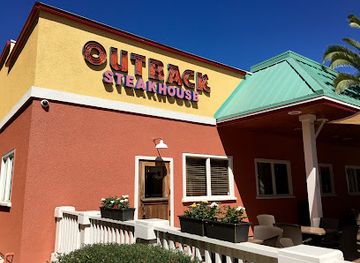
Bar
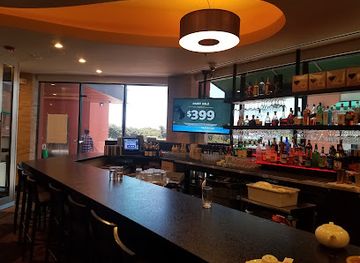
Outback Steakhouse
Experience a delicious fusion of American and Australian dining at Outback Steakhouse in Milpitas, California.
5 min drive · 1.6 km from city centre
Best nightclubs in Milpitas
Milpitas has a relatively low-key evening scene rather than a concentrated nightclub district. After dark, activity is centred on restaurants, casual bars, hotel lounges, entertainment venues around Great Mall and neighbourhood establishments serving the local community. Sports bars and relaxed pubs provide places to watch games or meet friends, while restaurants with full bar service are more common than specialist cocktail or late-night venues. The city's diverse population also supports social spaces connected with Indian, Vietnamese, Filipino, Chinese and other communities, although these are often dispersed rather than gathered on one nightlife street. Visitors seeking larger live-music, theatre or club programmes usually travel to San José, Santa Clara, Oakland or San Francisco, all accessible within the wider Bay Area transport network. Checking current hours and transport home is particularly important because late-night services are less frequent than daytime connections.
-
Grill
Tequila Shots Bar and Grill
Discover the vibrant flavors and lively atmosphere of Tequila Shots Bar and Grill, where every meal is a celebration of taste and culture.
8 min walk · 0.7 km from city centre
-
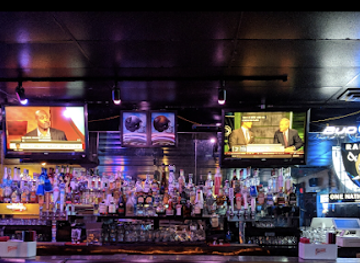
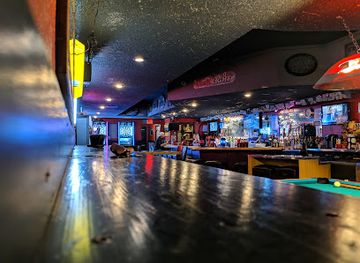
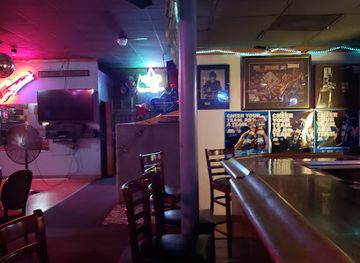
Cocktail bar
The G.
Discover The G. in Milpitas - a lively cocktail bar and sports haven offering a vibrant atmosphere and delicious drinks for an unforgettable night out.
8 min walk · 0.7 km from city centre
-
Lounge
The Note
Experience the vibrant nightlife of Milpitas at The Note, a chic lounge and cocktail bar perfect for socializing and unwinding.
9 min drive · 2.9 km from city centre
-
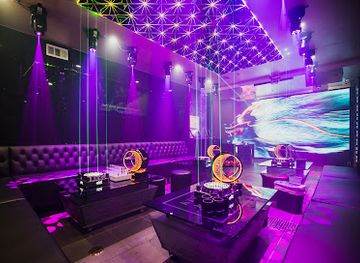
Karaoke bar
Music Land
Experience the ultimate karaoke adventure at Music Land, where every night is a celebration of music and fun in Milpitas, California.
6 min drive · 2.0 km from city centre
Best shops in Milpitas
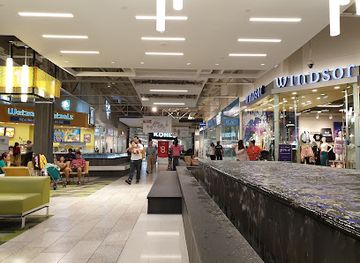
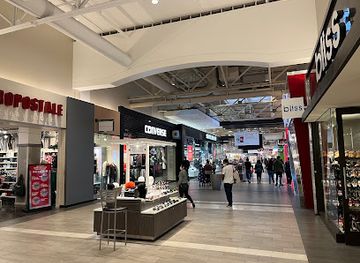
Shopping in Milpitas is dominated by Great Mall, a large indoor retail and entertainment complex developed on the site of the former Ford assembly plant. Its scale and location make it the city's most recognisable commercial attraction, with mainstream retailers, food outlets and recreation under one roof. Beyond the mall, shopping follows the suburban pattern of plazas, supermarkets, specialist stores and independently run businesses along Main Street, South Main Street, Jacklin Road and nearby corridors. These districts are particularly useful for international visitors seeking groceries, confectionery, spices, clothing and household goods associated with the city's Indian, Chinese, Vietnamese, Filipino and wider Asian communities. Milpitas is not chiefly known for a historic craft market or a compact central shopping street, but its retail landscape offers a revealing picture of contemporary Silicon Valley life and the area's diverse immigrant enterprise.
-
Shopping mall
Great Mall
Explore Great Mall, California's largest indoor outlet shopping center, featuring over 200 stores and diverse dining options for a perfect day out.
6 min drive · 1.9 km from city centre
-
Department store
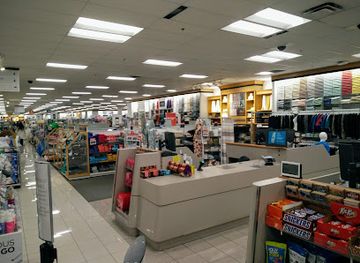
Kohl's
Discover unbeatable deals and extensive selections at Kohl's in Milpitas, your ultimate department store experience.
5 min drive · 1.7 km from city centre
-
Shopping mall
Milpitas Town Center
Explore Milpitas Town Center: A shopping haven with diverse stores, dining, and entertainment in the heart of California.
3 min walk · 0.3 km from city centre
-
Shopping mall
The Great Mall Milpitas Outlet
Discover endless shopping possibilities at The Great Mall in Milpitas, a vibrant retail destination with diverse stores, dining, and entertainment.
5 min drive · 1.7 km from city centre
Get your free copy of our complete guide to Milpitas, delivered straight to you.
Everything on this page, from attractions and restaurants to essentials and local phrases, in one PDF you can read offline, print or share.
Already have an account? Sign in
Your Milpitas guide is ready.
We'll send it to · Not you? Sign out

Getting your guide ready…
We are putting together a fresh copy of the Milpitas guide. This can take up to a minute.
This can take a few moments. If your browser asks, choose Allow so the download can start. You'll find the guide in your Downloads folder.
Nothing happened? Download it again
Sorry, the guide is taking longer than usual. Please try again in a minute, or get it by email instead.
Milpitas essentials
Currency and Payment
Safety
Emergency Situations
Do's and Don'ts
Local Tips
From Eve
Local phrases worth knowing
You don't need to get them perfect. A few words go a long way, and locals appreciate the effort.
Basics
| English | Local | Say it |
|---|---|---|
| Hello | Hey | [hey] |
| Goodbye | Bye | [bai] |
| Yes | Yeah | [yeah] |
| No | Nope | [nohp] |
| Please/You're welcome | Please | [pleez] |
| Thank you | Thanks | [thangs] |
| Excuse me/Sorry | Sorry | [sor-ee] |
| How are you? | How are you? | [how r yoo] |
| Fine. And you? | Fine. And you? | [fyn. and yoo] |
| Do you speak English? | Do you speak English? | [doo yoo speek ing-glish] |
| I don't understand | I don't get it | [ai dont get it] |
Eating & Drinking
| English | Local | Say it |
|---|---|---|
| I'd like to see the menu, please | Can I see the menu? | [kan ai see the men-yoo] |
| I don't eat meat | I don't eat meat | [ai dont eet meet] |
| Cheers! | Cheers! | [cheers] |
| I would like to pay, please | I'll pay now | [ai-ll pay now] |
Emergencies
| English | Local | Say it |
|---|---|---|
| Help! | Help! | [help] |
| Go away! | Get lost! | [get lost] |
| Call the Police! | Call the cops! | [call the cops] |
| Call a doctor! | Get a doctor! | [get a doctor] |
| I'm lost | I'm lost | [ai-m lost] |
| I'm ill | I'm sick | [ai-m sik] |
Shopping
| English | Local | Say it |
|---|---|---|
| I'd like to buy... | I wanna buy... | [ai wanna buy] |
| I'm just looking | Just browsing | [just brow-zing] |
| How much is it? | How much? | [how much] |
| That's too expensive | Too pricey | [too prye-see] |
| Can you lower the price? | Can you drop it? | [kan yoo drop it] |
Time & Numbers
| English | Local | Say it |
|---|---|---|
| What time is it? | What's the time? | [wuts the tym] |
| It's one o'clock | It's one | [its wun] |
| Half past (10) | Half past ten | [haff past ten] |
| Morning | Morning | [mor-ning] |
| Afternoon | Afternoon | [af-ter-noon] |
| Evening | Evening | [ee-ven-ing] |
| Yesterday | Yesterday | [yes-ter-day] |
| Today | Today | [to-day] |
| Tomorrow | Tomorrow | [to-mor-row] |
| 1 | One | [wun] |
| 2 | Two | [too] |
| 3 | Three | [three] |
| 4 | Four | [for] |
| 5 | Five | [fiv] |
| 6 | Six | [siks] |
| 7 | Seven | [sev-en] |
| 8 | Eight | [ate] |
| 9 | Nine | [nine] |
| 10 | Ten | [ten] |
Transport & Directions
| English | Local | Say it |
|---|---|---|
| Where's a/the...? | Where is the...? | [wher iz the] |
| What's the address? | What's the address? | [wuts the ad-dress] |
| Can you show me (on the map)? | Can you show me (on the map)? | [kan yoo show mee on the map] |
| When's the next (bus)? | When's the next (bus)? | [whens the nekst bus] |
| A ticket (to ....) | A ticket (to ....) | [a tik-et to] |
History of Milpitas
Ohlone Homelands of the South Bay
Before European colonisation, the Santa Clara Valley and its surrounding hills were inhabited by Ohlone peoples, including communities whose lives were shaped by the area's wetlands, grasslands, waterways and seasonal food resources. Rather than a single central settlement, the region contained interconnected villages and territories maintained through movement, trade and cultural practice. Spanish colonisation during the late eighteenth century brought missions, ranching and severe disruption to Indigenous societies through disease, forced labour and displacement. The modern city occupies only part of this much older cultural landscape, which remains important to understanding the history of the South Bay.
Spanish and Mexican Rancho Era
Following Mexican independence from Spain, land outside the mission system was distributed through private ranchos. In 1835, José María Alviso received Rancho Milpitas, a substantial grant whose name is generally associated with the Spanish word milpa, referring to a cultivated field. The rancho economy centred on cattle, agriculture and landholding rather than urban development. Alviso's adobe home, associated with the early rancho period, is commemorated in local historical interpretation. The valley's fertile soil and access to regional routes would later support a more concentrated settlement, but the rancho era established the name and broad agricultural identity that preceded the city.
American Settlement and Agriculture
After California entered the United States in 1850, American legal and commercial institutions gradually reshaped the former rancho lands. Farmers cultivated orchards, grain and other crops across the Santa Clara Valley, while roads, schools, shops and civic buildings formed the basis of a small community. Milpitas remained closely connected to nearby San José and to the valley's agricultural economy. The settlement's development was modest compared with the later suburban city, but this period created the street pattern, local institutions and farming traditions that continued to influence the community into the twentieth century.
Industry Replaces Orchards
The twentieth century brought a decisive change as transport links, population growth and industrial investment began to transform northern Santa Clara Valley. The Ford Motor Company operated an automobile assembly plant in Milpitas from the mid-1950s until the early 1980s, making the city part of the region's manufacturing landscape. Industrial employment attracted new residents and accelerated suburban construction, while orchards and open farmland were progressively converted to factories, roads and housing. The eventual redevelopment of the assembly-plant site as Great Mall preserved the location's importance while changing its economic role from manufacturing to retail and entertainment.
Incorporation and Silicon Valley Growth
Milpitas incorporated as a city in 1954, at a time when the Santa Clara Valley was moving from an agricultural economy towards electronics, research and advanced manufacturing. During the later twentieth century, the spread of Silicon Valley industries brought further employment, housing and demographic change. Milpitas developed as a diverse residential and business community between San José and the East Bay, with industrial parks and technology-related companies alongside established neighbourhoods. The arrival of BART service in 2019 strengthened the city's regional connections and reinforced its role as a northern gateway to the South Bay.
Milpitas in Photos
Browse through our photo collection highlighting the charm and character of the destination.
Cities near Milpitas
The closest cities to Milpitas, if you have time for more than one stop.
-
-

-

-

-


Swipe for more cities
Explore more
Explore more of California
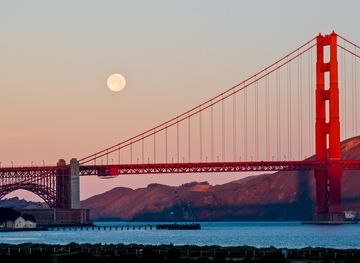
Discover California: A land of diverse landscapes, iconic cities, and endless adventures, from sun-soaked beaches to towering redwoods and vibrant cultural experiences.
Explore California