Storrier Stearns Japanese Garden: A Pasadena Oasis
Experience tranquility in Pasadena at the Storrier Stearns Japanese Garden, a historic oasis of Japanese design and serene beauty.
The Storrier Stearns Japanese Garden in Pasadena is a 1.45-acre oasis showcasing pre-World War II Japanese garden design. Created in the late 1930s by Kinzuchi Fujii, it features serene ponds, cascading waterfalls, meticulously crafted bridges, and a traditional teahouse, offering a tranquil escape.
A brief summary to Storrier Stearns Japanese Garden
- 270 Arlington Dr, Pasadena, South Arroyo, California, 91105, US
- +1626-399-1721
- Visit website
- Saturday 3 pm-7 pm
- Sunday 10 am-4 pm
Local tips
- Check the garden's website for the most up-to-date information on hours, admission fees, and special events.
- Consider purchasing tickets online in advance to guarantee admission and potentially save money.
- Be mindful of the residential neighborhood and park considerately on the street.
- Wear comfortable shoes for walking along the garden's winding paths.
- Take your time to relax and enjoy the peaceful atmosphere, and the carefully designed landscape.

Getting There
-
Public Transport
From the Fillmore Station on the Metro Gold Line, walk 0.75 miles. Exit the station and turn right, walk to Raymond Avenue, cross the street and continue to Fair Oaks Avenue. Turn left, walk south to Glenarm Street, then turn right to Pasadena Avenue. Cross Pasadena Avenue, turn right, then left onto Arlington Drive. The garden is on the left. A single Metro fare is $1.75.
-
Walking
If you are near South Orange Grove Boulevard or South Pasadena Avenue, walk towards Arlington Drive. The garden is located at 270 Arlington Drive, between these two boulevards. Look for the entrance on the left side of the street.
-
Driving
The Storrier Stearns Japanese Garden is located at 270 Arlington Drive in Pasadena. From Orange Grove Avenue, turn onto Arlington Drive. From Pasadena Avenue, turn onto Arlington Drive. Limited parking is available in the garden's driveways. If full, park on the street, being mindful of the neighbors. Street parking is free.
Discover more about Storrier Stearns Japanese Garden
Iconic landmarks you can’t miss

Barack Obama’s Former Residence
1.0 km
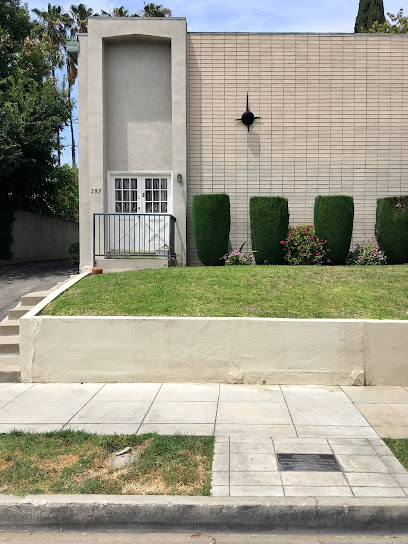
Explore the historical significance of Barack Obama's former residence in Pasadena, a landmark that reflects the early life of the 44th President of the United States.
Cathedral Oak Monument
1.2 km
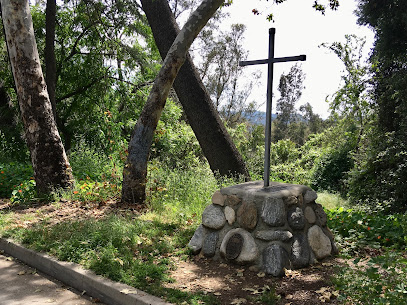
Explore the Cathedral Oak Monument, a majestic historical landmark in South Pasadena, where nature meets rich cultural heritage.
John K. Van De Kamp Bridge
1.2 km
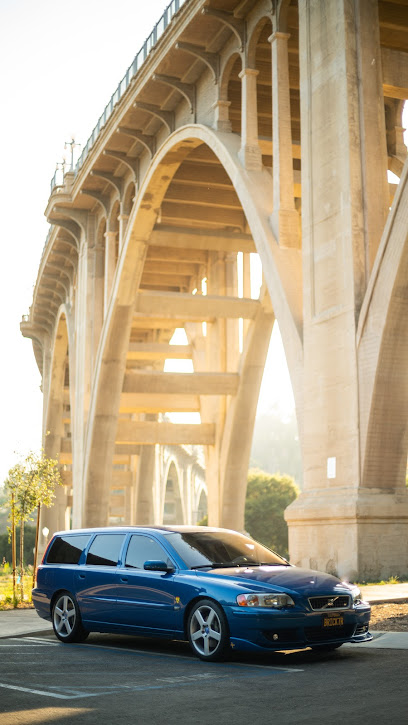
Explore the John K. Van De Kamp Bridge in Pasadena, a stunning architectural marvel with breathtaking views and serene surroundings perfect for relaxation and photography.
La Loma Bridge
1.2 km
Explore La Loma Bridge, a stunning historical landmark in Pasadena, California, showcasing the city's rich architectural heritage and serene landscapes.
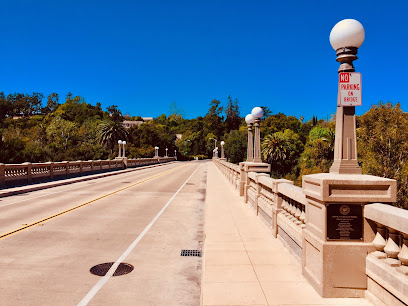
Victorian Era Grandeur Historic District - 440 South Grand Avenue
1.3 km
Discover the elegance of the Victorian Era at the Historic District in Pasadena, where stunning architecture and rich history await every visitor.
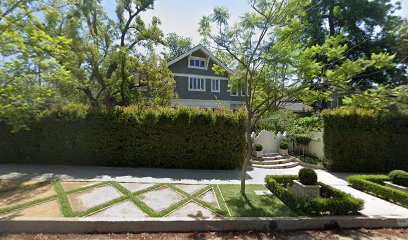
South Pasadena Historic District
1.4 km
Discover the architectural beauty and rich history of South Pasadena's Historic District, a must-visit for history and culture enthusiasts.
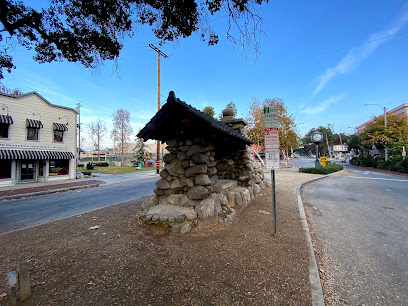
Watering Trough
1.4 km
Explore the Watering Trough in South Pasadena, a historic landmark that embodies the region's agricultural heritage and tranquil charm.
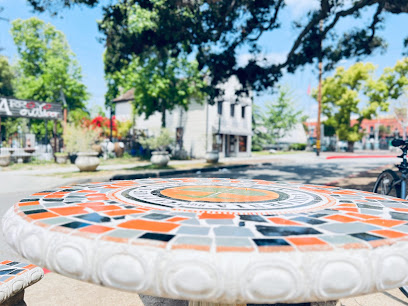
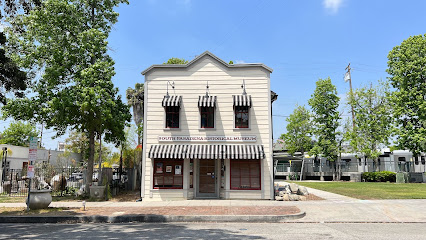
South Pasadena Historical Museum
1.4 km
Explore South Pasadena's vibrant history at the South Pasadena Historical Museum, where every exhibit tells a unique story of the past.
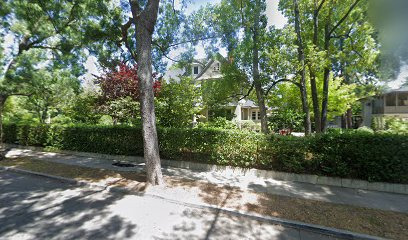
Victorian Era Grandeur Historic District - 260 South Orange Grove Boulevard
1.5 km
Explore the Victorian Era Grandeur Historic District in Pasadena, a stunning collection of historic homes showcasing exquisite architectural beauty and rich cultural history.
Victorian Era Grandeur Historic District - 242 South Grand Avenue
1.6 km
Discover the elegance of the Victorian Era at Pasadena's Historic District, a treasure trove of stunning architecture and rich history.
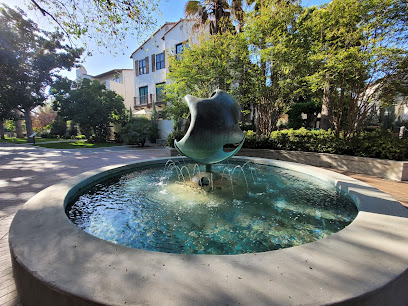
Ambassador Mansions & Gardens
1.8 km
Experience the serene beauty and historical charm of Ambassador Mansions & Gardens in Pasadena, a hidden gem for tourists seeking tranquility.
Vista del Arroyo Hotel, 1920-1930 - Architects: Marston & Van Pelt
1.8 km
Explore the architectural beauty of Vista del Arroyo Hotel, a historical gem in Pasadena that showcases the elegance of early 20th-century design.
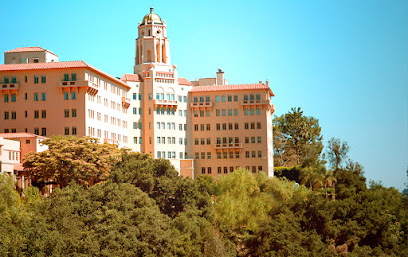
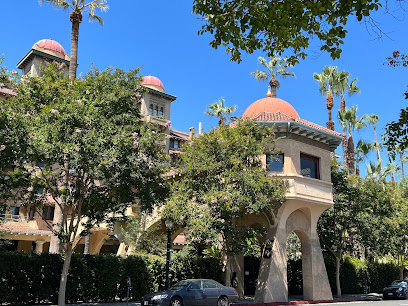
Castle Green
1.9 km
Experience the historic elegance of Castle Green, a stunning event venue and landmark in Pasadena, California, perfect for exploring and capturing beautiful memories.
Mc Cormick Alley
1.9 km
Explore the charming history of Mc Cormick Alley in Pasadena, a picturesque landmark showcasing early 20th-century architecture and vibrant local culture.
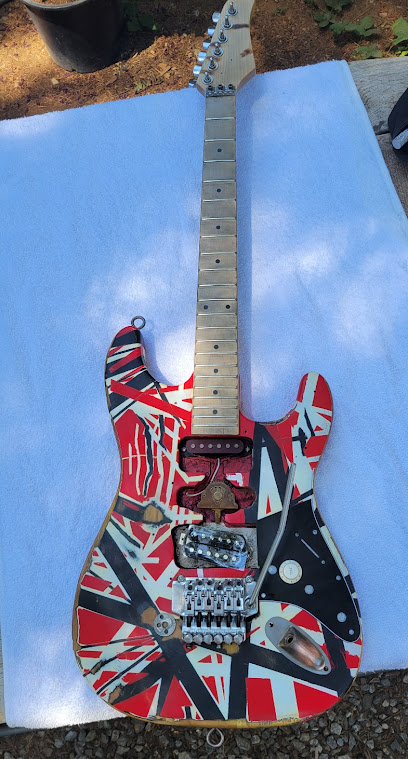
Van Halen Plaque
2.1 km
Explore the Van Halen Plaque in Pasadena, a heartfelt tribute to the iconic guitarist and a must-visit for music lovers and tourists.
Unmissable attractions to see

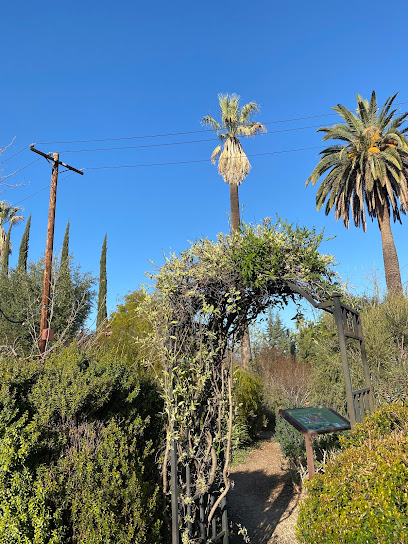
Arlington Garden in Pasadena
0.1 km
Explore the beauty of Arlington Garden in Pasadena, a lush, free-entry botanical garden offering serene pathways and diverse plant life.
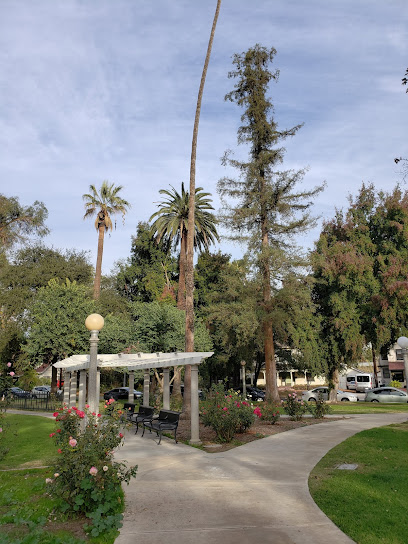
Singer Park
0.8 km
A charming Pasadena park with lush greenery, rose gardens, and a family-friendly atmosphere, perfect for a relaxing escape.
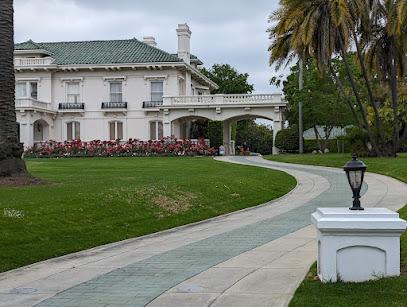
Wrigley Mansion
1.3 km
Explore the Wrigley Mansion in Pasadena, a stunning historical landmark showcasing rich heritage, beautiful gardens, and captivating architecture.
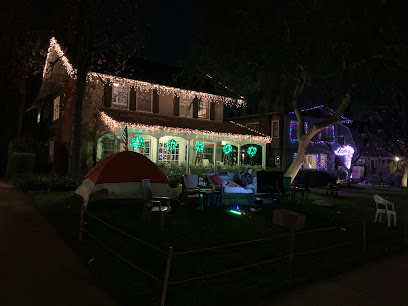
Halloween House
1.3 km
Visit the iconic house from John Carpenter's 'Halloween' in South Pasadena, a landmark for horror movie fans and cinematic history buffs.
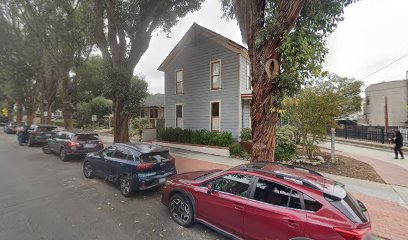
Michael Myers’ House
1.3 km
Visit the iconic Michael Myers' House in South Pasadena, a chilling landmark from the classic horror film 'Halloween'.
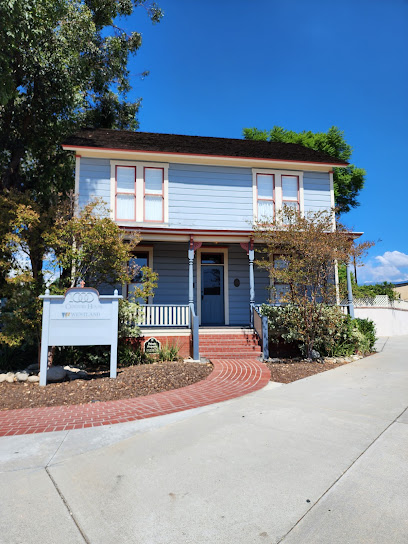
Lookout Point
1.4 km
Discover breathtaking panoramic views at South Pasadena's Lookout Point, a serene escape into nature with stunning mountain vistas.
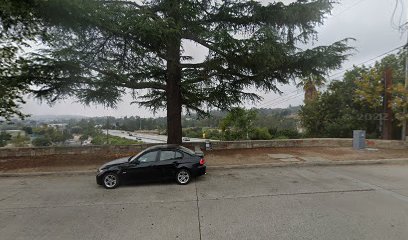
Garfield Park
1.6 km
Discover a tranquil oasis in South Pasadena: Garfield Park, where community gathers for recreation, events, and natural beauty.
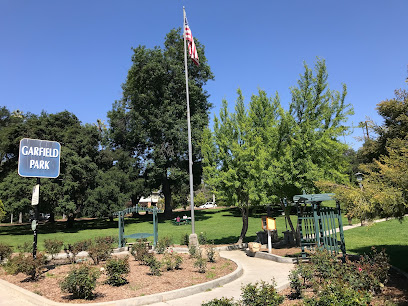
Central Park
1.7 km
Explore Central Park in Pasadena, a lush urban sanctuary offering recreation, relaxation, and community events amidst beautiful landscapes.
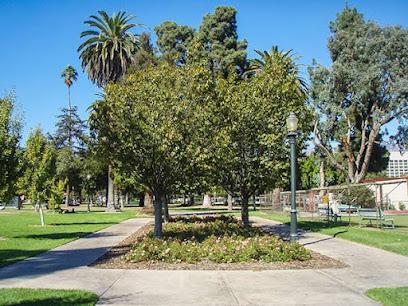
Millionaire's Row
1.9 km
Experience Pasadena's Golden Age on Millionaire's Row, where historic mansions and stunning architecture recall a bygone era of wealth and elegance.
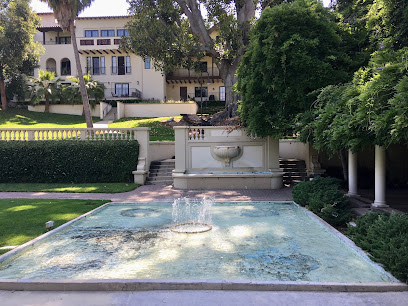
Colorado Street Bridge
2.0 km
Discover the architectural beauty and historical significance of the Colorado Street Bridge, a Pasadena landmark offering stunning views and rich heritage.
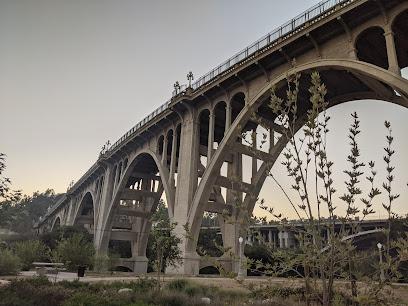
Norton Simon Museum
2.1 km
Discover masterpieces from around the world at the Norton Simon Museum, home to an impressive collection of European, Asian, and American art.
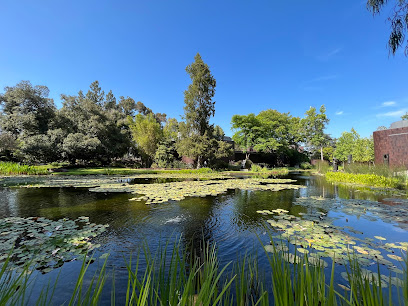
Old Pasadena
2.1 km
Explore Old Pasadena: A historic district blending charm, culture, and modern amenities in the heart of California.
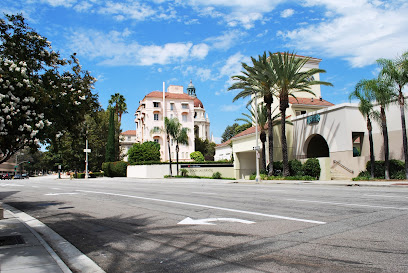
The Bunker Experience
2.1 km
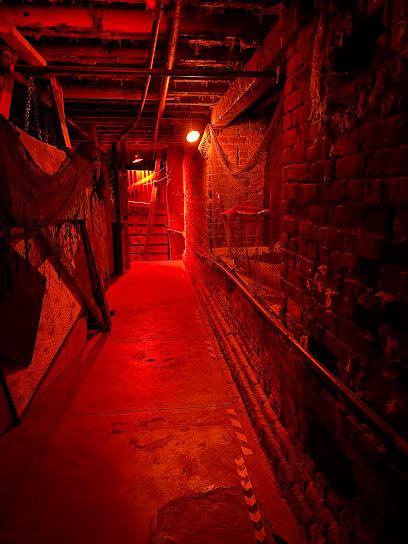
Discover the thrilling world of escape rooms at The Bunker Experience in Pasadena, where adventure and teamwork come together for an unforgettable outing.
Vivekananda House
2.2 km
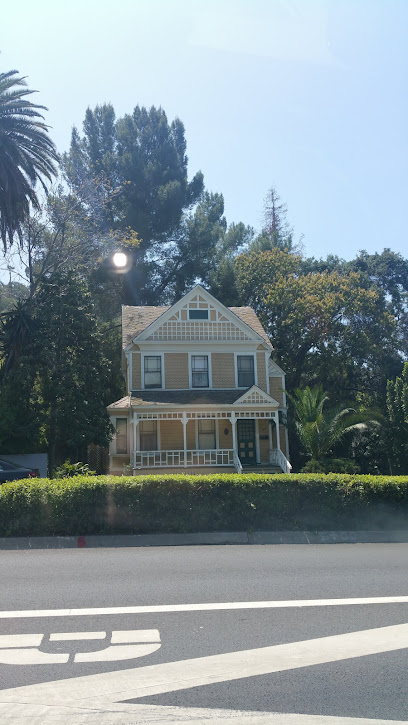
Explore the legacy of Swami Vivekananda and the early days of Vedanta philosophy in America at the historic Vivekananda House in South Pasadena.
Pasadena Memorial Park
2.3 km
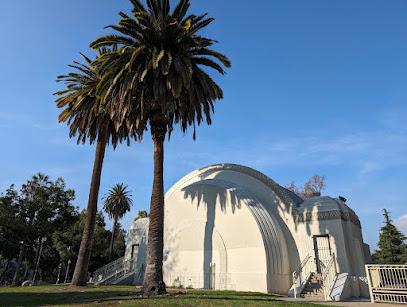
Discover tranquility at Pasadena Memorial Park, a serene haven of beauty and remembrance in the heart of California, perfect for relaxation and community events.
Essential places to dine

The Raymond Restaurant - Brunch, Dinner & Happy Hour Pasadena CA
0.7 km
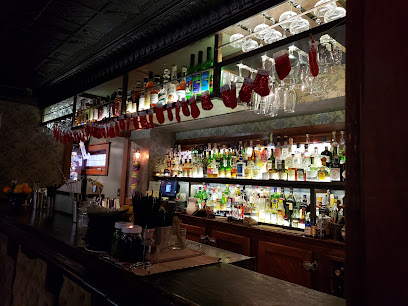
Discover exquisite American cuisine at The Raymond Restaurant in Pasadena - where fine dining meets vibrant local culture.
Gale's
1.2 km
Discover authentic Italian cuisine at Gale's in Pasadena - where every meal is crafted with passion and tradition.
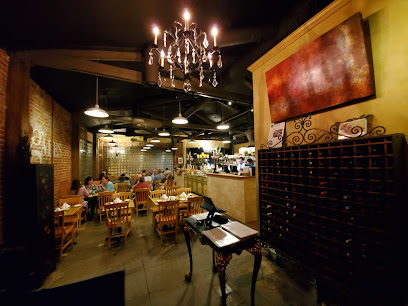
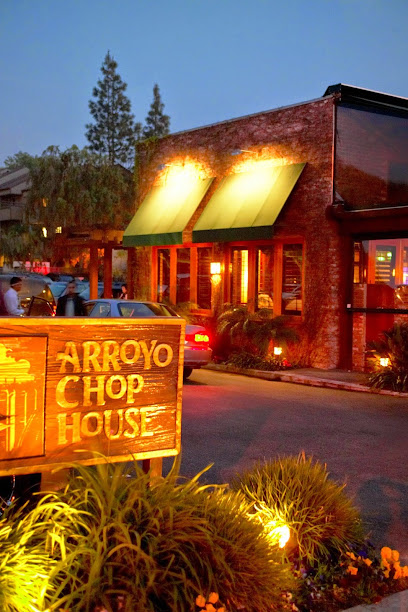
Arroyo Chop House
1.2 km
Experience culinary excellence at Arroyo Chop House in Pasadena—where prime steaks meet fresh seafood in an elegant setting.
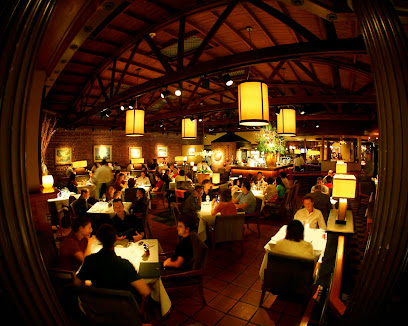
Parkway Grill
1.3 km
Discover Parkway Grill: A Fine Dining Experience in Pasadena Blending American Flavors with European Elegance.
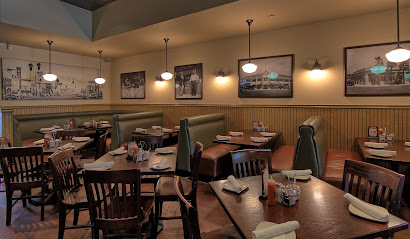
Gus's BBQ - South Pasadena
1.4 km
Experience authentic Southern barbecue at Gus's BBQ in South Pasadena – where smoky flavors meet friendly service.
Shiro
1.4 km
Indulge in exquisite French cuisine and vibrant cocktails at Shiro in South Pasadena – where culinary artistry meets elegance.
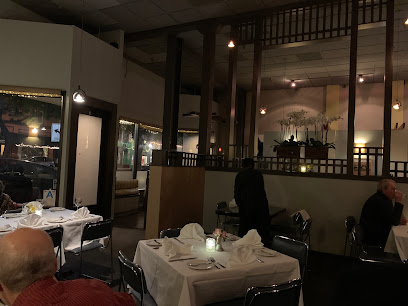
Houston's
1.6 km
Discover the exquisite flavors of American cuisine at Houston's in Pasadena – where tradition meets innovation.
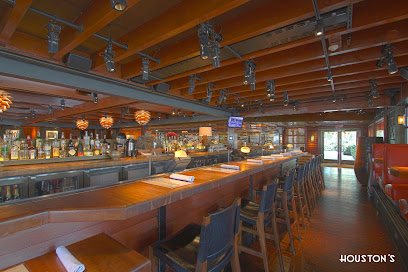
The Luggage Room Pizzeria & La Grande Orange
1.6 km
Experience delicious American cuisine at The Luggage Room Pizzeria & La Grande Orange in Pasadena – a perfect blend of flavors awaits you.
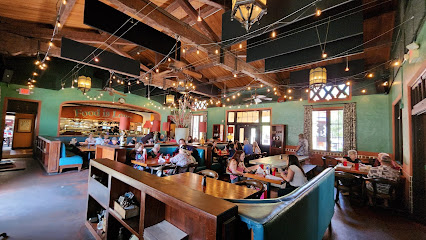
Buca di Beppo Italian Restaurant
1.8 km
Experience authentic Italian cuisine at Buca di Beppo in Pasadena - where every meal feels like a family gathering.
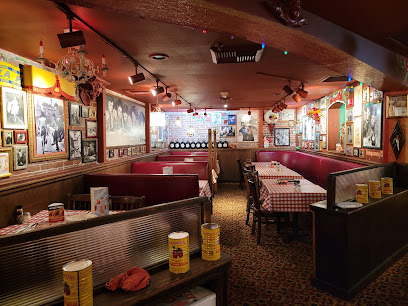
Craft by Smoke and Fire
1.9 km
Discover Craft by Smoke and Fire: A family-friendly barbecue restaurant in Old Pasadena offering unique smoked dishes that delight every palate.
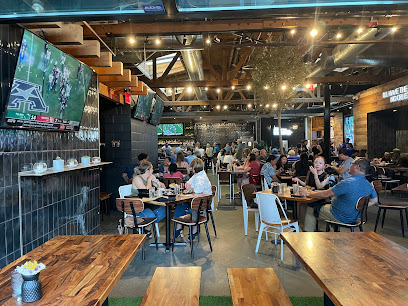
Agnes Restaurant & Cheesery
1.9 km
Experience the best of traditional American cuisine and artisanal cheeses at Agnes Restaurant & Cheesery in Pasadena.
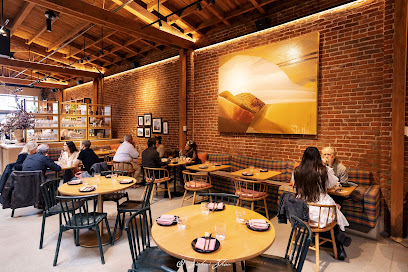
Entre Nous French Bistro
1.9 km
Experience the essence of France at Entre Nous French Bistro in Old Pasadena - where culinary artistry meets warm hospitality.
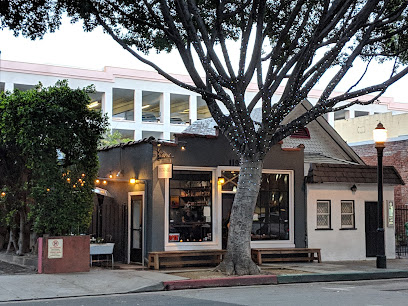
True Food Kitchen
2.0 km
Discover True Food Kitchen in Pasadena – where health meets flavor in a vibrant setting offering vegan, gluten-free & organic delights.
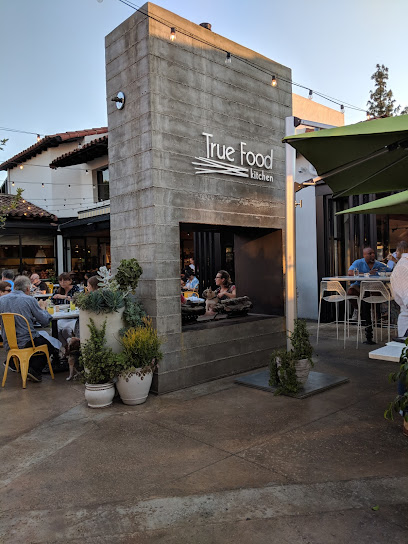
Edwin Mills by Equator
2.0 km
Experience vibrant American cuisine at Edwin Mills by Equator in Old Pasadena – where every meal becomes an unforgettable experience.
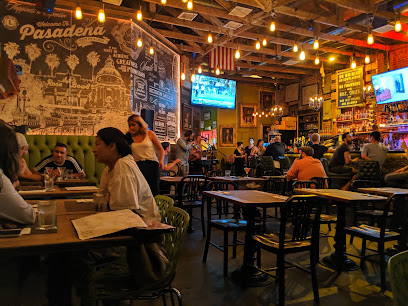
Dog Haus
2.0 km
Discover gourmet hot dogs and burgers at Dog Haus in Old Pasadena - where classic American comfort food meets creativity.
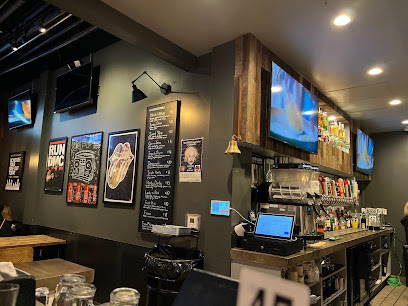
Markets, malls and hidden boutiques

House Of Neffie
1.2 km
Explore House Of Neffie in Pasadena for an enchanting collection of antiques and vintage treasures that celebrate history and craftsmanship.
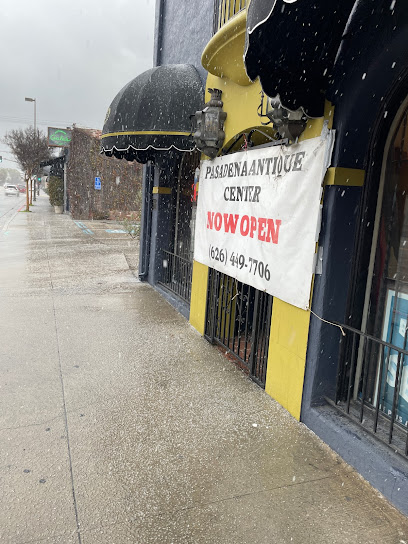
Pasadena Antique Center and Annex
1.2 km
Explore the Pasadena Antique Center and Annex for unique vintage finds and treasures that tell a story of the past.
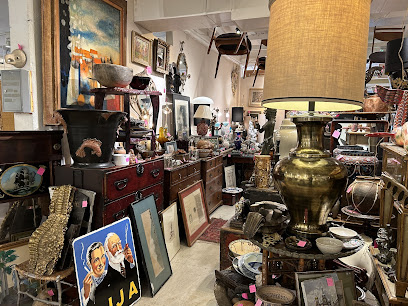
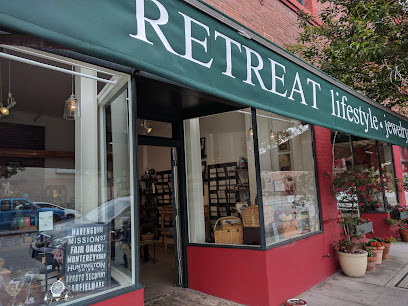
Retreat: Lifestyle, Jewelry & Gifts
1.4 km
Explore unique jewelry, artisanal gifts, and local crafts at Retreat: Lifestyle, Jewelry & Gifts in South Pasadena, a must-visit for every tourist.
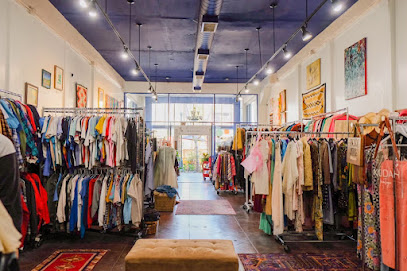
South Pas Vintage
1.4 km
Explore South Pas Vintage for a unique selection of vintage clothing and flea market treasures in the heart of South Pasadena, California.
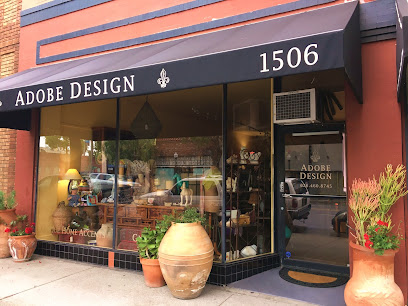
Adobe Design
1.4 km
Discover unique gifts and local artistry at Adobe Design, a charming gift shop in the heart of South Pasadena, California.
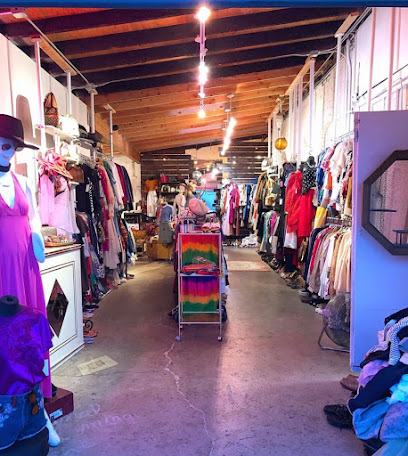
Hotbox Vintage
1.4 km
Explore Hotbox Vintage in South Pasadena for unique vintage clothing and accessories, blending nostalgia with sustainable shopping.
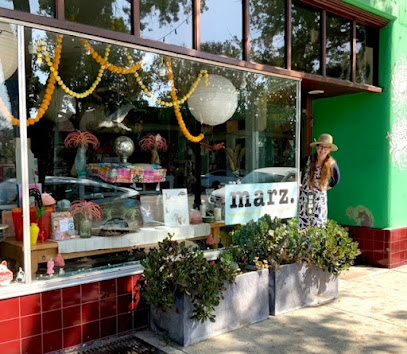
MARZ gifts
1.4 km
Explore MARZ Gifts in South Pasadena for unique, handcrafted treasures and local art that make perfect souvenirs for your travels.
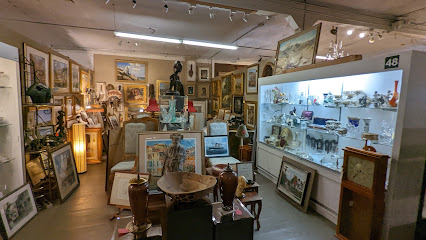
Pasadena Antiques & Design
1.4 km
Explore Pasadena Antiques & Design for a unique selection of vintage furniture and collectibles in a charming atmosphere.
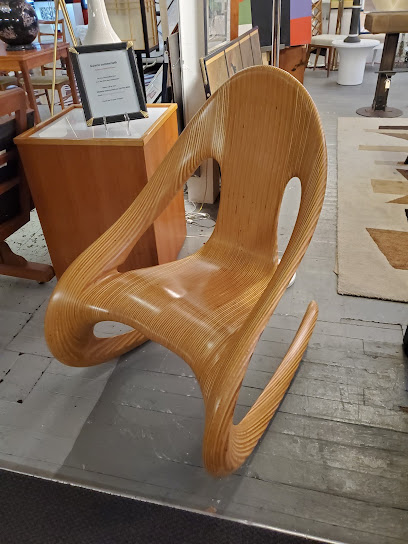
Antiques On Fair Oaks
1.5 km
Explore Antiques On Fair Oaks in Pasadena, a treasure trove of vintage collectibles and historical artifacts that tell stories of the past.
2nd STREET Pasadena
2.0 km
Explore sustainable fashion at 2nd STREET Pasadena, where vintage meets modern in a charming used clothing store.
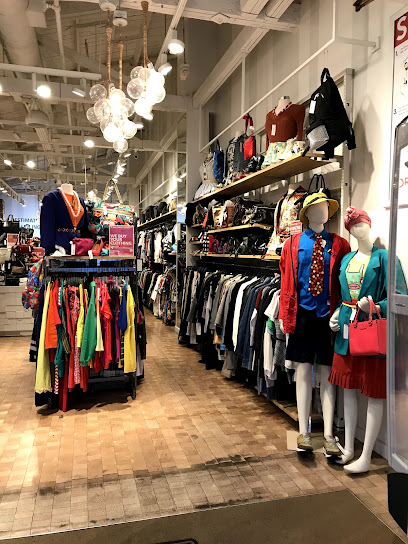
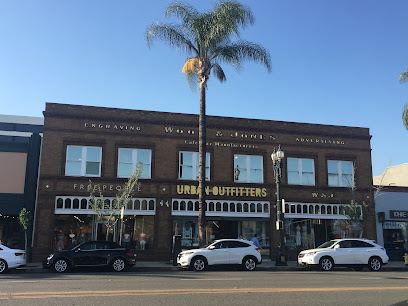
Urban Outfitters
2.0 km
Discover Urban Outfitters in Pasadena, where fashion meets creativity with stunning clothing, beauty products, and home goods in a vibrant shopping experience.
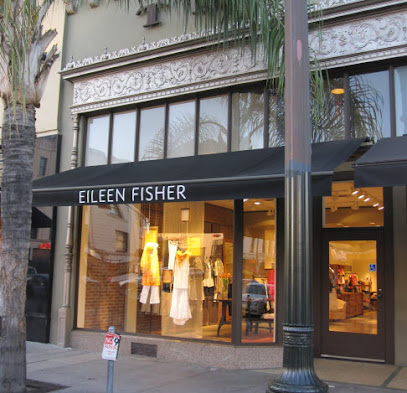
EILEEN FISHER
2.1 km
Discover sustainable fashion at EILEEN FISHER in Pasadena, where style meets eco-consciousness in a chic shopping experience.
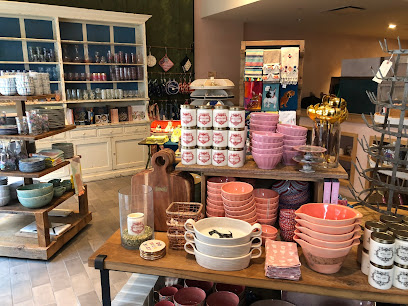
Anthropologie
2.1 km
Explore Anthropologie in Old Pasadena for a unique shopping experience with stylish women's clothing, beauty products, and home decor.
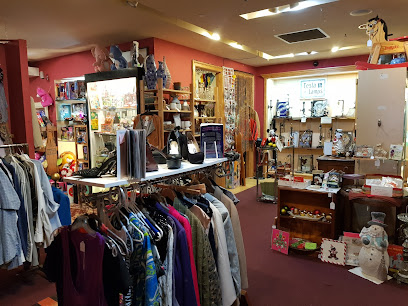
Pasadena Antique Mall
2.2 km
Uncover unique antiques, collectibles, and vintage treasures at Pasadena Antique Mall - a must-visit shopping destination in California.
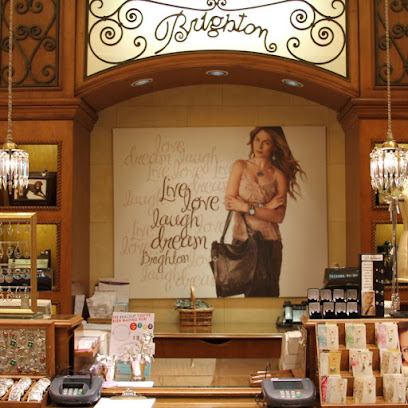
Brighton
2.2 km
Explore Brighton in Pasadena for unique gifts, fashion accessories, and exquisite jewelry in a charming boutique atmosphere.
Essential bars & hidden hideouts

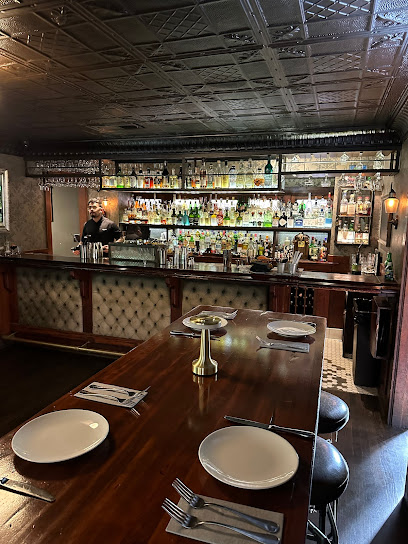
1886 Bar Restaurant at The Raymond - Pasadena CA
0.7 km
Discover the charm of Pasadena's culinary scene at 1886 Bar Restaurant, where history meets modern flavor in an unforgettable dining experience.
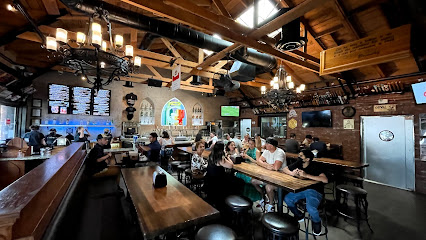
Congregation Brewery & Cocina - Pasadena
1.5 km
Dive into a feast of flavors at Congregation Brewery & Cocina, where craft beer meets vibrant Mexican cuisine in the heart of Pasadena.
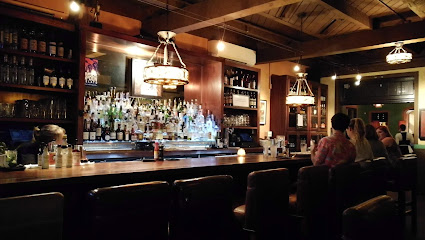
Otis Bar
1.6 km
Experience the vibrant flavors and lively atmosphere at Otis Bar, Pasadena's premier grill destination for food lovers and social gatherings.
Kings Row Gastropub
2.0 km
Discover the perfect blend of gourmet cuisine and sports excitement at Kings Row Gastropub in Old Pasadena.
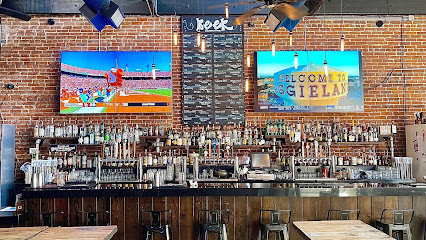
The 35er
2.0 km
Experience the best of Pasadena's nightlife at The 35er, where cocktails meet sports in a vibrant bar atmosphere.
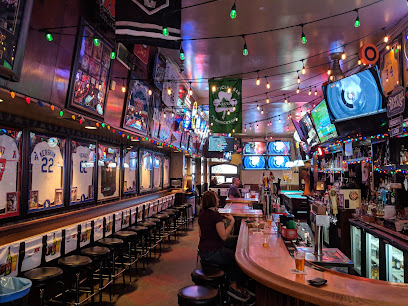
The Cellar: A Wine Library
2.0 km
Explore an exquisite selection of wines at The Cellar, a cozy wine bar in Pasadena's vibrant Old Town, perfect for enthusiasts and casual drinkers alike.
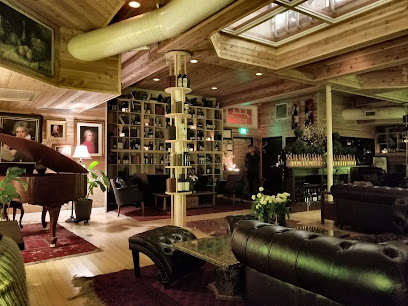
10 1/4 Pasadena
2.0 km
Discover the vibrant cocktail scene at 10 1/4 Pasadena, where creative drinks meet a chic ambiance in the heart of Old Pasadena.
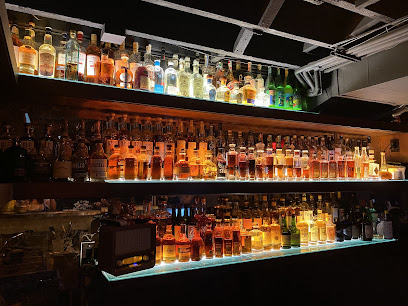
Lucky Baldwins Pub
2.0 km
Discover the lively atmosphere and authentic British cuisine at Lucky Baldwins Pub, a must-visit spot in Pasadena's Old Town.
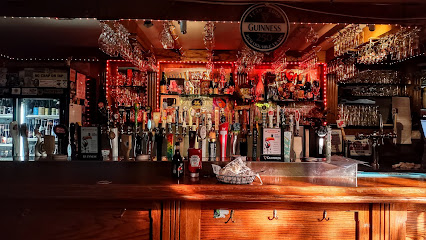
The Speakeasy
2.1 km
Discover The Speakeasy in Pasadena, where vintage charm meets modern mixology in an unforgettable bar experience.
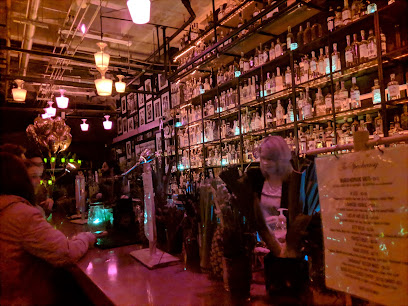
The Blind Donkey
2.2 km
Discover the charm of The Blind Donkey, Pasadena's favorite whiskey pub with craft beers, delicious bites, and a vibrant social scene.
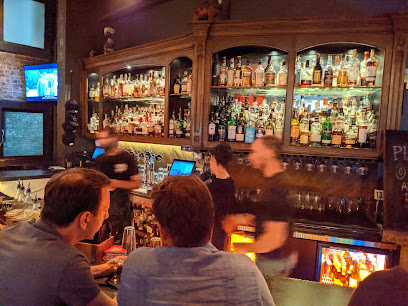
The Dungeon
2.2 km
Experience the vibrant ambiance and exquisite cocktails at The Dungeon Lounge in Old Pasadena, a must-visit for nightlife enthusiasts.
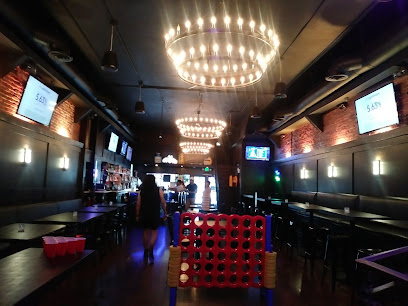
Old Towne Pub
2.2 km
Experience live music, craft beers, and a vibrant atmosphere at Old Towne Pub, the heart of Pasadena's nightlife.
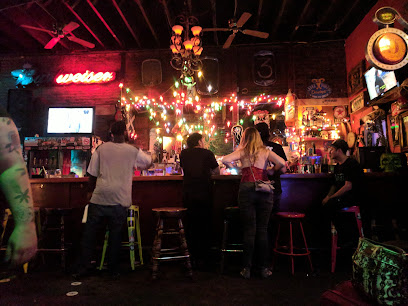
The Tap Room
2.3 km
Experience the vibrant atmosphere of The Tap Room in Pasadena, where exquisite drinks meet a stylish lounge ambiance perfect for relaxation.
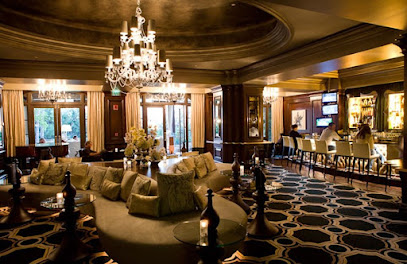
The Mixx
2.4 km
Discover the vibrant blend of New American cuisine, craft cocktails, and live music at The Mixx in Pasadena, California.
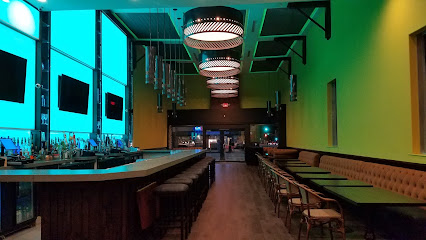
Magnolia House
2.4 km
Experience the perfect blend of tapas and cocktails in the lively atmosphere of Magnolia House, Pasadena's premier dining destination.