
Rancho Las Tunas Adobe: A Glimpse into California's Past
Discover Rancho Las Tunas Adobe in San Gabriel, a historical gem dating back to 1776, offering a glimpse into California's mission era and early settlement, a landmark of enduring significance.
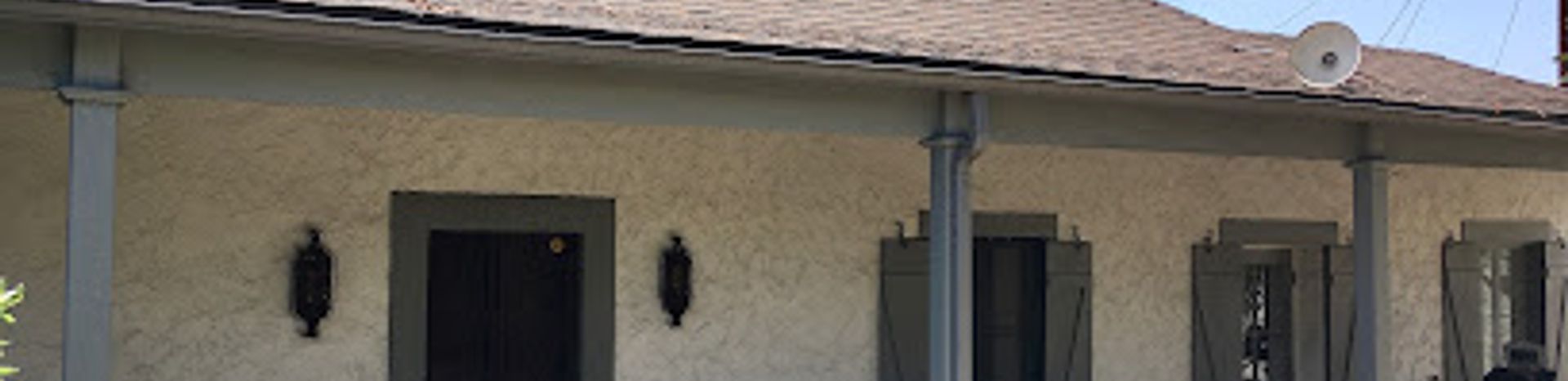
Rancho Las Tunas Adobe, nestled in the heart of San Gabriel, California, stands as a silent witness to the region's captivating history. Constructed in 1776, a mere three years before the completion of the nearby San Gabriel Mission, this unassuming adobe structure is believed to be one of the oldest houses in Los Angeles County. Its weathered walls whisper tales of Franciscan padres, Native American laborers, and the birth of a new era in California. Originally built as a dwelling for the friars overseeing the construction of the San Gabriel Mission, Rancho Las Tunas Adobe quickly became more than just a simple residence. It served as the heart of the 'Las Tunas Rancho,' a small agricultural outpost distinguished by its protective hedge of 'tuna,' or cactus, planted by the resourceful Mission Fathers. This formidable barrier, which grew to an impressive fifty feet thick by 1880, shielded the Mission's burgeoning groves and orchards from both marauding wildlife and potential threats. The adobe itself, initially a modest three-room structure, reflected the simple lifestyle of its early inhabitants. Within its thick walls were a granary, a dining and storage area, and living quarters for Padres Cambon and Somera. As the mission prospered, additional rooms were added under the direction of Father Zalvidea, transforming the adobe into a more substantial retreat. Over the years, Rancho Las Tunas Adobe passed through many hands, each leaving their mark on its enduring structure. Following secularization, the adobe was acquired by Hugo Reid and William Workman, who later sold it to Volney P. Howard, California's first superior court justice. Howard, seeking to modernize the historic dwelling, added a second floor, forever altering its original appearance. In 1876, Colonel Lance Purcell, a former consul in Japan and a hydraulic engineer, purchased the property and further expanded the adobe, adding to its eclectic architectural mix. Even today, the grounds of Rancho Las Tunas Adobe retain a tangible connection to its agricultural past. Here, one can find the descendants of the first orange seedlings planted in California, gnarled olive trees, towering pecan trees, and fragrant lemon-verbena, all remnants of the padres' experimental orchards. Though much of the original cactus hedge has disappeared, traces of this natural barrier still serve as a reminder of the ingenuity and resourcefulness of the early mission settlers. While Rancho Las Tunas Adobe remains a private residence and is not generally open to the public, its historical significance is undeniable. A historical marker erected by the Native Daughters of the Golden West in 1941 stands as a testament to its enduring legacy. The marker, located behind a high wall, offers a glimpse into the past, inviting visitors to imagine the lives of those who once called this humble adobe home. Located a short distance from the San Gabriel Mission, Rancho Las Tunas Adobe offers a unique opportunity to connect with California's rich history. As you stand before its weathered walls, consider the generations who have lived and worked here, contributing to the vibrant tapestry of the region's past. While a visit may be limited to admiring its exterior, the Rancho Las Tunas Adobe serves as a powerful reminder of the enduring legacy of the California Missions and the pioneering spirit of those who shaped the Golden State. Today, the Rancho Las Tunas Adobe is a senior center, a place where the community gathers. While it may not be open for tours, its presence is a reminder of the past. The adobe is a symbol of the city's history and a reminder of the people who built it. It is a place where the community can come together and celebrate its heritage. Visiting Rancho Las Tunas Adobe is like stepping back in time. It is a chance to see what life was like in early California and to learn about the people who made this state what it is today. While you may not be able to go inside, you can still admire the architecture and imagine what it was like to live in this historic home. It is a reminder of the past and a symbol of the city's heritage. The Rancho Las Tunas Adobe is a reminder of the past and a symbol of the city's heritage. It is a place where the community can come together and celebrate its history. While you may not be able to go inside, you can still admire the architecture and imagine what it was like to live in this historic home. It is a reminder of the past and a symbol of the city's heritage.
Local tips
- View the historical marker from the street, as the adobe is a private residence and not open for tours.
- Combine your visit with a trip to the nearby San Gabriel Mission to delve deeper into the area's history.
- Take a stroll through the surrounding neighborhood to admire the diverse architecture and learn more about San Gabriel's past.

A brief summary to Rancho Las Tunas Adobe
- 315 Monson Ln, San Gabriel, California, 91776, US
Getting There
-
Walking
From the San Gabriel Mission, walk north on Junipero Serra Drive, then turn left onto Monson Lane. Continue for a few blocks; Rancho Las Tunas Adobe will be on your left at 315 Monson Lane. The walk is approximately 10 minutes. Note that the adobe is behind a wall and not open to the public.
-
Public Transport
If arriving by Metro bus, disembark at the intersection of San Gabriel Blvd and Mission Rd. From there, walk east on Mission Rd, turn right onto Junipero Serra Drive, then left onto Monson Ln. The Adobe will be on your left. A single Metro bus fare is $1.75.
-
Taxi/Ride-Share
From most locations in San Gabriel, a taxi or ride-share to Rancho Las Tunas Adobe will cost approximately $8-$12. Use 315 Monson Ln, San Gabriel, CA 91776 as the destination. Note that the adobe is a private residence, so drivers may not be able to enter the property.
-
Driving
From the I-10 freeway, exit at San Gabriel Blvd and head north. Turn right onto Mission Road, then right onto Junipero Serra Drive, and finally left onto Monson Lane. The adobe will be on your left. Street parking is available on Monson Lane, but can be limited. Be mindful of street sweeping schedules. Parking is free.


