

San Gabriel Valley, California Travel Guide
Discover the diverse cultural tapestry, historical landmarks, and culinary delights of San Gabriel Valley, California's hidden gem, just east of Los Angeles.
Nestled just east of Los Angeles, San Gabriel Valley is an enchanting destination that effortlessly blends the charm of small-town living with the vibrancy of urban life. Known for its rich cultural diversity, the valley offers a unique tapestry of experiences ranging from historical landmarks to culinary delights. Whether you're a history buff, foodie, or nature lover, San Gabriel Valley has something for everyone. One of the highlights of the valley is the San Gabriel Mission, an architectural marvel that dates back to the 18th century. Here, visitors can explore beautifully preserved adobe buildings, lush gardens, and a fascinating museum that offers a glimpse into the region's past. For those who enjoy the outdoors, the nearby Angeles National Forest provides a stunning backdrop for hiking, picnicking, and wildlife spotting. Food enthusiasts will revel in the valley's culinary scene, which is famed for its Asian cuisine. From dim sum in Monterey Park to Vietnamese pho in Alhambra, the array of dining options is simply extraordinary. Don’t miss the chance to visit the bustling local markets where you can sample fresh produce and unique delicacies. With its perfect blend of history, culture, and natural beauty, San Gabriel Valley is a must-visit destination for any traveler.

Know before you go
Hi, I'm Eve. Here are a few practical things to know before exploring San Gabriel Valley.
- Visit the San Gabriel Mission early in the day to avoid crowds and enjoy a peaceful experience.
- Wear comfortable shoes if you plan to explore the hiking trails in the Angeles National Forest.
- Try the dim sum in Monterey Park, often considered some of the best in the United States.
- Check out the local farmers' markets for fresh produce and unique local foods.
- Consider visiting during the lunar new year for vibrant cultural celebrations and festivals.
Explore San Gabriel Valley: Things to Do, Places to Eat, Hotels & More
Handpicked recommendations for top attractions, local dining, accommodations, and more

Top Attractions & Sightseeing in San Gabriel Valley
Top-rated picks
Best Attractions

California Science Center
Explore interactive science exhibits, marvel at the Space Shuttle Endeavour, and discover the wonders of science in Los Angeles' Exposition Park.

Los Angeles Zoo
Discover wildlife from around the globe at the Los Angeles Zoo, nestled in the heart of Griffith Park. A day of adventure for the whole family awaits!

The Broad
Discover The Broad, Los Angeles' premier modern art museum, showcasing extraordinary contemporary artworks in a stunning architectural setting.

The Shops at Santa Anita
Discover a diverse shopping, dining, and entertainment experience at The Shops at Santa Anita in Arcadia, California.

Best landmarks in San Gabriel Valley
Top-rated picks
Best Landmarks

Greystone Mansion & Gardens: The Doheny Estate
Discover the elegance of a bygone era at Greystone Mansion & Gardens, a historic Beverly Hills estate offering stunning architecture, lush gardens, and a glimpse into Hollywood's golden age.

Bradbury Building
Discover the architectural splendor of the Bradbury Building in downtown Los Angeles, a Victorian masterpiece and iconic filming location that will transport you to another era.

Old Pasadena
Explore Old Pasadena: A vibrant historic district with unique boutiques, world-class dining, and captivating architecture, blending the charm of the past with modern entertainment.

Mission San Gabriel Arcángel
Explore the historic Mission San Gabriel Arcángel, a landmark of California's rich heritage with stunning architecture and serene gardens.

Best restaurants in San Gabriel Valley
Top-rated picks
Best Restaurants

Clearman's North Woods Inn - San Gabriel
Discover the enchanting ambiance of Clearman's North Woods Inn – where delicious steaks meet rustic charm in San Gabriel.

Kami Buffet & Grill
Experience a delightful fusion of Asian flavors at Kami Buffet & Grill in Rosemead - where variety meets quality in every dish!

Newport Seafood Restaurant
Experience authentic Chinese seafood at Newport Seafood Restaurant in San Gabriel – a family-friendly dining destination rich in flavor.

Luminarias Restaurant
Discover Luminarias Restaurant: A Culinary Fusion of American and Spanish Delights in Monterey Park's Vibrant Dining Scene.

Best bars in San Gabriel Valley
Top-rated picks
Best Bars

Yard House
Experience the vibrant atmosphere and diverse menu at Yard House in Pasadena, where American cuisine meets an extensive beer selection.

Clearman's Galley
Experience the charm of Clearman's Galley, where delicious American cuisine meets a family-friendly atmosphere in San Gabriel.

Congregation Brewery & Cocina - Pasadena
Discover the vibrant atmosphere of Congregation Brewery & Cocina in Pasadena, where craft beer meets delicious Mexican-inspired cuisine.

KingsRow Gastropub
Experience the best of food, drink, and sports at KingsRow Gastropub in Old Pasadena, where every visit is a celebration.

Best nightclubs in San Gabriel Valley
Top-rated picks
Best Nightclubs

Lido
Experience the vibrant nightlife at Lido, South Gate's premier night club, offering great music and an energetic atmosphere for unforgettable nights.

Ixtapa Cantina & Lounge
Discover the vibrant nightlife of Pasadena at Ixtapa Cantina & Lounge, where live music and dancing create unforgettable nights.

Sound Nightclub
Discover the vibrant nightlife of Los Angeles at Sound Nightclub, the ultimate destination for music lovers in Hollywood.

A Mi Hacienda de Pico Rivera
Experience the vibrant culture of Pico Rivera at A Mi Hacienda, where nightlife meets authentic Mexican cuisine and lively entertainment.

Best shops in San Gabriel Valley
Top-rated picks
Best Shops

The Shops at Santa Anita
Explore diverse shops, savor delightful dining, and enjoy entertainment at The Shops at Santa Anita in Arcadia, California.

The Shops at Montebello
Explore The Shops at Montebello, your ultimate shopping destination in California, featuring top retailers and delightful dining experiences.

Puente Hills Mall
Discover the ultimate shopping experience at Puente Hills Mall in California, featuring diverse stores, dining options, and entertainment for all ages.

The Shops On Lake Avenue
Discover shopping bliss at The Shops On Lake Avenue in Pasadena, where retail therapy meets charming Southern California vibes.

Explore San Gabriel Valley on the Map
A handpicked selection of must-see spots in San Gabriel Valley, mapped for you.
San Gabriel Valley Essentials
-
San Gabriel Valley is located in Southern California, just east of Los Angeles. The nearest major airports are Los Angeles International Airport (LAX) and Ontario International Airport (ONT). From LAX, you can rent a car, take a shuttle service, or use rideshare apps to reach San Gabriel Valley, which is approximately a 45-minute drive. From Ontario International Airport, it’s about a 30-minute drive. Public transportation options include taking the Metrolink train or various bus services from downtown Los Angeles.
-
San Gabriel Valley is well-connected with a variety of transportation options. Public transit includes buses operated by Foothill Transit and Metro, as well as the Metrolink train for longer distances. Rideshare services like Uber and Lyft are widely available. Renting a car is recommended for greater flexibility, especially if you plan to explore multiple cities within the valley. Biking is also popular, with many bike-friendly roads and trails.
-
The official currency is the US Dollar (USD). Credit and debit cards are widely accepted in most establishments, including restaurants, shops, and hotels. ATMs are plentiful, and both local and international cards can be used for cash withdrawals. Mobile payment options like Apple Pay, Google Wallet, and Samsung Pay are also commonly accepted.
-
San Gabriel Valley is generally a safe area for tourists. However, it’s advisable to take standard precautions. Certain areas, such as parts of El Monte and parts of Pasadena, have higher crime rates, so exercise caution, especially at night. Always keep your belongings secure and be aware of your surroundings, particularly in crowded places.
-
In case of emergency, dial 911 for immediate assistance. Hospitals and urgent care centers are widely available throughout San Gabriel Valley. It’s recommended to have travel insurance that covers medical emergencies. For minor health issues, there are numerous pharmacies where you can purchase over-the-counter medications.
-
Fashion: Do wear comfortable, casual clothing suitable for the warm Southern California climate. Don't wear overly revealing clothing in more conservative areas. Religion: Do respect all religious sites and traditions. Remove hats and speak softly when visiting temples or churches. Public Transport: Do be courteous and offer your seat to elderly or disabled passengers. Don't play loud music or eat on public transport. Greetings: Do greet people with a smile and a handshake. Don't be overly familiar when first meeting someone. Eating & Drinking: Do try local cuisines and be open to diverse food options. Don't forget to tip, as it’s customary in the United States.
-
To experience San Gabriel Valley like a local, visit the farmers' markets for fresh produce and local goods. Explore the various ethnic neighborhoods, such as the vibrant Asian communities in Alhambra and Monterey Park, to enjoy authentic cuisines. Take a hike in the San Gabriel Mountains for stunning views and outdoor activities. Don’t miss the Huntington Library, Art Museum, and Botanical Gardens for a mix of culture, art, and nature.
When is the best time to visit San Gabriel Valley?
Useful Local Phrases for San Gabriel Valley
You don't need to speak the language perfectly. Even learning a few simple words can make conversations warmer—and locals usually appreciate the effort.
— Eve

Here are the phrases I use most often in San Gabriel Valley. Try a few—you'll be surprised how far they go! 😊
❤️
-
- HelloHola
[OH-lah] - GoodbyeAdiós
[ah-DYOS] - YesSí
[SEE] - NoNo
[NO] - Please/You're welcomePor favor/De nada
[por fah-VOR/deh NAH-dah] - Thank youGracias
[GRAH-syahs] - Excuse me/SorryDisculpe/Lo siento
[dees-KOOL-peh/loh SYEN-toh] - How are you?¿Cómo estás?
[KOH-moh es-TAHS] - Fine. And you?Bien. ¿Y tú?
[byen. ee TOO] - Do you speak English?¿Hablas inglés?
[AH-blas een-GLES] - I don't understandNo entiendo
[no en-TYEN-doh]
- HelloHola
-
- I'd like to see the menu, pleaseQuisiera ver el menú, por favor
[kee-SYER-ah ver el meh-NOO, por fah-VOR] - I don't eat meatNo como carne
[no KOH-mo KAR-neh] - Cheers!¡Salud!
[sah-LOOD] - I would like to pay, pleaseMe gustaría pagar, por favor
[meh goos-tah-REE-ah pah-GAR, por fah-VOR]
- I'd like to see the menu, pleaseQuisiera ver el menú, por favor
-
- Help!¡Ayuda!
[ah-YOO-dah] - Go away!¡Vete!
[VEH-teh] - Call the Police!¡Llama a la policía!
[YAH-ma ah lah pol-ee-SEE-ah] - Call a doctor!¡Llama a un doctor!
[YAH-ma ah oon dok-TOR] - I'm lostEstoy perdido
[es-TOY per-DI-do] - I'm illEstoy enfermo/enferma
[es-TOY en-FER-mo/en-FER-ma]
- Help!¡Ayuda!
-
- I'd like to buy...Me gustaría comprar...
[meh goos-tah-REE-ah kom-PRAR] - I'm just lookingSolo estoy mirando
[SO-lo es-TOY mee-RAN-do] - How much is it?¿Cuánto cuesta?
[KWAN-toh KWES-tah] - That's too expensiveEso es muy caro
[EH-so es mwee KAR-oh] - Can you lower the price?¿Puedes bajar el precio?
[PWEH-des bah-HAR el PREH-syo]
- I'd like to buy...Me gustaría comprar...
-
- What time is it?¿Qué hora es?
[KEH OH-rah es] - It's one o'clockEs la una
[es lah OO-nah] - Half past (10)Y media (10)
[ee MEH-dyah (10)] - MorningMañana
[ma-NYAH-nah] - AfternoonTarde
[TAR-deh] - EveningNoche
[NO-cheh] - YesterdayAyer
[ah-YER] - TodayHoy
[OY] - TomorrowMañana
[ma-NYAH-nah] - 1Uno
[OO-no] - 2Dos
[DOS] - 3Tres
[TRES] - 4Cuatro
[KWA-tro] - 5Cinco
[SEEN-koh] - 6Seis
[SAYS] - 7Siete
[SYET-eh] - 8Ocho
[OH-cho] - 9Nueve
[NWEH-veh] - 10Diez
[DYEZ]
- What time is it?¿Qué hora es?
-
- Where's a/the...?¿Dónde está un/una...?
[DON-deh es-TAH oon/OO-na] - What's the address?¿Cuál es la dirección?
[KWAL es lah dee-rek-SYON] - Can you show me (on the map)?¿Puedes mostrarme (en el mapa)?
[PWEH-des mos-TRAR-me (en el MAH-pah)] - When's the next (bus)?¿Cuándo es el próximo (autobús)?
[KWAN-doh es el PROK-see-mo (ow-toh-BOOS)] - A ticket (to ....)Un boleto (a ...)
[oon boh-LEH-toh (ah ...)]
- Where's a/the...?¿Dónde está un/una...?
History of San Gabriel Valley
-
Long before European settlers arrived, the San Gabriel Valley was home to the Tongva people, also known as the Gabrieleño. They lived in harmony with the land, utilizing the region's abundant natural resources. The Tongva established villages, traded with neighboring tribes, and developed a rich cultural tapestry that included intricate basket weaving and spiritual practices centered around the natural world.
-
Founded in 1771 by Spanish missionaries, Mission San Gabriel Arcángel is a cornerstone of the San Gabriel Valley's colonial history. This mission played a crucial role in the spread of Christianity among the indigenous population and served as a hub for agriculture, education, and craftsmanship. Its iconic structure, with its long corridor of arches, stands as a testament to the Spanish colonial era and is still an active parish today.
-
During the Mexican period (1821-1848), the San Gabriel Valley was divided into large land grants known as ranchos. Prominent families, such as the Rowland and Workman families, established vast cattle ranches and agricultural enterprises. The rancho period saw the mingling of Spanish and Mexican cultures, and many of the valley's current place names reflect this heritage.
-
After California became part of the United States in 1848, the San Gabriel Valley experienced significant growth and development. The arrival of the Southern Pacific Railroad in the late 19th century transformed the region, making it accessible to settlers and prompting a real estate boom. Towns like Pasadena, Alhambra, and Monrovia were established, each with its unique character and history.
-
In the early 20th century, the San Gabriel Valley became a major center for the citrus industry. The region's favorable climate and fertile soil made it ideal for growing oranges, lemons, and grapefruits. Citrus groves blanketed the valley, and packing houses sprang up to handle the abundant harvests. This agricultural boom brought prosperity and shaped the valley's economy and landscape.
-
The latter half of the 20th century saw the San Gabriel Valley become one of the most culturally diverse regions in the United States. Waves of immigrants from Asia, Latin America, and other parts of the world settled in the valley, bringing with them their languages, traditions, and cuisines. Today, the valley is renowned for its vibrant multicultural communities and is a culinary destination for enthusiasts of Chinese, Vietnamese, Mexican, and other international cuisines.
-
In recent decades, the San Gabriel Valley has continued to grow and evolve. It is now a hub of innovation, with numerous tech companies, educational institutions, and research facilities. The region's cities are known for their quality of life, with excellent schools, parks, and cultural amenities. Despite modernization, the valley has preserved its historical landmarks and continues to celebrate its rich heritage.
Neighbouring Regions of San Gabriel Valley
The closest regions to San Gabriel Valley, if you have time for more than one.



Your all‑in‑one travel companion app
Explore expert travel guides, compare and book tours, experiences, hotels, and more—all from the palm of your hand. Download now for seamless trip planning wherever your wanderlust takes you.


Explore More of California
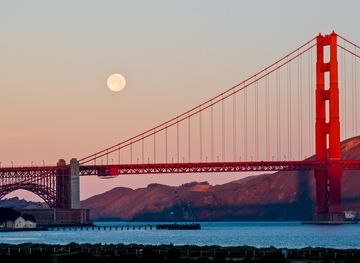
Looking beyond San Gabriel Valley? Discover California for broader travel guides, local hot-spots, and regional highlights.
Explore CaliforniaSan Gabriel Valley in Photos
Browse through our photo collection highlighting the charm and character of the destination.


The Enchanting San Gabriel Valley: A Hidden Gem in California
Nestled just east of Los Angeles, San Gabriel Valley is an enchanting destination that effortlessly blends the charm of small-town living with the vibrancy of urban life. Known for its rich cultural diversity, the valley offers a unique tapestry of experiences ranging from historical landmarks to culinary delights. Whether you're a history buff, foodie, or nature lover, San Gabriel Valley has something for everyone. One of the highlights of the valley is the San Gabriel Mission, an architectural marvel that dates back to the 18th century. Here, visitors can explore beautifully preserved adobe buildings, lush gardens, and a fascinating museum that offers a glimpse into the region's past. For those who enjoy the outdoors, the nearby Angeles National Forest provides a stunning backdrop for hiking, picnicking, and wildlife spotting. Food enthusiasts will revel in the valley's culinary scene, which is famed for its Asian cuisine. From dim sum in Monterey Park to Vietnamese pho in Alhambra, the array of dining options is simply extraordinary. Don’t miss the chance to visit the bustling local markets where you can sample fresh produce and unique delicacies. With its perfect blend of history, culture, and natural beauty, San Gabriel Valley is a must-visit destination for any traveler.