Background

Continental Building: A Beaux-Arts Beauty

Experience the grandeur of Los Angeles' first skyscraper, a Beaux-Arts masterpiece in the heart of the Historic Core, offering a glimpse into the city's rich architectural and financial past.

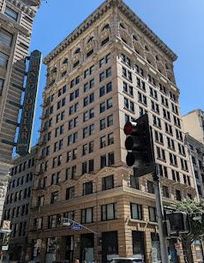
The Continental Building, a Beaux-Arts masterpiece in Los Angeles' Historic Core, stands as a testament to the city's architectural heritage. Completed in 1903, it was the city's first skyscraper, a title it held for over half a century. Designed by John Parkinson, the building boasts a lavishly decorated facade with terra cotta ornaments, striking cornice bends, and sculpted lion heads. Originally known as the Braly Block, it housed offices and banks before being converted into stylish loft apartments in 2001. Today, it remains a prominent landmark, offering a glimpse into the grandeur of early 20th-century Los Angeles and the ambition of its burgeoning financial district. Its location on Spring Street places it amidst a vibrant mix of historic buildings, art galleries, restaurants, and cultural attractions, making it a worthwhile stop for anyone exploring downtown LA.

A brief summary to Continental Building

  • 408 S Spring St, Los Angeles, Historic Core, California, 90013, US

Local tips

  • Explore the surrounding Historic Core, home to other architectural gems like the Bradbury Building and the Los Angeles Theatre.
  • Visit Grand Central Market, a historic food hall just a short walk away, for a taste of LA's diverse culinary scene.
  • Take a stroll along Spring Street to admire the beautifully preserved facades of the Old Bank District.
widget icon

Getting There

  • Public Transport

    The Continental Building is easily accessible via public transportation. Several Metro Rail lines and bus routes serve the area. The closest Metro Rail stations are Pershing Square (B and D Lines) and 7th St/Metro Center (A, E, B, and D Lines), both within a short walking distance. From either station, follow signs towards Spring Street and walk north to 408 S Spring St. A single Metro fare is $1.75, which includes two hours of free transfers.

  • Walking

    If you are already in the downtown area, walking to the Continental Building is a convenient option. From Pershing Square, head south on Hill Street, then turn left onto 4th Street and walk east to Spring Street. The Continental Building will be on your right. From Grand Central Market, walk east on 4th Street to Spring Street. The walk is generally flat and takes about 10-15 minutes, depending on your starting point.

  • Taxi/Ride-Share

    Taxis and ride-sharing services like Uber and Lyft are readily available in downtown Los Angeles. Simply provide the address, 408 S Spring St, Los Angeles, CA 90013, as your destination. A short ride within downtown should cost approximately $8-$15, depending on traffic and distance.

  • Driving

    Driving to the Continental Building is possible, but parking in the area can be challenging and expensive. Several parking garages are located nearby, including one at 415 S Main St, with rates of $5 for the first 90 minutes and a $10 maximum charge. Other nearby garages may have hourly rates ranging from $1 to $23 for 2 hours. Street parking is also available, but it is limited and metered, with varying time restrictions and rates. Be sure to read the parking signs carefully to avoid tickets. Consider using a parking app like SpotHero or ParkWhiz to find and reserve parking in advance.

Unlock the Best of Continental Building

Buy tickets

    No tickets available

Book tours with entry

    No tours available

Book tours without entry

    No tours available

Discover more about Continental Building

The Continental Building, located at 408 S Spring St in the Historic Core of Los Angeles, is more than just an address; it's a journey back in time. Completed in 1903, this 13-story structure, originally known as the Braly Block, holds the distinction of being Los Angeles' first skyscraper. Designed by the renowned architect John Parkinson, who also designed other iconic LA landmarks such as the Alexandria Hotel, City Hall, and Union Station, the Continental Building embodies the opulence and architectural ambition of the early 20th century. The building's history is deeply intertwined with the development of Los Angeles as a major financial hub. John Hyde Braly, a prominent financier and president of the business syndicate that commissioned the building, lent his name to the project, reflecting the era's confidence in economic growth. The Continental Building was erected just before the city imposed height restrictions in 1905, ensuring its reign as the tallest commercial building for over five decades, second only to City Hall, which was exempt from the height limit by public vote. The Continental Building's architectural style is a prime example of Beaux-Arts design, characterized by its elaborate ornamentation and classical influences. The facade is adorned with rich terra cotta details, striking cornice bends, pediments, and sculpted lion heads, showcasing the craftsmanship of the era. These details, meticulously preserved, offer a visual feast for architecture enthusiasts and history buffs alike. The building's design was intended to project an image of strength and stability, reflecting the aspirations of the financial institutions that once occupied its offices. In its early years, the Continental Building served as a hub for banks and financial institutions, contributing to Spring Street's reputation as the "Financial District West," a nod to New York's Wall Street. The building's fireproof construction and state-of-the-art amenities, including a steam heating plant and vacuum system, made it a desirable location for businesses seeking modern and secure office space. Over the years, the building housed various banks, playing a significant role in the city's economic development. In 2001, the Continental Building underwent a significant transformation, being redeveloped by Gilmore Associates into 56 loft-style apartments as part of the Old Bank District residential conversion project. This adaptive reuse project breathed new life into the historic structure, preserving its architectural integrity while creating modern living spaces. The building's high ceilings, large windows, and exposed brick walls offer residents a unique blend of historic charm and contemporary urban living. Today, the Continental Building stands as a proud landmark in the Historic Core of Los Angeles, a testament to the city's rich architectural and economic history. Its location on Spring Street places it within walking distance of numerous cultural attractions, including the Bradbury Building, Grand Central Market, and the Los Angeles Theatre. The building itself has even appeared in popular culture, serving as a filming location for the 2009 film "(500) Days of Summer." While the Continental Building is primarily a residential building, its exterior remains a popular subject for photographers and architecture enthusiasts. Visitors can admire the building's intricate facade, explore the surrounding Historic Core, and imagine the bustling financial activity that once filled its halls. The Continental Building offers a tangible connection to Los Angeles' past, a reminder of the city's ambition and its evolution into a global metropolis. The building is also part of the Spring Street Financial District, which is listed on the National Register of Historic Places. While there are no public tours of the interior, the Continental Building's exterior is a sight to behold. The surrounding area is easily walkable, allowing visitors to explore the neighborhood's many historic buildings and cultural attractions. The Continental Building is a reminder of Los Angeles' rich history and its ongoing evolution. Whether you're an architecture enthusiast, a history buff, or simply a curious traveler, the Continental Building is sure to leave a lasting impression.

Popular Experiences near Continental Building

Popular Hotels near Continental Building

Select Currency