

Ocean Park (Santa Monica) Travel Guide - Free
Explore Ocean Park in Santa Monica with Evendo's free guide. Find the best shops, historic streets, restaurants, and gems on web or mobile.


Ocean Park, Santa Monica, blends beach walks, Main Street dining, surf culture, independent shops and a relaxed California neighbourhood atmosphere near Venice.
Beach, Boulevards and Everyday Santa Monica
Ocean Park occupies the southern part of Santa Monica, where the city’s broad beach meets a low-rise grid of bungalows, apartment buildings and leafy residential streets. Its commercial spine is Main Street, a walkable stretch of cafés, restaurants, independent shops and small creative businesses that continues south towards Venice. Ocean Park Boulevard leads inland through the neighbourhood, while the sand and cycle path provide a wide-open edge to the west. The area feels more local and less formal than Santa Monica’s central shopping district, with surfers, dog walkers, families and evening diners sharing the same streets.Read more about Ocean Park
A Seaside Resort with Layers of History
Main Street after Dark
Best attractions in Ocean Park
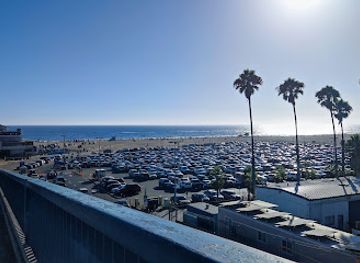
Ocean Park’s principal attraction is the combination of Santa Monica State Beach, its broad sand frontage and the coastal path, where visitors can walk, cycle and watch the changing activity around the water. Main Street provides a more urban form of sightseeing, with independent shops, cafés, restaurants and small businesses occupying a walkable strip between the beach and the residential grid. Ocean Park Boulevard offers another route through the neighbourhood, linking local commerce with quieter streets and views towards the coast. The Ocean Park Branch Library is a modest but useful community landmark, while older houses and surviving early commercial buildings reveal the area’s resort-era development. The district is also a practical starting point for a longer coastal walk towards the Santa Monica Pier or Venice, although both destinations lie beyond Ocean Park itself.
-
Amusement park
Pacific Park on the Santa Monica Pier
Experience the excitement of Pacific Park on Santa Monica Pier, where thrilling rides, games, and ocean views await you.
5 min drive · 1.7 km from neighbourhood centre
-
Park
Crescent Bay Park
Discover a tranquil coastal haven at Crescent Bay Park in Santa Monica, offering stunning ocean views and a rich history.
11 min walk · 0.9 km from neighbourhood centre
-
Park
Ocean View Park
Enjoy ocean views, sports, and relaxation at this popular Santa Monica beachfront park. Perfect for recreation and leisure.
3 min walk · 0.2 km from neighbourhood centre
-
Historical landmark
Original Muscle Beach Santa Monica
Explore the historical significance of Original Muscle Beach in Santa Monica, where fitness meets the stunning California coastline.
18 min walk · 1.4 km from neighbourhood centre


Best landmarks in Ocean Park
The most defining physical landmark of Ocean Park is its meeting of the Santa Monica street grid with the wide public beach and coastal path. Main Street’s older commercial buildings, low-rise façades and mature street trees express the neighbourhood’s transformation from a seaside resort and amusement district into a mixed residential community. The California Heritage Museum building, a nineteenth-century Victorian house on Main Street, is an important surviving piece of local domestic architecture, though the former museum is no longer operating as a public museum. Ocean Park Branch Library provides a smaller civic landmark within the neighbourhood. The area’s significance lies in this collection of modest structures, beach infrastructure and streets rather than in one monumental building, with the former amusement history now mainly legible through the district’s coastal setting and urban pattern.
-
Fishing pier
Santa Monica Pier
Experience the magic of the Santa Monica Pier: where classic amusement park thrills meet stunning ocean views, creating unforgettable memories on California's iconic coastline.
5 min drive · 1.7 km from neighbourhood centre
-
Park
Crescent Bay Park
Discover a tranquil coastal haven at Crescent Bay Park in Santa Monica, offering stunning ocean views, lush green spaces, and a rich history as part of the Bay Street Beach Historic District.
11 min walk · 0.9 km from neighbourhood centre
-
Park
Ocean View Park
Discover Ocean View Park in Santa Monica: a beachfront oasis offering recreation, relaxation, and stunning Pacific Ocean views, perfect for a coastal escape.
3 min walk · 0.2 km from neighbourhood centre
-
Park
Dorothy Green Park
Discover Santa Monica's beachfront gem: Dorothy Green Park, a tribute to environmental champion Dorothy Green, offering recreation, relaxation, and stunning ocean views.
4 min walk · 0.3 km from neighbourhood centre


Explore Ocean Park on the map
A handpicked selection of must-see spots in Ocean Park, mapped for you.
Best hotels in Ocean Park
Best restaurants in Ocean Park
Ocean Park’s dining scene is concentrated around Main Street and nearby Ocean Park Boulevard, where cafés, casual restaurants, bakeries and bars serve a mixture of Californian, international and contemporary comfort food. Its beachside setting supports an easygoing pattern of breakfasts, coffee stops, post-surf meals and relaxed evening dining rather than a formal restaurant quarter. The Galley, a long-established Santa Monica restaurant on Main Street, is one of the area’s recognisable historic dining names, while The Library Alehouse represents the neighbourhood’s pub-style side. Independent eateries change over time, so the most useful approach is to browse the Main Street stretch rather than expect a single culinary speciality. Food choices become more varied towards the adjoining Venice area, but venues south of the Santa Monica boundary should be described as nearby rather than as Ocean Park establishments.
-
Caribbean
Cha Cha Chicken
Experience authentic Jamaican flavors at Cha Cha Chicken in Santa Monica – a must-visit Caribbean restaurant for food lovers.
12 min walk · 1.0 km from neighbourhood centre
-
Italian
Bruno's Italian Restaurant
Experience authentic Italian cuisine at Bruno's Italian Restaurant in Santa Monica - where every meal is a celebration of flavor and warmth.
18 min walk · 1.5 km from neighbourhood centre
-
Steak
Chez Jay
Discover Chez Jay in Santa Monica: A legendary steakhouse offering delectable dishes and ocean views for an unforgettable dining experience.
18 min walk · 1.4 km from neighbourhood centre
-
Mexican
Sol Agave - santa monica
Experience vibrant Mexican flavors at Sol Agave in Santa Monica - where tradition meets modernity along California's beautiful coast.
16 min walk · 1.3 km from neighbourhood centre


Best bars in Ocean Park
Ocean Park’s nightlife is sociable and low-key, centred on Main Street restaurants, neighbourhood bars and venues where conversation is as important as late dancing. The Library Alehouse offers a pub-oriented setting, while Ashland Hill adds a contemporary beer-and-food atmosphere on Main Street; The Victorian has also been associated with the area’s live entertainment and evening events. The district is not a dense nightclub strip, and many evenings are built around dinner, drinks or a walk beside the beach rather than large-scale clubbing. Main Street is generally the most convenient place to look for evening activity, with further options in nearby Venice and central Santa Monica. Visitors should check current event and operating information, since nightlife programming and venue identities can change.
-
Grill
Big Dean's Ocean Front Cafe
Experience the best of Santa Monica dining at Big Dean's Ocean Front Cafe, where fresh seafood and stunning ocean views come together.
5 min drive · 1.6 km from neighbourhood centre
-
American
Library Alehouse
Discover Library Alehouse in Santa Monica, where American cuisine meets a cozy brewpub atmosphere filled with craft beers and literary charm.
3 min walk · 0.2 km from neighbourhood centre
-
Irish pub
Jameson’s Pub
Discover the charm of Ireland at Jameson’s Pub in Santa Monica, where great food, drinks, and hospitality come together in a lively atmosphere.
1 min walk · 0.1 km from neighbourhood centre
-
Bar
The Coco Club
Discover a chic rooftop bar in Santa Monica with stunning ocean views, handcrafted cocktails, and a vibrant atmosphere at The Coco Club.
7 min drive · 2.2 km from neighbourhood centre


Best nightclubs in Ocean Park
Ocean Park’s nightlife is sociable and low-key, centred on Main Street restaurants, neighbourhood bars and venues where conversation is as important as late dancing. The Library Alehouse offers a pub-oriented setting, while Ashland Hill adds a contemporary beer-and-food atmosphere on Main Street; The Victorian has also been associated with the area’s live entertainment and evening events. The district is not a dense nightclub strip, and many evenings are built around dinner, drinks or a walk beside the beach rather than large-scale clubbing. Main Street is generally the most convenient place to look for evening activity, with further options in nearby Venice and central Santa Monica. Visitors should check current event and operating information, since nightlife programming and venue identities can change.
-
Night club
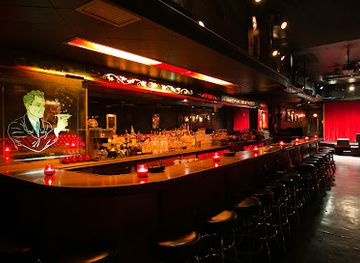
Harvelle's
Discover Harvelle's, a historic night club in Santa Monica offering live music, a vibrant atmosphere, and an unforgettable night out.
6 min drive · 2.0 km from neighbourhood centre
-
Bar
The Coco Club
Experience the best of Santa Monica nightlife at The Coco Club, where stunning ocean views meet exquisite cocktails in a vibrant rooftop setting.
7 min drive · 2.2 km from neighbourhood centre
-
Bar
TR!P Santa Monica
Discover the lively atmosphere of TR!P Santa Monica, where great drinks and live music create unforgettable memories in California.
14 min walk · 1.1 km from neighbourhood centre
-
Bar
Basement Tavern
Experience the vibrant nightlife at Basement Tavern in Santa Monica, where American cuisine meets an upbeat bar atmosphere for unforgettable evenings.
1 min walk · 0.1 km from neighbourhood centre


Best shops in Ocean Park
Shopping in Ocean Park is concentrated along Main Street, where independent boutiques, clothing retailers, gift shops, homeware businesses, specialist stores and cafés create a more local alternative to Santa Monica’s large commercial centres. The selection tends towards contemporary lifestyle goods, vintage and design-led items rather than traditional craft markets or department-store shopping. Small businesses appear alongside restaurants, so browsing is best combined with a walk between Ocean Park Boulevard and the beach. The street’s proximity to Venice brings additional independent retail within easy reach, although the boundary between the two neighbourhoods should not be blurred. Ocean Park has no single permanent market that defines its identity; its appeal comes from the changing mix of small storefronts and the relaxed pace of Main Street.
-
Boutique
Kathmandu Boutique
Explore Kathmandu Boutique in Santa Monica for unique clothing and accessories inspired by Himalayan culture, perfect for memorable souvenirs.
16 min walk · 1.3 km from neighbourhood centre
-
Gift shop
Sand 'n Surf
Explore Sand 'n Surf in Santa Monica for unique gifts and souvenirs that capture the essence of California's vibrant coastal culture.
6 min drive · 1.9 km from neighbourhood centre
-
Antique store
jAdis
Discover jAdis, where antique treasures meet captivating science exhibits in the heart of Santa Monica's Ocean Park.
1 min walk · 0.1 km from neighbourhood centre
-
Gift shop
Lucky Penny General Store
Explore the eclectic charm of Lucky Penny General Store in Santa Monica, where unique gifts and local artistry come together for an unforgettable shopping experience.
7 min drive · 2.4 km from neighbourhood centre


Ocean Park essentials
Getting There
Getting Around
Safety
Emergency Situations
Do's and Don'ts
Local Tips

From Eve
Local phrases worth knowing
You don't need to get them perfect. A few words go a long way, and locals appreciate the effort.
Basics
| English | Local | Say it |
|---|---|---|
| Hello | Hey | [Hey] |
| Goodbye | Later | [Lay-ter] |
| Yes | Yeah | [Yeh] |
| No | Nah | [Nah] |
| Please/You're welcome | Please/No worries | [Pleez/No wor-eez] |
| Thank you | Thanks | [Thanks] |
| Excuse me/Sorry | Sorry | [Sor-ee] |
| How are you? | How's it going? | [Hows it go-in?] |
| Fine. And you? | Good. You? | [Good. You?] |
| Do you speak English? | You speak English? | [You speak En-glish?] |
| I don't understand | I don't get it | [I don't get it] |
Eating & Drinking
| English | Local | Say it |
|---|---|---|
| I'd like to see the menu, please | Can I see the menu? | [Can I see the menu?] |
| I don't eat meat | I'm vegetarian | [I'm ve-je-tair-ee-an] |
| Cheers! | Cheers! | [Cheers!] |
| I would like to pay, please | Check, please | [Check, please] |
Emergencies
| English | Local | Say it |
|---|---|---|
| Help! | Help! | [Help!] |
| Go away! | Leave me alone! | [Leave me alone!] |
| Call the Police! | Call the cops! | [Call the cops!] |
| Call a doctor! | Get a doctor! | [Get a doctor!] |
| I'm lost | Lost | [Lost] |
| I'm ill | Sick | [Sick] |
Shopping
| English | Local | Say it |
|---|---|---|
| I'd like to buy... | I wanna buy... | [I wanna buy...] |
| I'm just looking | Just looking | [Just looking] |
| How much is it? | How much? | [How much?] |
| That's too expensive | Too much | [Too much] |
| Can you lower the price? | Can you do better? | [Can you do bet-ter?] |
Time & Numbers
| English | Local | Say it |
|---|---|---|
| What time is it? | What time is it? | [What time is it?] |
| It's one o'clock | It's one | [It's one] |
| Half past (10) | Ten thirty | [Ten thir-tee] |
| Morning | Morning | [Morning] |
| Afternoon | Afternoon | [Afternoon] |
| Evening | Evening | [Evening] |
| Yesterday | Yesterday | [Yesterday] |
| Today | Today | [Today] |
| Tomorrow | Tomorrow | [Tomorrow] |
| 1 | One | [One] |
| 2 | Two | [Two] |
| 3 | Three | [Three] |
| 4 | Four | [Four] |
| 5 | Five | [Five] |
| 6 | Six | [Six] |
| 7 | Seven | [Seven] |
| 8 | Eight | [Eight] |
| 9 | Nine | [Nine] |
| 10 | Ten | [Ten] |
Transport & Directions
| English | Local | Say it |
|---|---|---|
| Where's a/the...? | Where's the...? | [Where's the...?] |
| What's the address? | What's the address? | [What's the address?] |
| Can you show me (on the map)? | Show me on the map? | [Show me on the map?] |
| When's the next (bus)? | When's the next bus? | [When's the next bus?] |
| A ticket (to ....) | One ticket (to ...) | [One ticket (to ...)] |
History of Ocean Park
Coastal Land Before Urban Development
Before subdivision, the Ocean Park area formed part of the coastal plain occupied and used by Indigenous peoples, including the Tongva, whose homeland encompassed the Santa Monica Bay region. Spanish and Mexican-era ranching transformed land ownership and use across the wider area, while the shoreline itself remained comparatively open. Santa Monica’s late nineteenth-century founding and the arrival of rail connections encouraged the conversion of coastal land into a resort landscape. Ocean Park’s later identity grew from this combination of beach access, transport links and speculative urban development rather than from an old village centre.
The Rise of a Seaside Resort
At the end of the nineteenth century and into the early twentieth century, the southern Santa Monica coast developed around bathing, amusement and holiday recreation. Ocean Park became associated with piers, entertainment venues and attractions that drew visitors from Los Angeles by rail and streetcar. The area’s name reflected this resort orientation, while adjacent Venice developed under Abbot Kinney as a separate planned resort community. Although much of the early amusement infrastructure disappeared, Ocean Park’s street layout, beach-facing orientation and mixture of homes and small commercial premises still reflect the period when coastal recreation shaped local growth.
From Amusement Coast to Residential District
As transport patterns changed and amusement enterprises declined or moved elsewhere, Ocean Park became increasingly residential. The beach remained central, but everyday services, schools, libraries and locally oriented businesses gained importance alongside tourism. Older bungalows and early twentieth-century commercial buildings survived amid later apartment construction, creating the varied low-rise streetscape visible today. Main Street developed as the neighbourhood’s practical and social centre, linking the beach to inland homes and providing a setting for cafés, restaurants and independent shops.
A Changing Main Street Identity
In the late twentieth and early twenty-first centuries, Ocean Park’s proximity to the beach and Venice helped attract new restaurants, design-led businesses and creative enterprises, while long-established residential streets remained part of the neighbourhood. This change brought greater visitor attention to Main Street but did not turn Ocean Park into a purely commercial district. Contemporary Ocean Park is therefore best understood as a mixed neighbourhood: a former resort landscape with a strong residential base, an active local high street and continuing connections to Santa Monica’s beach culture.
Ocean Park in Photos
Browse through our photo collection highlighting the charm and character of the destination.
Neighbourhoods near Ocean Park
The closest neighbourhoods to Ocean Park, if you have time for more than one stop.

Swipe for more neighbourhoods
Explore more
Explore more of Santa Monica
Santa Monica pairs a classic Pacific beach, Santa Monica Pier and walkable streets with California history, art, dining and easy Los Angeles sightseeing.
Explore Santa Monica