Jesse Ross Cabin, South Coast Travel Guide
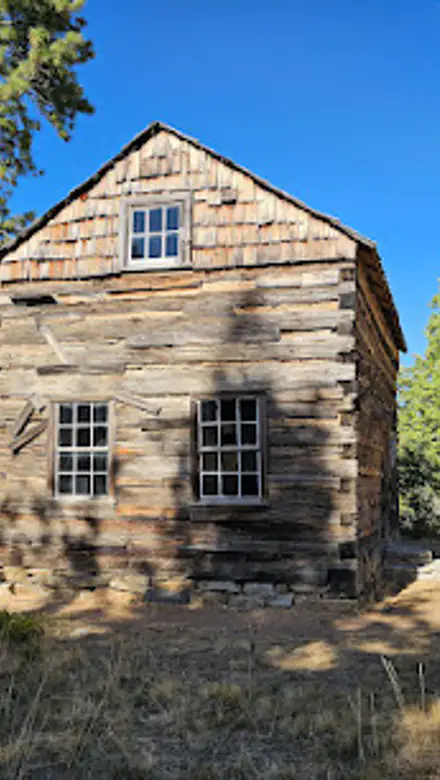
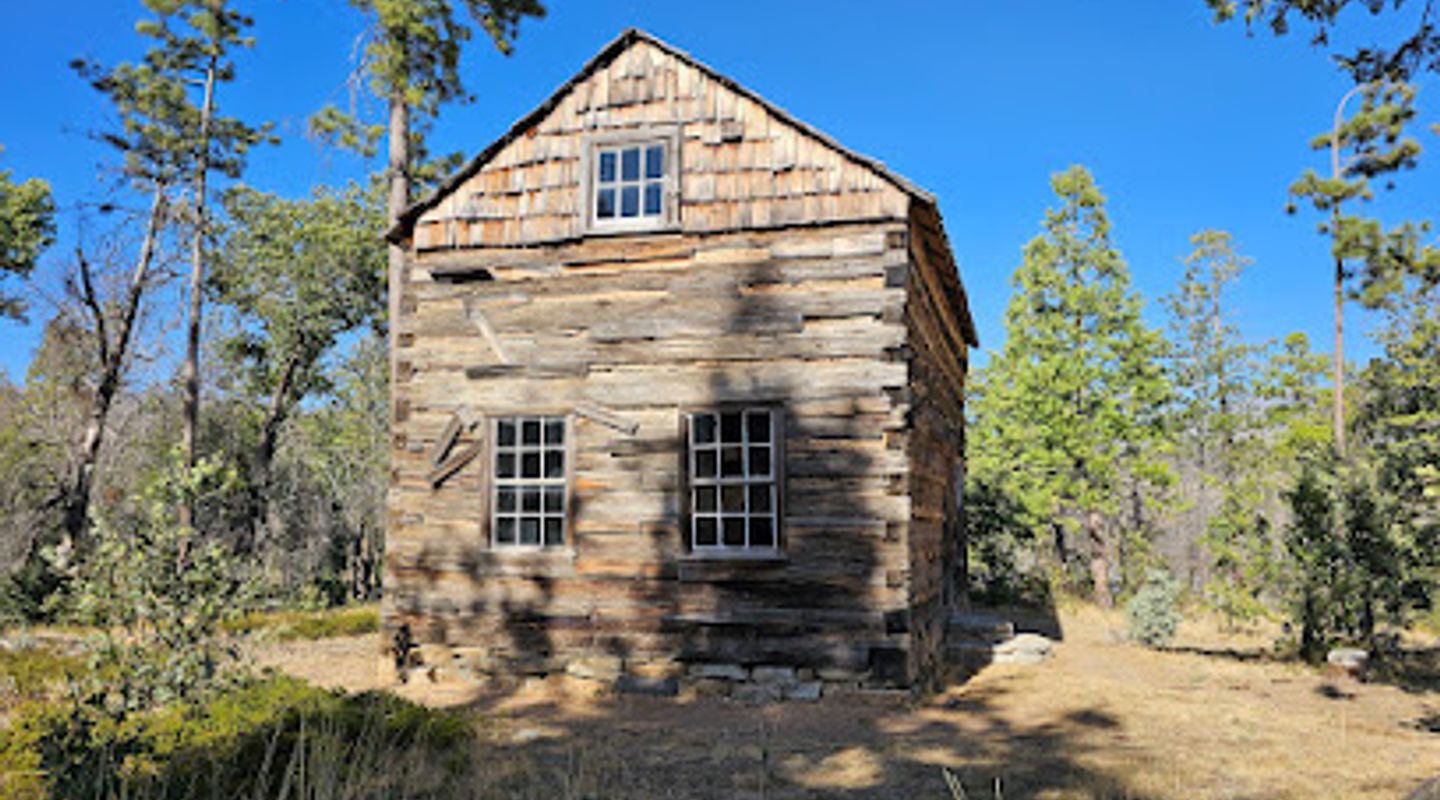
Step back in time at the Jesse Ross Cabin, a preserved 1860s hand-hewn log cabin offering a glimpse into pioneer life within the scenic Sierra National Forest near North Fork, California.
Nestled within the Sierra National Forest near North Fork, California, the Jesse Ross Cabin offers a tangible connection to the region's pioneer past. Built in the late 1860s by prospector Jesse Blakely Ross, this hand-hewn log cabin stands as one of the oldest structures in Madera County. Originally a humble bachelor's dwelling, it evolved into a family home when Ross married Mary Waspi, a local Mono Indian woman. The cabin's history reflects the resourcefulness of early settlers, with Ross planting an apple orchard and farming the land. Saved from demolition and relocated by the U.S. Forest Service in 1990, the cabin is now open to the public, providing a glimpse into 19th-century mountain life. A visit here is a step back in time, offering a unique perspective on the challenges and triumphs of those who shaped the region.
A brief summary to Jesse Ross Cabin
- North Fork, California, 93643, US
- Click to display

Know before you go
Hi, I'm Eve. Here are a few practical things to know before exploring Jesse Ross Cabin.
- The cabin is located off the Sierra Vista Scenic Byway, making it a great stop on a longer scenic drive through the Sierra National Forest.
- Bring water and snacks, as there are no facilities at the cabin site itself.
- Check the weather forecast before you go, as conditions in the mountains can change rapidly.
Do you manage this location?
Take control to get all the benefits, like improved information, better appearance, and stronger visibility across AI-powered discovery. Learn more about listing your business on Evendo
Activate your presenceOther nearby places you may find interesting
The closest places of the same kind, if this one is not quite what you had in mind.
Explore Jesse Ross Cabin on the Map
A handpicked selection of must-see spots near Jesse Ross Cabin, mapped for you.
Getting There
-
Driving
From North Fork, take Road 225 (Sierra Vista Scenic Byway) northeast. Follow the Byway for approximately 14 miles. The Jesse Ross Cabin is located a short distance off the Byway. Look for a parking area on the side of the road. From the parking area, it is a short, easy walk (approximately 150 yards) to the cabin. There are no fees to park or visit the cabin.
Discover more about Jesse Ross Cabin













Your all‑in‑one travel companion app
Explore expert travel guides, compare and book tours, experiences, hotels, and more—all from the palm of your hand. Download now for seamless trip planning wherever your wanderlust takes you.


Explore More of South Coast
Looking beyond Jesse Ross Cabin? Discover South Coast for broader travel guides, local hot-spots, and regional highlights.
Explore South Coast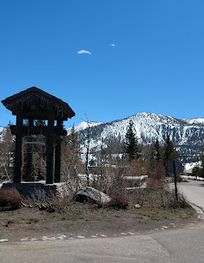
Discover the natural beauty and serene landscapes of Mammoth Creek Park, a perfect getaway for tourists in Mammoth Lakes, California.
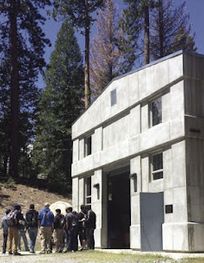
Discover the captivating history and natural wonders of the Sierra Nevada at the Museum of the Sierra, where stories of pioneers, Native Americans, and the region's development come to life.