

Free South Coast Travel Guide & Mobile App
Explore South Coast with free travel guides. Discover regional history, expert tips, proposed trips, and audio guides on web or mobile app.





Explore South Coast California for Pacific beaches, surf towns, historic missions, coastal trails, harbour cities and San Diego's borderland culture.
Read more about South Coast
When is the best time to visit South Coast?
Best: June, September–October · 24–26°C| Month | High (°C) | Rainfall (mm) |
|---|---|---|
| January | 19 | 80 |
| February | 20 | 78 |
| March | 21 | 66 |
| April | 22 | 25 |
| May | 23 | 10 |
| June (best) | 24 | 5 |
| July | 27 | 1 |
| August | 27 | 1 |
| September (best) | 26 | 5 |
| October (best) | 24 | 13 |
| November | 21 | 31 |
| December | 18 | 61 |
Getting to and around South Coast
How to get there
Transportation
Top city travel guides in South Coast
The cities of South Coast, and the easiest places to base yourself.
-

-

-

-

-

-


Swipe for more cities
Destinations in South Coast
Resorts, valleys and scenic spots worth a trip of their own.
-

-

-


Swipe for more destinations
Best attractions in South Coast
The South Coast's attractions range from major urban institutions to beaches and protected open space. Long Beach combines waterfront museums, a working harbour and the Aquarium of the Pacific, while Orange County offers surfing at Huntington Beach, coves and galleries around Laguna Beach, and the historic mission complex at San Juan Capistrano. Newport Bay and Bolsa Chica provide opportunities to see coastal wetlands amid dense development. Around San Diego, Balboa Park's museums and gardens, the USS Midway Museum and the San Diego Zoo form a substantial cultural cluster, while La Jolla supports kayaking, shoreline walks and marine wildlife viewing. Torrey Pines State Natural Reserve protects rare coastal vegetation and hiking terrain, and the San Diego coast continues north through the lagoons and beaches of Solana Beach, Encinitas, Carlsbad and Oceanside. At the southern edge, the Tijuana River National Estuarine Research Reserve offers a different landscape of estuary, dunes and migration habitat. Outdoor activities include surfing, cycling, paddle sports, whale watching and coastal hiking, but conditions and access vary seasonally.
-
National forest
San Bernardino National Forest
Explore Southern California's vast San Bernardino National Forest: hiking, camping, and winter sports await in this mountain escape.
-
Park
Lovers Point Park
A scenic Pacific Grove park offering beaches, water activities, stunning views, and a rich history on the Monterey Bay coastline.
-
Scenic spot
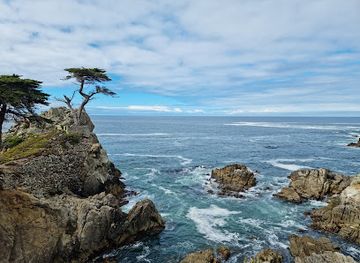
Lone Cypress
Experience the breathtaking views and iconic beauty of the Lone Cypress, a must-see landmark on the stunning California coast.
-
Hindu temple
BAPS Shri Swaminarayan Mandir, Chino Hills
Explore the stunning BAPS Shri Swaminarayan Mandir in Chino Hills, a magnificent fusion of spirituality, culture, and intricate architectural beauty.



Best landmarks in South Coast
The South Coast's most recognisable landmarks express its maritime, colonial, civic and natural histories. In Long Beach, the Queen Mary is a highly visible ocean-liner landmark, while the city's port and waterfront reflect its continuing maritime role. Mission San Juan Capistrano is one of Orange County's defining historic places, with surviving adobe buildings, gardens and the remains of its early mission complex. The curved coastline and distinctive coves of Laguna Beach provide a natural and artistic landmark landscape, while the Huntington Beach Pier symbolises the area's surf culture. In San Diego, the Spanish Colonial Revival buildings of Balboa Park, the former California Tower and the USS Midway on the harbour are prominent city symbols. Cabrillo National Monument on Point Loma marks the headland associated with Juan Rodríguez Cabrillo's 1542 landing and offers wide views across the harbour and Pacific. Farther south, the Tijuana River estuary, coastal bluffs and border landscape provide geographical landmarks whose importance lies in ecology as well as in the region's international setting.
-
Historical landmark
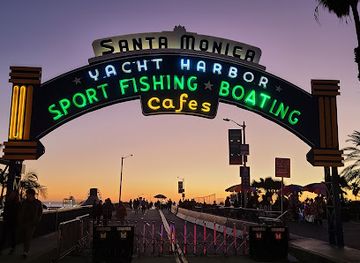
Santa Monica Pier
Experience the iconic Santa Monica Pier: a vibrant blend of amusement park thrills, classic seaside charm, and stunning Pacific Ocean views, making it a must-visit California destination.
-
Historical place
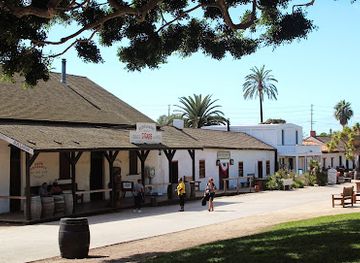
Old Town San Diego State Historic Park
Discover California's birthplace in Old Town San Diego State Historic Park, where history comes alive through preserved buildings, cultural experiences, and authentic Mexican flavors from 1820 to 1870.
-
Historical landmark
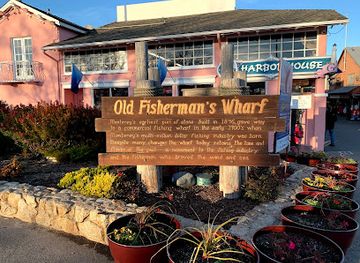
Old Fisherman's Wharf
Discover Monterey's historic waterfront: Award-winning dining, unique shops, abundant marine life, and bay adventures await at the iconic Old Fisherman's Wharf.
-
Historical landmark
Venice Canals
Discover a hidden gem in Los Angeles: Stroll along the tranquil Venice Canals, a picturesque neighborhood inspired by Venice, Italy, offering a serene escape from the city bustle.
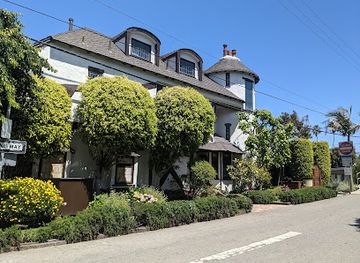
Explore South Coast on the map
Plan your trip on one map. See where the top cities, national parks and sights are, and book hotels and experiences in a few clicks.
Best hotels in South Coast
Best restaurants in South Coast
Dining across the South Coast reflects Pacific produce, Mexican and Mexican-American traditions, Asian influences, contemporary Californian cooking and a long relationship with the sea. Fish tacos, ceviche, grilled seafood and shellfish are common along the coast, while citrus, avocados, farmers' market vegetables and craft beer support the region's modern Californian style. San Diego is particularly associated with a wide range of Mexican food and craft breweries, but the strongest neighbourhood cooking is not confined to visitor waterfronts. Orange County offers seafood restaurants, Vietnamese and other Asian cuisines, bakeries, specialist coffee shops and long-established family businesses alongside polished dining rooms. Inland valleys and market towns provide farm produce, casual cafés and restaurants built around seasonal ingredients. Traditional diners, taquerias, breweries, hotel restaurants and independent cafés make up much of the everyday scene; reservations are sensible for well-known dining rooms in beach communities and for busy weekends.
-
Italian
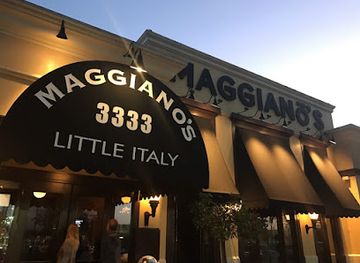
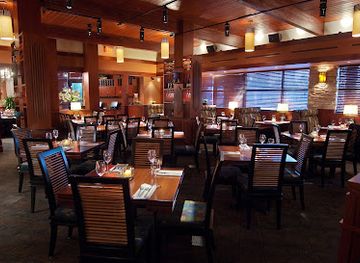
Maggiano's Little Italy
Experience authentic Italian cuisine at Maggiano's Little Italy in Costa Mesa - where every meal feels like a family gathering.
-
Chinese
Din Tai Fung
Experience authentic Taiwanese cuisine at Din Tai Fung in Costa Mesa – renowned for its delicious dumplings and vibrant dining atmosphere.
-
Mexican
Javier's Restaurant - Newport Beach
Experience authentic Mexican cuisine with a coastal twist at Javier's Restaurant in Newport Beach – where every meal feels like a celebration.
-
Seafood
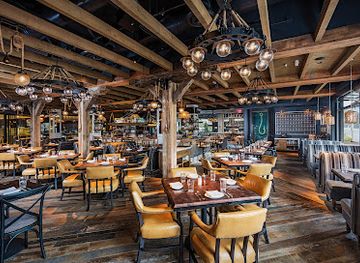
Water Grill
Experience unparalleled seafood delicacies at Water Grill in Costa Mesa—where freshness meets flavor in every dish.


Best bars in South Coast
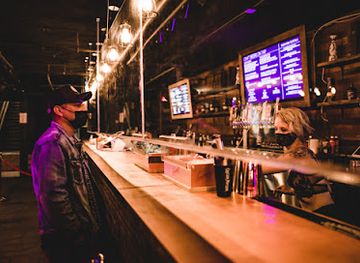
Evening life differs greatly along the corridor. San Diego has the South Coast's broadest nightlife, with cocktail bars, live music, breweries and late venues concentrated in areas such as the Gaslamp Quarter, North Park, Little Italy and surrounding neighbourhoods. Pacific Beach has a strong beach-oriented bar scene, while La Jolla and Encinitas tend towards restaurants, wine bars, breweries and more relaxed evening venues. Long Beach combines bars, music and arts programming across several districts, including the waterfront and independent neighbourhoods. Orange County nightlife is often dispersed among waterfront restaurants, hotel bars, breweries and venues in Huntington Beach, Costa Mesa, Newport Beach and Santa Ana, rather than forming one continuous strip. Smaller coastal towns generally become quieter after dinner, with evening culture centred on pubs, restaurants, cinemas and live performances. Check age requirements and transport arrangements, as distances and late-night public transport can be limiting.
-
Seafood
Water Grill
Savor the freshest seafood and vibrant flavors at Water Grill, Costa Mesa's premier dining destination for seafood lovers.
-
New American
Seasons 52
Experience the best of seasonal dining at Seasons 52, where fresh ingredients meet innovative culinary techniques in a warm and inviting atmosphere.
-
Bar
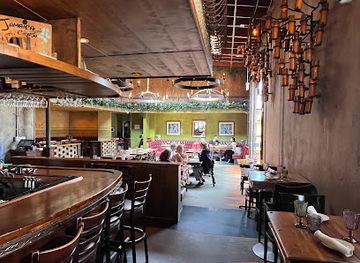
Habana
Discover the vibrant flavors of Cuba at Habana, where exquisite cuisine and expertly crafted cocktails create an unforgettable dining experience.
-
Bar
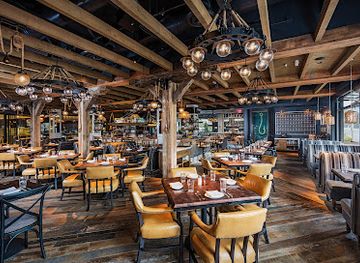
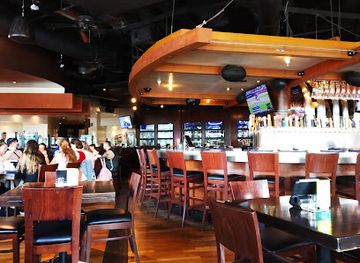
Yard House
Discover a vibrant atmosphere at Yard House, where delicious New American cuisine meets an extensive selection of craft beers in Costa Mesa.
Best nightclubs in South Coast
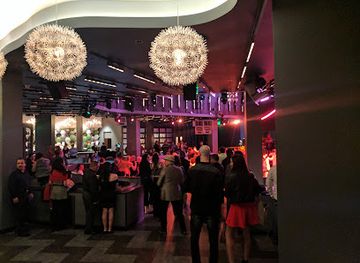
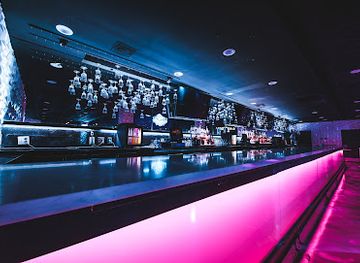
Evening life differs greatly along the corridor. San Diego has the South Coast's broadest nightlife, with cocktail bars, live music, breweries and late venues concentrated in areas such as the Gaslamp Quarter, North Park, Little Italy and surrounding neighbourhoods. Pacific Beach has a strong beach-oriented bar scene, while La Jolla and Encinitas tend towards restaurants, wine bars, breweries and more relaxed evening venues. Long Beach combines bars, music and arts programming across several districts, including the waterfront and independent neighbourhoods. Orange County nightlife is often dispersed among waterfront restaurants, hotel bars, breweries and venues in Huntington Beach, Costa Mesa, Newport Beach and Santa Ana, rather than forming one continuous strip. Smaller coastal towns generally become quieter after dinner, with evening culture centred on pubs, restaurants, cinemas and live performances. Check age requirements and transport arrangements, as distances and late-night public transport can be limiting.
-
Night club
The Circle OC
Experience the vibrant nightlife at The Circle OC, where live music and dancing create unforgettable memories in Huntington Beach.
-
Night club
Time Nightclub
Discover the electrifying nightlife at Time Nightclub in Costa Mesa, where top DJs and vibrant energy create unforgettable nights.
-
Lounge
Legacy Nightclub and Lounge
Discover the vibrant nightlife of Newport Beach at Legacy Nightclub and Lounge, where great music and a lively atmosphere await.
-
Night club
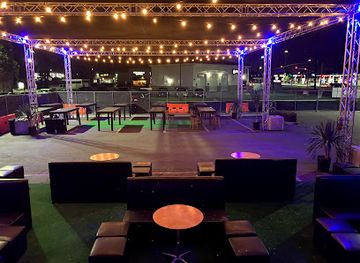
The Copper Door
Experience the vibrant nightlife at The Copper Door, Santa Ana's premier nightclub offering music, dance, and unique cocktails in a lively setting.
Best shops in South Coast
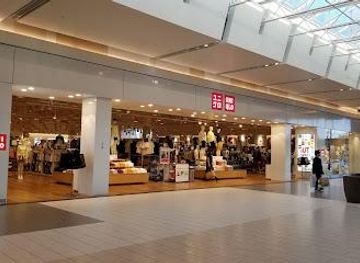
Shopping on the South Coast ranges from major urban centres to independent coastal streets and food markets. Long Beach offers vintage clothing, design shops, galleries and independent businesses in districts such as Retro Row, while Orange County combines large commercial centres with beach-town stores, surf retailers, antique dealers and galleries around Laguna Beach and Costa Mesa. Newport Beach is known for high-end retail and marina-oriented shopping, whereas Huntington Beach focuses strongly on surfwear and casual coastal goods. San Diego provides the region's broadest mix, including department stores, independent boutiques, design-led shops, Mexican crafts and food products, and neighbourhood retail in communities such as North Park and Little Italy. Farmers' markets are useful for citrus, avocados, preserves, baked goods and other Californian produce, although schedules vary by city and day. Practical souvenirs include locally made ceramics, art, surf equipment, regional coffee, craft beer and packaged foods; border communities may also sell Mexican goods, but travellers should check customs rules before carrying food or plants across an international border.
-
Shopping mall
Ontario Mills
Discover the ultimate shopping experience at Ontario Mills, California's largest outlet mall, featuring hundreds of stores, dining options, and entertainment.
-
Shopping mall
Victoria Gardens
Experience the vibrant shopping and dining at Victoria Gardens, an outdoor oasis in Rancho Cucamonga, California, perfect for tourists and locals alike.
-
Shopping mall
South Coast Plaza
Discover luxury shopping, exquisite dining, and cultural experiences at South Coast Plaza in Costa Mesa, California.
-
Shopping mall
Fashion Island
Discover luxury shopping, exquisite dining, and stunning coastal views at Fashion Island in Newport Beach, California.

Get your free copy of our complete guide to South Coast, delivered straight to you.
Everything on this page, from attractions and restaurants to essentials and local phrases, in one PDF you can read offline, print or share.
Already have an account? Sign in
Your South Coast guide is ready.
We'll send it to · Not you? Sign out

Getting your guide ready…
We are putting together a fresh copy of the South Coast guide. This can take up to a minute.
This can take a few moments. If your browser asks, choose Allow so the download can start. You'll find the guide in your Downloads folder.
Nothing happened? Download it again
Sorry, the guide is taking longer than usual. Please try again in a minute, or get it by email instead.
South Coast essentials
Currency and Payment
Safety
Emergency Situations
Do's and Don'ts
Local Tips
From Eve
Local phrases worth knowing
You don't need to get them perfect. A few words go a long way, and locals appreciate the effort.
Basics
| English | Local | Say it |
|---|---|---|
| Hello | Hey | [Hey] |
| Goodbye | Later | [Lay-tur] |
| Yes | Yeah | [Yeah] |
| No | Nope | [Nope] |
| Please/You're welcome | No problem | [No prob-lum] |
| Thank you | Thanks | [Thangs] |
| Excuse me/Sorry | Sorry | [Sorry] |
| How are you? | How's it going? | [How's it go-ing?] |
| Fine. And you? | Good, you? | [Good, you?] |
| Do you speak English? | Do you speak English? | [Do you speak English?] |
| I don't understand | I don't get it | [I don't get it] |
Eating & Drinking
| English | Local | Say it |
|---|---|---|
| I'd like to see the menu, please | Can I see the menu? | [Can I see the menu?] |
| I don't eat meat | I'm vegetarian | [I'm ve-ge-ta-rian] |
| Cheers! | Cheers! | [Cheers!] |
| I would like to pay, please | Can I get the check? | [Can I get the check?] |
Emergencies
| English | Local | Say it |
|---|---|---|
| Help! | Help! | [Help!] |
| Go away! | Leave me alone! | [Leave me a-lone!] |
| Call the Police! | Call 911! | [Call nine-one-one!] |
| Call a doctor! | Get a doctor! | [Get a doc-tor!] |
| I'm lost | I'm lost | [I'm lost] |
| I'm ill | I'm not feeling well | [I'm not feel-ing well] |
Shopping
| English | Local | Say it |
|---|---|---|
| I'd like to buy... | I want to buy... | [I want to buy...] |
| I'm just looking | Just browsing | [Just brows-ing] |
| How much is it? | How much? | [How much?] |
| That's too expensive | That's way too pricey | [That's way too price-y] |
| Can you lower the price? | Can you give me a deal? | [Can you give me a deal?] |
Time & Numbers
| English | Local | Say it |
|---|---|---|
| What time is it? | What time? | [What time?] |
| It's one o'clock | It's one | [It's one] |
| Half past (10) | Half past ten | [Half past ten] |
| Morning | Morning | [Morning] |
| Afternoon | Afternoon | [Afternoon] |
| Evening | Evening | [Evening] |
| Yesterday | Yesterday | [Yesterday] |
| Today | Today | [Today] |
| Tomorrow | Tomorrow | [Tomorrow] |
| 1 | One | [One] |
| 2 | Two | [Two] |
| 3 | Three | [Three] |
| 4 | Four | [Four] |
| 5 | Five | [Five] |
| 6 | Six | [Six] |
| 7 | Seven | [Seven] |
| 8 | Eight | [Eight] |
| 9 | Nine | [Nine] |
| 10 | Ten | [Ten] |
Transport & Directions
| English | Local | Say it |
|---|---|---|
| Where's a/the...? | Where's the...? | [Where's the...?] |
| What's the address? | What's the address? | [What's the ad-dress?] |
| Can you show me (on the map)? | Can you point it out? | [Can you point it out?] |
| When's the next (bus)? | When's the next bus? | [When's the next bus?] |
| A ticket (to ....) | A ticket to ... | [A ticket to ...] |
History of South Coast
Indigenous Coastal Societies Before European Colonisation
For thousands of years, the South Coast was home to Indigenous peoples whose territories included the Tongva around the Los Angeles and Long Beach area, the Acjachemen in present-day Orange and northern San Diego counties, and the Kumeyaay across southern San Diego County and the borderlands. Coastal villages relied on fishing, shellfish, gathered plants and exchange networks, while inland communities managed varied ecological resources. Their presence remains visible through cultural organisations, place names, archaeological evidence and continuing community life, although colonisation caused profound population loss, displacement and disruption.
Spanish Missions and Colonial Transformation
Spanish colonisation brought missions, presidios and overland routes to the coast in the late eighteenth century. Mission San Juan Capistrano, founded in 1776 in present-day Orange County, became one of the most important historic sites in the region, while Mission San Diego de Alcalá, established in 1769, was the first of the Spanish missions in California. Mission agriculture and livestock production altered local landscapes and Indigenous lifeways, with the Acjachemen and Kumeyaay among the peoples deeply affected by the mission system.
Mexican Rule, Ranchos and the Californio Era
After Mexican independence from Spain in 1821, mission lands were gradually secularised and large ranchos became prominent. Ranchos such as San Juan Capistrano and Santa Margarita shaped land ownership, cattle raising and the settlement pattern of coastal Southern California. San Diego developed around its presidio and pueblo, while smaller coastal communities remained separated by difficult roads and open countryside. Adobe buildings, historic ranch landscapes and place names preserve aspects of this Mexican-era heritage, though much of the land later passed into American ownership after the Mexican-American War.
American Statehood, Ports and Railways
California became a US state in 1850, and the South Coast gradually shifted from a sparsely settled ranching region towards an interconnected urban corridor. Railways linked Los Angeles, Orange County and San Diego, while the development of the Port of Los Angeles and the Port of Long Beach turned the northern part of the coast into a major centre of international trade. Improved transport encouraged agriculture, especially citrus growing, new towns and coastal tourism, although rail connections to San Diego remained vulnerable to difficult terrain and flood damage.
Military Expansion and the Growth of San Diego
San Diego's deep harbour made it increasingly important to the US Navy, particularly during and after the Second World War. Naval facilities, shipbuilding, aviation and defence employment contributed to rapid population growth and helped shape the city's waterfront and economy. Military installations also occupy significant coastal areas elsewhere in the region, including Camp Pendleton between Orange and San Diego counties. This history explains the continuing presence of naval museums, military aircraft, restricted land and a strong association between San Diego and the Pacific fleet.
Postwar Suburbanisation, Aerospace and Beach Culture
From the mid-twentieth century, freeways, aircraft manufacturing, electronics and defence industries accelerated the South Coast's transformation. Orange County's master-planned communities expanded rapidly, while surf culture, car culture and popular entertainment gave coastal towns a global image. Cities such as Huntington Beach, Newport Beach and Oceanside developed distinct relationships with surfing and recreation, while Long Beach and San Diego retained major working ports. The region now combines highly urbanised development with protected wetlands, cliffs, lagoons and coastal reserves.
South Coast in Photos
Browse through our photo collection highlighting the charm and character of the destination.
Neighbouring regions of South Coast
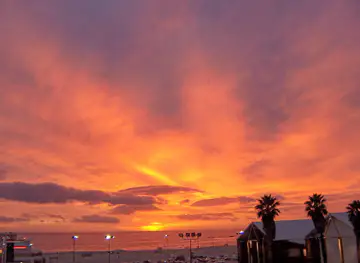
The closest regions to South Coast, if you have time for more than one.
-

-

-

-
-


Swipe for more regions
Explore more
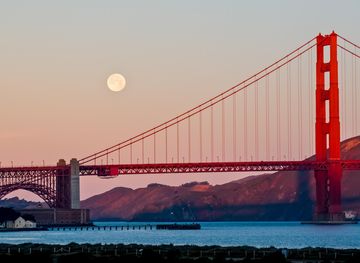
Explore more of California
Discover California: A land of diverse landscapes, iconic cities, and endless adventures, from sun-soaked beaches to towering redwoods and vibrant cultural experiences.
Explore California