
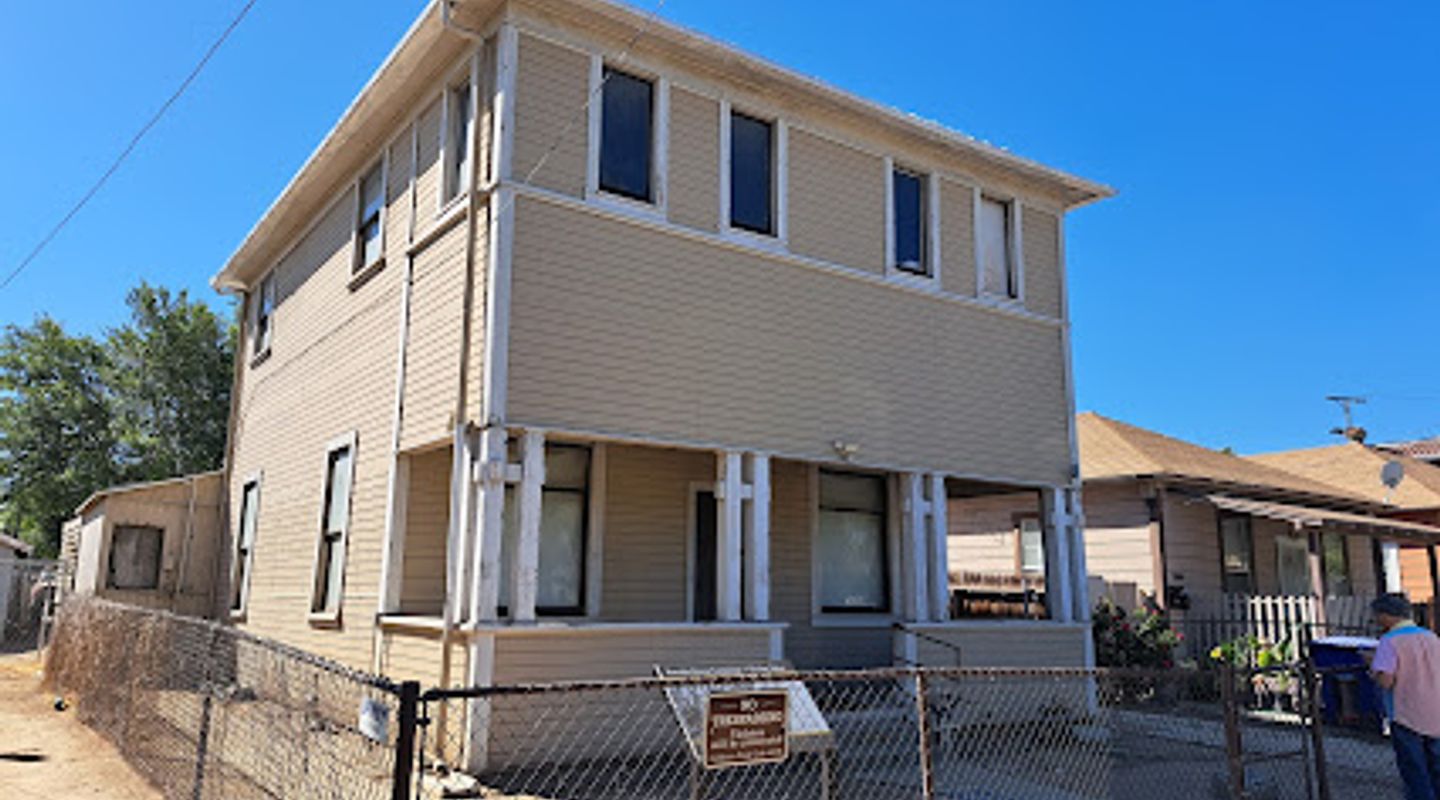
Harada House, Westside Travel Guide
Discover the story of the Harada family at this National Historic Landmark, a testament to civil rights and the Japanese American experience in Riverside.
The Harada House in Riverside, California, is a National Historic Landmark that stands as a symbol of the struggle for civil rights and equality. It was the center of a landmark court case in 1918, where the Harada family, Japanese immigrants, fought for their right to own property despite discriminatory laws.
A brief summary to Harada House
- 3356 Lemon St, Riverside, Downtown Riverside, California, 92501, US
- Click to display

Know before you go
Hi, I'm Eve. Here are a few practical things to know before exploring Harada House.
- Check the Museum of Riverside's website for updates on the Harada House restoration project and future opening hours.
- Explore the surrounding Downtown Riverside area, which features a mix of historic buildings, shops, and restaurants.
- Consider visiting the nearby Heritage House, another historic home owned by the Museum of Riverside, to learn more about the city's past.
Do you manage this location?
Take control to get all the benefits, like improved information, better appearance, and stronger visibility across AI-powered discovery. Learn more about listing your business on Evendo
Activate your presenceOther nearby places you may find interesting
The closest places of the same kind, if this one is not quite what you had in mind.
Explore Harada House on the Map
A handpicked selection of must-see spots near Harada House, mapped for you.
Getting There
-
Walking
From the heart of Downtown Riverside, near the Main Street pedestrian mall or the Mission Inn Museum, the Harada House is a short walk. Head east on University Avenue, then turn right onto Lemon Street. The Harada House will be on your left, a short distance down the street. The walk is generally flat and takes about 5-10 minutes. Note that the house is undergoing restoration, so check for accessibility updates.
-
Public Transport
Several Riverside Transit Agency (RTA) bus routes serve the Downtown Riverside area. Check the RTA website or app for the most up-to-date schedules and routes. Disembark at a stop near University Avenue and Lemon Street, such as Brockton + University. From there, it's a short walk to the Harada House. A single RTA bus fare is $0.25 through August 31st.
-
Taxi/Ride-Share
Taxi and ride-sharing services like Uber and Lyft are readily available in Riverside. Request a ride to 3356 Lemon Street, Riverside. From a central downtown location, the fare will likely be in the range of $7-$12, depending on demand and traffic.
-
Driving
If driving, navigate to 3356 Lemon Street, Riverside, CA 92501. Parking near the Harada House is primarily street parking. Be aware of parking restrictions and time limits. Parking is often free, but always check posted signs. There are also paid parking lots in downtown Riverside, a few blocks away, with hourly rates typically around $1-$2 per hour.
Discover more about Harada House













Your all‑in‑one travel companion app
Explore expert travel guides, compare and book tours, experiences, hotels, and more—all from the palm of your hand. Download now for seamless trip planning wherever your wanderlust takes you.


Explore More of Westside
Looking beyond Harada House? Discover Westside for broader travel guides, local hot-spots, and regional highlights.
Explore Westside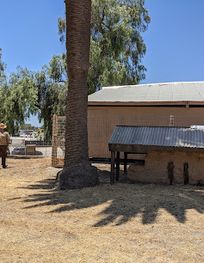
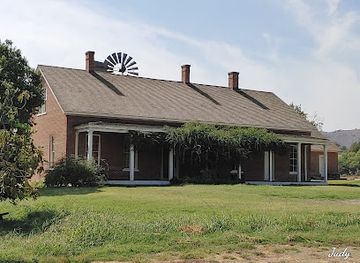
Discover the historical richness of Trujillo Adobe in Riverside, CA, a captivating landmark that showcases the cultural heritage of the region.

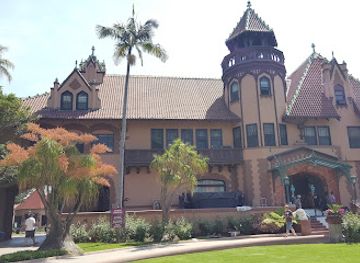
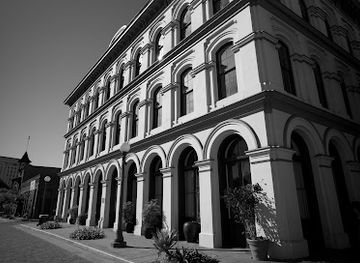
Discover the historical elegance and modern luxury of Mission Inn Hotel & Spa in Riverside, California, a perfect getaway for relaxation and celebration.
